The gestational diabetes glucose test checks blood sugar during pregnancy. Learn how it works, what to expect, and how to prepare for accurate results.
By Shubhra Mishra — a mom of two who turned her own confusion during pregnancy into BumpBites, a global mission to make food choices clear, safe, and stress-free for every expecting mother. 💛
Check whether any food is safe during pregnancy with the BumpBites Food Safety Checker.
Quick take: The gestational diabetes glucose test is a common and important screening during pregnancy, usually between 24 and 28 weeks, to check how your body processes sugar. It typically involves drinking a sugary solution and having your blood tested. While it might be a bit inconvenient, it's a crucial step for your and your baby's health, allowing your medical team to detect and manage gestational diabetes early.
It's 26 weeks, and suddenly your midwife brings up the "glucose test." Maybe you've heard whispers from other pregnant friends, or perhaps you're just wondering what this new appointment means for you and your growing baby. The idea of drinking a super-sweet drink and waiting around for blood draws can feel a little daunting, and it's completely normal to have questions about what to expect, how to prepare, and why it's even necessary.
At BumpBites, we understand that every step of pregnancy comes with its own set of anxieties and curiosities. That's why we're here to demystify the gestational diabetes glucose test, walking you through everything you need to know. This test is a routine part of prenatal care designed to ensure a healthy pregnancy for both you and your little one, and understanding it can help ease any worries you might have.
In this comprehensive guide, we'll cover what the test involves, when it's usually done, how to prepare, what your results mean, and what happens next if your results are abnormal. Our goal is to provide you with clear, reassuring, and scientifically grounded information so you can approach your glucose test with confidence.
The glucose test is a routine part of prenatal care, designed to keep both you and your baby healthy.
What is the gestational diabetes glucose test, and why is it important?
The gestational diabetes glucose test, often referred to as the oral glucose tolerance test (OGTT) or simply the "sugar test," is a routine screening performed during pregnancy. Its primary purpose is to identify gestational diabetes, a type of diabetes that develops or is first diagnosed during pregnancy. Unlike type 1 or type 2 diabetes, gestational diabetes usually resolves after delivery, but if left unmanaged, it can lead to complications for both you and your baby.
During pregnancy, your body undergoes significant hormonal changes. These hormones can make your cells less responsive to insulin, a hormone produced by your pancreas that helps convert blood sugar (glucose) into energy. When your body can't produce enough extra insulin to overcome this resistance, glucose builds up in your blood, leading to gestational diabetes. The glucose test helps your healthcare provider assess how well your body is managing blood sugar levels.
Detecting gestational diabetes is incredibly important because high blood sugar levels can impact your pregnancy in several ways. For you, it can increase the risk of pre-eclampsia (a serious blood pressure condition), needing a C-section, or developing type 2 diabetes later in life. For your baby, high blood sugar can lead to excessive growth (macrosomia), making delivery more difficult, increasing the risk of preterm birth, or causing low blood sugar (hypoglycemia) and breathing problems shortly after birth. Early diagnosis through the glucose test allows your medical team to implement strategies to manage your blood sugar, minimizing these risks and promoting a healthier outcome for everyone.
Think of the glucose test as a proactive measure. It’s not about finding fault; it’s about giving you and your baby the best possible start. It’s also often referred to simply as the "glucose challenge test" (GCT) for the initial 1-hour screening, and then the full "oral glucose tolerance test" (OGTT) for the longer, diagnostic follow-up if the GCT is abnormal. While the names can be a bit confusing, they all aim to assess your body's ability to process sugar effectively during pregnancy.
When should you schedule the gestational diabetes glucose test during pregnancy?
The timing of the gestational diabetes glucose test is typically quite specific, usually falling within the second trimester. Most healthcare providers recommend scheduling the test between **24 and 28 weeks of pregnancy**. This window is chosen because insulin resistance, which can lead to gestational diabetes, tends to become more pronounced during this period due to the increasing levels of placental hormones.
However, there are circumstances where your doctor or midwife might recommend earlier screening. If you have certain risk factors for gestational diabetes, you might be tested in your first trimester, often around 10-14 weeks. These risk factors can include:
Being overweight or obese before pregnancy.
Having a history of gestational diabetes in a previous pregnancy.
Having a large baby (over 9 pounds or 4.1 kg) in a previous pregnancy.
Having a parent or sibling with type 2 diabetes.
Being of certain ethnic backgrounds (e.g., Hispanic, Black, Indigenous, Asian, Pacific Islander).
Having polycystic ovary syndrome (PCOS).
Having glucose in your urine during an early prenatal visit.
If your initial test during the first trimester is negative, your provider will likely recommend a repeat screening between 24 and 28 weeks, just to be sure. This two-step approach helps catch gestational diabetes no matter when it might develop during your pregnancy.
It’s important to discuss the timing with your healthcare provider. They will consider your individual health history and any risk factors to determine the best schedule for your screening. Don't worry if you're slightly outside the 24-28 week window; your provider will guide you on the most appropriate time to take the test for your specific situation. The goal is to get an accurate picture of your glucose metabolism when it's most likely to show potential issues, allowing for timely intervention if needed.
How do you prepare for the gestational diabetes glucose test, including fasting?
Preparing for your gestational diabetes glucose test can feel like a bit of a puzzle, especially with all the advice floating around. The good news is that for the initial 1-hour glucose challenge test (GCT), extensive preparation, including fasting, is often *not* required. However, if your initial screening results are high, you'll typically move on to a 3-hour oral glucose tolerance test (OGTT), which *does* require fasting.
Preparation for the 1-hour Glucose Challenge Test (GCT)
Fasting: Generally, you do **not** need to fast before the 1-hour GCT. You can eat and drink normally before your appointment. In fact, some studies suggest that a normal diet might even give a more realistic picture of how your body handles sugar.
Diet before test: Maintain your usual diet in the days leading up to the test. Avoid trying to "trick" the test by eating an extremely low-sugar diet, as this could lead to inaccurate results. The idea is to see how your body processes sugar under normal circumstances.
What foods to avoid: While you don't need to fast, some providers might suggest avoiding excessive amounts of sugary foods or drinks (like juice, soda, or candy) in the immediate hours before the test. This is not a strict rule, but a common-sense approach to prevent an unnaturally high baseline.
Water intake: You **can and should drink water** normally before and during the 1-hour test. Staying hydrated is important for your overall health and can sometimes help if you feel nauseous from the glucose drink.
Medications: Continue taking all prescribed medications unless your doctor specifically tells you otherwise. If you're on any medications that affect blood sugar, discuss this with your provider beforehand.
Preparation for the 3-hour Oral Glucose Tolerance Test (OGTT) (if needed)
Fasting requirements: For the 3-hour OGTT, **fasting is mandatory**. You will typically be instructed to fast for 8-14 hours before your first blood draw. This usually means no food or drink (other than water) after midnight the night before your test.
Diet before test: For three days leading up to the 3-hour OGTT, you might be advised to eat a diet that includes at least 150 grams of carbohydrates per day. This ensures your body is primed to process sugar and doesn't give a false negative due to carb restriction. Your provider will give you specific instructions if this is necessary.
What foods to avoid: During the fasting period, absolutely no food, sugary drinks, coffee, or tea. Even chewing gum can sometimes affect results.
Water intake: You are usually allowed to drink plain water during the fasting period and throughout the test. This is crucial for staying hydrated and comfortable.
Medications: Again, continue your usual medications unless advised by your doctor.
It's always best to follow the specific instructions provided by your own healthcare team, as guidelines can vary slightly between practices and regions. Don't hesitate to ask them for clarification on any aspect of the preparation.
What does the gestational diabetes glucose test involve, step by step?
Understanding the steps of the gestational diabetes glucose test can help demystify the process and make you feel more prepared. There are generally two types of tests: the 1-hour glucose challenge test (GCT) for screening, and if that's abnormal, the 3-hour oral glucose tolerance test (OGTT) for diagnosis.
The 1-hour Glucose Challenge Test (GCT)
This is the most common first step for screening.
No fasting usually required: As mentioned, you typically don't need to fast for this test. You can eat and drink normally before your appointment.
The glucose drink: You'll be given a sweet, syrupy drink containing 50 grams of glucose. It comes in different flavors, like orange, lemon-lime, or fruit punch. Many women describe it as very sweet, similar to a flat soda. You'll need to drink it within 5 minutes.
The waiting period: After finishing the drink, you'll wait for exactly one hour. During this time, you shouldn't eat anything else. You can usually drink plain water, but check with the clinic. Try to relax, read a book, or scroll through your phone. Avoid strenuous activity, as it can affect your blood sugar levels.
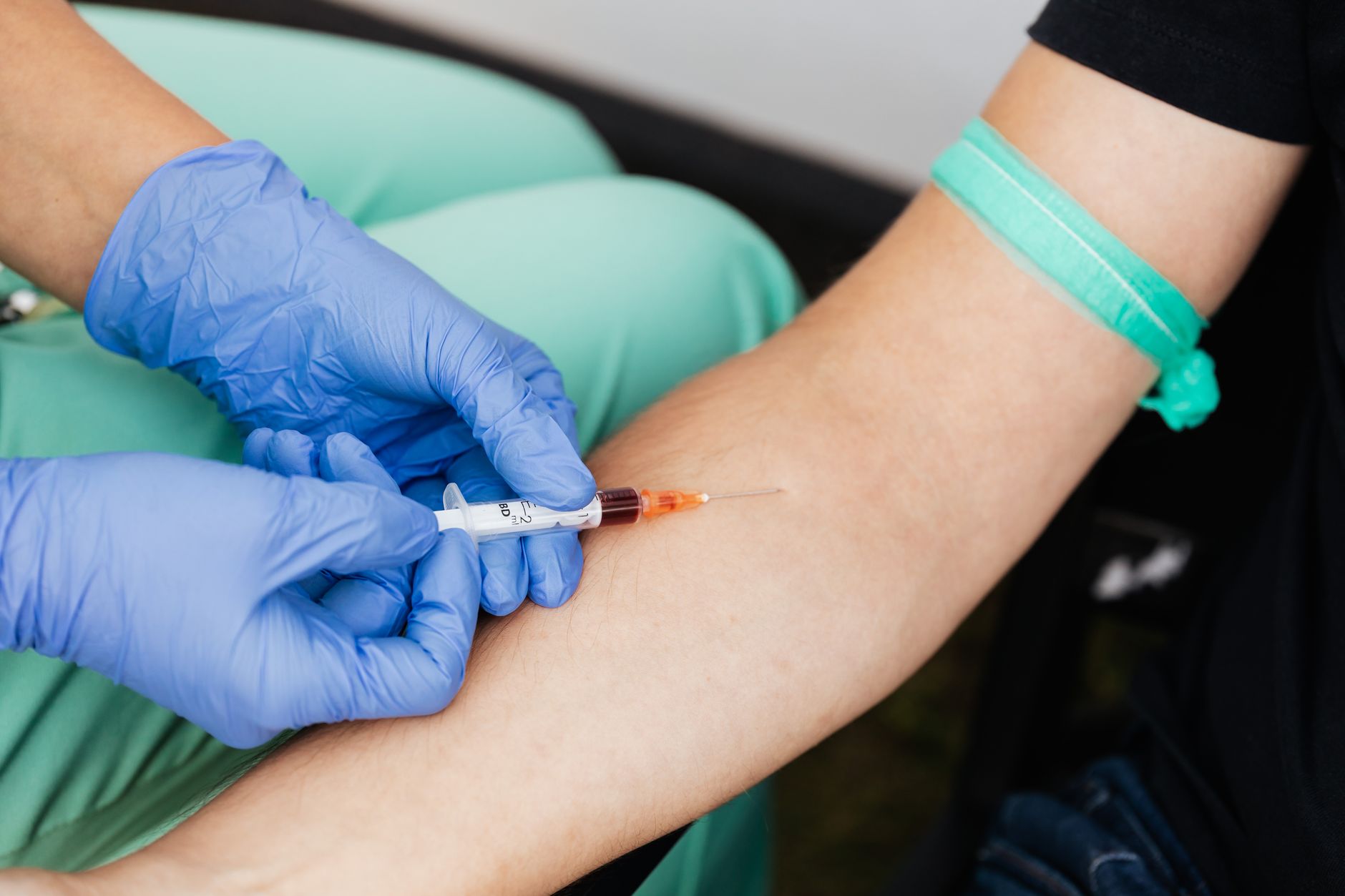
Blood draw: Exactly one hour after you finished the drink, a blood sample will be taken from your arm. This is the only blood draw for the 1-hour test.
How long does it take?: The entire process, from drinking the solution to the blood draw, takes about 1 hour and 15 minutes.
Is it safe?: Yes, the glucose test is considered very safe for both you and your baby. The amount of sugar is similar to what you might consume in a large sugary drink or meal. Some women might feel a bit nauseous, lightheaded, or experience a sugar rush/crash, but serious side effects are rare. If you feel unwell, let the clinic staff know immediately.
Gestational diabetes glucose test at home: While home blood glucose monitoring is common for managing diagnosed gestational diabetes, the initial screening or diagnostic tests (GCT/OGTT) are **not typically done at home**. They require precise timing and laboratory equipment for accurate results, which is why they are performed in a clinic or lab setting.
The test involves a blood draw to see how your body processes the sugary drink.
The 3-hour Oral Glucose Tolerance Test (OGTT)
If your 1-hour GCT results are abnormal (meaning your blood sugar was above a certain threshold), your provider will typically recommend the 3-hour OGTT for a definitive diagnosis.
Fasting required: As noted above, you must fast for 8-14 hours before this test.
Initial blood draw: When you arrive at the clinic, your first blood sample will be drawn. This is your fasting blood glucose level.
The glucose drink: You'll then drink a more concentrated glucose solution, usually containing 100 grams of glucose, within 5 minutes.
Multiple blood draws: After drinking the solution, blood samples will be drawn at specific intervals: one hour later, two hours later, and finally, three hours later. This means you'll have a total of four blood draws (fasting, 1-hour, 2-hour, 3-hour).
The waiting period: You'll need to stay at the clinic for the entire three hours. Again, no food or other drinks (except plain water) are allowed during this time. Avoid strenuous activity. Bring a book, charger, or anything to help pass the time comfortably.
How long does it take?: The total time for the 3-hour OGTT is about 3 hours and 15 minutes.
Is it safe?: The 3-hour test is also safe, but some women find the longer fasting and higher glucose concentration more challenging. Nausea, dizziness, or lightheadedness are more common. If you feel unwell, inform the staff.
Both tests are crucial for identifying gestational diabetes, ensuring that if it's present, you can get the care you need to have the healthiest possible pregnancy and baby.
What are normal results for a gestational diabetes glucose test?
Understanding what constitutes a "normal" result for the gestational diabetes glucose test can bring a lot of clarity and peace of mind. It's important to remember that thresholds can vary slightly by clinic or country, so always refer to the specific ranges provided by your healthcare provider. However, here are the commonly accepted guidelines from organizations like the American College of Obstetricians and Gynecologists (ACOG) and the National Institute for Health and Care Excellence (NICE).
For the 1-hour Glucose Challenge Test (GCT)
This is a screening test, meaning it identifies who might need further testing, not necessarily who has gestational diabetes.
Normal result: A blood glucose level **below 130-140 mg/dL (7.2-7.8 mmol/L)** one hour after drinking the glucose solution is generally considered normal. If your result falls within this range, no further testing is usually needed, and you likely do not have gestational diabetes.
Abnormal result: If your blood glucose level is **above 130-140 mg/dL (7.2-7.8 mmol/L)**, it's considered an abnormal screening result. This does *not* mean you have gestational diabetes; it simply means you'll need to proceed to the 3-hour oral glucose tolerance test (OGTT) for a definitive diagnosis. Some providers use a stricter threshold of 130 mg/dL, while others use 140 mg/dL.
For the 3-hour Oral Glucose Tolerance Test (OGTT)
This is a diagnostic test. To be diagnosed with gestational diabetes, you typically need to meet or exceed at least two of the following four blood glucose thresholds:
Commonly used thresholds (Carpenter and Coustan criteria):
Fasting: < 95 mg/dL (5.3 mmol/L)
1-hour: < 180 mg/dL (10.0 mmol/L)
2-hour: < 155 mg/dL (8.6 mmol/L)
3-hour: < 140 mg/dL (7.8 mmol/L)
Another set of criteria, often used by the National Diabetes Data Group (NDDG), uses slightly different thresholds:
Fasting: < 105 mg/dL (5.8 mmol/L)
1-hour: < 190 mg/dL (10.5 mmol/L)
2-hour: < 165 mg/dL (9.2 mmol/L)
3-hour: < 145 mg/dL (8.0 mmol/L)
If two or more of your blood glucose levels meet or exceed the thresholds for the 3-hour OGTT, you will be diagnosed with gestational diabetes. If only one value is elevated, your provider might recommend close monitoring and a repeat test later in pregnancy, or may still consider it "glucose intolerance" needing attention.
Gestational diabetes glucose test results timeline
The timeline for receiving your results can vary. For the 1-hour GCT, results are often available within a few days, sometimes even the next day, depending on the lab. For the 3-hour OGTT, which involves multiple samples, it might take a few more days, typically within 3-5 business days. Your provider's office will usually contact you with the results, especially if they are abnormal, to discuss the next steps.
Receiving normal results is a huge relief for many expectant parents. One BumpBites reader shared, "I was so anxious about the 3-hour test after failing the 1-hour. When my doctor called to say all my numbers were normal, I almost cried with relief. It felt like a huge weight lifted." Remember, regardless of the outcome, your healthcare team is there to support you.
What happens if your gestational diabetes glucose test is abnormal?
Discovering that your gestational diabetes glucose test results are abnormal can certainly feel unsettling, and it’s natural to feel worried. However, it's crucial to remember that an abnormal result is not a diagnosis of gestational diabetes itself. It simply means your body's glucose processing needs a closer look, and it's a call to action for further testing and potential management.
If your 1-hour GCT is abnormal
If your blood glucose level after the 1-hour challenge is above the threshold (typically 130-140 mg/dL), your healthcare provider will recommend the **3-hour oral glucose tolerance test (OGTT)**. This is the diagnostic test that will confirm whether you have gestational diabetes. As detailed earlier, this involves fasting, an initial blood draw, drinking a higher concentration of glucose, and then three more blood draws over three hours. It's a longer process, but it provides a more definitive answer.
If your 3-hour OGTT is abnormal (diagnosis of gestational diabetes)
If the 3-hour OGTT shows two or more elevated blood sugar levels, you will be diagnosed with gestational diabetes. This is when your healthcare team will swing into action to help you manage the condition effectively. The "next steps if my gestational diabetes glucose test is positive" typically involve:
Dietary changes: This is often the first line of defense. You'll likely be referred to a registered dietitian or a diabetes educator who specializes in pregnancy. They will help you understand how to manage your blood sugar through specific food choices, focusing on balanced meals, controlled carbohydrate intake (not eliminating carbs, but choosing complex ones and portion control), and regular meal times.
Increased physical activity: Regular, moderate exercise, like a brisk walk after meals, can significantly help improve your body's insulin sensitivity and lower blood sugar levels. Your provider will discuss safe and appropriate exercise routines for pregnancy.
Blood glucose monitoring: You'll be taught how to monitor your blood sugar levels at home using a glucometer. This usually involves pricking your finger several times a day (fasting and after meals) to track how different foods and activities affect your glucose. This data is vital for adjusting your diet and treatment plan.
Regular prenatal appointments: You'll likely have more frequent prenatal visits to monitor your blood sugar, your baby's growth, and your overall health. Ultrasounds might be more frequent to check your baby's size and well-being.
Medication (if needed): For some women, diet and exercise alone aren't enough to control blood sugar levels. In these cases, your doctor might prescribe medication. This could be oral medication (like metformin) or insulin injections. Your provider will discuss the safest and most effective options for you and your baby.
Education and support: Many clinics offer classes or support groups for women with gestational diabetes. These resources can be incredibly helpful for learning practical strategies, sharing experiences, and reducing feelings of isolation.
The good news is that with proper management, most women with gestational diabetes have healthy pregnancies and healthy babies. The key is early detection and consistent adherence to the treatment plan. Your medical team is there to guide you every step of the way, helping you navigate this journey with confidence.
What's the difference between the one-hour and three-hour gestational diabetes glucose tests?
When discussing gestational diabetes testing, you'll often hear about both the "one-hour" and "three-hour" tests. While both involve drinking a glucose solution and having blood drawn, they serve different purposes and have distinct procedures. Understanding these differences can help clarify the process.
The 1-hour Glucose Challenge Test (GCT)
The 1-hour GCT is primarily a **screening test**. Its goal is to identify pregnant individuals who might be at an increased risk for gestational diabetes and therefore need further, more definitive testing. It's designed to be relatively quick and convenient for routine prenatal care.
Purpose: Screening for risk.
Glucose amount: 50 grams of glucose.
Fasting: Usually **not** required.
Blood draws: One blood draw, exactly one hour after drinking the solution.
Duration: Approximately 1 hour and 15 minutes.
Results: A high result indicates the need for the 3-hour diagnostic test, not a diagnosis of gestational diabetes itself.
The 3-hour Oral Glucose Tolerance Test (OGTT)
The 3-hour OGTT is a **diagnostic test**. It's performed if the 1-hour GCT results are abnormal. This test is more comprehensive and provides a definitive answer as to whether gestational diabetes is present.
Purpose: Diagnosing gestational diabetes.
Glucose amount: 100 grams of glucose (a higher concentration).
Blood draws: Four blood draws: one fasting, and then at 1, 2, and 3 hours after drinking the solution.
Duration: Approximately 3 hours and 15 minutes.
Results: Based on the four blood glucose levels, a diagnosis of gestational diabetes is made if two or more values meet or exceed specific thresholds.
Key Differences at a Glance
This table summarizes the main distinctions between the two tests:
Feature
1-Hour Glucose Challenge Test (GCT)
3-Hour Oral Glucose Tolerance Test (OGTT)
Purpose
Screening (identifies risk)
Diagnostic (confirms or rules out GD)
Glucose Amount
50 grams
100 grams
Fasting Required?
Generally no
Yes (8-14 hours)
Number of Blood Draws
1 (at 1 hour)
4 (fasting, 1 hr, 2 hr, 3 hr)
Total Time
~1 hour 15 minutes
~3 hours 15 minutes
Outcome
Normal: No further action Abnormal: Proceed to 3-hr OGTT
Normal: No GD Abnormal: GD diagnosis
It's important to understand that failing the 1-hour test doesn't automatically mean you have gestational diabetes; it simply means you need the more detailed 3-hour test to get a clearer picture. Many women who "fail" the 1-hour GCT go on to have normal results on the 3-hour OGTT.
If diagnosed with gestational diabetes, dietary changes are often the first step in managing blood sugar.
How often will you need repeat gestational diabetes glucose testing?
Once you've gone through the gestational diabetes glucose testing process, you might wonder if this is a one-time event or if repeat testing will be necessary. The answer depends on your initial results and your overall health journey.
During the current pregnancy
If your initial 1-hour GCT is normal, and you have no new risk factors or symptoms, you typically will **not** need repeat glucose testing during that same pregnancy. The screening between 24-28 weeks is generally considered sufficient to identify gestational diabetes for most women.
However, if you had an abnormal 1-hour GCT but a normal 3-hour OGTT (meaning you did not receive a gestational diabetes diagnosis), some providers might recommend a repeat 1-hour GCT later in the pregnancy, particularly if you have ongoing risk factors or develop symptoms that suggest insulin resistance could be increasing. This is not universally practiced but can be a cautious approach.
Gestational diabetes glucose test after delivery
This is a very common and important question, and the answer is **yes, repeat testing is highly recommended after delivery**. Even though gestational diabetes typically resolves once the baby is born and the placenta (which produces the insulin-blocking hormones) is delivered, having had gestational diabetes significantly increases your risk of developing type 2 diabetes later in life. In fact, up to 70% of women who had gestational diabetes will develop type 2 diabetes within 5 to 10 years after pregnancy.
Because of this increased risk, major health organizations like ACOG and the American Diabetes Association (ADA) recommend follow-up screening for type 2 diabetes. This usually involves:
6-12 weeks postpartum: A 2-hour 75-gram oral glucose tolerance test (OGTT) or a fasting plasma glucose test is typically performed at this time. This test checks your body's ability to process sugar without the influence of pregnancy hormones.
Every 1-3 years thereafter: If your postpartum test results are normal, you should continue to be screened for type 2 diabetes every one to three years for life, or as advised by your doctor. This can be done with a fasting glucose test or an HbA1c test (which measures your average blood sugar over the past 2-3 months).
This postpartum testing is crucial for early detection of type 2 diabetes, allowing for lifestyle interventions or treatment if needed. Many women with gestational diabetes find themselves on a lifelong journey of health monitoring, even after a healthy baby is born. One mom shared, "I was so focused on my baby after birth, I almost forgot about my follow-up glucose test. But my doctor insisted, reminding me it was for my long-term health. It was a good push to make sure I continued prioritizing myself."
Your healthcare provider will discuss your specific postpartum testing schedule and help you create a plan for ongoing health management. Even if you felt perfectly fine after delivery, don't skip this important follow-up.
Understanding gestational diabetes glucose test costs and insurance coverage
Navigating the costs and insurance coverage for medical tests during pregnancy can add another layer of stress. When it comes to the gestational diabetes glucose test, understanding these aspects can help you prepare financially and avoid surprises.
Gestational diabetes glucose test cost
The cost of the gestational diabetes glucose test (both the 1-hour GCT and the 3-hour OGTT) can vary significantly depending on several factors:
Location: Costs differ by state, city, and even between different hospitals or clinics within the same area.
Type of facility: A test performed at a hospital outpatient lab might be priced differently than one done at an independent diagnostic lab.
Insurance status: Your out-of-pocket cost will heavily depend on your insurance plan's coverage, deductibles, co-pays, and co-insurance.
What's included: The cost might cover just the lab work, or it could include the glucose solution and the blood draw fees.
Without insurance, the cash price for a 1-hour glucose challenge test might range from approximately $20 to $100. The 3-hour oral glucose tolerance test, due to multiple blood draws and longer lab time, can be more expensive, potentially ranging from $50 to $200 or more without coverage. These are rough estimates, and actual costs can be higher.
Gestational diabetes glucose test insurance coverage
In most cases, the gestational diabetes glucose test is considered a routine and essential part of prenatal care, and as such, it is typically **covered by health insurance plans**. This applies to both the 1-hour screening test and, if needed, the 3-hour diagnostic test.
Preventive care: Many insurance plans cover prenatal care, including screenings like the glucose test, as preventive services, meaning they might be covered at 100% without counting towards your deductible or requiring a co-pay. However, this is not always the case, so it's important to verify.
Deductibles and co-pays: Depending on your plan, you might still be responsible for a co-pay for the office visit where the blood draw occurs, or the cost might go towards your annual deductible if it's not categorized as 100% preventive.
Pre-authorization: While rare for routine glucose tests, some plans might require pre-authorization for certain lab services. Your doctor's office typically handles this, but it's good to be aware.
"Do I need a doctor's order for the gestational diabetes glucose test?": Yes, you absolutely need a doctor's order (or a midwife's order) for the gestational diabetes glucose test. This is a medical diagnostic procedure that must be prescribed by a licensed healthcare provider and processed through a medical lab. You cannot simply walk into a lab and request it yourself without a referral.
To avoid any unexpected costs, we strongly recommend taking these steps:
Contact your insurance provider: Call the number on your insurance card and ask specific questions about coverage for "gestational diabetes screening" (CPT codes might be 82950 for the 1-hour and 82951 for the 3-hour, but confirm with your provider). Ask about your deductible, co-pays, and whether the test is covered as preventive care.
Talk to your provider's office: Your doctor's billing department or the lab they use can often give you an estimate of costs and clarify what your insurance typically covers.
Being proactive about understanding the financial aspects can help alleviate stress during your pregnancy journey. Most women find that the test is covered, but a quick call to your insurance company can provide definitive peace of mind.
From our medical team: "The glucose test is a cornerstone of safe prenatal care. We know the sugary drink isn't everyone's favorite, and the waiting can be tedious, but it's genuinely one of the most important screenings we do to protect both mom and baby. Early detection of gestational diabetes allows us to intervene with simple, yet effective, lifestyle changes and, if necessary, medication. This proactive approach significantly reduces potential complications and helps ensure a healthier, smoother pregnancy journey for all our patients."
Myth vs. fact
There's a lot of information and misinformation floating around about the gestational diabetes glucose test. Let's clear up some common myths with the facts.
Myth: Eating a super low-sugar diet before the test will help you pass.
Fact: Attempting to "trick" the test by drastically altering your diet in the days leading up to it can actually lead to inaccurate results. For the 1-hour GCT, you should eat normally. For the 3-hour OGTT, your provider might even recommend maintaining a regular carbohydrate intake for a few days prior to ensure your body is processing sugar as it normally would. The test is designed to see how your body handles sugar under typical conditions, not under artificial restrictions.
Myth: If you fail the 1-hour test, you definitely have gestational diabetes.
Fact: This is a common misconception! The 1-hour GCT is a screening test, not a diagnostic one. A high result simply means you need further testing with the 3-hour OGTT. Many women who "fail" the 1-hour test go on to have completely normal results on the 3-hour diagnostic test and do not have gestational diabetes. Try not to panic if your 1-hour results are high.
Myth: Gestational diabetes only affects women who are overweight or eat a lot of sugar.
Fact: While being overweight and certain dietary habits can increase your risk, gestational diabetes can affect *any* pregnant person, regardless of their pre-pregnancy weight, diet, or lifestyle. It's primarily caused by hormonal changes during pregnancy that affect insulin sensitivity, which is largely out of your control. Many healthy-eating, active women still develop gestational diabetes, highlighting why universal screening is so important.
Key takeaways
The gestational diabetes glucose test is a crucial screening tool, typically done between 24-28 weeks of pregnancy, to identify how your body processes sugar.
The 1-hour glucose challenge test (GCT) is a screening; the 3-hour oral glucose tolerance test (OGTT) is diagnostic if the GCT is abnormal.
Preparation varies: generally no fasting for the 1-hour GCT, but mandatory fasting for the 3-hour OGTT. Always follow your provider's specific instructions.
The test involves drinking a sugary solution and having blood draws at specific intervals to measure your blood sugar levels.
An abnormal result on the 1-hour test doesn't mean you have gestational diabetes; it means you need the 3-hour test for a definitive diagnosis.
If diagnosed with gestational diabetes, it's manageable through diet, exercise, and sometimes medication, under the guidance of your healthcare team.
Postpartum testing (6-12 weeks after delivery) is vital to check for type 2 diabetes, as having had gestational diabetes increases your long-term risk.
Frequently asked questions
How long does the gestational diabetes glucose test take?
The initial 1-hour glucose challenge test (GCT) typically takes about 1 hour and 15 minutes from start to finish. If you need the diagnostic 3-hour oral glucose tolerance test (OGTT), the entire process, including multiple blood draws and waiting periods, will take approximately 3 hours and 15 minutes.
Is it safe to take the gestational diabetes glucose test while pregnant?
Yes, the gestational diabetes glucose test is considered very safe for both you and your baby. The sugary drink and blood draws pose no significant risk. Some women might experience mild side effects like nausea, dizziness, or a temporary sugar rush/crash, but these are generally short-lived and not harmful.
What foods should I avoid before the gestational diabetes glucose test?
For the 1-hour GCT, you generally don't need to avoid any specific foods; eat normally. For the 3-hour OGTT, you'll need to fast for 8-14 hours, meaning no food, sugary drinks, coffee, or tea (only plain water) during that period. Avoid trying to manipulate your diet to "pass" the test, as this can lead to inaccurate results.
Can I drink water during the gestational diabetes glucose test?
Yes, you can and should drink plain water during both the 1-hour and 3-hour glucose tests. Staying hydrated is important, especially during the fasting period for the 3-hour test, and can help alleviate any feelings of nausea from the glucose solution. Avoid any flavored water or other beverages.
What are the next steps if my gestational diabetes glucose test is positive?
If you are diagnosed with gestational diabetes, your healthcare provider will guide you through a management plan. This typically includes working with a dietitian for dietary changes, incorporating regular exercise, monitoring your blood sugar levels at home, and potentially starting medication (oral or insulin) if lifestyle changes aren't sufficient. You'll also have more frequent prenatal appointments to monitor your and your baby's health.
Do I need a doctor's order for the gestational diabetes glucose test?
Yes, you absolutely need a doctor's or midwife's order for the gestational diabetes glucose test. This is a medical screening and diagnostic procedure that must be prescribed by a licensed healthcare provider and processed through a medical laboratory. You cannot perform it without a referral.
When to call your doctor
While the glucose test is generally safe, it's important to be aware of any concerning symptoms. Call your doctor or midwife immediately if you experience any of the following during or after the glucose test:
Severe dizziness, lightheadedness, or fainting.
Extreme nausea or vomiting that prevents you from keeping the glucose solution down.
Any signs of an allergic reaction, such as rash, itching, swelling, or difficulty breathing.
Severe abdominal pain or cramping.
Any other symptoms that feel unusual or concerning to you.
Remember, this article is for informational purposes only and is not a substitute for professional medical advice, diagnosis, or treatment. Always seek the advice of your qualified healthcare provider with any questions you may have regarding a medical condition or treatment.
References
American College of Obstetricians and Gynecologists (ACOG). (2020). Practice Bulletin No. 223: Gestational Diabetes Mellitus.
American Diabetes Association (ADA). (2024). Standards of Medical Care in Diabetes—2024. Diabetes Care, 47(Supplement 1), S1-S291.
Centers for Disease Control and Prevention (CDC). (2023). Gestational Diabetes.
Mayo Clinic. (2023). Gestational diabetes: Diagnosis and treatment.
National Institute for Health and Care Excellence (NICE). (2020). Diabetes in pregnancy: management from preconception to the postnatal period. NICE guideline [NG3].
Not sure about the label on Gestational Diabetes Glucose Test products?
Snap the ingredients list and SafeFilter checks every ingredient for your stage — only 3 free scans this month, then you're locked until reset. Unlimited from $7/mo or $50/yr.
When Shubhra Mishra was expecting her first child in 2016, she was overwhelmed by conflicting food advice — one site said yes, another said never. By the time her second baby arrived in 2019, she realized millions of mothers face the same confusion.
That sparked a five-year journey through clinical nutrition papers, cultural diets, and expert conversations — all leading to BumpBites: a calm, compassionate space where science meets everyday motherhood.
Her long-term vision is to build a global community ensuring safe, supported, and free deliveriesfor every mother — because no woman should face pregnancy alone or uninformed. 🌿
🌍 Stand with mothers, shape safer guidance
Join a small circle of experts who review BumpBites articles so expecting parents everywhere can decide with confidence.