

Quick take: A gestational diabetes diet focuses on **low-glycemic, high-fiber, and high-protein foods** to keep blood sugar stable. Think **leafy greens, lean proteins, healthy fats, and whole grains**—but skip sugary drinks, refined carbs, and processed snacks. Start with **3 balanced meals + 2 snacks daily**, aim for **30–45g carbs per meal** (adjust based on your blood sugar readings), and pair carbs with protein/fiber to slow sugar spikes. If you're vegetarian or vegan, lean on **beans, lentils, tofu, and quinoa**—but watch portion sizes. Coffee and tea are fine (unsweetened), but **avoid artificial sweeteners** like sucralose in large amounts. Most women see blood sugar improvements within **1–2 weeks** of consistent eating. Always check with your provider before making major dietary changes.Gestational Diabetes Diet Food List for Beginners: The Complete 2026 Guide
It was 3:17 AM when the notification popped up on my phone: **"Your blood sugar is 142 mg/dL. Above target."** I sat up in bed, heart pounding, and stared at the numbers on my glucometer. *Again?* I’d already cut out the sugary cereal I’d been sneaking at night, but the numbers weren’t budging. That’s when I realized: I wasn’t just avoiding sweets—I was avoiding *carbs entirely*. And that was the problem. Gestational diabetes isn’t about eliminating carbs; it’s about choosing the right ones. The right *amounts*. The right *combinations*.
If you’re here, you’re likely feeling the same mix of frustration and fear: *What can I actually eat?* *How do I stop feeling like I’m on a starvation diet?* *Will my baby be okay?* You’re not alone. Gestational diabetes affects **1 in 7 pregnancies** in the U.S. alone, and while it’s manageable with diet and lifestyle changes, the first few weeks can feel overwhelming. The good news? With the right plan—**one that’s sustainable, evidence-based, and tailored to your body**—you *can* keep your blood sugar in check without feeling deprived.
This guide is your **no-BS, beginner-friendly roadmap** to a gestational diabetes diet. We’ll break down **what to eat (and what to avoid)**, how to structure meals, how to navigate vegetarian/vegan options, and even how to enjoy desserts without spiking your blood sugar. We’ll also tackle the **common mistakes** that trip up newbies (like skipping protein or misreading food labels) and answer your burning questions—**fast**. By the end, you’ll have a **clear, actionable plan** to start tomorrow—no guesswork, no gimmicks.
Before we dive in: This is informational guidance only. Always confirm your meal plan with your healthcare provider or a **registered dietitian specializing in diabetes**. They’ll help you personalize this for your blood sugar targets, activity level, and pregnancy stage. And if you’re managing multiple pregnancies (like twins), we’ll cover those adjustments too.
--- ##
What foods to eat and avoid with gestational diabetes during the first trimester
First trimester gestational diabetes can feel like a **double whammy**: you’re already dealing with morning sickness, fatigue, and the emotional rollercoaster of early pregnancy, and now you’ve got to navigate a new diet. But here’s the truth: **You don’t have to overhaul your entire diet overnight.** Small, intentional changes—like swapping white toast for whole-grain toast or choosing Greek yogurt over ice cream—can make a **big difference** in your blood sugar levels.
Many women tell us they feel **terrified of "getting it wrong"** in the first trimester, especially when they’re still adjusting to pregnancy itself. But the good news? **Your body is already working hard to regulate blood sugar for your baby**, and with the right foods, you can support that process. The key is **focusing on nutrient-dense, low-glycemic foods** that stabilize blood sugar without leaving you feeling hungry or cranky.
Below is your **first-trimester survival kit**—foods that are **safe, easy to digest, and blood-sugar-friendly**.
### **Foods to Eat (The Good Guys)** 1. Non-Starchy Vegetables These are your **blood sugar superheroes**. They’re low in carbs, high in fiber, and packed with vitamins. Think: - Spinach, kale, zucchini, bell peppers, broccoli, cauliflower, asparagus - **Pro tip:** Roast them with olive oil and garlic for extra flavor without added sugar. 2. Lean Proteins Protein helps **slow digestion**, keeping your blood sugar from spiking after meals. Opt for: - Chicken breast, turkey, lean beef (grass-fed if possible) - Eggs (hard-boiled or scrambled with veggies) - Fish (salmon, cod, sardines—rich in omega-3s, which support baby’s brain development) - **Plant-based proteins:** Tofu, tempeh, lentils, chickpeas (more on these later!) 3. Healthy Fats Fat slows carb absorption, so pair your meals with: - Avocados (add to toast or salads) - Nuts and seeds (almonds, walnuts, chia seeds—**watch portions** due to calorie density) - Olive oil, coconut oil (for cooking) - Nut butters (peanut, almond—**unsweetened**) 4. Whole Grains (In Moderation) Not all carbs are bad—**just the refined ones**. Choose: - Quinoa, brown rice, farro, barley - Whole-grain bread (look for **at least 3g fiber per serving**) - Oats (steel-cut or rolled, not instant) 5. Low-Glycemic Fruits Fruit is **nature’s dessert**, but some spike blood sugar more than others. Stick to: - Berries (strawberries, blueberries, raspberries) - Apples, pears (with skin) - Oranges, kiwi (small portions) - **Avoid:** Bananas (ripe), mangoes, watermelon (high-glycemic) 6. Dairy (If Tolerated) Some women find dairy triggers bloating or sugar spikes. If you tolerate it, choose: - Greek yogurt (unsweetened) - Cottage cheese - **Avoid:** Flavored yogurts (check labels for added sugar) 7. Herbal Teas & Black Coffee (Unsweetened) - **Black coffee** is fine (but **limit to 200–300mg caffeine/day**—about 1–2 cups). - **Herbal teas** (peppermint, chamomile, ginger) are great for digestion and hydration. --- ### **Foods to Avoid (The Culprits)** These foods **spike blood sugar fast** and can make management harder: - **Refined carbs:** White bread, pasta, crackers, cereals with added sugar - **Sugary drinks:** Soda, juice, sweetened iced tea, energy drinks - **Processed snacks:** Chips, cookies, pastries, granola bars (check labels!) - **High-sugar fruits:** Dried fruit, fruit juice, fruit snacks - **Fried foods:** Fast food, fried chicken, mozzarella sticks (high in unhealthy fats) - **Artificial sweeteners in excess:** Sucralose (Splenda) and saccharin (Sweet’N Low) may affect blood sugar in some studies—**stick to stevia or monk fruit** if you need sweetness. --- ##
How many carbs per meal should a gestational diabetes diet include for beginners?
Many women we’ve spoken to feel **confused about portion sizes**, especially when they’re used to eating "normal" portions pre-pregnancy. One reader described it perfectly: *"I’d measure out my rice and think, ‘This looks like a tiny portion,’ but then my blood sugar would still spike. I was missing the protein and fat!"* That’s why **balancing your plate** is key.
Here’s how to structure your meals for **optimal blood sugar control**:
### **The Perfect Plate Method** For **every meal**, aim for: - **½ plate non-starchy veggies** (spinach, broccoli, peppers) - **¼ plate lean protein** (chicken, fish, tofu) - **¼ plate low-glycemic carbs** (quinoa, sweet potato, whole-grain bread) - **1 healthy fat** (avocado, olive oil, nuts) Example Meal Plan (Carb-Controlled): - **Breakfast:** Scrambled eggs (2 eggs) + spinach + 1 slice whole-grain toast (15g carbs) + ½ avocado - **Lunch:** Grilled chicken salad (mixed greens, cherry tomatoes, cucumber, ¼ cup quinoa, 1 tbsp olive oil) - **Snack:** Greek yogurt (unsweetened) + ½ cup berries (15g carbs) - **Dinner:** Baked salmon + roasted Brussels sprouts + ½ cup mashed cauliflower (10g carbs) - **Evening Snack (if needed):** Cottage cheese + cinnamon (5g carbs) --- ### **Carb Counting Tips for Beginners** 1. **Use a food scale** (especially for grains, nuts, and dried fruit) to avoid eyeballing portions. 2. **Check labels**—even "healthy" foods can hide carbs (e.g., 1 cup of tomato soup has **~20g carbs**). 3. **Pair carbs with protein/fat**—this slows digestion. Example: **Apple + peanut butter** (15g carbs + protein/fat) is better than **apple alone**. 4. **Start with 30g carbs per meal** and adjust based on your blood sugar readings. If you’re consistently over target, reduce by **5–10g**. 5. **Track for 3–5 days** before making changes—this helps you see patterns. --- ### **What About Snacks?** Snacks are **essential** to prevent blood sugar crashes, but they should still be **low-glycemic and balanced**. Here’s a **quick-reference snack list** (each serving = ~15g carbs or less): | **Snack** | **Carbs (g)** | **Protein/Fat Boost** | |-------------------------|--------------|--------------------------------| | ½ cup cottage cheese + 5 almonds | 8g | Protein + healthy fats | | 1 hard-boiled egg + cucumber slices | 2g | Protein + fiber | | 1 oz (28g) turkey slices + 1 tbsp hummus | 5g | Lean protein + fiber | | ½ cup berries + ¼ cup Greek yogurt | 12g | Protein + antioxidants | | 1 rice cake + 1 tbsp almond butter | 10g | Healthy fats + fiber | | 1 small apple + 1 tbsp peanut butter | 15g | Protein + fiber | --- ##
Are there safe snacks for gestational diabetes that don’t spike blood sugar?
The **#1 snack struggle** for women with gestational diabetes? **"I’m starving, but I don’t want to wreck my blood sugar!"** The good news? **You don’t have to choose between hunger and stability.** The key is **snacks that combine protein, fiber, and healthy fats**—so they keep you full *and* blood sugar steady.
Many women assume they have to **skip snacks entirely**, but that’s a myth. **Skipping meals or snacks can lead to overeating later**, which often results in bigger blood sugar swings. Instead, **plan 2–3 snacks per day** (in addition to 3 meals) to keep energy and glucose levels stable.
Here’s the **ultimate snack survival guide**, ranked from **fastest to prepare** to **most involved**:
### **5-Minute Snacks (Grab-and-Go)** - **Hard-boiled eggs** (pre-peel and store in the fridge for easy access) - **Baby carrots + 2 tbsp hummus** - **String cheese + 5 whole-grain crackers (low-carb variety)** - **Handful of mixed nuts (unsalted, ~¼ cup)** - **Sliced bell peppers + 2 tbsp guacamole** ### **5-Ingredient Snacks (Prep Ahead)** - **Overnight oats:** ½ cup oats + ½ cup unsweetened almond milk + 1 tbsp chia seeds + ½ tsp cinnamon + 5 raspberries. Let sit overnight. - **Energy balls:** 1 cup oats + ¼ cup peanut butter + 2 tbsp honey (or maple syrup) + 1 tsp vanilla + ¼ cup dark chocolate chips (85%+). Roll into balls and refrigerate. - **Deviled eggs:** Hard-boiled eggs + 1 tbsp Greek yogurt + pinch of paprika + salt. Mix and fill egg whites. ### **Store-Bought Picks (Read Labels!)** - **Unsweetened applesauce pouches** (look for **<10g carbs per pouch**) - **Roasted seaweed snacks** (0g carbs, high in iodine for thyroid health) - **Low-sugar protein bars** (e.g., **Quest, RXBAR, or KIND Protein**—check for **<15g carbs, no artificial sweeteners**) - **Cottage cheese cups** (plain, **<10g carbs per serving**) --- ### **Snack Mistakes to Avoid** 1. **Relying on fruit juice or smoothies**—even "natural" ones can have **30g+ carbs per serving**. 2. **Choosing "low-fat" snacks**—they often replace fat with sugar (e.g., low-fat yogurt with added sugar). 3. **Skipping snacks when hungry**—this can lead to **blood sugar crashes** and overeating later. 4. **Eating snacks alone**—pair them with **protein or fiber** (e.g., apple + peanut butter, not apple alone). 5. **Assuming "natural" = safe**—dried fruit, granola, and even some "healthy" bars are **sugar bombs**. --- ##
How does a gestational diabetes diet differ from a regular pregnancy diet?
If you’ve been eating for a "regular pregnancy," you might be wondering: **"Why can’t I just keep doing what I was doing?"** The short answer? **A gestational diabetes diet is more intentional about blood sugar control**, but the principles aren’t *that* different—it’s more about **portion sizes, timing, and food choices**.
Many women assume they need to **eliminate all carbs**, but that’s not true. Instead, the focus shifts to: - **Choosing lower-glycemic carbs** (e.g., sweet potato vs. white potato) - **Balancing meals with protein and fat** (to slow carb digestion) - **Spreading carbs evenly throughout the day** (instead of loading up on carbs at dinner) - **Avoiding refined sugars and processed foods** (which spike blood sugar fast)
Below is a **side-by-side comparison** of what a **regular pregnancy diet** might look like vs. a **gestational diabetes-friendly diet**.
### **Regular Pregnancy Diet vs. Gestational Diabetes Diet** | **Category** | **Regular Pregnancy Diet** | **Gestational Diabetes Diet** | |----------------------------|----------------------------------------------------|------------------------------------------------------| | **Carb Sources** | White bread, pasta, rice, sugary cereals | Whole grains, legumes, low-glycemic veggies | | **Protein Choices** | Any protein (chicken, beef, eggs, beans) | Lean proteins (skinless chicken, fish, tofu) | | **Fats** | Butter, mayo, fried foods | Healthy fats (olive oil, avocado, nuts, seeds) | | **Snacks** | Chips, crackers, candy, juice | Nuts, yogurt, veggies, hard-boiled eggs | | **Desserts** | Ice cream, cookies, cake | Dark chocolate (85%+), berries, sugar-free pudding | | **Drinks** | Soda, sweetened tea, fruit juice | Herbal tea, black coffee (unsweetened), sparkling water with lemon | | **Portion Control** | "Eat for two" mentality (larger portions) | **30–45g carbs per meal**, balanced with protein/fat | | **Meal Timing** | Big dinner, small breakfast | **3 meals + 2 snacks/day**, spaced ~3 hours apart | | **Fiber Intake** | Varies (often low) | **25–30g fiber/day** (from veggies, whole grains, legumes) | --- ### **Key Adjustments for Gestational Diabetes** 1. **Prioritize Fiber** - Fiber **slows digestion** and helps stabilize blood sugar. Aim for **25–30g fiber/day** from: - Veggies (broccoli, Brussels sprouts, spinach) - Whole grains (quinoa, farro, 100% whole-wheat pasta) - Legumes (lentils, chickpeas, black beans) - Fruits (berries, apples, pears) 2. **Choose Low-Glycemic Carbs** - **High-glycemic (avoid):** White bread, white rice, sugary cereals, most fruits (bananas, mangoes) - **Low-glycemic (choose):** Sweet potatoes, quinoa, barley, most non-starchy veggies 3. **Don’t Skip Protein** - Protein helps **regulate blood sugar** and keeps you full. Aim for **20–30g protein per meal**. - **Plant-based options:** Tofu, tempeh, lentils, chickpeas (watch portions—1 cup cooked lentils = **40g carbs**). 4. **Watch Liquid Calories** - Sugary drinks (even "healthy" smoothies) can **spike blood sugar fast**. Stick to: - Water - Herbal teas - Black coffee (unsweetened) - Sparkling water with lemon/lime 5. **Move More (But Don’t Overexert)** - **Walking 10–15 minutes after meals** can help lower blood sugar. - Avoid **intense workouts** (like HIIT) without consulting your provider. --- ##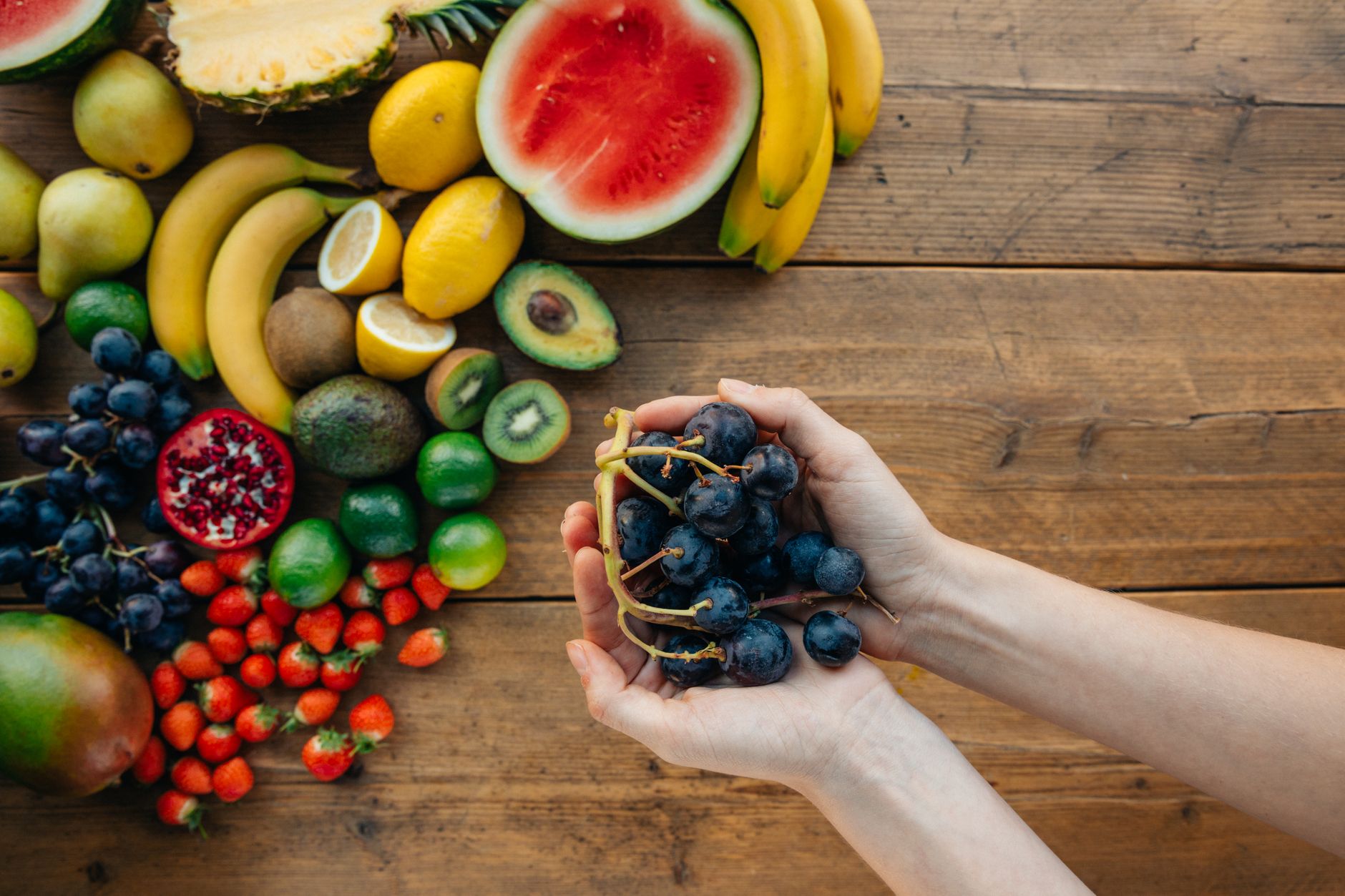
Can I still eat fruits with gestational diabetes? Which ones are best?
One of the **biggest fears** for women with gestational diabetes is: **"Can I still eat fruit?"** The answer? **Absolutely—just choose wisely.** Fruit is packed with **vitamins, fiber, and antioxidants**, and it’s a great source of natural sweetness. The key is **portion control** and picking **low-glycemic fruits** that won’t spike your blood sugar.
Many women we’ve talked to feel **guilty about fruit**, especially when they’re craving something sweet. But **fruit in moderation is not only safe—it’s encouraged** as long as you’re mindful of the **carbs and glycemic index (GI)**. The GI ranks foods on a scale of **0–100** (lower = slower digestion, less blood sugar spike).
### **Best Fruits for Gestational Diabetes (Low-GI, High-Fiber)** | **Fruit** | **GI (1–100)** | **Carbs per Serving (½ cup)** | **Why It’s Great** | |-------------------|----------------|-------------------------------|--------------------------------------------| | **Berries** (strawberries, blueberries, raspberries) | 40–50 | 6–8g | High fiber, low sugar, antioxidants | | **Apples** (with skin) | 36 | 12g | Fiber-rich, slow-digesting | | **Pears** (with skin) | 38 | 12g | Contains pectin (slows sugar absorption) | | **Oranges** | 43 | 9g | Vitamin C + fiber | | **Kiwi** | 50 | 6g | High in vitamin C, low sugar | | **Grapefruit** | 25–30 | 8g | Low-GI, may improve insulin sensitivity | | **Cherries** | 22 | 12g | Anti-inflammatory, low-GI | | **Peaches** (firm) | 42 | 10g | Fiber-rich, best when firm (not overly ripe) | --- ### **Fruits to Limit (High-GI, High Sugar)** | **Fruit** | **GI (1–100)** | **Carbs per Serving (½ cup)** | **Better Alternatives** | |-------------------|----------------|-------------------------------|--------------------------------------------| | **Bananas** (ripe) | 51–58 | 15g | Green bananas (lower GI) or berries | | **Mangoes** | 56–68 | 16g | Papaya or pineapple (small portions) | | **Watermelon** | 72–80 | 8g | Cantaloupe (lower GI) | | **Pineapple** | 64 | 10g | Kiwi or berries | | **Grapes** | 46–59 | 12g | Berries or apple slices | | **Dried Fruit** | 50–70+ | 15–20g (per oz!) | Fresh fruit or small portions | --- ### **How to Enjoy Fruit Without Spiking Blood Sugar** 1. **Pair with protein/fat** - Example: **Apple slices + 1 tbsp peanut butter** (slows digestion). 2. **Choose frozen or fresh over canned** - Canned fruit is often **syrupy** (check labels!). 3. **Watch portion sizes** - **½ cup fresh fruit** = ~15g carbs (similar to a small piece of bread). 4. **Opt for frozen berries** - No added sugar, and they’re **convenient for smoothies** (just blend with unsweetened almond milk + protein powder). 5. **Avoid fruit juices** - Even "100% juice" has **no fiber**, so blood sugar spikes fast. --- ### **Fruit Myths Debunked** Myth: "Fruit is too high in sugar for gestational diabetes." Fact: Fruit contains **natural sugars (fructose) + fiber**, which slows absorption. **Processed sugars (sucrose, high-fructose corn syrup) are the real culprits.** Myth: "I can’t eat fruit if I’m trying to lose weight." Fact: Fruit is **nutrient-dense and filling** when paired with protein/fat. Many women **lose weight on a gestational diabetes diet** because it’s naturally lower in empty calories. Myth: "All dried fruit is bad." Fact: Dried fruit is **concentrated sugar and fiber**, so **small portions (¼ cup max)** are fine. Just avoid **sweetened dried fruit** (like cinnamon-sugar raisins). --- ##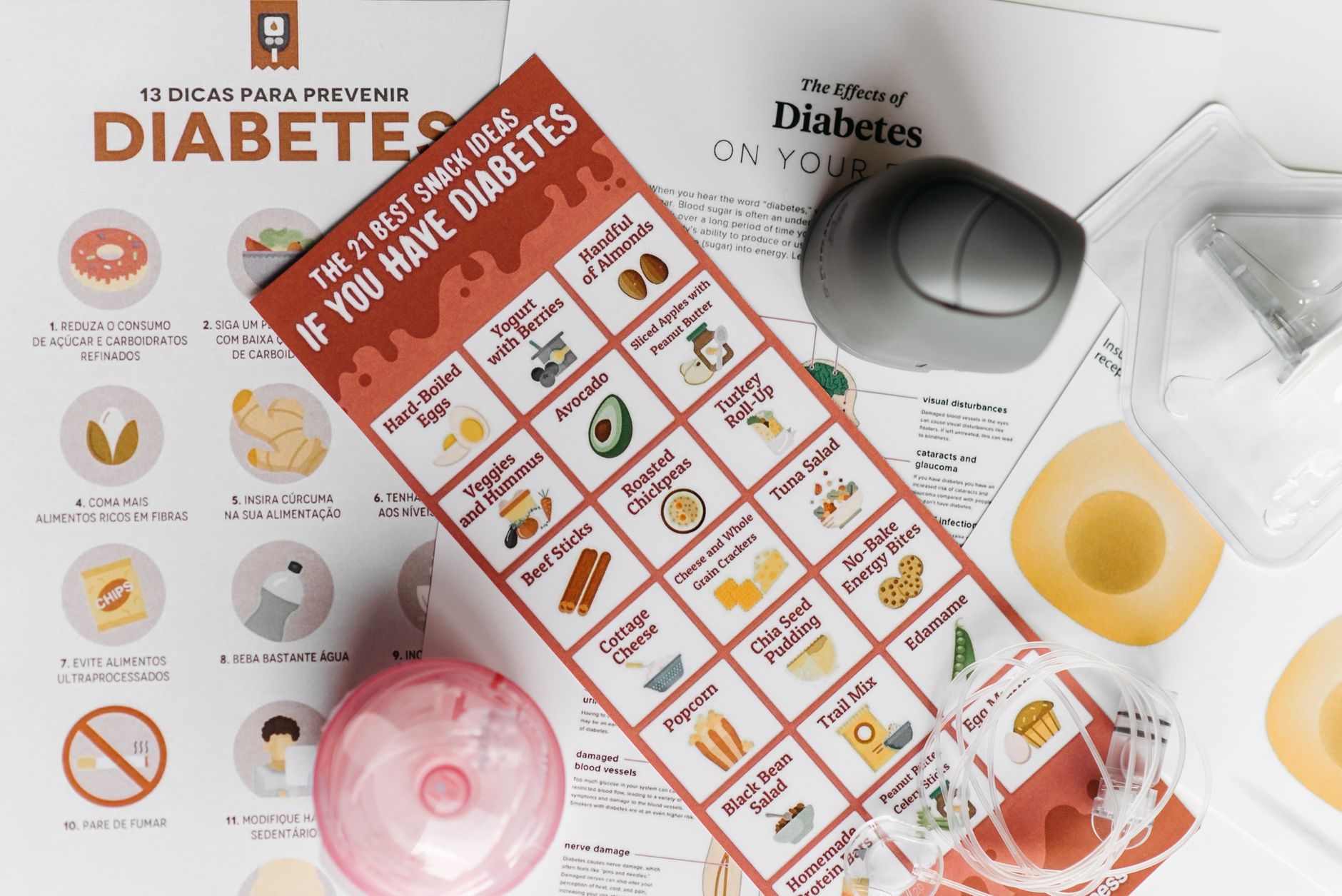
What are the best meal plans for gestational diabetes for beginners (sample day)?
You’ve heard the theory—now let’s **make it real**. Below is a **7-day meal plan** designed for **ease, balance, and blood sugar stability**. Each day includes: - **3 meals + 2 snacks** - **30–45g carbs per meal** (adjust based on your readings) - **High-protein, high-fiber, low-glycemic foods** - **Meal prep-friendly options**
**Pro tip:** Start with **Day 1–3** to test what works for you, then swap in your favorites. If a meal isn’t sitting well, **swap in a similar option** (e.g., swap chicken for tofu, quinoa for brown rice).
--- ### **7-Day Gestational Diabetes Meal Plan** *(Carb counts per meal in parentheses)* #### **Day 1** - **Breakfast:** Scrambled eggs (2 eggs) + 1 slice whole-grain toast (15g carbs) + ½ avocado + spinach - **Snack:** ½ cup cottage cheese + 5 almonds (8g carbs) - **Lunch:** Grilled chicken salad (mixed greens, cherry tomatoes, cucumber, ¼ cup quinoa, 1 tbsp olive oil) (20g carbs) - **Snack:** 1 small apple + 1 tbsp peanut butter (15g carbs) - **Dinner:** Baked salmon + roasted Brussels sprouts + ½ cup mashed cauliflower (10g carbs) - **Evening Snack (optional):** Herbal tea + 1 oz dark chocolate (85%+) (3g carbs) #### **Day 2** - **Breakfast:** Greek yogurt (unsweetened) + ½ cup blueberries + 1 tbsp chia seeds (15g carbs) - **Snack:** 2 hard-boiled eggs + ½ cup cucumber slices (2g carbs) - **Lunch:** Turkey lettuce wraps (whole wheat tortilla, 3 oz turkey, spinach, mustard, ¼ avocado) (25g carbs) - **Snack:** ¼ cup mixed nuts + 1 small pear (10g carbs) - **Dinner:** Stir-fried tofu with broccoli, bell peppers, and ½ cup brown rice (25g carbs) - **Evening Snack:** 1 rice cake + 1 tbsp almond butter (10g carbs) #### **Day 3** - **Breakfast:** Overnight oats (½ cup oats, ½ cup almond milk, 1 tbsp flaxseeds, ½ banana) (30g carbs) - **Snack:** 1 string cheese + 5 whole-grain crackers (10g carbs) - **Lunch:** Lentil soup (1 cup) + side salad (mixed greens, olive oil, lemon) (20g carbs) - **Snack:** ½ cup cottage cheese + ½ cup pineapple (12g carbs) - **Dinner:** Grilled shrimp + zucchini noodles + pesto sauce (15g carbs) - **Evening Snack:** 1 cup herbal tea + 1 small handful walnuts (2g carbs) #### **Day 4** - **Breakfast:** Veggie omelet (2 eggs, spinach, mushrooms, feta) + 1 slice whole-grain toast (15g carbs) - **Snack:** 1 small orange + 1 oz turkey slices (10g carbs) - **Lunch:** Quinoa bowl (½ cup quinoa, black beans, corn, avocado, lime) (25g carbs) - **Snack:** ¼ cup hummus + carrot sticks (10g carbs) - **Dinner:** Baked chicken + roasted sweet potato (½ cup) + steamed green beans (20g carbs) - **Evening Snack:** 1 cup unsweetened almond milk + 1 tbsp cocoa powder (3g carbs) #### **Day 5** - **Breakfast:** Chia pudding (2 tbsp chia seeds, 1 cup almond milk, ½ cup berries) (15g carbs) - **Snack:** 1 hard-boiled egg + ½ cup bell pepper strips (2g carbs) - **Lunch:** Tuna salad (canned tuna, Greek yogurt, celery, lemon) + whole-grain crackers (20g carbs) - **Snack:** 1 small pear + 1 tbsp almond butter (15g carbs) - **Dinner:** Turkey meatballs + spaghetti squash + marinara sauce (20g carbs) - **Evening Snack:** 1 oz dark chocolate + herbal tea (3g carbs) #### **Day 6** - **Breakfast:** Smoothie (unsweetened almond milk, ½ banana, 1 scoop protein powder, spinach) (20g carbs) - **Snack:** ½ cup cottage cheese + cinnamon (8g carbs) - **Lunch:** Grilled chicken Caesar salad (romaine, grilled chicken, Parmesan, light dressing) (15g carbs) - **Snack:** 1 rice cake + 1 tbsp peanut butter (10g carbs) - **Dinner:** Baked cod + roasted asparagus + ½ cup wild rice (20g carbs) - **Evening Snack:** 1 cup herbal tea + 5 whole-grain crackers (10g carbs) #### **Day 7** - **Breakfast:** Avocado toast (1 slice whole-grain bread, ½ avocado, cherry tomatoes, feta) (15g carbs) - **Snack:** 1 small apple + 1 string cheese (10g carbs) - **Lunch:** Chickpea salad (chickpeas, cucumber, red onion, olive oil, lemon) (20g carbs) - **Snack:** ¼ cup mixed nuts + 1 small handful grapes (12g carbs) - **Dinner:** Stuffed bell peppers (ground turkey, quinoa, tomatoes) (25g carbs) - **Evening Snack:** 1 cup unsweetened coconut water + 1 oz almonds (3g carbs) --- ### **Meal Prep Tips for Busy Moms** 1. **Batch-cook proteins** (chicken, tofu, lentils) for the week. 2. **Pre-cut veggies** (bell peppers, cucumbers, carrots) and store in containers. 3. **Make overnight oats or chia pudding** the night before. 4. **Use freezer-friendly meals** (soups, stews, casseroles) for busy days. 5. **Keep emergency snacks** in your bag (nuts, protein bars, cheese sticks). --- ##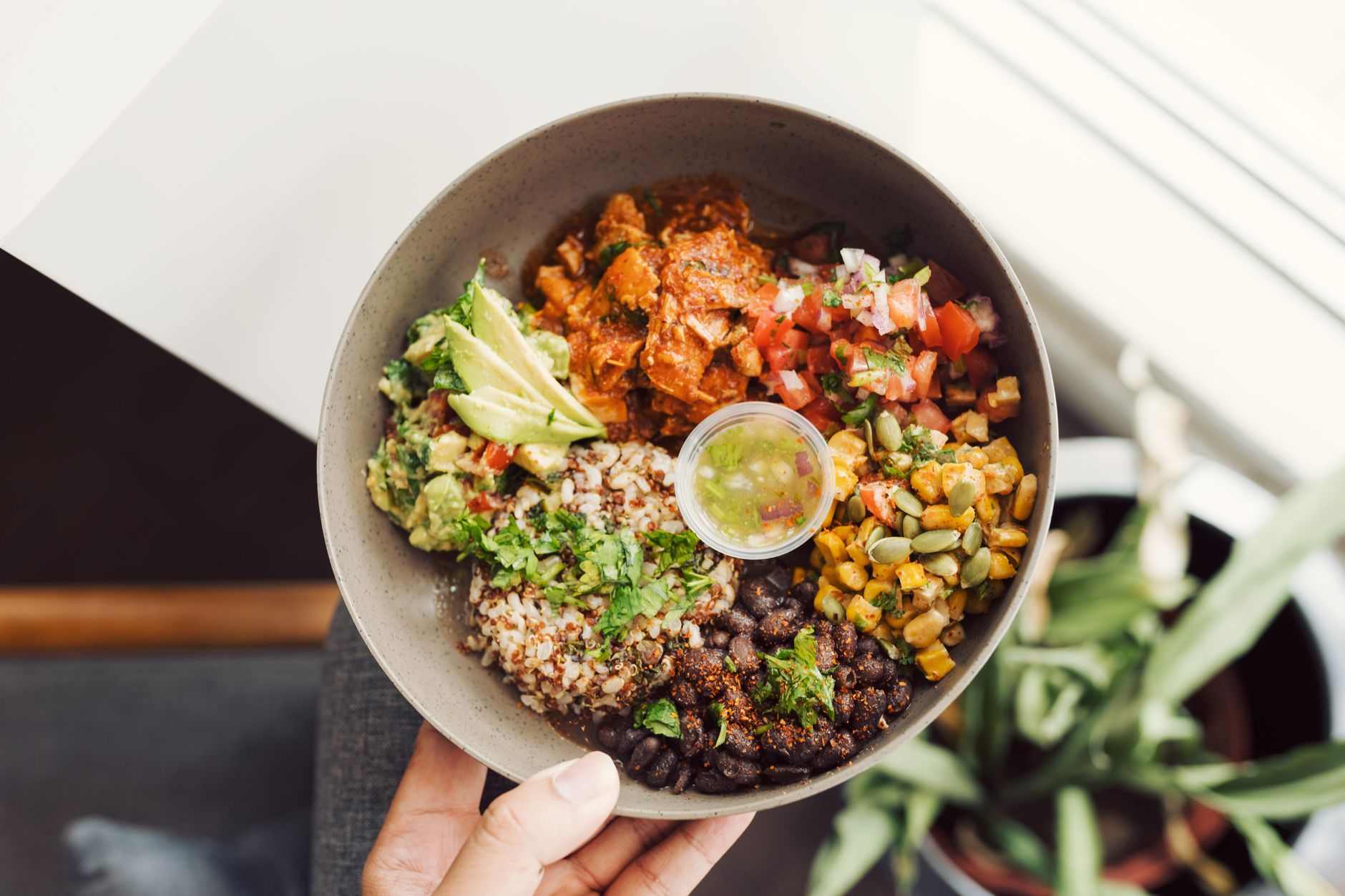
How to manage gestational diabetes with a vegetarian or vegan diet
If you’re **vegetarian or vegan**, managing gestational diabetes might feel **even more challenging**—but it’s **absolutely doable** with the right strategies. The key is **focusing on plant-based proteins, fiber-rich carbs, and healthy fats** while avoiding processed vegan snacks (which can be **just as high in sugar** as their non-vegan counterparts).
Many women assume they’ll have to **give up their diet entirely**, but that’s not true. **Plant-based diets can be highly effective** for gestational diabetes when structured correctly. The **Academy of Nutrition and Dietetics** supports well-planned vegetarian and vegan diets for pregnancy and diabetes management.
--- ### **Vegetarian & Vegan Gestational Diabetes Food List** #### **Protein Powerhouses (Choose 20–30g per meal)** - **Tofu & Tempeh** (fermented, higher protein than tofu) - **Lentils & Chickpeas** (½ cup cooked = **12–15g protein**) - **Black Beans & Kidney Beans** (½ cup = **7–9g protein**) - **Edamame** (½ cup = **9g protein**) - **Seitan** (

