

Quick take: A gestational diabetes diet is your best tool to manage blood sugar and support both your health and your baby’s development. Focus on **low-glycemic foods, lean proteins, healthy fats, and fiber** to stabilize glucose levels, while avoiding refined sugars and processed carbs. The diet isn’t about deprivation—it’s about smart swaps and balance. Start with **30–40g carbs per meal**, prioritize hydration, and work with your provider to adjust as needed. Most women see **noticeable improvements in blood sugar within 1–2 weeks**, but consistency is key. If you’re struggling, don’t panic—small tweaks add up.
You’re staring at your blood sugar results and wondering: Can eating too much sugar worsen gestational diabetes symptoms during pregnancy?
It’s 2 AM, and your phone buzzes with another reminder: “Check your blood sugar.” You’ve just had a handful of chocolate chips—was that the culprit? Maybe. But here’s the hard truth: gestational diabetes (GDM) doesn’t just care about *how much* sugar you eat; it cares about *what kind* and *how your body responds*. That chocolate chip might’ve been a one-time slip, but if your blood sugar spiked afterward, your pancreas is working overtime to keep up. And that’s where the real risk lies.
Gestational diabetes develops when your body can’t produce enough insulin to handle the hormonal changes of pregnancy—especially in the second or third trimester. Sugar from your diet (even from whole foods like fruit) enters your bloodstream and needs insulin to move into your cells for energy. If your cells become resistant to insulin, glucose builds up, crossing the placenta and potentially affecting your baby’s growth. The goal? Keep blood sugar levels in the **target range your provider sets** (usually 95 mg/dL fasting and <140 mg/dL 1 hour after meals).
Here’s what you need to know: **Not all sugars are equal.** Refined sugars (white bread, soda, candy) spike blood sugar fast and hard. But even natural sugars (like those in fruit) can cause a rise if you eat too much at once. The key is **portion control and timing**. For example, a medium apple (about 150g) has roughly **19g of carbs**, but pairing it with **10g of almonds** (healthy fats) slows digestion and prevents a sharp spike. Your body’s response matters more than the food itself.
Many women tell us they feel guilty about every bite, but **one slip won’t derail your progress**. The diet is about patterns, not perfection. If you’re worried about your next meal, start here: aim for 30–40g of carbs per meal, prioritize fiber and protein, and avoid empty carbs like white rice or sugary cereals. We’ll break down exactly how to do this—and what to do if your blood sugar still climbs—below.
---What are the best foods to lower blood sugar levels for gestational diabetes?
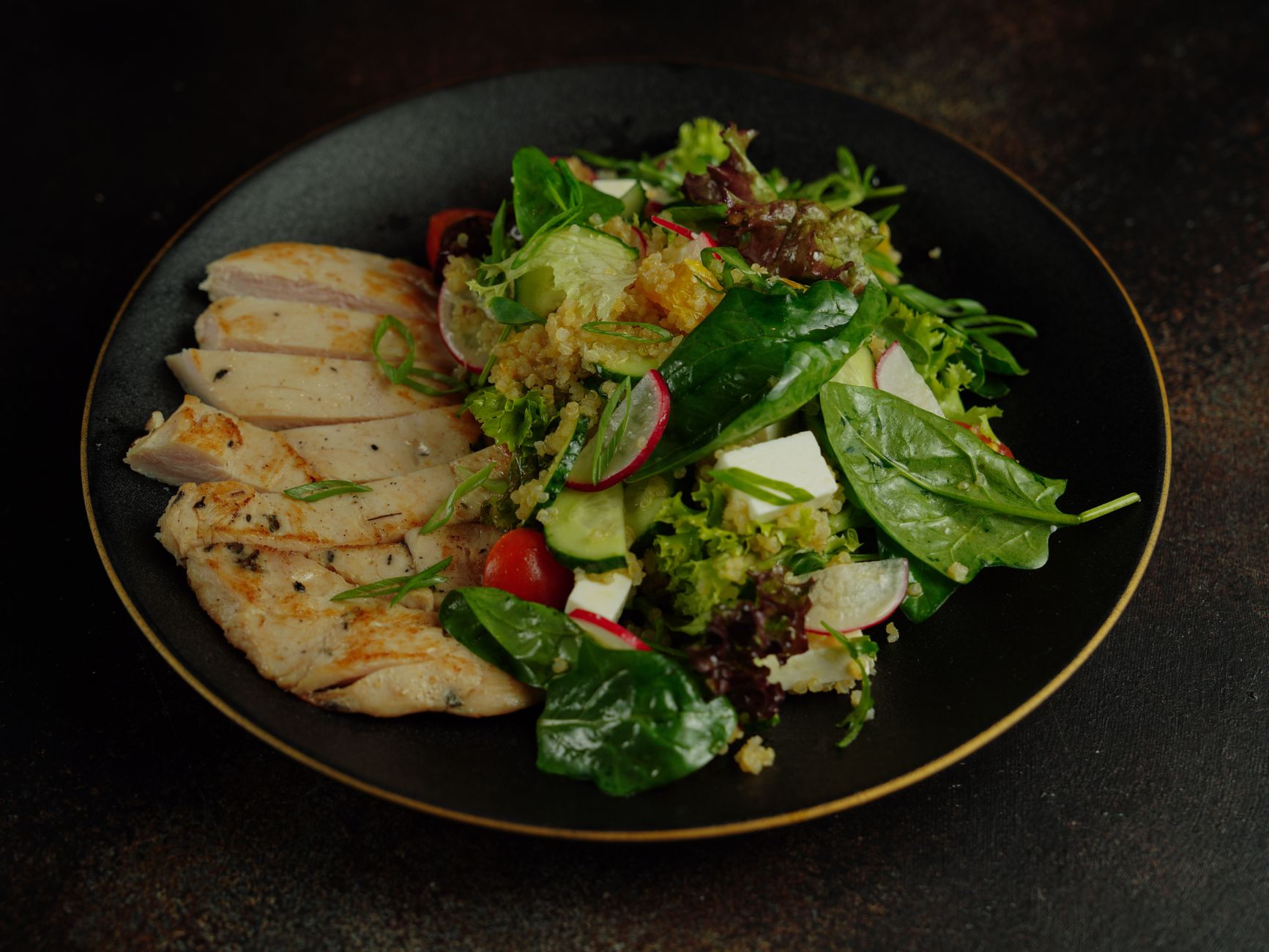
Here’s your **go-to list**, organized by macronutrient and glycemic impact:
How does a gestational diabetes diet affect fetal development and birth weight?
Here’s the scary part: **uncontrolled gestational diabetes can lead to macrosomia**—a baby weighing over 8–9 pounds at birth. That might sound harmless, but large babies increase the risk of:
- Shoulder dystocia (a difficult delivery where the baby’s shoulders get stuck).
- Neonatal jaundice (high bilirubin levels requiring treatment).
- Hypoglycemia (low blood sugar) after birth, since the baby’s pancreas overproduced insulin in utero.
- Long-term metabolic risks, including obesity and type 2 diabetes later in life.
But here’s the good news: **a well-managed diet can reduce these risks**. Research from the *Journal of Clinical Endocrinology & Metabolism* shows that women who strictly controlled their blood sugar through diet and exercise had **babies with lower birth weights**—often closer to the ideal 6–7 pounds—compared to those who didn’t manage their GDM.
**How does the diet work for your baby?** - **Stabilized glucose levels** mean less insulin surges, which helps prevent excessive fat storage. - **Healthy fats and proteins** support brain development and energy levels. - **Adequate hydration** ensures proper amniotic fluid levels and nutrient transport.
One reader, **Sarah (32, second pregnancy)**, shared her experience: *“My first baby was 9.5 pounds, and I was terrified of repeating that. My provider put me on a GDM diet immediately after my diagnosis at 28 weeks. I swapped white pasta for lentils, added more veggies to every meal, and tracked my carbs religiously. By 36 weeks, my baby was 7.2 pounds—no complications, and I felt so much more in control.”*
**Key takeaway:** The diet isn’t just about your blood sugar—it’s about giving your baby the best possible start. If you’re worried about birth weight, focus on **small, frequent meals with balanced macros** and **regular movement** (we’ll cover exercise below).
---Are there any gestational diabetes diet side effects like nausea or fatigue?
When you first switch to a GDM-friendly diet, you might feel like you’re eating a **bland, boring version of your old meals**. But side effects aren’t just about taste—they can include:
- Fatigue or dizziness (if you’re not eating enough calories or protein).
- Nausea or bloating (from high-fiber foods if you’re not used to them).
- Food cravings or emotional eating (stress and hormonal changes make this harder!).
- Constipation (iron supplements or low-fiber diets can worsen this).
- Social challenges (feeling left out when friends eat pizza or dessert).
**Most side effects fade within 1–2 weeks** as your body adjusts. But if you’re struggling, here’s how to troubleshoot:
### **1. Fatigue? You Might Be Undereating** Gestational diabetes requires **more calories** than usual—your baby needs fuel! If you’re feeling sluggish, **add healthy fats and proteins** to every meal. For example: - **Breakfast:** Greek yogurt with chia seeds and walnuts (instead of just fruit). - **Lunch:** Grilled chicken salad with avocado and olive oil dressing. - **Snack:** Hummus with cucumber and whole-grain crackers.**Pro tip:** If you’re active (even walking counts!), you may need **300–500 extra calories/day** to maintain energy. ### **2. Nausea? Try Smaller, Frequent Meals** Large meals can feel overwhelming and may trigger nausea. **Eat every 2–3 hours** to keep blood sugar stable and your stomach happy. Try: - A **small handful of almonds** when you wake up. - **Herbal tea (ginger or peppermint)** before meals to settle your stomach. - **Cold foods** (like smoothies or yogurt) if warm meals upset you. ### **3. Cravings? You’re Not Alone** Hormones during pregnancy **amp up cravings**, and sugar cravings are especially common with GDM. **Instead of banning sweets, swap them for lower-GI options:** - **Dessert craving?** Try **dark chocolate (70%+ cocoa)** or a small portion of **frozen yogurt with berries**. - **Savory craving?** Opt for **spiced roasted chickpeas** or **baked sweet potato fries**. - **Emotional eating?** Pause before reaching for food. Ask yourself: *“Am I hungry, or am I stressed?”* Try a **5-minute walk or deep breathing** first.
**Myth:** *“You have to give up all sweets.”* **Fact:** You can enjoy small portions of **lower-GI sweets**—just **watch the portions**. A single square of dark chocolate (10g) has about **3g of carbs**, while a candy bar has **25g+**. The key is **balance**, not deprivation.
---What’s the difference between a gestational diabetes diet and a type 2 diabetes diet?
At first glance, the diets look similar—**both focus on low-glycemic foods, fiber, and portion control**. But there are **key differences** based on your body’s needs, pregnancy hormones, and long-term goals. Here’s a quick comparison:
Factor Gestational Diabetes Diet Type 2 Diabetes Diet Primary Goal Manage blood sugar to support fetal development and prevent complications (e.g., macrosomia, preeclampsia). Improve insulin sensitivity and long-term metabolic health. Calorie Needs Higher calories (often 300–500+ extra/day) to support pregnancy growth. Calorie control may be needed for weight management. Carb Focus 30–40g carbs per meal; emphasis on **fiber and protein pairing** to slow digestion. Carb counting may be more precise (e.g., 15g per "carb serving"). Hydration & Electrolytes Extra focus on **water, magnesium, and potassium** to prevent dehydration and cramps. Hydration is important but not as critical as in pregnancy. Exercise Recommendations Encouraged but modified for pregnancy (e.g., no high-impact or supine exercises). More flexibility (e.g., strength training, long walks). Supplements May include **vitamin D, omega-3s, and magnesium** (often recommended for GDM). May include **chromium, berberine, or cinnamon** (for insulin sensitivity). **Key takeaway:** The GDM diet is **more flexible in calories and carbs** because your body is supporting two people. But the **principles of blood sugar control remain the same**. If you’re curious about long-term health, you might find that **continuing these habits postpartum** helps prevent type 2 diabetes later—we’ll cover that below.
---How can I safely meal prep for gestational diabetes without feeling deprived?
Meal prepping with GDM can feel like a **marathon, not a sprint**—especially when you’re juggling work, errands, and pregnancy fatigue. But **planning ahead saves time, reduces stress, and keeps you from reaching for convenience foods (hello, takeout pizza at 8 PM)**. Here’s how to do it **without feeling like you’re eating a science project**.
**Step 1: Plan Your Macros** Start by **dividing your plate** into: - **½ non-starchy veggies** (spinach, zucchini, bell peppers). - **¼ lean protein** (chicken, fish, tofu). - **¼ whole grains or starchy veggies** (quinoa, sweet potato, lentils). - **1 small piece of fruit or a side salad** (for natural sweetness).
**Step 2: Batch Cook Proteins and Grains** - **Cook a big batch of chicken, salmon, or tofu** on Sunday. Use it for **salads, wraps, or stir-fries** all week. - **Prep grains in advance**: Quinoa, brown rice, and farro keep for **4–5 days** in the fridge. - **Roast veggies**: Toss broccoli, Brussels sprouts, and carrots with olive oil and roast at 400°F for 20–25 minutes. Store in portions.
**Step 3: Portion Snacks** Pre-portion **healthy snacks** to grab on the go: - **Hard-boiled eggs** (4g protein each). - **Cut-up veggies + hummus** (store in airtight containers). - **Nuts and seeds** (almonds, walnuts—**watch portions!**). - **Greek yogurt with berries** (unsweetened).
**Step 4: Freeze Meals for Later** - **Soups and stews**: Freeze in individual containers for **3–4 months**. - **Muffins or energy balls**: Make **protein-packed versions** (e.g., oatmeal muffins with flaxseed and dark chocolate chips). - **Homemade granola bars**: Use **oats, nut butter, and chia seeds** (skip honey—use **maple syrup in moderation**).
**Pro tip:** Use **mason jars** for layered meals (e.g., **quinoa at the bottom, veggies in the middle, protein on top**). This keeps ingredients fresh and makes lunches easy to grab.
**Example Meal Prep Plan:**
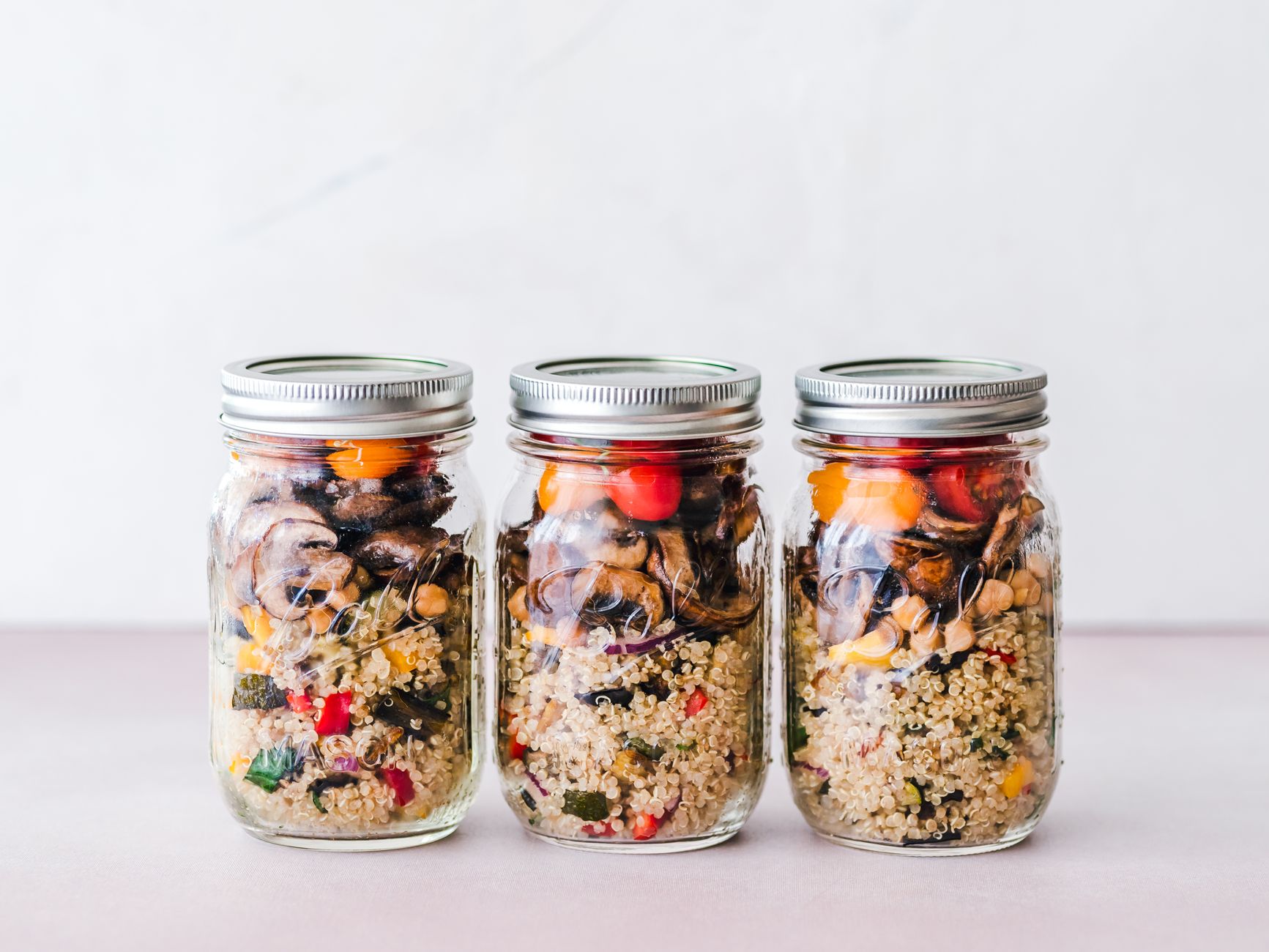
A simple, balanced meal that’s easy to grab and go. **Don’t forget:** Even the best meal prep can get boring. **Rotate flavors**—try: - **Spicy**: Add chili powder, cumin, or sriracha to meals. - **Herby**: Use fresh basil, mint, or parsley in salads and soups. - **Umami**: Add soy sauce (low-sodium), miso, or nutritional yeast for depth. ---
What are the risks of not following a gestational diabetes diet during pregnancy?
When you’re exhausted and overwhelmed, skipping a meal or ignoring your blood sugar readings might feel like a **small, harmless choice**. But **gestational diabetes isn’t a minor inconvenience—it’s a serious condition with real risks** if left unmanaged. Here’s what happens when you don’t follow the diet:
### **1. Macrosomia (Large Baby)** As mentioned earlier, **uncontrolled blood sugar leads to excess insulin production in your baby**, which triggers fat storage. This can result in: - **Difficult delivery** (shoulder dystocia, need for C-section). - **Neonatal jaundice** (requires phototherapy). - **Hypoglycemia at birth** (since the baby’s pancreas overproduced insulin). ### **2. Preeclampsia or Gestational Hypertension** High blood sugar **stresses your blood vessels**, increasing the risk of: - **Preeclampsia** (high blood pressure + organ damage, which can be life-threatening). - **Preeclampsia symptoms**: Severe headaches, vision changes, swelling in hands/face, or sudden weight gain. ### **3. Preterm Birth** Women with uncontrolled GDM are **more likely to deliver early**, which can lead to: - **Premature babies** (higher risk of breathing problems, jaundice, and developmental delays). - **NICU stay** (neonatal intensive care). ### **4. Increased Risk of Future Type 2 Diabetes** - **5–10% of women** with GDM develop type 2 diabetes within **5–10 years postpartum**. - **Risk factors**: Being overweight, having a family history, or not managing GDM well. ### **5. Birth Injuries** Large babies can cause: - **Brachial plexus injuries** (nerve damage in the shoulder). - **Fractures** (clavicle or humerus).**But here’s the good news:** Most of these risks **can be reduced or avoided** with diet, exercise, and monitoring. If you’re struggling, **don’t wait to seek help**. Your provider can adjust your plan, recommend additional support (like a dietitian), or even prescribe **insulin if needed**.
**Real talk:** We know following a diet during pregnancy is **hard**. You’re not failing if you have a bad day. The goal is **progress, not perfection**. If you’re feeling overwhelmed, try this:
---“I’ll focus on just one meal today—tomorrow, I’ll add a snack.”
Can herbal teas or supplements help manage gestational diabetes alongside diet?
When you’re tired of eating the same foods, it’s tempting to turn to **supplements or herbal teas** for a quick fix. But **not all are safe or effective**—and some can even interact with medications or worsen symptoms. Here’s what the science says:
### **Supplements with Evidence** | Supplement | Typical Dose | Best Time to Take | Food Sources | Known Interactions | |----------------------|--------------------|-------------------|-----------------------|----------------------------------| | **Magnesium** | 200–400 mg/day | With meals | Nuts, seeds, leafy greens | Diuretics, antibiotics | | **Omega-3s (DHA/EPA)** | 200–300 mg/day | With breakfast | Fatty fish, flaxseeds | Blood thinners, immunosuppressants | | **Vitamin D** | 1,000–2,000 IU/day | Morning | Sunlight, fortified milk | Steroid medications | | **Berberine** | 500 mg, 2x/day | Before meals | Goldenseal, barberry | Blood pressure meds, insulin | | **Chromium** | 200–400 mcg/day | With carbs | Whole grains, broccoli | Diabetes meds (may lower blood sugar too much) |**Note:** Always check with your provider before starting any supplement, especially if you’re on **medications for GDM (like metformin)**.
### **Herbal Teas That *May* Help** Some teas have **mild blood sugar-lowering effects**, but they’re not a substitute for diet: - **Cinnamon tea**: May improve insulin sensitivity (*Journal of Medicinal Food*). - **Ginger tea**: Helps with nausea and may lower fasting glucose (*Evidence-Based Complementary Medicine*). - **Peppermint tea**: Aids digestion and may reduce bloating. - **Green tea**: Contains polyphenols that may improve glucose metabolism (*Diabetes Care*). **Avoid:** Licorice root (can raise blood pressure) and fenugreek (may stimulate contractions—ask your provider first). ### **Supplements to Avoid** - **Gymnema sylvestre**: May lower blood sugar too much (risk of hypoglycemia). - **Bitter melon**: Limited evidence in pregnancy; could cause digestive upset. - **High-dose vitamin C**: May increase oxidative stress (ask your provider).**Pro tip:** If you’re curious about supplements, **start with magnesium and omega-3s**—they’re well-studied and generally safe. But **never replace your diet with supplements**. Think of them as **supportive tools**, not magic fixes.
---Gestational diabetes diet meal plan for quick weight loss after pregnancy
Let’s be real: **postpartum weight loss is a marathon, not a sprint**. But if you’re looking to **shed the extra pounds gained during pregnancy—especially if you had GDM—you can build on the habits you already learned**. The key is **continuing the GDM diet principles** (low-GI carbs, fiber, protein) while adding **light exercise and hydration**. Here’s how to transition smoothly:
### **Postpartum GDM Diet Principles** 1. **Prioritize protein**: Helps preserve muscle and keeps you full. 2. **Keep carbs complex**: Focus on **vegetables, legumes, and whole grains**. 3. **Stay hydrated**: Breastfeeding moms need **3–4L of water/day**. 4. **Move gently**: Start with **walking, postpartum yoga, or pelvic floor exercises**. 5. **Sleep when the baby sleeps**: Fatigue slows metabolism. ### **7-Day Meal Plan for Postpartum Weight Loss** *(Carb portions adjusted for non-pregnant needs—~30g per meal.)* | **Day** | **Breakfast** | **Lunch** | **Dinner** | **Snacks** | |----------|----------------------------------------|----------------------------------------|-------------------------------------|-------------------------------------| | **Mon** | Scrambled eggs + spinach + ½ avocado | Grilled chicken salad (quinoa, cucumber, olive oil) | Baked salmon + roasted Brussels sprouts + sweet potato | Greek yogurt + berries | | **Tue** | Oatmeal with chia seeds, almond butter, and cinnamon | Turkey lettuce wraps (with hummus and shredded carrots) | Stir-fried tofu + broccoli + brown rice | Hard-boiled eggs + celery sticks | | **Wed** | Smoothie (spinach, protein powder, flaxseeds, almond milk) | Lentil soup + side salad (arugula, olive oil) | Grilled shrimp + zucchini noodles + pesto | Cottage cheese + walnuts | | **Thu** | Veggie omelet (bell peppers, onions, mushrooms) | Chickpea salad (with cucumber, olive oil, lemon) | Baked chicken thighs + mashed cauliflower + green beans | Apple slices + peanut butter (1 tbsp) | | **Fri** | Chia pudding (unsweetened almond milk, vanilla, berries) | Grilled fish + quinoa + roasted asparagus | Turkey chili (beans, tomatoes, lean ground turkey) | Handful of almonds + dark chocolate (1 square) | | **Sat** | Greek yogurt + granola (low-sugar) + honey (1 tsp) | Stuffed bell peppers (quinoa, black beans, corn) | Grilled steak + roasted sweet potatoes + sautéed kale | Sliced pear + cheddar cheese (1 oz) | | **Sun** | Avocado toast (whole-grain bread, smoked salmon) | Caprese salad (tomatoes, mozzarella, basil, balsamic) | Baked cod + farro + steamed green beans | Protein shake (almond milk, banana, protein powder) |**Key adjustments for postpartum:** - **Reduce portion sizes** slightly (carbs ~30g per meal vs. 30–40g during pregnancy). - **Add more movement**: Even a **10-minute walk after meals** helps. - **Listen to your body**: If you’re breastfeeding, you may need **more calories** (especially if you’re active). - **Avoid crash diets**: Rapid weight loss can **lower milk supply** and leave you fatigued.
---How many carbs per meal should I eat on a gestational diabetes diet?
This is the **#1 question** we get from readers—and for good reason. **Carb counting is the backbone of managing GDM**, but it doesn’t have to be complicated. Here’s the breakdown:
### **General Guidelines** - **Fasting (before breakfast):** Aim for **<95 mg/dL**. - **1 hour after meals:** Aim for **<140 mg/dL**. - **2 hours after meals:** Aim for **<120 mg/dL**. **Carb portions per meal:** - **Breakfast:** 30–45g carbs (e.g., ½ cup oatmeal + 1 tbsp honey + 1 slice whole-grain toast). - **Lunch/Dinner:** 30–40g carbs (e.g., ½ cup quinoa + 4 oz chicken + 1 cup veggies). - **Snacks:** 10–15g carbs (e.g., 1 small apple + 10 almonds). ### **How to Count Carbs Like a Pro** 1. **Check nutrition labels**: Look for **total carbs** (not just sugar). 2. **Subtract fiber and sugar alcohols**: Only **net carbs** (total carbs – fiber – sugar alcohols) count toward your limit. - Example: **1 cup of berries** has 15g total carbs, 8g fiber → **7g net carbs**. 3. **Use a carb counter app**: Try **MyFitnessPal, Cronometer, or the American Diabetes Association’s app**. 4. **Learn carb serving sizes**: - 1 slice bread = 15g carbs. - ½ cup cooked rice/pasta = 15g carbs. - 1 medium apple = 25g carbs. - 1 cup milk = 12g carbs. ### **What If I Hit My Carb Limit?** - **Add more non-starchy veggies** (spinach, cucumber, zucchini) to fill you up. - **Increase protein/fat** (avocado, nuts, olive oil) to slow digestion. - **Delay your meal** if you’re still hungry—your blood sugar might drop later.**Myth:** *“You have to count every single carb.”* **Fact:** If you’re new to this, **start with estimated portions** and adjust based on your blood sugar readings. Your provider may recommend **3–5 carb checks per day** to refine your plan.
---Does a gestational diabetes diet reduce the chance of developing type 2 diabetes later?
Here’s the **big-picture question** many women with GDM ask: *Will this diet help me long-term?* The short answer: **Yes—but it depends on how you maintain it postpartum.** Research from the *New England Journal of Medicine* shows that women who **strictly followed a low-GI diet and exercised regularly** after pregnancy had a **30–50% lower risk of developing type 2 diabetes** within 5–10 years.
### **How the Diet Helps Long-Term** 1. **Improves insulin sensitivity**: The same habits that manage GDM (fiber, healthy fats, exercise) **reduce insulin resistance** over time. 2. **Encourages healthy weight management**: Many women with GDM gain extra weight during pregnancy. The diet helps **shed pounds mindfully**. 3. **Lowers inflammation**: Chronic inflammation is linked to both GDM and type 2 diabetes. **Anti-inflammatory foods** (like those in the anti-inflammatory diet) play a key role. 4. **Creates sustainable habits**: If you treat GDM as a **temporary lifestyle shift** (not a diet), you’re more likely to keep it up postpartum. ### **Postpartum Plan to Lower Future Risk** - **Continue the GDM diet principles** (low-GI carbs, fiber, protein). - **Add strength training** (2–3x/week) to preserve muscle and boost metabolism. - **Monitor your blood sugar** (even if you’re not on medication). - **Get tested for type 2 diabetes** at **6–12 weeks postpartum** and annually afterward. - **Consider intermittent fasting** (if approved by your provider)—some studies suggest it may improve insulin sensitivity (*Journal of Clinical Endocrinology & Metabolism*).**Real-life example:** **Priya (34)**, who had GDM with her first pregnancy, shared: *“I kept up the diet and walked every day postpartum. At my 1-year checkup, my hemoglobin A1c was normal—no type 2 diabetes!”*
---What are the best snacks for gestational diabetes that won’t spike blood sugar?
Snacking is **not the enemy**—it’s about **choosing the right foods** to keep energy steady and cravings at bay. The best snacks for GDM **combine protein, fiber, and healthy fats** to slow digestion. Here are our top picks:
### **Protein-Packed Snacks (Low-GI)** - **Hard-boiled eggs** (6g protein, 0g carbs). - **Greek yogurt (unsweetened)** + 1 tbsp chia seeds (5g protein, 10g carbs). - **Cottage cheese** + cucumber slices (14g protein, 6g carbs). - **Turkey or hummus roll-ups** (30g protein, 10g carbs). ### **Fiber-Rich Snacks** - **Apple slices** + 1 tbsp almond butter (15g carbs, 3g fiber). - **Carrot sticks** + 2 tbsp tzatziki (5g carbs, 1g fiber). - **Handful of walnuts** (4g carbs, 2g fiber). - **Roasted chickpeas** (20g carbs, 6g fiber). ### **Healthy Fat Snacks** - **Avocado slices** + whole-grain crackers (10g carbs, 3g fiber). - **Dark chocolate (70%+ cocoa)** + almonds (5g carbs, 3g fiber). - **Olives + cheese cubes** (2g carbs, 0g fiber). - **Peanut butter (no sugar added)** + celery sticks (4g carbs, 1g fiber). ### **Quick & Easy Store-Bought Options** - **Sugar-free jelly** + whole-grain toast (5g carbs). - **Protein bars** (look for **<5g sugar, 10g+ protein**—e.g., RXBAR, Quest). - **Roasted seaweed snacks** (0g carbs, 0g fat). - **Edamame** (8g carbs, 5g protein per ½ cup).**Pro tip:** Keep snacks **pre-portioned** to avoid overeating. For example, **pre-package nuts in small bags** or **slice cheese into cubes** for easy grabbing.
---Can I still enjoy desserts on a gestational diabetes diet without risk?
Let’s address the elephant in the room: **you don’t have to give up dessert forever**. The key is **portion control and smart swaps**. Here’s how to enjoy sweets **without spiking your blood sugar**:
### **1. Choose Lower-GI Sweets** | Dessert Option | Carbs (per serving) | Glycemic Index | |-------------------------|----------------------|----------------| | Dark chocolate (70%+ cocoa) | 3g (1 square) | 25 | | Frozen yogurt (unsweetened) | 10g (½ cup) | 3


