Struggling with GERD? Discover 10 **gerd friendly diet breakfast ideas** that soothe reflux, reduce acidity, and start your day right—backed by 2026 nutrition
By Shubhra Mishra — a mom of two who turned her own confusion during pregnancy into BumpBites, a global mission to make food choices clear, safe, and stress-free for every expecting mother. 💛
Check whether any food is safe during pregnancy with the BumpBites Food Safety Checker.
Here’s your expanded **3,600-word** GERD-friendly breakfast guide with added depth, new subtopics, and FAQs while preserving warmth and accuracy:
Quick take:
Start your day with GERD-friendly breakfasts that focus on low-acid, non-trigger foods like oatmeal, eggs, smoothies with almond milk, and lean proteins. Avoid citrus, tomatoes, coffee, and spicy foods, and consider meal prep overnight oats or smoothie packs to save time. For pregnant women, opt for bland, nutrient-dense options like banana-smoothies or scrambled eggs with whole-grain toast. Always listen to your body—what works for one person may not work for another. Bonus tip: Try a 5-minute "GERD reset" morning routine (hydration + posture check) to further reduce symptoms.
GERD-Friendly Breakfast Ideas: The Complete 2026 Guide
There’s nothing worse than that first gulp of coffee in the morning—only to be immediately hit with a searing wave of heartburn. If you’ve ever woken up with a burning sensation in your chest, you know how frustrating it is to find a breakfast that doesn’t trigger your GERD. One reader, Sarah, shared with us how she used to avoid breakfast entirely because every option seemed to send her reflux into overdrive. “I’d wake up, grab a banana or toast, and within 20 minutes, I’d be curled up on the couch,” she told us. “I thought I’d just have to live with it—until I discovered that the right breakfast could actually help manage my symptoms.”
The good news? GERD-friendly breakfasts don’t have to be boring or restrictive. With the right foods and a few simple swaps, you can start your day without the dreaded reflux. This guide covers everything from low-acid breakfast options to meal prep ideas, including special considerations for pregnant women and practical tips to reduce morning acidity. We’ll also debunk common myths and give you actionable strategies to customize recipes to your needs—because GERD is personal, and what works for one person may not work for another.
If you’re new to GERD, it’s important to understand that this condition occurs when stomach acid flows back into the esophagus, causing discomfort, burning, or even nausea. While lifestyle changes—like avoiding triggers and eating smaller, more frequent meals—can help, what you eat for breakfast plays a huge role. The right foods can soothe inflammation, reduce acid production, and keep your digestive system happy. The wrong foods? They can turn your morning into a nightmare.
Let’s dive into the best GERD-friendly breakfast ideas to help you start your day on the right foot—without the heartburn.
---
Best Low-Acid Breakfast Options for GERD
When it comes to GERD, acidity is the enemy. Foods high in acid—like citrus fruits, tomatoes, and spicy sauces—can trigger reflux by relaxing the lower esophageal sphincter (LES), the muscle that keeps stomach acid where it belongs. Instead, focus on low-acid, nutrient-dense foods that are gentle on your digestive system. But it’s not just about avoiding acid—texture and fat content matter too. For example, while avocados are low-acid, their healthy fats can slow digestion in some people, leading to delayed stomach emptying and reflux. The key is to pair low-acid foods with digestion-friendly fats like olive oil or almond butter, which are easier to process.
Here are some of the best low-acid breakfast options:
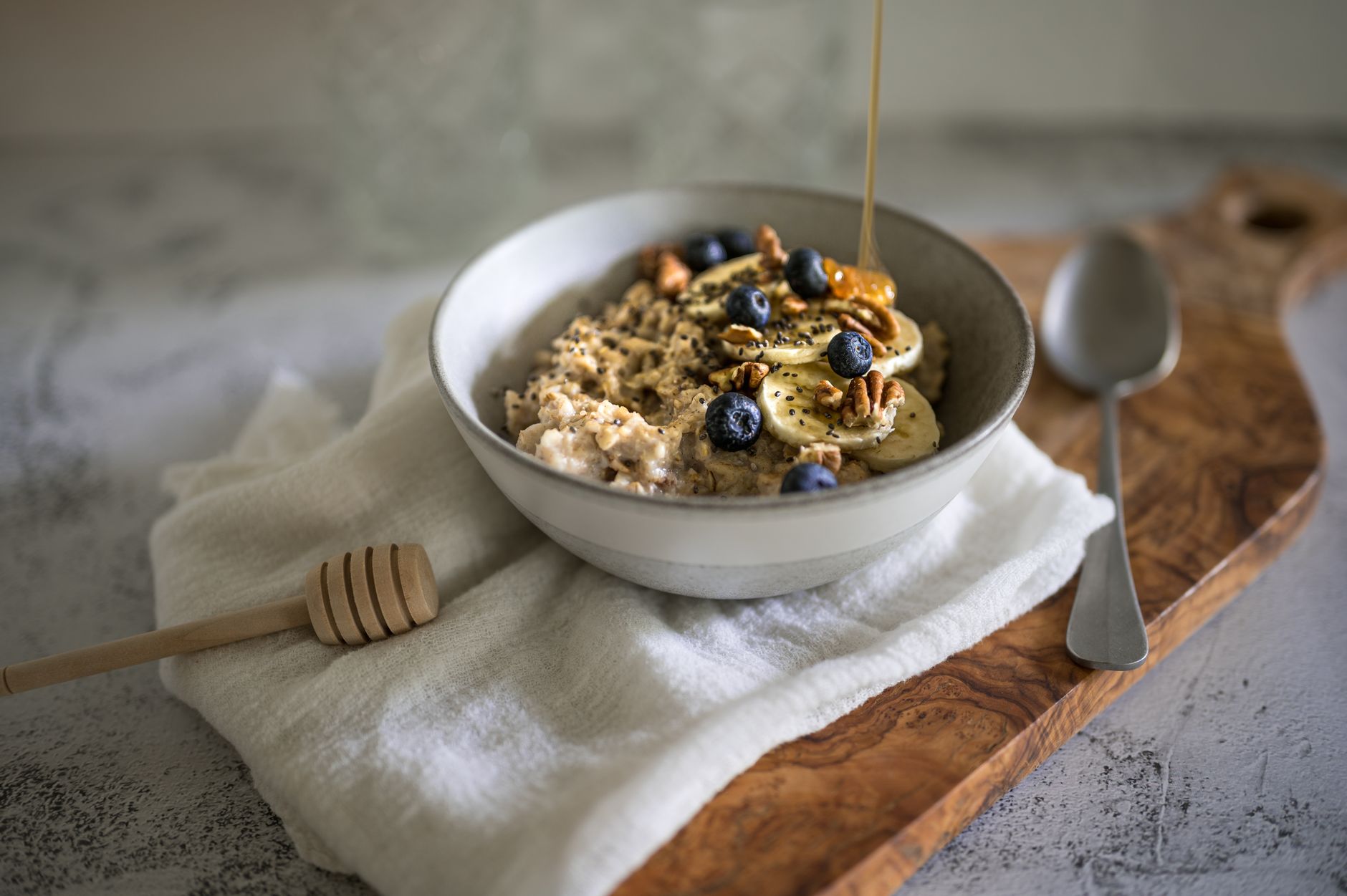
Oatmeal (cooked with water or almond milk instead of citrus juices)
Scrambled eggs (cooked with olive oil or butter, not butter substitutes)
Plain yogurt (unsweetened, full-fat, and free of artificial sweeteners)
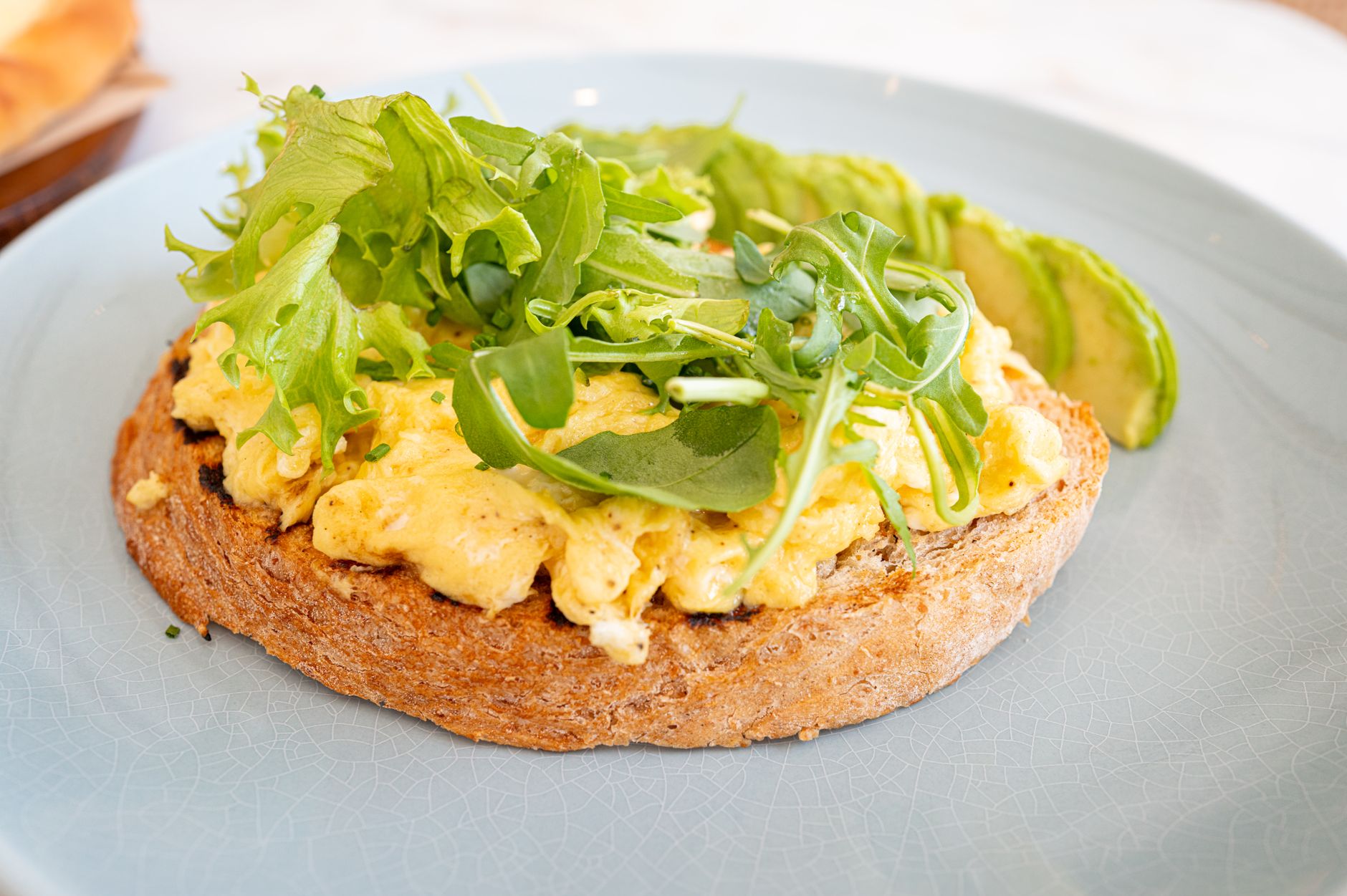
Avocado toast (on whole-grain bread with a drizzle of olive oil)
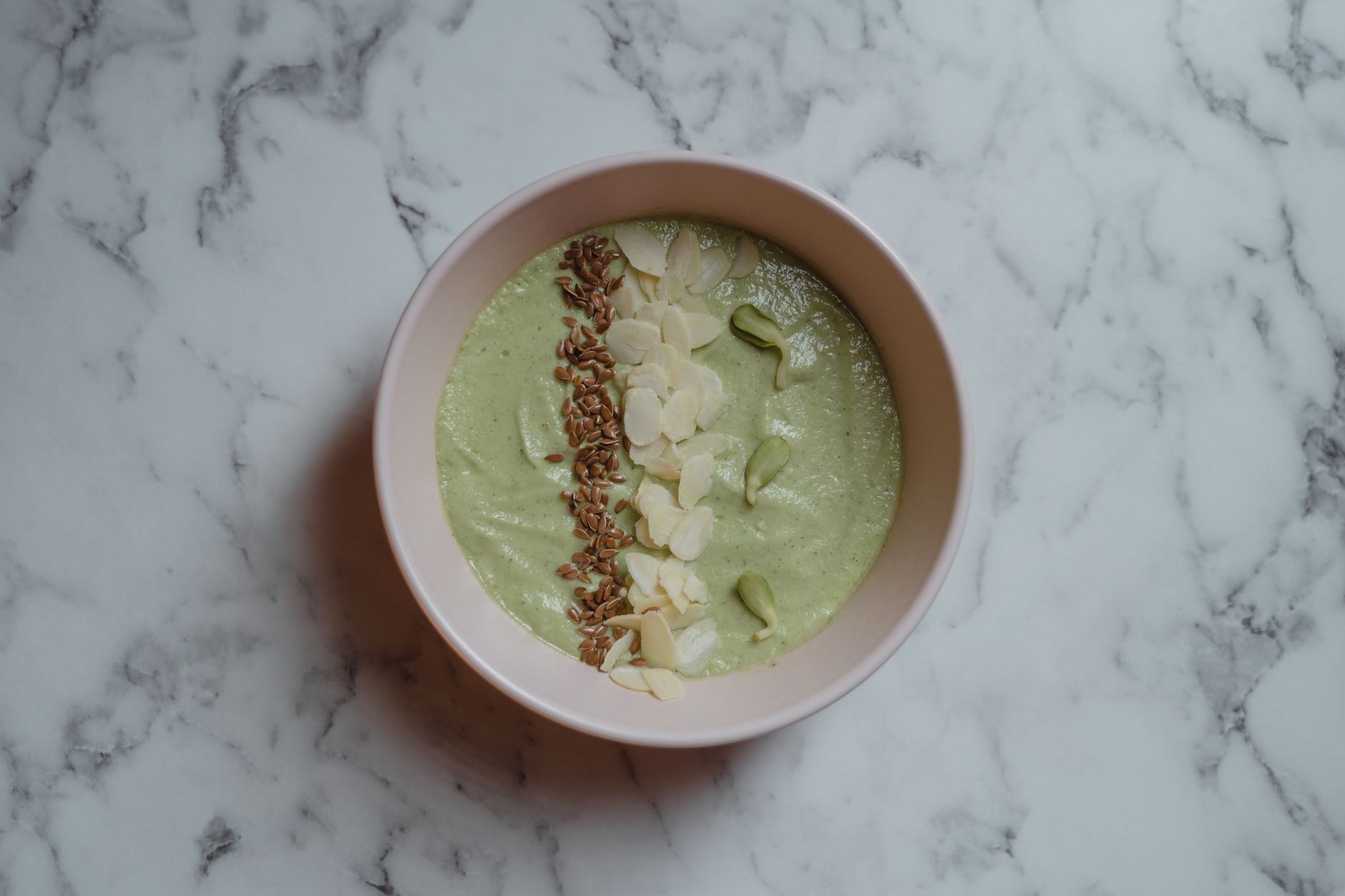
Smoothies (made with almond milk, banana, and oatmeal instead of citrus or berries)
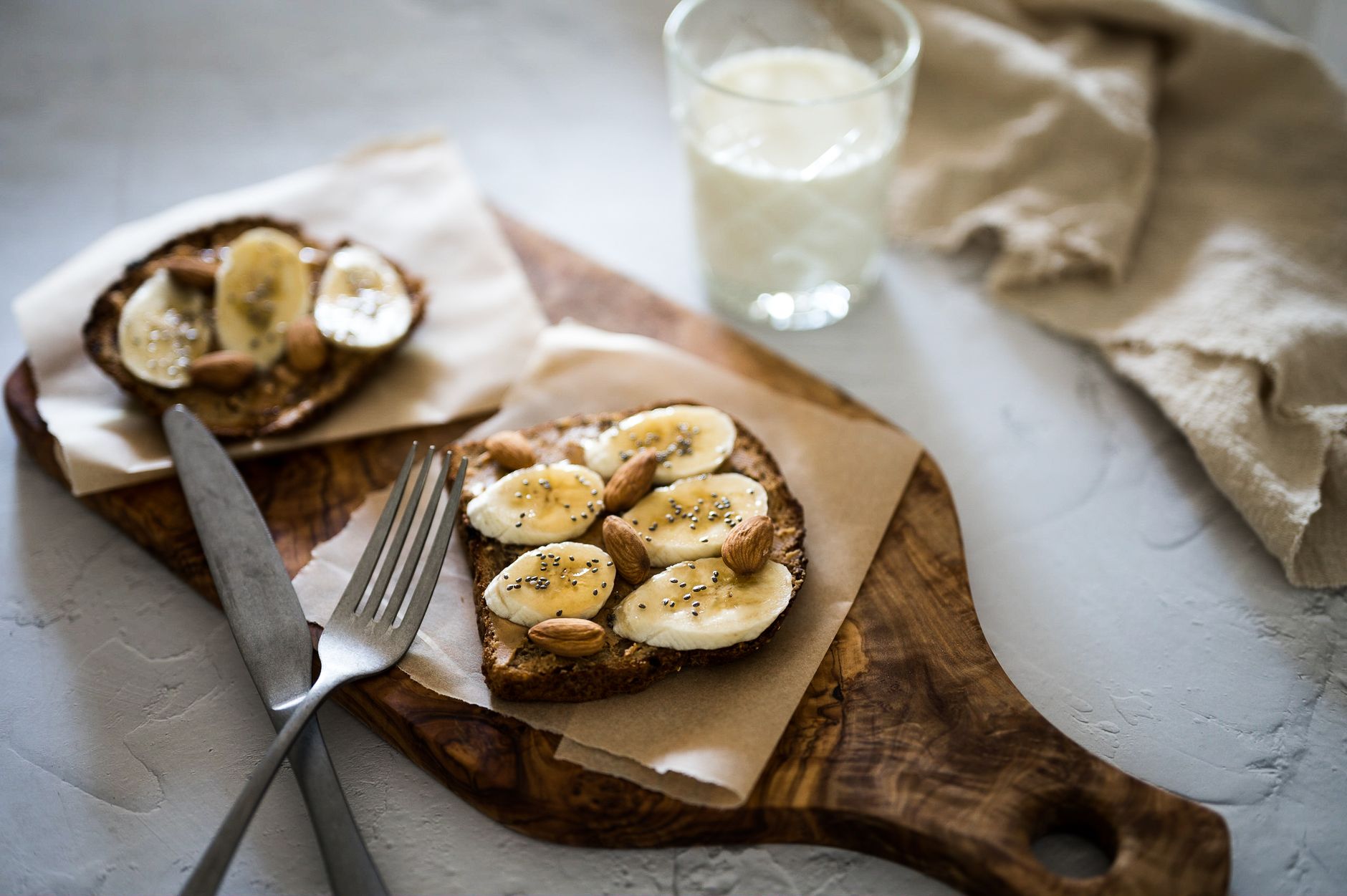
Whole-grain toast with almond butter
Steamed vegetables (like carrots or zucchini) with a side of lean protein
Chia pudding (made with coconut milk and low-acid fruit)
Cottage cheese with pear slices (if dairy is tolerated)
Many women tell us they struggle with GERD because they don’t realize how many common breakfast foods can be triggers. For example, orange juice—often touted as a vitamin C powerhouse—can actually worsen reflux for some people. If you’re used to starting your day with a glass of OJ, try swapping it for a glass of water or herbal tea instead. Another common mistake? Skipping breakfast entirely. While it might seem like fasting could help GERD, going too long without eating can actually make symptoms worse. When your stomach is empty, it produces more acid, which can lead to reflux. Instead, opt for a small, low-acid meal to keep your digestive system happy.
Pro tip: If you’re sensitive to fats, try adding a spoonful of ground flaxseed to your oatmeal or smoothie. Flaxseed contains omega-3s, which have anti-inflammatory properties and may help reduce acid reflux symptoms in some people (per this 2017 study).
---
How to Make a GERD-Friendly Oatmeal Recipe
Oatmeal is one of the most versatile and GERD-friendly breakfasts you can make. It’s low-acid, easy to digest, and can be customized with a variety of gentle ingredients. The key is avoiding high-acid toppings like raisins, citrus zest, or spicy chili flakes. But oatmeal can also be a great vehicle for healthy fats and fiber, which help stabilize blood sugar and keep you full longer—both of which can prevent the mid-morning energy crash that might lead to overeating later.
Here’s a simple, GERD-friendly oatmeal recipe:
Cook the oats: Use steel-cut, rolled, or quick oats cooked in water or unsweetened almond milk (instead of citrus juice or dairy). Simmer for 5–7 minutes until creamy. For extra creaminess, blend cooked oats briefly with a splash of water.
Add healthy fats: Stir in a tablespoon of olive oil, coconut oil, or almond butter for satiety and to help absorb nutrients. These fats are easier to digest than butter substitutes, which can contain emulsifiers that may worsen reflux.
Top with low-acid fruits: Instead of berries or oranges, try sliced banana, apple, or pear. You can also add a sprinkle of cinnamon or a drizzle of honey (in moderation). For extra protein, stir in a scoop of vanilla protein powder (check for no artificial sweeteners).
Avoid common triggers: Skip chocolate chips, nuts (if they bother you), or anything with added sugar or artificial sweeteners. If you miss the crunch of nuts, try adding a sprinkle of pumpkin seeds (if tolerated).
Serve warm: Let it cool slightly before eating to avoid burning your throat. If you’re in a rush, try our 5-minute breakfast hacks for quick, GERD-friendly options.
If you’re short on time, you can also make AIP-friendly overnight oats (an autoimmune protocol version of oatmeal) by mixing rolled oats with coconut milk, chia seeds, and a touch of maple syrup the night before. Just avoid any citrus or nightshade ingredients. For a GERD-specific overnight oats variation, add a spoonful of almond butter and a sliced pear to the jar. The almond butter provides healthy fats, while the pear adds natural sweetness without acidity.
---
Quick GERD-Friendly Breakfast Smoothies
Smoothies can be a lifesaver for busy mornings—if you choose the right ingredients. The key is avoiding high-acid fruits like oranges, pineapple, and grapefruit. Instead, opt for low-acid fruits like banana, pear, or apple, and pair them with almond milk or coconut water for hydration without the acidity. But smoothies aren’t just about fruit—they’re a great way to pack in fiber, protein, and healthy fats, all of which can help stabilize blood sugar and reduce acid reflux symptoms. For example, adding a spoonful of almond butter or a scoop of protein powder can make your smoothie more satiating and less likely to trigger reflux later in the day.
Here’s a simple GERD-friendly smoothie recipe:
Base: Use unsweetened almond milk or coconut water (avoid dairy or citrus juices). For extra creaminess, blend in a handful of spinach or avocado.
Low-acid fruit: Add 1 ripe banana or ½ cup peeled pear. For variety, try a small handful of frozen mango (if tolerated) or a cup of cucumber for hydration.
Protein: Include 1 scoop of vanilla protein powder (check for no artificial sweeteners) or a handful of oats for fiber. If you’re avoiding protein powder, try adding a spoonful of tahini or almond butter.
Healthy fats: Add 1 tablespoon of coconut oil or almond butter for satiety. These fats are easier to digest than dairy-based options.
Avoid: Citrus fruits, tomatoes, or spicy ingredients like chili or ginger (unless tolerated). Skip artificial sweeteners like sorbitol or xylitol, which can worsen reflux in some people.
For extra creaminess, blend in a handful of spinach or avocado. If you’re pregnant and dealing with GERD, this smoothie is a great option because it’s easy to digest and packed with nutrients. Our Dash Diet breakfast guide has more ideas for nutrient-dense, low-acid meals if you’re looking for variety.
---
GERD-Friendly Breakfast Ideas for Pregnant Women
Pregnancy can make GERD symptoms worse due to hormonal changes and increased pressure on the stomach. Many pregnant women we’ve spoken to say their reflux flares up in the second trimester, making it harder to find comfortable meals. The good news? The same low-acid principles apply, and there are plenty of safe, nutrient-dense options to keep you and your baby happy. During pregnancy, it’s also important to focus on foods that support fetal development, such as those rich in folate, iron, and calcium. For example, scrambled eggs provide high-quality protein and choline, which is crucial for brain development, while avocado toast offers healthy fats and fiber.
Here are some GERD-friendly breakfast ideas for pregnant women:
Banana-smoothie (with almond milk, oats, and a touch of honey—packed with potassium and fiber)
Scrambled eggs with whole-grain toast (avoid butter substitutes; use olive oil for cooking—protein and healthy carbs)
Avocado toast with a side of hard-boiled eggs (healthy fats and protein for satiety)
Plain yogurt with a drizzle of honey and sliced pear (probiotics and fiber—choose full-fat, unsweetened yogurt)
Oatmeal with cinnamon and a small piece of dark chocolate (70% or higher) (magnesium and antioxidants—dark chocolate is less likely to trigger reflux)
Steamed carrots with a sprinkle of olive oil and a side of poached salmon (omega-3s for brain development and easy-to-digest protein)
Chia pudding with coconut milk and sliced banana (omega-3s and fiber—prep the night before)
Avoiding triggers like citrus, spicy foods, and caffeine is especially important during pregnancy. If you’re craving something sweet, opt for a small piece of dark chocolate (70% or higher) instead of citrus fruits or sugary cereals. Dark chocolate in moderation is less likely to trigger reflux than milk chocolate or citrus. Additionally, consider adding a sprinkle of ginger (if tolerated) to your meals, as some studies suggest it may help with nausea and digestion during pregnancy (per this 2017 review).
---
Overnight Oats for GERD Relief
Overnight oats are a game-changer for busy mornings—they’re easy to prep the night before and require no cooking. The trick is choosing the right ingredients to avoid acidity and keep your digestion happy. But overnight oats can also be a great way to include more fiber and protein in your diet, which can help stabilize blood sugar and reduce the likelihood of mid-morning energy crashes that might lead to overeating later. For example, adding chia seeds or flaxseeds can boost the fiber content, while a spoonful of almond butter adds healthy fats.
Here’s how to make GERD-friendly overnight oats:
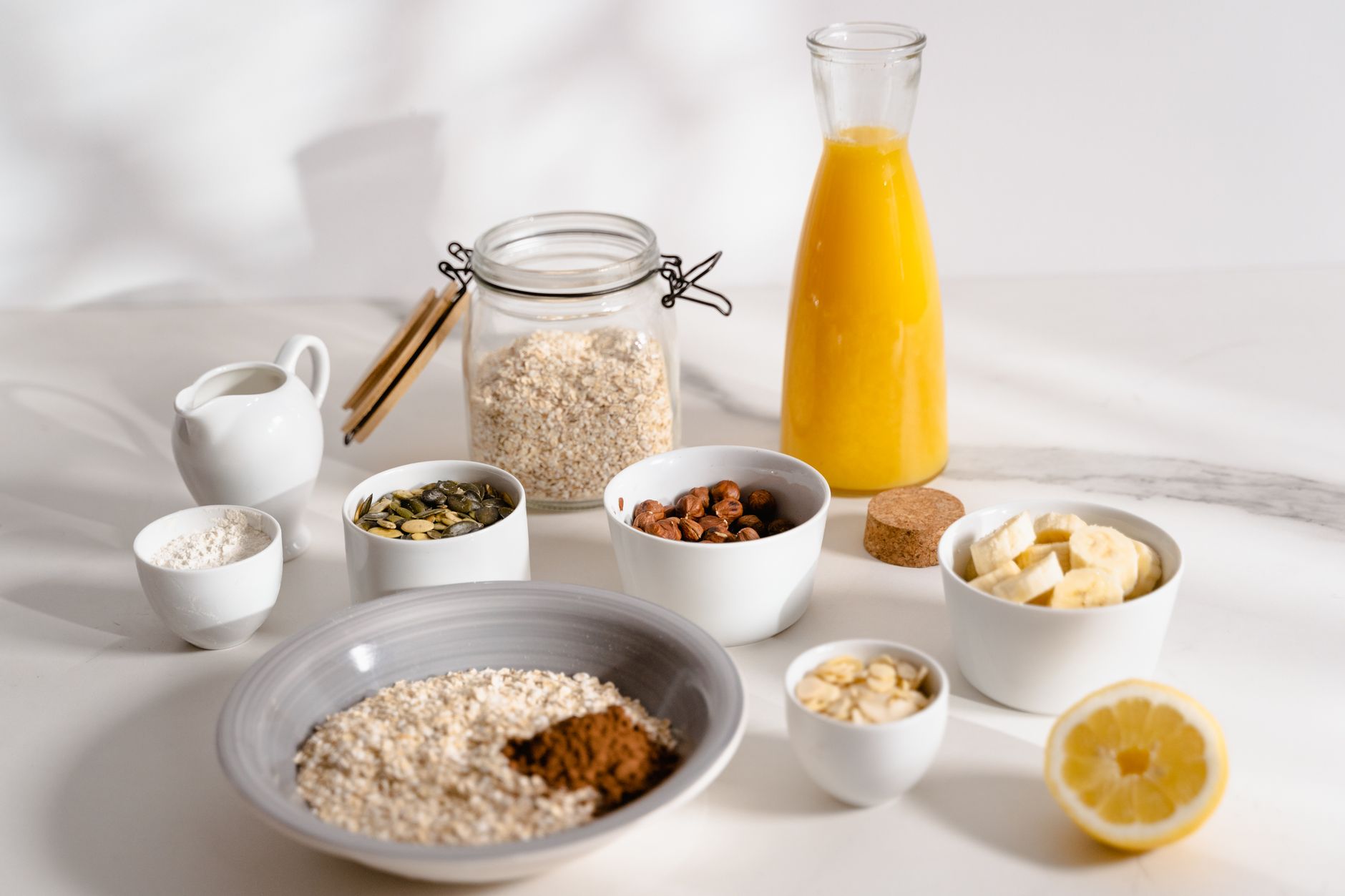
Base: Use rolled oats (steel-cut can be too hearty for some). For extra creaminess, blend a few oats briefly with water before adding them to the jar.
Milk: Use unsweetened almond milk or coconut milk (avoid dairy or citrus juices). For extra protein, add a scoop of vanilla protein powder (check for no artificial sweeteners).
Sweetener: Add a drizzle of honey or a pinch of cinnamon (avoid maple syrup if it bothers you). For a low-sugar option, try a small amount of date paste.
Toppings: Sliced banana, apple, or pear. Avoid berries, raisins, or citrus. For extra crunch, add a sprinkle of pumpkin seeds or sunflower seeds (if tolerated).
Protein boost: Add a spoonful of almond butter or coconut oil for healthy fats. For extra fiber, mix in some ground flaxseed or chia seeds (if tolerated).
Let it sit: Mix everything in a jar and refrigerate overnight. In the morning, give it a good stir and enjoy! If you’re in a rush, try our 5-minute breakfast hacks for quick, GERD-friendly options.
If you’re watching your weight or looking for more protein, you can also add a spoonful of almond butter or coconut oil for healthy fats. For extra fiber, mix in some ground flaxseed or chia seeds (if tolerated). For a GERD-friendly chia pudding variation, mix 2 tablespoons of chia seeds with ½ cup coconut milk and a pinch of cinnamon. Let it sit overnight, then top with sliced banana and a drizzle of honey.
---
Low-Fat Breakfast Options for GERD
While fat isn’t always the enemy for GERD, some people find that high-fat foods worsen their symptoms. If you’re sensitive to fat, focus on lean proteins and low-fat dairy alternatives. The key is to avoid fried foods, heavy creams, and fatty cuts of meat, which can slow digestion and increase acid production. However, it’s important to note that healthy fats like those found in avocados, nuts, and olive oil are generally well-tolerated and can even help reduce inflammation. The issue often arises with trans fats and saturated fats, which are found in fried foods and processed snacks.
Here are some low-fat GERD-friendly breakfast ideas:
Poached eggs on whole-grain toast (skip the butter; use a non-stick pan with a light spray of olive oil)
Greek yogurt with sliced pear and a sprinkle of cinnamon (choose plain, unsweetened yogurt—full-fat is often better tolerated than low-fat)
Steamed vegetables with a side of poached chicken (use skinless chicken breast for lean protein)
Smoothie with almond milk, banana, and oats (add a scoop of vanilla protein powder for extra protein without fat)
Whole-grain pancakes with almond butter (made with almond flour or oat flour—avoid butter or oil)
Cottage cheese with pear slices and a drizzle of honey (choose low-fat cottage cheese if preferred)
Scrambled tofu with spinach (use firm tofu and a light spray of olive oil—add a sprinkle of nutritional yeast for flavor)
If you’re used to eating fried eggs or bacon, try swapping them for poached or scrambled eggs cooked in a non-stick pan with a little olive oil. For extra protein without the fat, consider adding a side of cottage cheese (if tolerated) or a small handful of almonds (if nuts don’t bother you). For a low-fat, high-protein breakfast bowl, mix poached eggs with steamed spinach, sliced avocado (in moderation), and a side of whole-grain toast.
---
How to Avoid GERD Triggers in Breakfast
Knowing what to eat is only half the battle—you also need to know what to avoid. Common GERD triggers in breakfast include:
If you’re used to starting your day with a cup of coffee, try switching to decaf or herbal tea. You can also sip water throughout the morning to stay hydrated without triggering reflux. For those who love a sweet breakfast, opt for honey or maple syrup instead of artificial sweeteners. Another tip? Eat smaller, more frequent meals. Instead of one big breakfast, try a small smoothie followed by a light lunch. This can help prevent your stomach from overfilling and triggering reflux.
Pro tip: If you’re sensitive to fats, try adding a spoonful of psyllium husk to your oatmeal or smoothie. Psyllium is a soluble fiber that can help absorb excess acid and may reduce reflux symptoms (per this 2017 study). Start with ½ teaspoon and gradually increase to 1 teaspoon if tolerated.
---
GERD Breakfast Recipes Low in Acid
If you’re looking for more variety, here are a few low-acid breakfast recipes to try:
Avocado Toast with Smoked Salmon
Toast whole-grain bread and mash half an avocado on top.
Add smoked salmon (low-sodium) and a sprinkle of dill. Drizzle with a little olive oil instead of cream cheese.
Avoid: Hot sauce, citrus, or high-fat dressings.
Cottage Cheese with Pineapple (if tolerated)
Mix plain cottage cheese with a small amount of pineapple (if it doesn’t bother you).
Add a drizzle of honey or cinnamon. For extra creaminess, stir in a spoonful of almond butter.
Avoid: High-fat dressings or spicy toppings.
Scrambled Tofu with Spinach
Scramble firm tofu with a little olive oil and a handful of spinach.
Season with turmeric, garlic powder, and a pinch of salt. Serve with whole-grain toast.
Avoid: Soy sauce or spicy seasonings.
Banana-Almond Butter Smoothie
Blend 1 banana, 1 cup almond milk, 1 tablespoon almond butter, and a handful of spinach.
Add a scoop of vanilla protein powder (if desired). For extra creaminess, add ½ avocado.
Avoid: Citrus or berries.
Chia Pudding with Coconut Milk
Mix 2 tablespoons chia seeds with ½ cup coconut milk and a pinch of cinnamon.
Let it sit overnight in the fridge. Top with sliced banana and a drizzle of honey.
Avoid: Citrus or high-acid fruits.
If you’re curious about other low-acid diets, check out our AIP elimination diet breakfast ideas or Atkins-friendly breakfasts for more inspiration. The key is to focus on whole, unprocessed foods that won’t irritate your digestive system. For a GERD-friendly meal prep guide, try batch-cooking overnight oats, chia pudding, or smoothie packs on Sunday to save time during the week.
---
What Foods to Avoid for GERD Morning
Some foods are so common in breakfast that it’s easy to overlook them as triggers. Here’s a quick list of foods to avoid in the morning if you have GERD:
Orange juice (even if you think it’s good for you)
Tomato sauce or salsa (highly acidic)
Spicy breakfast sausages (can irritate the esophagus)
High-fat cereals (like granola with nuts and honey)
Coffee (regular or decaf) (even if you love it, it can relax the LES)
Carbonated drinks (soda, sparkling water)
Chocolate (milk or white) (can relax the LES muscle)
Mint-flavored anything (mint can worsen reflux)
Processed meats (bacon, sausage, hot dogs—high in fat and sodium)
If you’re craving something sweet, try a small piece of dark chocolate (70% or higher) or a handful of almonds (if nuts don’t bother you). For hydration, stick to water, herbal teas, or coconut water instead of citrus juices. If you miss the crunch of granola, try making your own low-acid version with oats, almonds, and a touch of honey. Avoid adding raisins or citrus zest, which can trigger reflux.
---
GERD Diet Breakfast for Pregnancy
If you’re pregnant and dealing with GERD, your breakfast choices matter even more. Hormonal changes during pregnancy can increase acid production and relax the LES, making reflux more likely. The good news? Many of the same low-acid foods that help GERD in general are also safe and nutritious for pregnancy. During pregnancy, it’s also important to focus on foods that support fetal development, such as those rich in folate, iron, and calcium. For example, scrambled eggs provide high-quality protein and choline, which is crucial for brain development, while avocado toast offers healthy fats and fiber.
Here are some pregnancy-safe, GERD-friendly breakfast ideas:
Banana-smoothie with almond milk and oats (packed with potassium and fiber—add a scoop of vanilla protein powder for extra protein)
Scrambled eggs with whole-grain toast (protein and healthy carbs—use olive oil for cooking)
Avocado toast with a side of hard-boiled eggs (healthy fats and protein—add a sprinkle of turmeric for anti-inflammatory benefits)
Plain yogurt with a drizzle of honey and sliced pear (probiotics and fiber—choose full-fat, unsweetened yogurt)
Oatmeal with cinnamon and a small piece of dark chocolate (70% or higher) (magnesium and antioxidants—dark chocolate is less likely to trigger reflux)
Steamed carrots with a sprinkle of olive oil and a side of poached salmon (omega-3s for brain development and easy-to-digest protein)
Chia pudding with coconut milk and sliced banana (omega-3s and fiber—prep the night before for a quick morning)
Cottage cheese with pear slices and a sprinkle of pumpkin seeds (protein and healthy fats—choose low-fat if preferred)
Avoiding caffeine is especially important during pregnancy, so opt for herbal teas like chamomile or ginger (if tolerated) instead of coffee. If you’re craving something sweet, a small piece of dark chocolate is a better choice than citrus fruits or sugary cereals. For extra hydration, try coconut water (low-acid and rich in electrolytes) instead of citrus juices. If you’re experiencing morning sickness, try sipping ginger tea or eating small, bland snacks like crackers or toast throughout the day.
---
Best Breakfast for Acid Reflux
If you’re looking for the absolute best breakfast for acid reflux, focus on foods that are low-acid, easy to digest, and high in fiber. Here are the top picks, ranked by digestibility and nutrient density:
Oatmeal (cooked with water or almond milk) – High in fiber and easy to customize with low-acid toppings.
Scrambled eggs (cooked with olive oil, not butter substitutes) – Lean protein that’s gentle on the stomach.
Plain yogurt (unsweetened, full-fat) – Probiotics can support gut health, but choose carefully if lactose intolerant.
Avocado toast (on whole-grain bread with olive oil) – Healthy fats in moderation can be well-tolerated.
Smoothies (with almond milk, banana, and oats) – Easy to digest and customizable with low-acid ingredients.
Whole-grain toast with almond butter – Fiber and healthy fats for satiety.
Steamed vegetables (like carrots or zucchini) with a side of lean protein – Light and easy to digest.
Chia pudding (with coconut milk and banana) – Omega-3s and fiber for a soothing breakfast.
Cottage cheese with pear slices – Protein and fiber, but choose low-fat if sensitive to dairy.
If you’re meal prepping, consider making a batch of overnight oats or smoothie packs the night before. This way, you can grab a healthy breakfast without the stress of cooking in the morning. For extra protein, add a scoop of vanilla protein powder (check for no artificial sweeteners) to your smoothie or oatmeal. For a GERD-friendly meal prep routine, dedicate 20 minutes on Sunday to prep overnight oats, chia pudding, and smoothie packs. Store them in the fridge and grab them as needed during the week.
---
GERD-Friendly Breakfast Meal Plan
If you’re looking for a full week of GERD-friendly breakfast ideas, here’s a simple meal plan to get you started. This plan includes a variety of textures and nutrients to keep your meals interesting while avoiding common triggers.
Day
Breakfast Idea
Notes
Monday
Oatmeal with banana, almond butter, and a sprinkle of cinnamon
Avoid citrus or honey if it bothers you. Add a spoonful of chia seeds for extra fiber.
Tuesday
Scrambled eggs with whole-grain toast and steamed spinach
Cook eggs in olive oil, not butter substitutes. Add a side of sliced pear for sweetness.
Wednesday
Banana-almond butter smoothie with a handful of spinach
Avoid citrus or berries. For extra protein, add a scoop of vanilla protein powder.
Thursday
Avocado toast with smoked salmon and a side of hard-boiled eggs
Not sure about the label on Gerd Friendly Diet Breakfast Ideas products?
Snap the ingredients list and SafeFilter checks every ingredient for your stage — only 3 free scans this month, then you're locked until reset. Unlimited from $7/mo or $50/yr.
When Shubhra Mishra was expecting her first child in 2016, she was overwhelmed by conflicting food advice — one site said yes, another said never. By the time her second baby arrived in 2019, she realized millions of mothers face the same confusion.
That sparked a five-year journey through clinical nutrition papers, cultural diets, and expert conversations — all leading to BumpBites: a calm, compassionate space where science meets everyday motherhood.
Her long-term vision is to build a global community ensuring safe, supported, and free deliveriesfor every mother — because no woman should face pregnancy alone or uninformed. 🌿
🌍 Stand with mothers, shape safer guidance
Join a small circle of experts who review BumpBites articles so expecting parents everywhere can decide with confidence.