

Quick take: A GERD-friendly diet can ease pregnancy-related acid reflux by avoiding trigger foods, eating smaller meals, and choosing low-acid, non-spicy options. For most women, symptoms improve within 1–3 weeks of dietary changes, but severe cases may need medical intervention. Always consult your obstetrician before making major dietary shifts, especially during pregnancy. Bonus: Many women also find relief from gestational diabetes symptoms and postpartum digestive discomfort by sticking to these principles long-term.GERD-Friendly Diet Benefits and Side Effects: The Complete 2026 Guide
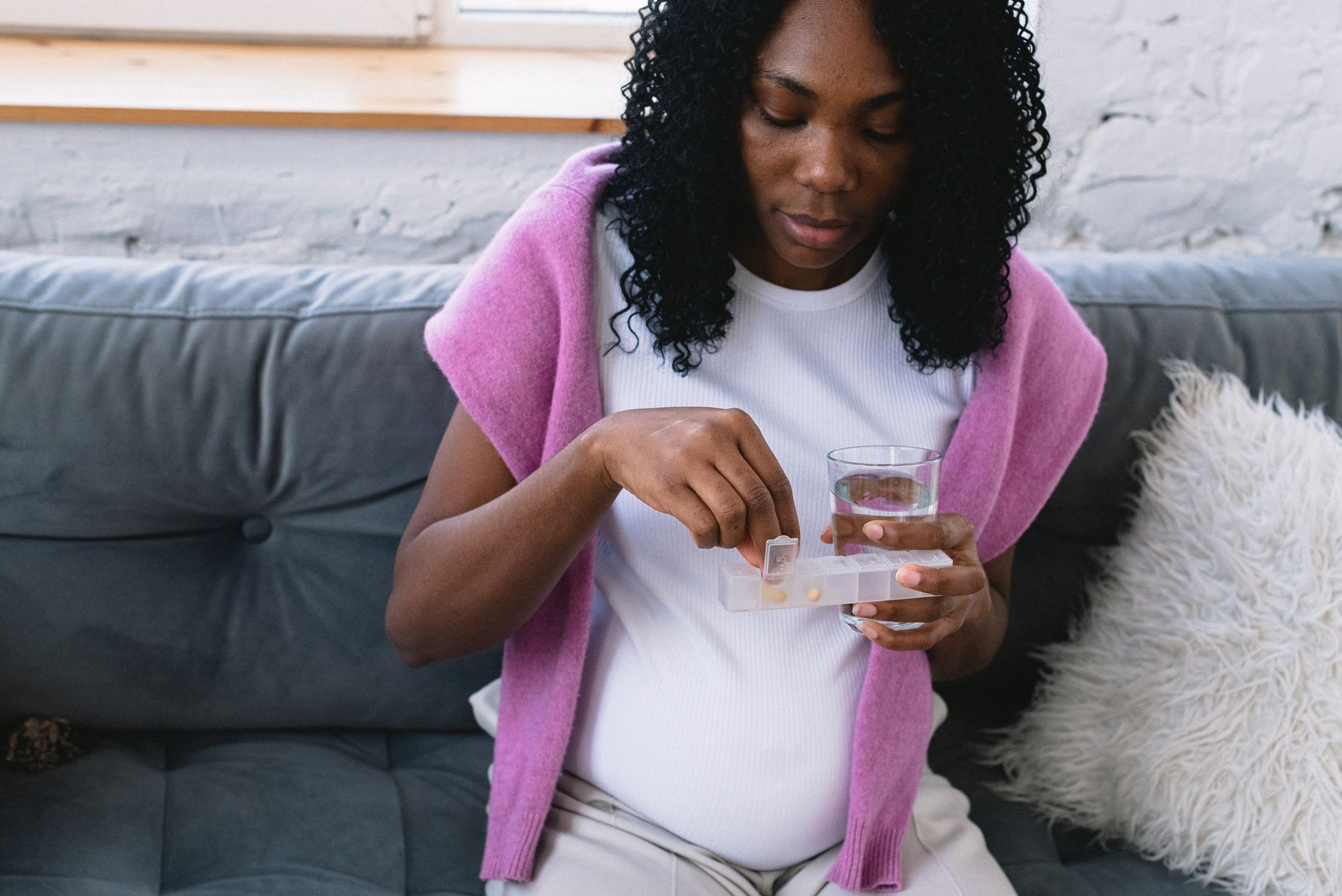
There’s nothing quite like that first wave of morning sickness—or the sudden, burning sensation of acid reflux creeping up your throat—when you’re pregnant. For many women, GERD (gastroesophageal reflux disease) symptoms flare up in the second trimester, thanks to the hormone progesterone relaxing the valve between your stomach and esophagus. You’re not alone: up to 80% of pregnant women experience acid reflux at some point, and for some, it becomes a daily struggle.
One reader, Sarah, a first-time mom-to-be, described her experience this way: “I woke up at 3am, my heartburn so bad I thought I was having a heart attack. I’d just had a small piece of pizza—something I’d eaten a hundred times before. That’s when I realized my body was telling me something was off. I Googled ‘GERD-friendly diet during pregnancy’ and found myself staring at a list of foods I’d never heard of. But by the third week of sticking to it, I slept through the night for the first time in months.”
Sarah’s story isn’t unusual. Many women turn to a GERD-friendly diet to manage symptoms, but it’s easy to feel overwhelmed by conflicting advice. What can I really eat? Will this affect my baby? How long until I see improvement? What about my favorite foods? In this guide, we’ll break down the science behind a GERD-friendly diet during pregnancy, what to eat (and avoid), how it impacts other pregnancy-related conditions, and when to seek help if symptoms persist. We’ll also explore how this diet can support your digestive health beyond pregnancy—and how to reintroduce foods safely postpartum.
--- ## **What foods can I eat on a GERD-friendly diet during pregnancy to reduce acid reflux symptoms?**Pregnancy hormones like progesterone and estrogen relax the lower esophageal sphincter (LES), the muscle that keeps stomach acid where it belongs. When this valve weakens, acid can flow back into your esophagus—causing that familiar burning sensation. A GERD-friendly diet focuses on foods that are low in acidity, low in fat, and gentle on digestion. The goal is to reduce irritation and minimize triggers.
Here’s a breakdown of the best foods to include, categorized by meal times:
### **Breakfast Options** - **Oatmeal** (cooked with water or almond milk) – Fiber-rich and soothing to the stomach. - **Bananas** (ripe, not overripe) – Naturally alkaline and easy to digest. - **White rice** (plain, not fried) – Light and gentle on digestion. - **Scrambled eggs** (cooked with minimal butter) – Lean protein without excess fat. - **Ginger tea** (low-acid herbal tea) – Helps with nausea and reduces reflux. - **Plain toast with almond butter** – A balanced option with healthy fats in moderation. ### **Lunch & Dinner Options** - **Grilled chicken** (skinless, no heavy sauces) – Lean protein without added fat. - **Steamed vegetables** (carrots, zucchini, green beans) – Low-acid and nutrient-dense. - **Baked salmon** (with lemon—use sparingly) – Omega-3s for baby’s brain development. - **Quinoa or brown rice** (plain, not fried) – High-fiber, low-acid grains. - **Avocado** (in moderation, as it’s high in fat) – Healthy fats in small portions. - **Mashed sweet potatoes** – Gentle on digestion and rich in vitamin A.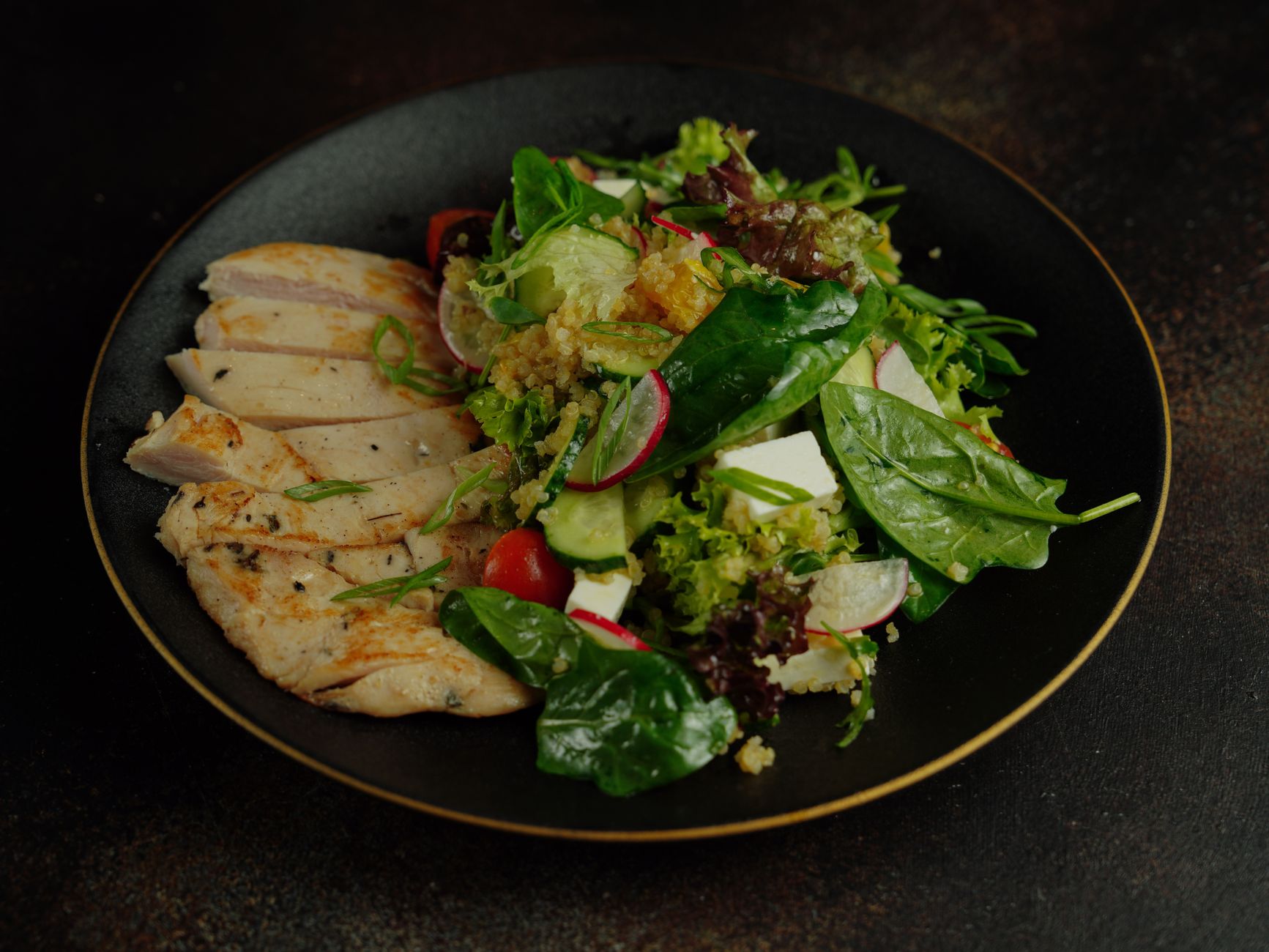
**Key tip:** Avoid eating within 2–3 hours of bedtime to give your stomach time to digest before lying down. If you’re hungry at night, opt for a small snack like a few crackers or a banana. Pro tip: Try eating your meals in a slightly elevated position (like propping up your dining table) to help reduce reflux during meals.
--- ## **Are there any specific supplements that help with GERD while following a GERD-friendly diet?**While diet is the cornerstone of GERD management, certain supplements may provide additional relief. Always check with your healthcare provider before starting any new supplement during pregnancy. Some supplements can interact with medications or have pregnancy-specific risks.
### **Evidence-Based Supplements for GERD Relief** | **Supplement** | **Typical Dose** | **Best Time to Take** | **Food Sources** | **Known Interactions** | **Pregnancy-Specific Notes** | |----------------------|------------------------|----------------------------|--------------------------------------|--------------------------------------------|-----------------------------------------------| | **Ginger** | 500–1,000 mg/day | With meals | Fresh ginger, ginger tea | Blood thinners (may increase bleeding risk) | Safe in pregnancy; may help with nausea and reflux | | **Slippery Elm** | 300–500 mg/day | Before meals | Loose-leaf tea, capsules | None (generally safe) | No known risks during pregnancy | | **Aloe Vera Juice** | 10–20 ml/day | After meals | Fresh aloe (avoid commercial juices with additives) | May interact with diabetes medications | Avoid if you have a history of kidney issues | | **Probiotics** | 1–10 billion CFU/day | With breakfast | Yogurt (plain), kefir, sauerkraut | None (but consult provider if on antibiotics) | May improve gut health and reduce bloating | | **Licorice Root** | 200–400 mg/day | After meals | Herbal teas, capsules | Blood pressure medications, potassium supplements | Avoid deglycyrrhizinated licorice (DGL) in pregnancy; regular licorice may raise blood pressure |**Note:** Some supplements, like aloe vera, should be avoided if you have a history of kidney issues. Always opt for food-based supplements (like ginger tea) when possible—they’re gentler on your system. Sarah’s tip: “I started taking ginger tea before meals, and it made a noticeable difference. My doctor confirmed it was safe, so I stuck with it! I also tried slippery elm capsules, which helped coat my esophagus and reduced the burning sensation.”
--- ## **How does a GERD-friendly diet differ from a regular anti-acid diet for pregnant women?**The key difference lies in the focus on pregnancy-specific needs. A standard anti-acid diet might emphasize avoiding all citrus, spicy foods, and fatty meals, but it doesn’t always account for the unique challenges of pregnancy:
1. **Hormonal Changes:** Pregnancy hormones relax the LES, making reflux worse. A GERD-friendly diet for pregnancy includes foods that help counteract this effect, like ginger and almond milk. 2. **Nutrient Needs:** Pregnant women require more protein, fiber, and certain vitamins (like folate and iron). A GERD-friendly diet ensures these nutrients are still accessible—think lean proteins like chicken or fish, not fried foods. 3. **Hydration:** Pregnant women need to stay hydrated, but drinking too much liquid with meals can worsen reflux. The GERD-friendly diet encourages sipping water between meals rather than with them. 4. **Weight Management:** A GERD-friendly diet often includes lean proteins and fiber, which can help manage healthy weight gain and reduce bloating.**Comparison Table: GERD-Friendly Diet vs. Standard Anti-Acid Diet**
| **Factor** | **GERD-Friendly Diet (Pregnancy)** | **Standard Anti-Acid Diet** | |--------------------------|-------------------------------------------------------------|------------------------------------------------------| | **Hydration Approach** | Sip water between meals | Drink small amounts with meals | | **Protein Sources** | Lean chicken, fish, tofu, eggs | Avoids all fried or fatty proteins | | **Fiber Intake** | Whole grains, vegetables (low-acid), fruits (melon, banana) | Restricts high-fiber foods (can irritate) | | **Supplements** | Ginger, slippery elm, probiotics, aloe vera juice | Antacids, H2 blockers (if medically approved) | | **Meal Timing** | Eat smaller, frequent meals; avoid late-night eating | Similar, but less emphasis on pregnancy-specific needs | | **Snack Choices** | Crackers, melon, Greek yogurt, rice cakes | Avoids all dairy or high-fat snacks |**Why it matters:** A standard anti-acid diet might tell you to avoid all citrus, but a GERD-friendly diet for pregnancy might allow small amounts of orange juice if it doesn’t trigger symptoms—because your body still needs nutrients like vitamin C. Bonus: This diet can also help with gestational diabetes by focusing on low-glycemic foods like oatmeal and quinoa.
--- ## **What are the long-term benefits of sticking to a GERD-friendly diet beyond pregnancy?**While many women return to a more "normal" diet postpartum, sticking with GERD-friendly principles can have lasting benefits:
1. **Reduced Risk of Acid Reflux in Later Life:** Chronic GERD can lead to esophagitis or even Barrett’s esophagus. A diet low in acid and fat may help prevent long-term damage. 2. **Better Digestive Health:** Foods like oatmeal, ginger, and probiotics support gut health, reducing bloating and constipation—common issues as we age. 3. **Weight Management:** A GERD-friendly diet often includes lean proteins and fiber, which can help maintain a healthy weight, reducing strain on the digestive system. 4. **Heart Health:** Many GERD-friendly foods (like salmon and avocado) are also heart-healthy, lowering the risk of cardiovascular disease. 5. **Improved Energy Levels:** By avoiding processed foods and focusing on nutrient-dense options, you may experience more stable energy throughout the day.**Sarah’s postpartum experience:** “I kept up with the GERD-friendly habits after my baby was born. I noticed my digestion was smoother, and I didn’t feel as sluggish. It’s become part of my routine now! I also found that it helped with my postpartum constipation, which was a relief.”
--- ## **Can a GERD-friendly diet help with morning sickness and heartburn simultaneously?**Yes! Many of the same foods that reduce acid reflux can also ease morning sickness. The key is focusing on:
- **Low-acid, bland foods** (like crackers, bananas, or plain rice) to settle your stomach. - **Ginger** (in tea or small amounts) to reduce nausea and soothe digestion. - **Small, frequent meals** to avoid overwhelming your stomach. - **Hydration with electrolytes** (like a pinch of salt in water) to combat nausea.**How to Combine Both Approaches:**
- Start your day with a handful of plain crackers or a small bowl of oatmeal before getting out of bed. - Sip ginger tea or almond milk between meals to help with both reflux and nausea. - Avoid lying down for at least 30 minutes after eating. - **Sarah’s morning routine:** “I’d wake up, drink a glass of water with a pinch of salt (helps with nausea), then eat a few crackers before getting up. I also found that having a small banana with almond butter in the morning helped stabilize my blood sugar and reduced my reflux. By mid-morning, I felt much better—and my heartburn was gone!” --- ## **How does a GERD-friendly diet impact weight gain during pregnancy and postpartum?**Pregnancy weight gain is normal and necessary, but a GERD-friendly diet can help manage it in a few ways:
1. **Reduces Bloating:** High-fiber, low-acid foods (like oatmeal and bananas) can help reduce bloating, making you feel lighter. 2. **Encourages Lean Protein:** Foods like chicken, fish, and tofu keep you full without adding excessive calories. 3. **Prevents Late-Night Snacking:** Avoiding heavy meals before bed can reduce unnecessary calorie intake. 4. **Supports Healthy Weight Gain:** By focusing on nutrient-dense foods, you can meet your baby’s needs without excessive empty calories.**Postpartum Impact:** Many women experience postpartum GERD due to hormonal changes and physical recovery. A GERD-friendly diet can help:
- Reduce stress on the digestive system during breastfeeding. - Prevent constipation, which can worsen reflux. - Support overall recovery by providing gentle, nutrient-dense foods. - **Sarah’s postpartum tip:** “After my baby was born, I noticed my reflux got worse because I was breastfeeding and always on the go. I stuck to small, frequent meals and avoided lying down after eating, and it helped a lot. I also found that drinking herbal teas like chamomile or licorice root (in moderation) helped soothe my digestion.” --- ## **What are the best GERD-friendly snacks for pregnant women to prevent nighttime acid reflux?**Nighttime reflux is one of the most disruptive symptoms for pregnant women. The best snacks to prevent it are:
- **Bananas** (low-acid, easy to digest) - **Plain crackers** (soak them in water for extra relief) - **Melon** (cantaloupe or honeydew) - **Greek yogurt** (plain, unsweetened—if dairy is tolerated) - **Rice cakes** (light and easy to digest) - **Steamed edamame** (lightly salted, for protein) - **Applesauce** (unsweetened, no added sugar)**Avoid at night:**
- Spicy foods - Citrus fruits - Fried or fatty snacks - Chocolate - Carbonated drinks**Sarah’s nighttime routine:** “I kept a bowl of plain crackers and a banana by my bed. If I woke up with reflux, I’d eat a few crackers and drink a glass of almond milk. It helped me fall back asleep without the burning sensation.”
--- ## **How quickly can a GERD-friendly diet reduce heartburn symptoms in early pregnancy?**Most women notice improvement within **1–3 weeks** of consistently following a GERD-friendly diet. However, the timeline can vary:
- **Mild symptoms:** Relief may come in as little as 3–5 days. - **Moderate to severe symptoms:** It may take 2–4 weeks to see significant improvement, especially if lifestyle changes (like avoiding late-night eating) are also implemented. - **Individual factors:** Some women may need to adjust their diet further based on personal triggers.**Sarah’s experience:** “I started the diet on a Monday, and by Wednesday, my heartburn was much better. By the end of the week, I was sleeping through the night! However, in my third trimester, my symptoms worsened again, so I had to be even more diligent about meal timing and portion sizes.”
--- ## **Does a GERD-friendly diet help with gestational diabetes alongside acid reflux?**Yes! Many of the same principles that help with GERD can also support blood sugar control:
- **Low-glycemic foods** (like oatmeal, quinoa, and non-starchy vegetables) help stabilize blood sugar. - **Protein-rich meals** (like chicken or fish) prevent blood sugar spikes. - **Fiber intake** (from fruits, vegetables, and whole grains) slows digestion and helps regulate glucose levels. - **Healthy fats in moderation** (like avocado or nuts) provide sustained energy without spiking blood sugar.**Key Foods for Both GERD and Gestational Diabetes:**
- **Lean proteins** (chicken, fish, tofu) - **Non-starchy vegetables** (spinach, zucchini, carrots) - **Healthy fats** (avocado, nuts—in moderation) - **Whole grains** (brown rice, quinoa) - **Low-acid fruits** (bananas, melon, apples)**Sarah’s dual benefit:** “I noticed my energy levels were more stable when I stuck to the GERD-friendly diet. My doctor even mentioned it might be helping with my blood sugar! I started tracking my meals and noticed that when I included more protein and fiber, my reflux and blood sugar both improved.”
--- ## **Can I still enjoy coffee or tea on a GERD-friendly diet during pregnancy?**Yes, but with caution. Here’s how to enjoy them without triggering reflux:
- **Black coffee:** Avoid if it worsens symptoms. If you must have it, opt for **decaf** or **half-caf**. - **Green tea:** A better choice than black tea, but avoid drinking it with meals. - **Herbal teas:** Ginger, chamomile, or licorice root (in moderation) are GERD-friendly options. - **Caffeine timing:** If you drink coffee, have it **early in the day** and avoid it within 3 hours of bedtime. - **Dilution:** Try adding a splash of almond milk to your coffee to reduce acidity.**Sarah’s coffee hack:** “I switched to decaf and only had it in the morning with a small breakfast. It didn’t bother me at all! I also found that adding a pinch of cinnamon to my coffee helped with digestion.”
--- ## **What are the worst foods to avoid on a GERD-friendly diet for pregnant women?**Some foods are common triggers for GERD and should be avoided or limited during pregnancy:
### **High-Acid Foods** - Citrus fruits (oranges, lemons, grapefruit) - Tomatoes and tomato-based sauces (salsa, marinara) - Vinegar and pickles - Spicy foods (hot peppers, chili peppers) - Spicy sauces (salsa, hot sauce) ### **Fatty or Fried Foods** - Fried chicken, french fries - Full-fat dairy (cheese, butter, cream) - Processed meats (bacon, sausage) - Fast food (burgers, pizza) ### **Carbonated Drinks** - Soda, sparkling water (can increase stomach pressure) - Carbonated juices ### **Other Triggers** - Peppermint (can relax the LES) - Chocolate (contains methylxanthines that can relax the LES) - Mint-flavored foods or drinks**Sarah’s biggest trigger:** “I used to love spicy food, but after the first trimester, even a little heat would set off my reflux. I had to cut it out completely! I also noticed that peppermint tea made my symptoms worse, so I switched to ginger or chamomile instead.”
--- ## **How does a GERD-friendly diet affect lactation and milk supply postpartum?**A GERD-friendly diet can actually support lactation by:
- **Hydration:** Staying well-hydrated is crucial for milk production, but drinking too much liquid with meals can worsen reflux. Sip water between meals instead. - **Nutrient-Dense Foods:** Foods like oatmeal, almonds, and leafy greens support milk supply and are gentle on digestion. - **Avoiding Irritants:** Foods that trigger reflux can also disrupt digestion, potentially affecting milk production. - **Ginger and Fennel:** These can help with milk supply and may also soothe digestion.**Sarah’s postpartum experience:** “I kept up with the GERD-friendly habits after my baby was born, and my milk supply stayed strong. I also noticed I wasn’t as bloated or constipated, which made breastfeeding more comfortable. I added more fennel seeds to my diet, which helped with both my digestion and my milk supply!”
--- ## **How to reintroduce foods safely after following a GERD-friendly diet postpartum**Reintroducing foods after following a GERD-friendly diet requires a gradual approach to avoid triggering symptoms. Here’s how to do it safely:
1. **Start with mild triggers:** Begin with foods that are less likely to cause reflux, such as small amounts of citrus or mild spices. 2. **Test one food at a time:** Wait 3–5 days between reintroducing different foods to monitor your body’s response. 3. **Observe symptoms:** Pay attention to any changes in reflux, bloating, or discomfort. 4. **Adjust portion sizes:** If a food triggers symptoms, try a smaller portion or different preparation method (e.g., baked instead of fried). 5. **Keep a food diary:** Track which foods you reintroduce and how your body responds.**Sarah’s reintroduction plan:** “After a few months postpartum, I started reintroducing foods one by one. I began with a small slice of pizza (my favorite trigger!) and noticed it didn’t bother me as much as it did during pregnancy. I also found that I could enjoy a small glass of orange juice in the morning without any issues. It was a slow process, but it helped me find my new normal.”
--- ## **What are the signs that my GERD symptoms are worsening despite following a GERD-friendly diet?**While diet is the first line of defense, some symptoms may require medical attention. See your obstetrician if you experience:
- **Severe chest pain** (could indicate heartburn vs. heart issues) - **Difficulty swallowing** (may signal esophageal strictures) - **Unexplained weight loss** (could indicate malabsorption) - **Persistent vomiting** (may require IV fluids or medication) - **Blood in stool or vomit** (emergency sign of bleeding) - **Worsening symptoms in the third trimester** (due to increased abdominal pressure)**Sarah’s warning:** “I ignored my worsening symptoms for a few weeks, thinking it was just part of pregnancy. But when I started vomiting blood, I went to the doctor immediately—and it turned out to be a hiatal hernia. Always trust your instincts and seek help if something feels off.”
--- ## **Myth vs. Fact: GERD-Friendly Diet During Pregnancy** ### **Myth:** “I can’t eat any dairy if I have GERD.” **Fact:** Many women tolerate plain, unsweetened dairy (like Greek yogurt or cottage cheese) well. However, high-fat dairy (like cheese or cream) can trigger reflux. Always test tolerance and consult your provider. Bonus: Probiotics in yogurt may also help with digestion! ### **Myth:** “A GERD-friendly diet will automatically cure my symptoms.” **Fact:** While diet is the cornerstone of management, some women may need medical intervention, such as antacids (like calcium carbonate) or proton pump inhibitors (PPIs), if symptoms persist. Always discuss options with your doctor. Sarah’s note: “I found that combining diet changes with over-the-counter antacids (approved by my doctor) gave me the best relief.” ### **Myth:** “I have to give up all my favorite foods.” **Fact:** Many women find that they can still enjoy their favorite foods in moderation—just not on an empty stomach or late at night. Experiment to find what works for you. Sarah’s tip: “I learned that I could have a small piece of pizza at lunch, but not at dinner. Timing made all the difference!” --- ## **Key Takeaways** - A GERD-friendly diet can significantly reduce acid reflux symptoms during pregnancy within **1–3 weeks**. - Focus on **low-acid, low-fat, and high-fiber foods** to support digestion and nutrient needs. - **Small, frequent meals** and **avoiding late-night eating** are key strategies. - Supplements like **ginger and slippery elm** may provide additional relief. - If symptoms worsen or persist, **consult your obstetrician**—some cases may require medication. - Many of the principles of a GERD-friendly diet can be carried into postpartum life for better digestive health. - **Reintroduce foods gradually** after pregnancy to avoid triggering symptoms. - **Stay hydrated between meals** to support both digestion and milk supply if breastfeeding. --- ## **Frequently Asked Questions** ### **Is a GERD-friendly diet safe to follow throughout all three trimesters of pregnancy?** Yes, a GERD-friendly diet is generally safe throughout all trimesters. However, as your uterus grows, your symptoms may worsen in the third trimester due to increased abdominal pressure. Adjust portion sizes and meal timing as needed, and consult your provider if symptoms persist. Sarah’s advice: “In my third trimester, I had to be even more strict about meal sizes and avoided lying down for at least 2 hours after eating.” ### **How much water should I drink daily while on a GERD-friendly diet to help with digestion?** The American College of Obstetricians and Gynecologists (ACOG) recommends **8–12 cups (64–96 oz) of water daily** during pregnancy. To minimize reflux, sip water between meals rather than with them. If you’re concerned about bloating, try adding a pinch of salt to your water—it can help with hydration and nausea. Bonus: Herbal teas like ginger or chamomile can also count toward your hydration goals. ### **Are there any natural remedies that complement a GERD-friendly diet for pregnant women?** Yes! Alongside diet, consider: - **Ginger tea** (for nausea and reflux) - **Aloe vera juice** (low-acid, soothing—use fresh or high-quality supplements) - **Elevating the head of your bed** (by 6–8 inches) to reduce nighttime reflux - **Wearing loose-fitting clothing** to avoid pressure on your stomach - **Chewing gum (sugar-free)** after meals to stimulate saliva, which can help neutralize stomach acid - **Sarah’s trick:** “I found that chewing a piece of ginger gum after meals helped with my reflux. It was a simple but effective addition to my routine.” ### **What are the potential side effects of a GERD-friendly diet on fetal development?** A well-balanced GERD-friendly diet is designed to provide all necessary nutrients. However, if you restrict certain food groups too strictly (e.g., cutting out dairy entirely without supplementation), you may miss out on key nutrients like **calcium or vitamin D**. Always ensure you’re meeting your nutritional needs through a variety of foods or supplements approved by your provider. Sarah’s tip: “I worked with a dietitian to ensure I was getting enough calcium and vitamin D, even without dairy. She helped me find great alternatives like fortified almond milk and leafy greens.” ### **Can a GERD-friendly diet help with bloating and constipation during pregnancy?** Yes! Many GERD-friendly foods are also gentle on digestion: - **Oatmeal** and **bananas** help with constipation. - **Ginger and almond milk** reduce bloating. - **Hydration and fiber** (from fruits and vegetables) support overall digestive health. - **Sarah’s routine:** “I found that adding more prunes to my diet helped with constipation, and drinking ginger tea reduced my bloating. It was a win-win!” ### **How do I transition back to a normal diet after following a GERD-friendly diet postpartum?** Reintroduce foods **slowly and one at a time** to monitor your body’s response. Start with mild triggers (like small amounts of citrus) and gradually work your way up. If symptoms return, you may need to adjust your diet or seek medical advice. Sarah’s postpartum transition: “I took it month by month. First, I reintroduced mild spices, then small portions of my favorite trigger foods. It was a slow process, but it helped me find a balance that worked for my body.” ### **What are some GERD-friendly dessert options for pregnant women?** You don’t have to give up dessert! Try these options: - **Baked apples with cinnamon** (no added sugar) - **Greek yogurt with a drizzle of honey** (if dairy is tolerated) - **Chia pudding made with almond milk** (sweetened with a small amount of maple syrup) - **Rice pudding (low-fat)** (cooked with almond milk) - **Dark chocolate (70% or higher, in small amounts)** – less likely to trigger reflux than milk chocolate - **Sarah’s favorite:** “I made a small batch of banana ‘nice cream’—just frozen bananas blended until smooth. It was a great way to satisfy my sweet tooth without the reflux!” --- ## **When to See a Doctor or Dietitian**While most GERD symptoms can be managed with diet and lifestyle changes, **seek medical attention if you experience:**
- **Severe or persistent vomiting** (could indicate hyperemesis gravidarum or other complications). - **Difficulty swallowing or breathing** (emergency signs). - **Unexplained weight loss** (may signal malabsorption). - **Blood in stool or vomit** (requires immediate evaluation). - **Severe chest pain** (could indicate heart issues).If your symptoms don’t improve after **3–4 weeks** of following a GERD-friendly diet, your obstetrician may recommend:
- **Antacids** (like calcium carbonate or magnesium hydroxide) - **Proton pump inhibitors (PPIs)** (like omeprazole, if approved for pregnancy) - **Referral to a gastroenterologist** for further evaluation - **Sarah’s advice:** “Don’t hesitate to reach out to your provider if you’re struggling. They can help you navigate medications and other options that are safe during pregnancy.” --- ## **References**- American College of Obstetricians and Gynecologists (ACOG) - GERD and Pregnancy
- Mayo Clinic - Acid Reflux (GERD) in Pregnancy
- Healthline - Foods That Help GERD During Pregnancy
- NHS - Heartburn and Indigestion in Pregnancy
- The North American Menopause Society (NAMS) - Digestive Health in Pregnancy
- American Dietetic Association - Nutrition During Pregnancy
- FDA - Dietary Supplements During Pregnancy
- National Center for Complementary and Integrative Health (NCCIH) - Ginger for Nausea


