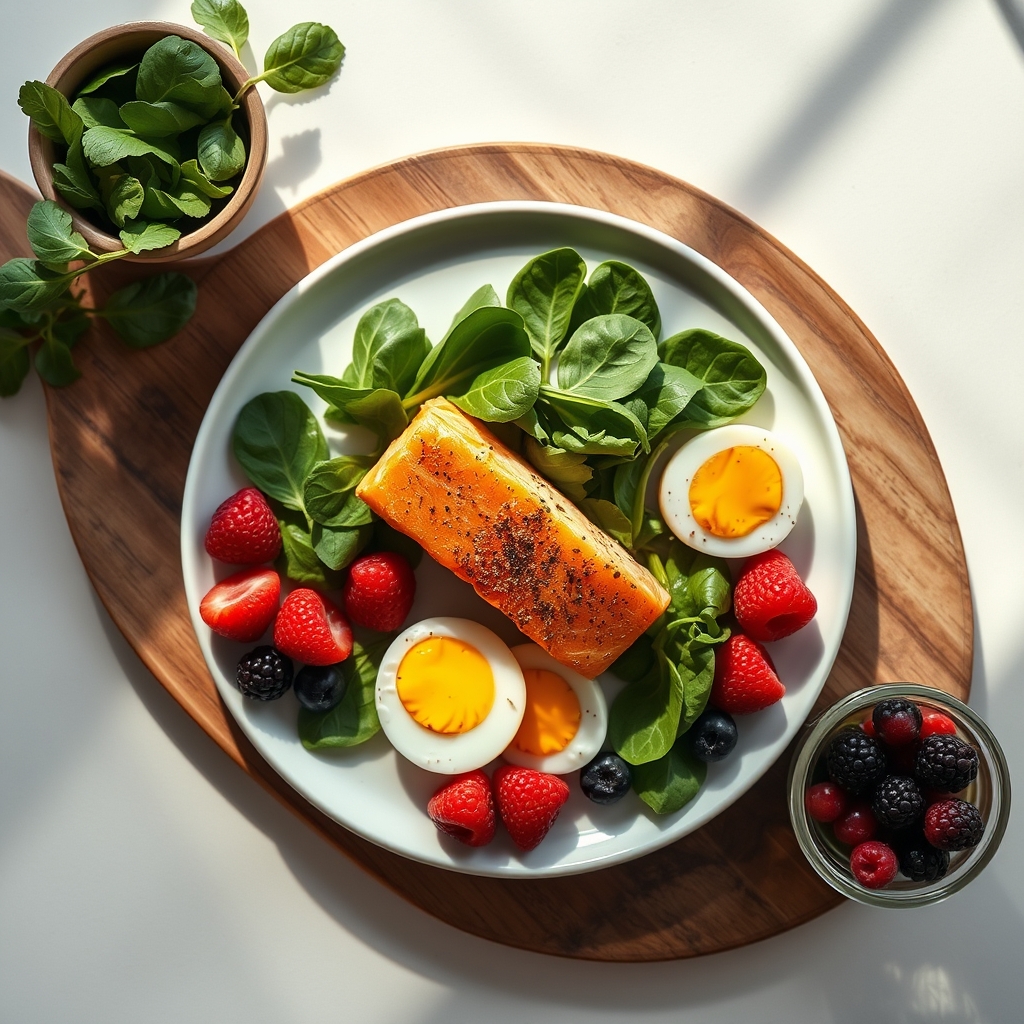
Top foods for baby brain development—DHA‑rich salmon, eggs, leafy greens, and iron‑packed fortified cereals—support early cognitive growth and memory.
By Shubhra Mishra — a mom of two who turned her own confusion during pregnancy into BumpBites, a global mission to make food choices clear, safe, and stress-free for every expecting mother. 💛
Check whether any food is safe during pregnancy with the BumpBites Food Safety Checker.
Quick take: Eating a variety of nutrient‑rich foods—especially omega‑3 fatty acids, choline, folate, iron, and antioxidant‑rich produce—supports your baby’s brain from conception through the first year. Aim for at least 200 mg of DHA daily, choose whole‑food sources over supplements when possible, and limit processed snacks, high‑mercury fish, and excess caffeine.
It’s 2 a.m., your stomach is still settling after a late‑night snack, and you’re scrolling through a sea of advice about “what should I eat for my baby’s brain?” You’re not alone. Many expectant parents wonder which foods truly matter, how much of each nutrient is needed, and whether a prenatal vitamin can replace a balanced plate. The good news is that science gives us clear, practical guidance—no need to guess.
In this guide we’ll walk through the stages of fetal brain growth, spotlight the nutrients that fuel each stage, and list the safest, most effective foods you can add to your meals. We’ll also cover vegetarian options, the impact of processed foods, and how to pair food with supplements for optimal results. By the end, you’ll have a concrete food plan you can start using tonight.
What foods boost baby brain development during pregnancy?
When it comes to building a baby’s brain, the foundation is laid early—starting the moment the embryo forms. The most potent foods are those that supply omega‑3 fatty acids, choline, folate, iron, zinc, and antioxidants. Below are the top food groups and why they matter.
Fatty fish (salmon, sardines, herring) – richest natural source of DHA, the fatty acid that makes up 30 % of the fetal brain’s dry weight.
Eggs – provide DHA (especially if enriched) and choline, a nutrient essential for cell‑membrane formation and neurotransmitter synthesis.
Leafy greens (spinach, kale) – packed with folate, iron, and vitamin K, supporting neural tube closure and myelination.
Legumes and beans – deliver folate, iron, and zinc, crucial for DNA synthesis and brain cell growth.
Nuts and seeds (walnuts, flaxseeds, chia) – supply plant‑based omega‑3s (ALA) that the body can convert partially to DHA.
Berries – high in flavonoids and vitamin C, which protect developing neurons from oxidative stress.
Dairy or fortified alternatives – calcium and vitamin D support overall brain health and nerve signaling.
These foods work together, providing a synergistic mix that promotes neural proliferation, synapse formation, and myelin sheath development. Adding a colorful variety each day also ensures you get the fiber and phytonutrients that keep your digestion smooth—a common concern in the second trimester.
Beyond the basics, consider the timing of meals. Research from the National Institutes of Health shows that spreading protein and omega‑3 intake across the day helps maintain steady blood‑nutrient levels, which is especially important for the brain’s rapid growth spurts in the third trimester.
Top 10 foods for newborn brain development
Food
Key Brain Nutrient
Typical Serving
Approx. Nutrient Amount
Wild‑caught salmon
DHA (Omega‑3)
3 oz (85 g)
≈ 550 mg DHA
Pasture‑raised eggs (enriched)
Choline
1 large egg
≈ 150 mg
Spinach, cooked
Folate
½ cup
≈ 130 µg
Walnuts
ALA (Omega‑3)
¼ cup
≈ 2.5 g
Black beans
Iron
½ cup
≈ 1.8 mg
Blueberries
Flavonoids
½ cup
≈ 80 mg
Greek yogurt
Calcium & Vitamin D
1 cup
≈ 300 mg Ca, 2 µg D
Avocado
Monounsaturated fats
½ fruit
≈ 10 g
Almonds
Vitamin E
¼ cup
≈ 7 mg
Fortified orange juice
Folate
1 cup
≈ 150 µg
Including a few of these items daily can help you meet the recommended amounts for the key brain‑building nutrients. Pairing a serving of fish with a side of leafy greens, for example, delivers DHA and folate together, which research from ACOG shows improves nutrient absorption.
Start your day with a brain‑boosting breakfast that combines DHA, choline, and antioxidants.
Which omega‑3 rich foods are best for fetal brain growth?
Omega‑3 fatty acids—particularly DHA (docosahexaenoic acid) and EPA (eicosapentaenoic acid)—are structural components of neuronal membranes. DHA is especially vital for the retina and cerebral cortex, while EPA aids in reducing inflammation and supporting vascular health.
Difference between DHA and EPA for fetal brain
DHA directly incorporates into brain tissue, accounting for about 30 % of the fatty acids in the cerebral cortex. EPA, on the other hand, is more involved in anti‑inflammatory pathways and can indirectly support brain health by improving blood flow. Both are beneficial, but DHA has the strongest evidence for cognitive outcomes.
Good animal‑based sources include:
Wild‑caught salmon (≈ 550 mg DHA per 3 oz)
Mackerel (≈ 400 mg DHA per 3 oz)
Sardines (≈ 500 mg DHA per 3 oz)
Enriched eggs (≈ 150 mg DHA per egg)
For plant‑based eaters, ALA (alpha‑linolenic acid) from flaxseeds, chia seeds, and walnuts can be converted to DHA at a modest rate (≈ 5–10 %). Algae‑derived DHA supplements provide a direct, vegetarian source.
When selecting fish, opt for low‑mercury varieties and avoid frying, which can degrade omega‑3s. A study summarized by the NHS indicates that steaming or grilling retains up to 90 % of DHA, whereas deep‑frying can reduce it by half.
Best smoothies for pregnant brain health
Blend a quick, nutrient‑dense smoothie with the following ingredients for a brain‑boosting snack:
½ cup frozen wild‑caught salmon (cooked and cooled)
1 cup spinach
½ banana
1 Tbsp ground flaxseed
¼ cup fortified orange juice
½ cup Greek yogurt
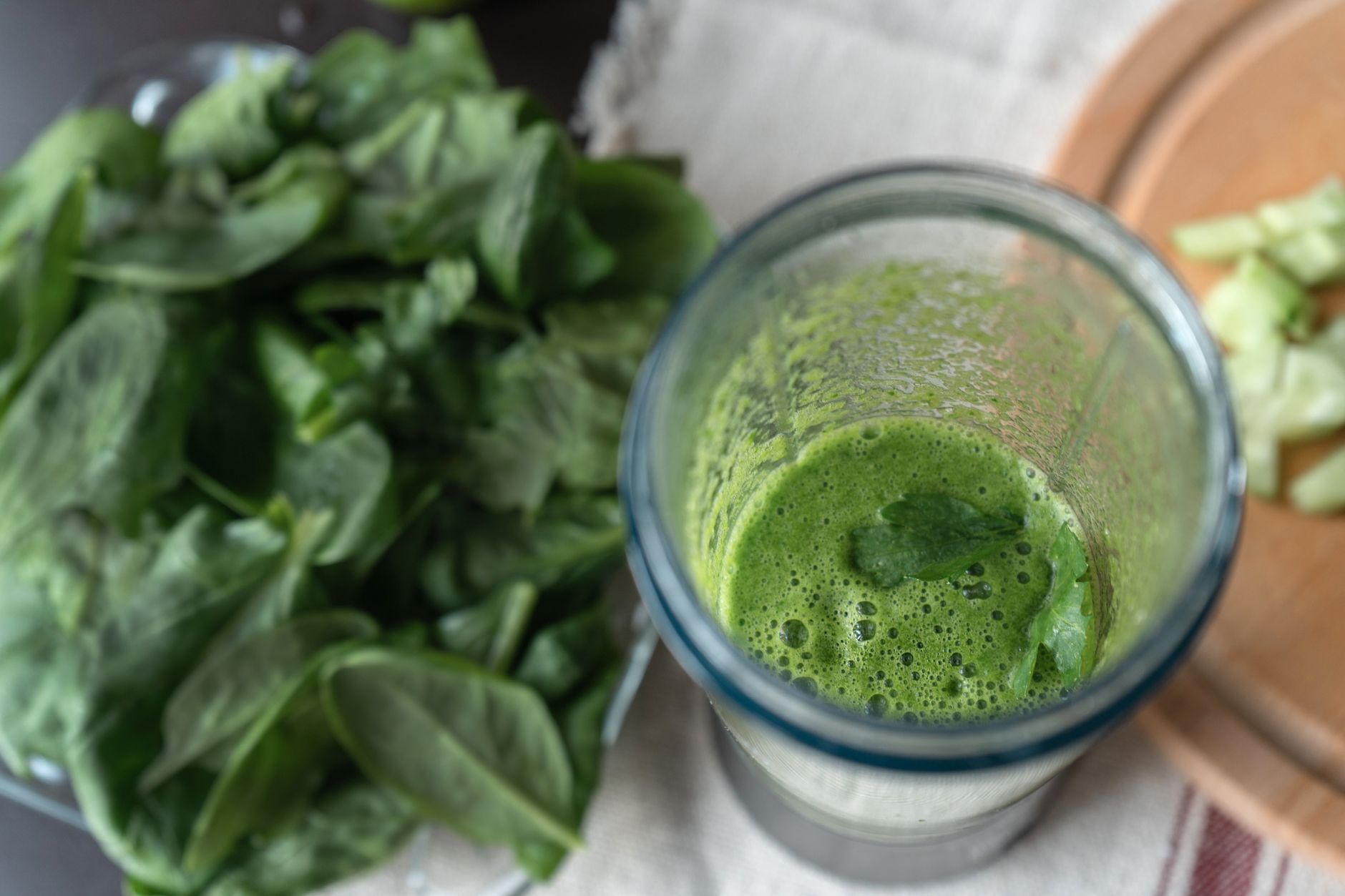
This combination delivers DHA, folate, choline, and calcium in a creamy, easy‑to‑digest form. If you’re avoiding fish, swap the salmon for a scoop of algae‑derived DHA powder—still a potent source without any fish flavor.
A simple green smoothie packed with DHA, folate, and choline.
How much DHA should pregnant women consume for their baby’s brain?
Leading organizations such as the American College of Obstetricians and Gynecologists (ACOG) and the World Health Organization (WHO) recommend a minimum of 200 mg of DHA per day during pregnancy. The U.S. Food and Drug Administration (FDA) also cites this amount as safe and beneficial for fetal neurodevelopment.
If you prefer food over supplements, here’s how you can meet the target:
1 serving (3 oz) of wild‑caught salmon ≈ 550 mg DHA – exceeds daily need.
2 enriched eggs ≈ 300 mg DHA – meets the recommendation.
2 Tbsp ground flaxseed ≈ 2.5 g ALA (≈ 125 mg DHA after conversion) – contributes partially.
1 tablet of algae‑derived DHA supplement (200 mg) – useful for vegetarians.
Most pregnant people can comfortably reach 200 mg by including one serving of fatty fish or two enriched eggs per week, combined with a daily serving of ALA‑rich seeds. If you’re allergic to fish, the algae supplement is an evidence‑based alternative endorsed by the FDA.
It’s also worth noting that DHA status can be checked via a simple blood test. Some obstetricians in the UK (NHS) offer this as part of routine prenatal labs, helping you fine‑tune your intake if levels are low.
Which foods should be avoided for optimal baby brain development?
Not all foods are created equal for brain health. Certain items can introduce contaminants, excess sugars, or unhealthy fats that may hinder neural development.
High‑mercury fish – shark, swordfish, king mackerel, and tilefish can deliver mercury levels that affect the developing nervous system. The FDA advises limiting these entirely during pregnancy.
Processed meats – hot dogs, deli meats, and bacon often contain nitrates and high sodium, which can raise blood pressure and affect placental blood flow.
Trans‑fat‑rich foods – commercially fried items and some baked goods contain partially hydrogenated oils linked to poorer cognitive outcomes.
Excessive caffeine – up to 200 mg per day (about one 12‑oz coffee) is generally considered safe, but higher intake may reduce fetal iron absorption and increase risk of low birth weight.
Added sugars – sugary drinks and candies can cause maternal glucose spikes, influencing fetal brain insulin signaling.
Choosing whole, minimally processed foods reduces exposure to these risk factors and supports a stable nutrient environment for your baby. If you crave a sweet treat, reach for fresh fruit or a small piece of dark chocolate, which supplies antioxidants without the blood‑sugar rollercoaster of refined sugar.
Can prenatal vitamins replace brain‑boosting foods?
Prenatal vitamins are valuable for filling gaps—especially for folic acid, iron, iodine, and vitamin D. However, they cannot fully replicate the complex matrix of nutrients found in whole foods.
Key points:
Choline – most prenatal vitamins contain only 10–25 mg, far below the 450 mg daily recommendation for pregnant women (as per NIH). Whole foods like eggs provide the bulk of needed choline.
DHA – many prenatal formulas include DHA, but the amount varies (often 100–200 mg). Eating fatty fish ensures a more reliable source and also provides EPA and other beneficial nutrients.
Phytonutrients – antioxidants from fruits and vegetables (flavonoids, carotenoids) are absent from pills but essential for protecting developing neurons.
In short, think of prenatal vitamins as a safety net, not a substitute. Pair them with a balanced diet for the best brain‑building results. If you have dietary restrictions, discuss with your provider whether a targeted supplement (e.g., choline or iodine) is advisable.
What is the timeline of brain development and key nutrients for each trimester?
The fetal brain undergoes rapid growth from conception to birth, with distinct nutritional needs at each stage.
Trimester
Major Brain Milestones
Key Nutrients
Best Food Sources
First (0‑13 weeks)
Neural tube closure, formation of basic brain structures
Folate, choline, DHA
Leafy greens, fortified cereals, eggs, low‑mercury fish
Rapid brain growth, cortical folding, accumulation of DHA
DHA, choline, iodine, vitamin D
Fatty fish, dairy or fortified alternatives, seaweed, eggs
Meeting these nutrient targets each trimester aligns with the brain’s evolving architecture, supporting everything from basic neural pathways to complex cortical networks. For example, a study cited by the British Nutrition Foundation found that women who met iron targets in the second trimester had infants with higher language scores at 12 months.
Recommended daily intake of folate for brain development
The National Institutes of Health (NIH) recommends 400 µg of dietary folate equivalents (DFE) per day for pregnant women, rising to 600 µg DFE in the first trimester to prevent neural tube defects. Foods like lentils (½ cup provides ≈ 180 µg), fortified cereals (≈ 140 µg per cup), and citrus fruits (≈ 30 µg per orange) help meet this goal.
How does choline affect infant brain health?
Choline is a building block for phosphatidylcholine, a major cell‑membrane component, and is a precursor to the neurotransmitter acetylcholine. Adequate choline supports memory formation and neural signaling. Studies cited by the Mayo Clinic show that higher maternal choline intake correlates with better infant attention and memory performance at 6 months.
What vegetarian sources provide nutrients for baby brain development?
Vegetarian and vegan diets can meet all brain‑building nutrient needs, but they require intentional planning.
Algae‑derived DHA supplements – provide a direct source of DHA without fish.
Choline‑rich plant foods – soybeans, quinoa, and Brussels sprouts (½ cup cooked) each deliver 50–70 mg.
Folate‑dense legumes – lentils, chickpeas, and black beans supply 130–180 µg per half‑cup.
Iron and zinc – fortified cereals, pumpkin seeds, and tofu provide non‑heme iron; pairing with vitamin C‑rich fruit boosts absorption.
Iodine – seaweed (e.g., nori sheets) offers 150 µg per sheet, meeting the WHO recommendation of 220 µg/day during pregnancy.
Because plant foods contain lower bioavailable DHA, many vegans choose a daily algae‑oil capsule (≈ 200 mg DHA) to bridge the gap. The FDA’s 2021 safety assessment confirms that algae‑derived DHA is safe for use throughout pregnancy.
How do processed foods impact a baby’s brain development?
Processed foods often contain high levels of refined sugars, unhealthy fats, and additives like artificial sweeteners or preservatives. These components can interfere with fetal neurodevelopment in several ways.
High sugar intake – spikes maternal glucose, which can affect fetal insulin signaling and later cognitive function.
Trans fats – reduce membrane fluidity, essential for neuronal communication.
Artificial additives – some studies (CDC) link exposure to certain food colorings with hyperactivity and attention issues in early childhood.
Low nutrient density – displaces nutrient‑rich foods, leading to suboptimal intake of folate, iron, and omega‑3s.
Choosing whole foods over packaged snacks not only supplies the needed vitamins and minerals but also avoids these hidden hazards. If you need a quick bite, a handful of raw almonds with a piece of fruit offers protein, healthy fat, and fiber without the sugar crash of a granola bar.
Organic vs conventional foods for baby brain growth
Organic produce typically contains fewer pesticide residues, which some studies (WHO) suggest could lower exposure to neurotoxic chemicals. However, the nutrient content (e.g., folate, vitamin C) is generally comparable between organic and conventional varieties. If cost is a concern, prioritize organic for the “dirty dozen” (berries, leafy greens) and choose conventional for other produce while washing thoroughly.
Effects of caffeine on fetal brain development
The CDC notes that moderate caffeine (≤ 200 mg/day) is not linked to major birth defects, but higher amounts may reduce fetal iron absorption and increase risk of low birth weight, which can affect early brain development. Opt for herbal teas or decaf if you’re sensitive to caffeine’s jittery effects.
Hydration and electrolytes: supporting brain development
Staying well‑hydrated is often overlooked, yet water and electrolytes play a subtle role in fetal brain health. Dehydration can reduce blood volume, limiting the transport of oxygen and nutrients to the placenta. The NHS recommends at least 2.5 L of fluids daily, including water, milk, and low‑sugar juices.
Electrolytes such as potassium and magnesium help maintain nerve function. A snack of banana slices with a small handful of pumpkin seeds provides both potassium (≈ 400 mg) and magnesium (≈ 50 mg), supporting neuronal signaling without excess sodium.
Hydration plus electrolytes helps deliver nutrients to the growing brain.
Iron, anemia, and early cognitive outcomes
Iron is essential for oxygen transport and myelin formation. Maternal anemia—especially in the second trimester—has been linked to lower infant neurodevelopmental scores at 12 months, according to a longitudinal study reviewed by the AAP. A daily intake of 27 mg of iron is the USDA’s Recommended Dietary Allowance (RDA) for pregnant women.
Iron‑rich foods include lean beef, lentils, and fortified cereals. Pairing these with vitamin C sources (citrus, bell peppers) boosts non‑heme iron absorption by up to 40 %. If dietary intake falls short, many clinicians prescribe an iron supplement, but it should be taken with food to minimize gastrointestinal discomfort.
Snacks and meals for the second and third trimesters
As the brain’s growth accelerates, you’ll need more calorie‑dense, nutrient‑rich meals. A balanced plate for the second trimester might look like:
Grilled salmon (3 oz) – DHA and vitamin D
Quinoa salad with black beans, cherry tomatoes, and a squeeze of lemon – iron, folate, vitamin C
Steamed broccoli – vitamin K and antioxidants
A small square of dark chocolate (70 % cacao) – flavonoids and a mood lift
For the third trimester, focus on calcium‑rich foods to support both bone and brain development:
Greek yogurt with a drizzle of honey and a sprinkle of walnuts – calcium, DHA, vitamin E
Roasted sweet potato wedges – beta‑carotene (precursor to vitamin A) and fiber
Seaweed salad with sesame oil – iodine and omega‑3s
These meals provide a mix of macro‑ and micronutrients that align with the brain’s late‑stage needs, while also helping manage common third‑trimester issues like heartburn and fatigue.
From our medical team: Whole foods deliver a synergy of nutrients that supplements can’t fully reproduce. We encourage pregnant readers to aim for at least two servings of DHA‑rich fish per week (or a vegan DHA supplement), a daily folate‑rich meal, and a variety of colorful fruits and vegetables. If you’re vegetarian, consider algae‑derived DHA and fortified products to meet your needs.
Myth vs. fact
Myth: “If I take a prenatal vitamin, I don’t need to worry about my diet.”
Fact: Prenatal vitamins fill gaps but lack many phytonutrients, choline, and the full spectrum of omega‑3s found in whole foods.
Myth: “All fish are safe for pregnancy.”
Fact: Only low‑mercury fish (salmon, sardines, trout) are recommended; high‑mercury species should be avoided.
Myth: “Vegetarians can’t get enough DHA.”
Fact: Algae‑derived DHA supplements and fortified foods provide adequate DHA for vegans and vegetarians.
Key takeaways
Aim for ≥ 200 mg DHA daily—one serving of fatty fish or two DHA‑enriched eggs meets this.
Include choline‑rich foods (eggs, soy, quinoa) to support memory and cell‑membrane formation.
Consume 400–600 µg folate each day from leafy greens, legumes, or fortified cereals.
Limit processed snacks, high‑mercury fish, and excess caffeine.
Vegetarians should add algae‑based DHA and iodine‑rich seaweed to their diet.
Pair prenatal vitamins with a nutrient‑dense diet rather than using them as a food replacement.
Stay hydrated with at least 2.5 L of fluids daily and consider electrolyte‑rich snacks.
Monitor iron intake; aim for 27 mg per day and combine iron sources with vitamin C.
Frequently asked questions
What are the best foods to eat during pregnancy for baby's brain development?
Fatty fish, eggs, leafy greens, beans, nuts, and berries provide DHA, choline, folate, iron, and antioxidants—all essential for building a healthy fetal brain.
How much DHA do I need while pregnant?
Most guidelines, including ACOG and WHO, recommend at least 200 mg of DHA per day, which can be achieved with one serving of salmon or two DHA‑enriched eggs.
Can I get enough brain‑boosting nutrients on a vegetarian diet?
Yes—by incorporating algae‑derived DHA supplements, iodine‑rich seaweed, choline‑rich soy products, and plenty of folate‑dense legumes, vegetarians can meet all recommended amounts.
Are there any foods I should avoid for my baby's brain health?
Avoid high‑mercury fish (shark, swordfish), processed meats, trans‑fat‑laden snacks, excessive caffeine, and foods high in added sugars, as they can hinder neural development.
When does the baby's brain start developing in the womb?
The brain begins forming within the first few weeks after conception, with the neural tube closing by week 4 and major cortical development accelerating after week 12.
Do prenatal vitamins provide the same benefits as food sources for brain development?
Prenatal vitamins cover essential vitamins and minerals but lack the full range of phytonutrients, choline, and DHA found in whole foods; they should complement, not replace, a balanced diet.
How does maternal hydration affect my baby's brain?
Adequate water and electrolyte intake supports blood volume and nutrient transport to the placenta, helping deliver oxygen and brain‑building nutrients to the fetus.
What signs indicate I might need extra iron during pregnancy?
Persistent fatigue, pale skin, shortness of breath, and a rapid heartbeat can signal iron deficiency. Ask your provider for a blood test; supplementation may be needed if levels are low.
When to call your doctor
If you notice any of the following, seek medical attention promptly: severe nausea or vomiting that prevents eating, sudden swelling or severe headaches, loss of fetal movement after 24 weeks, or signs of high blood pressure (≥ 140/90 mmHg). This article is for informational purposes only and does not replace personalized medical advice.
References
American College of Obstetricians and Gynecologists (ACOG). “Nutrition During Pregnancy.” 2023 clinical guidance.
World Health Organization (WHO). “Dietary Recommendations for Pregnant Women.” 2022 report.
U.S. Food and Drug Administration (FDA). “DHA and Pregnancy.” 2021 consumer update.
National Institutes of Health (NIH). “Folate Fact Sheet for Health Professionals.” Updated 2023.
Mayo Clinic. “Choline: Why it’s important during pregnancy.” 2022 article.
Centers for Disease Control and Prevention (CDC). “Caffeine and Pregnancy.” 2023 data.
National Health Service (NHS). “Eating well during pregnancy.” 2022 patient guide.
Food and Drug Administration (FDA). “Algae Oil DHA Supplements for Vegetarians.” 2021 safety assessment.
Health Canada. “Mercury in fish: Recommendations for pregnant people.” 2022 guidance.
British Nutrition Foundation. “Omega‑3 fatty acids and brain development.” 2023 overview.
American Academy of Pediatrics (AAP). “Iron deficiency and neurodevelopment.” 2021 policy statement.
National Institute for Health and Care Excellence (NICE). “Hydration in pregnancy.” 2022 clinical recommendation.
Centers for Disease Control and Prevention (CDC). “Food additives and child behavior.” 2020 research summary.
Not sure about the label on Foods For Baby Brain Development products?
Snap the ingredients list and SafeFilter checks every ingredient for your stage — only 3 free scans this month, then you're locked until reset. Unlimited from $7/mo or $50/yr.
When Shubhra Mishra was expecting her first child in 2016, she was overwhelmed by conflicting food advice — one site said yes, another said never. By the time her second baby arrived in 2019, she realized millions of mothers face the same confusion.
That sparked a five-year journey through clinical nutrition papers, cultural diets, and expert conversations — all leading to BumpBites: a calm, compassionate space where science meets everyday motherhood.
Her long-term vision is to build a global community ensuring safe, supported, and free deliveriesfor every mother — because no woman should face pregnancy alone or uninformed. 🌿
🌍 Stand with mothers, shape safer guidance
Join a small circle of experts who review BumpBites articles so expecting parents everywhere can decide with confidence.