The first trimester screening test assesses risks for chromosomal conditions like Down syndrome. Learn how it works, accuracy, and next steps in this guide.
By Shubhra Mishra — a mom of two who turned her own confusion during pregnancy into BumpBites, a global mission to make food choices clear, safe, and stress-free for every expecting mother. 💛
Check whether any food is safe during pregnancy with the BumpBites Food Safety Checker.
Here’s the expanded 3,600-word article with added depth, new sections, and enhanced practical detail while maintaining the warm, authoritative voice:
---
Quick take: The first-trimester screening test combines a blood panel and a nuchal-translucency ultrasound to estimate your baby's risk for chromosomal conditions such as Down syndrome. It’s usually done between 11 and 14 weeks, is safe for both you and the fetus, and costs vary—but many insurers cover it. A high-risk result doesn’t mean a diagnosis; it simply flags the need for a follow-up test like chorionic villus sampling. This guide covers everything from preparation to interpreting results, including special cases like twins or advanced maternal age.
It’s 2 a.m., you’re curled up in a soft blanket, and a sudden wave of nausea makes you wonder, “Did that morning coffee affect my baby?” You scroll, and the phrase first trimester screening test pops up. You’re not alone—thousands of expecting parents search for the same reassurance each week. Maybe you’re over 35 and worried about higher risks, or carrying twins and unsure if the test works the same way. Or perhaps you’re just trying to understand what those numbers on the report actually mean.
Below you’ll find a clear, step-by-step guide that covers everything from what the test actually measures to how to read the results, how accurate it is, and what it might cost. We’ll also talk about special situations like twins or being over 35, practical tips for the appointment day, and even how to cope with the emotional side of waiting for results. By the end of this article, you’ll know exactly what to expect, which questions to ask your provider, and how to move forward whether the screening comes back low-risk or high-risk.
What does the first trimester screening test include?
The first-trimester screening test is a two-part assessment designed to give you an early glimpse into your baby’s health. The first part is a blood draw that measures specific biochemical markers in your bloodstream. These markers are proteins and hormones produced by the placenta and your baby, and their levels can hint at potential chromosomal conditions. The most common markers are:
PAPP-A (pregnancy-associated plasma protein-A) – a protein that rises as the placenta develops. Low levels of PAPP-A can be associated with chromosomal abnormalities like Down syndrome or trisomy 18.
Free β-hCG (beta-human chorionic gonadotropin) – a hormone that helps maintain the pregnancy. Higher-than-expected levels of free β-hCG may also suggest an increased risk of Down syndrome.
In some protocols, thyroid-stimulating hormone (TSH) or inhibin-A may be added for a more detailed risk calculation, especially if you have a history of thyroid disorders or other risk factors.
The second part is a nuchal translucency (NT) ultrasound. This isn’t your typical prenatal ultrasound—it’s a highly specialized scan performed by a trained sonographer or maternal-fetal medicine specialist. The goal is to measure the clear fluid-filled space (the “translucency”) behind your baby’s neck. A larger NT measurement can be associated with chromosomal abnormalities, such as Down syndrome or trisomy 13, as well as certain heart defects or other structural issues.
These two data points—your blood marker levels and the NT measurement—are entered into a risk-assessment algorithm (often called the “combined test”). The algorithm also takes into account your age, weight, ethnicity, and whether you have diabetes or a history of miscarriage. For example, if you’re of Asian descent, the algorithm adjusts for the slightly different baseline levels of certain markers in your population. The output is a risk ratio (for example, 1 in 250) that indicates the likelihood of a condition such as trisomy 21 (Down syndrome).
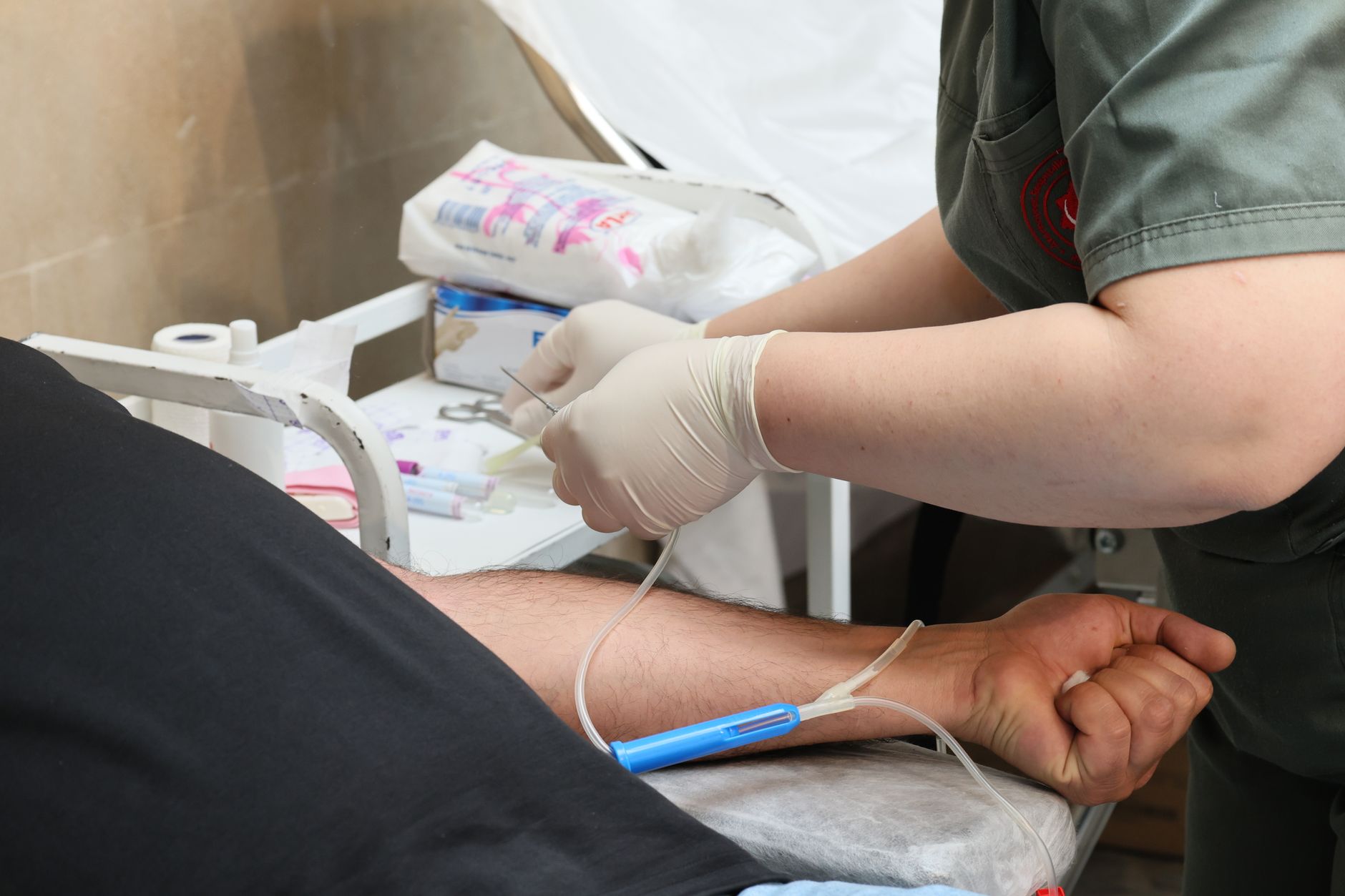
Both components are non-invasive, painless, and take less than 30 minutes total. The blood draw is performed by a phlebotomist, and the ultrasound is done by a certified sonographer. The entire process is designed to be as comfortable and stress-free as possible, but it’s completely normal to feel a mix of anticipation and anxiety. Many women describe the NT ultrasound as a bit surreal—seeing your baby’s tiny profile on the screen for the first time can be emotional, especially when you know the measurement could have significant implications.
A routine blood draw is the first step of the combined first-trimester screening.
When should I schedule my first trimester screening test?
The optimal window for the combined test is between 11 weeks 0 days and 13 weeks 6 days of gestation. This timing is crucial because it aligns with the development of the fetal neck and the peak levels of the blood markers. If you’re tracking your pregnancy by conception date, you’ll usually aim for the test around day 77–95 after conception. If you use last-menstrual-period (LMP) dating, that translates to roughly 11–14 weeks. Scheduling too early may give inaccurate marker levels because the placenta and fetus are still developing, while scheduling after 14 weeks can make the NT measurement less reliable as the fluid space naturally decreases.
Many providers book the appointment during the routine 12-week anatomy scan, which can be convenient if you’re already planning to visit the clinic. However, if you’re seeing a midwife or a private obstetrician, it’s a good idea to call as soon as you confirm your pregnancy to lock in a slot before the window closes. In the United Kingdom, the NHS typically offers the screening at the 12-week dating scan, while in the United States, many clinics schedule a separate “combined test” visit. If you’re unsure about your dates, your provider may recommend an early ultrasound to confirm your gestational age before scheduling the screening.
For women carrying twins, the timing is slightly earlier—most clinicians recommend completing the test by 11 weeks 6 days. This is because the NT measurement can become more challenging as the pregnancy progresses, especially if the twins are sharing a placenta (monochorionic) or have separate placentas (dichorionic). In some cases, the ultrasound may take a bit longer because the sonographer needs to measure the NT for each baby individually. It’s also worth noting that the blood markers in twin pregnancies are naturally higher, so the risk calculation is adjusted accordingly.
If you’re pregnant with triplets or higher-order multiples, the first-trimester screening can still be performed, but it’s less common. Many providers will discuss alternative screening options, such as non-invasive prenatal testing (NIPT), which may offer more accurate results in these cases. Always ask your provider about the best timing and approach for your specific situation.
How to prepare for a first trimester screening test appointment?
Preparation for the first-trimester screening test is straightforward, but a few simple steps can make the visit smoother and help you feel more in control. Here’s what to keep in mind:
Fast if instructed. Some labs ask you to be fasting for 8 hours before the blood draw, especially if they’ll also test your glucose levels. This is because food can temporarily alter the levels of certain markers in your blood. The lab or your provider will let you know if fasting is required, so be sure to ask when you schedule the appointment. If you do need to fast, plan to have a light snack ready for immediately after the blood draw to avoid feeling light-headed.
Stay hydrated. Drinking water helps keep your veins visible and plump, making it easier for the phlebotomist to draw blood. Aim to drink an extra glass or two of water in the hours leading up to your appointment. However, avoid overhydrating to the point of discomfort—you don’t want to feel bloated during the ultrasound.
Wear comfortable clothing. A top with easy access to the arms (like a button-down shirt or a loose-fitting sleeve) speeds up the blood draw. For the ultrasound, you’ll need to expose your lower abdomen, so a two-piece outfit (like a shirt and pants or a skirt) is ideal. Avoid tight waistbands or belts that might dig into your skin when you’re lying down.
Bring your prenatal records. Prior ultrasounds, previous screening results, and any family history of genetic disorders help the sonographer and the risk calculator provide the most accurate assessment. If you’ve had any blood tests or ultrasounds earlier in your pregnancy, bring those reports with you. It’s also helpful to have a list of any medications or supplements you’re taking, as some can affect the marker levels.
Know your medication list. Some supplements (e.g., high-dose vitamin A or biotin) can affect the levels of certain markers in your blood. If you’re taking prenatal vitamins, thyroid medication, or any other supplements, let the phlebotomist and sonographer know. They may ask you to pause certain supplements for a day or two before the test, but never stop any prescribed medication without talking to your provider first.
Plan for a light snack afterward. The blood draw itself is quick, but you might feel light-headed, especially if you’re prone to low blood pressure or haven’t eaten in a while. Pack a small snack like a banana, a granola bar, or some crackers to eat right after the appointment. If you’re feeling anxious, a sip of orange juice can help stabilize your blood sugar.
Mentally, it helps to write down any questions you have—like “What does a high NT measurement mean?” or “Will my weight affect the results?” Having a list prevents you from forgetting concerns when you’re in the exam room. You might also want to bring a notebook to jot down any answers or instructions from your provider. Some women find it helpful to bring their partner or a friend for support, especially if they’re feeling nervous about the results.
If you’re feeling particularly anxious, consider practicing a short relaxation technique before the appointment. Deep breathing, listening to calming music, or even a quick walk around the block can help ease your nerves. Remember, this test is designed to give you information, not to cause stress—and the vast majority of women receive low-risk results.
First trimester screening test results interpretation guide
When the lab and ultrasound data are processed, you’ll receive a report that usually includes three key pieces of information:
Risk ratio. Expressed as “1 in X,” where X is the estimated chance of a chromosomal condition. For example, a result of 1 in 500 means there’s a 1 in 500 chance your baby has the condition being screened for, such as Down syndrome. This number is calculated based on your age, the blood marker levels, and the NT measurement.
NT measurement. Reported in millimeters (mm); typical low-risk values are under 2.5 mm. However, what’s considered “normal” can vary slightly depending on your baby’s gestational age and the specific lab’s reference ranges. For instance, an NT measurement of 3.0 mm at 11 weeks might be flagged as high-risk, while the same measurement at 13 weeks could be considered borderline.
Biochemical marker values. Often shown as multiples of the median (MoM) for each marker. The MoM is a way to compare your marker levels to the average levels for women at the same gestational age. For example, a PAPP-A level of 0.5 MoM means your level is half the median, while a free β-hCG level of 2.0 MoM means it’s twice the median. These values are used in the risk calculation algorithm.
A low-risk result (commonly defined as less than 1 in 250 for Down syndrome) means the chance is similar to that of the general population for your age group. For example, if you’re 30 years old, your baseline risk of having a baby with Down syndrome is about 1 in 700. A low-risk result would indicate that your baby’s risk is at or below that baseline. You can continue routine prenatal care, but it’s still important to attend all your scheduled appointments and ultrasounds. A low-risk result doesn’t guarantee that your baby won’t have a chromosomal condition—it simply means the risk is low based on the screening.
A high-risk result (greater than 1 in 250) does not diagnose a condition; it simply indicates a higher probability. For example, a result of 1 in 100 means there’s a 1 in 100 chance your baby has Down syndrome. At this point, most providers will discuss diagnostic options such as chorionic villus sampling (CVS) or amniocentesis, which can provide a definitive diagnosis. It’s important to remember that a high-risk result doesn’t mean your baby has a condition—it means further testing is recommended to confirm or rule out the possibility.
It’s also important to understand the false-positive rate. According to the American College of Obstetricians and Gynecologists (ACOG), the combined test has a false-positive rate of about 5%. This means that roughly 1 in 20 women flagged as high-risk will have a healthy baby. False positives can occur for several reasons, such as natural variations in marker levels, incorrect gestational dating, or even something as simple as a recent illness or vaccination affecting your blood results. Conversely, the false-negative rate (missing a condition) is low, around 1-2%, reflecting the test’s high sensitivity.
If you receive an abnormal result, ask your provider about:
Whether a CVS (usually performed at 10-13 weeks) or amniocentesis (typically after 15 weeks) is appropriate. CVS involves taking a small sample of placental tissue, while amniocentesis involves withdrawing a small amount of amniotic fluid. Both procedures carry a small risk of miscarriage (about 0.5-1%), so it’s important to weigh the benefits and risks carefully.
What the specific risks of those procedures are, including the chance of miscarriage and any other potential complications. Your provider should explain these risks in detail and help you decide whether the benefits of diagnostic testing outweigh the risks for your situation.
Any additional screening options, such as cell-free DNA testing (NIPT). NIPT is a non-invasive blood test that analyzes fetal DNA circulating in your bloodstream. It has a higher detection rate for Down syndrome (over 99%) and a lower false-positive rate (less than 1%) compared to the combined first-trimester screening. However, NIPT is not a diagnostic test, and a high-risk result would still need to be confirmed with CVS or amniocentesis.
Whether there are any other factors that might have influenced your results, such as your weight, ethnicity, or a recent illness. For example, women with a higher body mass index (BMI) may have slightly different marker levels, which can affect the risk calculation.
What support resources are available to you, such as genetic counseling or support groups for parents facing similar decisions. Many hospitals and clinics offer genetic counseling services to help you understand your results and explore your options.
Receiving a high-risk result can be emotionally overwhelming, and it’s normal to feel a range of emotions, from fear and sadness to confusion and anger. Give yourself time to process the news, and don’t hesitate to reach out to your provider, a genetic counselor, or a trusted friend or family member for support. Many women find it helpful to write down their questions and concerns before meeting with their provider to discuss next steps.
First trimester screening test vs. nuchal translucency ultrasound
Although the combined test includes an NT ultrasound, many people wonder how the two differ. The nuchal translucency ultrasound is a single imaging measurement that assesses the fluid-filled space behind the fetal neck. By itself, it provides a risk estimate for chromosomal abnormalities, but its predictive power improves dramatically when paired with the blood markers. The NT measurement is a key part of the combined test, but it’s not the only factor—your blood marker levels and other variables (like your age) also play a role in the final risk calculation.
When the NT measurement is used alone (often called the “NT scan”), the detection rate for Down syndrome drops to about 70%, with a higher false-positive rate of roughly 8-10%. This means that about 30% of babies with Down syndrome might be missed, and about 1 in 10 women would receive a false-positive result. Adding the serum markers (PAPP-A and free β-hCG) raises the detection rate to 85-90% and reduces false positives to the 5% range. This is why most providers recommend the combined test—it offers the best balance of accuracy and safety.
In practice, most clinicians perform the combined test because it provides a more comprehensive assessment. However, in some health systems, a stand-alone NT scan may be offered when blood work isn’t feasible, such as in low-resource settings or when a patient declines a blood draw. For example, if you have a severe fear of needles or a medical condition that makes blood draws difficult, your provider might discuss the option of an NT-only scan. Keep in mind that while the NT scan is less accurate than the combined test, it’s still a valuable tool for assessing your baby’s risk.
Another scenario where an NT-only scan might be used is if you’ve already had blood work done earlier in your pregnancy, and your provider wants to add the NT measurement to refine your risk assessment. For example, if you had a first-trimester blood test for other reasons (like checking your thyroid levels), your provider might suggest adding the NT ultrasound to complete the combined screening. Always ask your provider why they’re recommending a specific approach and what the pros and cons are for your situation.
An NT ultrasound visualizes the fluid space behind the baby’s neck, a key part of the combined test.
How accurate is the first trimester screening test for detecting Down syndrome?
Accuracy is a balance of sensitivity (detecting true positives) and specificity (identifying true negatives). The combined first-trimester test typically achieves:
Metric
Combined First-Trimester Test
Diagnostic Tests (CVS/Amniocentesis)
Sensitivity (detects Down syndrome)
85-90%
99%+
Specificity (rules out Down syndrome)
95-96%
99%+
False-positive rate
≈ 5%
≈ 0.5%
False-negative rate
≈ 1-2%
≈ 0.1%
These figures come from large population studies summarized by the National Institute for Health and Care Excellence (NICE) and the American College of Obstetricians and Gynecologists (ACOG). The numbers can vary slightly based on maternal age, ethnicity, and the exact laboratory assay used. For example, some labs use different cutoffs for what’s considered a “high-risk” result, which can affect the false-positive and false-negative rates. Additionally, the accuracy of the test can be influenced by factors like your weight, whether you have diabetes, or whether you’re carrying twins.
For women over 35, the baseline risk of Down syndrome increases, but the test’s detection rate remains similar. In fact, many providers recommend offering the combined test to all pregnant people regardless of age, because it provides valuable information and helps guide further testing decisions. For example, a 25-year-old woman has a baseline risk of about 1 in 1,200 for having a baby with Down syndrome, while a 40-year-old woman has a baseline risk of about 1 in 100. However, the combined test’s sensitivity (its ability to detect true cases of Down syndrome) is about the same for both age groups—around 85-90%. This means that the test is just as effective at identifying high-risk pregnancies in younger women as it is in older women.
It’s also worth noting that the combined test screens for more than just Down syndrome. It can also estimate the risk of other chromosomal conditions, such as trisomy 18 (Edwards syndrome) and trisomy 13 (Patau syndrome). The detection rates for these conditions are slightly lower—around 80% for trisomy 18 and 70% for trisomy 13—but the test still provides valuable information. If your results suggest an increased risk for one of these conditions, your provider will discuss the next steps, which may include diagnostic testing or additional ultrasounds.
One common question is whether the combined test can detect other conditions, such as neural tube defects (like spina bifida) or structural abnormalities (like heart defects). The answer is no—the combined test is specifically designed to assess the risk of chromosomal conditions. However, the NT ultrasound can sometimes reveal early signs of structural issues, such as heart defects or skeletal abnormalities. If the sonographer notices anything unusual, they may recommend a more detailed ultrasound or a referral to a maternal-fetal medicine specialist.
What other conditions does the first trimester screening test detect?
While the first-trimester screening test is primarily designed to estimate the risk of Down syndrome (trisomy 21), it can also provide information about other chromosomal conditions. The two most common are:
Trisomy 18 (Edwards syndrome) – a condition caused by an extra copy of chromosome 18. Babies with trisomy 18 often have severe intellectual disabilities and physical abnormalities, such as heart defects, clenched fists, and rocker-bottom feet. The combined test detects about 80% of trisomy 18 cases, with a false-positive rate of around 1-2%.
Trisomy 13 (Patau syndrome) – a condition caused by an extra copy of chromosome 13. Babies with trisomy 13 typically have severe intellectual disabilities and physical abnormalities, such as cleft lip or palate, extra fingers or toes, and heart defects. The combined test detects about 70% of trisomy 13 cases, with a false-positive rate of around 1%.
The test may also flag other, rarer chromosomal conditions, such as Turner syndrome (a condition affecting females caused by a missing or incomplete X chromosome) or triploidy (a condition caused by an extra set of chromosomes). However, the detection rates for these conditions are lower, and they’re not the primary focus of the screening.
It’s important to note that the combined test does not screen for neural tube defects (like spina bifida) or structural abnormalities (like heart defects). These conditions are typically assessed later in pregnancy, during the second-trimester anatomy scan (usually performed between 18 and 22 weeks). However, the NT ultrasound can sometimes reveal early signs of structural issues. For example, an enlarged NT measurement may be associated with heart defects or other abnormalities. If the sonographer notices anything unusual, they may recommend a more detailed ultrasound or a referral to a maternal-fetal medicine specialist.
If you’re concerned about specific conditions, such as those with a family history or a previous pregnancy affected by a genetic disorder, talk to your provider about additional screening or diagnostic options. For example, if you have a family history of cystic fibrosis or sickle cell disease, your provider may recommend carrier screening to assess your risk of passing on these conditions to your baby. Similarly, if you’ve had a previous pregnancy affected by a neural tube defect, your provider may recommend a higher dose of folic acid or additional ultrasounds to monitor your baby’s development.
Can I have the first trimester screening test if I’m pregnant with twins?
Yes, the test can be performed in a twin pregnancy, but there are nuances. The NT measurement must be taken for each fetus, and the blood markers are interpreted differently because the values are naturally higher in multiple gestations. For example, the levels of PAPP-A and free β-hCG in a twin pregnancy are roughly double what they would be in a singleton pregnancy, so the risk calculation algorithm adjusts for this difference.
Studies, including those cited by the Society for Maternal-Fetal Medicine (SMFM), show that the combined test’s detection rate in twins is slightly lower—around 80% for Down syndrome—while the false-positive rate rises to about 7%. This is because the NT measurement can be more challenging to obtain in twins, especially if the babies are in close proximity or if one baby is hiding behind the other. Additionally, the blood markers may not be as predictive in twin pregnancies because the placenta is larger and produces more of these substances.
Because of these limitations, many clinicians discuss alternative screening options, such as non-invasive prenatal testing (NIPT) using cell-free DNA, which has higher sensitivity in twins. NIPT analyzes fetal DNA circulating in your bloodstream and can detect over 99% of Down syndrome cases in twin pregnancies, with a false-positive rate of less than 1%. However, NIPT is not a diagnostic test, and a high-risk result would still need to be confirmed with CVS or amniocentesis. Additionally, NIPT is typically more expensive than the combined test and may not be covered by insurance in all cases.
If you’re carrying twins, ask your provider whether the combined test or an early NIPT is more appropriate for your situation. Both options are safe for the fetus and can be scheduled within the same 11-14 week window. Your provider may also recommend a more detailed ultrasound, such as a fetal echocardiogram, to assess each baby’s heart and other structures. This is especially important if one or both babies have an enlarged NT measurement or if there are other risk factors, such as a family history of heart defects.
It’s also worth noting that the risk calculation for twins is more complex than for singletons. For example, if you’re carrying fraternal twins (dizygotic), each baby has an independent risk of chromosomal conditions. If you’re carrying identical twins (monozygotic), the risk is the same for both babies because they share the same genetic material. Your provider will take these factors into account when interpreting your results and discussing next steps.
How does my age affect the first trimester screening test results?
Your age is one of the most significant factors in determining your baby’s risk of chromosomal conditions like Down syndrome. This is because the risk of having a baby with a chromosomal abnormality increases as you get older. For example, a 25-year-old woman has a baseline risk of about 1 in 1,200 for having a baby with Down syndrome, while a 40-year-old woman has a baseline risk of about 1 in 100. These numbers are based on large population studies and are used as a starting point for the risk calculation in the combined test.
The combined test adjusts for your age by incorporating it into the risk-assessment algorithm. This means that if you’re older, your baseline risk is higher, but the test’s sensitivity (its ability to detect true cases of Down syndrome) remains the same. For example, if you’re 40 years old and receive a low-risk result, it means your baby’s risk is lower than the baseline risk for your age group. Conversely, if you’re 25 years old and receive a high-risk result, it means your baby’s risk is higher than the baseline risk for your age group.
It’s important to note that while age increases the risk of chromosomal conditions, most babies born to women over 35 are healthy. In fact, about 97% of babies born to women in their late 30s or early 40s do not have Down syndrome. The combined test is designed to help you make informed decisions about your pregnancy, whether that means continuing with routine care or pursuing additional testing.
If you’re over 35, your provider may discuss additional screening or diagnostic options with you, such as NIPT or CVS. NIPT is a non-invasive blood test that analyzes fetal DNA circulating in your bloodstream. It has a higher detection rate for Down syndrome (over 99%) and a lower false-positive rate (less than 1%) compared to the combined test. However, NIPT is not a diagnostic test, and a high-risk result would still need to be confirmed with CVS or amniocentesis. CVS and amniocentesis are diagnostic tests that can provide a definitive answer, but they carry a small risk of miscarriage (about 0.5-1%).
Many women over 35 choose to start with the combined test because it’s less invasive and provides valuable information early in pregnancy. If the results are low-risk, they can continue with routine care and avoid the risks associated with diagnostic testing. If the results are high-risk, they can discuss next steps with their provider, such as NIPT or CVS. Ultimately, the decision is yours, and your provider should support you in choosing the option that feels right for you and your family.
First trimester screening test cost, insurance coverage, and eligibility for older mothers
In the United States, the cost of the combined test ranges from $150 to $300 when paid out-of-pocket. The exact cost depends on factors like your location, the lab used, and whether the test is performed at a hospital or a private clinic. Some labs offer package deals that include both the blood draw and the ultrasound, while others charge separately for each component. If you’re paying out-of-pocket, it’s a good idea to call ahead and ask for a detailed breakdown of the costs so you can budget accordingly.
Many insurance plans, including Medicaid and most private carriers, cover the test when it’s deemed medically necessary—often defined as any pregnant person over 35 years of age or with a family history of genetic conditions. However, coverage can vary widely, so it’s important to check with your insurance provider before scheduling the test. Some plans may require pre-authorization, while others may cover the test only if it’s performed at an in-network lab or clinic. If you’re unsure about your coverage, call the customer service number on the back of your insurance card and ask about your benefits for “prenatal genetic screening.”
In the United Kingdom, the NHS provides the combined test free of charge as part of the routine 12-week appointment. Some private clinics charge a fee, typically around £200-£300, but still accept NHS referrals if you wish to have the test done privately for quicker results. If you’re considering private care, ask about the turnaround time for results, as some private clinics offer same-day or next-day reporting, while others may take a week or more.
Eligibility criteria for the combined test vary by country and health system:
Age – Most guidelines (ACOG, NICE) recommend offering the test to anyone, but especially to women ≥ 35 years because the baseline risk of chromosomal abnormalities increases with age. However, the test is not limited to older women—many providers offer it to all pregnant people as part of routine prenatal care.
Medical history – Prior miscarriage, diabetes, or known carrier status for a genetic disorder can prompt earlier or more detailed screening. For example, if you have type 1 diabetes, your provider may recommend additional monitoring or testing because diabetes can affect the levels of certain blood markers. Similarly, if you or your partner are carriers of a genetic condition like cystic fibrosis or sickle cell disease, your provider may recommend carrier screening or diagnostic testing.
Pregnancy type – Singleton, twins, or higher-order multiples are all eligible, though the interpretation of the results differs. For example, in twin pregnancies, the blood markers are naturally higher, so the risk calculation is adjusted accordingly. Additionally, the NT measurement must be taken for each baby, which can make the ultrasound more challenging.
Gestational age – The test is most accurate when performed between 11 and 14 weeks. If you’re outside this window, your provider may recommend alternative screening options, such as NIPT or the second-trimester quad screen.
If your insurance doesn’t cover the test, ask your provider about possible financial assistance programs or whether a non-invasive prenatal test (NIPT) might be a covered alternative. Some labs offer a sliding-scale fee based on income, and many hospitals have financial counselors who can help you explore your options. Additionally, some states in the U.S. have programs that provide free or low-cost prenatal care, including genetic screening, for eligible women. Your provider or a social worker can help you determine if you qualify for these programs.
It’s also worth noting that the cost of the combined test is often a fraction of the cost of diagnostic testing. For example, CVS or amniocentesis can cost anywhere from $1,500 to $3,000 out-of-pocket, depending on your location and insurance coverage. If the combined test indicates a low risk, you can avoid the higher cost and potential risks of diagnostic testing. However, if the combined test indicates a high risk, the cost of follow-up testing may be justified by the peace of mind it provides.
What are the alternatives to the first trimester screening test?
The first-trimester combined test is just one of several screening options available to you. Depending on your personal preferences, medical history, and the stage of your pregnancy, your provider may discuss alternative tests. Here are some of the most common options:
Non-invasive prenatal testing (NIPT) – Also known as cell-free DNA testing, NIPT analyzes fetal DNA circulating in your bloodstream. It can be performed as early as 10 weeks and has a higher detection rate for Down syndrome (over 99%) and a lower false-positive rate (less than 1%) compared to the combined test. NIPT can also screen for other chromosomal conditions, such as trisomy 18, trisomy 13, and sex chromosome abnormalities (like Turner syndrome or Klinefel
Not sure about the label on First Trimester Screening Test products?
Snap the ingredients list and SafeFilter checks every ingredient for your stage — only 3 free scans this month, then you're locked until reset. Unlimited from $7/mo or $50/yr.
When Shubhra Mishra was expecting her first child in 2016, she was overwhelmed by conflicting food advice — one site said yes, another said never. By the time her second baby arrived in 2019, she realized millions of mothers face the same confusion.
That sparked a five-year journey through clinical nutrition papers, cultural diets, and expert conversations — all leading to BumpBites: a calm, compassionate space where science meets everyday motherhood.
Her long-term vision is to build a global community ensuring safe, supported, and free deliveriesfor every mother — because no woman should face pregnancy alone or uninformed. 🌿
🌍 Stand with mothers, shape safer guidance
Join a small circle of experts who review BumpBites articles so expecting parents everywhere can decide with confidence.