Yes, fiber‑rich foods can relieve constipation during pregnancy. Learn which safe, high‑fiber options to eat, how much to consume, and tips for optimal digestion.
By Shubhra Mishra — a mom of two who turned her own confusion during pregnancy into BumpBites, a global mission to make food choices clear, safe, and stress-free for every expecting mother. 💛
Check whether any food is safe during pregnancy with the BumpBites Food Safety Checker.
Quick take: Eating plenty of fiber—about 25–30 g a day—can ease constipation during pregnancy. Choose whole grains, beans, fruits, and vegetables, and consider a gentle psyllium supplement if needed. Stay hydrated, move regularly, and talk to your provider if pain, bleeding, or severe bloating occurs.
It’s 2 a.m., you’re curled up on the couch, and a sudden cramp reminds you that you haven’t had a bowel movement in two days. “Is this normal?” you wonder, scrolling through endless advice that feels more confusing than helpful. You’re not alone—constipation affects up to one‑third of pregnant people, especially in the later weeks.
In this guide we’ll walk you through the safest, most effective ways to add fiber to your diet, how much you really need, and what to watch out for. We’ll also cover supplements, snack ideas, and simple home remedies, so you can feel relief without the guesswork.
Read on for a step‑by‑step plan that fits any trimester, plus quick answers to the most common questions about fiber, gas, and when to call your provider.
What are the best high‑fiber foods for constipation during pregnancy?
When you’re looking for “fiber rich foods for constipation pregnancy,” think of foods that combine bulk‑forming fiber with easy digestibility. The following list includes items that are both nutrient‑dense and pregnancy‑safe:
Whole grains: oatmeal, bran cereal, whole‑wheat bread, quinoa, brown rice, and barley.
Legumes: lentils, chickpeas, black beans, and split peas.
Nuts & seeds: almonds, walnuts, chia seeds, and flaxseeds (ground for better absorption).
Fruits: pears, apples (with skin), berries, figs, and prunes.
Vegetables: broccoli, carrots, sweet potatoes (with skin), Brussels sprouts, and leafy greens like spinach.
Fiber‑fortified foods: some prenatal drinks and breakfast bars are enriched with added fiber.
These foods not only add bulk to stool but also provide iron, folate, and calcium—nutrients that are especially important during pregnancy. Aim to include at least two of these categories at each main meal.
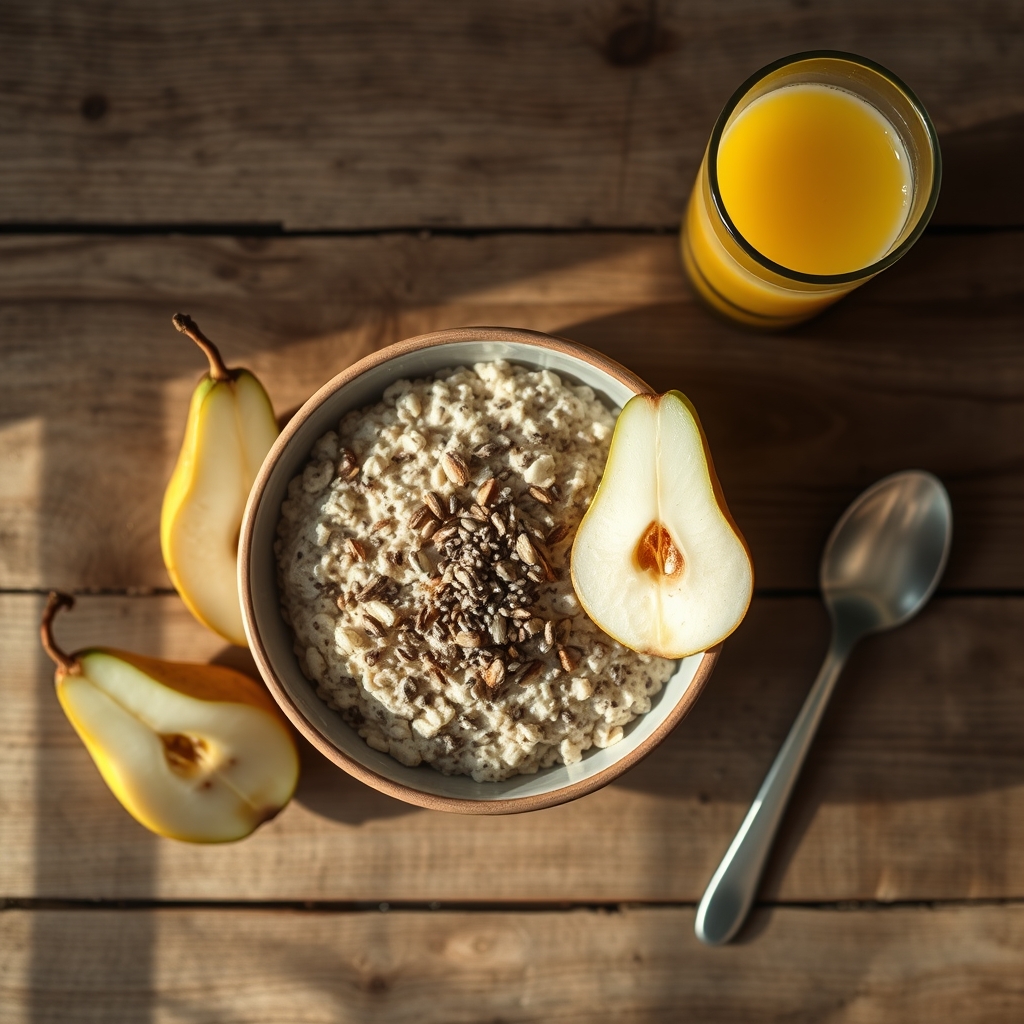
For example, a breakfast of oatmeal topped with sliced pear, a sprinkle of chia seeds, and a side of fortified orange juice can deliver roughly 10 g of fiber, setting a solid foundation for the day.
A fiber‑packed breakfast that’s gentle on the stomach and rich in pregnancy‑essential nutrients.
Adding these foods gradually helps your body adjust without overwhelming the gut. If you’re new to whole grains, start with a small portion of oatmeal and increase the serving size each week. The same principle applies to beans—cook them until very soft and season gently to improve tolerance.
How much fiber should a pregnant woman eat daily to relieve constipation?
Current guidance from the American College of Obstetricians and Gynecologists (ACOG) and the UK’s National Health Service (NHS) recommends a daily fiber intake of 25 g for the first two trimesters and 30 g in the third trimester. This aligns with the general adult recommendation of 25–30 g per day, but the slight increase later in pregnancy reflects slower gut motility caused by progesterone.
Here’s a quick reference:
Trimester
Recommended Fiber (g/day)
First (0‑13 weeks)
25 g
Second (14‑27 weeks)
25 g
Third (28‑40 weeks)
30 g
Reaching these targets is easier when you spread fiber throughout the day—rather than loading a single meal—because it helps maintain steady water absorption and reduces the risk of bloating.
Most women find that adding an extra 2‑3 servings of the high‑fiber foods listed above brings them to the right range. If you’re unsure, keep a simple food diary for a week and tally the grams; many free nutrition apps can estimate fiber content for you.
Remember that fiber needs are individualized. Women with a history of gastrointestinal disorders may require a tailored plan, and a registered dietitian can help fine‑tune intake while ensuring adequate calories and micronutrients.
Safe fiber supplements for pregnant women with constipation
Even with a well‑balanced diet, some pregnant people need a supplemental boost. The key is to choose products that are non‑fermentable, free of artificial sweeteners, and have a clean safety record.
Psyllium husk (e.g., Metamucil): A soluble, gel‑forming fiber that draws water into the stool. Typical adult doses are 1 tsp (≈5 g) mixed with 8 oz of water, taken 1–2 times daily. ACOG notes psyllium as a first‑line supplement for constipation.
Methylcellulose (e.g., Citrucel): Non‑fermentable and less likely to cause gas. Recommended dose is 2 tsp (≈6 g) in water or juice, once daily.
Inulin (a prebiotic fiber): While generally safe, it can ferment and cause mild bloating. Use sparingly—½ tsp mixed into smoothies.
Always start with the lowest dose and increase gradually, drinking at least 8 cups of water per day. If you have a history of bowel obstruction, inflammatory bowel disease, or any chronic gastrointestinal condition, discuss supplement use with your obstetrician before beginning.
Some prenatal vitamin brands incorporate a small amount of psyllium into their tablets; these can be a convenient way to combine iron, folic acid, and fiber, but verify the dosage with the product label and your provider.
High‑fiber fruits and vegetables safe in pregnancy
Fruit and veg are natural sources of both soluble and insoluble fiber, plus vitamins, minerals, and antioxidants. Below are the top picks, grouped by fiber type.
Soluble‑rich fruits: Apples (with skin) – 4 g per medium; pears – 5 g; berries – 3 g per cup; oranges – 3 g.
Insoluble‑rich fruits: Prunes – 3 g per 4‑prune serving; figs – 3 g per ½ cup.
Soluble‑rich veg: Sweet potatoes (with skin) – 4 g per cup; carrots – 3 g per cup; peas – 4 g per cup.
Insoluble‑rich veg: Broccoli – 5 g per cup; Brussels sprouts – 4 g per cup; kale – 2 g per cup.
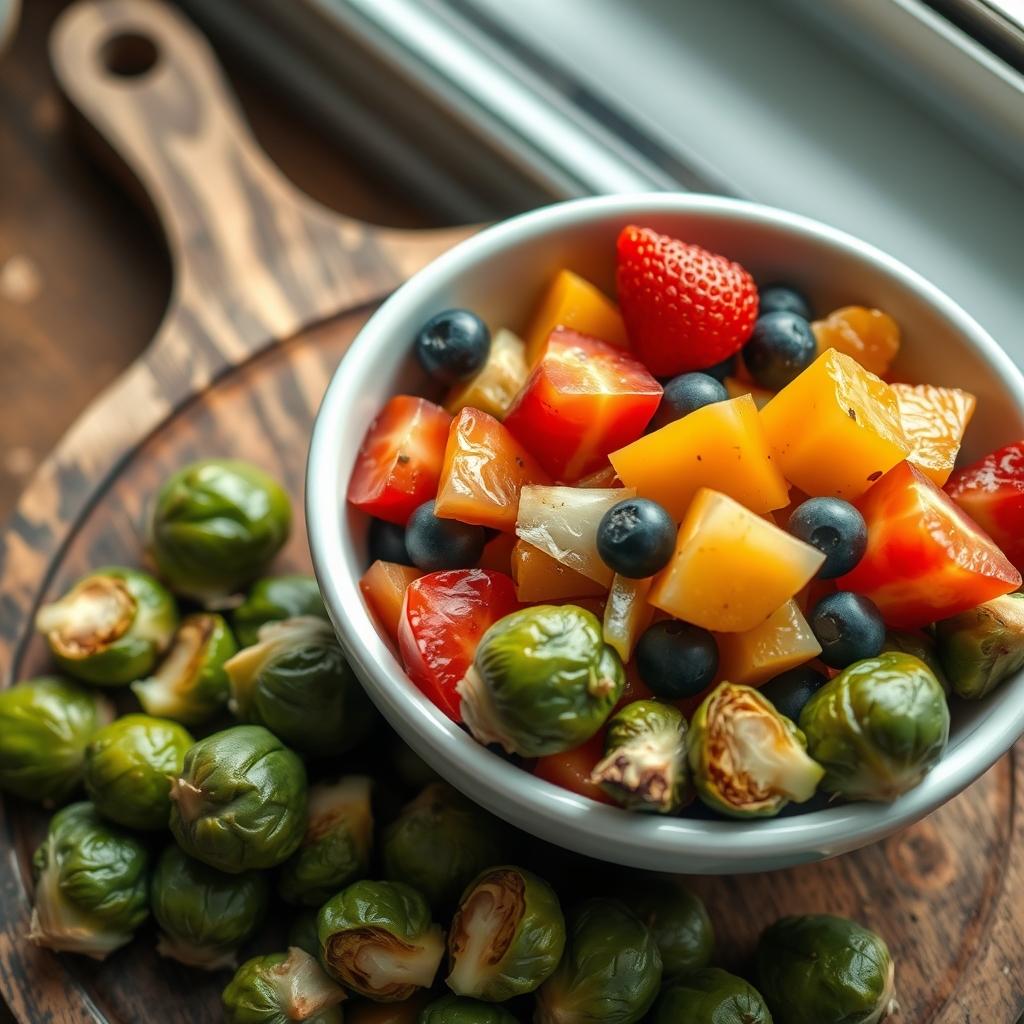
Mixing textures helps reduce gas. For instance, a fruit salad with diced apple, pear, and a handful of berries paired with a side of roasted Brussels sprouts offers a balanced fiber profile without overwhelming your gut.
Combining soluble and insoluble fiber keeps stools soft while minimizing gas.
When choosing fruit, aim for ripe but firm varieties; overly soft fruit can be high in natural sugars that may affect blood glucose, especially important for those monitoring gestational diabetes.
Fiber‑rich snacks for pregnant women with constipation
Snacking is an excellent opportunity to sneak in extra fiber between meals. Choose options that are portable, low‑sugar, and easy on the stomach.
Greek yogurt with ground flaxseed and fresh berries: Adds ~5 g fiber plus protein.
Whole‑grain crackers with hummus: About 4 g fiber per serving.
Trail mix (unsalted almonds, walnuts, pumpkin seeds, and dried apricots): Roughly 6 g fiber per quarter‑cup.
Apple slices with almond butter: 4 g fiber and healthy fats.
Warm lentil soup (cup): 8 g fiber and iron.
Pair each snack with a glass of water or herbal tea (e.g., ginger or peppermint) to aid fiber’s water‑pulling action. Avoid sugary drinks, which can worsen constipation by dehydrating you.
For a quick on‑the‑go option, keep a small container of pre‑measured ground flaxseed in your pantry; a single tablespoon sprinkled onto a smoothie adds a gentle fiber boost without extra calories.
Can fiber cause gas during pregnancy, and how to avoid it?
Yes—especially fermentable fibers like inulin, beans, and certain fruits. Gas occurs when gut bacteria break down these fibers, releasing hydrogen and carbon dioxide. The good news is that you can mitigate the effect:
Start low, go slow: Add 5 g of fiber per day for the first week, then increase gradually.
Stay hydrated: Water helps fiber move smoothly, reducing fermentation time.
Choose low‑fermentable options first: Psyllium, oats, and cooked carrots tend to produce less gas.
Chew thoroughly: Breaking food down mechanically lessens the work for gut bacteria.
Include a gentle probiotic: Lactobacillus rhamnosus GG has been shown in CDC‑endorsed studies to help maintain a balanced gut flora during pregnancy.
If you notice persistent bloating, try a short “fiber break” of 24–48 hours, focusing on low‑fiber foods (e.g., white rice, plain yogurt) while maintaining fluid intake, then re‑introduce fiber slowly.
Cooking beans until very soft and discarding the cooking water can also reduce the oligosaccharides that are most responsible for gas.
Difference between soluble and insoluble fiber for pregnant constipation
Understanding the two main fiber types helps you craft a balanced diet.
Fiber Type
How It Works
Pregnancy Benefits
Typical Sources
Soluble
Forms a gel that softens stool and slows glucose absorption.
For most pregnant people, a 50/50 split works well. If you’re prone to gas, lean toward soluble fiber (e.g., psyllium) and add insoluble sources gradually.
Both types also support heart health and weight management, which are additional benefits during pregnancy.
How to increase fiber intake without causing bloating in pregnancy
Below is a practical, week‑long plan that gradually builds fiber while keeping bloating at bay. Adjust portion sizes to match your appetite and trimester.
Day 1‑2: Add 5 g of fiber (e.g., one slice of whole‑grain toast with avocado).
Day 3‑4: Introduce a fruit serving (apple or pear) and a cup of warm water after meals.
Day 5‑7: Include a half‑cup of cooked lentils or chickpeas in lunch or dinner.
Day 8‑10: Add a tablespoon of ground flaxseed to smoothies.
Day 11‑14: Incorporate a fiber‑rich snack (whole‑grain crackers with hummus).
Throughout the plan, keep sipping water—aim for at least 2 L/day—and consider a gentle walk after meals to stimulate peristalsis. If you feel any sharp abdominal pain, stop the increase and consult your provider.
Tracking your progress in a simple journal helps you notice patterns—such as which foods cause the most gas—so you can fine‑tune your choices.
Pregnancy constipation home remedies
Beyond diet, several low‑risk home strategies can complement fiber intake:
Warm water with lemon: A cup each morning can stimulate digestive secretions.
Gentle abdominal massage: Clockwise circles for a few minutes after meals.
Prenatal yoga poses: “Cat‑Cow” and “Supine Twist” gently massage the intestines.
Probiotic‑rich foods: Yogurt, kefir, and fermented vegetables support gut health.
Stay active: Even a 15‑minute daily walk can improve bowel motility.
These remedies are endorsed by the American Pregnancy Association and have no known adverse effects for mother or baby.
When trying a new remedy, give it 48‑72 hours to gauge effectiveness before adding another strategy.
Best prenatal vitamins for constipation
Most prenatal formulas include iron, which can exacerbate constipation. Look for a vitamin that combines iron with a fiber booster or a lower‑dose iron (e.g., 27 mg instead of 60 mg) and includes magnesium—a mineral known to relax intestinal muscles.
Brands such as Nature Made Prenatal Multi + DHA and Garden of Life Vitamin Code Raw Prenatal list “gentle‑release iron” and “magnesium” on their labels, and both have been reviewed by the FDA for safety in pregnancy.
When you take a prenatal vitamin that contains iron, pair it with a high‑fiber snack and a full glass of water to mitigate the constipating effect.
Diet plan for constipation in second trimester
During weeks 14‑27, progesterone peaks, often slowing gut motility. A sample day might look like this:
Breakfast: Oatmeal (½ cup dry) cooked with milk, topped with sliced pear and a teaspoon of ground flaxseed.
Mid‑morning snack: Greek yogurt (½ cup) mixed with fresh berries and a drizzle of honey.
Lunch: Quinoa salad with chickpeas, roasted carrots, spinach, and olive‑oil lemon dressing.
Afternoon snack: Whole‑grain crackers with hummus.
Dinner: Baked salmon, sweet‑potato wedges (with skin), and steamed broccoli.
Evening snack: Warm milk with a teaspoon of psyllium mixed in.
This plan provides roughly 28 g of fiber, ample fluids, and balanced protein—all supportive of a healthy second trimester.
Adjust the portion sizes if you’re experiencing morning sickness; smaller, more frequent meals can still meet fiber goals while being gentler on the stomach.
Foods to avoid for constipation during pregnancy
While most foods are safe, some can worsen constipation or cause other issues:
Highly processed foods: White bread, chips, and sugary cereals lack fiber and can be dehydrating.
Excessive dairy: Large amounts of cheese and whole milk may be constipating for some.
Unripe bananas: High in resistant starch, which can slow digestion.
Raw cruciferous vegetables (if you’re sensitive): Broccoli and cauliflower can cause gas if not cooked.
Caffeinated drinks in excess: While moderate caffeine is okay, too much can dehydrate you.
Limiting these items, especially in the third trimester, helps keep the digestive tract moving.
Instead of cutting them out completely, try moderation—pair raw cruciferous veggies with a source of healthy fat (like olive oil) to aid digestion.
Natural laxatives safe in pregnancy
When you need a gentle push, consider these pregnancy‑approved natural laxatives:
Prune juice (½ cup): Contains sorbitol, a natural osmotic laxative.
Warm apricot puree: Similar to prune juice but milder.
Ground flaxseed (1‑2 tsp): Adds bulk and draws water into the colon.
Magnesium‑rich foods: Spinach, pumpkin seeds, and black beans can help relax intestinal muscles.
Always pair these with ample water and discuss persistent issues with your provider.
For those who dislike the taste of prune juice, a small amount of honey‑sweetened apricot puree can be just as effective without the strong flavor.
How long does it take for fiber to work in pregnancy?
Most people notice a change within 24‑72 hours after increasing fiber and fluid intake. However, the exact timing varies based on baseline diet, activity level, and individual gut transit time. If you’ve added fiber but see no improvement after three days, consider a gentle supplement or a brief “reset” with low‑fiber foods, then resume gradual fiber addition.
Patience is key—rapid changes can cause cramping, so a steady, incremental approach yields the most comfortable results.
Fiber intake recommendations per trimester
Summarizing the trimester‑specific targets:
First trimester (0‑13 weeks): Aim for 25 g/day.
Second trimester (14‑27 weeks): Continue 25 g/day, but increase fluid to 2‑2.5 L.
Third trimester (28‑40 weeks): Target 30 g/day, and consider a small magnesium supplement (under provider guidance).
These numbers reflect guidance from ACOG, the NHS, and the World Health Organization (WHO) nutrition recommendations for pregnant adults.
From our medical team: “Fiber is one of the safest ways to address constipation in pregnancy, but it works best when paired with hydration and gentle movement. If you ever feel severe cramping, blood in your stool, or inability to pass gas, seek medical care right away.”
How fiber interacts with blood sugar and gestational diabetes
Soluble fiber slows glucose absorption, which can help stabilize blood sugar spikes—a particular benefit for anyone at risk of gestational diabetes. The American Diabetes Association (ADA) recommends that pregnant people with elevated glucose levels aim for at least 15 g of soluble fiber per day, incorporated through foods like oats, beans, and apples.
Incorporating fiber into meals can also reduce the glycemic load of carbohydrate‑rich foods. For example, pairing a whole‑grain toast with peanut butter adds protein and healthy fat, further blunting post‑meal glucose spikes.
If you have been diagnosed with gestational diabetes, discuss your fiber plan with a registered dietitian. They can tailor portions to keep both blood sugar and bowel regularity in check.
Hydration strategies to boost fiber’s effectiveness
Fiber needs water to bulk up and move through the colon. The NHS advises pregnant individuals to aim for at least 8‑10 cups (2‑2.5 L) of fluids daily, but many find that sipping consistently throughout the day works best.
Practical tips:
Carry a reusable water bottle and set a reminder to take a sip every 30 minutes.
Infuse water with citrus slices or cucumber for flavor without added sugar.
Replace one sugary beverage with a cup of herbal tea (e.g., ginger or peppermint) after meals.
Include water‑rich foods such as watermelon, cucumber, and soups in your meals.
When you increase fiber, aim to add an extra 2‑3 cups of water for every additional 5 g of fiber. This ratio helps prevent the dreaded “hard stool” scenario.
Meal planning and batch cooking for a high‑fiber pregnancy diet
Preparing meals ahead of time reduces the temptation to reach for low‑fiber convenience foods. Here’s a simple batch‑cooking blueprint:
Cook a big pot of quinoa or brown rice. Portion into containers for quick lunches.
Roast a tray of mixed vegetables. Include carrots, sweet potatoes, and Brussels sprouts—season with olive oil and herbs.
Prepare a legume base. Cook lentils or chickpeas with bay leaf and garlic; store for salads or soups.
Make a fruit‑ready snack. Wash and slice apples or pears, then store in airtight containers with a splash of lemon juice to prevent browning.
Portion out seeds. Keep a small jar of ground flaxseed and chia seeds ready to sprinkle onto oatmeal or smoothies.
With these components on hand, assembling a fiber‑rich meal takes under five minutes—perfect for busy mornings or late‑night cravings.
Batch cooking also helps you control sodium and added sugars, supporting overall pregnancy health.
Myth vs. fact
Myth: “All fiber is the same, so any high‑fiber food will instantly fix constipation.”
Fact: Soluble and insoluble fibers act differently; a balanced mix is needed, and sudden large increases can cause gas.
Myth: “Fiber supplements are unsafe for pregnant people.”
Fact: Psyllium and methylcellulose are endorsed by ACOG as safe, provided you stay well‑hydrated.
Myth: “If you’re constipated in the third trimester, it’s inevitable.”
Fact: Targeted dietary changes, safe supplements, and movement can relieve constipation for most women, even late in pregnancy.
Key takeaways
Aim for 25 g of fiber daily in the first two trimesters, 30 g in the third.
Include whole grains, legumes, fruits, and vegetables at every meal.
Start fiber slowly, increase water intake, and move gently after meals.
Safe supplements include psyllium husk and methylcellulose; follow label directions.
Watch for red‑flag symptoms—painful cramping, blood, or vomiting—and call your provider.
Combine fiber with probiotics, prenatal yoga, and warm water to boost relief.
For gestational diabetes, prioritize soluble fiber to help manage blood sugar.
Hydrate consistently—aim for 8‑10 cups of fluid a day, especially when adding fiber.
Batch‑cook staple foods to make high‑fiber meals quick and easy.
Frequently asked questions
What foods can help relieve constipation during pregnancy?
Whole‑grain oats, lentils, prunes, apples with skin, broccoli, and chia seeds are top choices because they add both soluble and insoluble fiber while providing essential nutrients.
How much fiber should I eat each day while pregnant?
Most guidelines suggest 25 g per day in the first two trimesters and 30 g in the third trimester, spread across meals and snacks.
Are fiber supplements safe during pregnancy?
Yes—psyllium husk and methylcellulose are considered safe by ACOG when taken with plenty of water and at the recommended dose.
Can eating too much fiber cause problems for pregnant women?
Excessive fiber (over 35‑40 g) can lead to bloating, gas, and nutrient malabsorption if not paired with adequate fluids, so it’s best to increase intake gradually.
What are the signs of constipation in pregnancy?
Hard or pellet‑like stools, fewer than three bowel movements per week, abdominal discomfort, and a feeling of incomplete evacuation are common signs.
Is it normal to have constipation in the third trimester?
Yes—hormonal changes and the pressure of the growing uterus often slow digestion, but lifestyle adjustments can still provide relief.
Can I get enough fiber from a vegetarian or vegan diet during pregnancy?
Absolutely. Plant‑based staples such as beans, lentils, whole‑grain breads, nuts, seeds, and a variety of fruits and vegetables can easily meet the 25‑30 g daily goal when combined thoughtfully.
Is it okay to take fiber supplements with prenatal vitamins that contain iron?
Yes, but you should space them out—take the iron‑containing prenatal vitamin with a meal and the fiber supplement at a different time, and drink an extra 8‑10 oz of water with each to keep stools soft.
When to call your doctor
If you experience any of the following, seek medical attention promptly: severe abdominal pain, blood in stool, sudden inability to pass gas, vomiting, or signs of a bowel obstruction. Remember, this article is for information only and does not replace personalized medical advice.
References
American College of Obstetricians and Gynecologists (ACOG). “Nutrition During Pregnancy.” 2023 clinical guidance.
National Health Service (NHS). “High‑Fiber Diet.” Updated 2022.
World Health Organization (WHO). “Dietary fibre intake recommendations.” 2021.
Centers for Disease Control and Prevention (CDC). “Probiotics and Pregnancy.” 2022.
U.S. Food and Drug Administration (FDA). “Pregnancy‑Safe Over‑the‑Counter Supplements.” 2023.
Royal College of Obstetricians and Gynaecologists (RCOG). “Managing constipation in pregnancy.” 2022.
Mayo Clinic. “Constipation during pregnancy: Causes and treatments.” 2023.
Harvard T.H. Chan School of Public Health. “Fiber.” 2022.
American Diabetes Association (ADA). “Gestational Diabetes Nutrition Therapy.” 2023.
National Institute for Health and Care Excellence (NICE). “Fluid intake recommendations for pregnant women.” 2022.
Not sure about the label on Fiber Rich Foods For Constipation Pregnancy products?
Snap the ingredients list and SafeFilter checks every ingredient for your stage — only 3 free scans this month, then you're locked until reset. Unlimited from $7/mo or $50/yr.
When Shubhra Mishra was expecting her first child in 2016, she was overwhelmed by conflicting food advice — one site said yes, another said never. By the time her second baby arrived in 2019, she realized millions of mothers face the same confusion.
That sparked a five-year journey through clinical nutrition papers, cultural diets, and expert conversations — all leading to BumpBites: a calm, compassionate space where science meets everyday motherhood.
Her long-term vision is to build a global community ensuring safe, supported, and free deliveriesfor every mother — because no woman should face pregnancy alone or uninformed. 🌿
🌍 Stand with mothers, shape safer guidance
Join a small circle of experts who review BumpBites articles so expecting parents everywhere can decide with confidence.