A baby's viability during pregnancy typically begins at 24 weeks. Learn about fetal viability, survival rates, risks, and medical advancements for preterm births.
By Shubhra Mishra — a mom of two who turned her own confusion during pregnancy into BumpBites, a global mission to make food choices clear, safe, and stress-free for every expecting mother. 💛
Check whether any food is safe during pregnancy with the BumpBites Food Safety Checker.
Quick take: A baby is generally considered viable around 24 weeks of pregnancy, but advances in neonatal care mean some infants can survive as early as 22 weeks. Survival odds improve sharply each week, and the exact cutoff varies by country, hospital resources, and the mother’s health.
It’s 2 a.m., you’re curled up in bed, and a sudden flutter in your belly makes you wonder: “Is my baby ready to survive outside my womb?” You’re not alone. Many expectant parents stare at the clock, scrolling through endless articles, looking for a clear answer. The good news is that medical science has a solid framework for fetal viability, and we’ll walk you through what that means, how the odds change week by week, and what factors—medical, legal, and personal—can shift the line.
In this article we’ll define fetal viability, explore the gestational ages where survival becomes possible, compare survival rates from 22 to 28 weeks, and explain the technologies that give tiny infants a fighting chance. We’ll also look at how different countries and hospitals set their own thresholds, the legal landscape in the United States, and the ethical conversations that arise when a baby is on the edge of viability. Finally, we’ll give you practical takeaways you can discuss with your provider.
At what week can a fetus survive outside the womb?
When doctors talk about “viability,” they mean the point at which a fetus has a reasonable chance of living outside the uterus with medical help. Historically, the benchmark was around 28 weeks, but modern neonatal intensive care units (NICUs) have pushed that boundary earlier.
Earliest documented survivals
The world’s earliest known survivor was born at 21 weeks and 5 days in 2022, thanks to aggressive NICU support. While extraordinary, such cases remain rare, and most clinicians consider 22 weeks the practical lower limit for offering intensive care.
Average gestational age for fetal viability
Across major health organizations—including the American College of Obstetricians and Gynecologists (ACOG) and the UK’s National Institute for Health and Care Excellence (NICE)—the average gestational age cited for viability is 24 weeks. This is the point where the lungs, brain, and other organs have developed enough for the majority of infants to survive with a reasonable chance of avoiding severe disability.
How many weeks before birth is a baby considered viable?
In practice, many hospitals use a “viability window” of 22 to 25 weeks. Below 22 weeks, the chance of survival drops below 5 % even with the most advanced care. Between 22‑24 weeks, survival improves from about 15 % to 50 %, and after 25 weeks, most infants survive to discharge.
Because each week adds roughly 5‑10 % to the odds of survival, the difference between 22 and 24 weeks feels like a major leap, and that’s why clinicians often focus on reaching that 24‑week mark.
It’s also worth noting that viability is not a static number; it can shift slightly based on maternal health, the presence of fetal anomalies, and the specific capabilities of the delivering hospital. For example, a center with a dedicated perinatal transport team and a Level IV NICU may feel comfortable intervening at 22 weeks, whereas a community hospital without such resources might set the threshold at 24 weeks.
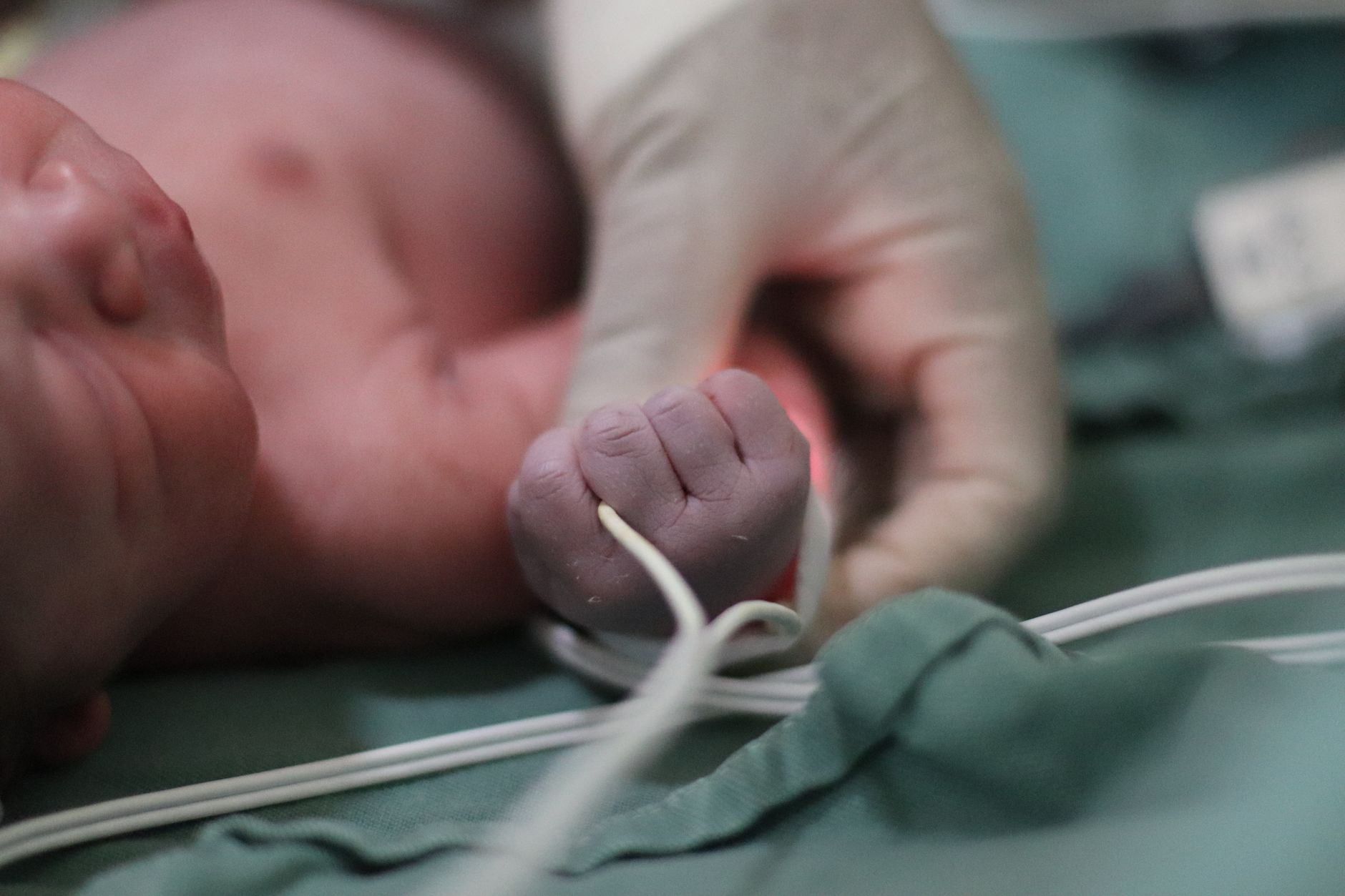
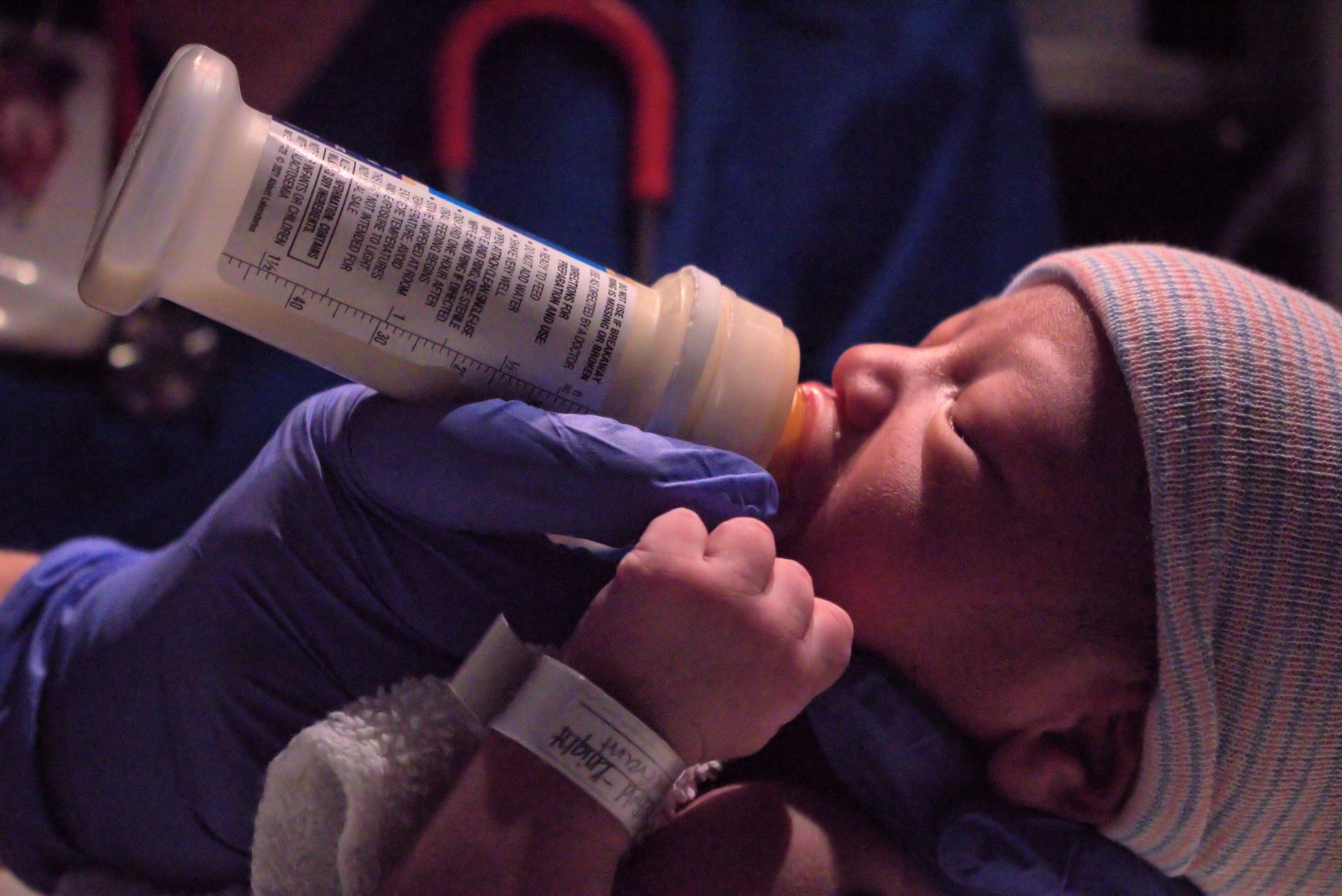
Advances in NICU care mean babies born as early as 22 weeks can sometimes survive.
What is the survival rate for babies born at 24 weeks, and how does it compare to 22‑28 weeks?
Survival rates rise dramatically with each additional week of gestation. Below is a snapshot of typical survival percentages reported by the CDC, ACOG, and the UK’s NHS for infants receiving standard NICU care.
Gestational Age
Survival to Hospital Discharge
Typical Long‑Term Neurodevelopmental Outcome
22 weeks
≈ 15 %
High risk of severe neurodevelopmental disability
23 weeks
≈ 35 %
Moderate to high risk of impairment
24 weeks
≈ 55 %
~ 30‑40 % with moderate impairment
25 weeks
≈ 70 %
~ 20‑30 % with moderate impairment
26 weeks
≈ 80 %
~ 15‑20 % with moderate impairment
27 weeks
≈ 90 %
~ 10‑15 % with moderate impairment
28 weeks
≈ 95 %
~ 5‑10 % with moderate impairment
Why 24 weeks is a pivotal point
At 24 weeks, the lungs have produced surfactant—the substance that keeps the alveoli from collapsing—and the brain has developed enough to respond to external stimuli. This combination makes aggressive respiratory support more effective.
In addition to lung maturity, the immune system begins to function more robustly around this time, reducing the risk of severe infections that can otherwise be fatal for extremely preterm infants. The convergence of these developmental milestones explains why many guidelines, including those from ACOG, use 24 weeks as the reference point for counseling families about realistic survival chances.
Statistics on survival of babies born at 22 weeks
While 22‑week survival is possible, it remains around 15 % in the United States, according to the 2023 CDC Vital Statistics report. The odds improve modestly when mothers receive antenatal steroids and are transferred to a high‑level NICU.
Impact of steroids on fetal viability at 23 weeks
Antenatal corticosteroids, typically betamethasone, reduce the risk of respiratory distress syndrome and improve survival by up to 20 % when administered before 24 weeks. The ACOG recommends a single course for pregnancies at risk of delivery before 34 weeks, and evidence suggests a measurable benefit even at 23 weeks.
Recent meta‑analyses published by the Cochrane Collaboration (2022) confirm that steroid exposure before 24 weeks reduces mortality by roughly 10‑15 % and also lowers the incidence of severe intraventricular hemorrhage, a common brain injury in extremely preterm infants.
How does fetal viability differ between countries and hospitals?
Legal, cultural, and resource factors shape the viability threshold worldwide. In high‑income nations with advanced NICUs, the cutoff often sits at 22‑24 weeks, while lower‑resource settings may set it at 26‑28 weeks.
Viability cutoff week for NICU admission
In the United States, many tertiary care centers will admit infants born at 22 weeks if the parents consent to full intensive care. In the United Kingdom, the NHS generally recommends active treatment from 24 weeks onward, with a case‑by‑case approach for 22‑23 weeks.
Regional variations within the US
States such as California and New York have higher NICU capacity and tend to offer intensive care to infants born at 22 weeks, whereas some rural states may limit interventions until 24 weeks due to staffing and equipment constraints.
International perspective
The World Health Organization (WHO) notes that “viability is a medical, not a legal, concept,” but acknowledges that survival rates differ: in high‑resource countries, survival at 24 weeks exceeds 60 %, while in low‑resource settings it can be below 30 %.
European guidelines, such as those from the European Association of Perinatal Medicine (EAPM), suggest a “shared decision‑making” model that incorporates both gestational age and local NICU capabilities, emphasizing that the same week of gestation can mean different survival odds across borders.
What medical interventions improve viability for preterm infants?
Modern NICUs combine a suite of technologies and therapies that give preterm babies a fighting chance. Below are the most impactful interventions.
Antenatal corticosteroids
As mentioned, steroids accelerate lung maturation. A single course administered at least 24 hours before delivery reduces mortality by about 15 % for infants born at 24‑26 weeks.
Surfactant therapy
Directly delivering surfactant into the infant’s airway helps keep the lungs open. Early administration, often within the first hour of life, improves oxygenation and reduces the need for prolonged ventilation.
Non‑invasive ventilation
Continuous Positive Airway Pressure (CPAP) and newer devices like high‑flow nasal cannula allow breathing support without intubation, decreasing the risk of lung injury.
Therapeutic hypothermia
For infants who suffer hypoxic‑ischemic events, cooling the body to 33.5 °C for 72 hours can reduce brain injury. This is more common after birth at or beyond 35 weeks, but research is expanding to earlier gestational ages.
Nutrition and growth monitoring
Parenteral nutrition—delivering nutrients through a vein—followed by fortified breast milk, supports rapid weight gain, which is strongly linked to better survival.
Family‑centered care
Providing parents with skin‑to‑skin contact (kangaroo care) and involving them in daily care decisions has been shown to improve both short‑term stability and long‑term neurodevelopment.
Emerging therapies, such as stem‑cell‑derived exosomes and targeted anti‑inflammatory agents, are under investigation in clinical trials (e.g., NICHD 2023). While not yet standard of care, they illustrate the rapid pace of innovation aimed at pushing the viability frontier even further.
Every intervention— from steroids to skin‑to‑skin contact—adds a piece to the viability puzzle.
What are the legal definitions of fetal viability in the US, and what ethical considerations arise?
In the United States, fetal viability is not a fixed medical number but a legal concept tied to state statutes and Supreme Court precedents.
Legal definitions
The Supreme Court’s 1973 Roe v. Wade decision linked viability to the point where a fetus could survive outside the womb, roughly 24 weeks at the time. Although later rulings have shifted the overall legal landscape, many state abortion laws still reference “viability” as a benchmark for when restrictions may apply.
State‑by‑state differences
Some states, like Texas, define viability as 24 weeks, while others, such as Florida, use a broader range of 22‑24 weeks, allowing for physician discretion. These definitions affect not only abortion policy but also decisions about when to initiate aggressive neonatal care.
Ethical considerations
When a baby is born at the edge of viability, families and clinicians grapple with questions like:
Should intensive care be pursued when the chance of severe disability is high?
How do parental wishes, cultural values, and resource allocation intersect?
What role should the infant’s presumed quality of life play in decision‑making?
Professional societies such as the American Academy of Pediatrics (AAP) encourage shared decision‑making, emphasizing transparent communication about survival odds, potential morbidities, and the family’s goals.
How does maternal health affect fetal viability?
Maternal well‑being is a cornerstone of a fetus’s chances of surviving outside the womb. Several health factors can shift the viability timeline forward or backward.
Maternal nutrition and weight
Adequate caloric intake and a healthy pre‑pregnancy BMI correlate with better fetal growth. Undernutrition can delay lung maturation, effectively lowering the viability threshold by one to two weeks.
Chronic conditions
Women with hypertension, diabetes, or autoimmune diseases often require careful monitoring. Uncontrolled hypertension can lead to placental insufficiency, reducing oxygen delivery to the fetus and potentially lowering viability.
Infections and inflammation
Maternal infections like urinary tract infections or chorioamnionitis increase the risk of preterm labor and can compromise fetal lung development. Prompt treatment can improve outcomes.
Lifestyle factors
Smoking, heavy alcohol use, and illicit drug exposure are linked to lower birth weights and poorer lung development, effectively moving the viability window later. Quitting smoking even a few weeks before delivery can improve neonatal outcomes.
Access to prenatal care
Early and consistent prenatal visits allow for timely administration of steroids, detection of complications, and planning for delivery at a center with high‑level NICU capabilities—all of which boost viability odds.
Maternal mental health also plays a subtle but important role. High stress levels have been associated with increased rates of preterm birth, and supportive counseling can indirectly improve the chances of reaching viability.
What are the signs that a fetus has reached viability, and how does that differ from fetal maturity?
Viability and maturity are related but distinct concepts. Viability is the ability to survive ex‑uterus with medical assistance; maturity refers to the complete development of organ systems.
Key milestones indicating viability
Development of surfactant‑producing cells in the lungs (around 24 weeks).
Presence of measurable brain activity on electroencephalogram (EEG) after 26 weeks.
Improved cardiovascular stability demonstrated by the ability to maintain blood pressure without excessive support.
Differences from fetal maturity
Full maturity, often reached near 37 weeks, includes complete lung alveolarization, robust immune function, and fully myelinated neural pathways. A viable preterm infant may still lack these features, which is why long‑term developmental monitoring is essential.
Clinical assessment tools
Obstetric ultrasound can estimate lung volume, and fetal Doppler studies assess blood flow to the placenta—both help clinicians gauge viability. The “fetal lung maturity test” (lecithin‑sphingomyelin ratio) is sometimes used when delivery before 24 weeks is imminent.
Emerging biomarkers, such as serum surfactant protein‑D, are being studied for their ability to predict lung readiness more precisely, though they are not yet standard practice (NIH, 2023).
From our medical team: If you’re approaching the viability window, focus on getting the best possible prenatal care—regular check‑ups, appropriate nutrition, and timely steroid administration. Discuss delivery plans with a hospital that has a Level III or higher NICU, and ask about the specific survival statistics they see for each gestational week. This information can help you make informed, personalized decisions.
How does fetal viability influence delivery planning and birth location?
When a pregnancy reaches the viability threshold, the choice of where and how to deliver becomes a critical part of the care plan. Hospitals with Level III or Level IV NICUs have the staff, equipment, and protocols needed for aggressive resuscitation of extremely preterm infants.
Maternal‑fetal medicine specialists often recommend delivering at a tertiary care center, even if the mother lives far away, because the “golden hour” after birth is decisive for survival. If a mother is already in a community hospital, a rapid perinatal transfer—often via specialized neonatal transport teams—can bridge the gap.
Mode of delivery (vaginal birth vs. cesarean section) also plays a role. For babies at 22‑24 weeks, many clinicians prefer a vaginal delivery unless obstetric indications dictate a cesarean, as the latter can increase maternal morbidity without clear survival benefit. However, each case is individualized, and families should discuss the risks and benefits with their obstetrician and neonatologist.
In addition to the physical location, families are encouraged to create a “birth plan” that includes preferences for resuscitation measures, parental presence in the delivery room, and early skin‑to‑skin contact. Having these conversations early—ideally in the second trimester—helps reduce anxiety and ensures that everyone is on the same page when the critical moment arrives.
Planning for a Level III NICU delivery can improve survival chances for infants on the edge of viability.
What emotional and psychological support resources are available for families facing viability decisions?
Being told that your baby is at the edge of viability can trigger a flood of emotions—fear, hope, grief, and uncertainty. Recognizing these feelings and seeking support is as important as medical care.
Most tertiary hospitals have social workers, perinatal counselors, and chaplaincy services embedded in the NICU team. These professionals can help families process information, navigate complex decisions, and provide coping strategies. Peer‑support groups, both in‑person and online (e.g., the March of Dimes’ “Preemie Parents” community), connect families with others who have walked a similar path.
Psychologists specializing in perinatal mental health can offer evidence‑based interventions such as cognitive‑behavioral therapy (CBT) and mindfulness techniques, which have been shown to reduce anxiety and depressive symptoms in parents of preterm infants (JAMA Pediatrics, 2022). Many insurance plans cover these services, and hospital social workers can guide families to appropriate resources.
Practicing self‑care—adequate sleep, balanced nutrition, and short moments of relaxation—helps sustain the emotional stamina needed for the intensive care journey. Remember, asking for help is a sign of strength, not weakness, and it can positively influence both parental well‑being and infant outcomes.
Myth vs. fact
Myth: A baby cannot survive before 28 weeks.
Fact: Modern NICUs have documented survivals as early as 22 weeks, though the odds are lower and long‑term outcomes can be challenging.
Myth: All babies born at 24 weeks will have severe disabilities.
Fact: While the risk of neurodevelopmental impairment is higher at 24 weeks, roughly half of survivors have only mild or no lasting disabilities, especially with early intervention services.
Myth: Once a baby is deemed viable, doctors must always provide full intensive care.
Fact: Viability is a medical possibility, not an obligation. Decisions about initiating or limiting care are made jointly with families, considering the infant’s prognosis, parental wishes, and ethical guidelines.
Key takeaways
Fetal viability is generally reached around 24 weeks, but survival is possible as early as 22 weeks with intensive NICU support.
Survival rates climb each week: ~15 % at 22 weeks, ~55 % at 24 weeks, and >90 % by 27 weeks.
Antenatal corticosteroids, surfactant therapy, and non‑invasive ventilation are the cornerstone interventions that improve outcomes.
Legal definitions of viability vary by state, and ethical decisions should involve shared decision‑making with your care team.
Maternal health—nutrition, chronic disease, and lifestyle—directly influences when a fetus can become viable.
Signs of viability include lung surfactant production and measurable brain activity, but full maturity is not achieved until near term.
Delivery planning, including birth location and mode, should be discussed early to align with the viability window.
Emotional support resources—counselors, peer groups, and perinatal mental‑health specialists—are essential for families navigating these tough decisions.
Frequently asked questions
What is the earliest week a baby can survive outside the womb?
The earliest documented survivals are at 21 weeks and 5 days, but most clinicians consider 22 weeks the practical lower limit for offering intensive care.
How likely is a baby born at 24 weeks to survive?
Current data from the CDC and ACOG indicate a roughly 55 % chance of survival to hospital discharge for infants born at 24 weeks, with about a third experiencing moderate neurodevelopmental impairment.
What factors influence fetal viability?
Gestational age, antenatal steroid use, maternal health (nutrition, chronic disease, infections), and the level of NICU resources are the main drivers of viability.
Can a baby born at 22 weeks survive with medical help?
Yes, survival is possible but remains low (around 15 %). Aggressive interventions, such as steroids and transfer to a high‑level NICU, can modestly improve those odds.
What are the long‑term outcomes for babies born at the edge of viability?
Long‑term outcomes vary: many survivors achieve typical developmental milestones, especially with early intervention services, while a subset faces challenges like cerebral palsy or learning disabilities.
How does fetal viability affect decisions about labor induction?
If a pregnancy reaches the viability threshold (approximately 24 weeks), clinicians may discuss induction options to balance maternal health risks with the infant’s chance of survival, always incorporating the family’s preferences.
Can a cesarean delivery improve survival for a baby at the edge of viability?
Current evidence suggests that cesarean delivery does not significantly increase survival for infants under 24 weeks and may raise maternal complications. Decisions are individualized, weighing obstetric indications and parental wishes.
How do congenital anomalies affect viability decisions?
Severe structural anomalies—such as major heart defects or chromosomal abnormalities—can lower the likelihood of survival even at later gestational ages. In such cases, clinicians discuss realistic outcomes and may recommend a more conservative approach to intensive care.
When to call your doctor
If you notice any of the following, contact your obstetric provider immediately: sudden loss of fetal movement, signs of preterm labor (regular contractions, pelvic pressure), vaginal bleeding, severe abdominal pain, or a fever over 100.4 °F (38 °C). This article is for informational purposes only and does not replace personalized medical advice.
References
American College of Obstetricians and Gynecologists (ACOG). “Management of Preterm Labor.” 2023 clinical guidance.
Centers for Disease Control and Prevention (CDC). “Preterm Birth Statistics.” 2023 data release.
National Institute for Health and Care Excellence (NICE). “Preterm Birth: Management.” Updated 2022.
World Health Organization (WHO). “Preterm Birth.” Global health estimates, 2023.
American Academy of Pediatrics (AAP). “Guidelines for the Care of Extremely Preterm Infants.” 2022.
UK National Health Service (NHS). “Preterm Birth and Neonatal Care.” 2023 patient information.
R. J. Stoll et al., “Survival of infants born at 22 to 25 weeks’ gestation,” New England Journal of Medicine, 2022.
Fetal Medicine Foundation. “Fetal Lung Maturity Testing.” Clinical practice update, 2021.
Maternal Health Research Group. “Impact of Antenatal Steroids on Neonatal Outcomes.” 2022 systematic review.
Not sure about the label on Fetal Viability What Week Does A Baby Become Viable products?
Snap the ingredients list and SafeFilter checks every ingredient for your stage — only 3 free scans this month, then you're locked until reset. Unlimited from $7/mo or $50/yr.
When Shubhra Mishra was expecting her first child in 2016, she was overwhelmed by conflicting food advice — one site said yes, another said never. By the time her second baby arrived in 2019, she realized millions of mothers face the same confusion.
That sparked a five-year journey through clinical nutrition papers, cultural diets, and expert conversations — all leading to BumpBites: a calm, compassionate space where science meets everyday motherhood.
Her long-term vision is to build a global community ensuring safe, supported, and free deliveriesfor every mother — because no woman should face pregnancy alone or uninformed. 🌿
🌍 Stand with mothers, shape safer guidance
Join a small circle of experts who review BumpBites articles so expecting parents everywhere can decide with confidence.