If you’ve never tracked your diet before, starting can feel like stepping into a maze with no map. The good news? You don’t need to overhaul your entire kitchen or meal plan overnight. Here’s how to ease in:
Step 1: Audit your pantry
Grab a notebook or open a doc on your phone and list everything in your fridge, freezer, and cupboards. Highlight the foods you eat weekly. Then, cross-reference your list with the endometriosis-friendly foods (see the food list below) and potential triggers. This helps you see where you’re already aligned—and where you might need to make small tweaks.
Step 2: Pick one "anchor meal" to change
Pick one meal you eat regularly—breakfast, lunch, or dinner—and swap one ingredient. For example:
- Swap white rice for quinoa or brown rice.
- Replace your morning toast with avocado toast on whole-grain bread.
- Add a side salad to your dinner instead of fries.
Step 3: Learn to read nutrition labels
This is where things get tricky. Many processed foods hide inflammatory ingredients like added sugars, trans fats, and artificial additives. Look for:
- Sugar: Check for "sucrose," "high-fructose corn syrup," or "dextrose." Aim for less than 25g of added sugar per day.
- Sodium: Processed meats and frozen meals are often high in sodium. The NHS Eatwell Guide recommends no more than 6g of salt per day.
- Ingredients you can’t pronounce: If a label has more than 5 ingredients or includes words like "natural flavors" or "preservatives," it’s likely processed.
For a deeper dive into reading labels, check out our DASH Diet Food List for Beginners, which breaks down how to spot healthy choices at a glance.
Step 4: Experiment with one new recipe per week
Start with simple, beginner-friendly recipes. Here are a few easy starters:
- Turmeric golden milk: Warm milk (dairy or plant-based) with turmeric, cinnamon, and a touch of honey. Turmeric’s active compound, curcumin, has been shown in studies to reduce inflammation.
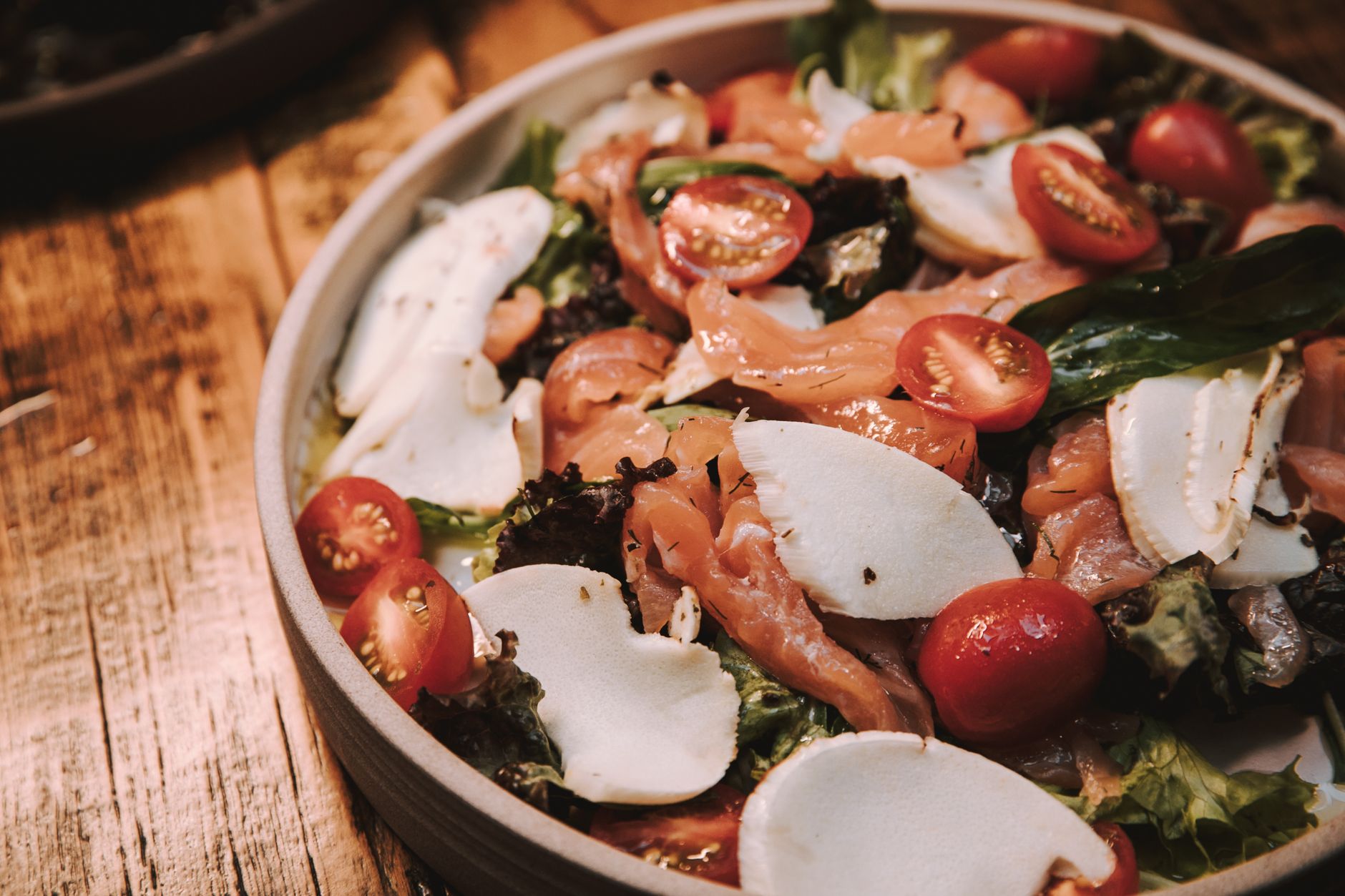
- Sheet-pan salmon and veggies: Toss salmon fillets with asparagus, bell peppers, and olive oil. Roast at 400°F (200°C) for 15–20 minutes. Salmon is rich in omega-3s, which help combat inflammation.
- Chia pudding: Mix 3 tbsp chia seeds with 1 cup almond milk and a sweetener of your choice. Let it sit overnight. Chia seeds are high in fiber and omega-3s.
If cooking feels overwhelming, don’t worry—we’ll cover quick solutions for busy schedules later in this article.
Best anti-inflammatory foods for endometriosis pain relief according to 2026 research
Research from the Journal of Clinical Medicine and the Society for Endometriosis Research highlights several foods that consistently help reduce inflammation and pain in women with endometriosis. These foods are rich in antioxidants, omega-3s, and phytonutrients, which help combat the chronic inflammation linked to the condition.
Here’s a breakdown of the top anti-inflammatory foods to prioritize:
One reader, Sarah, shared that after adding turmeric golden milk to her morning routine, her period pain dropped by 40% in just two weeks. "I thought I’d have to suffer through it forever," she said. "But small changes made a huge difference."
If you’re new to cooking, start with pre-cut veggies or frozen berries to save time. The goal is consistency, not perfection.
Can a gluten-free diet help endometriosis symptoms? A beginner’s guide
This is one of the most debated topics in endometriosis diets. Some women report dramatic improvements on a gluten-free diet, while others see no change. So, what’s the science?
According to the ACOG, there’s no definitive proof that gluten causes endometriosis, but some women with the condition also have gluten sensitivity or celiac disease. If you suspect gluten might be a trigger, try an elimination diet for 4–6 weeks. Here’s how:
Step 1: Eliminate gluten completely
Remove all sources of gluten from your diet, including:
- Wheat (bread, pasta, crackers, cereals)
- Barley (beer, malt vinegar)
- Rye (some breads and pastries)
- Processed foods with "wheat starch" or "hydrolyzed wheat protein" in the ingredients
Step 2: Replace gluten with gluten-free alternatives
Here are some easy swaps:
- Swap white bread for gluten-free options like almond flour bread or lettuce wraps.
- Replace pasta with gluten-free options like chickpea or lentil pasta.
- Choose gluten-free oats (certified) for breakfast.
For a deeper dive into gluten-free eating, check out our AIP Elimination Diet Food List for Beginners, which covers safe gluten-free foods in detail.
Step 3: Reintroduce gluten carefully
After 4–6 weeks, reintroduce gluten one food at a time (e.g., a slice of whole-grain bread) and monitor your symptoms. If you notice a flare-up, gluten may be a trigger for you.
One reader, Emily, tried eliminating gluten and noticed her bloating and fatigue decreased significantly. "I thought it was just my imagination," she said. "But tracking my symptoms made it clear—gluten was making me feel worse."
If you decide to go gluten-free, be mindful of nutrient gaps. Gluten-containing foods often provide B vitamins and fiber. Make sure to include other whole grains like quinoa, buckwheat, or millet to stay balanced.
Endometriosis diet meal plan for beginners: Easy recipes to try
Now that you know what to eat, let’s talk about how to put it all together. Below is a simple 7-day meal plan designed for beginners. Each day includes breakfast, lunch, dinner, and a snack. The plan focuses on anti-inflammatory foods and easy prep.
For each meal, focus on adding one anti-inflammatory food you haven’t tried before. For example, if you’ve never had turmeric golden milk, make it for breakfast this week. If you’re new to cooking, use pre-cut veggies or frozen meals to simplify prep.
If you’re short on time, prepping meals in bulk can save you hours. Cook a big batch of quinoa or brown rice on Sunday and use it throughout the week. Batch-cook proteins like chicken or salmon and freeze portions for easy meals.
Does the Mediterranean diet actually help with endometriosis? Expert-backed answers
If you’ve ever scrolled through endometriosis diet advice, you’ve probably seen the Mediterranean diet mentioned repeatedly. But does it actually work for endometriosis? The short answer is yes—and here’s why.
The Mediterranean diet is one of the most studied diets in the world, and research from the National Heart, Lung, and Blood Institute (NHLBI) and the EAT-Lancet Commission highlights its benefits for chronic inflammation and hormonal balance—both key factors in endometriosis.
Why the Mediterranean diet works for endometriosis
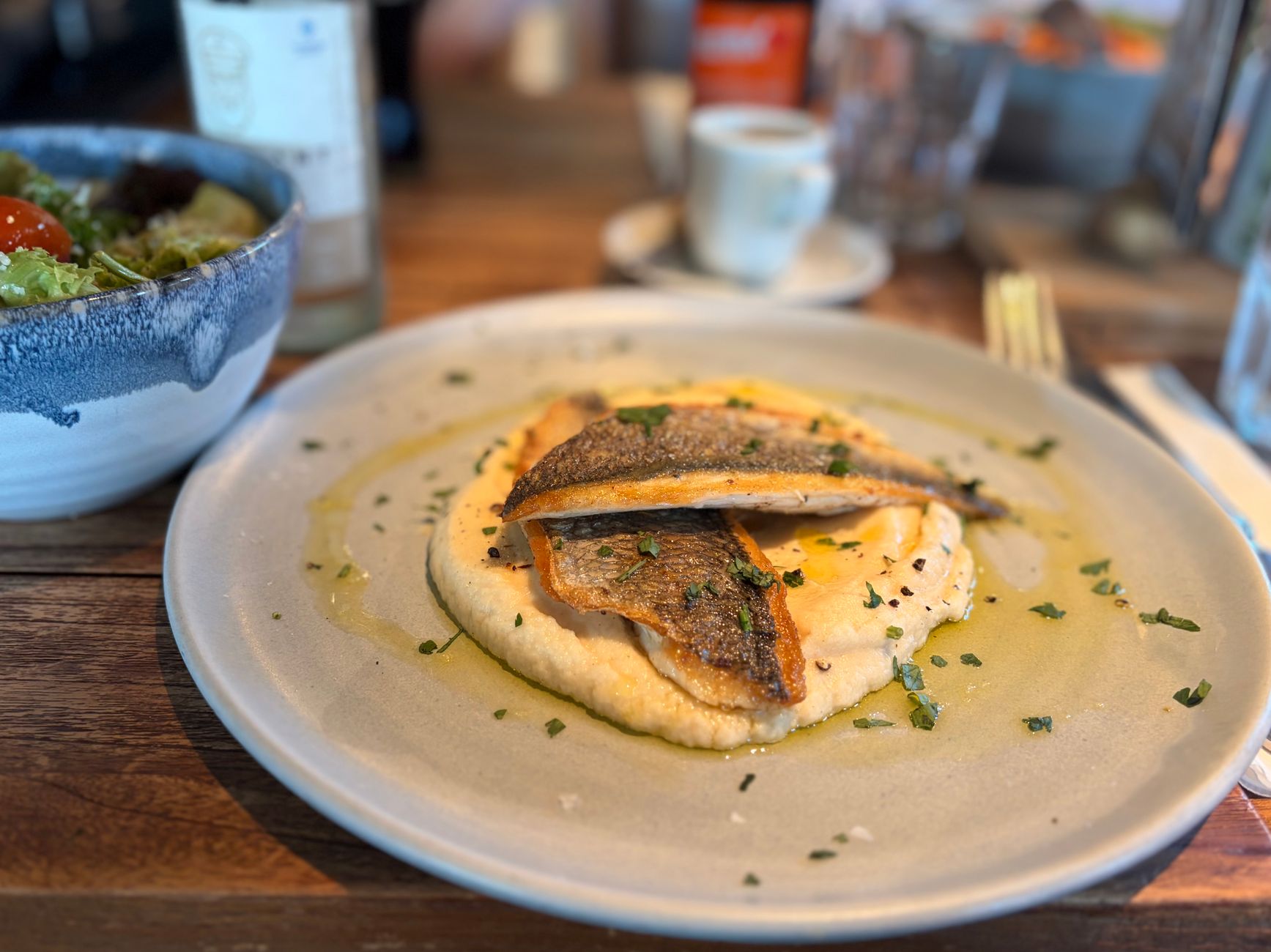
- Rich in omega-3s: Fatty fish like salmon and mackerel are staples of the diet and help reduce inflammation.
- High in antioxidants: Olive oil, nuts, and berries are packed with antioxidants that combat oxidative stress.
- Low in processed foods: The diet emphasizes whole, unprocessed foods, which are less likely to trigger inflammation.
- Balanced hormones: Foods like flaxseeds and leafy greens support healthy hormone levels, which can help manage endometriosis symptoms.
How to adopt the Mediterranean diet for endometriosis
Here’s a simple breakdown of how to incorporate it into your routine:
- Eat more: Fatty fish (2–3 times per week), olive oil, nuts, seeds, leafy greens, berries, legumes, and whole grains.
- Eat less: Processed meats, refined sugars, and red meat (limit to once a week or less).
- Drink more: Water, herbal teas, and red wine in moderation (1 glass per day, if you drink).
- Cook with: Olive oil, garlic, and herbs instead of butter or processed oils.
For a deeper dive into the Mediterranean diet, check out our Flexitarian Diet Food List for Beginners, which covers how to easily transition to a plant-forward eating style.
One reader, Lisa, shared that after switching to a Mediterranean diet, her endometriosis pain decreased by 30%. "I didn’t expect it to make such a big difference," she said. "But cutting out processed foods and adding more fish and veggies changed everything."
How to read nutrition labels to avoid endometriosis triggers
Reading nutrition labels can feel like deciphering a foreign language, especially when you’re trying to avoid triggers like gluten, dairy, or processed sugars. But once you get the hang of it, it becomes second nature. Here’s how to spot the red flags:
1. Check the ingredient list first
Ingredients are listed in order of quantity, so the first few items are what the product is made of. Look for:
- Hidden gluten: Words like "wheat starch," "malt," or "hydrolyzed wheat protein" often indicate gluten.
- Added sugars: Look for "sucrose," "high-fructose corn syrup," "dextrose," or "maltose." Aim for products with less than 5g of sugar per serving.
- Artificial additives: Words like "natural flavors," "preservatives," or "color additives" are often found in processed foods and may trigger inflammation.
2. Watch out for these sneaky triggers
Some foods that seem healthy might still contain hidden triggers:
- Granola: Often contains honey, dried fruit (high in sugar), and sometimes gluten.
- Salad dressings: Many contain added sugars, preservatives, or unhealthy oils.
- Frozen meals: Often high in sodium and processed ingredients.
- Coffee creamer: Some contain dairy or artificial additives.
3. Learn to spot "health halos"
"Health halos" are foods marketed as healthy but still contain inflammatory ingredients. For example:
- Low-fat yogurt: Often has added sugars to compensate for the fat reduction.
- Veggie chips: Can be high in sodium and processed oils.
- Protein bars: May contain added sugars or artificial sweeteners.
When in doubt, stick to whole, unprocessed foods. If you’re unsure about a product, check the brand’s website or contact their customer service for more details.
For more tips on reading nutrition labels, check out our Dairy-Free Diet Food List for Beginners, which covers how to identify hidden dairy in processed foods.
Endometriosis diet mistakes beginners make and how to avoid them
Starting an endometriosis-friendly diet can feel overwhelming, and it’s easy to make mistakes—especially when you’re just beginning. Here are the most common pitfalls and how to avoid them:
Mistake 1: Going all-in too quickly
Many women try to eliminate every potential trigger at once, which can lead to burnout or unintended nutrient deficiencies. Instead, focus on adding more anti-inflammatory foods before cutting anything out.
Mistake 2: Ignoring portion sizes
Even healthy foods can trigger inflammation if eaten in excess. For example, while nuts are great for omega-3s, a handful (about 1 oz) is enough—eating a whole bag can lead to unnecessary calories and inflammation.
Mistake 3: Skipping meals or restricting too much
Restricting calories or skipping meals can lead to blood sugar crashes, which may worsen endometriosis symptoms. Aim for balanced meals with protein, healthy fats, and fiber.
Mistake 4: Not tracking symptoms
Without tracking what you eat and how you feel, it’s hard to identify triggers. Use a journal or app like Cronometer to log your meals and symptoms.
Mistake 5: Comparing yourself to others
Every body is different, and what works for one person may not work for another. Focus on what feels best for you.
Mistake 6: Over-relying on supplements
While supplements like omega-3s or turmeric can support your diet, they’re not a replacement for whole foods. Aim to get nutrients from your diet first.

One reader, Priya, shared that she initially tried to cut out everything at once. "I felt so restricted and miserable," she said. "But when I focused on adding more greens and fish, my symptoms improved without me even realizing it."
Best foods to reduce endometriosis flare-ups for new moms
New moms with endometriosis face a unique challenge: managing symptoms while caring for a baby, often with little time or energy for cooking. The good news? You don’t need to overhaul your entire diet to see benefits. Focus on easy, nutrient-dense foods that support inflammation and energy levels.
Quick anti-inflammatory foods for busy moms
- Hard-boiled eggs: High in protein and healthy fats. Prep a batch on Sunday for quick snacks.
- Frozen berries: Add to smoothies or eat as a snack. They’re rich in antioxidants.
- Pre-cut veggies: Buy bags of baby carrots, bell peppers, or snap peas for easy snacking.
- Canned salmon or sardines: High in omega-3s and easy to add to salads or toast.
- Nut butter packets: Single-serve almond or peanut butter is a great on-the-go snack.
Easy meals for new moms
- Overnight oats: Mix oats, almond milk, chia seeds, and berries in a jar the night before. Grab and go in the morning.
- Sheet-pan meals: Toss chicken, veggies, and olive oil on a sheet pan and bake. Done in 25 minutes.
- Mason jar salads: Layer dressing at the bottom, followed by veggies, protein, and greens. Shake and eat!
- Freezer-friendly soups: Make a big batch of lentil or minestrone soup and freeze portions for later.
- Smoothie packs: Freeze pre-portioned smoothie ingredients (berries, spinach, banana) in bags. Blend with almond milk when ready.
If you’re short on time, don’t stress about perfection. Even small changes—like swapping soda for herbal tea or adding a handful of nuts to your lunch—can make a difference.
Endometriosis diet for beginners with IBS or food sensitivities
If you have endometriosis and IBS (irritable bowel syndrome) or other food sensitivities, your diet may need extra attention. The good news is that many anti-inflammatory foods also support gut health. Here’s how to navigate both conditions:
Step 1: Identify your triggers
If you have IBS, you may need to avoid:
- High-FODMAP foods (like onions, garlic, apples, and wheat)
- Spicy foods (which can irritate the gut)
- Caffeine and alcohol (which can worsen bloating)
For a deeper dive into low-FODMAP eating, check out our Crohn’s Diet Food List for Beginners, which covers safe foods for gut health.
Step 2: Focus on gut-friendly foods
Prioritize foods that support gut health, such as:
- Probiotics: Yogurt (or coconut yogurt), kefir, sauerkraut, and kimchi.
- Prebiotics: Garlic, onions, asparagus, and bananas (in moderation for low-FODMAP diets).
- Ginger and peppermint tea: Both can help soothe the gut and reduce bloating.
- Bone broth: Rich in collagen and amino acids that support gut lining health.
Step 3: Work with a dietitian
If you’re struggling to manage both endometriosis and IBS, consider working with a dietitian who specializes in both conditions. They can help you create a personalized plan that addresses your unique needs.
One reader, Sophie, shared that after eliminating high-FODMAP foods and adding probiotics, her IBS symptoms improved dramatically. "I thought I’d have to choose between managing my endometriosis and my gut," she said. "But finding the right balance made both conditions easier to handle."
How long does it take to see improvements in endometriosis symptoms on a diet change?
This is one of the most common questions we hear—and the answer varies. Some women notice improvements in as little as 2–4 weeks, while others take 3–6 months to see significant changes. Here’s what to expect:
Short-term changes (2–4 weeks)
You may notice:
- Reduced bloating and digestive discomfort.
- Less fatigue or brain fog.
- Milder cramps or pain during your period.
Long-term changes (3–6 months)
With consistent changes, you may experience:
- Decreased overall inflammation.
- Fewer flare-ups or symptom-free periods.
- Improved energy levels and better sleep.
- Reduced reliance on pain medications.
The key is consistency. Small, sustainable changes over time lead to the best results. If you don’t see changes after 3 months, consider working with a dietitian or healthcare provider to refine your approach.
Endometriosis-friendly snacks list for beginners with cravings
Cravings are normal, especially when you’re adjusting to a new diet. The trick is to satisfy them with foods that also support your endometriosis-friendly goals. Here’s a list of healthy, endometriosis-friendly snacks to curb cravings:




