Quick take: Losing weight safely as you get older means focusing on nutrient-dense foods, adequate protein, and gentle lifestyle changes, rather than restrictive diets or intense exercise. For seniors, slow and steady weight loss (around 1-2 pounds per month) is generally safest to preserve muscle mass and prevent nutrient deficiencies. Always discuss any weight loss plans with your healthcare provider.
The journey of maintaining a healthy weight can feel different as we get older. Perhaps you've noticed the numbers on the scale creeping up despite no major changes to your routine, or maybe you're dealing with new health concerns that make weight loss a priority. It's a common experience, and if you're feeling a bit lost or overwhelmed by conflicting advice, take a breath. You're not alone, and there are safe, effective ways to approach weight loss that honor the unique needs of your body in your senior years.
At BumpBites, we understand that weight loss isn't just about appearance; it's about vitality, mobility, and feeling your best. For older adults, particularly women, factors like hormonal shifts, slower metabolism, and changes in muscle mass mean that a "one-size-fits-all" approach simply doesn't work. Our goal here is to provide you with a comprehensive, compassionate guide to losing weight safely and sustainably, focusing on nutrition and gentle habits that support your overall health.
We'll explore practical meal plan ideas, delve into the best foods for sustained energy and health, discuss how to manage common challenges like reduced appetite or digestive issues, and most importantly, help you understand when weight loss might be a sign of something more serious. This guide is designed to empower you with knowledge, so you can make informed choices with your healthcare team.

Crafting Safe Weight Loss Meal Plans for Seniors with Low Energy
When you're over 70 and feeling low on energy, the thought of overhauling your diet for weight loss can seem daunting. The key is to focus on nutrient density and easy-to-prepare meals that provide sustained energy without leaving you feeling sluggish or hungry. This isn't about deprivation; it's about smart food choices that fuel your body and support a gentle calorie deficit.
A safe weight loss meal plan for seniors prioritizes lean protein, fiber-rich vegetables, fruits, and whole grains. These foods help you feel full, stabilize blood sugar, and provide essential vitamins and minerals, which are crucial when you're reducing calorie intake. Aim for smaller, more frequent meals throughout the day to keep your energy levels steady and prevent overeating.
Sample 7-Day Meal Plan for Gentle Weight Loss and Energy
This plan emphasizes ease of preparation, nutrient-rich foods, and adequate protein to support muscle maintenance.
Remember, this is a template. Adjust portion sizes based on your individual needs and consult with a dietitian for a personalized plan, especially if you have specific health conditions or dietary restrictions. Focus on minimal processing, cooking at home when possible, and incorporating a rainbow of colors into your meals.
Losing Weight After 65 Without Intense Exercise
It's a common misconception that weight loss requires vigorous workouts. While physical activity is incredibly beneficial for overall health, you can absolutely lose weight after 65 without intense exercise. The primary driver for weight loss is creating a calorie deficit, which means consuming fewer calories than your body burns. For seniors, this often means focusing more heavily on dietary changes, combined with gentle, joint-friendly movement.
Many women, especially as they enter their later years, find that their bodies respond differently to exercise. Joints may ache, energy levels might fluctuate, or existing conditions like arthritis can make high-impact activities uncomfortable. The good news is that modest dietary adjustments, coupled with simple daily activities, can lead to significant and sustainable weight loss.
Key Strategies for Diet-Focused Weight Loss
- Portion Control: Even healthy foods can contribute to weight gain if consumed in large quantities. Use smaller plates, measure out servings, and pay attention to your body's hunger and fullness cues.
- Hydration: Sometimes, thirst is mistaken for hunger. Drinking plenty of water throughout the day can help you feel full, support metabolism, and reduce unnecessary snacking. Aim for 6-8 glasses of water daily, unless advised otherwise by your doctor due to specific health conditions.
- Mindful Eating: Eat slowly, savor your food, and put away distractions like TV or your phone. This helps your brain register fullness, preventing overeating.
- Focus on Fiber: Foods high in fiber, like vegetables, fruits, and whole grains, are filling and take longer to digest, helping you feel satisfied on fewer calories.
- Prioritize Protein: Protein helps preserve muscle mass during weight loss and keeps you feeling full. Include a source of lean protein at every meal.
Gentle Movement for Added Benefit
While intense exercise isn't necessary, incorporating gentle movement can enhance your weight loss efforts and provide numerous health benefits. Consider activities like:
- Walking: Even short, daily walks (15-30 minutes) can burn calories, improve circulation, and boost mood.
- Chair Exercises: Many exercises can be done sitting down, focusing on strengthening muscles and improving flexibility.
- Water Aerobics: The buoyancy of water reduces impact on joints, making it an excellent option for those with arthritis or limited mobility.
- Tai Chi or Yoga: These practices improve balance, flexibility, and strength, and can be adapted for various fitness levels.
These activities complement your dietary changes by increasing your overall energy expenditure slightly, improving muscle tone, and supporting joint health without putting undue strain on your body. Always consult your doctor before starting any new exercise routine.
Best Foods for Elderly Women to Lose Belly Fat Naturally
Belly fat, also known as visceral fat, is a common concern as women age, particularly after menopause. This type of fat isn't just a cosmetic issue; it's linked to increased risks for heart disease, type 2 diabetes, and certain cancers. Fortunately, specific dietary choices can help you target and reduce belly fat naturally, alongside general weight loss efforts.
The "best" foods for losing belly fat are generally those that are anti-inflammatory, high in fiber, and rich in protein, while being low in refined sugars and unhealthy fats. These foods help regulate blood sugar, reduce inflammation (a driver of belly fat), and keep you feeling satisfied.
Foods to Prioritize for Belly Fat Reduction
- Lean Protein Sources: Chicken breast, turkey, fish (especially fatty fish like salmon, mackerel, and sardines rich in omega-3s), eggs, Greek yogurt, cottage cheese, beans, and lentils. Protein helps build and preserve muscle, which is metabolically active and helps burn fat.
- Fiber-Rich Vegetables: Leafy greens (spinach, kale), broccoli, cauliflower, bell peppers, asparagus. These are low in calories but high in nutrients and fiber, promoting fullness and healthy digestion.
- Berries: Blueberries, raspberries, strawberries. Packed with antioxidants and fiber, they satisfy sweet cravings without added sugar.
- Whole Grains: Oats, quinoa, brown rice, whole-wheat bread (in moderation). They provide sustained energy and fiber.
- Healthy Fats: Avocados, nuts (almonds, walnuts), seeds (chia, flax), olive oil. While calorie-dense, these fats are crucial for hormone balance and satiety.
- Green Tea: Contains catechins, which some studies suggest may help boost metabolism and fat burning, particularly around the abdominal area.
Foods to Limit or Avoid
- Sugary Drinks: Sodas, fruit juices with added sugar. These contribute to visceral fat.
- Refined Grains: White bread, white pasta, sugary cereals. They can spike blood sugar and promote fat storage.
- Trans Fats: Found in many processed foods, baked goods, and fried items. These are highly inflammatory and contribute to belly fat.
- Excess Alcohol: Can lead to "beer belly" or "wine belly" due to excess calories and how the liver processes alcohol.
By making these dietary shifts, you're not only working towards a slimmer waistline but also improving your overall metabolic health and reducing your risk of chronic diseases. For more ideas on how to incorporate foods that fight inflammation and support healthy aging, you might find our article on anti-aging diet for weight loss helpful.
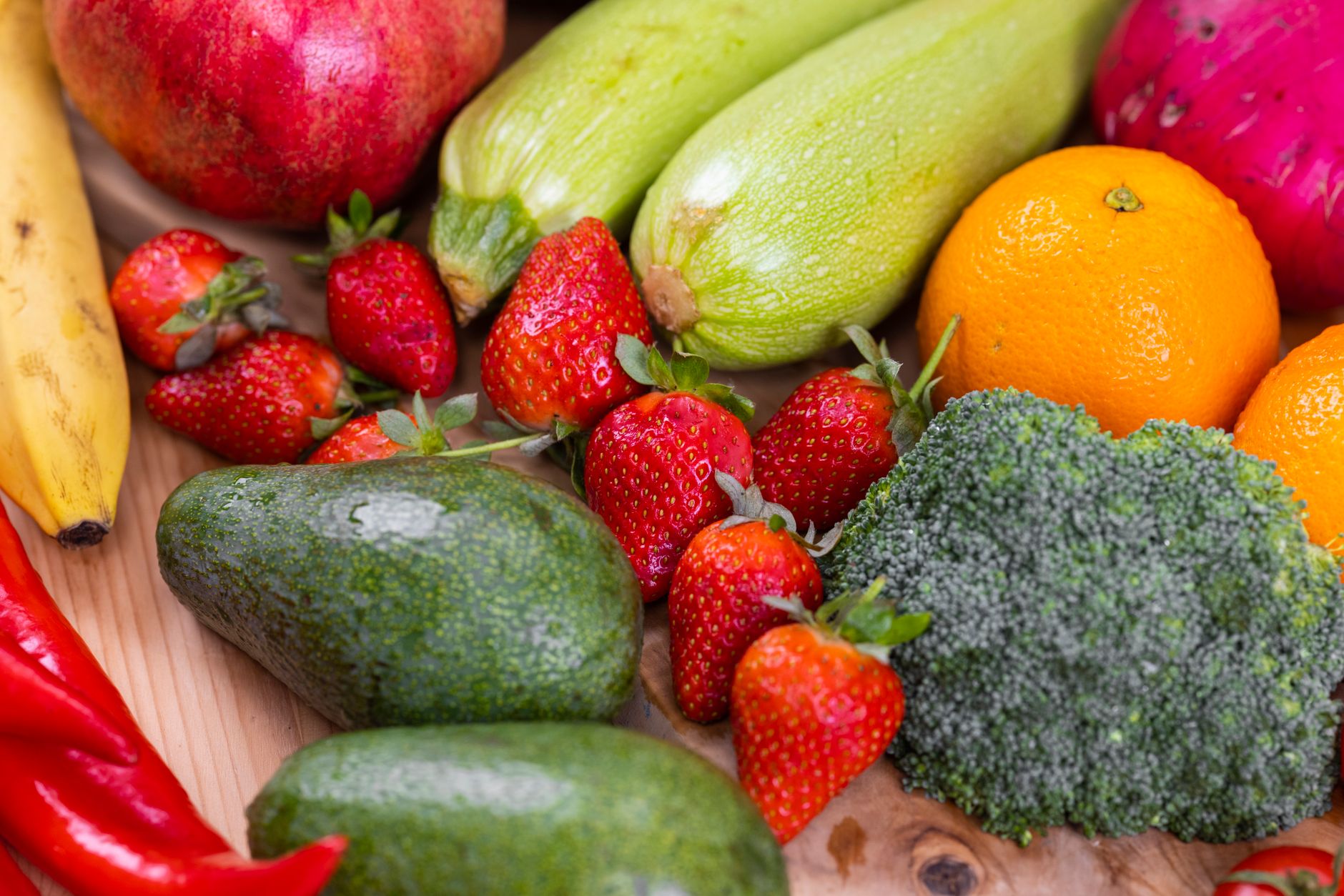
Does Intermittent Fasting Work for Seniors with Diabetes or Thyroid Issues?
Intermittent fasting (IF), which involves cycling between periods of eating and fasting, has gained popularity for weight loss and potential health benefits. However, for seniors, especially those managing chronic conditions like diabetes or thyroid issues, IF requires careful consideration and, most importantly, medical supervision.
Intermittent Fasting and Seniors
While some research suggests IF can offer benefits like improved insulin sensitivity and weight loss, these studies often involve younger, healthier populations. The aging body has different needs and tolerances. For seniors, risks can include:
- Muscle Loss: If not managed carefully with adequate protein intake during eating windows, IF can contribute to muscle loss, which is already a concern for older adults (sarcopenia).
- Dehydration: Older adults are already at higher risk of dehydration, and extended fasting periods can exacerbate this.
- Nutrient Deficiencies: Restricting eating windows can make it harder to consume all necessary nutrients, especially if appetite is already reduced.
- Exacerbation of Chronic Conditions: IF can impact blood sugar levels, medication effectiveness, and overall well-being in unpredictable ways for those with existing health challenges.
Specific Considerations for Diabetes and Thyroid Issues
- Diabetes: For individuals with diabetes, especially those on medications that affect blood sugar (like insulin or sulfonylureas), intermittent fasting can be dangerous. It can lead to hypoglycemia ( dangerously low blood sugar) or, conversely, hyperglycemia (high blood sugar) if medications aren't adjusted correctly. The American Diabetes Association (ADA) generally advises against IF for people with diabetes unless under very strict medical guidance.
- Thyroid Issues: The thyroid gland plays a crucial role in metabolism. While there's no strong evidence that IF directly harms thyroid function, extreme calorie restriction or stress from fasting could potentially impact hormone levels. For those with hypothyroidism, medication timing is critical, and fasting could interfere with absorption. Always consult your endocrinologist before considering IF.
The Verdict: For seniors, particularly those with diabetes or thyroid conditions, intermittent fasting is generally not recommended without close supervision from a doctor or registered dietitian. The potential risks often outweigh the benefits, and there are safer, more sustainable weight loss strategies that don't involve periods of food restriction. If you're interested in structured eating patterns, a healthcare professional can help you explore options that are safe and appropriate for your individual health profile.
How Much Weight Can an 80-Year-Old Safely Lose Per Month Without Muscle Loss?
For an 80-year-old, the primary goal of weight loss should be to improve health and mobility while preserving precious muscle mass. Rapid weight loss in older adults is generally discouraged, as it often leads to a significant loss of muscle and bone density, which can weaken the body, increase the risk of falls, and worsen overall health outcomes.
The safest and most recommended rate of weight loss for older adults is typically **1 to 2 pounds per month**. This slow, gradual approach allows the body to adapt, minimizes muscle loss, and promotes sustainable habits. Losing more than 5 pounds a week, for example, is usually considered unsafe for this age group and can indicate an underlying health issue.
Why Slow and Steady is Best
- Preserves Muscle Mass: As we age, we naturally lose muscle mass (sarcopenia). Rapid weight loss often accelerates this process, reducing strength and increasing frailty. A slower pace allows for adequate protein intake to support muscle.
- Maintains Bone Density: Similar to muscle, bone density can be negatively impacted by quick weight loss, increasing the risk of osteoporosis and fractures.
- Prevents Nutrient Deficiencies: Restrictive diets needed for rapid weight loss can lead to deficiencies in essential vitamins and minerals, which are vital for immune function, energy, and overall health in seniors.
- Reduces Gallstone Risk: Rapid weight loss can increase the risk of gallstone formation.
- Sustainable Habits: Gradual changes are easier to maintain long-term, leading to lasting results rather than a rebound effect.
To support this gentle weight loss, focus on a moderate calorie deficit (around 250-500 calories less than your maintenance needs) combined with a protein-rich diet and gentle strength-building activities. Your healthcare provider or a registered dietitian can help you determine a safe and appropriate calorie target for your specific needs.
What Are the Signs Elderly Weight Loss Is Unhealthy or Dangerous?
While intentional, healthy weight loss can improve quality of life for seniors, unintentional or rapid weight loss can be a significant red flag, signaling an underlying health problem. It's crucial for seniors and their caregivers to recognize the signs of unhealthy weight loss, as timely intervention can prevent serious complications.
The American Academy of Family Physicians (AAFP) defines clinically significant weight loss in older adults as a loss of 5% or more of body weight over 6 to 12 months, or a loss of 10 pounds or more over the same period, without intentional effort. However, any unexplained weight loss should prompt a conversation with a healthcare provider.
Signs of Unhealthy or Dangerous Weight Loss
- Unintentional Weight Loss: Losing weight without trying through diet or exercise.
- Rapid Weight Loss: Losing more than 2 pounds per week for several weeks, or more than 5% of body weight in 1-3 months.
- Loss of Appetite or Early Satiety: Feeling full after eating very little, or having no desire to eat.
- Fatigue and Weakness: Persistent tiredness, lack of energy, or noticeable decrease in strength that isn't explained by activity.
- Muscle Wasting: Visible thinning of arms and legs, or difficulty performing routine tasks due to muscle weakness.
- Changes in Digestion: New or worsening constipation, diarrhea, nausea, or vomiting.
- Swallowing Difficulties: Pain or difficulty swallowing food or liquids (dysphagia).
- Dental Problems: New or worsening tooth pain, gum issues, or ill-fitting dentures that make eating difficult.
- Mood Changes: Increased irritability, depression, or apathy.
- Increased Illness: More frequent infections or slower recovery from illness, indicating a weakened immune system.
Potential Underlying Causes of Unhealthy Weight Loss
Unexplained weight loss can be a symptom of various medical conditions, including:
- Malnutrition: Inadequate intake of calories and nutrients.
- Gastrointestinal Issues: Ulcers, celiac disease, inflammatory bowel disease, or malabsorption.
- Chronic Diseases: Diabetes, kidney disease, heart failure, COPD.
- Thyroid Disorders: Hyperthyroidism (overactive thyroid).
- Cancers: Often an early sign of various cancers.
- Neurological Conditions: Parkinson's disease, dementia (affecting appetite or ability to eat).
- Mental Health Conditions: Depression, anxiety, grief.
- Medication Side Effects: Many medications can cause appetite loss, nausea, or changes in taste.
- Oral/Dental Problems: Difficulty chewing or swallowing due to dental issues.
- Social Factors: Isolation, poverty, difficulty accessing or preparing food.
If you or a loved one notice any of these signs, it's crucial to seek medical attention promptly. Early diagnosis and treatment of the underlying cause can significantly improve outcomes.
Easy Elderly Diet for Weight Loss That Improves Digestion and Reduces Bloating
As we age, digestive issues like bloating, gas, and constipation can become more common, making weight loss efforts feel even more challenging. A diet focused on gentle, digestion-friendly foods can help alleviate these symptoms while supporting healthy weight management. The goal is to choose foods that are easy to digest, promote regularity, and reduce inflammation in the gut.
This approach emphasizes whole, unprocessed foods, adequate fiber, and sufficient hydration, which are beneficial for both weight loss and gut health. Think of it as nourishing your body from the inside out.
Key Principles for Digestive Health and Weight Loss
- High-Fiber, Low-FODMAP (if sensitive): Fiber is essential for digestion, but some high-FODMAP (Fermentable Oligo-, Di-, Mono-saccharides And Polyols) foods can cause bloating in sensitive individuals. Focus on soluble fiber from oats, apples, bananas, and carrots, and insoluble fiber from leafy greens and whole grains. If you suspect FODMAP sensitivity, consult a dietitian before restricting.
- Lean Protein: Easy to digest and crucial for satiety and muscle maintenance. Examples include chicken, fish, eggs, and plain Greek yogurt.
- Probiotic-Rich Foods: Fermented foods like yogurt, kefir, and sauerkraut contain beneficial bacteria that can improve gut health and reduce bloating. Choose plain, unsweetened varieties.
- Adequate Hydration: Water is vital for moving food through the digestive tract and preventing constipation. Herbal teas (ginger, peppermint) can also soothe digestion.
- Cooked Vegetables: While raw vegetables are healthy, cooked vegetables are often easier to digest for seniors, especially those with sensitive stomachs. Steaming, roasting, or boiling can make them more palatable.
- Mindful Eating: Eating slowly and chewing food thoroughly can significantly aid digestion and reduce air swallowing, which contributes to bloating.
Foods to Focus On
- Fruits: Berries, bananas, melon, cooked apples/pears (skin removed if sensitive).
- Vegetables: Cooked spinach, carrots, zucchini, green beans, sweet potatoes, pumpkin.
- Grains: Oats, quinoa, white rice (if whole grains cause discomfort), gluten-free options if sensitive.
- Proteins: Baked or grilled fish, chicken, turkey, eggs, plain Greek yogurt, tofu.
- Healthy Fats: Olive oil, avocado (in moderation), small amounts of nuts/seeds.
Foods to Limit or Avoid for Digestive Comfort
- Cruciferous Vegetables (raw): Broccoli, cabbage, Brussels sprouts can cause gas and bloating for some. Cooked versions may be better tolerated.
- Legumes (in large amounts): Beans, lentils can cause gas due to their fiber content. Introduce slowly and in small portions.
- Carbonated Drinks: Contribute to gas and bloating.
- Artificial Sweeteners: Can cause digestive upset in some individuals.
- Excessive Sodium: Leads to water retention and bloating.
- High-Fat and Fried Foods: Can slow digestion and cause discomfort.
By prioritizing these foods and eating habits, you can support a healthier digestive system while working towards your weight loss goals, feeling lighter and more comfortable in the process.
For some seniors, particularly those who are very active or have certain health conditions, a "high metabolism" might mean they burn calories more quickly, even if their appetite is small. The challenge here is to ensure they get enough nutrients and calories to maintain energy and muscle mass, while still achieving gentle weight loss if needed. It's a delicate balance of nutrient density over sheer volume.
Often, what appears to be a "high metabolism" might actually be inadequate calorie intake leading to unintentional weight loss and muscle wasting. However, if intentional weight loss is desired, the strategy for those with smaller appetites is to maximize the nutritional value of every bite.
Strategies for Optimizing Portions and Nutrient Intake
- Focus on Nutrient-Dense Foods: Every food choice should deliver maximum nutrition for its calorie count. Prioritize lean proteins, healthy fats, and vitamin-rich fruits and vegetables.
- Smaller, More Frequent Meals: Instead of three large meals, aim for 5-6 smaller meals or snacks throughout the day. This can be less overwhelming for a small appetite and keeps metabolism steady.
- Protein at Every Meal: Protein is crucial for maintaining muscle mass and satiety. Even small snacks can include a protein source, like a hard-boiled egg, a small piece of cheese, or a spoonful of nut butter.
- Add Healthy Fats: Healthy fats like avocado, nuts, seeds, and olive oil are calorie-dense and provide essential nutrients without adding much bulk. Drizzle olive oil on vegetables, add avocado to salads, or include a small handful of nuts as a snack.
- Liquid Nutrition: Smoothies can be an excellent way to pack in calories and nutrients without feeling too full. Blend fruits, vegetables, protein powder, and healthy fats (like avocado or chia seeds) with milk or fortified plant-based beverages.
- Fortify Foods: Add extra calories and nutrients to regular foods without increasing volume significantly. Stir dry milk powder into soups or mashed potatoes, add cheese to vegetables, or mix nut butter into oatmeal.
- Prioritize Eating During Peak Appetite: Pay attention to when hunger is strongest and plan the most substantial meal for that time of day.
- Make Meals Visually Appealing: A beautifully presented plate, even with smaller portions, can stimulate appetite.
For instance, instead of a large bowl of plain soup, offer a smaller, creamier soup fortified with protein and a dollop of Greek yogurt. Or, swap a plain piece of toast for whole-grain toast topped with avocado and a poached egg. The goal is to ensure every bite counts towards your nutritional and weight loss goals.
High-Protein, Low-Calorie Foods for Elderly Men
While the principles apply to all seniors, elderly men often have higher protein needs due to greater historical muscle mass. Focusing on high-protein, low-calorie options can help them lose weight while preserving strength:
- Chicken Breast & Turkey: Versatile and lean.
- Fish: Salmon, cod, tuna (canned in water).
- Eggs: A complete protein, easily digestible.
- Greek Yogurt: High in protein, can be used in smoothies or as a snack.
- Cottage Cheese: Another excellent protein source.
- Beans & Lentils: Plant-based protein and fiber.
- Whey Protein Powder: Can be added to smoothies or drinks for an easy protein boost.
Always consult with a healthcare professional or a registered dietitian to create a personalized plan that accounts for individual health status, medication, and specific nutritional needs.
Myth vs. Fact: Elderly Diet for Weight Loss
Navigating weight loss as a senior often means sifting through outdated advice or misconceptions. Let's clear up some common myths:
Myth: Seniors can't lose weight because their metabolism is too slow.
Fact: While metabolism does slow with age, it's not a complete barrier to weight loss. The metabolic slowdown is often linked to a decrease in muscle mass and physical activity. By focusing on adequate protein intake to preserve muscle and incorporating gentle movement, along with a moderate calorie deficit, seniors can absolutely lose weight effectively and safely. It just might happen at a slower pace than in younger years, which is actually healthier.
Myth: Skipping meals, especially dinner, is a good way for seniors to lose weight quickly.
Fact: Skipping meals, particularly for seniors, can be detrimental. It can lead to nutrient deficiencies, muscle loss, and may even cause overeating later due to extreme hunger. For seniors, consistent, smaller, nutrient-dense meals throughout the day are far more effective for maintaining energy, preserving muscle, and promoting healthy weight loss. This approach helps stabilize blood sugar and ensures the body receives a steady supply of essential nutrients.
Myth: All fat is bad and should be eliminated from an elderly weight loss diet.
Fact: Not all fats are created equal. Healthy fats, such as those found in avocados, olive oil, nuts, and fatty fish (like salmon), are crucial for nutrient absorption, hormone production, brain health, and satiety. Eliminating all fats can lead to deficiencies and make you feel less satisfied, potentially leading to cravings for unhealthy foods. The key is to choose healthy, unsaturated fats in moderation, while limiting saturated and avoiding trans fats.
Key Takeaways
- Prioritize slow and steady weight loss (1-2 pounds per month) to preserve muscle and bone density.
- Focus on nutrient-dense foods: lean protein, fiber-rich vegetables, fruits, and whole grains.
- Weight loss is achievable without intense exercise; dietary changes and gentle movement are key.
- Hydration is crucial for satiety, metabolism, and digestion.
- Unexplained or rapid weight loss can be dangerous; consult a doctor immediately if this occurs.
- Adjust portion sizes for smaller appetites by focusing on nutrient-dense, calorie-efficient foods.
- Avoid restrictive diets like intermittent fasting unless under strict medical supervision, especially with chronic conditions.
Frequently Asked Questions About Elderly Weight Loss
Is it safe for elderly people to lose more than 5 pounds a week?
No, losing more than 5 pounds a week is generally considered unsafe for elderly individuals. Rapid weight loss in seniors often leads to significant loss of muscle mass, bone density, and can increase the risk of nutrient deficiencies, dehydration, and other health complications. A safer and more sustainable rate is 1 to 2 pounds per month to protect overall health and well-being.
What are the best snacks for seniors trying to lose weight without feeling hungry?
The best snacks for seniors aiming for weight loss are those that combine protein and fiber to promote fullness. Examples include a small handful of almonds or walnuts, Greek yogurt with a few berries, a hard-boiled egg, apple slices with a tablespoon of peanut butter, cottage cheese, or vegetable sticks with hummus. These options provide sustained energy and help curb cravings.
Aging naturally slows metabolism, primarily due to a decrease in muscle mass and often reduced physical activity. To compensate, seniors can focus on strength-building exercises (even gentle ones) to preserve or build muscle, which is more metabolically active than fat. Additionally, prioritizing protein intake and making smart, nutrient-dense food choices can help create a calorie deficit more effectively.
Are there any foods that help seniors burn fat while they sleep?
While no single food can magically "burn fat while you sleep," certain foods can support a healthy metabolism and fat-burning environment. Foods rich in lean protein (like turkey or cottage cheese before bed) can help with muscle repair and satiety. Green tea, consumed earlier in the day, contains catechins that may boost metabolism. Ultimately, consistent healthy eating throughout the day is more impactful than any single "nighttime fat-burner."
What are the risks of rapid weight loss in elderly individuals with heart conditions?
Rapid weight loss in elderly individuals with heart conditions carries significant risks, including electrolyte imbalances, dehydration, exacerbation of arrhythmias, and increased strain on the heart. It can also lead to a loss of vital muscle mass, including heart muscle. For those with heart conditions, any weight loss plan should be slow, gradual, and closely monitored by a cardiologist and healthcare team to ensure safety.
How can family members support an elderly loved one in their weight loss journey?
Family members can support an elderly loved one by offering encouragement, helping with meal planning and grocery shopping for healthy options, and finding enjoyable, gentle activities to do together. Focus on positive reinforcement rather than criticism. Ensure the home environment supports healthy choices, and most importantly, advocate for and attend medical appointments to ensure any weight loss plan is safe and appropriate for their health.
When to See a Doctor or Specialist
Embarking on a weight loss journey as a senior is a significant step, and it's essential to do so safely and under professional guidance. While this article provides general information, it is not a substitute for personalized medical advice.
You should always consult your primary care physician or a registered dietitian before starting any new diet or exercise regimen, especially if you:
- Are over 65 years old.
- Have any chronic health conditions such as diabetes, heart disease, thyroid disorders, kidney disease, or arthritis.
- Are taking multiple medications, as diet changes can impact their effectiveness or side effects.
- Have experienced unintentional or rapid weight loss.
- Are struggling with a reduced appetite, persistent fatigue, or digestive issues.
- Have concerns about muscle loss or weakness.
Your doctor can assess your overall health, identify any underlying conditions, and help you create a safe and effective weight loss plan tailored to your specific needs. A registered dietitian can provide personalized meal plans and nutritional guidance to ensure you meet your dietary requirements while losing weight safely.
References
- Centers for Disease Control and Prevention (CDC). Healthy Weight, Nutrition, and Physical Activity. https://www.cdc.gov/healthyweight/index.html
- National Institute of Diabetes and Digestive and Kidney Diseases (NIDDK). Weight Management for Older Adults. https://www.niddk.nih.gov/health-information/weight-management/adult-overweight-obesity/weight-management-older-adults
- American Heart Association (AHA). Healthy Eating for Older Adults. https://www.heart.org/en/healthy-living/healthy-eating/eat-smart/nutrition-basics/healthy-eating-for-older-adults
- Academy of Nutrition and Dietetics. Nutrition for Older Adults. https://www.eatright.org/health/lifestyle/aging/nutrition-for-older-adults
- Mayo Clinic. Weight loss: What's a healthy pace? https://www.mayoclinic.org/healthy-lifestyle/weight-loss/in-depth/weight-loss/art-20047752
- American Diabetes Association (ADA). Intermittent Fasting and Diabetes. https://diabetes.org/healthy-living/weight-loss/intermittent-fasting-and-diabetes
- American Academy of Family Physicians (AAFP). Unintentional Weight Loss. https://www.aafp.org/pubs/afp/issues/2012/0301/p442.html




