

Quick take: A nutritious elderly diet prioritizes soft, easy-to-chew foods rich in protein, fiber, calcium, vitamin D, and B12. Focus on lean meats, leafy greens, fatty fish, fortified dairy alternatives, and hydrating fruits like melons. For budget-friendly meals, batch-cook grains and legumes, and use frozen veggies. Always adjust portion sizes to appetite and mobility — and never force meals if picky eating is an issue.Elderly Diet Food List for Beginners: The Complete 2026 Guide
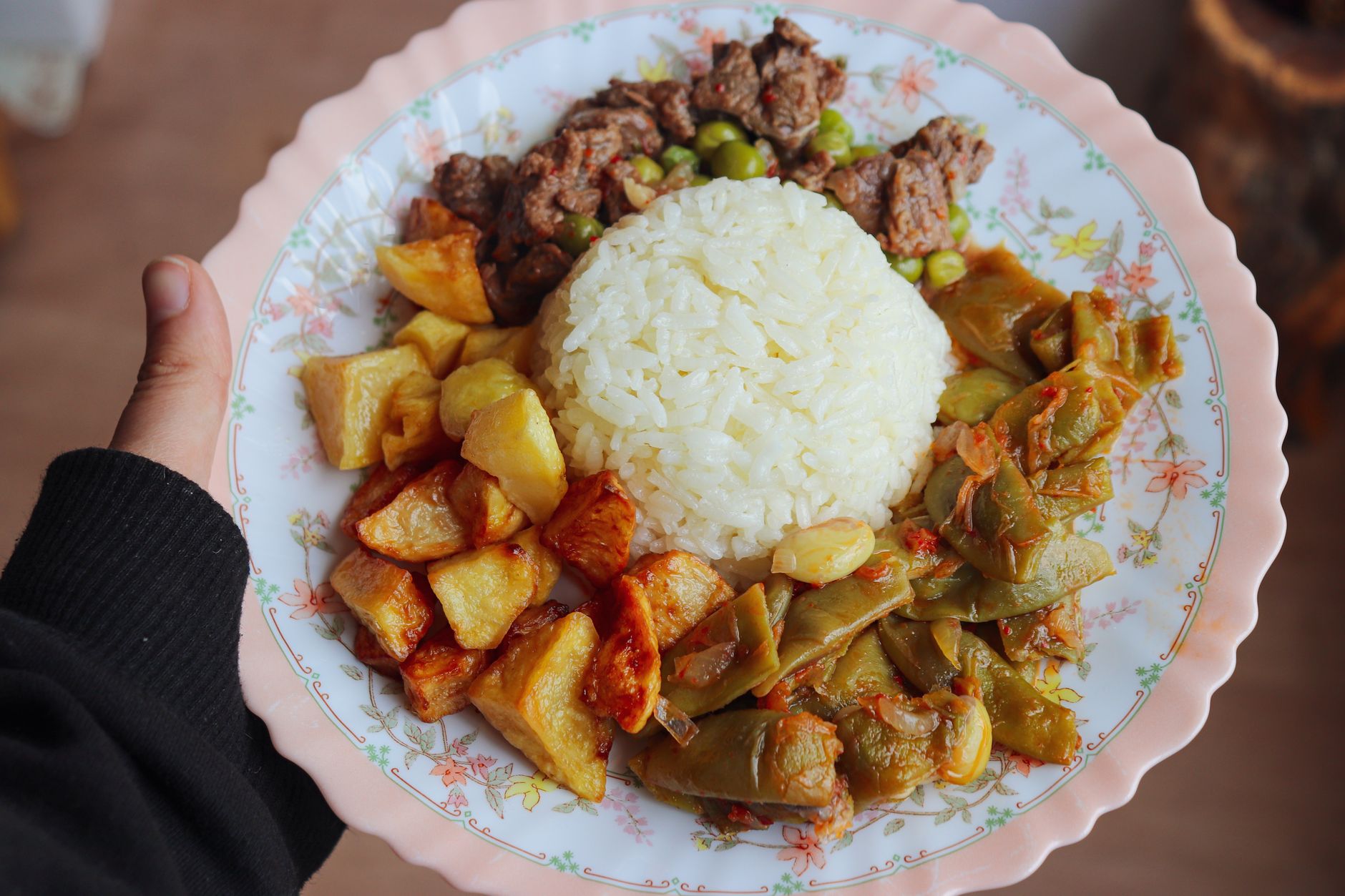
It was 3:17 AM when Maria noticed the first crack in her mother’s routine. For decades, her mother had eaten the same breakfast—scrambled eggs, whole-grain toast, and black coffee—every single morning. But this time, the eggs were left untouched on the plate. Instead, she’d picked at a bowl of plain yogurt, sighing over the spoon. "I just can’t swallow them like I used to," her mother admitted, her voice softer than Maria had heard it in years. That was the moment Maria realized: her mother’s diet wasn’t just about what she ate anymore. It was about how she ate.
Age changes how our bodies process food—digestion slows, taste buds dull, and energy levels fluctuate. But the good news? With the right foods and small, thoughtful adjustments, seniors can maintain strength, mobility, and even joy in their meals. This guide breaks down the essential foods, simple meal plans, and practical tips to support an elderly diet—whether you're cooking for yourself, a parent, or a partner. We’ll cover everything from high-protein soft foods to budget-friendly staples, and even how to sneak in nutrients when appetite wanes.
If you’ve ever stood in the grocery store aisle, staring at the shelves of protein bars and wondering which ones are actually safe for someone with weak digestion, or if you’ve ever watched a loved one struggle to finish a meal only to realize they’re missing key nutrients, this guide is for you. Let’s start with the basics.
--- ## **What Are the Best Foods for Elderly People with Weak Digestion to Improve Appetite?**Weak digestion is one of the most common challenges for seniors, often caused by slower metabolism, medication side effects, or conditions like IBS or GERD. The key is choosing foods that are easy to digest, nutrient-dense, and gentle on the stomach—while still being appetizing. Many seniors lose interest in food simply because it’s too difficult to eat. The solution? Focus on soft textures, mild flavors, and foods that require minimal chewing.
One reader, John (78), shared how his appetite improved after switching from dry toast to mashed avocado on whole-grain toast. "I used to push my food around my plate," he said. "Now I finish everything." His secret? Healthy fats like avocado and olive oil help stimulate appetite and make nutrients easier to absorb.
Top foods for weak digestion:
- Soft proteins: Poached eggs, shredded chicken, ground turkey, canned tuna (in water), or silken tofu.
- Easy-to-digest carbs: Oatmeal, white rice, plain pasta, or soft-cooked potatoes.
- Gentle veggies: Steamed carrots, zucchini, spinach (blended into smoothies), or roasted sweet potatoes.
- Probiotic-rich foods: Plain yogurt (unsweetened), kefir, or fermented foods like miso soup.
- Hydrating fruits: Bananas, papaya, mango, or watermelon (all high in water content).
If someone is avoiding dairy due to lactose intolerance, consider fortified dairy alternatives like unsweetened almond milk with added calcium and vitamin D. For those with diabetes or high blood pressure, opt for low-sodium broths and herbs like basil or parsley to add flavor without salt.
Pro tip: If chewing is difficult, blend foods into smoothies or soups. A classic example is a spinach, banana, and Greek yogurt smoothie—packed with protein, fiber, and vitamins. For inspiration, check out our easy dairy-free diet guide for more soft-food ideas.
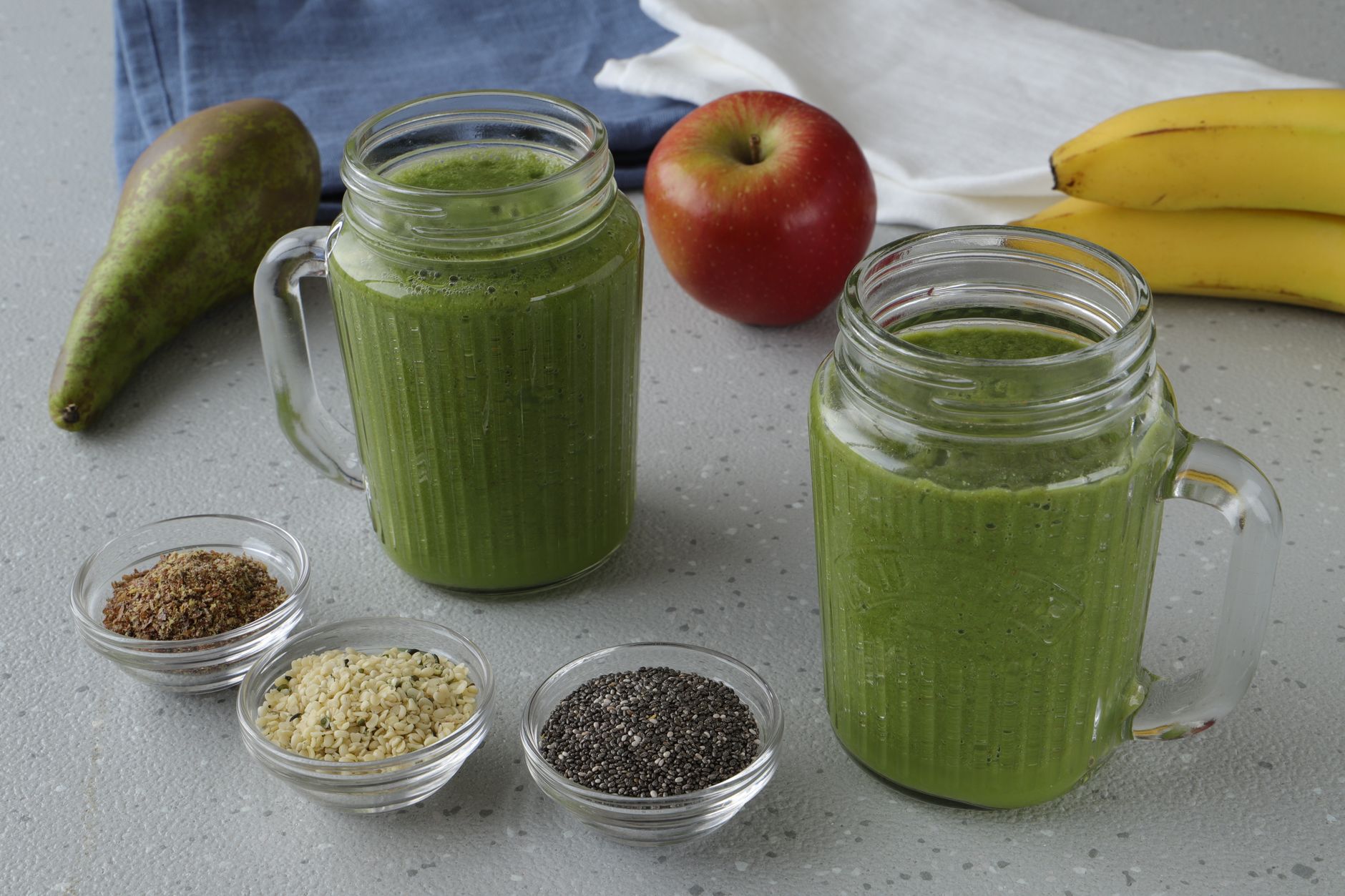
Budget constraints don’t have to mean nutrient deficiencies. The secret is pantry staples, batch cooking, and cost-effective protein sources like eggs, beans, and frozen fish. Many seniors also benefit from small, frequent meals rather than three large ones, as appetite often fluctuates.
Linda, a caregiver for her 82-year-old father, transformed their meals by following this rule: "Buy in bulk what doesn’t spoil, and use frozen or canned veggies when fresh isn’t an option." Her go-to budget meals include:
- Breakfast: Scrambled eggs with sautéed spinach (frozen) and whole-wheat toast.
- Lunch: Lentil soup with a side of whole-grain crackers and a small apple.
- Dinner: Baked chicken thighs with roasted carrots and mashed potatoes (made with canned chickpeas for extra protein).
- Snacks: Cottage cheese with pineapple chunks or a handful of mixed nuts.
For a 7-day budget meal plan, prioritize these affordable, high-nutrient foods:
| Food Group | Budget-Friendly Picks | Nutritional Benefits |
|---|---|---|
| Protein | Eggs, canned tuna, lentils, chicken thighs, tofu | Supports muscle maintenance and immune function |
| Carbs | Oats, brown rice, whole-wheat pasta, potatoes | Provides sustained energy without spiking blood sugar |
| Veggies | Frozen spinach, carrots, sweet potatoes, cabbage | Rich in fiber, vitamins A and C, and antioxidants |
| Fruits | Bananas, apples, oranges, frozen berries | High in hydration and vitamin C for immunity |
| Dairy Alternatives | Fortified unsweetened almond milk, Greek yogurt | Calcium and vitamin D for bone health |
Pro tip: Use frozen meals strategically. Many frozen veggie mixes and pre-cooked grains (like quinoa) are just as nutritious as fresh and save time. For more ideas, explore our DASH diet guide, which emphasizes affordable, heart-healthy staples.
--- ## **Which Nutrients Are Most Critical for Elderly Women Who Are Pregnant or Postpartum?**Pregnancy and postpartum care for elderly women requires extra attention to folate, iron, calcium, and omega-3s. Many women over 50 experience hormonal shifts that affect nutrient absorption, making it even more important to plan meals carefully. For example, folate (found in leafy greens and fortified grains) is crucial for preventing neural tube defects in a developing baby, while iron (from lean meats and lentils) helps combat fatigue.
Dr. Elena Rodriguez, a maternal-fetal medicine specialist, notes that vitamin D and calcium are often deficient in older pregnant women, increasing the risk of osteoporosis. "Many seniors don’t get enough sunlight exposure, and their bodies absorb less calcium as they age," she explains. Her recommendation? Fortified plant milks (like soy or almond milk with added calcium) and small, frequent calcium-rich snacks like cheese cubes or almonds.
Key nutrients and food sources:
- Folate: Spinach, lentils, avocado, fortified cereals.
- Iron: Lean beef, clams, pumpkin seeds, dark leafy greens.
- Calcium: Fortified plant milks, sardines, kale, almonds.
- Omega-3s: Wild salmon, chia seeds, walnuts, flaxseeds.
- Protein: Eggs, Greek yogurt, tofu, chickpeas.
- Vitamin D: Mushrooms (exposed to sunlight), fatty fish, fortified orange juice.
If appetite is low, smoothies become a lifesaver. Blend Greek yogurt, spinach, banana, and chia seeds for a meal that’s easy to digest and packed with nutrients. For more postpartum nutrition tips, check out our AIP diet guide for anti-inflammatory meal ideas.
--- ## **What Are the Signs a Senior’s Diet Is Lacking in Essential Vitamins and Minerals?**Many seniors don’t realize they’re missing key nutrients until symptoms creep in—like fatigue, brittle nails, or frequent infections. Here’s what to watch for:
- Vitamin B12 deficiency: Numbness or tingling in hands/feet, memory issues, or pale skin.
- Calcium deficiency: Muscle cramps, weak bones, or frequent fractures.
- Vitamin D deficiency: Bone pain, frequent illnesses, or depression.
- Iron deficiency: Extreme fatigue, pale gums, or shortness of breath.
- Magnesium deficiency: Muscle twitches, insomnia, or anxiety.
If you notice these signs, a blood test can confirm deficiencies. In the meantime, food-based fixes can help:
- For B12: Eggs, clams, fortified nutritional yeast, or a B12 supplement (if diet alone isn’t enough).
- For calcium: Sardines (with bones), fortified plant milks, or leafy greens.
- For vitamin D: Fatty fish, egg yolks, or a daily supplement (especially in winter).
- For iron: Red meat, lentils, or pumpkin seeds (pair with vitamin C for better absorption).
- For magnesium: Dark chocolate, almonds, or spinach.
Pro tip: If someone is avoiding meat, focus on plant-based iron sources like lentils and quinoa, but pair them with vitamin C-rich foods (like bell peppers or citrus) to boost absorption. For more plant-based meal ideas, see our autism diet guide for similar nutrient-dense strategies.
--- ## **How to Modify Meals for Elderly Individuals with Diabetes or High Blood Pressure**Managing diabetes or hypertension in seniors requires low-sodium, high-fiber, and balanced-carb meals. The goal is to keep blood sugar stable and blood pressure in check without sacrificing flavor or enjoyment. Small tweaks make a big difference:
- Use herbs and spices instead of salt: Garlic, basil, turmeric, and black pepper add flavor without sodium.
- Choose whole grains over refined carbs: Brown rice, quinoa, and whole-wheat bread help regulate blood sugar.
- Opt for lean proteins: Skinless chicken, turkey, fish, and tofu keep meals heart-healthy.
- Limit processed foods: Canned soups, deli meats, and frozen meals often contain hidden salt.
- Portion control is key: Use smaller plates and measure servings to avoid overeating.
For a sample diabetic-friendly meal:
- Breakfast: Scrambled eggs with sautéed mushrooms and whole-grain toast.
- Lunch: Grilled chicken salad with mixed greens, cherry tomatoes, cucumber, and balsamic vinegar dressing.
- Dinner: Baked salmon with quinoa and steamed broccoli.
- Snack: A small handful of almonds and an apple.
Pro tip: If someone enjoys flavorful meals but needs to cut back on salt, try low-sodium broths or herb-infused olive oil. For more hypertension-friendly recipes, our DASH diet guide is a fantastic resource.
--- ## **What Are the Easiest High-Protein Foods for Seniors Who Struggle with Chewing or Swallowing?**Protein is essential for muscle maintenance, immune function, and wound healing, but many seniors avoid it due to difficulty chewing. The solution? Soft, easy-to-swallow proteins that still deliver nutrients. Here are the best options:
- Poached or scrambled eggs: Soft and easy to chew, with all nine essential amino acids.
- Canned tuna or salmon (in water): Drain well and mix into mashed potatoes or soups.
- Silken tofu: Blends easily into smoothies or stir-fries.
- Shredded chicken or turkey: Cook until tender and use in soups, casseroles, or salads.
- Greek yogurt or cottage cheese: High in protein and calcium, great for snacks or dessert.
- Lentils or split peas (cooked until mushy): Blend into soups or mashed into "meatless meatballs."
- Hummus or bean dips: Spread on soft bread or use as a dip for veggie sticks.
For those who avoid dairy, edamame or tempeh are excellent plant-based protein sources. If swallowing is particularly difficult, protein shakes (made with whey or plant-based protein powder) can help meet daily needs.
Pro tip: If someone is resistant to new foods, start with familiar flavors. For example, blend chicken into mac and cheese or mix lentils into spaghetti sauce. For more soft-food ideas, our Crohn’s diet guide offers similar gentle protein sources.
--- ## **The Easiest Foods to Cook for Elderly People with Arthritis or Limited Mobility**Arthritis and limited mobility can make meal prep feel overwhelming, but simple, one-pot meals and pre-cut ingredients can make cooking accessible. The key is minimal prep, minimal cleanup—and no standing for long periods.
Here are five foolproof meals for limited mobility:
- Microwave quinoa bowl: Cook quinoa in the microwave, then mix with canned black beans, pre-chopped bell peppers, and a sprinkle of cheese.
- Sheet-pan dinner: Toss pre-cut veggies (zucchini, carrots, potatoes) with olive oil and herbs, then bake at 400°F for 20 minutes.
- Slow-cooker chili: Add canned beans, ground turkey, diced tomatoes, and spices to the slow cooker in the morning. Serve with soft tortillas.
- Omelet in a mug: Whisk eggs with cheese and pre-shredded spinach, then microwave for 1–2 minutes.
- Frozen pizza with a twist: Top a frozen pizza with steamed broccoli and a sprinkle of Parmesan for extra nutrients.
Pro tip: Use pre-cut veggies and pre-cooked grains to save time. Many grocery stores now offer pre-washed greens and pre-peeled fruits, which can be a lifesaver. For more arthritis-friendly meal ideas, check out our dairy-free diet guide for similar no-fuss recipes.
--- ## **Best Snacks for Seniors to Prevent Nighttime Hunger and Improve Sleep Quality**Nighttime hunger is common in seniors, often due to medication schedules, appetite fluctuations, or poor daytime eating habits. The goal is to choose light, easily digestible snacks that won’t disrupt sleep. Avoid heavy, greasy, or sugary foods, which can cause discomfort or energy crashes.
Here are top sleep-friendly snacks:
- Banana with almond butter: Natural sugars provide energy without spiking blood sugar.
- Greek yogurt with honey: Protein and healthy fats keep you full overnight.
- Handful of walnuts or almonds: Healthy fats support brain function and satiety.
- Herbal tea with a small piece of dark chocolate (70%+ cocoa): Magnesium in dark chocolate promotes relaxation.
- Cottage cheese with pineapple: Casein protein digests slowly, preventing hunger pangs.
- Warm chamomile tea with a slice of whole-grain toast: Gentle on the stomach and soothing.
Pro tip: If someone wakes up thirsty at night, keep a glass of water by the bed. Dehydration can mimic hunger. For more sleep-supportive snacks, see our autism diet guide for similar gentle, nutrient-dense options.
--- ## **How to Balance Hydration and Diet for Elderly Individuals on Blood Thinners**Blood thinners like warfarin or aspirin require careful attention to vitamin K intake, as too much or too little can affect medication effectiveness. While hydration is crucial for overall health, overhydration can dilute blood thinners, while dehydration can thicken blood. The balance is delicate, but manageable with mindful planning.
Key guidelines:
- Stay hydrated but not overhydrated: Aim for 6–8 cups of water daily, adjusting based on activity level and climate.
- Monitor vitamin K: Vitamin K-rich foods (like leafy greens, broccoli, and Brussels sprouts) should be consistent in portion to avoid fluctuations in blood thinning.
- Avoid excessive alcohol: Alcohol can interfere with blood thinner absorption and increase dehydration risk.
- Check with your doctor before changing medications: Some supplements (like ginger or garlic) can interact with blood thinners.
For a balanced day of hydration and nutrition:
- Morning: Herbal tea with a small piece of toast.
- Midday: Water with a squeeze of lemon and a handful of almonds.
- Evening: Warm chamomile tea with a small bowl of cottage cheese.
Pro tip: If someone is on multiple medications, keep a medication log to track hydration and food intake. For more blood-thinner-friendly meal ideas, consult your healthcare provider or a registered dietitian.
--- ## **What Are the Healthiest Frozen Meals for Seniors with Low Energy Levels?**Frozen meals can be a godsend for seniors with low energy, but not all are created equal. The best options are low in sodium, high in protein and fiber, and easy to reheat. Look for meals with:
- Whole grains (quinoa, brown rice, whole-wheat pasta) for sustained energy.
- Lean proteins (chicken, turkey, fish, or beans) to support muscle health.
- Veggies (spinach, carrots, peas) for vitamins and fiber.
- Minimal added salt and sugar to avoid blood pressure spikes.
Top healthiest frozen meal brands for seniors:
| Brand | Best For | Key Features |
|---|---|---|
| Amy’s Kitchen | Heart-healthy | Organic, low-sodium, veggie-packed options |
| Taste Buds | Diabetic-friendly | Low-carb, high-protein, no added sugar |
| Good & Gather | Budget-friendly | Affordable, familiar flavors, balanced macros |
| Fresh & Easy | Muscle maintenance | High-protein, low-sodium, Mediterranean-style |
Pro tip: If reheating frozen meals feels like a hassle, microwave-safe containers and pre-portioned sides (like steamed veggies) can make it easier. For more low-energy meal ideas, our AIP diet guide offers similar nutrient-dense, easy-prep options.
--- ## **How to Involve Elderly Parents in Meal Prep to Encourage Better Nutrition**Involving seniors in meal prep can boost their confidence, improve nutrition, and strengthen family bonds. The key is to assign tasks based on their abilities—whether it’s washing veggies, stirring ingredients, or setting the table. Even small contributions can make meals feel more meaningful.
Here’s how to get started:
- Start small: Let them choose one ingredient for the week (e.g., "What’s your favorite fruit to add to smoothies?").
- Use adaptive tools: Ergonomic utensils, non-slip cutting boards, and easy-grip can openers make prep safer.
- Turn it into a routine: Cook together on Sundays for the week ahead. Many seniors enjoy the ritual of meal prep.
- Celebrate their contributions: Acknowledge their role—even if it’s just "Thanks for stirring the soup!"
- Make it fun: Play music, tell stories, or let them decorate their plate with herbs or toppings.
Pro tip: If mobility is limited, pre-cut ingredients and let them assemble meals. For example, pre-chop veggies and let them arrange them on a plate. For more adaptive cooking tips, our dairy-free diet guide includes similar accessibility-focused strategies.
--- ## **Diet Tips for Elderly Men to Maintain Muscle Mass and Bone Density**As men age, muscle loss (sarcopenia) and bone density decline become major concerns. The solution? A diet rich in protein, calcium, vitamin D, and weight-bearing exercises. However, many seniors struggle to eat enough protein due to decreased appetite or difficulty chewing.
Here’s how to support muscle and bone health:
- Prioritize protein at every meal: Aim for 15–25 grams per meal, using soft proteins like eggs, Greek yogurt, or canned fish.
- Include calcium-rich foods daily: Fortified plant milks, sardines, leafy greens, and almonds.
- Get enough vitamin D: Fatty fish, egg yolks, or a supplement (especially in winter).
- Strengthen bones with weight-bearing activities: Walking, resistance training, or even standing while brushing teeth.
- Avoid excessive alcohol and caffeine: Both can interfere with calcium absorption.
For a sample muscle-bone diet plan:
- Breakfast: Scrambled eggs with sautéed spinach and whole-grain toast.
- Lunch: Grilled salmon with quinoa and steamed broccoli.
- Dinner: Lentil soup with a side of cottage cheese and an apple.
- Snacks: Handful of almonds and a glass of fortified orange juice.
Pro tip: If someone is resistant to new foods, mix protein into familiar dishes. For example, blend Greek yogurt into mashed potatoes or stir lentils into chili. For more muscle-supportive meal ideas, see our DASH diet guide for similar high-protein, bone-friendly recipes.
--- ## **Myth vs. Fact: Elderly Diet Misconceptions**Let’s clear up some common myths about elderly nutrition:
Myth: "Seniors don’t need as many calories as younger adults." Fact: While metabolism slows, nutrient needs often stay the same. Focus on nutrient density (calories from whole foods) rather than just calorie count. Myth: "Elderly people should avoid fat entirely." Fact: Healthy fats (like olive oil, avocado, and fatty fish) are essential for brain health and nutrient absorption. The key is moderation. Myth: "Seniors can’t digest fiber." Fact: Soluble fiber (found in oats, apples, and beans) is easier to digest than insoluble fiber (whole wheat, nuts). Start with small amounts and increase gradually. Myth: "Supplements replace a balanced diet." Fact: Supplements can help fill gaps, but whole foods provide a broader range of nutrients. Always consult a doctor before starting new supplements. --- ## **Key Takeaways for an Elderly Diet**Here’s a quick recap of the most important tips:
- Prioritize soft, easy-to-chew foods if digestion is weak.
- Focus on high-protein, nutrient-dense meals to support muscle and bone health.
- Hydrate consistently, but avoid overhydration if on blood thinners.
- Involve seniors in meal prep to encourage better eating habits.
- Watch for signs of nutrient deficiencies (fatigue, brittle nails, etc.) and adjust diets accordingly.
- Use frozen and pre-cut foods strategically to save time and effort.
- Balance flavor with health—herbs, spices, and citrus can replace salt.
What are the worst foods to feed an elderly person with dementia or memory loss?
Foods that are highly processed, overly sweet, or difficult to chew (like hard candies, chips, or tough meats) can be risky. Instead, opt for soft, familiar foods like scrambled eggs, yogurt, or mashed potatoes. Avoid choking hazards like whole nuts or large chunks of meat. If someone is resistant to new foods, stick to their preferred flavors and textures.
How can I make sure my elderly parent is getting enough fiber in their diet?
Add fiber gradually to avoid bloating. Start with soluble fiber sources like oats, applesauce, or bananas. For insoluble fiber (important for digestion), try steamed veggies, prunes, or whole-grain bread. If they struggle with chewing, blend fiber into smoothies or soups. Aim for 25–30 grams of fiber daily, but increase slowly.
Are there any foods that can help reduce inflammation in elderly joints?
Yes! Omega-3-rich foods (salmon, walnuts, flaxseeds), antioxidant-packed fruits (berries, oranges), and leafy greens (spinach, kale) can help reduce joint inflammation. Turmeric and ginger (in moderation) also have anti-inflammatory properties. For more anti-inflammatory meal ideas, check out our AIP diet guide.
What’s the best way to introduce new foods to a picky elderly person?
Start with familiar flavors and gradually introduce new textures. For example, if they like spaghetti, blend lentils into the sauce. Offer small portions and praise their effort ("You tried it—great job!"). Avoid pressure; sometimes it takes 10–15 tries before someone accepts a new food. Involve them in the cooking process to build curiosity.
Can elderly individuals on a low-sodium diet still enjoy flavorful meals?
Absolutely! Use herbs (basil, oregano, thyme), citrus (lemon, lime), garlic, and spices (paprika, cumin) instead of salt. Try low-sodium broths or herb-infused olive oil. For more flavorful low-sodium ideas, our DASH diet guide has delicious, sodium-conscious recipes.


