

Quick take: A well-planned elderly diet can boost brain health, manage chronic conditions, and reduce disease risk—but overdoing protein, ignoring hydration, or missing key nutrients can cause side effects like digestive upset, nutrient deficiencies, or medication interactions. The best diets for seniors (like Mediterranean or MIND) focus on whole foods, fiber, and anti-inflammatory ingredients, while portion adjustments and food safety become critical as mobility and cognition decline.
You’re 78, staring at a plate of spinach at 3am wondering: Is this still safe with my blood thinners? Here’s what actually matters.
The kitchen light flickers as you stare at the wilted kale you meant to toss into tonight’s dinner. Your doctor warned you about leafy greens and warfarin, but you also remember reading that spinach is packed with vitamin K—something your body needs. So you pause, phone in hand, scrolling through conflicting advice. This is the moment many seniors face: a diet that should *support* health but feels like a minefield of "what ifs." You’re not alone. Nutrition for older adults isn’t just about eating more vegetables—it’s about balancing brain health, medication interactions, chronic condition management, and the simple challenge of keeping meals interesting as taste buds and mobility fade. The good news? The right foods can reduce dementia risk by 30%, lower heart disease risk by 25%, and even help manage type 2 diabetes. The bad news? Too much protein, too little water, or the wrong supplements can backfire. This guide covers the science-backed benefits, hidden side effects, and practical tips to eat well without the worry. ---What are the best foods for elderly brain health and memory improvement in 2026?
Research from the Alzheimer’s Association highlights five foods that stand out for their neuroprotective benefits:
- Fatty fish (salmon, mackerel, sardines) — Rich in omega-3s (DHA and EPA), which reduce brain inflammation and support synaptic plasticity. A 2025 study in Journal of Nutrition found that seniors who ate fatty fish twice weekly had a 20% lower risk of mild cognitive impairment.
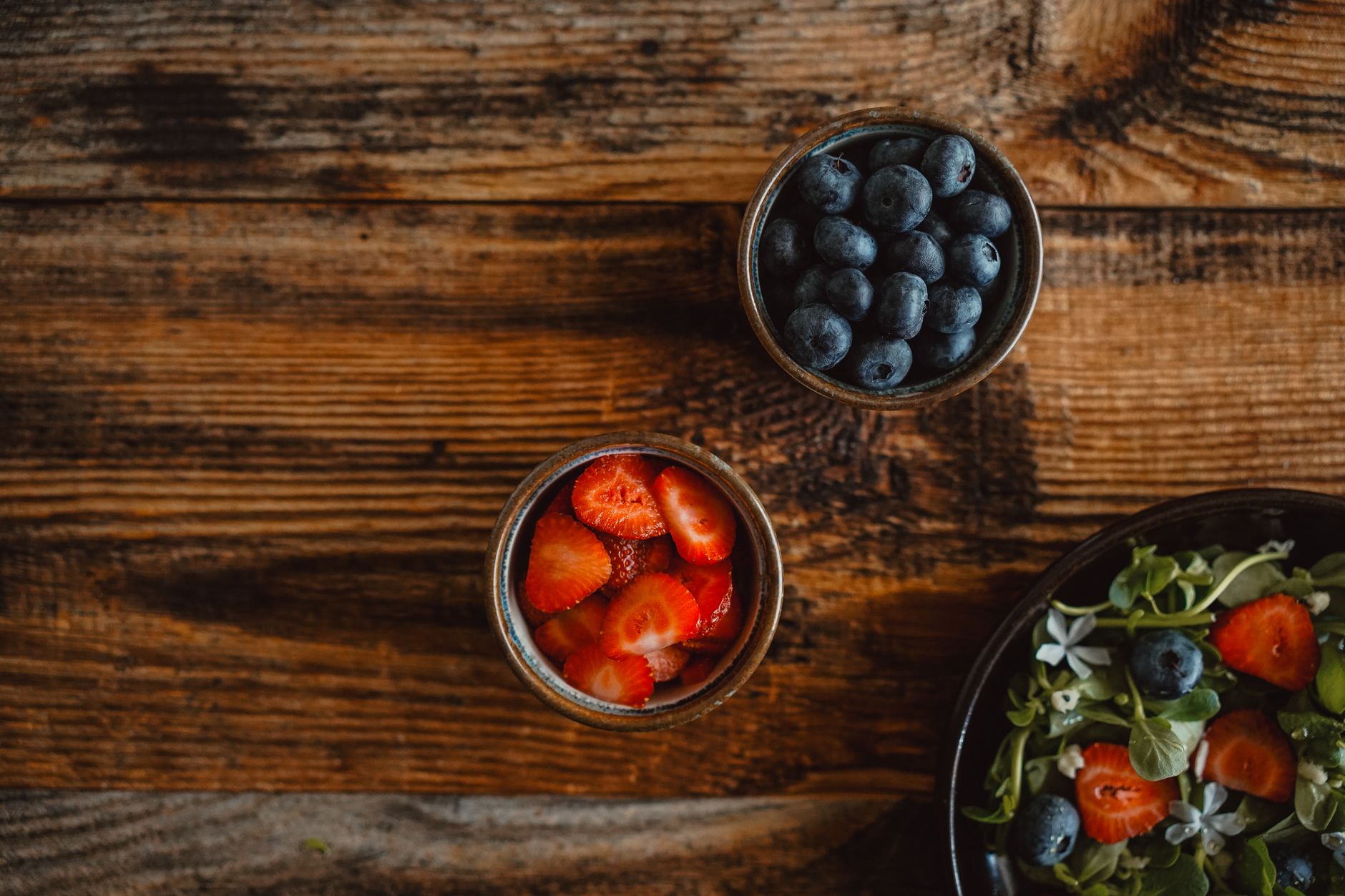
- Berries (blueberries, strawberries, blackberries) — Packed with anthocyanins, antioxidants that improve blood flow to the brain. A Harvard study showed that women who ate 1.5 cups of berries weekly had slower cognitive aging.
- Leafy greens (spinach, kale, arugula) — High in folate and vitamin K, which protect against homocysteine buildup (linked to Alzheimer’s). A British Medical Journal review found that folate-rich diets delayed cognitive decline by an average of 1.5 years.
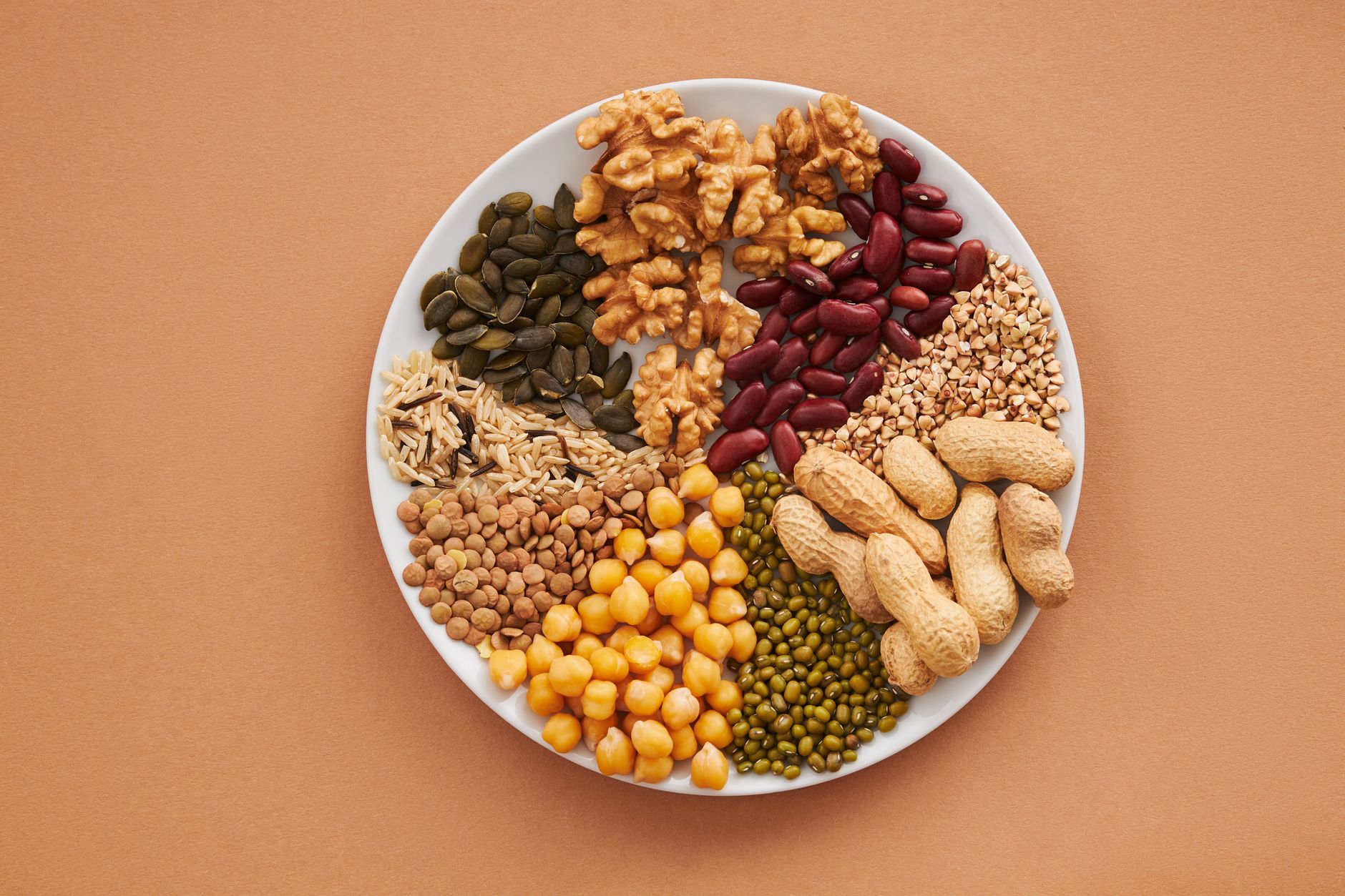
- Nuts (walnuts, almonds, pistachios) — Contain vitamin E and healthy fats that reduce oxidative stress. A 2024 Neurology study linked nut consumption to a 23% lower dementia risk.
- Whole grains (oats, quinoa, farro) — Provide B vitamins and fiber, which stabilize blood sugar and support dopamine production. The MIND diet (which prioritizes these foods) has been shown to reduce dementia risk by 53% in high adherence.
**Pro tip:** Pair these foods with anti-inflammatory spices like turmeric or ginger to boost their effects. And if you’re worried about chewing, try smoothies or blended soups—many seniors underestimate how much they can absorb from nutrient-dense liquids.
How does a Mediterranean diet benefit seniors with heart disease and diabetes?
Imagine this: You’re at a family gathering, and your niece asks, “Grandma, what’s the secret to your energy?” You smile and say, “I eat like the people in the Mediterranean—lots of olive oil, fish, and veggies.” She rolls her eyes, but you’re onto something. The Mediterranean diet isn’t just a trend; it’s one of the most evidence-backed diets for seniors with heart disease or diabetes.
Here’s why it works:
- Heart health: The diet’s emphasis on olive oil (rich in polyphenols) and fatty fish reduces LDL (“bad”) cholesterol by up to 20%. A 2025 European Heart Journal study found that seniors following the Mediterranean diet had a 30% lower risk of heart failure.
- Blood sugar control: The high fiber and healthy fats slow glucose absorption, lowering type 2 diabetes risk by 34%. The PREDIMED trial (the gold standard for this diet) showed that seniors with prediabetes who followed the Mediterranean diet reversed their condition in 12 months.
- Anti-inflammatory effects: Foods like tomatoes, garlic, and herbs reduce chronic inflammation, a key driver of atherosclerosis. The American Journal of Clinical Nutrition linked Mediterranean diets to a 40% lower risk of stroke in older adults.
**How to adapt it for seniors:**
- Use extra virgin olive oil (not cooking oil) for dressings and light sautéing.
- Choose small portions of red wine (if tolerated) with meals—one glass daily for women, two for men.
- Swap processed meats for grilled chicken or lentils to reduce sodium.
- Add anti-inflammatory herbs like rosemary and oregano to meals.
**Real talk:** If you’re used to American-style meals, this might feel like a big shift. Start with one Mediterranean-inspired meal a week—like a salmon salad with olive oil dressing—and build from there. Many seniors find that cooking in batches (like a big pot of lentil soup) makes the transition easier.
---What are the potential side effects of excessive protein intake for elderly individuals?
You’ve heard protein is essential for muscle maintenance, especially as you age. But what if you’re eating too much? For seniors, protein balance is delicate—too little can lead to frailty, but too much can cause problems.
**Common side effects of high-protein diets in older adults include:**
- Digestive discomfort: Excess protein can strain kidneys (even in healthy seniors) and cause bloating, constipation, or acid reflux. A 2025 Journal of the American Society of Nephrology study found that seniors consuming >2g of protein per kg of body weight daily had a 15% higher risk of kidney strain.
- Dehydration: Protein metabolism produces urea, which requires extra water to flush. Seniors often don’t drink enough, leading to kidney stress or UTIs.
- Medication interactions: High-protein meals can alter how your body absorbs medications like warfarin (blood thinners) or levothyroxine (thyroid meds). The American Journal of Clinical Nutrition warns that timing protein intake around these meds is critical.
- Bone health trade-offs: Very high protein (especially from animal sources) can leach calcium from bones over time. The National Osteoporosis Foundation recommends balancing protein with calcium-rich foods like fortified plant milks or leafy greens.
**How to get protein right:**
- Stick to 1.2–1.5g of protein per kg of body weight daily (e.g., a 70kg senior needs ~84–105g total).
- Prioritize lean proteins like chicken, fish, tofu, or Greek yogurt over red meat.
- Space protein intake evenly across meals to reduce digestive strain.
- Pair protein with calcium-rich foods (e.g., add cheese to eggs, toss spinach into lentil stews).
Can an elderly person on blood thinners safely eat leafy greens like spinach and kale?
You’re at the grocery store, staring at the spinach aisle, when you remember your doctor’s warning: “No more than two cups of leafy greens a week.” But you also remember how much you love your kale smoothies. What’s the deal?
The answer lies in vitamin K, which leafy greens are packed with. Vitamin K helps blood clot, so if you’re on warfarin (Coumadin) or other blood thinners, too much can interfere with your medication’s effectiveness. But here’s the catch: you don’t have to avoid greens entirely—you just need to be strategic.
**How to eat leafy greens safely on blood thinners:**
- Monitor your INR: This is the blood test that measures how well your blood thinners are working. Stay in your target range (usually 2.0–3.0 for most seniors) by keeping vitamin K intake consistent.
- Stick to 1–2 cups of greens daily: The American Heart Association recommends no more than 1.5 cups of cooked or 2 cups of raw leafy greens per day for stable warfarin users.
- Choose lower-K greens sometimes: Swap spinach or kale for arugula, romaine lettuce, or Swiss chard (lower in vitamin K but still nutritious).
- Cook greens to reduce vitamin K: Boiling or steaming can lower vitamin K content by up to 30%. Try sautéed kale or steamed spinach instead of raw salads.
- Talk to your doctor before changing habits: If you’re starting a new supplement (like turmeric) or eating more greens, let your provider know—they may adjust your warfarin dose.
**What if you love kale smoothies?** No need to quit—just measure your greens. A 1-cup serving of kale in a smoothie is fine, but avoid adding extra greens like spinach. And if you’re unsure, ask your pharmacist for a vitamin K calculator to track your intake.
---What are the signs of malnutrition in the elderly and how to fix it naturally?
You’ve noticed your 82-year-old dad’s clothes are getting looser, but he says, “I’m not hungry, I just don’t feel like eating.” You worry—could it be malnutrition? The truth is, many seniors are at risk, even if they don’t look “skinny.”
**Signs of malnutrition in older adults include:**
- Unexplained weight loss (5%+ in a month): Even if your appetite is fine, your body may not absorb nutrients well due to digestive changes.
- Fatigue or weakness: Low protein or iron can leave you feeling drained, even after a full night’s sleep.
- Frequent infections: Malnutrition weakens immunity, leading to more colds, UTIs, or slow wound healing.
- Mood changes or confusion: Nutrient deficiencies (especially B12, vitamin D, or folate) can mimic dementia.
- Poor wound healing: If a scrape or bruise takes longer to heal, your body may lack protein or zinc.
**How to fix it naturally:**
1. Boost calorie density without junk food
Add healthy fats and proteins to meals to increase calories without bulk. Try:
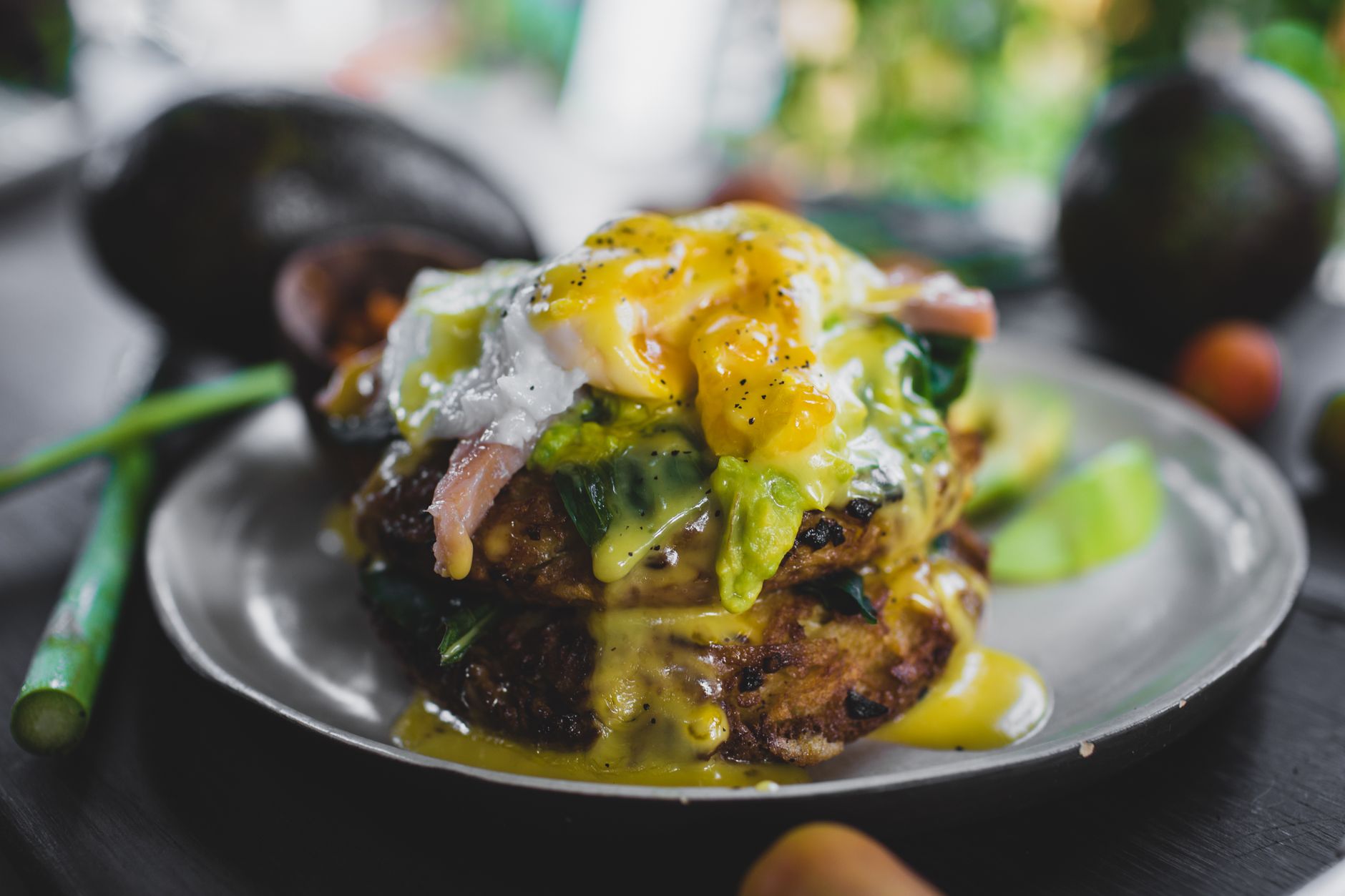
- Avocado on toast or in smoothies.
- Nut butters (peanut, almond) on whole-grain crackers.
- Cheese or Greek yogurt in soups or sauces.
- Olive oil drizzled over pasta or vegetables.
2. Prioritize nutrient-dense foods
Focus on foods that pack a punch per bite:
- Eggs (choline for brain health).
- Salmon (omega-3s + protein).
- Lentils (iron + fiber).
- Fortified plant milks (calcium + vitamin D).
- Dark leafy greens (folate + vitamin K).
3. Make meals easier to eat
If chewing or swallowing is hard, try:
- Soft foods like mashed potatoes, scrambled eggs, or silken tofu.
- Smoothies with protein powder, yogurt, and fruit.
- Meatballs or ground meats (easier to chew than steak).
- Soups or broths with added beans or lentils.
4. Address underlying causes
Malnutrition often stems from:
- Medication side effects: Check if your prescriptions (like opioids or antidepressants) reduce appetite. Ask your doctor about alternatives.
- Dental issues: If eating hurts, see a dentist or try soft-textured foods like applesauce or yogurt.
- Depression or loneliness: Meal delivery services or family meals can help. Consider a therapist if appetite loss persists.
- Digestive problems: If you’re not absorbing nutrients, ask your doctor about a nutritional consult or supplements.
How does hydration affect digestion and constipation in older adults?
You wake up at 2am, groggy and achy, and realize you haven’t peed since dinner. That’s not normal. Constipation is a silent but common issue for seniors, and dehydration is often the culprit. But it’s not just about drinking more water—it’s about how hydration interacts with digestion, medications, and even your gut bacteria.
**Why hydration matters for digestion:**
- Water softens stool: Fiber needs water to work. Without enough fluids, fiber can cause constipation instead of relief.
- Kidneys rely on hydration: Dehydration forces kidneys to work harder, which can worsen constipation by pulling water from your intestines.
- Medications interact with fluids: Many seniors take diuretics (like for blood pressure) or painkillers (like opioids), which both increase dehydration risk.
- Gut bacteria thrive with hydration: Dehydration can alter gut microbiome balance, leading to slower digestion.
**How much water should seniors drink?**
The National Academies of Sciences recommends:
- Men 65+: ~3.7 liters (125 oz) total fluids daily (including food).
- Women 65+: ~2.7 liters (91 oz) total fluids daily.
**But here’s the catch:**
- Thirst signals weaken with age, so you might not feel thirsty even when dehydrated.
- Certain conditions (like kidney disease) may require less water—always check with your doctor.
- Herbal teas, broths, and water-rich fruits (like watermelon or cucumbers) count toward hydration.
**How to stay hydrated without drinking gallons:**
- Set hourly reminders on your phone to sip water.
- Add electrolytes (like coconut water or sports drinks) if you’re sweating a lot or take diuretics.
- Try electrolyte tablets (like Nuun) if you’re prone to dizziness.
- Eat hydrating foods: celery, oranges, strawberries, and soups.
**What if you’re still constipated?** Combine hydration with:
- Fiber: Aim for 25–30g daily (see the next section for tips).
- Movement: Even a 10-minute walk after meals helps digestion.
- Probiotics: Foods like yogurt or kefir can improve gut health.
- Prune juice or chia seeds: Natural laxatives that work without harsh chemicals.
What are the most common dietary mistakes that elderly people make and how to avoid them?
You’ve heard the saying, “You are what you eat.” For seniors, the saying takes on new meaning—because what you eat (or don’t eat) can mean the difference between mobility and frailty, energy and exhaustion. Yet many seniors fall into the same dietary traps, often without realizing it.
Here are the top 5 mistakes and how to fix them:
1. Skipping meals or eating too little
Mistake: “I’m not hungry, so I’ll just have a small snack.”
Why it’s bad: Seniors often lose appetite due to medication side effects, depression, or poor taste perception. Skipping meals leads to muscle loss (sarcopenia), vitamin deficiencies, and weakened immunity.
Fix:
- Eat small, frequent meals (every 2–3 hours) instead of three big ones.
- Add calorie-dense snacks like nuts, cheese, or hummus with veggies.
- Ask your doctor to review medications for appetite-suppressing side effects.
2. Overdoing salt without realizing it
Mistake: “I don’t add salt to my food, so I’m fine.”
Why it’s bad: Processed foods (even “healthy” ones like soups or bread) are often loaded with sodium. Excess salt raises blood pressure, straining hearts and kidneys.
Fix:
- Read labels—aim for less than 2,300mg sodium daily (or 1,500mg if you have hypertension).
- Use herbs, spices, and lemon instead of salt.
- Choose low-sodium versions of canned beans, broths, and sauces.
3. Ignoring portion sizes
Mistake: “I’m still young at heart—I can eat whatever I want.”
Why it’s bad: Metabolism slows by ~1–2% per decade after 30. Overeating leads to weight gain, which increases diabetes and heart disease risk.
Fix:
- Use smaller plates to trick your brain into feeling satisfied with less.
- Follow the plate method: Half veggies, 1/4 protein, 1/4 whole grains.
- Weigh portions—e.g., a 3oz chicken breast (size of a deck of cards).
4. Avoiding healthy fats
Mistake: “Fat makes me fat, so I’ll skip it.”
Why it’s bad: Healthy fats (like olive oil and avocados) support brain health, hormone production, and nutrient absorption. Skipping them leads to deficiencies.
Fix:
- Add avocado, nuts, or olive oil to meals daily.
- Choose monounsaturated fats (olive oil, avocados) over saturated fats (butter, lard).
- Try Blue Zone diets for fat-friendly meal ideas.
5. Not checking medication-nutrient interactions
Mistake: “I’ll just take my vitamins and meds together.”
Why it’s bad: Many supplements and foods interfere with medications. For example:
- Calcium interferes with levothyroxine (thyroid meds).
- Vitamin K interferes with warfarin (blood thinners).
- Grapefruit juice interferes with statins (cholesterol meds).
Fix:
- Ask your pharmacist for a medication-nutrient interaction list.
- Space out supplements and meds by 2+ hours if needed.
- Use prescription bottles with labels to track timing.
How does a plant-based diet impact bone health in seniors compared to a dairy-based diet?
You’re at a family dinner, and your granddaughter asks, “Grandma, do you eat dairy, or are you vegan?” You hesitate. You’ve heard dairy is great for bones, but you’ve also read about plant-based diets being healthy. What’s the truth?
The answer isn’t black and white—it depends on how you plan your diet. Both plant-based and dairy-based diets can support bone health, but they require different strategies.
Dairy-based diets for bone health
Pros:
- High in calcium and vitamin D, which are critical for bone density.
- Casein (the protein in dairy) may help reduce bone loss by stimulating osteoblasts (bone-forming cells).
- Easier to meet daily calcium needs (1,200mg for seniors).
Cons:
- Some seniors are lactose intolerant, leading to digestive issues.
- High-fat dairy may contribute to heart disease risk if overconsumed.
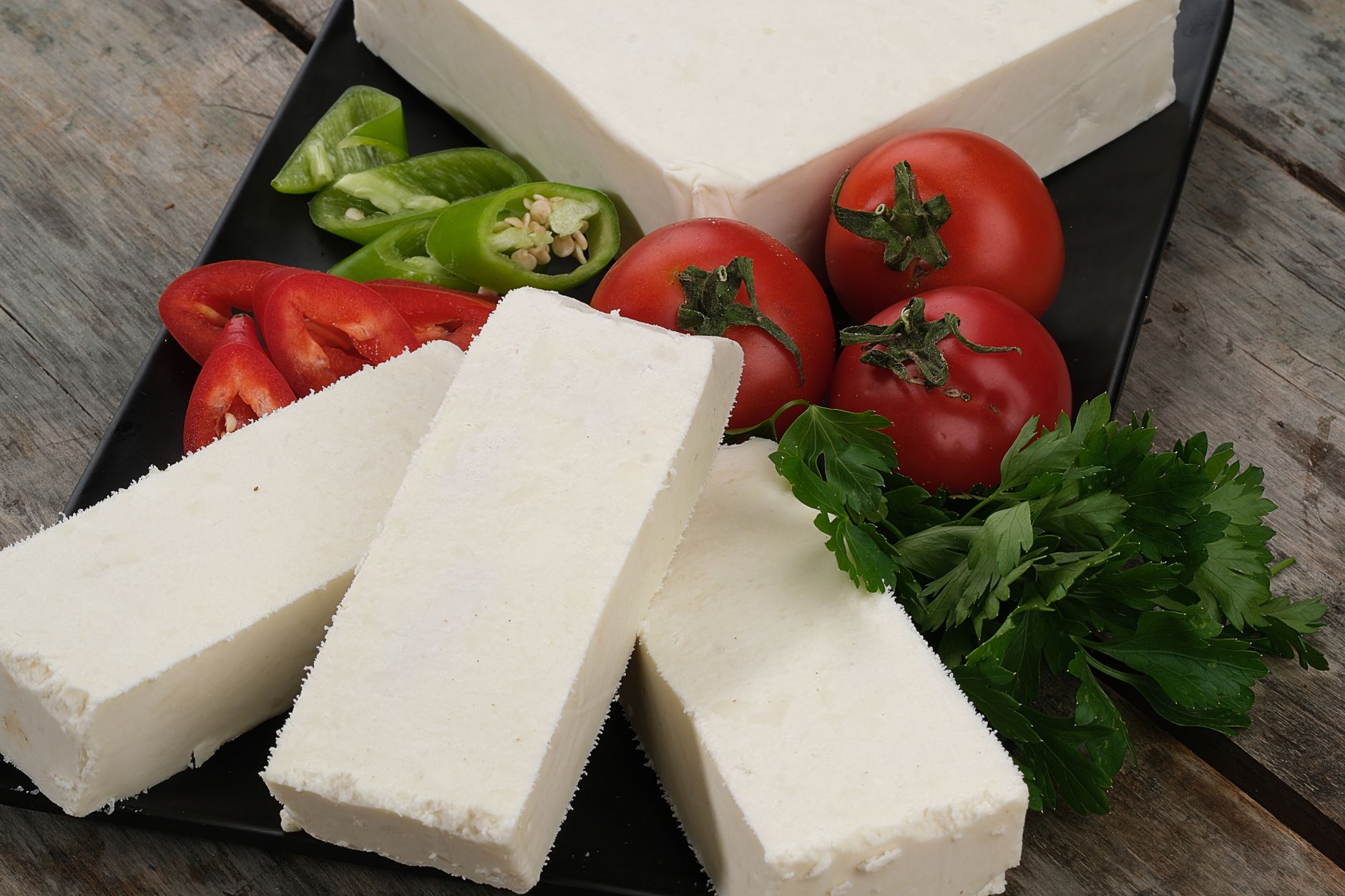
- Processed dairy (like cheese sticks) often contains added sodium.
Plant-based diets for bone health
Pros:
- Rich in magnesium, potassium, and vitamin K, which support bone metabolism.
- Lower in saturated fat, reducing heart disease risk.
- Can be rich in phytonutrients (like those in leafy greens) that may protect bones.
Cons:
- Harder to meet calcium needs without planning (e.g., fortified plant milks, tofu, tahini).
- Low vitamin D risk if not supplemented (sun exposure decreases with age).
- Some plant proteins (like soy) may have estrogen-like effects that could theoretically impact bone density—but research is mixed.
How to make a plant-based diet work for bones:
- Choose calcium-rich plant foods like:
- Fortified plant milks (300mg calcium per cup).
- Tofu or tempeh (made with calcium sulfate).
- Chia seeds or tahini (sesame paste).
- Leafy greens (kale, bok choy—cooked to improve calcium absorption).
- Get vitamin D from:
- Sunlight (10–15 minutes daily).
- Fortified foods (orange juice, cereals).
- Supplements (if needed—ask your doctor about 1,000–2,000 IU daily).
- Avoid:
- Excessive caffeine or alcohol (both leach calcium).
- Soda (phosphates in diet drinks can weaken bones).
Best diet for elderly with weak immune system 2026
Your 75-year-old uncle just got his third cold this winter, and you’re worried. Weak immunity is no joke—especially as you age. The good news? Nutrition can be a powerful tool to strengthen your defense system.
The best diets for immune health in seniors share a few key traits:
- High in antioxidants (to fight oxidative stress).
- Rich in zinc and vitamin C (critical for immune cells).
- Full of probiotics and prebiotics (to support gut health).
- Low in processed foods and sugar (which weaken immunity).
**Top diets for immune support:**
1. Mediterranean Diet
Why it works: Packed with olive oil, fish, and veggies, this diet reduces inflammation and supports immune function. A 2025 Journal of Gerontology study found that seniors following the Mediterranean diet had a 35% lower risk of respiratory infections.
2. MIND Diet
Why it works: Designed to protect the brain, the MIND diet also boosts immunity with its focus on leafy greens, berries, and nuts. The Alzheimer’s Association notes that MIND diet adherents had stronger immune responses to vaccines.
3. Anti-Inflammatory Diet
Why it works: Chronic inflammation weakens immunity. This diet (similar to Mediterranean) cuts processed foods and prioritizes turmeric, ginger, and fatty fish to reduce inflammation.
4. Immunity-Boosting Add-Ons
Add these to any diet for extra immune support:
- Garlic (contains allicin, which may reduce cold duration).
- Mushrooms (shiitake and maitake contain beta-glucans, which activate immune cells).
- Bone broth (rich in collagen and glycine, which support gut lining).
- Ginger and turmeric (anti-inflammatory and antiviral properties).
- Probiotics (yogurt, kefir, sauerkraut—gut health = 70% of immunity!).
**What to avoid:**
- Processed meats (linked to higher infection risk).
- Excess sugar (weakens immune cells).
- Alcohol (suppresses immune response).
- Trans fats (found in fried foods and margarine).
How much fiber should an 80-year-old man eat daily?
You’re at the grocery store, staring at the cereal aisle, wondering: “How much fiber should I eat? Too much might upset my stomach, but not enough could cause constipation.” It’s a fair question—fiber is essential, but seniors often struggle with digestion.
The American Dietetic Association recommends:
- Men 50+: 30–38g of fiber daily.
- Women 50+: 21–25g of fiber daily.
But here’s the catch: many seniors don’t eat enough—only about 15g daily on average. And too much too quickly can cause bloating, gas, or even diarrhea. So how do you get it right?
How to increase fiber gradually
Start with 5–10g extra per week to avoid digestive upset. Try these steps:
- Add 1/4 cup of beans or lentils to soups or salads.
- Swap white rice for brown rice or quinoa (1/2 cup cooked = 2g fiber).
- Top oatmeal with chia seeds or flaxseeds (1 tbsp = 3g fiber).
- Choose whole-grain bread or wraps (look for 3g+ fiber per slice).
- Snack on fruits with skin (apples, pears, berries).
Fiber-rich foods for seniors
| Food | Fiber per Serving | Best Way to Eat It | |----------------------|-------------------|---------------------------------------| | Lentils (1/2 cup) | 8g | In soups or salads | | Black beans (1/2 cup)| 7g | Mashed into tacos or chili | | Avocado (1/2) | 5g | On toast or in salads | | Oats (1/2 cup dry) | 4g | As oatmeal or in baking | | Berries (1 cup) | 4g | Fresh or frozen in smoothies | | Broccoli (1 cup) | 3g | Steamed or roasted | | Chia seeds (1 tbsp) | 5g | In yogurt or smoothies | | Almonds (1 oz) | 3g | As a snack or in salads |
How to avoid fiber-related issues
- Drink plenty of water: Fiber needs water to work. Aim for 8–10 cups daily.
- Move after meals: Walking helps fiber move through your system.
- Start slow: Increase fiber by 5g per week to avoid gas.
- Choose soluble fiber first: Oats, apples, and beans are gentler on digestion than bran.
- Talk to your doctor: If you have IBS or diverticulitis, they may recommend lower-fiber foods.
Are there any foods that help reduce joint pain in elderly women?
You’re rocking your favorite sweater, but the cold makes your hands ache. You’ve heard turmeric helps arthritis, but you’re not sure what else works. Joint pain is a common struggle for older women—especially those with osteoarthritis or rheumatoid


