

Quick take: An eczema diet meal plan for pregnancy focuses on anti-inflammatory, skin-supportive foods like leafy greens, fatty fish, and probiotics while avoiding common triggers (dairy, gluten, processed foods). Start with a 7-day elimination plan, reintroduce foods slowly, and pair your diet with hydration and gentle skincare. Most women see improvement in 2–4 weeks, but always check with your provider before making major dietary changes during pregnancy.Eczema Diet Meal Plan 7-Day: The Complete 2026 Guide

There’s nothing worse than waking up in the third trimester to find your hands red, itchy, and raw from eczema flare-ups—especially when you’re already exhausted from pregnancy brain and morning sickness. That’s exactly what happened to my friend Sarah, a first-time mom-to-be who swore she’d never had eczema before pregnancy. One day, her skin just started acting up: dry patches on her belly, a persistent rash on her wrists, and the itching was driving her crazy. She’d heard diet could help, but she wasn’t sure where to start. “I didn’t want to cut out everything,” she told me, “but I also didn’t want to risk making it worse.”
If you’re here, you’re probably in a similar spot: frustrated, exhausted, and searching for answers. The good news is that research shows diet can play a significant role in managing eczema during pregnancy—especially when you focus on reducing inflammation, strengthening your skin barrier, and avoiding common triggers. But with so many conflicting advice online, it’s easy to feel overwhelmed. That’s why we’ve created this 7-day eczema diet meal plan for pregnancy, designed to help you navigate flare-ups with confidence—without sacrificing the nutrition you and your baby need.
This guide covers everything from what foods to eat and avoid for eczema during pregnancy to how to transition into an eczema diet without triggering breakouts. We’ll also dive into whether a gluten-free or low-histamine diet actually helps, how to balance your diet with fetal development needs, and how to reintroduce foods safely. Plus, we’ll share practical tips for meal prepping on a budget and easy recipes for busy moms-to-be. By the end, you’ll have a clear roadmap to support your skin—and your baby’s health—throughout your pregnancy.
Before we dive in, it’s important to note that while diet can help manage eczema, it’s not a cure. Always consult your healthcare provider before making major dietary changes, especially during pregnancy. What works for one woman may not work for another, so we’ll also include guidance on how to identify your personal triggers and adjust your plan as needed.
--- ## What Foods to Eat and Avoid for Eczema During Pregnancy to Reduce Flare-UpsEczema during pregnancy is often linked to hormonal changes, increased inflammation, and dietary triggers. While there’s no one-size-fits-all diet for eczema, research from the National Institutes of Health (NIH) suggests that certain foods can worsen symptoms, while others may help soothe inflammation and support skin healing. The key is to focus on anti-inflammatory foods and eliminate potential irritants like gluten, dairy, and processed foods.
Here’s a quick breakdown of foods to prioritize and those to limit or avoid:
### Foods to Eat for Eczema Relief - **Fatty fish**: Salmon, mackerel, and sardines are rich in omega-3 fatty acids, which help reduce inflammation and strengthen the skin barrier. Aim for 2–3 servings per week. - **Leafy greens**: Spinach, kale, and Swiss chard are packed with vitamins A, C, and E, which support skin repair and hydration. - **Colorful vegetables**: Bell peppers, carrots, and sweet potatoes provide antioxidants that combat oxidative stress, which can worsen eczema. - **Healthy fats**: Avocados, olive oil, and nuts (like almonds and walnuts) help maintain skin moisture and reduce dryness. - **Fermented foods**: Sauerkraut, kimchi, and kefir are probiotic-rich and may help balance gut bacteria, which is linked to skin health. - **Complex carbohydrates**: Quinoa, brown rice, and sweet potatoes provide sustained energy without spiking blood sugar or causing inflammation. ### Foods to Avoid or Limit - **Dairy**: Some women find that dairy products like milk, cheese, and yogurt worsen eczema due to their inflammatory properties. If you suspect dairy is a trigger, try eliminating it for 2–3 weeks and monitor your symptoms. - **Gluten**: Found in wheat, barley, and rye, gluten can irritate the gut and trigger eczema flare-ups in some pregnant women. A temporary gluten-free trial may help identify if it’s a trigger for you. - **Processed foods**: Sugary snacks, fried foods, and packaged meals often contain additives and preservatives that can exacerbate inflammation. - **High-histamine foods**: Aged cheeses, cured meats, and fermented foods like soy sauce can sometimes trigger flare-ups, especially if you’re sensitive to histamine. - **Citrus fruits and tomatoes**: While these are generally healthy, their high acidity can irritate sensitive skin for some women.Pro tip: Keep a food diary to track what you eat and how your skin reacts. This will help you identify personal triggers over time.
--- ## Sample Eczema-Friendly Meal Plan for the First Trimester with Anti-Inflammatory FoodsThe first trimester is a critical time for both you and your baby, so your diet needs to support not only your skin but also your growing little one. Below is a sample eczema-friendly meal plan for the first trimester designed to reduce inflammation, provide essential nutrients, and keep your energy levels stable.
This plan focuses on whole, nutrient-dense foods while avoiding common triggers. Each day includes breakfast, lunch, dinner, and snacks, with plenty of hydration to support skin health.
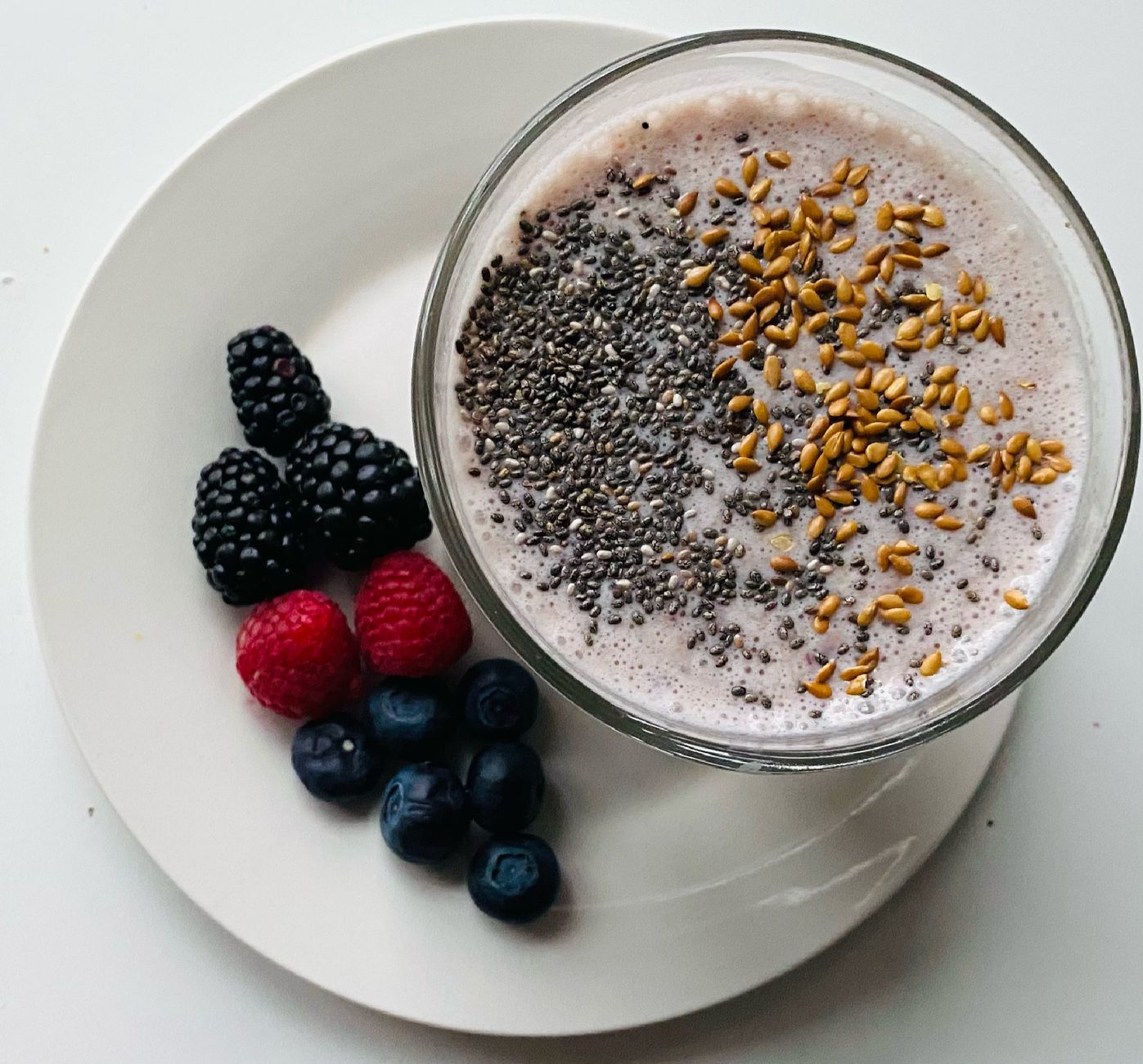
This plan ensures you’re getting a variety of nutrients, including omega-3s, vitamins A and C, and healthy fats, all of which support skin health and fetal development.
--- ## How to Transition into an Eczema Diet Meal Plan Without Triggering BreakoutsSwitching to an eczema diet can feel overwhelming, especially if you’re used to eating a certain way. The key is to make the transition gradually to avoid triggering flare-ups. Here’s how to do it:
### Step 1: Start with Elimination Begin by removing the most common triggers: dairy, gluten, and processed foods. Give your body at least 2–3 weeks to adjust and observe any changes in your skin. If you notice improvement, you’ve likely identified a trigger. ### Step 2: Reintroduce Foods Slowly After 2–3 weeks, start reintroducing foods one at a time. For example: - **Day 1**: Try a small portion of dairy (e.g., a cup of yogurt). - **Day 2**: Monitor your skin for 48 hours. If no flare-up, reintroduce gluten (e.g., a slice of gluten-free bread). - **Day 3**: Continue monitoring and reintroduce another food if tolerated. This process helps you identify which foods specifically trigger your eczema. ### Step 3: Focus on Anti-Inflammatory Foods Fill your plate with foods that reduce inflammation, such as: - **Fatty fish** (salmon, mackerel) - **Leafy greens** (spinach, kale) - **Healthy fats** (avocados, olive oil) - **Fermented foods** (sauerkraut, kefir) ### Step 4: Stay Hydrated and Use Moisturizers Hydration is crucial for skin health. Drink at least 8–10 glasses of water daily and use fragrance-free, hypoallergenic moisturizers to keep your skin barrier strong. ### Step 5: Plan Ahead Meal prepping can save time and stress. Cook large batches of grains, proteins, and vegetables on weekends and store them in the fridge for easy assembly during the week. For example, you can prep quinoa, roasted vegetables, and grilled chicken in advance to assemble quick meals like the quinoa bowl from Day 2 above. --- ## Best Snacks for Eczema-Prone Moms-to-Be That Support Skin HealingSnacks are a great way to stay energized and support your skin without feeling deprived. Here are some of the best snacks for eczema-prone moms-to-be:
### Anti-Inflammatory Snacks - **Avocado slices with sea salt**: Rich in healthy fats and potassium. - **Handful of walnuts or almonds**: Packed with omega-3s and vitamin E. - **Fresh fruit**: Berries, apples, and pears are low in sugar and high in antioxidants. - **Veggie sticks with hummus**: Carrots, cucumbers, and bell peppers with a side of chickpea dip. - **Dark chocolate (85% cocoa)**: A small square can satisfy cravings without triggering inflammation. ### Hydrating Snacks - **Watermelon or cucumber slices**: High in water content to keep you hydrated. - **Coconut water**: Natural electrolytes to support hydration. - **Herbal teas**: Chamomile or peppermint tea can be soothing and hydrating. ### Protein-Packed Snacks - **Hard-boiled eggs**: Easy to grab and rich in protein. - **Cottage cheese (if dairy is tolerated)**: High in protein and calcium. - **Edamame**: Steamed and lightly salted for a quick protein boost.Always check with your provider before trying new snacks, especially if you have food sensitivities or allergies.
--- ## Does a Gluten-Free Eczema Diet Actually Help Pregnant Women with Flare-Ups?Gluten is a hot topic when it comes to eczema, but does a gluten-free diet actually help pregnant women with flare-ups? The answer depends on your body’s response. Some women experience significant improvement when they eliminate gluten, while others don’t notice any difference. Here’s what the research says:
According to a study published in the Journal of Clinical and Diagnostic Research, gluten sensitivity can exacerbate eczema symptoms in some individuals due to gut inflammation. However, gluten intolerance is not the same as celiac disease, which is an autoimmune condition. If you suspect gluten is a trigger, try an elimination diet for 4–6 weeks and monitor your symptoms.
If you decide to go gluten-free, focus on naturally gluten-free grains like quinoa, brown rice, and buckwheat. These provide fiber and nutrients without the inflammatory properties of wheat. However, be mindful of cross-contamination if you’re baking at home or eating out.
For many women, a temporary gluten-free trial is worth trying, especially if you suspect gluten is contributing to your flare-ups. But remember, gluten-free doesn’t automatically mean healthier—opt for whole, nutrient-dense foods instead of processed gluten-free alternatives.
--- ## How to Balance an Eczema Diet Meal Plan with Nutritional Needs for Fetal DevelopmentOne of the biggest concerns when following an eczema diet is ensuring you and your baby are getting all the necessary nutrients. Here’s how to balance your diet to support both your skin and your little one’s development:
### Key Nutrients for Fetal Development - **Folate**: Crucial for preventing neural tube defects. Found in leafy greens, beans, and fortified grains. - **Iron**: Essential for your baby’s brain development. Include iron-rich foods like spinach, lentils, and lean meats. - **Calcium**: Supports your baby’s bone development. Dairy alternatives like fortified plant milks or leafy greens can help if you’re avoiding dairy. - **Omega-3s**: Support your baby’s brain and eye development. Fatty fish, flaxseeds, and walnuts are great sources. - **Protein**: Necessary for your baby’s growth. Include lean meats, beans, tofu, and eggs in your meals. ### Sample Nutrient-Balanced Meal Plan Here’s how you can ensure you’re meeting your nutritional needs while following an eczema diet: - **Breakfast**: Scrambled eggs with spinach and avocado (protein, folate, healthy fats). - **Lunch**: Grilled chicken salad with quinoa, mixed greens, and olive oil dressing (protein, iron, omega-3s). - **Dinner**: Baked salmon with roasted sweet potatoes and steamed broccoli (omega-3s, folate, calcium). - **Snacks**: Hummus with veggie sticks, a handful of almonds, and a smoothie with spinach and banana (fiber, healthy fats, folate).If you’re concerned about getting enough nutrients, consider working with a registered dietitian who specializes in pregnancy and eczema. They can help you create a personalized plan that meets both your skin and your baby’s needs.
--- ## Can Probiotic-Rich Foods in an Eczema Diet Meal Plan Reduce Baby’s Eczema Risk?Research suggests that gut health plays a significant role in both maternal and infant eczema risk. A study in the Journal of Allergy and Clinical Immunology found that probiotics can help reduce the risk of eczema in infants when taken during pregnancy. While probiotic supplements are often recommended, incorporating probiotic-rich foods into your diet can also support gut health.
Here are some of the best probiotic-rich foods to include in your eczema diet:
### Probiotic Foods for Pregnant Women - **Sauerkraut**: Fermented cabbage rich in lactic acid bacteria. - **Kimchi**: Spicy fermented vegetable dish with beneficial bacteria. - **Kefir**: A fermented milk drink (choose dairy-free if avoiding dairy). - **Miso soup**: Fermented soybean paste with probiotics. - **Coconut yogurt**: A dairy-free alternative with live cultures.Including these foods in your diet may not only help manage your eczema but also support your baby’s skin health post-birth. However, always choose unpasteurized or live-culture versions to ensure you’re getting the probiotics.
--- ## What Supplements Should Be Included in a 7-Day Eczema Diet Meal Plan for Pregnancy?While diet is the foundation of managing eczema, certain supplements can provide additional support during pregnancy. Always consult your healthcare provider before starting any new supplement, especially during pregnancy. Here are some of the most beneficial supplements for eczema-prone pregnant women:
### Essential Supplements for Eczema and Pregnancy | Supplement | Typical Dose (Pregnancy) | Best Time to Take | Food Sources | Known Interactions | |---------------------|--------------------------|-------------------|--------------|-------------------| | **Omega-3s (DHA/EPA)** | 200–300 mg DHA daily | With meals | Fatty fish (salmon, sardines), flaxseeds, walnuts | Blood thinners | | **Vitamin D** | 600–2000 IU daily | Morning | Sunlight, fatty fish, fortified milk | Calcium supplements | | **Probiotics** | 1–10 billion CFU daily | With food | Sauerkraut, kefir, kimchi | Antibiotics | | **Vitamin E** | 15 mg (22.4 IU) daily | With meals | Nuts, seeds, spinach | Blood thinners | | **Zinc** | 11–12 mg daily | With food | Beans, nuts, whole grains | Copper supplements |Always choose prenatal supplements that are specifically formulated for pregnancy to ensure you’re getting the right balance of nutrients without exceeding recommended doses.
--- ## Best Anti-Eczema Foods for Pregnant Women with Severe Skin ReactionsIf you’re dealing with severe eczema flare-ups during pregnancy, you may need to be more aggressive with your diet. Here are some of the best anti-eczema foods for pregnant women with severe reactions:
### Top Anti-Inflammatory Foods - **Turmeric**: Contains curcumin, a powerful anti-inflammatory compound. Add it to smoothies, soups, or teas. - **Ginger**: Helps reduce inflammation and nausea. Try ginger tea or add fresh ginger to meals. - **Bone broth**: Rich in collagen and amino acids that support skin repair. - **Green tea**: Contains antioxidants that fight inflammation. Opt for decaf if caffeine is a concern. - **Pineapple**: Contains bromelain, an enzyme that reduces inflammation. ### Foods to Prioritize for Skin Healing - **Sweet potatoes**: High in beta-carotene, which supports skin repair. - **Carrots**: Rich in vitamin A, essential for healthy skin. - **Bell peppers**: Packed with vitamin C, which helps collagen production. - **Olive oil**: Contains oleic acid, which strengthens the skin barrier.Combine these foods with your meal plan to create a powerful anti-inflammatory diet that targets severe flare-ups.
--- ## How to Meal Prep an Eczema-Friendly Diet for 7 Days Without Extra CostMeal prepping can feel expensive, but with a little planning, you can create a budget-friendly eczema-friendly diet. Here’s how to meal prep for 7 days without breaking the bank:
### Budget-Friendly Meal Prep Tips 1. **Buy in bulk**: Purchase grains like quinoa, brown rice, and beans in bulk to save money. 2. **Use seasonal produce**: Seasonal fruits and vegetables are cheaper and often more flavorful. 3. **Cook proteins in batches**: Grill or bake a large batch of chicken, fish, or tofu to use in multiple meals. 4. **Repurpose leftovers**: Turn dinner into tomorrow’s lunch. For example, roast a whole chicken and use the leftovers for salads or wraps. 5. **Focus on affordable staples**: Eggs, lentils, and frozen vegetables are budget-friendly and nutrient-dense. ### Sample Budget-Friendly Meal Prep Plan - **Day 1**: Cook a big pot of lentil soup and freeze half for later. Serve the rest with a side of mixed greens. - **Day 2**: Bake a sheet of salmon and pair it with roasted sweet potatoes and steamed broccoli. - **Day 3**: Make a big batch of quinoa and use it in salads or bowls throughout the week. - **Day 4**: Prepare a tray of roasted vegetables (zucchini, bell peppers, carrots) to use in meals or snacks. - **Day 5**: Hard-boil a dozen eggs for quick protein snacks.With a little planning, you can create a delicious, cost-effective eczema diet that supports both your skin and your wallet.
--- ## Does a Dairy-Free Eczema Diet Help with Pregnancy-Related Skin Rashes?Dairy is a common trigger for eczema flare-ups, but does a dairy-free diet actually help with pregnancy-related skin rashes? The answer varies from woman to woman. Some studies, like one published in the Journal of Clinical and Diagnostic Research, suggest that dairy can contribute to inflammation and skin irritation due to its high protein and fat content. If you suspect dairy is a trigger, try eliminating it for 2–3 weeks and monitor your skin.
If you decide to go dairy-free, focus on calcium-rich alternatives like:
- Fortified plant milks (almond, soy, oat) - Leafy greens (kale, spinach) - Canned salmon or sardines (with bones for calcium) - Almonds and chia seedsKeep in mind that dairy isn’t the only source of calcium, and a well-balanced diet can provide all the nutrients you and your baby need.
--- ## Sample 7-Day Eczema Diet Meal Plan for Moms with Gestational EczemaBelow is a sample 7-day eczema diet meal plan designed specifically for moms with gestational eczema. This plan focuses on anti-inflammatory foods, hydration, and nutrient density to support both your skin and your baby’s development.
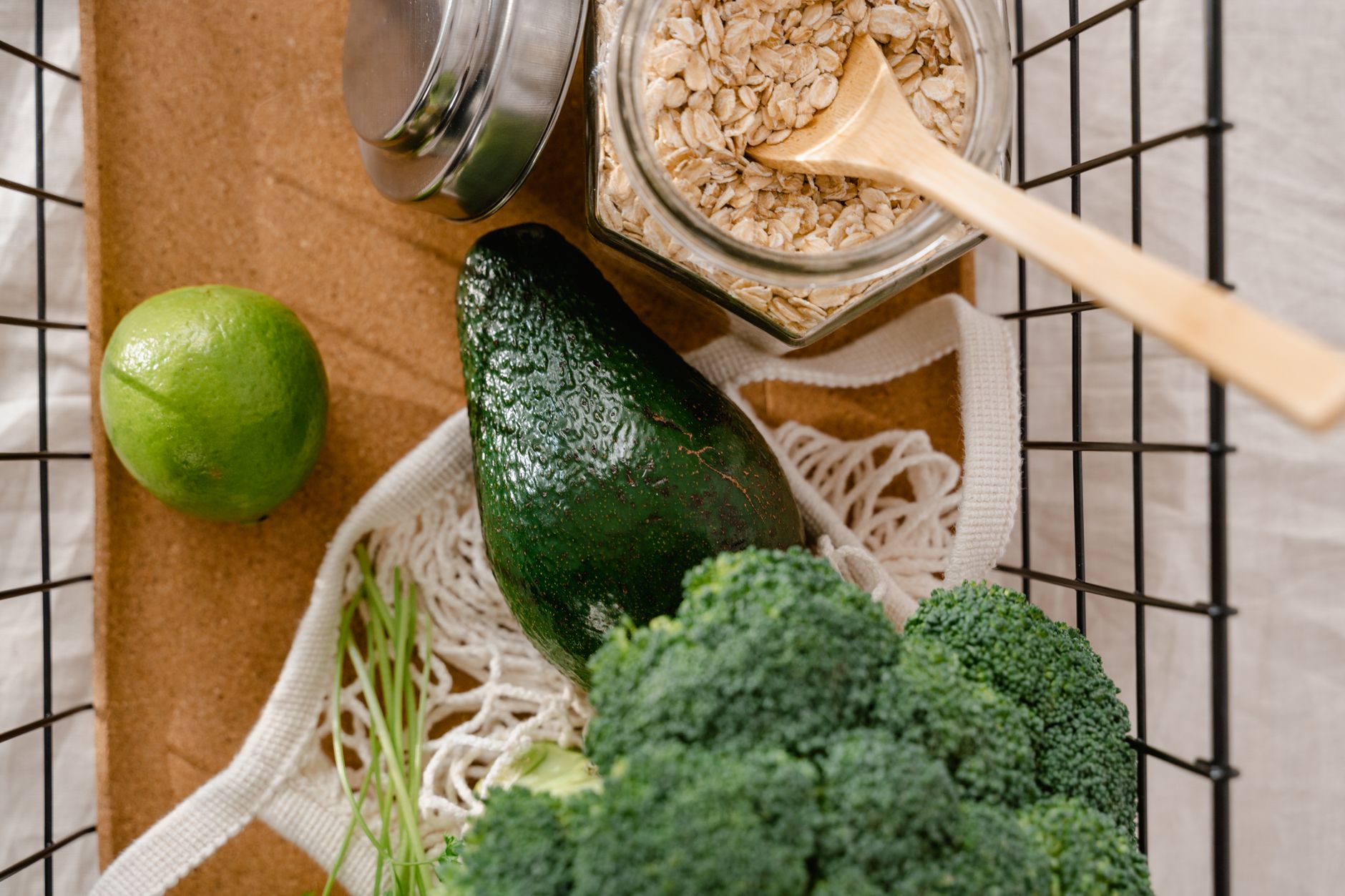
Eczema itching can be relentless, especially during pregnancy when hormones are already causing skin sensitivity. While diet alone won’t eliminate itching, making smart food choices can significantly reduce flare-ups and discomfort. Here’s how:
### Dietary Strategies to Reduce Itching 1. **Stay hydrated**: Drink plenty of water to keep your skin moisturized from within. 2. **Avoid triggers**: Eliminate common irritants like dairy, gluten, and processed foods. 3. **Increase omega-3s**: Fatty fish, flaxseeds, and walnuts help reduce inflammation and soothe itching. 4. **Eat cooling foods**: Foods like cucumber, watermelon, and coconut water can help reduce skin irritation. 5. **Limit sugar and refined carbs**: These can spike blood sugar and worsen inflammation. ### Additional Tips for Itch Relief - **Apply cool compresses** to affected areas to soothe itching. - **Use fragrance-free moisturizers** to strengthen your skin barrier. - **Take lukewarm baths** with colloidal oatmeal to calm irritation. - **Wear loose, breathable clothing** to reduce friction and irritation.If itching persists, consult your healthcare provider to rule out other conditions like gestational pruritus or cholestasis of pregnancy.
--- ## Can Omega-3 Fatty Acids in an Eczema Diet Meal Plan Improve Skin Barrier Function?Omega-3 fatty acids are often touted for their anti-inflammatory benefits, but can they actually improve skin barrier function in eczema-prone pregnant women? The answer is yes. Research from the American Academy of Dermatology shows that omega-3s help reduce inflammation and strengthen the skin’s natural barrier, which is often compromised in eczema. Here’s how they work:
### How Omega-3s Support Skin Health - **Reduce inflammation**: Omega-3s help lower levels of pro-inflammatory cytokines, which are elevated in eczema. - **Strengthen the skin barrier**: They support the production of ceramides, which are essential for maintaining skin hydration and integrity. - **Regulate immune response**: Omega-3s help modulate the immune system, reducing overactive responses that contribute to eczema flare-ups. ### Best Sources of Omega-3s - **Fatty fish**: Salmon, mackerel, sardines (aim for 2–3 servings per week). - **Flaxseeds and chia seeds**: Add to smoothies, oatmeal, or salads. - **Walnuts**: Snack on a small handful daily. - **Algae oil**: A vegetarian source of DHA and EPA.Incorporating these foods into your diet can help improve your skin barrier function and reduce eczema symptoms over time.
--- ## Easy Eczema Diet Recipes for Busy Moms-to-Be with Limited Cooking TimeIf you’re short on time but still want to follow an eczema-friendly diet, these easy eczema diet recipes are designed to fit into even the busiest schedules:
### Quick Breakfast: 5-Minute Smoothie Blend together: - 1 cup spinach - 1 banana - 1 cup almond milk - 1 tbsp chia seeds - 1 scoop protein powder (if tolerated) ### Easy Lunch: 10-Minute Quinoa Bowl - Cook ½ cup quinoa (or use pre-cooked). - Top with ½ cup roasted vegetables (zucchini, bell peppers, carrots). - Add ½ cup chickpeas and drizzle with tahini dressing. ### Fast Dinner: Sheet Pan Salmon and Veggies - Toss salmon fillets and chopped vegetables (broccoli, sweet potatoes, asparagus) with olive oil and herbs. - Bake at 400°F (200°C) for 15–20 minutes. ### No-Cook Snack: Avocado and Veggie Wrap - Spread mashed avocado on a gluten-free tortilla. - Add sliced cucumber, bell peppers, and spinach. - Roll up and enjoy!These recipes require minimal prep and cooking time, making them perfect for busy moms-to-be.
--- ## Does a Low-Histamine Eczema Diet Help with Pregnancy-Related Skin Flare-Ups?A low-histamine diet is often recommended for people with histamine intolerance, which can exacerbate eczema symptoms. But does it help with pregnancy-related skin flare-ups? The answer depends on your body’s sensitivity. Histamine is a compound released during allergic reactions and can worsen inflammation and itching in some individuals.
If you suspect histamine intolerance, try eliminating high-histamine foods for 2–3 weeks and monitor your symptoms. Common high-histamine foods include:
### High-Histamine Foods to Avoid - Aged cheeses (cheddar, blue cheese) - Fermented foods (sauerkraut, kimchi, soy sauce) - Cured meats (salami, pepperoni) - Vinegar and pickles - Citrus fruits and tomatoes - Alcohol and carbonated beverages ### Low-Histamine Alternatives - Fresh fruits (apples, pears, bananas) - Fresh vegetables (carrots, cucumbers, zucchini) - Fresh meats and fish (not aged or cured) - Fresh dairy (if tolerated) - Herbal teas (chamomile, peppermint)If you notice improvement on a low-histamine diet, you may want to continue it long-term. However, if you don’t see changes, you can reintroduce these foods gradually.
--- ## Myth vs. Fact: Eczema Diet During PregnancyThere are plenty of myths floating around about eczema diets during pregnancy. Let’s separate fact from fiction:
### Myth: "You have to eliminate all dairy to manage eczema during pregnancy." Fact: While dairy can be a trigger for some women, others tolerate it just fine. Try eliminating it for 2–3 weeks and monitor your skin. If you don’t see improvement, you may not need to avoid it. ### Myth: "A gluten-free diet is necessary for all pregnant women with eczema." Fact: Gluten sensitivity varies widely. Only eliminate gluten if you suspect it’s a trigger. Many women with eczema don’t need to go gluten-free unless they have celiac disease or non-celiac gluten sensitivity. ### Myth: "You can’t get enough nutrients on an elimination diet." Fact: With careful planning, you can meet all your nutritional needs while following an elimination diet. Focus on nutrient-dense foods like leafy greens, fatty fish, nuts, and seeds. Consider working with a dietitian to ensure you’re getting everything you need for you and your baby. ### Myth: "Eczema diets are only for severe cases." Fact: Even mild eczema can be improved with dietary changes. Many women see benefits from reducing inflammation and avoiding triggers, regardless of the severity of their symptoms. --- ## Key Takeaways: Eczema Diet Meal Plan for PregnancyHere are the most important takeaways from this guide:
- Focus on anti-inflammatory foods like fatty fish, leafy greens, nuts, and seeds to reduce flare-ups.
- Avoid common triggers like dairy, gluten, and processed foods if you suspect they worsen your eczema.
- Start with an elimination diet to identify personal triggers, then reintroduce foods slowly.
- Prioritize hydration and moisturizers to support your skin barrier.
- Balance your diet with fetal development needs by including folate, iron, calcium, and omega-3s.
- Consider probiotic-rich foods to support gut health and potentially reduce your baby’s eczema risk.
- Meal prep to save time and stay consistent


