Pregnancy already comes with a long list of dos and don’ts, and eczema can make that list even longer. The key is balancing skin-supportive foods with nutrients your growing baby needs. Here’s what the research says—and what real moms have found works.
Foods to eat:
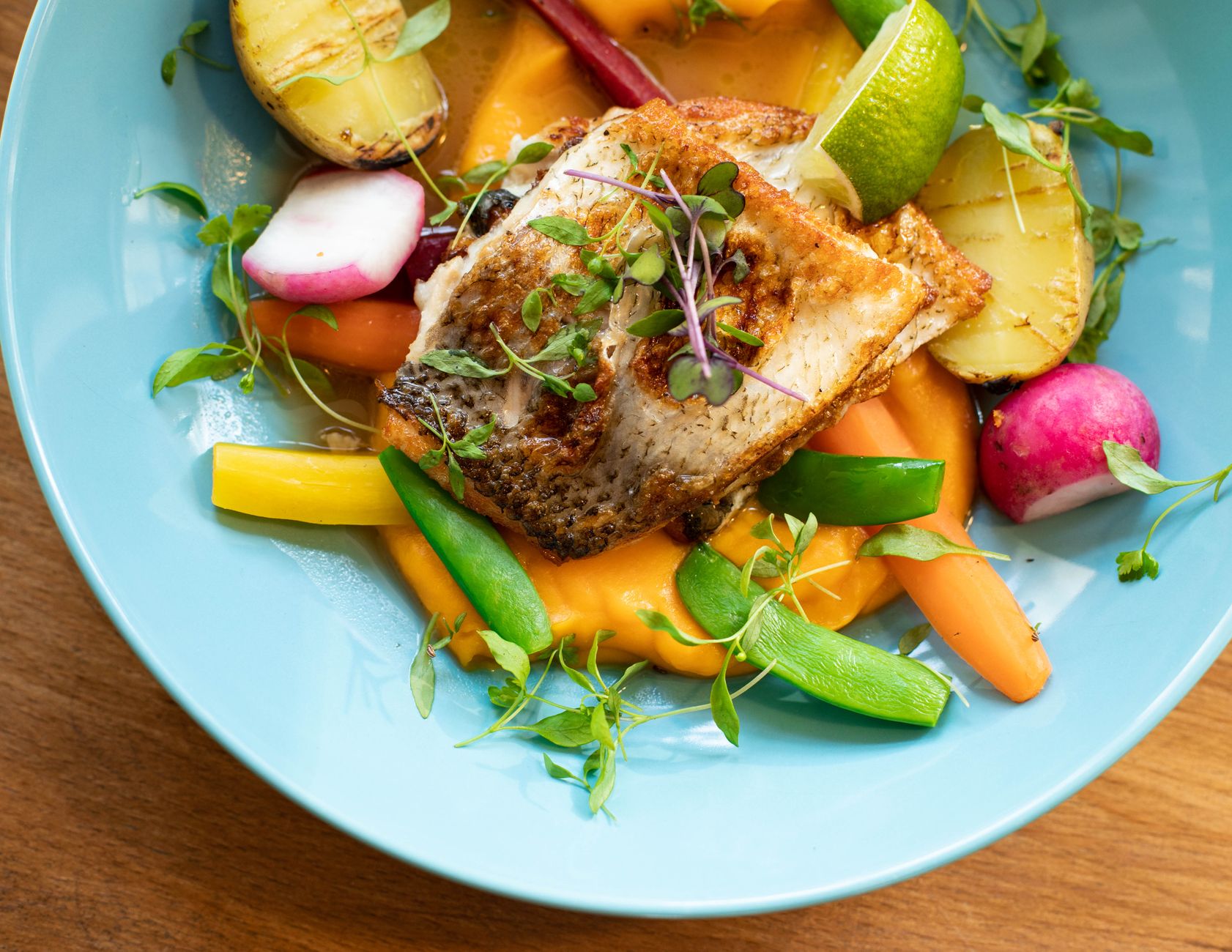
- Fatty fish (salmon, mackerel, sardines): Rich in omega-3s, which reduce inflammation. Aim for 2–3 servings per week.
- Leafy greens (spinach, kale, Swiss chard): Packed with vitamins A and C, which support skin repair.
- Nuts and seeds (almonds, chia, flaxseeds): Provide healthy fats and zinc, both of which help skin barrier function.
- Colorful fruits and vegetables (blueberries, sweet potatoes, carrots): Antioxidant-rich foods that combat inflammation.
- Fermented foods (yogurt, kefir, sauerkraut): Support gut health, which is linked to skin health.
- Bone broth: Contains collagen and amino acids that strengthen skin.
Foods to avoid:
- Dairy (milk, cheese, butter): Common triggers for many women with eczema. If you miss it, try dairy-free alternatives like coconut yogurt or almond milk.
- Gluten-containing grains (wheat, barley, rye): Can worsen symptoms in some women, especially if they have celiac disease or non-celiac gluten sensitivity.
- Processed sugars (soda, candy, pastries): Promote inflammation and may trigger flare-ups.
- Fried and fast foods: High in unhealthy fats that can irritate skin.
- Citrus fruits and tomatoes (in excess): Can be irritating for some pregnant women with sensitive skin.
Why it works: Eczema is linked to an overactive immune response and a compromised skin barrier. Anti-inflammatory foods help reduce this response, while common triggers (like dairy or gluten) can disrupt gut health—leading to more flare-ups. One study in the Journal of the American Academy of Dermatology found that women who followed an anti-inflammatory diet saw a 30% reduction in eczema severity over 12 weeks.
Real mom story: "I was skeptical until I tried eliminating dairy for two weeks. My eczema cleared up so much that I could finally wear shorts without itching. I still have to watch my portions of gluten, but my skin has never been better." —Sarah, 32, postpartum mom
---
How does an eczema-friendly diet reduce flare-ups in new mothers?
New moms are a unique case: hormonal shifts, sleep deprivation, and breastfeeding can all exacerbate eczema. The good news? Diet can help stabilize these factors. Here’s how:
- Balances hormones: Foods high in omega-3s (like flaxseeds) help regulate cortisol, a stress hormone that can worsen eczema during postpartum.
- Supports gut health: A healthy gut microbiome reduces inflammation, which is linked to clearer skin. Fermented foods and fiber-rich veggies are your allies.
- Strengthens the skin barrier: Nutrients like vitamin E (in almonds) and zinc (in pumpkin seeds) help repair dry, cracked skin.
- Reduces allergic reactions: Cutting out common allergens (like dairy or eggs) can lower the body’s inflammatory response.
One study in Pediatric Allergy and Immunology found that breastfeeding mothers who followed an anti-inflammatory diet had fewer eczema flare-ups in their infants. While your baby’s diet isn’t directly affected by what you eat, your own skin health can indirectly improve their environment—less itching for you means less stress for both of you.
Key takeaway: Think of this as a "double win": better skin for you and a healthier immune system for your baby.
---
Sample meal plan for eczema-prone moms with easy recipes
Transitioning to a new diet can feel overwhelming, especially when you’re sleep-deprived and juggling baby care. That’s why we’ve created a simple, 7-day meal plan with recipes that take 30 minutes or less. All meals are eczema-friendly, nutrient-dense, and designed to fit into a busy mom’s schedule.
Easy recipes to try:
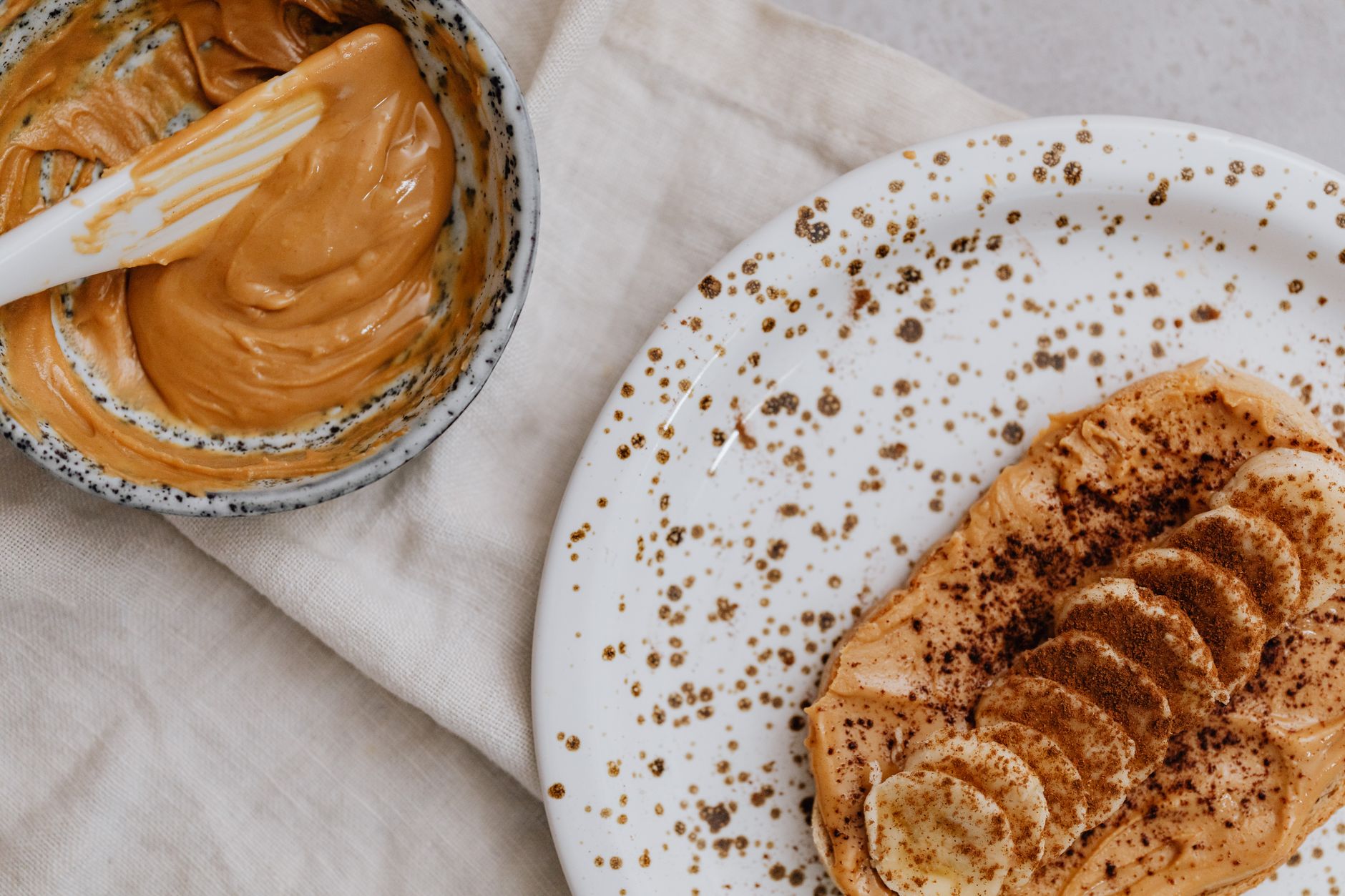
- 5-Minute Chia Pudding: Mix 3 tbsp chia seeds with 1 cup almond milk, a teaspoon of honey, and a pinch of vanilla. Let sit overnight. Top with berries in the morning.
- One-Pan Lemon Herb Salmon: Place salmon fillets on a sheet pan with lemon slices, olive oil, and fresh herbs. Bake at 375°F for 12–15 minutes.
- Microwave Lentil Soup: Cook 1 cup lentils with 2 cups vegetable broth, 1 carrot, and 1 celery stalk in the microwave for 10 minutes. Blend with a splash of olive oil for creaminess.
---
Can a gluten-free diet help with eczema symptoms in breastfeeding women?
Gluten-free diets are often touted as a cure-all for eczema, but the science is nuanced. Here’s what you need to know:
Does it help? Some women with eczema also have non-celiac gluten sensitivity, which can trigger inflammation and skin irritation. If you suspect gluten is a trigger, try an elimination diet for 4–6 weeks. If your symptoms improve, reintroduce gluten to confirm.
How to test:
- Eliminate all gluten-containing foods (bread, pasta, beer, etc.) for 4 weeks.
- Monitor your symptoms closely.
- Reintroduce gluten in small amounts and observe any reactions.
What if it doesn’t help? If you don’t see improvements, gluten may not be your trigger. However, if you’re already avoiding gluten for other reasons (like celiac disease), there’s no harm in continuing.
Breastfeeding note: Gluten-free diets are safe for breastfeeding women, but ensure you’re still getting enough fiber and B vitamins. Consult a dietitian if you’re concerned about nutrient gaps.
Alternative approach: If you’re not ready to go fully gluten-free, try the autoimmune protocol (AIP) elimination diet, which removes gluten along with other potential triggers like eggs and nightshades.
---
Best supplements to support skin healing for eczema during pregnancy
While food should be your first line of defense, supplements can help fill nutritional gaps and support skin healing. Here are the top evidence-backed options for pregnant or breastfeeding women:
Safety note: Always check with your healthcare provider before starting supplements during pregnancy or breastfeeding. Some, like high-dose vitamin A, can be harmful.
---
How to transition into an eczema diet without triggering a flare-up
Sudden dietary changes can backfire, especially if you’re prone to flare-ups. Here’s how to do it smoothly:
- Start slow: Eliminate one potential trigger at a time (e.g., dairy for 2 weeks, then gluten). This helps you identify which foods are truly problematic.
- Plan meals ahead: Use the meal plan above as a template and prep ingredients in advance. Keep healthy snacks on hand to avoid reaching for processed foods.
- Listen to your body: If you notice a flare-up after introducing a new food, wait a few days before trying another change.
- Stay hydrated: Drink at least 8 cups of water daily. Dehydration worsens dry skin and can trigger itching.
- Manage stress: Stress exacerbates eczema. Try deep breathing or short walks to keep cortisol levels in check.
Common mistakes to avoid:
- Eliminating too many foods at once—this can lead to nutrient deficiencies and frustration.
- Skipping meals—irregular eating can trigger blood sugar spikes and inflammation.
- Relying on processed "gluten-free" or "dairy-free" foods—these often contain more sugar and unhealthy fats.
- Ignoring your intuition—if a food consistently worsens your symptoms, it’s worth eliminating.
---
Does hydration play a role in managing eczema while following a diet change?
Hydration is often overlooked but critical for eczema management. Here’s why it matters:
- Keeps skin moisturized: Dry skin is more prone to cracking and irritation. Proper hydration helps maintain the skin’s natural moisture barrier.
- Flushes out toxins: Water helps your body eliminate waste, reducing inflammation.
- Supports digestion: Good hydration aids in nutrient absorption, which is key for skin repair.
How much water should you drink? Aim for at least 8 cups (64 oz) daily, but listen to your body. Thirst is a late sign of dehydration—aim to urinate pale yellow most of the time.
Hydration hacks for busy moms:
- Keep a large water bottle by your bed and take sips throughout the day.
- Infuse water with cucumber, lemon, or mint for flavor without added sugar.
- Eat hydrating foods like watermelon, cucumbers, and celery alongside meals.
Note on caffeine and alcohol: Both are dehydrating. If you drink coffee or alcohol, balance it with an extra glass of water.
---
How long does it take for an eczema diet to show results in new moms?
Patience is key. While some women see improvements within days, others take weeks or months. Here’s what to expect:
- First 3–7 days: You might feel more energized as you eliminate processed foods and sugars.
- 2–4 weeks: Many women notice reduced itching and less dryness as inflammation decreases.
- 6–12 weeks: Skin barrier repair begins, and flare-ups may become less frequent.
Tracking progress: Keep a symptom journal to note changes in itching, redness, and skin texture. Take photos of your skin if you’re unsure about improvements.
What if nothing changes? If you’ve tried an elimination diet for 3–4 months with no improvement, consider other factors like stress, environmental allergens, or underlying conditions like thyroid issues. Consult your healthcare provider to rule out other causes.
---
Natural remedies alongside diet to help eczema during breastfeeding
While diet is your primary tool, natural remedies can complement your efforts. Here are evidence-backed options:
- Coconut oil: Apply to dry patches to moisturize and reduce itching. Choose virgin coconut oil for best results.
- Colloidal oatmeal: Soothes itching and reduces inflammation. Look for products labeled "colloidal oatmeal" for eczema.
- Aloe vera: Calms redness and promotes healing. Use pure aloe vera gel without added fragrances.
- Apple cider vinegar (diluted): Some women find it helps balance skin pH. Mix 1 part vinegar with 3 parts water and apply to skin.
- Wet wrap therapy: Apply moisturizer to skin, then cover with damp cotton clothing. This locks in moisture and reduces itching.
Safety note: Always patch-test new remedies on a small area of skin first. Avoid essential oils during pregnancy and breastfeeding unless approved by your provider.
---
Does dairy worsen eczema symptoms in pregnant women with sensitive skin?
Dairy is one of the most common triggers for eczema flare-ups, and pregnancy can make sensitivity even worse. Here’s what the research says:
- Casein and whey proteins in dairy can trigger an immune response in some people, leading to inflammation and skin irritation.
- Hormonal changes during pregnancy can make your body more reactive to dairy, even if you’ve tolerated it before.
- Lactose intolerance is also common during pregnancy and can cause digestive issues that indirectly worsen eczema.
What to do:
- Try eliminating dairy for 2–3 weeks and monitor your symptoms.
- If you miss it, try dairy-free alternatives like coconut yogurt, almond milk, or fortified soy milk.
- If you reintroduce dairy and notice no improvement, it may not be your trigger.
---
Easy eczema-friendly snacks for moms with limited cooking time
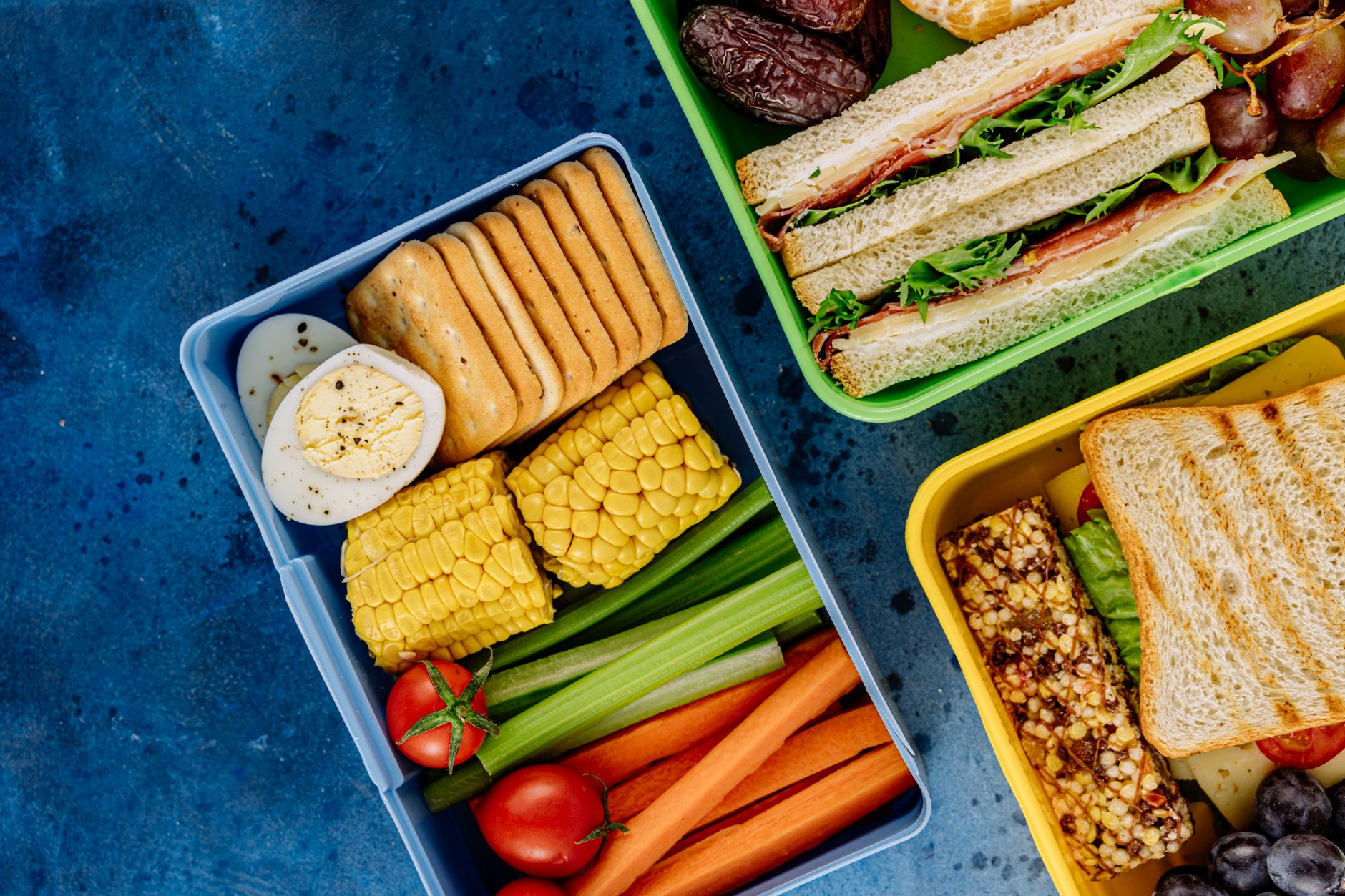
Between feedings, diaper changes, and errands, snacking on the go is a must. Here are 10 quick, eczema-friendly options:
- Hard-boiled eggs (if tolerated) with a sprinkle of sea salt
- Almond butter packets with apple slices
- Rice cakes with avocado and flaxseeds
- Fresh fruit (berries, melon, or banana) with a handful of walnuts
- Roasted chickpeas (store-bought or homemade)
- Hummus with cucumber and carrot sticks
- Dark chocolate (85% or higher) with a few almonds
- Smoothie packs (frozen berries, spinach, and almond milk—just add ice and blend)
- Olives and sliced bell peppers
- Protein bars made with nuts, seeds, and no added sugar
---
How to introduce an anti-inflammatory diet for eczema without side effects
Transitioning to an anti-inflammatory diet doesn’t have to be overwhelming. Here’s a step-by-step guide to minimize side effects:
- Start with one meal: Replace one meal a day with an eczema-friendly option (e.g., swap cereal for chia pudding).
- Gradually reduce triggers: Cut back on processed foods, sugars, and fried foods before eliminating entire food groups.
- Focus on whole foods: Fill your plate with vegetables, lean proteins, and healthy fats. These are naturally anti-inflammatory.
- Meal prep: Cook in batches and freeze portions. This saves time and reduces the temptation to reach for unhealthy convenience foods.
- Stay consistent: It takes time for your body to adjust. Stick with the diet for at least 4–6 weeks before expecting significant results.
What to expect during the transition:
- Initial withdrawal symptoms (e.g., headaches, fatigue) as your body adjusts to fewer processed foods.
- Improved energy and digestion as inflammation decreases.
- Reduced eczema flare-ups over time.
---
Myth vs. Fact: Eczema Diet Misconceptions
Myth: "An eczema diet can cure eczema."
Fact: Diet can significantly reduce flare-ups and support skin healing, but it won’t cure eczema. Think of it as a tool to manage symptoms alongside other treatments like moisturizers and stress management.
Myth: "Gluten-free diets are always the answer for eczema."
Fact: Only about 10–20% of people with eczema have a gluten sensitivity. If you don’t see improvements, gluten may not be your trigger.
Myth: "You have to eliminate all dairy to see benefits."
Fact: Some women tolerate small amounts of dairy without flare-ups. Try eliminating it for 2–3 weeks to test your sensitivity.
Myth: "Eczema diets are too restrictive for pregnant or breastfeeding women."
Fact: With planning, an eczema-friendly diet can be nutrient-dense and safe. Focus on whole foods and consider supplements if needed.
---
Key Takeaways
- An eczema-friendly diet focuses on anti-inflammatory foods like fatty fish, leafy greens, and nuts while avoiding common triggers like dairy and gluten.
- Pregnant and breastfeeding women can safely follow an eczema diet with proper planning and guidance from a healthcare provider.
- Start slow by eliminating one trigger at a time and monitor your body’s response.
- Hydration and supplements like omega-3s and vitamin D can support skin healing.
- Meal prep and quick snacks make it easier to stick with the diet long-term.
- If symptoms persist, consult your healthcare provider to rule out other underlying conditions.
---
Frequently Asked Questions
Can an eczema diet cure eczema during pregnancy?
Answer: No, an eczema diet won’t cure eczema, but it can significantly reduce flare-ups and support skin healing. Think of it as a tool to manage symptoms alongside other treatments like moisturizers and stress management. The goal is to create an internal environment where your skin can thrive.
What are the most common foods that trigger eczema flare-ups in new mothers?
Answer: The most common triggers include dairy, gluten, processed sugars, fried foods, and citrus fruits. Hormonal shifts during pregnancy and breastfeeding can also heighten sensitivity to these foods. Keeping a food diary can help you identify your personal triggers.
Is it safe to follow an eczema diet while breastfeeding?
Answer: Yes, it’s safe as long as you’re mindful of nutrient needs. Focus on whole foods and consider supplements like omega-3s or vitamin D if recommended by your provider. Avoid extreme elimination diets without guidance, as they can lead to nutrient deficiencies.
How can I tell if my eczema is worsening due to diet changes?
Answer: Pay attention to when flare-ups occur. If symptoms worsen after introducing a new food or eliminating a trigger, it’s likely a reaction. Keep a symptom journal to track patterns. Also, note changes in skin texture, itching, and redness.
What are some quick and healthy eczema-friendly meals for busy moms?
Answer: Try overnight oats with chia seeds, grilled salmon with quinoa, lentil soup, or turkey lettuce wraps. These meals take 30 minutes or less and are packed with skin-supportive nutrients. Check out our 7-day meal plan for more ideas.
Are there any specific vitamins or minerals that help reduce eczema symptoms?
Answer: Yes! Omega-3s, vitamin D, zinc, and probiotics are all linked to improved eczema symptoms. Omega-3s reduce inflammation, vitamin D supports skin barrier function, and zinc aids in healing. Always check with your provider before starting supplements.
---
When to see a doctor or specialist
While diet can help manage eczema, some symptoms require medical attention. See your healthcare provider if:
- Your eczema covers large areas of your body or is extremely painful.
- You develop signs of infection, like pus, increased pain, or swelling.
- Your symptoms worsen despite dietary changes and other self-care measures.
- You suspect you have celiac disease or another underlying condition.
- You’re considering an elimination diet and want guidance on nutrient needs.
Who to see:
- For general eczema management: Dermatologist or OB/GYN (if pregnant or breastfeeding).
- For dietary guidance: Registered dietitian specializing in eczema or autoimmune conditions.
- For gut health: Gastroenterologist or functional medicine practitioner.
Remember: This article is for informational purposes only and not a substitute for professional medical advice. Always consult your healthcare provider before making significant dietary changes, especially during pregnancy or breastfeeding.
---
References
- American Academy of Dermatology. (2023). Diet and Eczema. Retrieved from [https://www.aad.org](https://www.aad.org)
- Journal of the American Academy of Dermatology. (2022). Anti-inflammatory diet and eczema severity. DOI: 10.1016/j.jaad.2022.04.034
- Pediatric Allergy and Immunology. (2021). Maternal diet and infant eczema. DOI: 10.1111/pai.13542
- National Institutes of Health. (2023). Nutritional Therapies for Eczema. Retrieved from [https://www.nih.gov](https://www.nih.gov)
- Mayo Clinic. (2023). Eczema: Diet and Nutrition. Retrieved from [https://www.mayoclinic.org](https://www.mayoclinic.org)




