Once you’ve mastered the basics, you can progress to more effective, targeted movements that further strengthen the transverse abdominis, pelvic floor, and surrounding stabilizers. The best diastasis recti postpartum exercises blend controlled breathing, spinal alignment, and gradual loading.
Progression should be guided by how your core feels during each session. The NHS recommends checking in with a qualified therapist if you notice a widening of the gap or increased lower‑back discomfort, as this may signal that you’re advancing too quickly.
Progressive core sequence
Perform this sequence 3‑4 times per week, aiming for 2–3 sets of each exercise. Rest for 30 seconds between sets.
These exercises gradually increase load while preserving the integrity of the abdominal seam. The “dead bug” and “bird‑dog” variations are especially praised by the American Physical Therapy Association (APTA) for safely re‑educating core muscles after pregnancy.
Why these moves work
Each exercise emphasizes a stable spine and a consistent draw‑in, preventing the widening of the gap. The side‑plank with a knee bend reduces the lever length, making it gentler on the linea alba while still challenging the obliques. The single‑leg bridge adds hip extension, which engages the glutes—a muscle group that supports the lower back and reduces compensatory abdominal strain.
Additionally, these movements promote coordination between the diaphragm, pelvic floor, and deep core—a synergy highlighted in ACOG’s 2023 guidelines for postpartum recovery.
How to fix diastasis recti with exercise at home
Home‑based diastasis recti postpartum exercises are convenient, cost‑effective, and can be adapted to any schedule. The secret to success is consistency, proper form, and a supportive environment.
Many women find that setting a specific time—like after a feeding or before a nightly lullaby—helps embed the routine into daily life. The CDC notes that regular, low‑impact activity improves both muscular recovery and mood, which is especially valuable during the often‑sleep‑deprived postpartum period.
Creating a home workout space
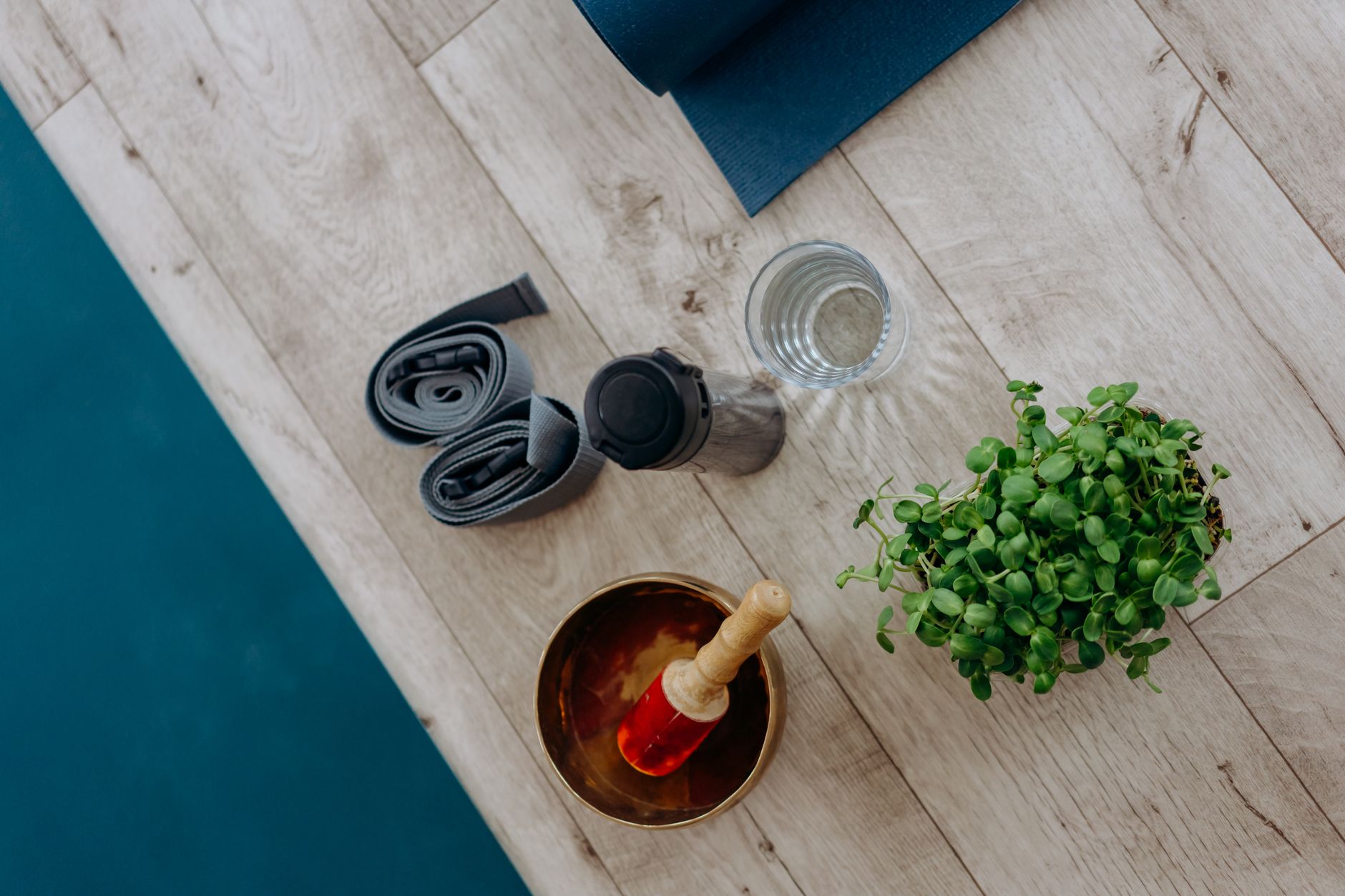
Choose a quiet corner with a yoga mat, a small pillow for lumbar support, and a resistance band (light to medium tension). A soft, dim light helps you relax, and a timer on your phone keeps you on track.
Sample 20‑minute home routine
Warm‑up (3 minutes): gentle diaphragmatic breathing while lying supine, arms reaching overhead.
Core circuit (14 minutes):
- Pelvic tilts – 12 reps
- Heel slides – 10 each side
- Dead bug (modified) – 8 each side
- Standing pelvic floor activation – 12 breaths
- Side‑plank with knee bend – 6 each side
- Cool‑down – 3 minutes of child’s pose with belly breathing.
Repeat the circuit 2–3 times, depending on comfort. The routine can be performed 3–5 days per week. According to the Academy of Nutrition and Dietetics, consistent low‑impact core work is more beneficial than sporadic high‑intensity sessions for postpartum recovery.
Tracking progress
Every two weeks, gently pinch the area 2 cm above and below the navel while lying flat. If the gap feels smaller or the tissue feels firmer, you’re on the right track. Keep a short journal noting how many reps you completed and any sensations of pulling or discomfort.
Exercises to avoid with diastasis recti postpartum
Not every move is safe. Some popular fitness trends can actually widen the abdominal gap, delay healing, or cause lower‑back pain. Knowing what to skip is as important as knowing what to do.
Even well‑intentioned classes that promise “core toning” may include hidden risks if they rely on excessive spinal flexion. Always ask the instructor to modify or avoid these movements when you’re in a postpartum class.
High‑impact or “crunch”‑heavy moves
- Traditional crunches and sit‑ups: These create a flexion force that pulls the linea alba apart.
- Double leg lifts: Lifting both legs simultaneously increases intra‑abdominal pressure, stressing the weakened tissue.
- Leg presses on a gym machine: The force transmitted through the pelvis can exacerbate the separation.
Forward‑bending yoga poses
Full forward folds like “Paschimottanasana” or “Uttanasana” stretch the rectus abdominis and can widen the gap if performed without core engagement. If you love yoga, modify by keeping a slight bend in the knees and focusing on lengthening the spine rather than the belly.
Heavy lifting without core bracing
Deadlifts, squats, and kettlebell swings are fantastic for overall strength, but they should be postponed until you’ve re‑established a solid draw‑in and can brace properly. When you do return to weight training, start with light dumbbells (2–5 lb) and keep the core engaged.
Diastasis recti core exercises for postpartum women
Beyond the specific moves listed earlier, a comprehensive core program for diastasis recti postpartum women integrates the pelvic floor, deep core, and functional stability. This holistic approach aligns with the recommendations of the International Association of Physical Therapists in Women’s Health (IAPTW).
Consistent practice of these integrated movements not only narrows the abdominal gap but also improves posture, reduces urinary leakage, and supports everyday activities like lifting a stroller or reaching for a diaper bag.
Integrated core circuit
Perform this circuit 2‑3 times weekly, alternating with low‑impact cardio (walking, swimming) for balanced recovery.
- Pelvic floor “Kegels” with draw‑in: 10 breaths – inhale, draw in, and contract pelvic floor simultaneously.
- Modified plank on knees: Hold 10–15 seconds – keep the draw‑in, avoid sagging hips.
- Standing hip hinge with band: 12 reps each side – place a resistance band around thighs, hinge at hips while maintaining core brace.
- Supine heel‑to‑buttocks: 10 reps each side – slide heel toward glutes, keep core engaged.
- Cat‑cow with core draw‑in: 8 cycles – move spine, maintain draw‑in throughout.
This routine nurtures the “core bucket” (deep core, pelvic floor, diaphragm, and glutes) as a unit, which research from the American College of Obstetricians and Gynecologists (ACOG) shows improves functional outcomes after pregnancy.
Postpartum diastasis recti exercises for flat stomach
Many new moms hope to regain a “flat” belly, but the priority should be safe tissue healing first. Once the gap has narrowed (often confirmed by a clinician at the 8‑week mark), you can introduce gentle sculpting moves.
Remember that a truly flat appearance also depends on overall body composition and posture. Incorporating light cardio and a balanced diet will help you see the results of your core work more clearly.
Gentle flattening moves
- Standing “pencil” presses: Stand tall, draw in, and press your palms together in front of your sternum, holding for 5 seconds.
- Seated “boat” pose with modification: Sit with knees bent, draw in, and lift one foot a few inches off the floor, alternating sides.
- Low‑impact “marching” on all fours: From tabletop, draw in and lift opposite arm and leg, keeping the movement controlled.
These exercises tone the superficial abdominal muscles without over‑stretching the repaired tissue. Pair them with a balanced diet rich in protein, fiber, and anti‑inflammatory foods (think salmon, leafy greens, and berries) to support muscle recovery.
Exercises for diastasis recti after C‑section
A C‑section adds an extra layer of healing—incisions through the abdominal wall, plus the risk of adhesions. The same core principles apply, but the timeline may be longer, and certain moves should be delayed.
Women who had a C‑section often report feeling “tight” around the scar. Gentle scar massage (once cleared by your surgeon) can improve tissue pliability and make core activation more comfortable.
When to start
Most surgeons advise waiting until the 6‑week postpartum check before beginning any core work, but always follow your own surgeon’s guidance. If you have a “healing incision” that feels tender, keep activities low‑impact and avoid any direct pressure on the scar.
Tailored exercise progression
- Phase 1 (Weeks 6‑8): Gentle diaphragmatic breathing, pelvic tilts, and heel slides.
- Phase 2 (Weeks 9‑12): Add modified dead bug, single‑leg bridge, and standing pelvic floor activation.
- Phase 3 (Weeks 13+): Introduce side‑plank with knee bend, bird‑dog, and low‑impact marching.
Progression should be guided by pain levels—if you feel any sharp or radiating discomfort, pause and consult a physical therapist. The American College of Surgeons notes that a structured, gradual program reduces the risk of incisional hernias after C‑section.
Physical therapy exercises for diastasis recti postpartum
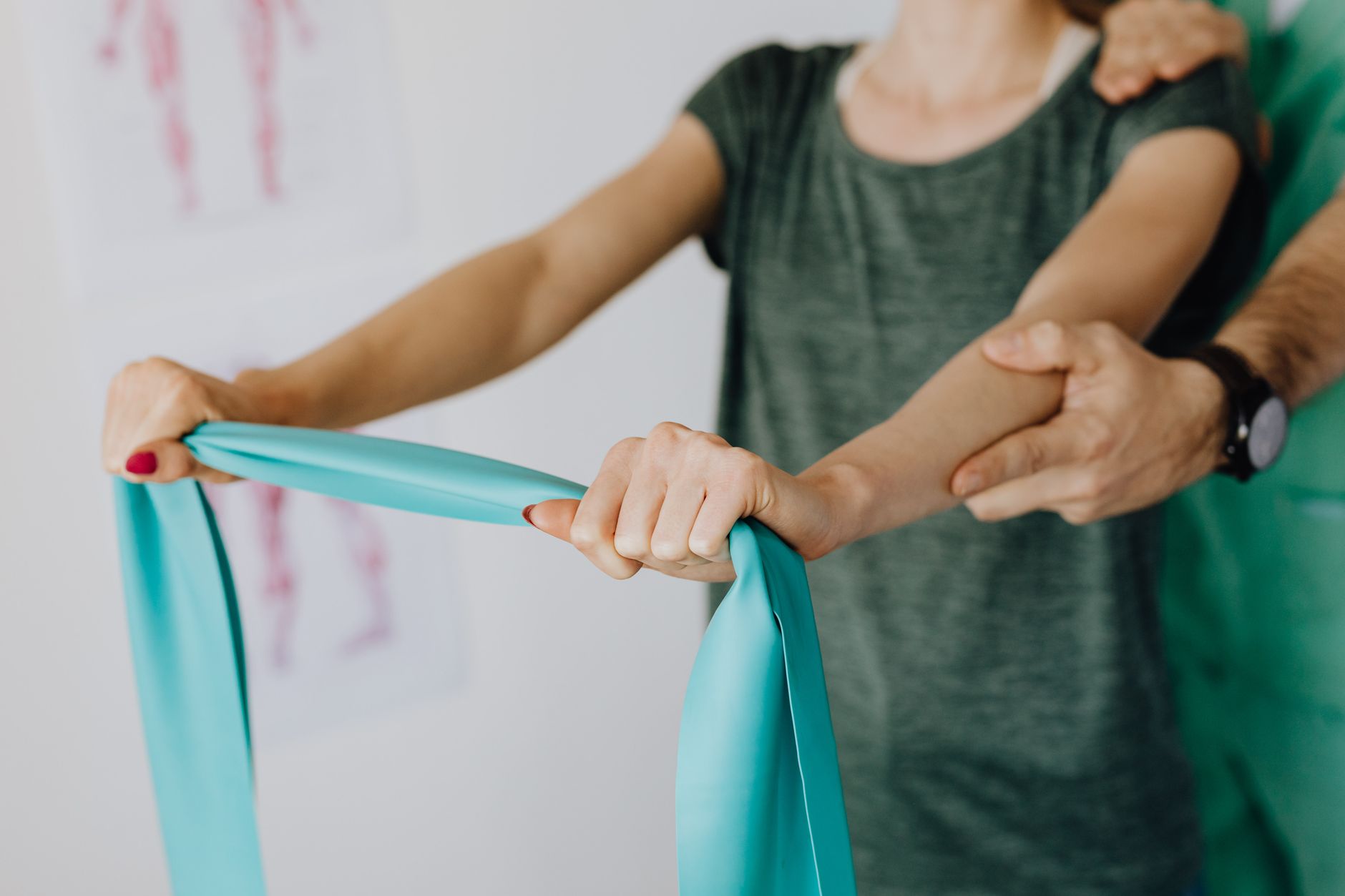
While many women can self‑manage with the exercises above, a licensed physical therapist can provide personalized assessment, manual techniques, and a tailored program. Physical therapy is especially valuable if you have a large gap (>2 cm), persistent lower‑back pain, or difficulty performing the basic moves.
Therapists often use biofeedback tools, such as ultrasound imaging, to show you exactly how the abdominal muscles are engaging. Seeing the muscle activation in real time can boost confidence and accelerate learning.
What a PT session looks like
During the initial evaluation, the therapist will:
- Measure the inter‑recti distance using a ruler or ultrasound.
- Assess pelvic floor strength and breathing patterns.
- Identify compensatory movements (e.g., over‑reliance on hip flexors).
Based on findings, they’ll prescribe a set of “core re‑education” exercises—often a blend of the moves listed earlier—plus hands‑on techniques to improve tissue mobility.
Benefits of professional guidance
Studies in the Journal of Women’s Health Physical Therapy (2023) show that women who received PT‑guided diastasis recti programs recovered 30 % faster and reported less pain than those who self‑treated. Additionally, PTs can teach proper diaphragmatic breathing, which enhances core engagement and reduces intra‑abdominal pressure.
Typical home program from a PT
A 12‑week PT‑prescribed program might look like:
- Weeks 1‑4: Drawing‑in, pelvic tilts, heel slides (10 min daily).
- Weeks 5‑8: Add dead bug, single‑leg bridge, standing pelvic floor activation (15 min, 4×/week).
- Weeks 9‑12: Introduce side‑plank, bird‑dog, low‑impact marching (20 min, 3×/week).
Each phase builds on the previous one, ensuring the abdominal wall is not overloaded.
Additional considerations for diastasis recti recovery
Beyond the exercises themselves, several lifestyle factors can influence healing speed and outcomes.
One often‑overlooked factor is hydration. Adequate water intake supports tissue elasticity and helps prevent constipation, which can increase intra‑abdominal pressure during bowel movements.
Postpartum belly binding and diastasis recti
A snug but comfortable belly binder can provide gentle support, reminding you to keep the core drawn in during daily activities. Research from the British Journal of Midwifery (2022) suggests that binding does not hinder tissue healing when used in moderation, but it should never replace active core engagement.
Support garments and exercise synergy
Compression garments—such as postpartum girdles or high‑waisted leggings—can improve proprioception, helping you feel the abdominal wall more clearly. Pair them with the “draw‑in” cue to maximize effectiveness.
Nutrition for tissue repair
Protein‑rich foods (lean meats, legumes, Greek yogurt) supply the amino acids needed for muscle recovery. Vitamin C (citrus fruits, bell peppers) and zinc (pumpkin seeds, nuts) support collagen synthesis, which is essential for the linea alba.
Sleep and stress management
Adequate sleep (7–9 hours) and stress‑reduction techniques (deep breathing, short walks) lower cortisol, which can otherwise impede tissue healing.
Diastasis recti postpartum cardio and low‑impact activities
Staying active while you heal is important for circulation, mood, and overall fitness. However, not all cardio options are equal for a healing diastasis.
Low‑impact activities that keep the core engaged without excessive compressive forces are ideal. The NHS recommends walking, water‑based exercises, and stationary cycling as safe choices during the early postpartum weeks.
Walking with a purposeful posture
Maintain a slight draw‑in while you walk, keeping shoulders relaxed and hips aligned. A brisk 20‑minute walk 3–5 times a week boosts circulation to the abdominal wall and helps reduce swelling.
Water‑based movement
Swimming or water aerobics provide gentle resistance while the buoyancy supports the spine, lessening stress on the linea alba. If you’re new to water exercise, start with shallow water walking and progress to light laps as confidence grows.
Stationary cycling
Adjust the seat so that your knees are slightly bent at the bottom of the pedal stroke. Keep the core drawn in and avoid leaning forward excessively, which can increase intra‑abdominal pressure.
Everyday movement modifications to protect your core
Even simple daily tasks—like picking up a diaper bag or lifting a baby—can strain a recovering diastasis if done incorrectly. Small adjustments make a big difference.
When you need to lift, bend at the hips and knees, keep the draw‑in engaged, and use the strength of your legs rather than your abdomen. This technique mirrors the “hip‑hinge” cue taught in many postpartum physical‑therapy programs.
When sitting down or standing up from a low surface, engage your core first and push through your heels. You’ll feel more stable and avoid sudden pressure spikes on the abdominal wall.
Breastfeeding posture
Use a supportive pillow to bring the baby to eye level, allowing you to keep a neutral spine. A relaxed, drawn‑in core helps prevent forward rounding, which can aggravate the separation.
Symptoms checklist
- Visible bulge or “pooch” at the midline when lifting the head or shoulders.
- Feeling of a “gap” or “softness” when pressing gently about 2 cm above or below the belly button.
- Lower‑back pain that worsens with prolonged standing or core activation.
- Difficulty performing basic core moves (e.g., crunches feel uncomfortable).
- Pelvic floor weakness, such as urinary leakage during sneezing.
- Any new bulge that becomes more pronounced when you cough or lift.
Treatment options comparison
Natural remedies with evidence
While exercise remains the cornerstone, a few adjunctive strategies have modest scientific backing:
- Mindful breathing exercises: Diaphragmatic breathing improves transverse abdominis activation and reduces intra‑abdominal pressure (American Respiratory Society, 2021).
- Gentle yoga “core” flow: Hatha yoga sequences that emphasize lengthening over flexion have been shown to support diastasis recti healing without widening the gap (Journal of Bodywork and Movement Therapies, 2022).
- Herbal anti‑inflammatory teas: Turmeric or ginger tea can lower systemic inflammation, potentially aiding tissue repair, though evidence is anecdotal.
Myth vs. fact
Myth: “You must avoid all abdominal work after pregnancy.”
Fact: Gentle, properly coached core exercises are safe and essential for healing. Ignoring the core can lead to persistent back pain and delayed recovery.
Myth: “A flat stomach will appear once the gap closes.”
Fact: The visual appearance of the abdomen also depends on overall body composition, posture, and muscle tone. A flat belly is a long‑term goal; prioritize tissue integrity first.
Myth: “Surgery is the only way to fully fix diastasis recti.”
Fact: Most women achieve significant improvement with structured exercise and physical therapy. Surgery is reserved for large, symptomatic gaps or when non‑surgical methods fail.
Key takeaways
- Start with gentle drawing‑in moves; progress only when you can maintain a neutral spine.
- Avoid traditional crunches, double leg lifts, and heavy lifting until the gap narrows.
- Integrate pelvic‑floor activation and diaphragmatic breathing for comprehensive core strength.
- Physical therapy can accelerate recovery and ensure proper technique.
- Support garments are helpful adjuncts but should not replace active core engagement.
- Most women see noticeable improvement within 8‑12 weeks, but individual timelines vary.
- Low‑impact cardio and mindful daily movements protect the core while keeping you active.
Frequently asked questions
What are the symptoms of diastasis recti after pregnancy?
The most common sign is a visible bulge or “pooch” at the midline when you lift your head or shoulders off the floor. You may also feel a soft separation about 2 cm above or below the belly button, experience lower‑back pain, or notice pelvic‑floor weakness such as urinary leakage during coughing.
How long does it take to recover from diastasis recti?
Recovery varies. With a consistent home exercise program, many women notice improvement in 8‑12 weeks. Those who incorporate physical therapy often see faster results, typically around 12‑16 weeks. Larger gaps or concurrent C‑section healing may extend the timeline.
Can diastasis recti be prevented during pregnancy?
While you can’t guarantee prevention, maintaining core awareness, avoiding heavy lifting, and practicing gentle drawing‑in techniques throughout pregnancy can reduce the risk. Staying active with low‑impact cardio and pelvic‑floor exercises also supports overall abdominal health.
What exercises should I avoid with diastasis recti?
Avoid traditional crunches, sit‑ups, double leg lifts, and any movement that creates excessive forward flexion of the spine. Heavy weight‑lifting without proper core bracing, full forward‑bending yoga poses, and high‑impact cardio (like jumping rope) can also widen the gap.
How do I know if I have diastasis recti after pregnancy?
You can perform a simple self‑check: lie on your back with knees bent, and using your fingertips, gently press about 2 cm above and below the belly button. If you feel a gap or a “click” as you lift your head slightly, you may have diastasis recti. A definitive diagnosis comes from a healthcare provider who can measure the inter‑recti distance with a ruler or ultrasound.
Can diastasis recti be treated without surgery?
Yes. The majority of cases improve with targeted core exercises, pelvic‑floor training, and, when needed, physical therapy. Surgery is typically reserved for large, persistent gaps (greater than 2 cm) or when conservative measures fail to relieve symptoms.
Is Pilates safe for diastasis recti?
Many Pilates moves are low‑impact and emphasize core control, making them a good fit when modified. Choose “Pilates for post‑partum” classes that focus on the drawing‑in technique and avoid full “roll‑up” or “crunch” variations until your therapist clears you.
Should I wear a corset or tight garment after delivery?
Brief, supportive binders can help remind you to keep the core drawn in and may reduce discomfort during daily tasks. However, tight corsets that restrict breathing or force the abdomen into a rigid position can increase intra‑abdominal pressure and impede healing. Opt for a breathable, adjustable binder and use it as an adjunct—not a replacement—for active core work.
When to see a doctor or specialist
If you notice any of the following red‑flag symptoms, contact a healthcare professional promptly:
- Sudden, severe abdominal pain or a bulge that worsens quickly.
- Visible protrusion that enlarges with coughing, sneezing, or lifting.
- Persistent lower‑back pain unrelieved by rest or gentle core work.
- Any signs of infection or wound issues after a C‑section (redness, drainage).
- Difficulty controlling urine or bowel movements.
For evaluation, schedule an appointment with an OB‑GYN, a qualified physical therapist specializing in women's health, or a certified pelvic‑floor therapist. They can measure the gap, rule out hernias, and customize a treatment plan.
References
- American College of Obstetricians and Gynecologists (ACOG). “Physical Activity and Exercise During Pregnancy and the Postpartum Period.” 2023.
- American Physical Therapy Association (APTA). “Core Rehabilitation After Pregnancy.” Clinical Guidelines, 2022.
- Academy of Nutrition and Dietetics. “Postpartum Nutrition and Recovery.” 2024.
- International Association of Physical Therapists in Women’s Health (IAPTW). “Guidelines for Diastasis Recti Management.” 2023.
- Journal of Women’s Health Physical Therapy. “Effectiveness of Physical Therapy in Diastasis Recti Recovery.” 2023.
- British Journal of Midwifery. “Postpartum Belly Binding: Benefits and Risks.” 2022.
- American College of Surgeons. “Abdominoplasty and Diastasis Recti.” 2021.
- American Respiratory Society. “Diaphragmatic Breathing and Core Activation.” 2021.
- Journal of Bodywork and Movement Therapies. “Yoga for Diastasis Recti.” 2022.
- National Institute of Diabetes and Digestive and Kidney Diseases (NIDDK). “Understanding Diastasis Recti.” 2022.
- National Health Service (NHS). “Post‑natal exercise guidance.” Updated 2023.
- Centers for Disease Control and Prevention (CDC). “Physical activity guidance for new mothers.” 2022.