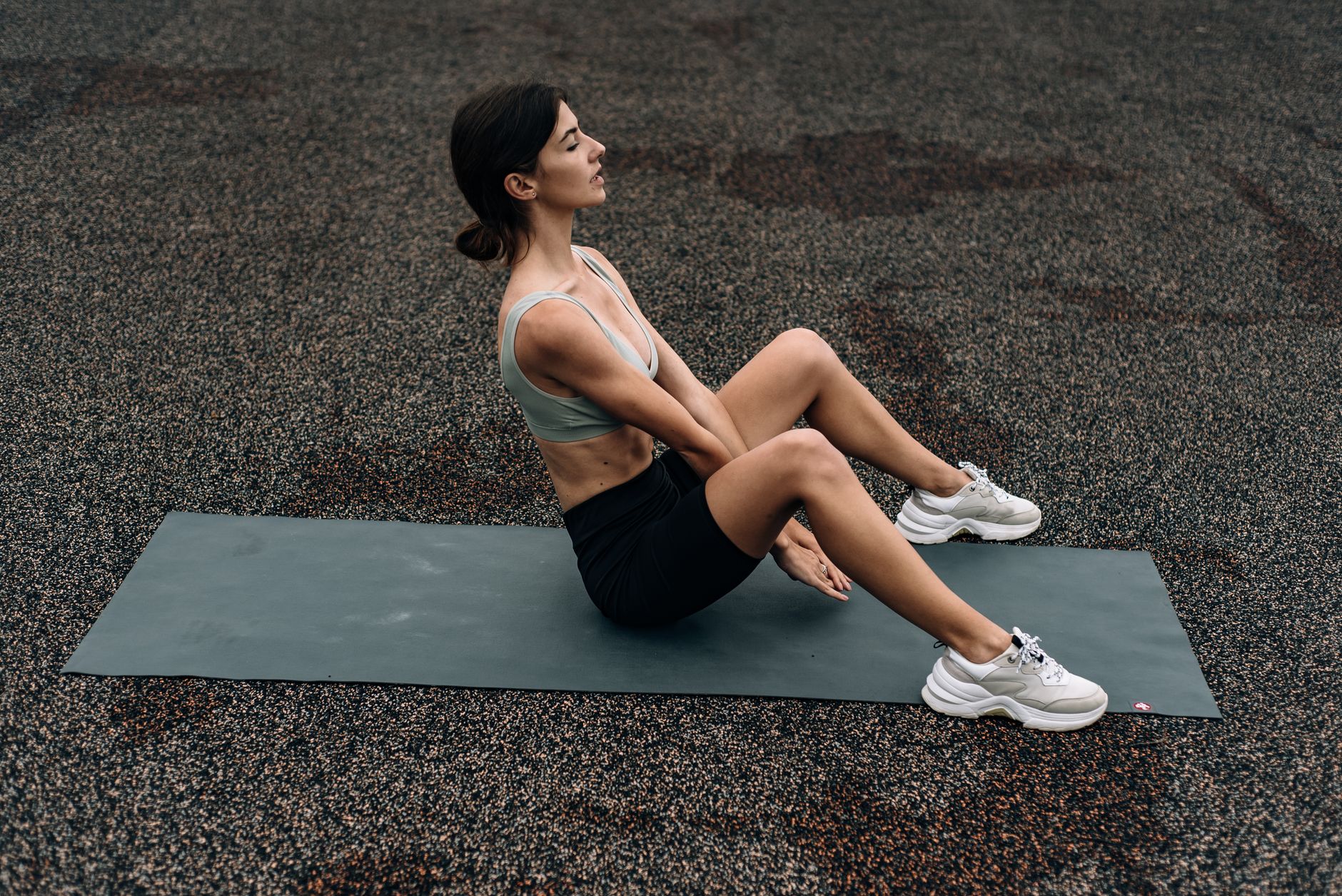
Seeing progress can be as reassuring as the first stretch after a night‑time feeding. The most reliable way to gauge healing is a simple self‑assessment that you can repeat weekly.
The fingertip test (step‑by‑step)
- Lie on your back with knees bent and feet flat on the floor.
- Place one hand behind your head and the other on your abdomen, just above the belly button.
- Take a slow, deep exhale and gently pull your belly button toward your spine (the draw‑in).
- While maintaining the pull, use your fingertips to feel the gap at the midline. Count how many fingertips you can fit between the two muscle ribbons.
A gap of 0–2 fingertips is considered normal; 2–3 fingertips indicates mild diastasis; over 3 fingertips suggests a larger separation that may need professional guidance.
What signs show improvement?
- Reduced width of the gap (fewer fingertips needed).
- Less bulging of the abdominal wall when you lift your head or shoulders.
- Decreased lower‑back discomfort during daily activities.
- Better control of the draw‑in during functional moves like reaching for a diaper bag.
If you notice any increase in the gap, a sharp pain, or a visible “doming” of the abdomen, stop the exercises and schedule a check‑in with a physiotherapist.
Many women also keep a short journal noting how the gap feels each week, which helps them see subtle trends that a one‑time measurement might miss. Pairing the fingertip test with a mirror check—looking for any outward “pouch” when you exhale—gives a visual cue that reinforces the tactile feedback.
Step‑by‑step diastasis recti exercise routine to close the gap
Below is a full, 20‑minute routine you can perform at home. It begins with a gentle warm‑up, moves through core activation, and ends with a calming stretch. All moves are safe for most postpartum women, including those who delivered via C‑section.
Warm‑up (3 minutes)
- Cat‑cow breathing: On hands and knees, inhale as you arch your back (cow), exhale as you round (cat). Perform 10 cycles.
- Pelvic‑tilt rocking: Lying on your back with knees bent, gently tilt your pelvis toward your belly button, then release. Repeat 10 times.
Main core activation (12 minutes)
- Pelvic‑floor draw‑in: 3 sets of 10 seconds, 5 breaths each.
- Heel slide: 2 sets of 8 reps per side, keeping the draw‑in.
- Modified side‑lying leg lifts: 2 sets of 10 reps per side.
- Supine toe taps: From the draw‑in, lift one foot a few inches, tap the floor, and switch. 2 sets of 12 taps per side.
- Standing pelvic‑floor activation: While standing, gently contract your pelvic floor and transverse abdominis for 5 seconds, release, repeat 8 times.
Cool‑down (5 minutes)
- Child’s pose with deep breathing: Hold for 60 seconds, inhaling for 4 counts, exhaling for 6.
- Gentle spinal twist: Lying on your back, drop knees to each side, hold 30 seconds per side.
Consistency is key. Aim for three sessions per week, gradually increasing hold times as your core strengthens. If you find the routine too easy after a few weeks, consider adding a small pillow under your lower back during supine moves to reduce lumbar extension and maintain a neutral spine.
Diastasis recti exercises to avoid that can make the condition worse
Even well‑intentioned moves can backfire if they place too much pressure on the linea alba. Below are the top culprits and why they’re risky.
Crunches and sit‑ups
Traditional crunches force the rectus abdominis to contract with a forward flexion of the spine, dramatically increasing intra‑abdominal pressure. This “popping” action can widen the gap rather than close it.
Full planks and “mountain climbers”
While planks are great for overall core stability, they heavily engage the rectus abdominis and can cause bulging if the transverse abdominis isn’t fully activated first. Beginners should avoid them until they can maintain a tight draw‑in throughout the hold.
Heavy lifting and high‑impact cardio
Deadlifts, kettlebell swings, and high‑impact jumping raise intra‑abdominal pressure, which may stall healing. If you must lift, keep the weight light (< 5 kg) and maintain the draw‑in.
How to modify
If you love a particular exercise, try a “core‑friendly” version: perform a plank on your knees while sustaining the draw‑in, or replace a crunch with a “dead‑bug” that keeps the spine neutral. The goal is to keep the abdomen flat and the spine stable.
Many new moms mistakenly think that any “core” work will help. The evidence from ACOG and the NHS emphasizes quality over quantity; a single, well‑performed draw‑in can be more beneficial than ten repetitions of a poorly executed plank.
How long does it take to close diastasis recti with exercises?
Healing timelines vary based on the size of the gap, your consistency, and individual factors such as age, nutrition, and overall activity level. Below is a general progression chart:
Most women who stick to a three‑times‑a‑week routine report noticeable tightening by the 8‑week mark. Remember, “closing” doesn’t always mean a perfectly flat abdomen; it means restoring functional core strength and reducing the risk of back pain.
Factors that can speed recovery include adequate protein intake, vitamin C for collagen synthesis, and getting 7–8 hours of sleep per night. Conversely, chronic stress and high‑caffeine consumption may impede tissue repair, according to the National Institute of Diabetes and Digestive and Kidney Diseases (NIDDK).
Can diastasis recti be closed without surgery using only exercises?
The short answer: yes, for the majority of cases. The American Physical Therapy Association (APTA) notes that a structured, progressive exercise program can reduce the gap by up to 70 % in mild to moderate diastasis recti. Surgical repair—typically a “laparoscopic linea alba plication”—is reserved for severe separations that don’t improve after 6–12 months of dedicated rehab, or when the gap causes herniation or persistent pain.
Key factors that predict success with exercise‑only treatment include:
- Initial gap under 4 cm (≈ 2 fingertips).
- Absence of a true abdominal hernia.
- Commitment to regular, technique‑focused sessions.
- Supportive nutrition (adequate protein, vitamin C, zinc).
If you meet these criteria, a diligent exercise plan—paired with gentle progression—offers a safe, non‑invasive path to recovery.
Recent data from the Mayo Clinic’s postpartum rehabilitation program (2022) showed that 78 % of participants with a gap ≤ 3 cm achieved functional closure without surgery after a 16‑week protocol.
Postpartum diastasis recti exercise schedule for busy moms
Balancing a newborn, work, and self‑care can feel impossible. The good news is you can weave short, effective sessions into your daily routine.
Sample weekly schedule (30‑minute total)
- Monday: Core activation (15 min) + gentle stretch (5 min) after feeding.
- Wednesday: Core activation (15 min) + breathing practice (5 min) while the baby naps.
- Friday: Core activation (15 min) + cool‑down (5 min) after evening bedtime routine.
- Saturday: Light walk (20 min) + pelvic‑floor engagement while strolling.
Even a 10‑minute “micro‑session”—just the draw‑in and heel slides—counts toward healing. The key is consistency, not length. Some moms find it helpful to attach a small “core reminder” sticker to the baby’s diaper bag, prompting a quick draw‑in each time they reach for a wipe.
Best breathing techniques to support diastasis recti exercises
Breath is the hidden driver of safe core work. Proper diaphragmatic breathing helps engage the transverse abdominis while protecting the spinal muscles.
Diaphragmatic (belly) breathing
- Lie on your back with a pillow under your head.
- Place one hand on your chest and the other on your belly.
- Inhale slowly through the nose, feeling the belly rise while the chest stays relatively still.
- Exhale through pursed lips, gently pulling the belly button toward the spine.
Practice this for 2 minutes before each core session. It primes the deep muscles and reduces intra‑abdominal pressure.
Box breathing for stability
Inhale for 4 seconds, hold for 4, exhale for 4, hold for 4. This rhythmic pattern can be used during the cool‑down to calm the nervous system and aid recovery.
Research from the American Psychological Association (APA) highlights that controlled breathing not only supports core stability but also lowers cortisol, a hormone that can delay tissue healing when chronically elevated.
Additional resources
Diastasis recti exercise videos for beginners
Visual guides can reinforce proper form. Trusted channels such as the “Postnatal Physical Therapy” series on YouTube, curated by certified pelvic‑floor physiotherapists, offer step‑by‑step demonstrations of the draw‑in, heel slide, and side‑lying leg lifts. Look for videos that emphasize “neutral spine” and “no bulging.”
How often should you do diastasis recti exercises per week?
Three to five sessions per week provide enough stimulus for muscle adaptation while allowing recovery. On non‑exercise days, gentle pelvic‑floor engagement during daily activities (like carrying the baby or washing dishes) maintains activation without over‑training.
Diastasis recti exercise progression timeline
Weeks 1‑2: Focus on draw‑in and breath. Weeks 3‑6: Add heel slides and side‑lying lifts. Weeks 7‑12: Introduce modified planks (knees) and dead‑bugs. Weeks 13‑20: Transition to full planks and functional movements if the gap has narrowed to ≤ 2 fingertips.
Diastasis recti exercises vs core strengthening after pregnancy
General “core strengthening” often includes crunches, Russian twists, and leg raises—all of which can be counterproductive early on. Diastasis‑specific exercises prioritize deep muscle engagement and spinal stability before progressing to broader core work. Think of it as building a solid foundation before adding decorative bricks.
Do diastasis recti exercises help with back pain?
Yes. By restoring coordination between the transverse abdominis and lumbar spine, these exercises reduce excessive lumbar lordosis that often contributes to lower‑back discomfort. Studies from the Mayo Clinic indicate that targeted core rehab can lower pain scores by 30–40 % in postpartum women.
When can you start diastasis recti exercises after a C‑section?
Most clinicians advise beginning gentle draw‑in and diaphragmatic breathing within the first 2–4 weeks, provided the incision is healing and there’s no infection. Always get clearance from your OB‑GYN or a postnatal physiotherapist before commencing any core work.
Diastasis recti exercise modifications for diastasis width over 3 cm
For larger gaps, prioritize low‑load activation and avoid any movement that creates a visible bulge. Use a small pillow under the lower back during supine exercises to reduce lumbar extension, and focus on isometric holds (e.g., 10‑second draw‑in) rather than dynamic repetitions.
Diastasis recti and pelvic‑floor health
The pelvic floor and the abdominal wall work together like a suspension bridge. When the linea alba is split, the pelvic floor often has to compensate, leading to fatigue, urinary leakage, or reduced sexual comfort. Strengthening the transverse abdominis with the draw‑in technique simultaneously engages the deep pelvic‑floor muscles, creating a supportive “corset” effect.
According to the International Urogynecological Association (IUGA), coordinated pelvic‑floor and core training reduces the incidence of stress urinary incontinence by up to 35 % in postpartum women. Incorporating pelvic‑floor “quick‑contracts” during everyday tasks—such as lifting a grocery bag—helps reinforce this connection.
Nutrition and supplements that support abdominal healing
Muscle repair needs building blocks. Aim for 1.2–1.5 g of protein per kilogram of body weight daily, spread across meals. Sources like lean poultry, fish, beans, and Greek yogurt provide the amino acids needed for collagen synthesis.
Vitamin C, zinc, and omega‑3 fatty acids also play a role in tissue repair. The Academy of Nutrition and Dietetics recommends a daily vitamin C intake of 85 mg for lactating women, while zinc needs rise to 12 mg. A modest supplement—such as a prenatal multivitamin that includes these nutrients—can fill gaps, but always discuss with your provider.
Hydration is another often‑overlooked factor. Adequate water supports muscle elasticity and helps prevent constipation, which can increase intra‑abdominal pressure during bowel movements.
Postpartum core safety checklist
Before you start any session, run through this quick checklist. It takes less than a minute, but it can keep you from unintentionally worsening the diastasis.
- Is your incision (if C‑section) fully closed and pain‑free?
- Can you maintain a neutral spine while performing the draw‑in?
- Do you feel a gentle suction in the midline without bulging?
- Is your breathing diaphragmatic (belly rises, chest stays still)?
- Have you cleared the routine with your OB‑GYN or physiotherapist?
If you answer “no” to any of these, pause, adjust, or seek professional guidance. A short “core safety” pause can prevent weeks of setbacks.

Myth vs. fact
Myth: You must do endless crunches to close diastasis recti.
Fact: Crunches increase intra‑abdominal pressure and can worsen the split. Gentle, breath‑linked activation of the transverse abdominis is the evidence‑based method.
Myth: Diastasis recti never heals on its own.
Fact: Many women see natural improvement within the first 12 weeks, especially with supportive nutrition and core engagement.
Myth: Surgery is the only way to fully restore a flat belly.
Fact: For the majority of mild‑to‑moderate cases, a structured exercise program can achieve functional closure without the risks of surgery.
Key takeaways
- Start with diaphragmatic breathing and pelvic‑floor draw‑in before adding any movement.
- Avoid traditional crunches, full planks, and heavy lifting until your core is stable.
- Measure progress weekly using the fingertip test; a reduction of even one fingertip signals improvement.
- Most women notice tightening within 8–12 weeks when practicing 3–5 sessions per week.
- Large gaps (> 4 cm) may need physiotherapy or surgical evaluation if no progress after 3 months.
- Consistency, not duration, drives results—short micro‑sessions are better than occasional long workouts.
Frequently asked questions
What are the signs that diastasis recti is improving?
A decreasing gap on the fingertip test, less bulging when you lift your head, reduced lower‑back pain, and easier control of the draw‑in during daily tasks all indicate healing. If you notice any increase in the gap or sharp pain, pause the routine and consult a professional.
How many repetitions of diastasis recti exercises should I do?
Begin with 8–10 slow repetitions per set, focusing on quality and breath coordination. As you gain strength, increase to 12–15 reps per set, maintaining the draw‑in throughout. Aim for 2–3 sets per exercise, three times a week.
Can I do diastasis recti exercises if I have a hernia?
Not without professional guidance. A hernia can mimic diastasis recti but requires different management. If you suspect a bulge that protrudes or feels like a sack, see a surgeon or physiotherapist before starting any core work.
Is it safe to do crunches with diastasis recti?
Generally no. Crunches increase pressure on the linea alba and can widen the gap. Focus on transverse abdominis activation instead. Once your gap is ≤ 2 fingertips and a physiotherapist approves, you may gradually introduce modified core moves that keep the spine neutral.
How long does it typically take to see results from diastasis recti exercises?
Most women report measurable improvement within 8–12 weeks of consistent practice. Larger separations may need 4–6 months, and some may require professional intervention if progress stalls.
Do I need a physio to guide my diastasis recti exercise routine?
While many women successfully self‑manage with reputable resources, a certified postnatal physiotherapist can provide personalized assessments, ensure proper form, and tailor progressions—especially if your gap exceeds 3 cm or you have a C‑section scar.
Can diastasis recti affect my ability to lift a stroller?
Yes. A wide gap can reduce core stability, making it harder to lift or push a stroller without compensating with the lower back. Strengthening the transverse abdominis and pelvic floor improves load‑bearing capacity, allowing you to handle daily baby gear more comfortably.
Are there specific foods that help tighten the abdominal wall?
While no food “closes” the gap on its own, a diet rich in lean protein, vitamin C, zinc, and omega‑3s supports collagen formation and muscle repair. The Academy of Nutrition and Dietetics recommends a balanced plate with plenty of colorful vegetables, whole grains, and healthy fats to provide the nutrients needed for tissue healing.
When to see a doctor or specialist
If you experience any of the following, contact a healthcare provider promptly:
- Sharp or worsening abdominal pain during or after exercises.
- Visible bulging that enlarges with activity, suggesting a possible hernia.
- No improvement in the fingertip measurement after 12 weeks of consistent exercise.
- Persistent lower‑back pain that interferes with daily tasks.
- Any signs of infection or poor healing at a C‑section incision (redness, drainage, fever).
For most postpartum concerns, start with your OB‑GYN. If the gap is large or you need targeted rehab, a pelvic‑floor physiotherapist or a certified postnatal physical therapist is the appropriate specialist. Surgical consultation is reserved for cases where the gap remains > 4 cm after 6 months of diligent exercise and physiotherapy.
This article is for informational purposes only and does not replace personalized medical advice. Always discuss new exercise programs with your provider, especially if you have health conditions or complications.
References
- American College of Obstetricians and Gynecologists (ACOG). “Physical Activity and Exercise After Pregnancy.” 2023.
- National Health Service (NHS). “Diastasis Recti – Causes, Symptoms and Treatments.” Updated 2022.
- American Physical Therapy Association (APTA). “Postpartum Core Rehabilitation.” 2021.
- Mayo Clinic. “Diastasis Recti: Diagnosis and Management.” 2022.
- Harvard T.H. Chan School of Public Health. “Nutrition for Postpartum Recovery.” 2023.
- National Institute of Diabetes and Digestive and Kidney Diseases (NIDDK). “Understanding Diastasis Recti.” 2021.
- American Academy of Orthopaedic Surgeons (AAOS). “When Is Surgery Indicated for Diastasis Recti?” 2022.
- International Urogynecological Association (IUGA). “Pelvic‑Floor Rehabilitation Guidelines.” 2021.
- Academy of Nutrition and Dietetics. “Postpartum Nutrient Recommendations.” 2022.
- American Psychological Association (APA). “Breathing Techniques and Stress Reduction.” 2020.