

Quick take: Forget the guilt of skipping snacks—diabetic-friendly on-the-go options exist! Focus on low-glycemic foods (GI <55), balanced macros (protein + fat), and prep-ahead strategies. From portable nuts to homemade energy balls, these snacks keep blood sugar steady without the sugar crash. Pro tip: Always check labels for hidden carbs and opt for unsweetened or naturally sweetened choices.Diabetic Diet Snacks for On the Go: The Complete 2026 Guide
You’re in the middle of a busy morning, coffee in hand, and suddenly that gnawing hunger hits. You reach into your bag—only to realize you forgot snacks again. For someone managing diabetes, this isn’t just an inconvenience; it’s a blood sugar rollercoaster waiting to happen. You’ve heard the warnings: "Watch your carbs!" "Keep it low-glycemic!" But what does that really mean for your life on the go? How do you pack snacks that won’t spike your glucose, stay fresh for hours, and actually satisfy that craving?
Meet Sarah, a working mom of two who juggles back-to-school chaos, doctor’s appointments for her daughter’s asthma, and a demanding job. She’s spent years perfecting her diabetic snack game—because when her blood sugar crashes mid-meeting or her kids demand a snack at the park, she can’t afford to wing it. "I used to grab whatever was convenient," she admits, "until I realized my energy levels—and my kids’—were paying the price. Now, my bag is my lifeline." Sarah’s story is more common than you think. Whether you’re a busy professional, a parent, or a traveler, finding diabetic-friendly snacks that fit your lifestyle can feel impossible. But it doesn’t have to be.
This guide is your roadmap. We’ll break down the science of the glycemic index, share the best low-carb and low-sugar snacks for every scenario, and give you foolproof prep tips so you’re never caught empty-handed. You’ll learn how to balance macros in snacks, avoid common pitfalls, and even make your own fresh, portable options. By the end, you’ll have a snack arsenal that keeps your blood sugar steady, your energy up, and your stress down—no matter where life takes you.
--- ## **Best Low-Carb Diabetic Snacks for On the Go**When you’re on the move, convenience often trumps nutrition—but it doesn’t have to. The key to diabetic-friendly snacks is keeping carbs low (aim for <20g net carbs per serving) and prioritizing foods with a glycemic index (GI) of 55 or less. These snacks digest slowly, preventing blood sugar spikes and crashes. Think of them as your portable, blood-sugar-friendly fuel.
Here are the top picks, ranked by ease and nutrition:
| Snack | Net Carbs (per serving) | GI | Protein/Fat Ratio | Best For |
|---|---|---|---|---|
| Hard-boiled eggs | 0g | 0 | High protein, zero carbs | Quick prep, portable, high satiety |
| Almonds (1 oz) | 2g | 15 | Balanced (6g protein, 14g fat) | Travel, work, or school |
| Cheese cubes (1 oz) | 0g | 0 | High fat, moderate protein | Lunchboxes, car rides, or meetings |
| Olives (½ cup) | 2g | 10 | Zero carbs, high fat | Grocery store or restaurant trips |
| Pepperoni slices (1 oz) | 1g | 10 | Moderate protein, low carb | Snack attacks at home or work |
| Avocado slices (½ medium) | 3g | 15 | Healthy fats, fiber | Lunch prep or salads on the go |
**Pro tip:** Pair snacks like cheese cubes with a handful of almonds to balance protein and fat, which slows digestion and keeps you full longer. If you’re craving something sweet, opt for sugar-free dark chocolate (85%+ cocoa)—just watch portions (1–2 squares).
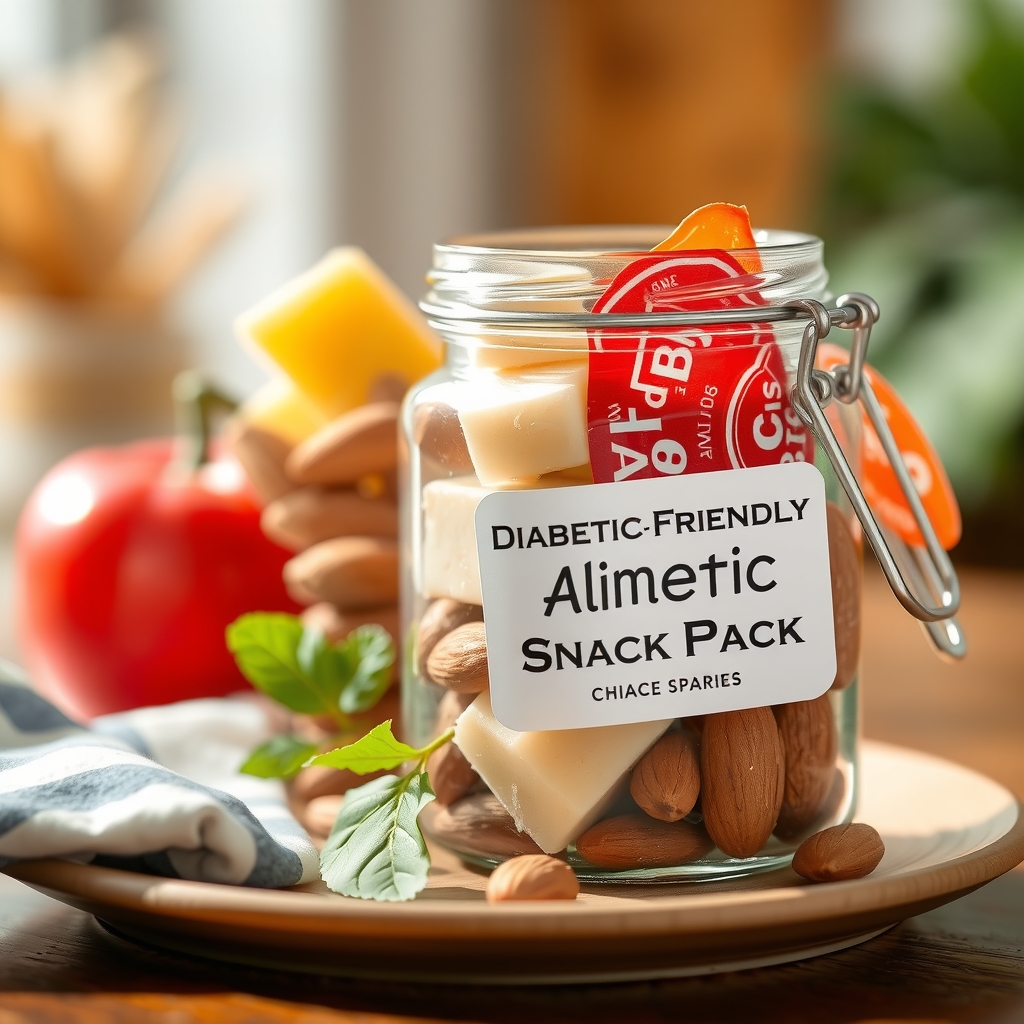
Your lunchbox isn’t just for lunch anymore—it’s your diabetes management tool. The challenge? Keeping snacks fresh, organized, and accessible without sacrificing your desk’s aesthetic (or your sanity). Here’s how to do it:
1. **Use a cooler bag or insulated lunchbox** if you’re packing perishables like cheese, yogurt, or deli meats. A small ice pack keeps things cool for 4–6 hours. 2. **Portion snacks in advance.** Pre-portion nuts, seeds, or cheese cubes into small containers or reusable silicone bags. This prevents mindless overeating and makes grabbing a snack effortless. 3. **Layer snacks by texture.** Pair something crunchy (nuts) with something creamy (cheese) and something soft (avocado) to avoid snack fatigue. 4. **Keep it visible.** Place your snacks on your desk or in your bag where you’ll see them. Out of sight, out of mind—especially when stress eats. 5. **Pack a backup.** Always have a non-perishable option (like a protein bar or nuts) in your bag in case your lunchbox fails you.
**Sarah’s hack:** She uses a stackable bento box with compartments for different snacks. "I put hard-boiled eggs in one, cheese cubes in another, and a few dark chocolate squares in the third. No digging through my bag—just grab and go."
For more low-carb snack ideas that fit into a busy workday, check out our Dash Diet Snacks for On the Go guide—it’s packed with similar portable, blood-sugar-friendly options.
--- ## **Diabetic Snack Prep Ideas for Busy Moms**Moms operate on a schedule that defies logic: 3 a.m. feedings, soccer practice at 4 p.m., and "just one more story" at 8 p.m. With that kind of chaos, snack prep can feel like an impossible task. But with a little planning, you can turn snack time into a stress-free part of your routine.
**1. Double up on dinner prep.** Cook extra chicken or turkey at dinner and use it for snacks the next day. Slice it into strips, toss with olive oil, and pack it with cucumber slices for a low-carb lunchbox.
**2. Make "snack plates" ahead.** Set out portions of nuts, cheese, and veggies on a tray the night before. Store them in the fridge and grab them on your way out the door.
**3. Involve the kids.** Turn snack prep into a family activity. Let them assemble their own snack boxes with crackers (if tolerated), hummus, and veggies. It’s a win for you (less last-minute stress) and a win for them (they’re more likely to eat what they helped make).
**4. Freeze snack portions.** Portion out nut butter into small containers and freeze them. Thaw overnight in the fridge for a quick, no-mess snack.
**5. Keep emergency snacks in the car.** A stash of unsalted nuts, beef jerky (low-sugar), or sugar-free gelatin cups can save the day when you’re stuck in traffic or at a soccer game.
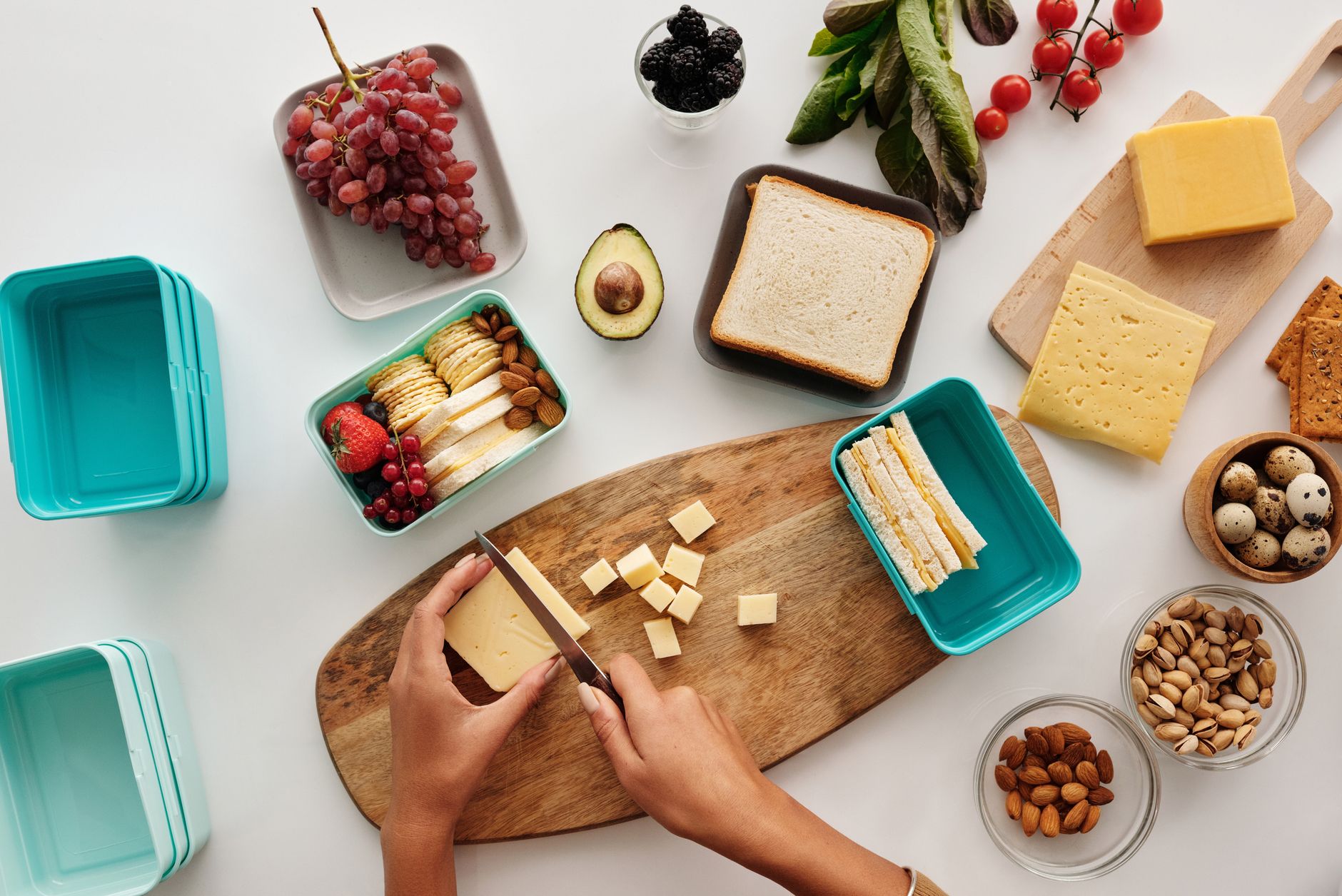
Understanding the glycemic index (GI) is your secret weapon for snacking with diabetes. The GI ranks foods on a scale of 0–100 based on how quickly they raise blood sugar. Foods with a GI <55 are considered low-glycemic and ideal for diabetics. Here’s a breakdown of common snacks and their GI:
| Snack | GI | Net Carbs (per serving) | Diabetic-Friendly? | Notes |
|---|---|---|---|---|
| Apple | 36 | 21g | ❌ (High carbs) | Pair with 1 oz almonds to slow absorption. |
| Banana | 51 | 22g | ⚠️ (Moderate) | Best eaten with protein/fat (e.g., peanut butter). |
| Greek yogurt (unsweetened) | 12 | 4g | ✅ | Add chia seeds for extra fiber. |
| Popcorn (air-popped) | 55 | 3g | ✅ | Avoid buttery or caramelized versions. |
| Granola bar (sugar-free) | 60 | 3g | ⚠️ (Check ingredients) | Some brands use sugar alcohols; opt for stevia-sweetened. |
| Hummus + veggies | 15 | 8g | ✅ | Carrots, cucumbers, or bell peppers work well. |
| Sugar-free pudding | 20 | 1g | ✅ | Check for maltitol (can cause digestive issues). |
**Key takeaway:** Even "healthy" snacks can spike blood sugar if they’re high in carbs. Always check labels for hidden sugars (like those in "low-fat" yogurts or dressings). For more low-GI snack ideas, explore our Easy AIP Elimination Diet Snacks—they’re designed to keep blood sugar stable while avoiding inflammatory triggers.
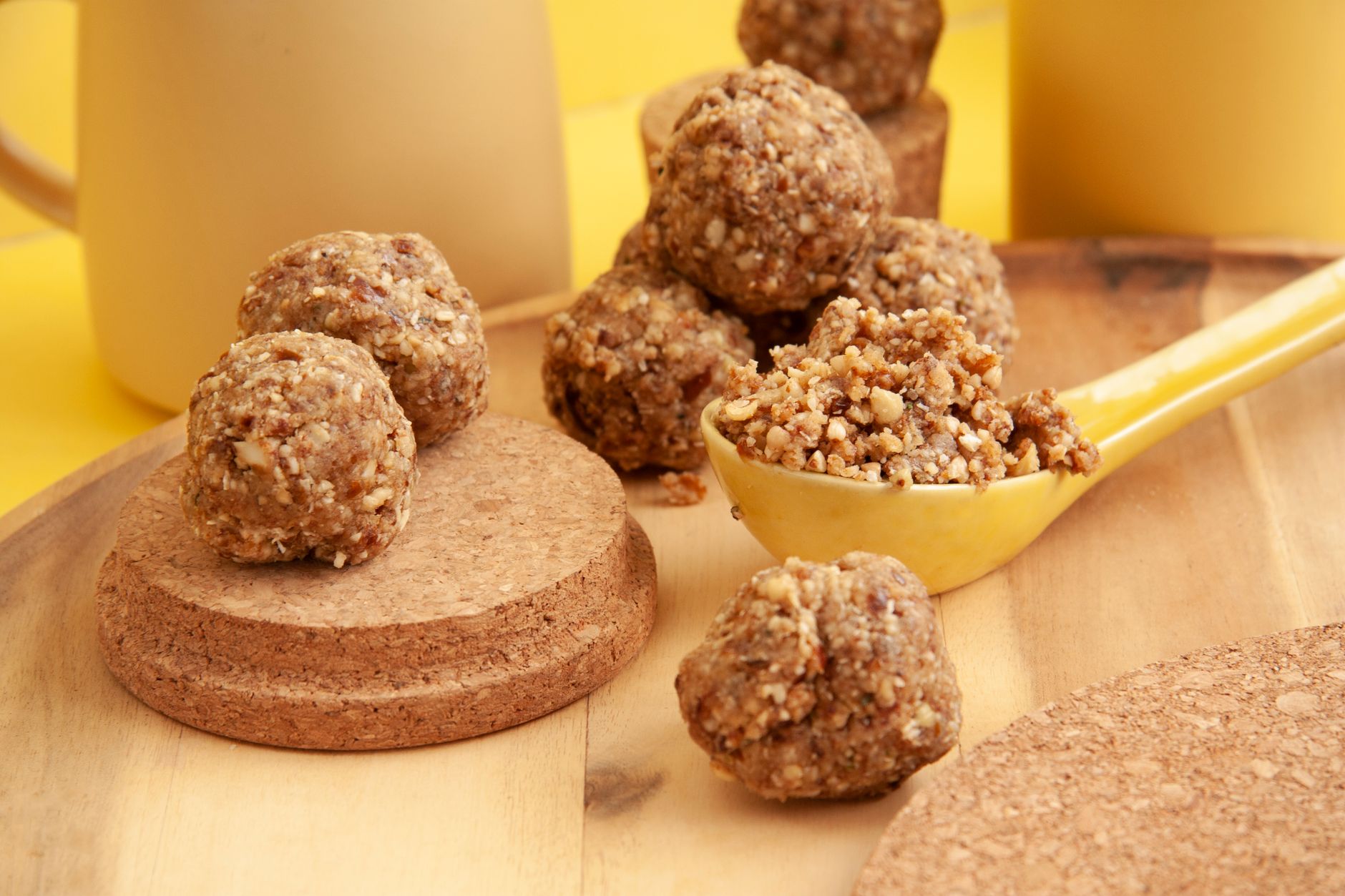
--- ## **Diabetic Snack Recipes That Stay Fresh for Hours**Homemade snacks taste better, save money, and let you control ingredients—no mystery fillers or added sugars. The challenge? Keeping them fresh for hours on the go. Here are three foolproof recipes that travel well and stay tasty:
### **1. Peanut Butter Protein Balls****Why they work:** High in protein and healthy fats, these balls have minimal carbs and no added sugar.
**Ingredients (makes 12):**
- 1 cup rolled oats (certified gluten-free if needed)
- ½ cup natural peanut butter (no sugar added)
- ¼ cup unsweetened cocoa powder
- ¼ cup honey or maple syrup (optional, for sweetness)
- 1 tbsp chia seeds
- 1 tsp vanilla extract
- Pinch of salt
**Instructions:**
- Mix all ingredients in a bowl until well combined.
- Roll into 12 balls and place on a tray lined with parchment paper.
- Chill in the fridge for 1 hour to firm up.
- Store in an airtight container in the fridge for up to 5 days or freeze for up to 3 months.
**Portability tip:** Pack them in a small container with a lid or use silicone molds for easy transfer.
### **2. Turkey and Cheese Roll-Ups****Why they work:** Zero carbs, high in protein, and ready in minutes. Perfect for lunchboxes or travel.
**Ingredients (makes 12 roll-ups):**
- 12 slices turkey breast (low-sodium)
- 12 slices Swiss or cheddar cheese
- 1 tbsp Dijon mustard (optional)
- Handful of baby spinach leaves
**Instructions:**
- Spread a thin layer of mustard on each turkey slice.
- Place a cheese slice on top, followed by a spinach leaf.
- Roll up tightly and secure with toothpicks if needed.
- Store in an airtight container in the fridge for up to 3 days. Pack with an ice pack for longer trips.
**Why they work:** Chia seeds absorb liquid and create a pudding-like texture. High in fiber and omega-3s.
**Ingredients (makes 4 cups):**
- ¼ cup chia seeds
- 1 cup unsweetened almond milk
- 1 tsp vanilla extract
- Sweetener of choice (stevia or monk fruit)
- Toppings: berries, nuts, or cinnamon
**Instructions:**
- Whisk chia seeds, almond milk, vanilla, and sweetener in a jar.
- Let sit for 10 minutes, stir again, then refrigerate for at least 2 hours (or overnight).
- Pour into small cups and top with berries or nuts. Store in the fridge for up to 4 days.
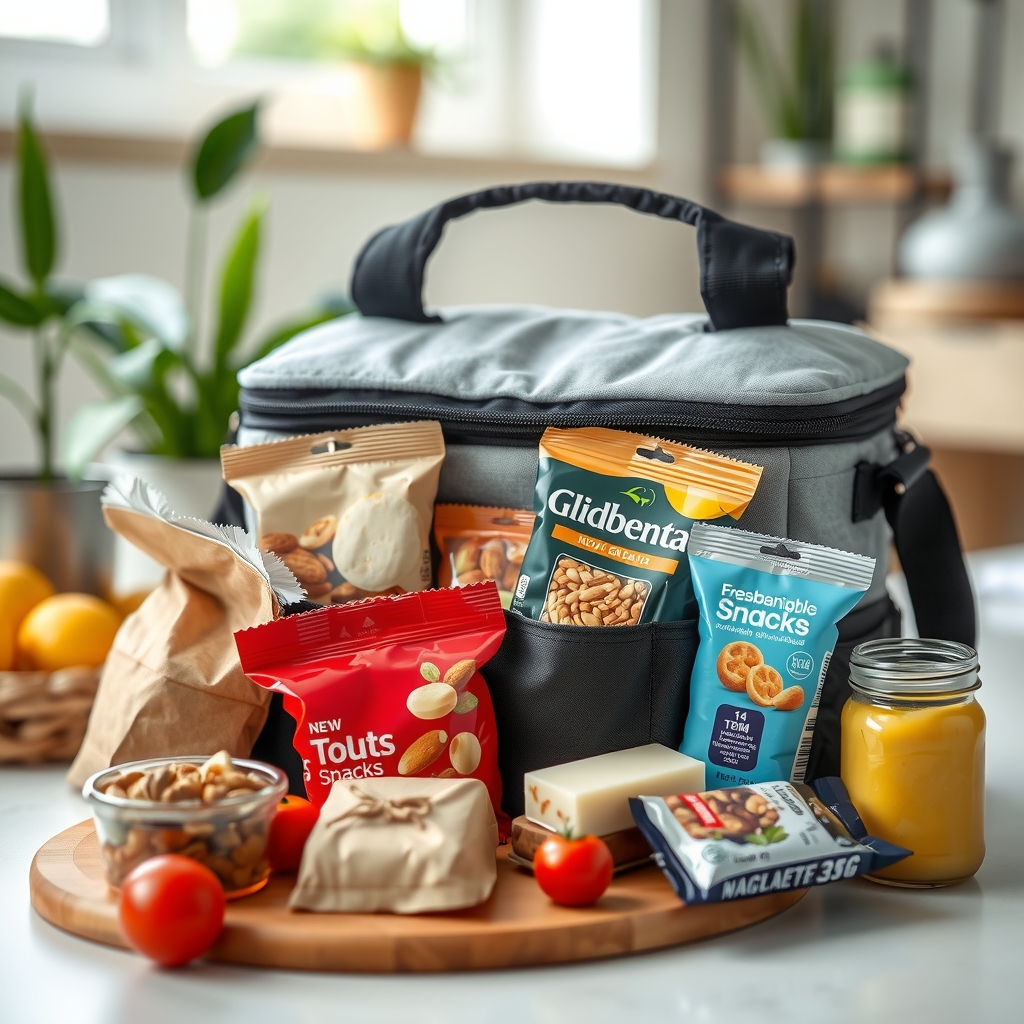
Not everyone has time to prep snacks at home—and that’s okay! There are plenty of diabetic-friendly brands that prioritize low-carb, low-sugar, and high-protein options. Here are our top picks:
| Brand | Product | Net Carbs (per serving) | GI | Best For |
|---|---|---|---|---|
| Quest Nutrition | Quest Protein Bars | 2–4g | 15–20 | Quick energy boost, travel |
| RXBAR | RXBAR Protein Bars | 5–6g | 20 | Post-workout recovery |
| Lily’s Sugar-Free | Sugar-Free Chocolate Pudding Cups | 1g | 20 | Sweet cravings, kids |
| KIND Protein | KIND Protein Bars | 3–5g | 18 | Balanced macros, work snacks |
| Paleo Valley | Almond Flour Protein Bars | 2g | 10 | Grain-free, nut-free options |
| Atkins | Atkins Protein Bars | 2–3g | 15 | Low-carb diet adherence |
| GoMacro | Collagen Pea Protein Bars | 4g | 20 | Joint health, gut support |
| Siete Foods | Almond Flour Protein Cookies | 3g | 12 | Grain-free, low-carb desserts |
| Nuts 'n More | Roasted Almonds | 2g | 15 | Portable, no prep needed |
| Lily’s Organic | Organic Chocolate Chips | 1g | 20 | Sweet cravings, baking |
**Pro tip:** Always check labels for added sugars or artificial sweeteners. Some brands use sugar alcohols (like maltitol) that can still affect blood sugar. If you’re sensitive, opt for brands that use stevia or monk fruit.
For more low-carb snack brands that align with other diets, check out our Atkins Diet Snacks or Carnivore Diet Snacks guides.
--- ## **Diabetic Snack Options for Travel**Traveling with diabetes requires extra planning, but it’s absolutely doable. The key is packing snacks that are non-perishable, easy to access, and won’t melt or spoil in hot luggage. Here’s how to snack smart on the go:
**1. Keep snacks in your carry-on.** Never trust checked luggage to stay cool or intact. Pack snacks in your personal item or carry-on bag.
**2. Use a cooler bag for perishables.** If you’re traveling by car or plane, bring a small cooler with ice packs. Pack cheese, deli meats, or yogurt in insulated containers.
**3. Opt for single-serve portions.** Pre-portion nuts, jerky, or protein bars into small bags or containers. This prevents overeating and makes it easy to grab one without digging through a big bag.
**4. Pack emergency snacks in your bag.** Always have a backup snack in your purse or bag in case your planned snacks aren’t available. Examples:
- Unsalted nuts or seeds
- Sugar-free gelatin cups
- Beef jerky (low-sugar)
- Dark chocolate (85%+ cocoa)
**5. Check airline restrictions.** Some airlines have limits on liquids or gels, so pack your snacks in your carry-on to avoid issues.
**Sarah’s travel hack:** She packs a "snack kit" in her suitcase with a small cooler, ice packs, and pre-portioned snacks. "I also bring a collapsible water bottle and a small thermos with hot tea—it’s my little oasis on the go."
The holy trinity of diabetes-friendly snacks is protein, fat, and fiber. These macros work together to slow digestion, stabilize blood sugar, and keep you full longer. Here’s how to balance them in your snacks:
**Protein (20–30g per snack):** Helps repair tissues and keeps you full. Sources include:
- Eggs
- Chicken or turkey
- Cheese
- Greek yogurt
- Cottage cheese
- Protein bars or shakes
**Fats (10–20g per snack):** Slow digestion and provide long-lasting energy. Sources include:
- Avocado
- Nuts and seeds
- Olive oil or nut butter
- Cheese
- Olives
**Fiber (5–10g per snack):** Helps regulate blood sugar and digestion. Sources include:
- Vegetables (cucumber, bell peppers, celery)
- Fruits (berries, avocado)
- Whole grains (if tolerated, like quinoa or oats)
- Legumes (lentils, chickpeas)
**Example balanced snacks:**
- Cheese and nuts: 1 oz cheddar cheese + ¼ cup almonds (protein + fat + fiber)
- Turkey roll-ups: Turkey slices + cheese + mustard (protein + fat)
- Avocado toast (low-carb version): ½ avocado + 1 slice of low-carb bread + 1 egg (fat + protein + fiber)
- Greek yogurt bowl: Unsweetened Greek yogurt + chia seeds + berries (protein + fiber + healthy fats)
For more ways to balance macros in your meals, explore our Dash Diet Food List—it’s designed to help you eat more whole foods while keeping blood pressure and blood sugar in check.
--- ## **Safe Snack Choices for Type 1 vs Type 2 Diabetes**While the general principles of diabetic snacking apply to both Type 1 and Type 2 diabetes, there are some key differences to consider:
### **Type 1 Diabetes****Focus:** Rapid-acting carbs for blood sugar management (especially if using insulin pumps or multiple daily injections).
- Quick carbs: Glucose tablets, fruit juice (unsweetened), or fast-digesting carbs like white crackers (if tolerated).
- Balanced snacks: Combine carbs with protein/fat to avoid spikes. Examples: apple slices with peanut butter, cheese and crackers.
- Portion control: Type 1 diabetics often need to calculate carb counts precisely to match insulin doses. Use apps like Carb Manager or MyFitnessPal to track.
**Focus:** Slow-digesting, high-protein/fat snacks to prevent spikes and crashes.
- Low-GI snacks: Prioritize foods with a GI <55, like nuts, cheese, or avocado.
- Fiber-rich snacks: Veggies, berries, or chia seeds help regulate blood sugar.
- Portion awareness: Even low-carb snacks can add up. Stick to 1–2 servings per snack.
**Shared tip for both types:** Always carry a quick-acting carb source (like glucose tablets) in case of hypoglycemia (low blood sugar). For Type 1 diabetics, this is non-negotiable; for Type 2, it’s a good precaution if you’re on medications that can cause lows.
--- ## **Common Pitfalls and How to Avoid Them**Even the best-laid snack plans can go awry. Here are the most common mistakes—and how to fix them:
### **1. Skipping Snacks Because They’re "Not Healthy Enough"****Pitfall:** Waiting until you’re starving and then grabbing the first thing you see—often something high in sugar or refined carbs.
**Solution:** Always keep a stash of pre-approved snacks in your bag, desk, or car. When you’re hungry, you’ll reach for what you’ve prepared, not what’s convenient but unhealthy.
### **2. Overestimating Portion Sizes****Pitfall:** Thinking a handful of nuts is one serving when it’s actually two or three.
**Solution:** Use pre-portioned bags or small containers. Measure out snacks at home to avoid overeating.
### **3. Ignoring Hidden Carbs****Pitfall:** Assuming a snack is low-carb because it’s "natural" or "organic"—but it’s loaded with sugar or starch.
**Solution:** Read labels carefully. Watch for words like "barley malt," "maltodextrin," or "fruit juice concentrate," which can spike blood sugar.
### **4. Not Planning for Travel or Unpredictable Schedules****Pitfall:** Assuming you’ll find healthy snacks when you’re on the go—but ending up at a gas station or airport with limited options.
**Solution:** Pack snacks in your bag or car, and know the diabetic-friendly options at common stops (e.g., Trader Joe’s, Whole Foods, or even some fast-food chains like Chick-fil-A).
### **5. Relying on "Diet" or "Sugar-Free" Labels Without Checking Ingredients****Pitfall:** Thinking a "sugar-free" snack is automatically safe—only to find it’s loaded with artificial sweeteners or sugar alcohols that still affect blood sugar.
**Solution:** Stick to snacks with minimal ingredients and no added sugars. If you’re unsure, ask your dietitian or doctor for recommendations.
--- ## **Myth vs. Fact: Diabetic Snacks Debunked**Diabetes snacking is full of myths that can derail your efforts. Let’s set the record straight:
### **Myth: "All fruit is off-limits for diabetics."**Fact: Fruit contains natural sugars, but it also comes with fiber, vitamins, and antioxidants. The key is portion control and choosing low-GI fruits like berries, apples, or pears. Pairing fruit with protein or fat (like nuts or yogurt) slows digestion and prevents spikes.
### **Myth: "You need to avoid all carbs if you have diabetes."**Fact: Not all carbs are created equal. Complex carbs (like those in vegetables, legumes, and whole grains) digest more slowly and have a lower GI than refined carbs (like white bread or sugary cereals). Focus on fiber-rich, unprocessed carbs.
### **Myth: "Snacking will make you gain weight."**Fact: Snacking can actually help you lose weight if it keeps you full and prevents overeating at meals. The key is choosing nutrient-dense snacks and avoiding mindless grazing. If you’re unsure, work with a registered dietitian to create a plan that fits your goals.
### **Myth: "Diabetic snacks have to be boring."**Fact: There are plenty of delicious, satisfying snacks that fit a diabetic diet. From dark chocolate to spicy nuts to homemade energy balls, you don’t have to sacrifice flavor for blood sugar control.
--- ## **Key Takeaways**Here’s what you need to remember for diabetic snacking on the go:
- Prioritize low-GI foods (GI <55) to avoid blood sugar spikes.
- Balance macros in every snack: protein + fat + fiber.
- Prep ahead to avoid last-minute unhealthy choices.
- Check labels for hidden carbs and sugars.
- Pack snacks in your carry-on when traveling to stay fresh and accessible.
- Keep emergency carbs handy in case of low blood sugar.
Got more questions? Here are answers to the most common ones:
### **What are the best snacks for diabetics on the go?**The best snacks are low in carbs, high in protein and fat, and have a low GI. Top picks include nuts, cheese, hard-boiled eggs, turkey roll-ups, avocado, and sugar-free protein bars. Always pair carbs with protein or fat to slow digestion.
### **How can I keep diabetic snacks fresh while traveling?**Use a cooler bag with ice packs for perishables like cheese or yogurt. Pack non-perishable snacks in your carry-on, and pre-portion everything to avoid spoilage. If you’re flying, keep snacks in your personal item.
### **Are there any diabetic-friendly snack bars?**Yes! Look for bars with <20g net carbs per serving, minimal ingredients, and no added sugars. Brands like Quest, RXBAR, and KIND Protein offer great options. Always check the label for hidden carbs.
### **What is the glycemic index of common diabetic snacks?**The glycemic index (GI) measures how quickly a food raises blood sugar. Low-GI foods (GI <55) are best for diabetics. Examples include nuts (GI 15–20), cheese (GI 0–10), and avocado (GI 15). High-GI foods like white bread (GI 70) or sugary cereals (GI 80+) should be limited.
### **Can I eat fruit as a snack if I have diabetes?**Yes, but in moderation. Choose low-GI fruits like berries, apples, or pears, and pair them with protein or fat (like nuts or yogurt) to slow digestion. A typical serving is ½ cup of fruit or 1 small piece (e.g., an apple).
### **How much protein should a diabetic snack contain?**Aim for 10–20g of protein per snack to keep you full and stabilize blood sugar. Sources include eggs, cheese, Greek yogurt, turkey, and protein bars. If you’re unsure about your protein needs, consult a registered dietitian.
### **What are the best diabetic snacks for kids?**Kids need snacks that are fun, easy to eat, and blood-sugar-friendly. Try:
- Cheese cubes and whole-grain crackers (if tolerated)
- Sugar-free pudding cups
- Ants on a log (celery + peanut butter + raisins—use sugar-free raisins)
- Dark chocolate-covered almonds
- Mini meatballs (homemade or store-bought low-carb)
While snacking smart is a key part of managing diabetes, there are times when you should consult a healthcare provider. Seek advice if:
- You’re struggling to keep your blood sugar in check despite dietary changes.
- You experience frequent hypogly


