Get the list of DHA rich foods in pregnancy to support fetal brain development, includes fatty fish and more DHA rich foods in pregnancy
By Shubhra Mishra — a mom of two who turned her own confusion during pregnancy into BumpBites, a global mission to make food choices clear, safe, and stress-free for every expecting mother. 💛
Check whether any food is safe during pregnancy with the BumpBites Food Safety Checker.
Quick take: Aim for about 200‑300 mg of DHA each day during pregnancy—most often achieved by eating two servings of low‑mercury fatty fish per week, fortified eggs, or plant‑based options like algae supplements, walnuts, and flaxseed. If you’re unsure about portions or have dietary restrictions, a prenatal DHA supplement can safely fill any gaps.
It’s 2 a.m., you’re scrolling through pregnancy forums, and a friend just mentioned she’s “getting her DHA” from salmon. Your stomach flips—what exactly is DHA, and do you need to be eating fish every night? You’re not alone. DHA (docosahexaenoic acid) is a long‑chain omega‑3 fatty acid that plays a crucial role in your baby’s brain and eye development, and many expectant parents wonder how much they need, where to get it safely, and whether supplements are necessary.
In this guide we’ll break down the science, list the best food sources—both animal and plant—explain safety limits around mercury, and give you practical tips to weave DHA‑rich foods into everyday meals. By the end you’ll have a clear, evidence‑based plan for meeting the recommended intake, whether you’re a pescatarian, vegetarian, or vegan.
Let’s start with the bottom line: most health authorities, including the American College of Obstetricians and Gynecologists (ACOG) and the UK’s National Institute for Health and Care Excellence (NICE), recommend pregnant people aim for 200–300 mg of DHA daily. This amount can usually be met through a balanced diet, but supplements are a safe backup when dietary intake falls short.
What are the best DHA‑rich foods to eat during pregnancy?
When it comes to DHA, the most concentrated sources are fatty fish, but there are plenty of other options that fit a variety of dietary patterns.
Fatty fish: Salmon, sardines, mackerel, and trout are top picks, offering 500–1,200 mg of DHA per 3‑ounce (85 g) serving.
Eggs: Eggs from hens fed a DHA‑enriched diet contain about 30–40 mg per egg.
Dairy: Certain brands of fortified milk, yogurt, and cheese provide 20–40 mg per serving.
Algae supplements: Algal oil is the only plant‑based source that delivers DHA in a form identical to fish, typically 200–300 mg per soft‑gel.
Walnuts: One ounce (about 14 halves) supplies roughly 2,500 µg of ALA, a precursor that the body can convert to DHA, though conversion is limited (≈5‑10%).
Flaxseed & chia seeds: Both are high in ALA; ground flaxseed adds about 2,350 µg per tablespoon.
Seaweed: Certain brown seaweeds contain small amounts of DHA, but they’re best used as a flavor enhancer rather than a primary source.
These foods can be mixed and matched throughout the week to meet your DHA goal without over‑relying on any single source.
Beyond the list, consider the overall nutrient profile of each option. Fatty fish also delivers vitamin D, iodine, and high‑quality protein, while fortified eggs and dairy contribute calcium and vitamin B12—nutrients that support both mother and baby. Pairing DHA‑rich foods with healthy fats (like olive oil or avocado) can further boost absorption, as DHA is fat‑soluble.
How much DHA should pregnant women consume daily from food?
Current guidance from ACOG, the World Health Organization (WHO), and the European Food Safety Authority (EFSA) converges on a target of 200–300 mg of DHA per day for pregnant people. This amount roughly translates to:
One 3‑ounce serving of salmon (≈1,200 mg DHA) or
Two servings of low‑mercury fish per week (each serving ~500 mg DHA) or
Two DHA‑fortified eggs per day (≈70 mg total) plus a serving of fortified dairy
One algal oil supplement providing 200 mg DHA
If you’re following a vegetarian or vegan diet, you’ll likely need a supplement because the conversion of ALA (from flaxseed, walnuts, chia) to DHA is inefficient. A daily algal DHA supplement of 200–300 mg can safely bridge the gap.
It’s also worth noting that DHA needs can vary slightly based on trimester and individual health status. Some clinicians suggest a modest increase in the third trimester, when fetal brain growth peaks. However, the core 200‑300 mg range remains the benchmark for most pregnant patients, and staying within this window helps avoid both deficiency and excess.
Can I get enough DHA from vegetarian sources while pregnant?
Vegetarian diets can provide sufficient DHA, but it often requires careful planning or supplementation. The body converts alpha‑linolenic acid (ALA) from plant foods into DHA at a rate of about 5‑10% for men and slightly lower for women, especially during pregnancy when demands rise.
Here’s a realistic vegetarian plan that meets the 200‑300 mg target:
Breakfast: One cup of fortified soy milk (≈30 mg DHA) + 2 tablespoons of ground flaxseed (≈50 mg DHA‑equivalent).
Snack: A handful of walnuts (≈15 mg DHA‑equivalent).
Lunch: Salad with 1 tablespoon of chia seeds (≈30 mg DHA‑equivalent) and a boiled egg from a DHA‑enriched hen (≈35 mg DHA).
Dinner: Stir‑fried tofu with a serving of algae‑derived DHA supplement (200 mg DHA).
Even with this plan, the direct DHA from whole foods may only add up to 130‑150 mg, so a modest algal supplement remains the most reliable way to hit the full recommendation.
For vegetarians who prefer to avoid animal‑derived eggs, fortified plant milks become even more critical. Look for brands that list DHA content on the label, as some only add generic omega‑3 blends without specifying DHA levels.
Are fish and seafood safe for DHA intake during pregnancy?
Yes—most fish are safe when you respect mercury limits. The primary concern is methylmercury, a neurotoxin that can affect fetal brain development. The FDA and EPA provide clear guidelines for pregnant people:
Consume 2‑3 servings (8‑12 oz total) of low‑mercury fish per week. This includes salmon, sardines, trout, and herring.
Avoid high‑mercury fish such as shark, swordfish, king mackerel, and tilefish.
Limit albacore (white) tuna to 4 oz per week.
These limits still allow you to obtain ample DHA while keeping mercury exposure well below the safety threshold of 0.1 ppm (parts per million) in the average diet.
When shopping, choose wild‑caught over farmed fish whenever possible, as wild varieties typically have lower contaminant levels. Canned fish should be BPA‑free, and rinsing canned salmon can reduce excess sodium without affecting DHA content.
Does DHA intake affect fetal brain development?
Extensive research, summarized by the CDC and the Cochrane Collaboration, shows that DHA is a structural component of neuronal membranes and retinal tissue. Adequate DHA during pregnancy is associated with:
Improved neurodevelopment scores at 6‑12 months of age.
Better visual acuity and eye health in newborns.
Potential reductions in the risk of preterm birth, according to some observational studies.
While DHA isn’t a miracle cure, it supports the rapid growth of the fetal brain and eyes, especially during the third trimester when these organs undergo critical maturation.
Meta‑analyses of randomized trials have found modest but consistent benefits on infant cognitive testing when mothers meet or exceed the recommended DHA intake, reinforcing the importance of consistent, adequate consumption throughout pregnancy.
What are the side effects of too much DHA during pregnancy?
Excessive DHA—generally defined as more than 1,000 mg per day from all sources—can lead to a few mild side effects, though serious toxicity is rare. Possible issues include:
Gastrointestinal upset such as nausea or diarrhea.
Bleeding tendency, as very high omega‑3 levels can interfere with platelet function. This is only a concern at doses above 3 g per day, far beyond typical dietary intake.
Fishy aftertaste or belching when taking oily fish or supplements.
Because most pregnant people consume far less than the high‑dose thresholds, the risk of adverse effects is low. Still, keep total DHA intake—including supplements—within the 200‑300 mg daily recommendation unless advised otherwise by your provider.
Women on blood‑thinning medications (e.g., low‑dose aspirin or warfarin) should discuss DHA supplementation with their obstetrician, as very high omega‑3 intake could theoretically amplify anticoagulant effects.
How to incorporate DHA‑rich foods into a pregnancy meal plan
Making DHA a regular part of your diet doesn’t have to involve elaborate recipes. Below are simple, week‑long ideas that fit into a busy lifestyle.
Breakfast: Greek yogurt parfait with a sprinkle of ground flaxseed, fresh berries, and a drizzle of honey.
Mid‑morning snack: A fortified egg or a handful of walnuts.
Lunch: Spinach salad topped with canned salmon (low‑sodium, BPA‑free), avocado, and a lemon‑olive‑oil dressing.
Afternoon snack: A glass of fortified soy or oat milk.
Dinner: Grilled trout with a side of quinoa and roasted vegetables, or a tofu stir‑fry with algae‑derived DHA supplement mixed into the sauce.
Evening snack: A slice of whole‑grain toast with almond butter and chia seeds.
Swap the fish for a plant‑based alternative any day you’d rather skip seafood, and keep a small bottle of algal oil on hand for quick dosing.
Tip: Batch‑cook a batch of quinoa and roasted veggies on Sunday; they store well and make it easy to pair with fish or tofu throughout the week, ensuring you never miss a DHA‑rich meal.
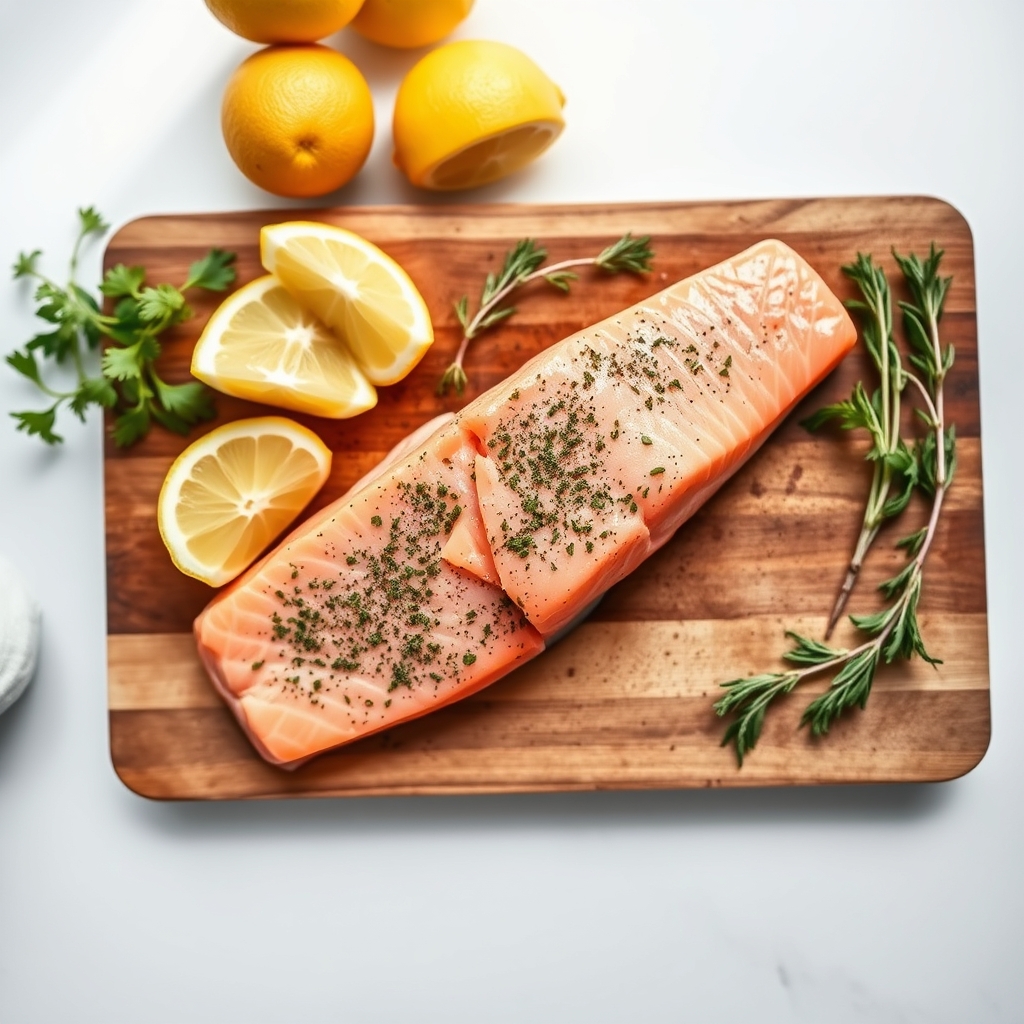
Grilled salmon is a top DHA source—aim for two servings per week.
DHA supplement vs food sources during pregnancy
Both foods and supplements can meet your DHA needs, but each has pros and and cons.
Aspect
Food Sources
Supplements (algal oil)
Bioavailability
High when consumed with fat; naturally integrated into cell membranes.
Very high; purified DHA provides a consistent dose.
Safety
Potential mercury exposure; requires careful fish selection.
Free from mercury; low risk of contaminants.
Convenience
Requires meal planning and cooking.
Easy to take daily; fits into any routine.
Additional nutrients
Provides protein, vitamin D, calcium, and other micronutrients.
Usually just DHA; may lack complementary nutrients.
If you enjoy seafood and can manage portion limits, whole‑food sources are nutritionally richer. For vegans, those who dislike fish, or anyone worried about mercury, a high‑quality algal DHA supplement is a safe and effective alternative.
When selecting a supplement, look for third‑party testing (e.g., USP, NSF) and verify that the product states the DHA amount per capsule. Some brands combine DHA with EPA; while EPA also offers health benefits, the primary focus for pregnancy is DHA.
List of DHA‑fortified foods for pregnant women
Many brands now enrich common staples with DHA, making it easier to hit your target without changing eating habits.
Fortified cow’s milk and plant milks (soy, oat) – typically 30–40 mg per cup.
DHA‑enriched eggs – about 35 mg per egg.
Fortified yogurt and kefir – 20–30 mg per serving.
Some breakfast cereals and oatmeal packets – 20–50 mg per portion.
Specialty infant formula and prenatal nutrition bars – variable amounts, check labels.
Read nutrition labels carefully; some products may claim “omega‑3” without specifying DHA content.
Fortified foods can be especially helpful during the first trimester when nausea may limit fish intake. Adding a fortified cereal or a glass of DHA‑enriched milk to your morning routine can provide a steady baseline while you adjust to other foods later in pregnancy.
DHA benefits for pregnant mother and baby
Beyond fetal brain and eye development, DHA supports maternal health in several ways:
Heart health: Omega‑3 fatty acids help maintain healthy triglyceride levels and reduce inflammation.
Mood regulation: Some studies link higher DHA intake with lower rates of postpartum depression, although findings are not yet definitive.
Pregnancy outcomes: Adequate DHA may reduce the risk of preterm birth and support healthy weight gain.
For the baby, DHA is a major structural component of the cerebral cortex, retina, and neuronal membranes, making it essential for early cognitive and visual function.
Maternal DHA also influences the composition of breast milk; women who maintain adequate DHA levels during pregnancy typically have higher DHA concentrations in their milk, extending the benefit into the breastfeeding period.
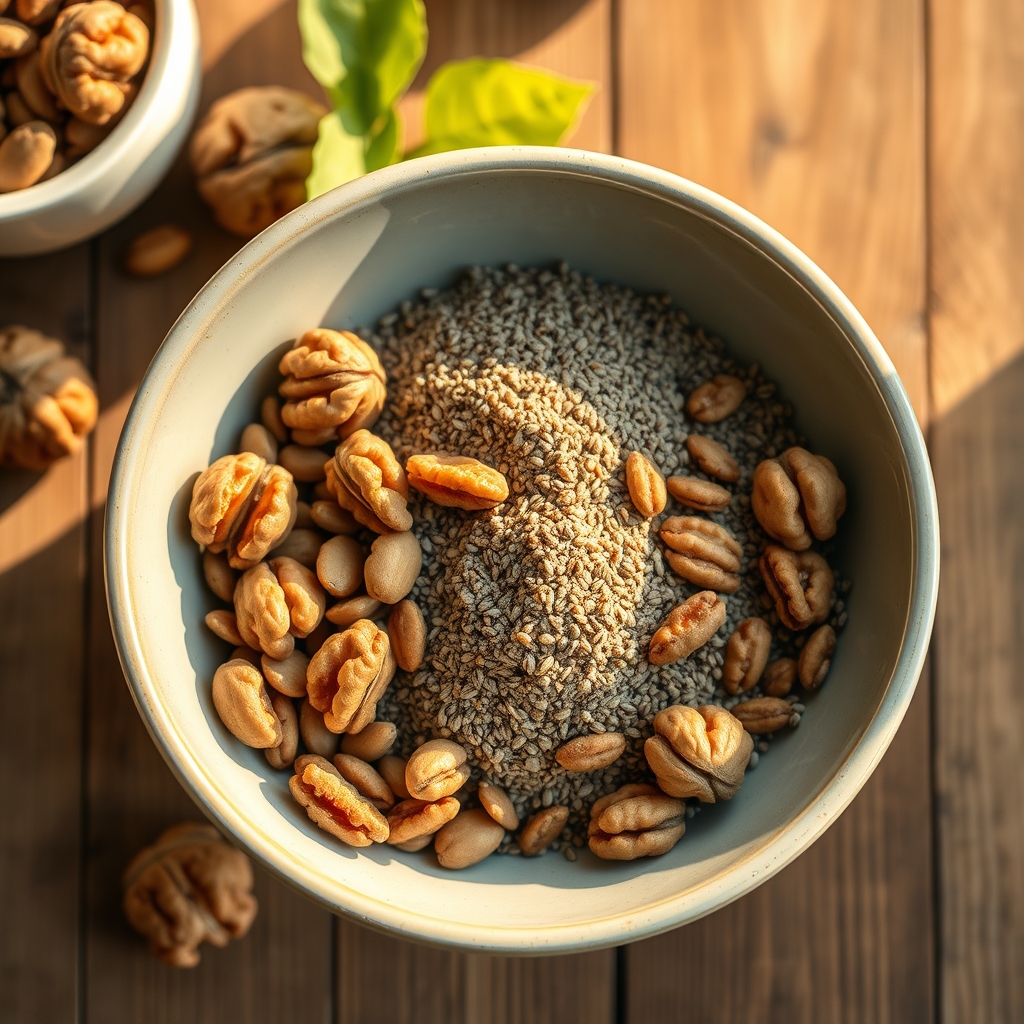
Walnuts, chia, and flaxseed are plant‑based DHA precursors.
Recommended DHA intake per trimester
While the 200‑300 mg daily target applies throughout pregnancy, some guidelines suggest slightly higher intake in the third trimester when fetal brain growth accelerates.
First trimester: 200 mg/day – focus on safe sources like fortified eggs and low‑mercury fish.
Second trimester: 250 mg/day – add a serving of fortified dairy or a small algae supplement.
Third trimester: 300 mg/day – aim for two servings of low‑mercury fish or a 200‑mg algal supplement plus food sources.
These numbers are flexible; the key is consistency and avoiding large gaps in intake.
Some clinicians recommend a modest “boost” of 50 mg in the third trimester for women who have limited dietary options, but this should be individualized based on dietary recall and, if available, omega‑3 blood testing.
Low‑mercury fish high in DHA for pregnancy
If you love seafood, stick to these low‑mercury, DHA‑rich options:
Fish
DHA (mg) per 3 oz
Average Mercury (ppm)
Wild salmon
1,200
0.022
Sardines (canned in oil)
800
0.013
Atlantic trout
900
0.020
Herring
1,100
0.018
Albacore tuna (canned)
500
0.128 (limit to 4 oz/week)
These choices let you meet DHA goals while staying well below the FDA’s 0.1 ppm mercury safety limit.
When buying fresh fish, look for firm flesh and a fresh scent. If the fish is pre‑packaged, check the “best‑by” date and ensure it’s stored on ice. For canned varieties, choose BPA‑free cans and rinse before eating to reduce sodium.
Plant‑based DHA sources for pregnant vegans
Vegans rely on algae‑derived DHA supplements and ALA‑rich foods. Here’s how to maximize intake:
Algal oil capsules: Look for products certified for purity and containing 200–300 mg DHA per serving.
Ground flaxseed: Add 1‑2 tablespoons to smoothies or oatmeal daily.
Chia seeds: Sprinkle 1‑2 tablespoons over yogurt or salads.
Walnuts: Snack on a handful (≈15 mg DHA‑equivalent) or incorporate into baked goods.
Fortified plant milks: Choose those with added DHA.
Even with these foods, the conversion to DHA is modest, so a supplement is often recommended to reliably meet the 200‑300 mg daily target.
When selecting an algae supplement, verify that it’s derived from non‑GM microalgae and that the label lists the DHA amount per capsule. Some brands also provide EPA; while EPA offers cardiovascular benefits, DHA remains the priority for fetal neurodevelopment.
From our medical team: “If you’re unsure whether your diet provides enough DHA, a simple blood test can measure omega‑3 levels. Most pregnant patients who eat two servings of low‑mercury fish per week hit the recommended range, but vegans and strict vegetarians usually benefit from an algae‑based supplement. Always discuss any supplement with your provider, especially if you have a bleeding disorder or are taking blood‑thinning medication.”
How to choose low‑mercury DHA‑rich fish at the grocery store
Picking safe fish starts with understanding labeling and sourcing. In the U.S., the FDA’s “Fish List for Pregnant Women” highlights safe options, while the UK’s NHS provides similar guidance. Look for terms like “wild‑caught,” “low‑mercury,” or “sustainably sourced” on packaging. When buying fresh fillets, ask the fishmonger about the catch region; fish from colder, northern waters (e.g., Alaska salmon) generally have lower mercury levels.
If you’re shopping frozen, choose products labeled “no added salt” and “BPA‑free.” Thaw fish in the refrigerator rather than in warm water to preserve texture and DHA content. Finally, keep a running tally of your weekly servings to stay within the recommended 2‑3 portions.
Understanding DHA labels on fortified foods
Not all “omega‑3” claims are created equal. Some fortified products add ALA or EPA without specifying DHA, which is the critical fatty acid for pregnancy brain development. Check the Nutrition Facts panel for “DHA” listed under “Other nutrients” or “Omega‑3 fatty acids.” The amount is usually expressed in milligrams per serving.
When comparing brands, consider the serving size. A single cup of fortified soy milk may contain 30 mg DHA, but a larger “drinkable” carton could provide 60 mg. Similarly, some “egg‑enhanced” brands deliver 35 mg per egg, while others only add 10 mg. Choosing the higher‑DHA option helps you reach your daily goal with fewer servings.
Myth vs. fact
Myth: You must eat fish every day to get enough DHA.
Fact: Two servings of low‑mercury fatty fish per week, or an equivalent algal supplement, are sufficient for most pregnant people.
Myth: High DHA intake can cause premature labor.
Fact: Current evidence does not link moderate DHA consumption (200‑300 mg/day) with preterm birth; in fact, some studies suggest a protective effect.
Myth: Plant foods provide the same amount of DHA as fish.
Fact: Plant foods contain ALA, which the body converts to DHA at a low rate; without a supplement, vegans may fall short of the recommended intake.
Key takeaways
Aim for 200‑300 mg of DHA daily throughout pregnancy.
Two servings of low‑mercury fatty fish per week meet most needs.
Vegetarians and vegans should consider an algal DHA supplement to bridge the conversion gap.
Watch mercury levels: avoid shark, swordfish, king mackerel, and limit albacore tuna.
Fortified eggs, dairy, and plant milks can add small DHA boosts.
Excessive DHA (>1 g/day) may cause mild GI upset; stay within recommended limits.
Read labels carefully; not all “omega‑3” products list DHA specifically.
When choosing fish, prioritize wild‑caught, low‑mercury varieties and keep a weekly serving log.
Frequently asked questions
How much DHA do I need while pregnant?
Most health agencies recommend 200‑300 mg of DHA each day, which can be achieved with two servings of low‑mercury fish or a 200‑mg algal supplement.
Which fish are safest to eat for DHA during pregnancy?
Low‑mercury options like wild salmon, sardines, trout, and herring provide high DHA and stay well below mercury safety thresholds.
Can I get enough DHA from eggs and dairy?
Fortified eggs (≈35 mg per egg) and DHA‑enriched milk or yogurt contribute modestly, but you’ll likely need additional fish or a supplement to reach the full daily goal.
Is DHA supplementation necessary if I eat fish?
If you reliably eat two servings of DHA‑rich, low‑mercury fish per week, a supplement isn’t usually required. However, vegans, strict vegetarians, or those with fish allergies should consider an algae‑based DHA supplement.
What are the risks of high DHA intake in pregnancy?
Very high intakes (>1 g per day) can cause gastrointestinal discomfort and, at extreme levels, may affect blood clotting. Staying within the 200‑300 mg range avoids these issues.
How does DHA affect my baby's brain development?
DHA is a key structural component of the fetal brain and retina; adequate intake supports neuronal growth, visual acuity, and early cognitive milestones.
Can I meet my DHA needs with a plant‑based diet alone?
While ALA‑rich foods like walnuts, flaxseed, and chia provide some DHA precursors, the conversion rate is low. Most plant‑based eaters benefit from a 200‑300 mg algal DHA supplement to reliably meet the recommendation.
How often should I check my DHA status during pregnancy?
If you have concerns about your intake, a single omega‑3 blood test in the second trimester can give a snapshot of your DHA levels. Discuss results with your provider to determine whether a supplement is needed.
When to call your doctor
If you experience any of the following, seek medical advice promptly: persistent nausea or vomiting, severe abdominal pain, unusual bleeding, a sudden rash after eating fish, or signs of a possible allergic reaction. This article provides general information and does not replace personalized medical guidance.
References
American College of Obstetricians and Gynecologists (ACOG). “Nutrition During Pregnancy.” Clinical Guidance, 2023.
U.S. Food and Drug Administration (FDA) & Environmental Protection Agency (EPA). “Advice about Eating Fish.” Joint Guidance, 2022.
World Health Organization (WHO). “Guidelines on Nutrient Intake During Pregnancy.” 2021.
National Institute for Health and Care Excellence (NICE). “Nutrition in Pregnancy.” NG123, 2022.
Centers for Disease Control and Prevention (CDC). “Omega‑3 Fatty Acids and Pregnancy.” 2023.
European Food Safety Authority (EFSA). “Scientific Opinion on Dietary Reference Values for Omega‑3 Fatty Acids.” 2020.
National Health Service (NHS). “Fats and Omega‑3.” 2023.
Mayo Clinic. “Docosahexaenoic acid (DHA) – Benefits and Sources.” 2022.
Harvard T.H. Chan School of Public Health. “Omega‑3 Fatty Acids: How Much Do You Need?” 2022.
British Nutrition Foundation. “Fish and Omega‑3s in Pregnancy.” 2021.
Not sure about the label on Dha Rich Foods In Pregnancy products?
Snap the ingredients list and SafeFilter checks every ingredient for your stage — only 3 free scans this month, then you're locked until reset. Unlimited from $7/mo or $50/yr.
When Shubhra Mishra was expecting her first child in 2016, she was overwhelmed by conflicting food advice — one site said yes, another said never. By the time her second baby arrived in 2019, she realized millions of mothers face the same confusion.
That sparked a five-year journey through clinical nutrition papers, cultural diets, and expert conversations — all leading to BumpBites: a calm, compassionate space where science meets everyday motherhood.
Her long-term vision is to build a global community ensuring safe, supported, and free deliveriesfor every mother — because no woman should face pregnancy alone or uninformed. 🌿
🌍 Stand with mothers, shape safer guidance
Join a small circle of experts who review BumpBites articles so expecting parents everywhere can decide with confidence.