Struggling emotionally after a D&C? Discover honest, modern advice for recovery as a mom—from coping strategies to self-care tips for healing mind and body.
By Shubhra Mishra — a mom of two who turned her own confusion during pregnancy into BumpBites, a global mission to make food choices clear, safe, and stress-free for every expecting mother. 💛
Check whether any food is safe during pregnancy with the BumpBites Food Safety Checker.
Quick take: Emotional recovery after a D&C (dilation and curettage) is a deeply personal and often complex journey that extends far beyond physical healing. It's common to experience a wide range of intense emotions like grief, anxiety, anger, or numbness due to hormonal shifts, the physical trauma of the procedure, and the underlying reason for the D&C. Prioritizing self-care, seeking support, and understanding that healing isn't linear are crucial steps. If overwhelming feelings persist or interfere with daily life, reaching out to a mental health professional is a sign of strength, not weakness.
Having a D&C is often an unexpected and emotionally charged experience. Whether it's performed after a miscarriage, for diagnostic purposes, or to address other gynecological concerns, the physical procedure is usually just one part of a larger healing process. Many women find themselves navigating a landscape of intense and confusing emotions in the weeks and months that follow, often feeling unprepared for the depth of this emotional recovery.
You might be home from the hospital, your body slowly mending, but your mind feels anything but settled. Perhaps you're grappling with a profound sense of loss, or maybe a wave of anxiety washes over you unexpectedly. It's a common, yet rarely discussed, aspect of D&C recovery: the emotional aftermath. This guide is here to help you understand what to expect emotionally, how long the healing might take, and provide practical, evidence-based strategies for coping and finding support.
We know you're looking for honest answers and a path forward, and that's exactly what we aim to provide. Remember, your feelings are valid, and you don't have to navigate this journey alone.
What Emotional Symptoms Can You Expect After a D&C?
The days and weeks following a D&C can bring a complex mix of emotions, often intensified by hormonal fluctuations. It's important to remember that there's no "right" way to feel, and your experience is unique. However, certain emotional responses are very common, and recognizing them can help you feel less alone and better equipped to cope.
One of the most significant factors influencing emotional symptoms is the reason for the D&C. If the procedure was due to a miscarriage or the loss of a desired pregnancy, the emotional recovery is deeply intertwined with the grief process. This grief can manifest in many ways, including profound sadness, yearning, and even physical symptoms like fatigue or changes in appetite. Many women describe a profound sense of emptiness, a void where hopes and dreams once resided.
Beyond grief, you might experience a cascade of other feelings. Hormonal shifts post-procedure, especially if it was related to pregnancy, can mimic or exacerbate symptoms of emotional dysregulation. Your body is adjusting rapidly, and this can lead to heightened sensitivity and unpredictability in your moods.
Common Emotional Symptoms After a D&C
Intense Sadness or Grief: A deep, persistent feeling of sorrow, especially if the D&C followed a pregnancy loss. This can feel overwhelming and all-consuming.
Anxiety and Worry: Feelings of nervousness, dread, or constant worry about your health, future pregnancies, or the well-being of existing family members. You might find it hard to relax or concentrate.
Anger or Resentment: You might feel angry at the situation, your body, your partner, medical professionals, or even yourself. This anger can be directed inwards or outwards.
Guilt and Self-Blame: Despite knowing it's often beyond your control, you might find yourself replaying events, wondering if you did something wrong, or feeling responsible for what happened.
Numbness or Detachment: Some women report feeling emotionally flat, disconnected from their surroundings, or unable to access their feelings. This can be a protective mechanism.
Irritability and Mood Swings: Rapid shifts from sadness to anger to frustration, often with little provocation. Small things might feel incredibly annoying.
Difficulty Concentrating: Feeling foggy, forgetful, or struggling to focus on tasks at work or home.
Sleep Disturbances: Insomnia, restless sleep, nightmares, or sleeping much more than usual.
Changes in Appetite: Eating significantly more or less than normal.
Social Withdrawal: A desire to isolate yourself, avoid social gatherings, or pull away from loved ones, even those you typically rely on.
Feeling Alone or Misunderstood: A sense that no one truly understands what you're going through, even if you have supportive people around you.
Physical Aches and Pains: Emotional stress can manifest physically, leading to headaches, muscle tension, or stomach issues.
It's vital to recognize that these feelings are normal responses to a challenging event. Experiencing a D&C, especially in the context of a miscarriage, is a form of trauma for many women. The body and mind need time to process and heal. Be patient with yourself, and allow these emotions to surface without judgment.
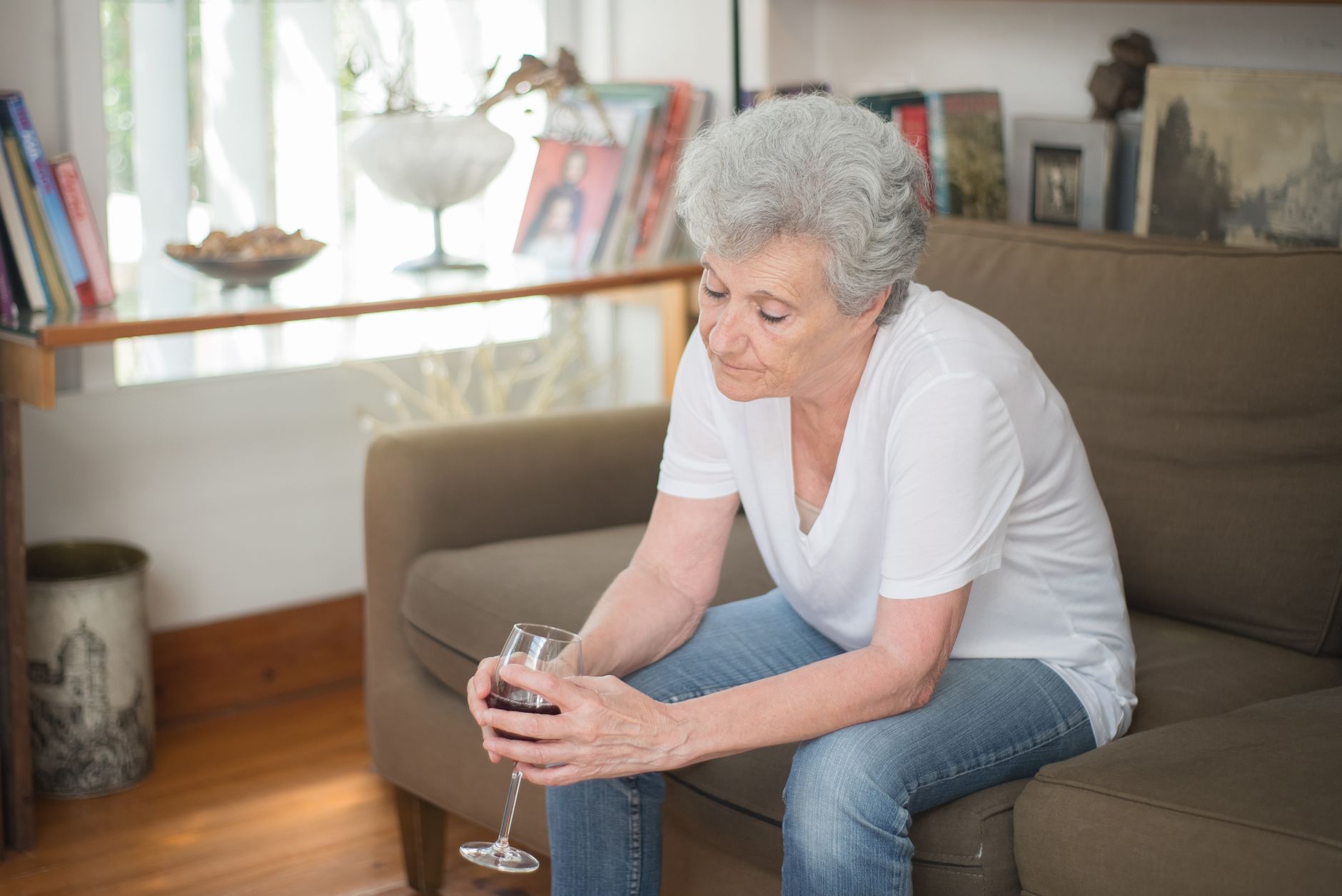
It's normal to feel a range of emotions after a D&C, from sadness to anxiety, as your body and mind process the experience.
How Long Does Emotional Recovery Take After a D&C?
One of the most common questions women ask after a D&C is, "How long will I feel like this?" The honest answer is that there's no fixed timeline for emotional recovery after a D&C. Just as physical healing varies from person to person, so too does the emotional journey. It's crucial to understand that emotional recovery is not a linear process; it's often more like a winding path with good days and bad days, steps forward and occasional steps back.
For many women, the initial weeks after a D&C are often the most intense emotionally. This period is marked by the immediate physical recovery, significant hormonal shifts (especially if the D&C was pregnancy-related), and the raw processing of the event itself. Hormones, particularly progesterone and estrogen, drop dramatically after a miscarriage or termination, which can profoundly impact mood and energy levels. This hormonal "crash" can contribute to feelings of sadness, irritability, and fatigue, similar to severe PMS or postpartum blues.
Physically, your body typically recovers in a few days to a couple of weeks, with light bleeding and cramping gradually subsiding. Emotionally, however, the process is usually much longer. For some, the acute sadness or anxiety might begin to lessen after a few weeks, while for others, intense feelings can persist for several months or even longer. Studies on emotional recovery after miscarriage, which often involves a D&C, show that while symptoms of depression and anxiety may peak in the first few weeks, a significant percentage of women continue to experience these challenges for months, and even up to a year or more, especially if they don't receive adequate support.
Think of grief, if applicable, not as something you "get over," but as something you learn to carry and integrate into your life. The intensity might lessen, and the periods of sadness might become less frequent or shorter, but the memory and impact of the experience can remain. Important dates, like the expected due date or the anniversary of the D&C, can often trigger renewed waves of emotion, even years later. This is a normal part of the healing process.
Factors Influencing Your Emotional Recovery Timeline
Reason for the D&C: A D&C for a miscarriage typically involves a longer and more complex emotional recovery due to the grief associated with loss. A D&C for diagnostic reasons or to remove uterine polyps might have less intense emotional fallout, though the invasive nature of the procedure can still be distressing.
Support System: Having a strong network of supportive family, friends, and a partner can significantly impact your ability to cope and heal.
Prior Mental Health History: Women with a history of anxiety, depression, or other mental health conditions may find the emotional recovery more challenging and might be at higher risk for prolonged symptoms.
Hormonal Fluctuations: The speed at which your hormones rebalance plays a role. This can vary greatly between individuals.
Individual Coping Mechanisms: Your personal resilience and established ways of coping with stress and grief will influence your recovery.
Subsequent Pregnancy Desires: If you were hoping to conceive, the wait to try again can add another layer of anxiety and longing to the emotional recovery.
It’s important not to compare your recovery to anyone else's. Some women bounce back relatively quickly, while others need a much longer period of intensive self-care and professional support. Both are entirely valid. The goal isn't to rush through the emotions but to acknowledge them, process them, and gradually find ways to integrate the experience into your life.
Practical Tips for Coping with Mood Swings and Grief After a D&C
Coping with the emotional aftermath of a D&C requires a multifaceted approach, blending self-compassion with practical strategies. When you're in the thick of it, feeling overwhelmed by grief or unpredictable mood swings, it can be hard to know where to start. We've compiled a range of tips to help you navigate this challenging time, focusing on gentle self-care and healthy coping mechanisms.
Allow Yourself to Feel
The first and most crucial step is to give yourself permission to feel whatever emotions arise. There's no right or wrong way to grieve or to react to a D&C. You might feel immense sadness one moment and unexpected anger the next. Trying to suppress these feelings can actually prolong the healing process. Instead, acknowledge them. You might say to yourself, "I feel incredibly sad right now, and that's okay."
Practice Mindful Self-Compassion
Treat yourself with the same kindness and understanding you would offer a dear friend. This means being gentle with your body, mind, and schedule. Don't push yourself to "get back to normal" too quickly. Rest when you need to, say no to commitments that feel overwhelming, and prioritize activities that genuinely bring you comfort.
Establish a Gentle Routine
While you might feel like your world is upside down, establishing a simple, predictable routine can provide a sense of stability. This could include consistent sleep and wake times, regular meal times, and dedicated moments for relaxation. A routine doesn't mean being rigid; it means creating a supportive framework for your days.
Journal Your Thoughts and Feelings
Writing in a journal can be a powerful outlet for processing complex emotions. It provides a private space to explore your grief, anger, fears, and hopes without judgment. Don't worry about perfect grammar or coherent narratives; just let the words flow. Over time, you might notice patterns or gain new insights into your healing journey.
Engage in Gentle Movement
Once your doctor clears you for physical activity, gentle exercise can be incredibly beneficial for emotional well-being. Activities like walking in nature, gentle yoga, or stretching can help release tension, improve mood, and promote better sleep. Start slowly and listen to your body. Even a short walk around the block can make a difference.
Prioritize Rest and Sleep
Emotional distress is exhausting. Your body and mind need extra rest to heal. Create a calming bedtime routine, ensure your sleep environment is conducive to rest (dark, quiet, cool), and try to avoid screens before bed. If sleep is consistently elusive, discuss it with your doctor.
Seek Comfort in Small Rituals
Sometimes, creating small rituals can help you acknowledge your experience and find a sense of peace. If your D&C was due to a loss, this could involve planting a tree, lighting a candle, or writing a letter. These acts can be a way to honor what you've been through and provide a tangible outlet for your grief.
Connect with Nature
Spending time outdoors, even just sitting in a park or your garden, can be incredibly grounding. The natural world offers a sense of calm and perspective that can be soothing during times of distress. Fresh air and sunlight can also boost your mood and energy levels.
Limit Overwhelm and Set Boundaries
It's okay to limit your exposure to things that feel overwhelming right now. This might mean temporarily muting social media accounts that trigger you, declining invitations, or asking for help with daily tasks. Setting clear boundaries with well-meaning but sometimes insensitive friends or family members is also crucial for protecting your emotional energy.
Acknowledge Your Partner's Grief
If you have a partner, remember that they are likely experiencing their own grief and emotional challenges, even if they express it differently. Creating space for both of your feelings can strengthen your bond. We'll delve deeper into communicating with your partner in the next section.
Table: Practical Coping Strategies at a Glance
Strategy
How it Helps
Practical Application
Emotional Release
Prevents bottling up feelings, aids processing.
Journaling, talking to a trusted friend, crying.
Mindful Movement
Reduces stress, boosts mood, aids sleep.
Gentle walks, yoga, stretching (post-clearance).
Rest & Sleep
Physical and mental restoration, mood stabilization.
Saying "no," limiting social media, asking for help.
Connecting with Nature
Grounding, calming, provides perspective.
Short walks in a park, sitting outdoors.
Mindfulness/Meditation
Reduces anxiety, increases emotional awareness.
Guided meditations, deep breathing exercises.
Remember, healing is a process, not a destination. There will be days when these tips feel impossible, and that's okay. The key is to keep returning to self-compassion and continue to seek out what brings you comfort and peace.
Navigating Conversations with Your Partner and Family About D&C Emotional Recovery
One of the most challenging aspects of emotional recovery after a D&C can be communicating your feelings to your partner, family, and close friends. While they may want to be supportive, they might not know how, or they might be grappling with their own emotions. This can lead to misunderstandings, feelings of isolation, or even resentment if expectations aren't managed.
Your partner, in particular, may also be experiencing their own grief or distress, especially if the D&C was due to a pregnancy loss. However, men and women often process grief differently. While you might need to talk and express your feelings openly, your partner might cope by becoming more withdrawn, focusing on practical tasks, or trying to "be strong" for you. These different coping styles, though both valid, can sometimes create a rift if not openly discussed.
Tips for Talking to Your Partner
Be Direct About Your Needs: Don't expect your partner to read your mind. Use "I" statements to articulate what you're feeling and what kind of support you need. For example, instead of "You're not helping," try "I'm feeling really sad today, and I could really use a hug and some quiet time together." Or, "I'm struggling with my mood swings, and it would help me if you could remind me to take a walk."
Acknowledge Their Grief (if applicable): If the D&C was due to a loss, recognize that your partner is also grieving. Ask them how they're feeling and create a safe space for them to share their emotions without judgment. It can be easy to focus solely on your own pain, but shared grief can be a powerful connector.
Set Realistic Expectations: Understand that your partner might not always say or do the "perfect" thing. They are likely trying their best. Communicate openly if something they say or do is hurtful, but do so with compassion.
Schedule Time to Talk: It can be helpful to set aside specific, uninterrupted time to talk about your emotions. This prevents important conversations from being rushed or happening during moments of high stress.
Consider Couples Counseling: If communication feels consistently difficult or if you find yourselves struggling to connect emotionally, a therapist specializing in grief or reproductive loss can provide a neutral space and tools for navigating these conversations.
For some couples, the emotional toll of a D&C, especially after a loss, can strain the relationship. It's a time when both partners are vulnerable, and it's essential to lean on each other while also respecting individual healing processes. Remember that emotional labor at home can often fall disproportionately on women, so be explicit about needing support and sharing the load.
Communicating with Family and Friends
Choose Your Confidantes Carefully: You don't owe everyone a detailed explanation. Select one or two trusted friends or family members with whom you feel truly safe and understood.
Prepare a Simple Statement: Have a brief, honest statement ready for those who ask how you are doing, especially if you're not ready to delve into details. Something like, "I'm taking it one day at a time, and I appreciate your care," or "It's been a tough time, and I'm focusing on healing right now."
Be Specific About Support: People often want to help but don't know how. Don't be afraid to ask for practical support, such as meals, help with childcare, or simply a listening ear without advice. "Could you bring over a casserole next week?" or "I just need to vent, not for you to fix anything."
Set Boundaries: It's okay to limit contact with individuals who are unintentionally insensitive, offer unsolicited advice, or bring up triggering topics. You are in control of who you let into your healing space.
Don't Be Afraid to Disappear for a Bit: If you need to withdraw socially for a period, communicate this gently. "I'm going to be a bit quiet for a while as I heal, but I'll reach out when I'm ready."
Navigating these conversations requires courage and self-advocacy. By being clear about your needs and feelings, you empower those around you to offer the most effective support, fostering a stronger network of care during a vulnerable time.
Open communication with your partner about your emotional needs and their own feelings is vital for shared healing.
Support Groups and Resources for Emotional Healing Post-D&C
While personal relationships are invaluable, sometimes the most profound comfort comes from connecting with others who have walked a similar path. Support groups and dedicated resources can offer a unique sense of validation, understanding, and practical advice that friends and family, no matter how well-meaning, may not be able to provide. Finding a community where your feelings are normalized and shared can significantly reduce feelings of isolation and loneliness.
Why Support Groups Are So Helpful
Shared Experience: Being in a room (virtual or physical) with others who truly understand what you're going through can be incredibly validating. You don't have to explain yourself or justify your feelings.
Reduced Isolation: Grief and emotional distress can be isolating. Support groups remind you that you're not alone in your struggle.
Coping Strategies: Members often share practical coping strategies, insights, and resources that have helped them, offering new tools for your own recovery.
Emotional Processing: The structured environment of a support group can help you process your emotions in a healthy way, providing a safe space to express sadness, anger, and other complex feelings.
Hope and Healing: Witnessing others further along in their healing journey can offer hope and reassurance that brighter days are possible.
Types of Support Groups and Resources
Miscarriage and Pregnancy Loss Support Groups: These are often the most relevant for women whose D&C was due to a pregnancy loss. Organizations like RESOLVE: The National Infertility Association, and Share Pregnancy & Infant Loss Support, Inc., offer both online forums and local in-person groups. They provide spaces specifically for grieving parents.
General Grief Support Groups: If your D&C was not pregnancy-related but still left you with feelings of loss or trauma, a general grief support group can be beneficial. Many hospices and community centers offer these.
Online Forums and Communities: For those who prefer anonymity or have difficulty attending in-person meetings, online forums (e.g., on Reddit, Facebook groups, or dedicated health websites) can provide 24/7 access to peer support. Be mindful of the quality of information and support in these spaces; seek out well-moderated groups.
Counseling and Therapy: While not a group, individual therapy is a crucial resource. Many therapists specialize in reproductive trauma, grief, and women's health. (We'll cover this more in the "When to Seek Therapy" section.)
Books and Podcasts: There are numerous books and podcasts dedicated to grief, miscarriage, and emotional healing after medical procedures. These can offer comfort, education, and validation. Look for titles by licensed therapists or those based on personal, well-researched experiences.
Crisis Hotlines: For moments of acute distress, knowing about mental health crisis hotlines can provide immediate support. These are not just for emergencies but for anyone needing to talk through overwhelming feelings.
When looking for a support group, consider whether you prefer an in-person or online format, whether you want a structured or more informal setting, and if you need a group specifically focused on pregnancy loss or a broader grief topic. Many hospitals or OB/GYN clinics also have resources or referrals for local support groups.
Reaching out for support is a sign of strength, not weakness. It acknowledges the depth of your experience and your commitment to your own healing. You might find that participating in a group helps you not only process your own emotions but also empowers you to support others, creating a beautiful cycle of compassion and resilience.
Nourishing Your Body and Mind: Nutrition and Movement for Emotional Recovery
When you're navigating intense emotional recovery after a D&C, it's easy to overlook the foundational role that physical health plays in mental well-being. What you eat and how you move can significantly impact your mood, energy levels, and ability to cope with stress. Think of your body as needing extra care during this time, just like a delicate garden after a storm.
Nutrition for Emotional Well-being
The gut-brain axis is a powerful connection: a healthy gut often translates to a healthier mind. Focus on nutrient-dense foods that support stable blood sugar, reduce inflammation, and provide essential building blocks for neurotransmitters (the brain's chemical messengers).
Omega-3 Fatty Acids: Found in fatty fish (salmon, mackerel, sardines), flaxseeds, chia seeds, and walnuts, omega-3s are crucial for brain health and have anti-inflammatory properties that can help regulate mood. The American Heart Association (AHA) recommends eating fish twice a week.
Lean Proteins: Chicken, turkey, eggs, beans, lentils, and tofu provide amino acids, which are essential for producing neurotransmitters like serotonin and dopamine, vital for mood regulation.
Complex Carbohydrates: Whole grains (oats, brown rice, quinoa), fruits, and vegetables offer sustained energy and fiber, which helps stabilize blood sugar levels and supports gut health. Avoid refined sugars and processed carbs that can lead to energy crashes and mood swings.
Probiotic-Rich Foods: Yogurt, kefir, sauerkraut, and kimchi introduce beneficial bacteria to your gut, which can positively influence mood and reduce anxiety.
Vitamins and Minerals: Ensure adequate intake of B vitamins (found in whole grains, leafy greens, meat), magnesium (nuts, seeds, leafy greens), and Vitamin D (fatty fish, fortified foods, sunlight). Deficiencies in these can exacerbate fatigue and low mood. Consider a high-quality multivitamin, but always discuss supplements with your healthcare provider.
Hydration: Dehydration can lead to fatigue, headaches, and difficulty concentrating, all of which worsen emotional distress. Aim for at least 8 glasses of water daily. Herbal teas can also be soothing.
One BumpBites reader shared, "After my D&C, I completely lost my appetite. But I forced myself to have small, nourishing meals – smoothies with spinach and berries, some oatmeal. It made a surprisingly big difference in my energy and emotional resilience."
Movement for Emotional Healing
While intense exercise might be off-limits initially due to physical recovery, gentle movement is highly beneficial. Always consult your doctor for clearance before resuming any exercise, especially immediately after a D&C.
Walking: Even short, slow walks outdoors can lift your mood, reduce stress, and improve sleep. The fresh air and natural light are added bonuses. Start with 10-15 minutes and gradually increase as you feel able.
Gentle Yoga and Stretching: These practices can help release physical tension stored in the body, promote relaxation, and connect you with your breath. Look for restorative yoga classes or gentle stretching routines online.
Mindful Movement: Focus on how your body feels as you move. This isn't about pushing yourself but about reconnecting with your body in a compassionate way.
Avoid Overexertion: Listen to your body's signals. If you feel tired or experience any pain, stop. Pushing yourself too hard physically can deplete your emotional reserves.
Combining nourishing foods with gentle movement creates a powerful synergy for emotional healing. It's a way of actively caring for yourself, signaling to your body and mind that you are committed to your well-being during this vulnerable time.
When to Seek Professional Therapy or Medical Support After a D&C
While many women successfully navigate the emotional recovery from a D&C with self-care and support from loved ones, there are times when professional help becomes essential. Recognizing these signs is crucial for your long-term well-being. Seeking therapy or medical support is a sign of strength and self-awareness, not a failing.
The emotional impact of a D&C, particularly one following a miscarriage or termination, can be profound. It can trigger or exacerbate underlying mental health conditions, and the hormonal shifts involved can make it even harder to cope. If you find your emotions are overwhelming, persistent, or interfering with your daily life, it's time to reach out to a professional.
Signs You Might Need Professional Support
Persistent, Intense Sadness or Depression: If feelings of sadness, hopelessness, or emptiness don't lift after a few weeks, or if they worsen, it could indicate depression. The American Psychological Association (APA) defines depression as persistent feelings of sadness and loss of interest in activities once enjoyed.
Overwhelming Anxiety or Panic Attacks: Constant worry, racing thoughts, physical symptoms of anxiety (e.g., heart palpitations, shortness of breath), or recurring panic attacks that make it hard to function.
Inability to Cope with Daily Life: Struggling with basic tasks like getting out of bed, showering, eating, going to work, or caring for existing children.
Severe Mood Swings: If your mood swings are extreme, unpredictable, and significantly impacting your relationships or daily functioning.
Recurrent Intrusive Thoughts or Nightmares: Reliving the D&C or the circumstances surrounding it through persistent, unwanted thoughts or disturbing dreams. This could be a sign of trauma or PTSD.
Thoughts of Self-Harm or Suicide: If you have any thoughts of harming yourself or ending your life, seek immediate help. Call a crisis hotline (e.g., 988 Suicide & Crisis Lifeline in the US) or go to the nearest emergency room.
Substance Abuse: Turning to alcohol, drugs, or excessive use of prescription medications to numb emotional pain.
Relationship Strain: If your emotional state is severely impacting your relationships with your partner, family, or friends, and communication efforts aren't helping. For women navigating a D&C after a pregnancy loss, the emotional impact can be a significant factor in navigating divorce with a baby or other relationship challenges down the line.
Lack of Interest or Pleasure (Anhedonia): Losing interest in activities you once enjoyed, feeling numb to everything.
Protracted Grief: While grief has no timeline, if your grief feels stuck, overwhelming, and doesn't show any signs of lessening in intensity over many months, it might be complicated grief.
Types of Professional Help
Therapists/Counselors: A licensed therapist (e.g., psychologist, licensed professional counselor, social worker) can provide talk therapy. Look for someone specializing in grief, trauma, reproductive loss, or women's health. They can offer coping strategies, help you process your emotions, and provide a safe space to talk. Cognitive Behavioral Therapy (CBT) and Eye Movement Desensitization and Reprocessing (EMDR) are common therapeutic approaches that can be very effective.
Psychiatrists: These are medical doctors who specialize in mental health and can prescribe medication if necessary. If your symptoms are severe or if therapy alone isn't sufficient, a psychiatrist can assess whether antidepressants or anti-anxiety medications might be helpful.
OB/GYN or Family Doctor: Your primary care physician or OB/GYN is often the first point of contact. They can assess your physical healing, rule out any lingering medical complications, discuss hormonal impacts, and provide referrals to mental health specialists.
Don't hesitate to seek help. Your mental health is just as important as your physical health, especially during a time of recovery. A professional can provide the tools and support you need to heal and move forward.
Myth vs. Fact: D&C Emotional Recovery
When you're navigating the emotional aftermath of a D&C, you might encounter well-meaning but often unhelpful advice, or hold onto misconceptions that hinder your healing. Let's clear up some common myths:
Myth: Emotional recovery should be quick once the physical healing is done.
Fact: The physical recovery from a D&C typically takes a few days to a couple of weeks. Emotional recovery, however, is a much longer and more complex process. It's common for emotional distress, grief, or anxiety to persist for weeks, months, or even longer, especially if the D&C was due to a pregnancy loss. Your mind and heart need time to catch up with your body.
Myth: You should "just move on" or "get over it" quickly.
Fact: Grief has no timeline, and there's no "right" way or speed to heal. Telling yourself or being told to "just move on" is dismissive of your pain and can lead to suppressed emotions, which are ultimately unhelpful. Allow yourself the time and space to feel your emotions without judgment. Healing is a non-linear process with good days and bad days, and that's perfectly normal.
Myth: Men don't grieve as much or in the same way as women after a pregnancy loss.
Fact: Partners also experience profound grief and emotional distress, though they may express it differently. Societal expectations often pressure men to be "strong" and suppress their feelings, which can make their grief invisible. It's crucial for partners to acknowledge each other's pain and find ways to support one another, recognizing that their coping mechanisms may differ.
Key Takeaways
Emotional recovery after a D&C is often complex and can take much longer than physical healing, often due to hormonal shifts, grief, or trauma.
It's normal to experience a wide range of emotions, including sadness, anxiety, anger, guilt, and numbness. These feelings are valid.
Prioritize self-care, including gentle movement, nourishing food, adequate rest, and setting healthy boundaries, to support your emotional well-being.
Openly communicate your feelings and needs with your partner and trusted loved ones, and acknowledge their own potential grief.
Seek out support groups or online communities for a sense of shared experience and validation.
Don't hesitate to seek professional help from a therapist or doctor if your emotions feel overwhelming, persistent, or interfere with daily life.
Frequently Asked Questions
What emotional changes can I expect after a D&C?
After a D&C, it's common to experience a wide range of emotional changes, including profound sadness, grief (especially if it was due to a loss), anxiety, irritability, anger, guilt, and mood swings. Hormonal fluctuations can intensify these feelings, and you might also feel numb, detached, or have difficulty concentrating. These emotions are normal responses to a challenging medical procedure and its underlying reasons.
How long does emotional recovery from a D&C take?
Emotional recovery from a D&C is highly individual and not linear; there's no fixed timeline. While physical healing often takes a few days to weeks, emotional healing can extend for several months, or even longer for some women. The initial weeks may be intense due to hormonal shifts and raw emotions. Grief, if present, is a process that integrates over time, often with ups and downs, rather than something you "get over."
When should I seek professional help after a D&C?
You should seek professional help if your emotional distress is overwhelming, persistent, or significantly interferes with your daily life. This includes prolonged intense sadness, severe anxiety or panic attacks, thoughts of self-harm, inability to perform daily tasks, significant relationship strain, or if you feel consistently hopeless or numb. Your OB/GYN, a therapist specializing in grief or trauma, or a psychiatrist can provide support.
What are the best coping strategies for emotional recovery after a D&C?
Effective coping strategies include allowing yourself to feel your emotions without judgment, practicing self-compassion, establishing a gentle routine, journaling, engaging in mindful and gentle movement (like walking or yoga, once cleared by your doctor), prioritizing rest, and connecting with nature. Setting boundaries with others and seeking comfort in small rituals can also be very helpful.
Can I talk to my partner about my emotional recovery after a D&C?
Yes, open communication with your partner is vital. Be direct about your feelings and needs using "I" statements. Acknowledge that your partner may also be grieving or processing the event, even if they express it differently. Scheduling dedicated time to talk and considering couples counseling can help strengthen your bond and ensure both partners feel supported through the emotional recovery process.
What self-care practices help with emotional recovery after a D&C?
Key self-care practices include nourishing your body with balanced meals rich in omega-3s, lean proteins, and complex carbohydrates, and staying well-hydrated. Engage in gentle, doctor-approved physical activities like walking or stretching. Prioritize adequate sleep, practice mindfulness or meditation, and allow yourself to rest without guilt. These practices support your physical health, which in turn significantly impacts your emotional resilience.
When to See a Doctor or Specialist
Your physical and emotional health are deeply intertwined, and it's important to monitor both closely after a D&C. While some discomfort and emotional distress are normal, certain signs warrant immediate medical attention or professional mental health evaluation.
Call your OB/GYN or seek emergency care immediately if you experience any of the following physical symptoms
Heavy bleeding (soaking more than two maxi pads in an hour for two consecutive hours).
Severe abdominal pain or cramping that is not relieved by pain medication.
Fever (over 100.4°F or 38°C).
Chills.
Foul-smelling vaginal discharge.
Dizziness or fainting.
Contact a mental health professional (therapist, counselor, psychiatrist) or your doctor if you experience any of the following emotional symptoms
Thoughts of harming yourself or others.
Persistent and overwhelming feelings of sadness, hopelessness, or despair that last for more than a few weeks.
Inability to perform daily tasks (e.g., getting out of bed, eating, caring for children).
Severe anxiety, panic attacks, or constant worry that interferes with your life.
Difficulty sleeping or eating for an extended period.
Using alcohol or drugs to cope with your emotions.
Feeling completely numb or detached from everything.
This article is for informational purposes only and does not constitute medical advice. Always consult with your healthcare provider for any health concerns or before making any decisions related to your health or treatment.
References
American College of Obstetricians and Gynecologists (ACOG). (2020). Early Pregnancy Loss.
American Psychological Association (APA). (2023). Grief.
American Psychological Association (APA). (2023). Depression.
Not sure about the label on D And C Recovery Emotional products?
Snap the ingredients list and SafeFilter checks every ingredient for your stage — only 3 free scans this month, then you're locked until reset. Unlimited from $7/mo or $50/yr.
When Shubhra Mishra was expecting her first child in 2016, she was overwhelmed by conflicting food advice — one site said yes, another said never. By the time her second baby arrived in 2019, she realized millions of mothers face the same confusion.
That sparked a five-year journey through clinical nutrition papers, cultural diets, and expert conversations — all leading to BumpBites: a calm, compassionate space where science meets everyday motherhood.
Her long-term vision is to build a global community ensuring safe, supported, and free deliveriesfor every mother — because no woman should face pregnancy alone or uninformed. 🌿
🌍 Stand with mothers, shape safer guidance
Join a small circle of experts who review BumpBites articles so expecting parents everywhere can decide with confidence.