everal intertwined elements shape how quickly your body re‑establishes a monthly rhythm.
Hormonal shifts after delivery
After birth, estrogen and progesterone drop sharply, allowing the uterus to contract and shed the lining (lochia). Prolactin—the hormone that drives milk production—also rises, suppressing ovulation. This hormonal cocktail can keep periods at bay for weeks or months.
Breastfeeding intensity
Frequent, exclusive nursing keeps prolactin high, often delaying ovulation. When nursing becomes less frequent or you introduce formula, prolactin levels fall, and ovulation may resume.
Stress and sleep deprivation
Elevated cortisol from chronic stress or fragmented sleep can further disrupt the hypothalamic‑pituitary‑ovarian axis, lengthening the time before a regular cycle returns.
Weight changes and nutrition
Rapid weight loss or gain, as well as deficiencies in iron, zinc, or vitamin D, can affect hormone synthesis and menstrual regularity.
Underlying medical conditions
Polycystic ovary syndrome (PCOS), thyroid disorders, or anemia can all prolong anovulation after childbirth.
Can breastfeeding delay the return of my period?
Yes. Exclusive or “on‑demand” breastfeeding is the most common reason for a delayed period. The more often you nurse, the higher your prolactin levels, and the more likely ovulation will be suppressed.
Average length of postpartum amenorrhea for breastfeeding mothers
Research from the American Academy of Pediatrics (AAP) indicates that fully breastfeeding infants (feeding on demand, day and night) can lead to an average amenorrhea of 5‑6 months, with some women not seeing a period until after the infant is weaned.
When does the period usually reappear after weaning?
Most women report that menstruation resumes within 4‑8 weeks after reducing nursing sessions to fewer than three times per day or after complete weaning.
If you’re aiming to conceive, consider a gentle, low‑dose hormonal method (like a progestin‑only pill) to regulate cycles while you transition off exclusive breastfeeding.
Signs that my postpartum cycle is irregular and when to see a doctor
While some variability is normal, certain bleeding patterns warrant a prompt check‑in.
- Bleeding that suddenly becomes very heavy (soaking a pad in under an hour) or contains large clots.
- Fever, foul‑smelling discharge, or pain that worsens after the first two weeks postpartum.
- Bleeding that persists beyond 8 weeks without transitioning to a lighter flow.
- Spotting that coincides with severe abdominal cramps or dizziness.
- Any bleeding accompanied by a sudden drop in breast milk supply.
If you notice any of these signs, contact your OB‑GYN, midwife, or primary care provider promptly. While most postpartum bleeding is benign lochia, these red‑flag symptoms can indicate infection, retained placental tissue, or hormonal imbalances that need evaluation.
Natural ways to regulate my cycle after pregnancy
Many mothers prefer gentle, non‑pharmaceutical strategies to coax their cycles back into sync.
Best diet to support cycle regulation after pregnancy
Focus on whole, nutrient‑dense foods that stabilize blood sugar and provide essential micronutrients:
- Iron‑rich foods: lean red meat, lentils, spinach – helps replenish postpartum blood loss.
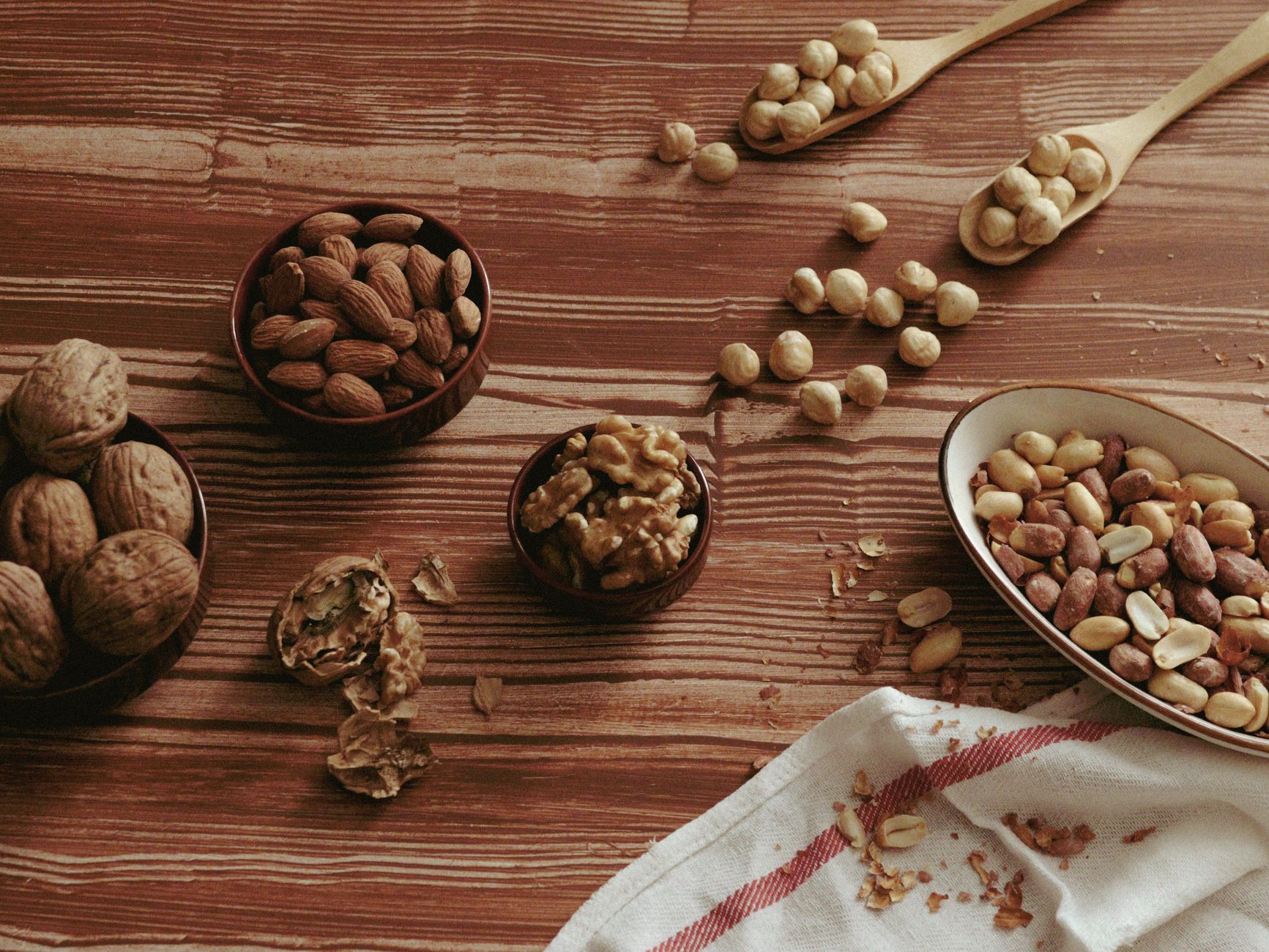
- Omega‑3 fatty acids: salmon, walnuts, chia seeds – reduce inflammation and support hormone production.
- Complex carbs: quinoa, sweet potatoes, oats – keep insulin steady, which can improve ovulatory function.
- Phytoestrogen sources: soy, flaxseed – may gently modulate estrogen levels without causing spikes.
- Vitamin D and calcium: fortified dairy, fortified plant milks, sunlight exposure – crucial for reproductive health.
Exercise routines that help normalize postpartum periods
Gentle movement promotes circulation and hormone balance. Aim for 150 minutes of moderate activity per week, spread across:
- Walking or stroller‑push cardio: 30‑minute brisk walks, 3‑5 times a week.
- Post‑partum yoga or Pilates: Focus on pelvic floor and core re‑education.
- Low‑impact strength training: Body‑weight squats, resistance bands, 2‑3 sessions weekly.
Listen to your body—avoid high‑impact or heavy‑lifting until cleared by your provider (usually 6 weeks postpartum).
Stress‑reduction practices
Mindful breathing (4‑7‑8 technique), short meditation breaks, and journaling can lower cortisol, which in turn supports more regular ovulation.
Below is a quick checklist of natural habits you can start today:
- Eat a balanced diet rich in iron, omega‑3s, and complex carbs.
- Stay hydrated – aim for 2.5 L of water daily.
- Sleep when the baby sleeps; prioritize at least 6 hours of consolidated rest.
- Engage in gentle movement for 30 minutes most days.
- Practice a daily 5‑minute mindfulness or breathing exercise.
How to track ovulation and fertility after childbirth
Even before your period returns, you can begin monitoring signs of ovulation.
Basal body temperature (BBT) tracking
Take your temperature each morning before getting out of bed. A sustained rise of about 0.5 °F often signals ovulation.
Cervical mucus observation
When you notice clear, stretchy mucus (similar to raw egg whites), it usually indicates fertile days.
Ovulation predictor kits (OPKs)
These over‑the‑counter tests detect luteinizing hormone surges. They’re reliable once you’ve resumed regular cycles, but may give false‑positive results if you’re still breastfeeding heavily because prolactin can interfere with hormone patterns.
Fertility apps
Many apps allow you to log BBT, mucus, and OPK results, providing personalized fertile windows.
Remember, you can become pregnant before your period returns. If you have unprotected intercourse and notice any signs of ovulation, consider using a reliable contraceptive method until you’re ready to conceive.
Impact of birth control methods on postpartum cycle timing
Choosing the right contraceptive after delivery can both protect against unintended pregnancy and help regularize your cycle.
Discuss your personal goals—whether you want to resume regular periods quickly or maintain low‑dose hormones—with your OB‑GYN to choose the best fit.
Postpartum hormonal changes and their effect on menstrual cycle
Understanding the hormonal cascade after birth demystifies why cycles can feel erratic.
Prolactin’s role
Prolactin, produced by the pituitary gland, rises when you breastfeed. High prolactin suppresses the release of gonadotropin‑releasing hormone (GnRH), which in turn reduces follicle‑stimulating hormone (FSH) and luteinizing hormone (LH)—the hormones that trigger ovulation.
Estrogen and progesterone rebound
Once prolactin falls (often after weaning), estrogen and progesterone begin to rise again, rebuilding the uterine lining and re‑establishing the menstrual cycle.
Thyroid considerations
Post‑partum thyroiditis—a temporary inflammation of the thyroid—affects about 5‑10 % of new mothers and can cause irregular periods, fatigue, and mood swings. A simple blood test (TSH, free T4) can confirm the diagnosis.
Impact of stress hormones
Cortisol can interfere with GnRH signaling, prolonging anovulation. Managing stress through mindfulness, adequate sleep, and social support can help normalize hormone production.
Myth vs. fact
Let’s clear up common misconceptions about cycle regulation after childbirth.
Myth: You cannot get pregnant until your period returns.
Fact: Ovulation can occur before the first postpartum bleed, so pregnancy is possible even if you haven’t had a period yet.
Myth: Exclusive breastfeeding guarantees that periods will stay away for a year.
Fact: While exclusive nursing often delays periods, many women resume menstruation within 4‑6 months despite continued breastfeeding.
Myth: Heavy bleeding after birth always means a problem.
Fact: Lochia can be fairly heavy in the first few days; however, bleeding that persists beyond 8 weeks, is foul‑smelling, or is accompanied by fever should be evaluated.
Key takeaways
- Most women see their first postpartum period between 6 weeks and 6 months after delivery, but breastfeeding, stress, and individual hormones can lengthen this window.
- Prolactin from nursing suppresses ovulation; reducing nursing frequency or weaning often triggers the return of cycles.
- Track ovulation with basal body temperature, cervical mucus, or OPKs once bleeding stabilizes.
- Balanced nutrition, gentle exercise, and stress‑reduction support hormonal balance and cycle regularity.
- Hormonal birth control (especially combined pills) can give you a predictable cycle, but discuss timing with your provider, especially if you’re breastfeeding.
- Seek medical care for heavy clots, fever, foul‑smelling discharge, or bleeding beyond 8 weeks postpartum.
Frequently asked questions
How many weeks after birth does a period usually start?
On average, periods begin around 8 weeks postpartum for non‑breastfeeding mothers and 12‑24 weeks for those who exclusively breastfeed. However, a wide range—from 4 weeks to 12 months—is considered normal.
Can I get pregnant before my period returns postpartum?
Yes. Ovulation can occur before the first bleed, meaning you can conceive even if you haven’t had a period yet. If you’re not ready for another pregnancy, use a reliable contraceptive method.
Does exclusive breastfeeding stop periods completely?
Exclusive breastfeeding often delays periods, but it does not guarantee their absence. Many women experience their first period while still nursing, usually after 4‑6 months of exclusive lactation.
What are normal symptoms of a returning menstrual cycle after pregnancy?
Typical signs include a light to moderate flow, mild cramping, possible breast tenderness, and a brief “spotting” phase before the full period. Darker blood and small clots are common early on.
How can I tell if my postpartum bleeding is normal or a problem?
Normal lochia gradually lightens over 4‑6 weeks and changes from bright red to pink to brown. Seek care if bleeding is suddenly heavy, contains large clots, has a foul odor, is accompanied by fever, or persists beyond 8 weeks without improvement.
Which birth control method is best for regulating cycles after childbirth?
Combined oral contraceptives are often recommended for quick cycle regulation, but they should be started after 2 weeks postpartum if you’re not breastfeeding, or after 6 weeks if you are. Progestin‑only pills and hormonal IUDs are safe for nursing moms and can also help normalize bleeding patterns.
When to see a doctor / specialist
If you notice any of the following, contact your OB‑GYN, midwife, or primary care provider promptly:
- Bleeding that soaks a pad in less than an hour or passes large clots.
- Fever > 38°C (100.4°F) or foul‑smelling discharge.
- Painful cramping that worsens after the first two weeks postpartum.
- Sudden loss of breast milk supply alongside heavy bleeding.
- Bleeding that continues unchanged beyond 8 weeks.
These signs could indicate infection, retained placental tissue, or hormonal imbalances that need professional assessment.
References
- American College of Obstetricians and Gynecologists. “Postpartum Care.” ACOG Practice Bulletin No. 141, 2022.
- American Academy of Pediatrics. “Breastfeeding and the Use of Human Milk.” Policy Statement, 2021.
- World Health Organization. “Postpartum Family Planning.” WHO Guidelines, 2020.
- Endocrine Society. “Clinical Practice Guideline for Post‑partum Thyroiditis.” 2021.
- Academy of Nutrition and Dietetics. “Nutrition for Pregnancy and Lactation.” Position Paper, 2022.
- Centers for Disease Control and Prevention. “Postpartum Contraception.” CDC, 2023.
- National Institutes of Health. “Hormonal Changes in the Postpartum Period.” MedlinePlus, 2022.
- American Society for Reproductive Medicine. “Ovulation Prediction.” ASRM Clinical Guidance, 2023.



