
Quick take: In 2026, the average cost of one IVF cycle in the U.S. is $15,000–$25,000 when you include medications, clinic fees, and lab work. Insurance coverage is patchy—only 20 states mandate some level of fertility coverage, and even then, caps and exclusions apply. Financing programs, shared-risk plans, and generic medications can shave thousands off the bill, but hidden expenses (storage fees, counseling, repeat cycles) often push the final number higher. If you’re budgeting for IVF, start with a clear cost breakdown, ask your clinic for a line-item quote, and explore every financing option before you commit.
You’re staring at the IVF cost calculator, and the number feels like a second mortgage
It’s 2 a.m., and the glow of your phone screen illuminates the quiet worry etched on your face. You’ve just run the numbers for the third time: $22,000 for one IVF cycle, and that’s the “optimistic” estimate. The clinic’s website lists fees in neat little boxes—medications, retrieval, transfer—but the real cost? It’s the unspoken extras: the $500 genetic testing you didn’t plan for, the $3,000 cryopreservation fee that wasn’t in the initial quote, the second (or third) cycle you might need. You’re not just paying for science; you’re paying for hope, and the price tag is making your stomach twist.
If this sounds familiar, you’re not alone. In 2026, the cost of IVF per cycle remains one of the biggest barriers to parenthood for millions of women and couples. The sticker shock is real, but so is the path forward. This guide isn’t just about numbers—it’s about giving you the clarity to plan, the questions to ask, and the strategies to make IVF feel financially possible. Because while the cost of IVF might be steep, the cost of not knowing your options is steeper.

What’s the average cost of IVF per cycle in 2026 in the United States?
Why the wide range? Costs vary by clinic, location, and the specific protocols your doctor recommends. For example, a cycle using donor eggs can cost $30,000–$50,000, while a “minimal stimulation” or “mini-IVF” cycle might run $8,000–$12,000. The type of medications prescribed also plays a role—brand-name drugs like Gonal-F or Menopur can add thousands to your bill, while generic alternatives may cut costs by 30–50%.
Current evidence suggests that IVF costs have risen about 3–5% annually since 2020, driven by inflation, advanced lab technologies (like time-lapse embryo imaging), and increased demand. The Society for Assisted Reproductive Technology (SART) reports that the national average for a single IVF cycle in 2026 is $21,600, up from $19,200 in 2020. But remember: this is an average. Your actual cost could be lower—or significantly higher—depending on your unique situation.
Why IVF costs more than you think
Most clinics advertise a base fee for IVF, often in the $10,000–$15,000 range. But this fee rarely includes:
- Medications: $3,000–$8,000 (ovarian stimulation drugs like Follistim or Lupron, plus trigger shots like Ovidrel).
- Anesthesia: $500–$1,500 (for the egg retrieval procedure).
- ICSI (intracytoplasmic sperm injection): $1,000–$2,500 (if sperm quality is an issue).
- Genetic testing (PGT-A): $2,000–$7,000 (to screen embryos for chromosomal abnormalities).
- Embryo freezing and storage: $500–$1,500 (initial freezing) + $300–$800/year for storage.
- Repeat cycles: 20–30% of patients need more than one cycle, and each additional attempt adds to the total cost.
One reader, Sarah (name changed), shared her experience: “I was quoted $14,000 for my first cycle. By the time I added medications, genetic testing, and a frozen embryo transfer, the bill was $28,000. I wish I’d asked for a full breakdown upfront.”
How much does IVF cost with medication included in 2026?
When medications are included, the cost of an IVF cycle typically jumps to $18,000–$28,000. Medications alone can account for 20–40% of the total cost, depending on the protocol your doctor prescribes. Here’s a closer look at what you’re paying for and how to estimate your medication costs:
The medication breakdown
IVF medications are designed to stimulate your ovaries to produce multiple eggs (instead of the usual one per cycle). The most common drugs and their approximate 2026 costs include:
| Medication | Purpose | Typical Cost (2026) | Notes |
|---|---|---|---|
| Gonal-F or Follistim (brand-name FSH) | Stimulates follicle growth | $2,000–$5,000 | Generic versions (follitropin alfa) may cost 30–50% less. |
| Menopur (hMG) | Stimulates follicle growth and egg maturation | $1,500–$3,500 | Often used in combination with FSH drugs. |
| Lupron or Cetrotide (GnRH agonists/antagonists) | Prevents premature ovulation | $500–$1,500 | Generic versions are widely available. |
| Ovidrel or Pregnyl (hCG trigger shot) | Triggers final egg maturation before retrieval | $100–$300 | Often the last medication before retrieval. |
| Progesterone (injections, suppositories, or gels) | Supports the uterine lining post-transfer | $200–$800 | May be needed for 8–12 weeks after transfer. |
Factors that influence medication costs
- Your protocol: Some women respond well to lower doses, while others need higher amounts of medication to produce enough eggs. Your doctor will tailor your protocol based on your age, ovarian reserve, and response to previous cycles.
- Brand vs. generic: Generic versions of FSH and hMG drugs (like follitropin alfa or menotropins) can save you thousands. For example, generic Gonal-F (follitropin alfa) may cost $1,200–$2,500 compared to $3,000–$5,000 for the brand-name version. Ask your doctor if generics are an option for you.
- Insurance coverage: Some insurance plans cover a portion of IVF medications, but coverage varies widely. In states with fertility mandates (like New York or Illinois), insurers may cover up to $10,000 of medication costs. Check your plan’s formulary to see which drugs are covered and at what tier.
- Pharmacy discounts: Some pharmacies offer discounts for IVF medications. For example, Freedom Fertility Pharmacy and CVS Specialty provide savings programs or coupons for eligible patients. Your clinic may also have partnerships with pharmacies that offer reduced rates.
How to estimate your medication costs
To get a rough estimate of your medication costs, ask your clinic for a sample protocol based on your age and fertility history. Most clinics can provide a list of medications and dosages, which you can then price out at a specialty pharmacy. Here’s a quick example for a 35-year-old woman with a typical ovarian reserve:
- Gonal-F (generic): 150 IU daily for 10 days → ~$1,800
- Menopur: 75 IU daily for 10 days → ~$1,200
- Lupron: 0.25 mg daily for 14 days → ~$600
- Ovidrel trigger shot → ~$200
- Progesterone suppositories → ~$400
- Total medication cost: ~$4,200
Keep in mind that this is just an estimate. Your actual costs may vary based on how your body responds to the medications and whether adjustments are needed mid-cycle.
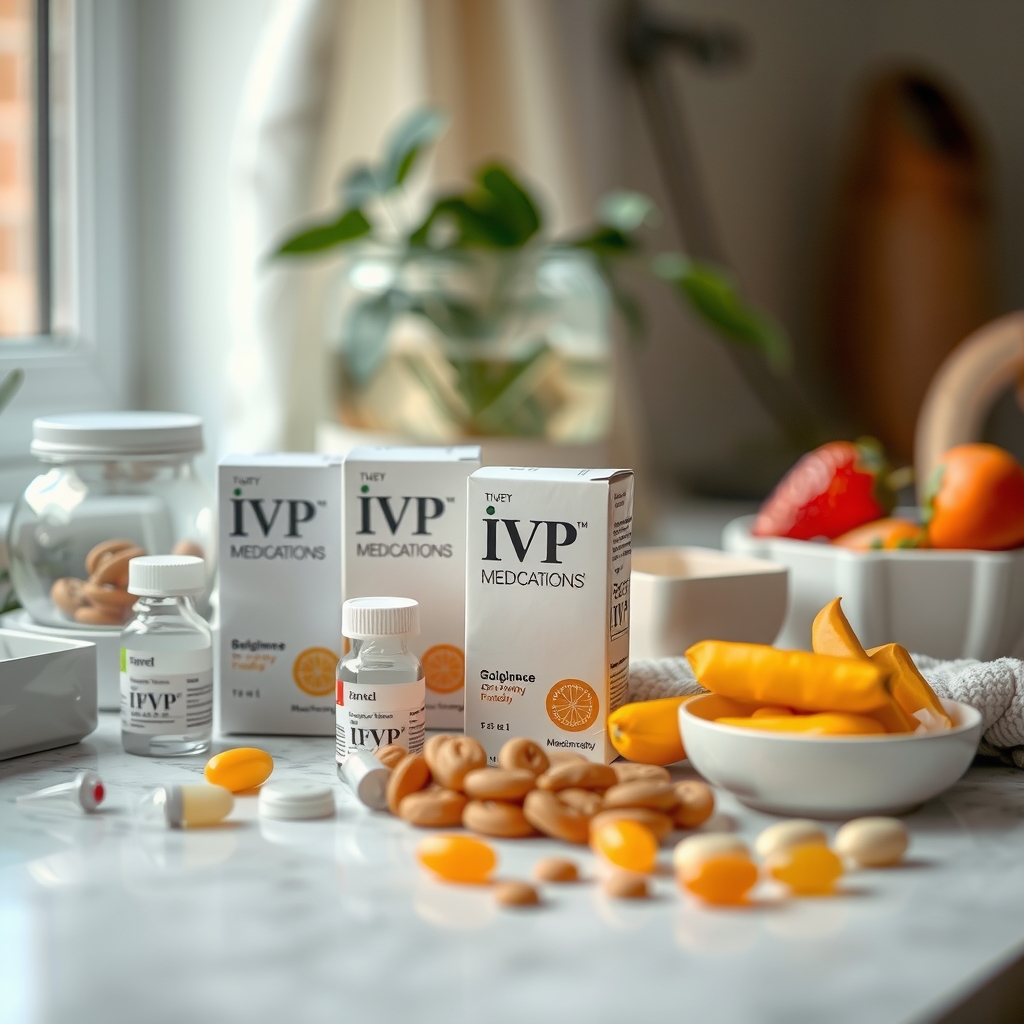
IVF cost breakdown per cycle 2026: Clinic fees, lab fees, and where your money goes
Understanding the cost breakdown of an IVF cycle can help you budget more effectively and avoid surprises. Below, we’ve broken down the typical fees associated with a single IVF cycle in 2026, along with what each fee covers. Note that these costs are averages—your clinic’s fees may be higher or lower depending on location, reputation, and the services included.
The core cost components of an IVF cycle
| Component | What It Includes | Average Cost (2026) | Notes |
|---|---|---|---|
| Initial consultation and testing | First meeting with a reproductive endocrinologist (RE), blood work (AMH, FSH, estradiol), ultrasound, semen analysis, infectious disease screening, uterine evaluation (hysteroscopy or saline sonogram). | $1,500–$4,000 | Some clinics bundle this into the IVF package; others charge separately. Insurance may cover some or all of these tests. |
| Ovarian stimulation medications | FSH (Gonal-F, Follistim), hMG (Menopur), GnRH agonists/antagonists (Lupron, Cetrotide), hCG trigger shot (Ovidrel), progesterone support. | $3,000–$8,000 | Costs vary based on protocol, brand vs. generic, and insurance coverage. |
| Monitoring (ultrasounds and blood work) | Frequent ultrasounds and blood tests to track follicle growth and hormone levels during stimulation. | $1,500–$3,000 | Some clinics include this in the base fee; others charge per visit. |
| Egg retrieval | Surgical procedure to collect eggs from the ovaries, performed under sedation or general anesthesia. | $3,000–$6,000 | Includes the surgeon’s fee, anesthesia, and facility charges. |
| Fertilization (IVF or ICSI) | Standard IVF (mixing eggs and sperm in a lab) or ICSI (injecting a single sperm into each egg). | $1,500–$3,500 | ICSI costs more and is typically recommended for male-factor infertility. |
| Embryo culture and development | Growing embryos in the lab for 3–6 days before transfer or freezing. | $1,000–$2,500 | Some clinics charge extra for extended culture (blastocyst stage). |
| Embryo transfer | Procedure to place one or more embryos into the uterus. Can be fresh or frozen. | $1,000–$3,000 | Frozen embryo transfers (FET) may cost less than fresh transfers. |
| Genetic testing (PGT-A) | Preimplantation genetic testing for aneuploidy (PGT-A) to screen embryos for chromosomal abnormalities. | $2,000–$7,000 | Optional but often recommended for women over 35 or those with recurrent miscarriages. |
| Embryo freezing and storage | Cryopreservation of extra embryos and annual storage fees. | $500–$1,500 (freezing) + $300–$800/year (storage) | Some clinics offer discounts for multi-year storage prepayments. |
| Pregnancy test and follow-up | Beta hCG blood test to confirm pregnancy and early ultrasound. | $200–$500 | Often not included in the base IVF fee. |
Hidden fees to watch for
Even with a detailed cost breakdown, some expenses can slip through the cracks. Here are a few hidden fees to ask about:
- Counseling or psychological support: Some clinics require or recommend counseling before starting IVF, which may cost $100–$300 per session.
- Travel and lodging: If your clinic is out of town, factor in flights, hotels, and meals. Some clinics partner with nearby hotels for discounts.
- Additional procedures: If your cycle requires a mock embryo transfer, hysteroscopy, or endometrial scratch, these can add $500–$2,000 to your bill.
- Sperm washing or donor sperm: If using donor sperm, costs range from $1,000–$4,000 per vial, plus storage fees.
- Repeat cycles: If your first cycle isn’t successful, you’ll need to pay for another round of medications, retrieval, and transfer. Some clinics offer discounts for multiple cycles.
How to get a line-item quote from your clinic
Before committing to a clinic, ask for a detailed, written cost breakdown that includes:
- All clinic and lab fees (retrieval, fertilization, transfer, etc.).
- Medication estimates (brand vs. generic options).
- Anesthesia and facility fees for the retrieval.
- Genetic testing costs (if applicable).
- Embryo freezing and storage fees.
- Any additional procedures or tests that may be recommended.
- Payment plan options or financing programs.
Compare quotes from at least 2–3 clinics to ensure you’re getting a fair price. Don’t hesitate to negotiate—some clinics may match a competitor’s price or offer discounts for upfront payments.
Affordable IVF options and financing programs in 2026
IVF doesn’t have to drain your savings. In 2026, more clinics and organizations than ever are offering affordable IVF options, financing programs, and cost-saving strategies to make fertility treatment accessible. Here’s how to reduce your out-of-pocket costs without compromising on quality.
1. Shared-risk and refund programs
Shared-risk programs (also called “IVF guarantees” or “refund programs”) allow you to pay a flat fee upfront in exchange for a certain number of IVF cycles or a money-back guarantee if treatment isn’t successful. These programs can be a good option if you’re comfortable with the financial risk and want to cap your total spending.
| Program Type | How It Works | Typical Cost (2026) | Pros and Cons |
|---|---|---|---|
| Multi-cycle packages | Pay a flat fee for 2–3 IVF cycles, including medications and transfers. If you get pregnant in the first cycle, you may receive a partial refund for unused cycles. | $25,000–$40,000 |
Pros: Caps your total cost; may include medications. Cons: Upfront cost is high; not all patients qualify (age and health restrictions apply). |
| Money-back guarantee | Pay a flat fee (e.g., $25,000) for up to 3 IVF cycles. If you don’t get pregnant, you receive a full or partial refund. | $20,000–$35,000 |
Pros: Financial safety net; peace of mind. Cons: Strict eligibility criteria (e.g., age under 38, no severe male-factor infertility); upfront cost is high. |
| Shared donor egg programs | Split the cost of a donor egg cycle with another patient. You receive half the eggs retrieved from the donor. | $15,000–$25,000 |
Pros: Cuts donor egg costs in half. Cons: Fewer eggs per patient; may not be an option if you need a specific donor profile. |
Clinics offering shared-risk programs include Shady Grove Fertility, RMA of New York, and CNY Fertility. Always read the fine print—some programs exclude genetic testing, medications, or frozen embryo transfers.
2. Financing and loans
If you don’t have the cash to pay for IVF upfront, financing can spread the cost over time. Here are your options:
- Clinic payment plans: Many clinics offer in-house payment plans with little or no interest. For example, CCRM Fertility offers 12–24 month payment plans with 0% interest for qualified patients. Ask your clinic about their options.
- Fertility-specific loans: Companies like CapexMD, LendingClub, and Progyny specialize in fertility financing. Interest rates range from 5–20% APR, depending on your credit score. Loan terms typically span 2–7 years.
- Personal loans: Banks and credit unions offer personal loans that can be used for IVF. Rates vary widely (6–36% APR), so shop around for the best deal. LightStream and SoFi are popular options for medical loans.
- Home equity loans or lines of credit (HELOC): If you own a home, you may be able to borrow against your equity at a lower interest rate. However, this puts your home at risk if you default.
- Credit cards: Some patients use credit cards with 0% introductory APR offers (e.g., Chase Slate or Citi Simplicity) to pay for IVF. This can work if you can pay off the balance before the promotional period ends, but interest rates can skyrocket afterward.
3. Grants and scholarships
Several nonprofits and organizations offer grants to help cover the cost of IVF. These grants are typically need-based and competitive, but they’re worth applying for if you qualify. Here are some of the most well-known programs in 2026:
| Organization | Grant Amount | Eligibility | Application Details |
|---|---|---|---|
| Baby Quest Foundation | $2,000–$16,000 | U.S. citizens or legal residents with a demonstrated financial need. Open to all family structures (heterosexual, LGBTQ+, single parents). | Applications accepted twice a year (spring and fall). Requires a letter of medical necessity from your doctor. |
| The Tinina Q. Cade Foundation | Up to $10,000 | U.S. residents with infertility, prioritizing those with financial need. Open to all family structures. | Applications accepted year-round. Requires proof of income and a letter from your doctor. |
| Fertile Action | $5,000–$10,000 | Cancer survivors or individuals with other medical conditions that cause infertility. Open to all family structures. | Applications accepted on a rolling basis. Requires medical documentation. |
| Baby Steps | $5,000 | Residents of the Pacific Northwest (Washington, Oregon, Idaho) with financial need. Open to all family structures. | Applications accepted annually. Requires proof of income and residency. |
| The Samfund | Varies | Young adult cancer survivors (ages 21–39) in the U.S. with financial need. | Applications accepted twice a year. Requires medical documentation. |
To increase your chances of winning a grant, apply to multiple programs, follow the instructions carefully, and include a compelling personal statement. Some organizations also offer discounts on medications or clinic fees—ask your clinic if they partner with any grant programs.
4. Low-cost IVF clinics
Some clinics specialize in offering IVF at a lower cost, often by streamlining processes, using generic medications, or offering shared cycles. Here are a few options to explore:
- CNY Fertility (Nationwide): Known for its affordable IVF packages, CNY Fertility offers cycles starting at $3,900 (excluding medications). They also provide shared-risk programs and discounts for military personnel.
- New Hope Fertility (New York, Mexico): Offers mini-IVF (minimal stimulation IVF) for $5,000–$8,000 per cycle, including medications. They also have a shared-risk program for $25,000.
- Fertility Centers of Illinois (Chicago): Provides discounted IVF cycles for Illinois residents, with packages starting at $9,500. They also offer a shared-risk program for $20,000.
- ARC Fertility (Nationwide): Works with a network of clinics to offer discounted IVF packages, including a $19,500 shared-risk program that covers up to 3 cycles.
- International options: Some patients travel abroad for lower-cost IVF. Clinics in Spain, Greece, the Czech Republic, and Mexico offer IVF for $5,000–$10,000 per cycle, including medications. However, factor in travel costs, potential language barriers, and varying success rates.
5. Generic medications and pharmacy discounts
Medications are one of the biggest expenses in an IVF cycle, but you can save thousands by opting for generic drugs and shopping around for the best prices. Here’s how:
- Ask for generics: Generic versions of FSH (follitropin alfa) and hMG (menotropins) are just as effective as brand-name drugs but cost 30–50% less. For example, generic Gonal-F (follitropin alfa) may cost $1,200–$2,500 compared to $3,000–$5,000 for the brand-name version.
- Compare pharmacy prices: Prices for IVF medications can vary widely between pharmacies. Use a price-comparison tool like GoodRx or Blink Health to find the best deals. Some pharmacies, like Freedom Fertility Pharmacy and CVS Specialty, offer discounts or coupons for IVF medications.
- Check for manufacturer coupons: Some drug manufacturers offer coupons or patient assistance programs. For example, EMD Serono (maker of Gonal-F) offers a savings program that can reduce your out-of-pocket costs.
- Buy in bulk: If you’re doing multiple cycles, ask your pharmacy about bulk discounts. Some pharmacies offer lower prices if you purchase all your medications at once.
6. Tax deductions and flexible spending accounts (FSAs)
You may be able to reduce your taxable income by deducting IVF expenses or using pre-tax dollars from a flexible spending account (FSA) or health savings account (HSA). Here’s how:
- Medical expense deduction: If your total medical expenses (including IVF) exceed 7.5% of your adjusted gross income (AGI), you can deduct the amount over that threshold on your federal tax return. For example, if your AGI is $80,000, you can deduct medical expenses over $6,000. Keep receipts for all IVF-related expenses, including medications, clinic fees, and travel costs.
- Flexible spending account (FSA): If your employer offers an FSA, you can set aside up to $3,050 in pre-tax dollars in 2026 to pay for IVF and other medical expenses. FSAs are “use it or lose it,” so plan carefully.
- Health savings account (HSA): If you have a high-deductible health plan (HDHP), you can contribute up to $4,150 (individual) or $8,300 (family) to an HSA in 2026. HSA funds roll over year to year and can be used tax-free for IVF and other medical expenses.
Consult a tax professional to maximize your deductions and ensure you’re following IRS rules.
IVF cost comparison between major US cities in 2026
Where you live can have a big impact on the cost of IVF. In 2026, prices vary widely between cities due to differences in clinic overhead, demand, and local competition. Below, we’ve compared the average cost of one IVF cycle (including medications) in major U.S. cities, along with factors that influence pricing.
IVF cost by city: 2026 averages
| City | Average IVF Cost (2026) | Notes |
|---|---|---|
| New York, NY | $22,000–$30,000 | High demand and overhead drive up costs. Some clinics offer shared-risk programs for $25,000–$35,000. |
| Los Angeles, CA | $20,000–$28,000 | Competitive market keeps prices slightly lower than NYC. Many clinics offer financing options. |
| Chicago, IL | $18,000–$25,000 | Illinois has a fertility insurance mandate, which can reduce out-of-pocket costs for residents. |
| Houston, TX | $16,000–$22,000 | Lower overhead costs make IVF more affordable. Some clinics offer packages starting at $12,000. |
| Atlanta, GA | $17,000–$24,000 | Georgia does not have a fertility insurance mandate, so costs are out-of-pocket for most patients. |
| Boston, MA | $21,000–$29,000 | Massachusetts has a fertility insurance mandate, but coverage varies by employer. Some clinics offer discounts for self-pay patients. |
| Miami, FL | $18,000–$25,000 | Florida does not have a fertility insurance mandate, but some clinics offer affordable packages. |
| Denver, CO | $17,000–$23,000 | Colorado has a fertility insurance mandate, which can reduce costs for residents. Some clinics offer shared-risk programs. |
| Seattle, WA | $19,000–$26,000 | Washington does not have a fertility insurance mandate, but some employers offer coverage. Clinics in Seattle Editor's pick for this topic Not sure about the label on Cost Of Ivf Per Cycle 2026 products?Snap the ingredients list and SafeFilter checks every ingredient for your stage — only 3 free scans this month, then you're locked until reset. Unlimited from $7/mo or $50/yr. Informational only — not medical advice.  About the AuthorWhen Shubhra Mishra was expecting her first child in 2016, she was overwhelmed by conflicting food advice — one site said yes, another said never. By the time her second baby arrived in 2019, she realized millions of mothers face the same confusion. That sparked a five-year journey through clinical nutrition papers, cultural diets, and expert conversations — all leading to BumpBites: a calm, compassionate space where science meets everyday motherhood. Her long-term vision is to build a global community ensuring safe, supported, and free deliveriesfor every mother — because no woman should face pregnancy alone or uninformed. 🌿 🌍 Stand with mothers, shape safer guidanceJoin a small circle of experts who review BumpBites articles so expecting parents everywhere can decide with confidence. ⚠️ Always consult your doctor for medical advice. This content is informational only. Long-form pregnancy guidesHand-curated deep-dive guides — go beyond the article above. More Health & Wellness guides
Recommended picks  Prenatal pick Ritual — Ritual Essential Prenatal Choline + DHA + folate from methylfolate (not synthetic).  Prenatal pick Nordic Naturals — Nordic Naturals Prenatal DHA (Strawberry Softgels) Premium fish-oil DHA in strawberry softgels — gentle on the stomach. |