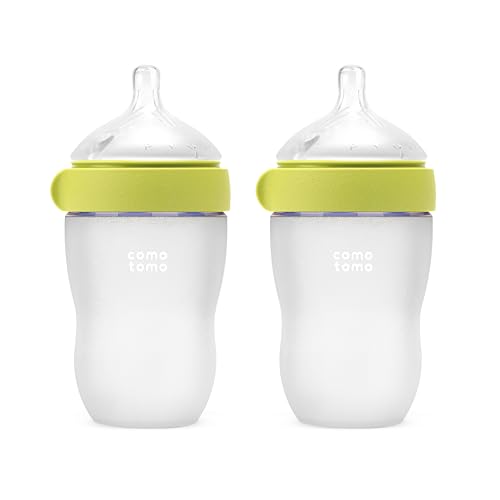
Quick take: The average cost of formula per year in the United States in 2024 is roughly $1,300 for a single infant, but prices vary widely by brand, type, and whether you choose organic or regular formulas. Bulk buying, coupons, and discount stores can shave several hundred dollars off that total, while twins can expect to spend about $2,500 to $3,000 in the first year.
When you opened the pantry at 2 a.m. and saw the empty shelf where you’d stored the last can of powder, a wave of worry probably hit you. “How much am I really spending?” you might have thought, especially if you’re juggling a tight budget or a growing family. You’re not alone—many modern moms face the same question, and the answer isn’t always clear.
In this guide we’ll break down the cost of formula per year for a range of scenarios: regular vs. organic, powder vs. ready‑to‑feed, singletons vs. twins, and even soy or goat’s milk options. We’ll show you how to calculate your own budget, point out real‑world savings tricks, and explain where tax deductions or insurance reimbursements might apply. By the end, you’ll have a concrete plan that matches your baby’s nutritional needs with your wallet’s limits.
Let’s walk through the numbers together, step by step, so you can feel confident making the best financial decisions for your family.
According to the latest market analysis from the Academy of Nutrition and Dietetics, the median expenditure for a single infant who is fed exclusively with formula is about $1,300 – $1,450 for the first 12 months. This range reflects the average consumption of 28 ounces per day, which translates to roughly 10 kilograms of powder or 3 gallons of ready‑to‑feed.
The calculation looks like this:
- Average daily intake: 28 oz (≈ 800 ml)
- Average monthly intake: 840 oz (≈ 25 L)
- Average yearly intake: 10,080 oz (≈ 300 L)
When you multiply the yearly volume by the average price per ounce—about $0.13 for powder and $0.45 for ready‑to‑feed—you land in the $1,300‑$1,450 range. Families in higher‑income zip codes often spend more, especially if they gravitate toward premium or organic brands, while those who shop at discount retailers can stay near the lower end of the spectrum.
It’s also worth noting that the cost of formula per year can shift as your baby grows. Newborns typically consume less than a quarter of a liter per day, while a 6‑month‑old may need close to a liter. The figure above smooths those fluctuations into an annual average, which is useful for budgeting but not a precise day‑to‑day tally.
Organic formulas carry a price premium because they must meet stricter USDA standards for ingredient sourcing, pesticide residues, and processing. In 2024, the average cost per ounce for organic powder sits at $0.18 – $0.22, whereas conventional powder hovers around $0.12 – $0.14. For ready‑to‑feed, the gap widens: organic bottles average $0.55 – $0.65 per ounce, compared with $0.40 – $0.45 for standard versions.
Running the numbers for a full year, an infant fed exclusively on organic powder will cost roughly $1,800 – $2,200, while a regular‑formula infant stays near $1,300 – $1,450. The difference—about $500 – $750—can feel significant, but many families find the peace of mind worth the extra spend.
Below is a quick side‑by‑side snapshot:
If you’re weighing the cost against the nutritional profile, remember that both organic and conventional formulas meet the same FDA nutrient standards. The choice often comes down to personal values, allergies, or specific sensitivities.
For families looking to keep the cost of formula per year low without sacrificing quality, several store‑brand or “value” formulas stand out. In 2024, the most affordable yet reputable options include:
- Target’s Up & Up—a USDA‑approved cow’s‑milk based powder that averages $0.11 / oz, translating to about $1,200 / year.
- Walmart’s Parent’s Choice—similar nutrient profile to national brands, priced at $0.10 / oz, or roughly $1,100 / year.
- Kirkland Signature (Costco)—large‑size cans (≈ 900 g) cost around $23, yielding an annual expense near $1,250.
- Gerber Good Start Gentle—a hypoallergenic option for sensitive tummies, at $0.14 / oz, or $1,400 / year.
When you compare these to premium names like Similac Pro‑Advance Organic or Enfamil NeuroPro, the savings can be $300 – $600 annually. The trick is to verify that the formula meets your baby’s specific needs (e.g., lactose intolerance or a need for iron). Most store brands are certified by the FDA and meet the same nutrient specifications as name‑brand products.
Creating a personal budget starts with two variables: how much your baby drinks and what you pay per unit. Here’s a step‑by‑step worksheet you can replicate in any spreadsheet or even on a piece of paper:
- Determine daily intake. Newborns typically consume 2–3 oz per feeding, 8–12 feedings a day. A safe average is 28 oz per day.
- Multiply by 365 days. 28 oz × 365 = 10,220 oz per year.
- Find price per ounce. Check the price tag on your chosen formula. For example, $0.13 / oz for conventional powder.
- Calculate yearly cost. 10,220 oz × $0.13 = $1,329.
- Adjust for waste. Add 5–10 % to cover spillage, expired cans, or “extra” purchases.
- Include taxes. Depending on your state, sales tax can add 5–9 %.
Putting it all together, a realistic estimate for a single infant using regular powder might look like $1,329 + $66 (10 % waste) + $106 (8 % tax) ≈ $1,500 per year.
Many parents find it helpful to use an online formula cost calculator—like the one offered by the American Academy of Pediatrics (AAP) on its website—to automate these steps. Input your brand, amount, and local tax rate, and you’ll get an instant figure that you can compare across brands.
Formula comes in three main formats, each with its own price point and convenience factor:
- Powder—the most economical, requiring mixing with water. Average price: $0.12‑$0.14 / oz.
- Concentrate (liquid)—needs dilution with water, slightly pricier than powder but easier to prepare. Average price: $0.22‑$0.25 / oz.
- Ready‑to‑feed—pre‑mixed, sterile bottles. Highest cost, averaging $0.40‑$0.65 / oz.
Because the cost of formula per year scales directly with price per ounce, using ready‑to‑feed can add $600 – $900 to your annual budget compared with powder. The convenience factor is undeniable—especially for night‑time feedings or travel—but many families strike a balance: powder for most meals, a limited number of ready‑to‑feed bottles for emergencies or on‑the‑go moments.
Below is a concise comparison:
Choosing a format often depends on lifestyle. If you’re a night‑owlish parent who values speed, a few ready‑to‑feed bottles might be worth the added expense. If you have a stable home routine, powder remains the most budget‑friendly choice.
Saving money isn’t about cutting corners on nutrition; it’s about being strategic with purchasing and taking advantage of programs that lower the cost of formula per year. Here are proven tactics:
- Buy in bulk. Large‑size cans (≈ 900 g) often shave 15‑20 % off the per‑ounce price. Costco’s Kirkland brand is a favorite for this reason.
- Use coupons. Manufacturer coupons, store loyalty discounts, and cash‑back apps (e.g., Ibotta) can reduce the price by $0.02‑$0.05 / oz each time.
- Shop discount retailers. Chains like Walmart, Target, and Aldi frequently stock generic formulas at lower prices.
- Join subscription services. Many brands offer auto‑ship programs with 10‑15 % discounts, plus free shipping.
- Take advantage of WIC. The Women, Infants, and Children program provides free formula for eligible families, covering both conventional and organic options.
- Look for “buy one, get one free” promotions. These are common during holiday sales and can cut your cost nearly in half for the promotional period.
- Check for tax‑deductible expenses. While formula isn’t typically a medical expense, if your pediatrician prescribes a specialized formula for a medical condition, it may be deductible under IRS Schedule A.
One mother we spoke with shared that by combining bulk purchases from Costco with monthly coupons from the brand’s website, she reduced her annual spend from $1,500 to $1,050—a 30 % saving that she redirected toward a college fund for her older child.
Yes, but the value depends on how you use them. Coupons usually offer a $0.02‑$0.10 discount per ounce, which sounds small until you multiply it by the 10,000+ ounces you’ll use in a year. A single $0.05 / oz coupon applied to a 900‑g can (≈ 32 oz) saves $1.60. If you collect and stack several coupons, you can easily knock $30‑$50 off a single purchase.
However, there are a few caveats:
- Expiration dates. Coupons often have a 30‑day window, so you need to plan purchases accordingly.
- Stacking limits. Some retailers allow only one manufacturer coupon per transaction, while others let you combine manufacturer and store coupons.
- Availability. Popular brands may run out of coupon‑eligible stock quickly, especially during sales.
Overall, if you’re already buying formula, applying coupons is a low‑effort way to shave a few hundred dollars off the cost of formula per year. Keep an eye on brand newsletters, coupon aggregator sites, and the “savings” tab on retailer apps.
Feeding two infants doubles the baseline consumption, but economies of scale can soften the blow. On average, twin families spend about 1.8 × the single‑infant cost because they often buy larger‑size containers and can share bulk purchases.
Using the powder baseline ($0.13 / oz), a single infant costs $1,300 / year. For twins, the estimate looks like:
- Daily intake per baby: 28 oz × 2 = 56 oz
- Annual intake: 56 oz × 365 = 20,440 oz
- Yearly cost: 20,440 oz × $0.13 ≈ $2,657
If you add a 10 % waste factor and 8 % tax, the total climbs to roughly $3,100 per year. When twins use a combination of powder and ready‑to‑feed for convenience, the cost can reach $3,500‑$4,000.
Below is a concise twin‑vs‑single cost table:
Many families offset these expenses by rotating formula types—using powder for most feedings and reserving ready‑to‑feed for travel or night‑time emergencies. Subscription services that allow you to mix and match brands can also reduce the overall spend.
Myth vs. fact
Myth: Organic formula is always twice as expensive as regular formula.
Fact: While organic formulas are pricier, the average price difference is about 30‑40 % per ounce, not 100 %.
Myth: Ready‑to‑feed formula is the only safe option for newborns.
Fact: All FDA‑approved formulas—powder, concentrate, and ready‑to‑feed—meet the same nutrient standards. Powder is perfectly safe when prepared correctly.
Myth: Coupon discounts are negligible and not worth the effort.
Fact: Over a year, strategic coupon use can lower the cost of formula per year by $150‑$300, a meaningful saving for most families.
Key takeaways
- The average cost of formula per year for a single infant in the US (2024) is $1,300‑$1,450.
- Organic formulas add roughly $500‑$750 to that total.
- Powder remains the most budget‑friendly format; ready‑to‑feed can cost up to four times more.
- Bulk purchases, coupons, discount retailers, and subscription programs can shave 20‑30 % off yearly expenses.
- Twin families should budget about $2,600‑$3,100 for powder and up to $4,000 for mixed formats.
- If a pediatrician prescribes a specialized formula, you may qualify for tax deductions or insurance reimbursement.
Frequently asked questions
In 2024, a single infant fed exclusively with standard powder formula averages $1,300‑$1,450 annually. Ready‑to‑feed formulas can push that number above $5,000, while bulk‑buying store brands can keep it near $1,200.
Yes, organic formulas typically cost 30‑40 % more per ounce. Over a year, that translates to an extra $500‑$750 compared with conventional formulas, though the nutritional standards remain identical.
Absolutely. Large‑size cans (≈ 900 g) reduce the per‑ounce price by 15‑20 %. Combined with coupons or subscription discounts, bulk buying can lower the cost of formula per year by $200‑$400.
Powder averages $0.13 / oz, while ready‑to‑feed averages $0.55 / oz. Using the same daily intake, powder costs about $1,300 per year, whereas ready‑to‑feed can exceed $5,500—a fourfold difference.
Yes. Manufacturers issue printable or digital coupons that shave $0.02‑$0.10 per ounce. Apply them at checkout, stack with store loyalty discounts when allowed, and watch your annual spend drop by $30‑$50 per coupon‑eligible purchase.
Beyond the price per ounce, consider waste (spillage, expired cans), taxes, and potential storage costs for bulk purchases. Also factor in occasional travel or emergency purchases of ready‑to‑feed bottles, which can add $100‑$200 to the yearly total.
Compare the price per ounce across brands, check for bulk discounts, and use an online formula cost calculator. If your per‑ounce cost exceeds $0.15 for powder or $0.45 for ready‑to‑feed, you’re likely paying more than the market average.
When to see a doctor or specialist
If your baby shows any of the following signs, contact your pediatrician promptly:
- Persistent vomiting or severe diarrhea after formula feeds.
- Excessive fussiness that doesn’t improve after trying a different brand.
- Unexplained weight loss or failure to gain weight.
- Allergic reactions such as rash, swelling, or breathing difficulty.
- Doctor‑prescribed specialized formula (e.g., hypoallergenic, soy, or amino‑acid based) that you’re unsure how to use.
This article provides general budgeting information and is not a substitute for personalized medical advice. Always discuss any formula changes or concerns with your child’s healthcare provider.
References
- Academy of Nutrition and Dietetics. “Infant Feeding Guidelines.” 2024.
- American Academy of Pediatrics. “Nutrition and Feeding of Infants.” 2023.
- U.S. Food and Drug Administration. “Guidance for Industry: Infant Formula.” Updated 2024.
- U.S. Department of Agriculture. “Organic Certification Standards.” 2024.
- National WIC Association. “WIC Benefits for Infant Formula.” 2023.
- Consumer Reports. “Best Value Baby Formula Brands.” January 2024.
- IRS Publication 502. “Medical and Dental Expenses.” 2023.
- Harvard T.H. Chan School of Public Health. “Understanding Infant Formula.” 2022.