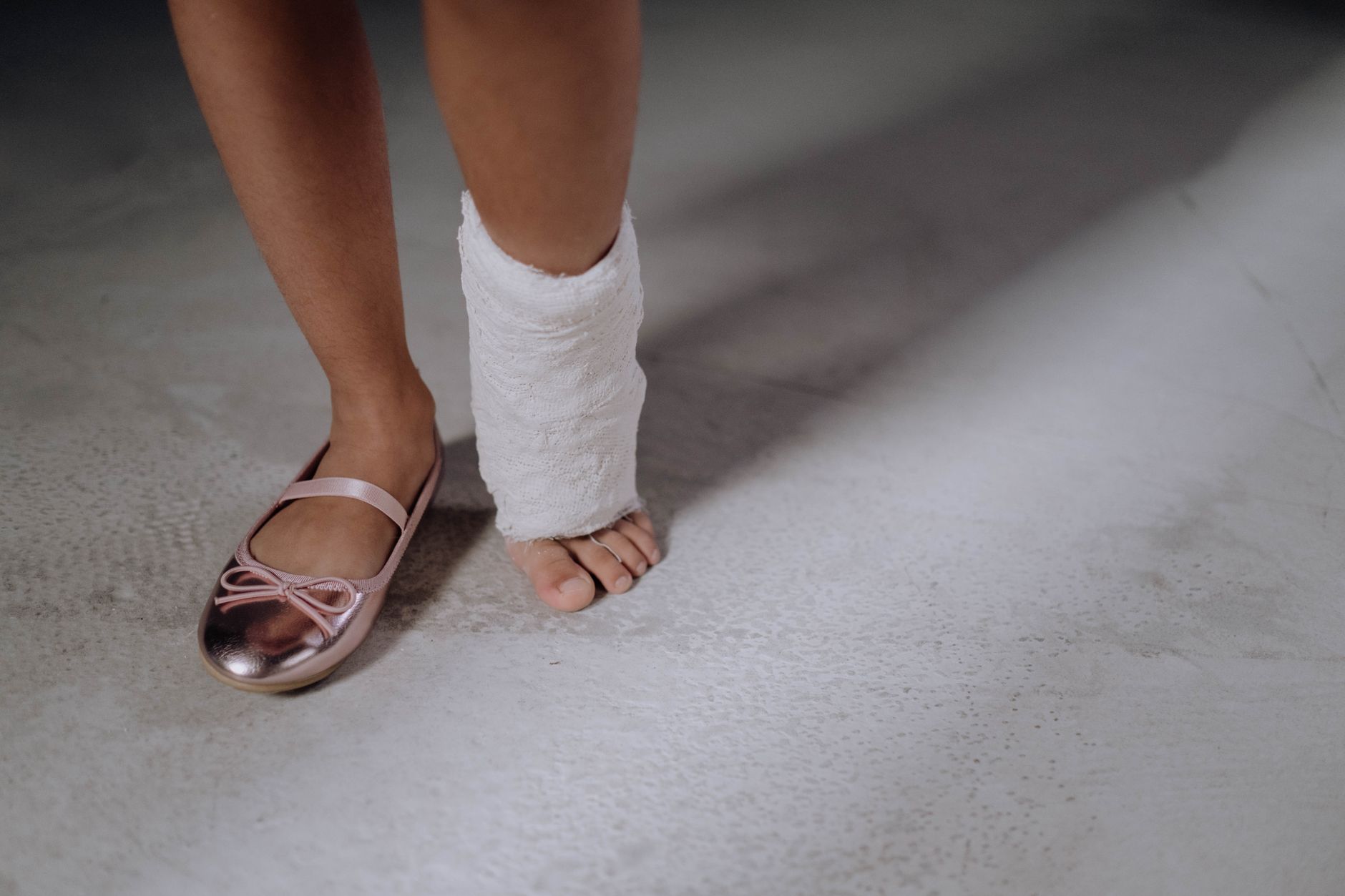
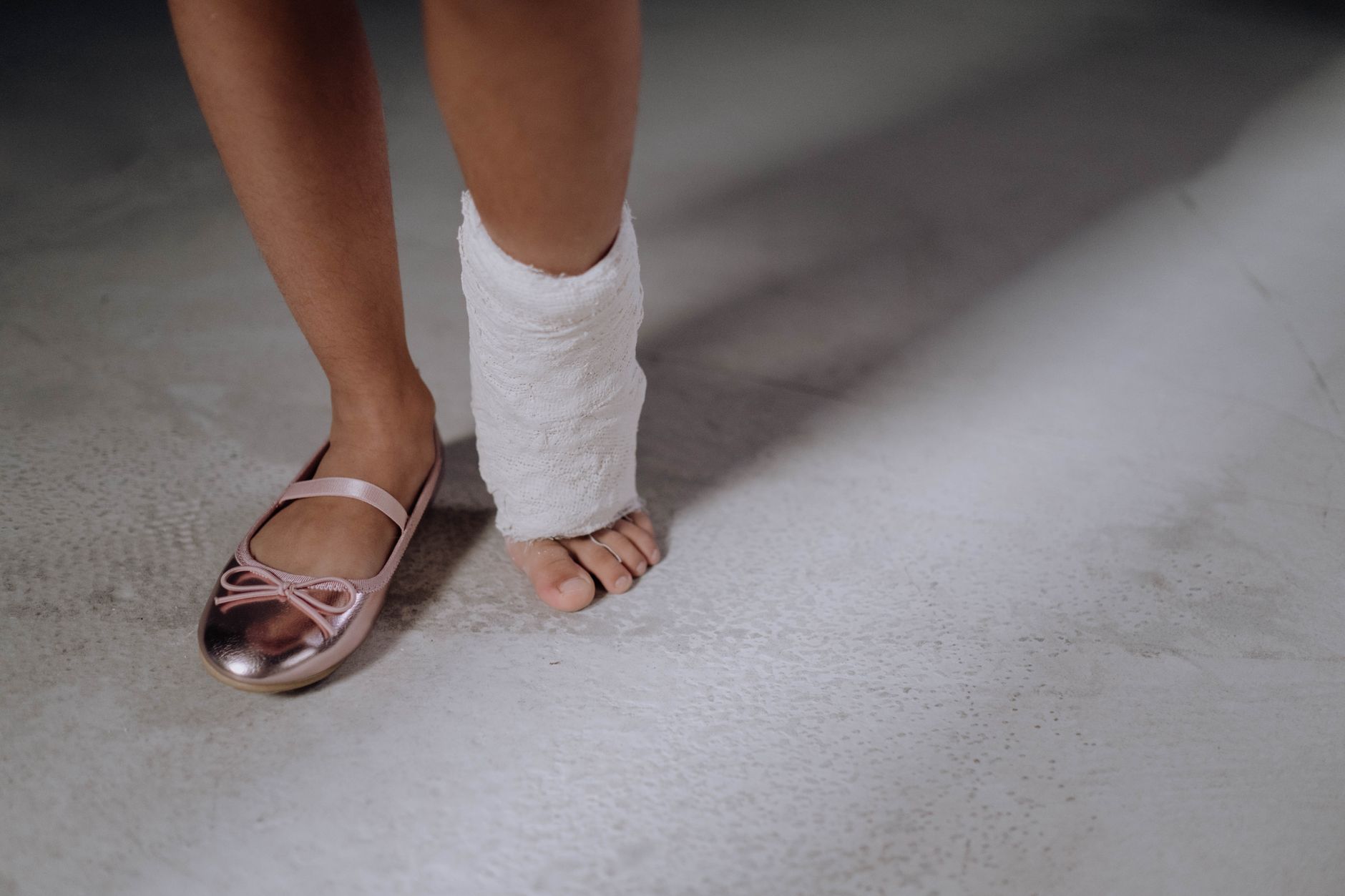
Discover the various clubfoot in baby correction options available, from casting and bracing to surgery. Learn about the Ponseti method, potential timelines, and what to expect for your child's treatment journey, ensuring the best possible outcome.
By Shubhra Mishra — a mom of two who turned her own confusion during pregnancy into BumpBites, a global mission to make food choices clear, safe, and stress-free for every expecting mother. 💛
Check whether any food is safe during pregnancy with the BumpBites Food Safety Checker.
Quick take: Clubfoot, or talipes equinovarus, is a common birth defect where a baby's foot or feet are turned inward and downward. It's not painful for your baby and is highly treatable, typically with the non-surgical Ponseti method of casting and bracing, which boasts a high success rate when started early. While surgery is sometimes necessary, most children treated for clubfoot go on to live active, fulfilling lives with excellent long-term outcomes.
Discovering your baby has clubfoot can bring a rush of emotions – concern, confusion, and a desire to understand everything you can do to help. You might be picturing years of pain or difficulty for your child, but we want to reassure you: clubfoot is one of the most successfully treated congenital conditions. With early intervention and consistent care, the vast majority of babies with clubfoot achieve excellent correction and go on to lead active, normal lives.
This comprehensive guide from BumpBites is designed to walk you through everything you need to know about clubfoot correction options. We’ll explore how it’s diagnosed, delve into the highly effective Ponseti method, discuss when surgery might be considered, and cover the crucial role of bracing. Our goal is to empower you with accurate, evidence-based information, helping you feel confident and prepared on your baby’s journey to healthy feet.
You’re not alone in this. Many families have navigated this path successfully, and with the right team and consistent effort, your baby can too.
What is Clubfoot in Babies and How is it Diagnosed?
Clubfoot, medically known as congenital talipes equinovarus (CTEV), is a common birth difference affecting about 1 in every 1,000 babies born worldwide. It’s characterized by a foot (or both feet) that appears twisted inward and downward, resembling the head of a golf club. Despite its appearance, it’s important to know that clubfoot is generally not painful for your baby.
Understanding the Different Types of Clubfoot Deformities
While all clubfoot involves a combination of four main deformities, the severity can vary:
Equinus: The foot points downward, making it difficult to flex the ankle.
Varus: The heel turns inward.
Adductus: The front of the foot turns inward.
Cavus: The arch of the foot is unusually high.
Clubfoot can also be classified into two main categories:
Isolated (Idiopathic) Clubfoot: This is the most common type, meaning it occurs without any other underlying medical condition. The foot is otherwise healthy, and the bones, muscles, and nerves are normal.
Non-Isolated (Syndromic) Clubfoot: This type is associated with other medical conditions, such as spina bifida, arthrogryposis, or chromosomal abnormalities. Treatment can be more complex in these cases due to the underlying condition.
What Causes Clubfoot and Can It Be Prevented?
The exact cause of isolated clubfoot isn't fully understood, but it's believed to be a combination of genetic and environmental factors. It's often seen as a multifactorial condition, meaning several factors contribute to its development. Some theories include:
Genetics: Clubfoot can run in families, suggesting a genetic predisposition. If one parent has clubfoot, there's a higher chance their child might too. If a couple has one child with clubfoot, the risk for subsequent children is also increased.
Uterine Environment: Some theories suggest that limited space in the womb or reduced amniotic fluid (oligohydramnios) could contribute, but this is less commonly accepted as a primary cause.
Environmental Factors: While not definitively proven, some studies have explored potential links to smoking during pregnancy or certain infections, but these are not considered direct causes.
Currently, there's no known way to prevent clubfoot. It's not caused by anything a parent did or didn't do during pregnancy. It's simply one of those things that can happen during development.
How is Clubfoot Diagnosed in Babies?
Clubfoot is often diagnosed before birth during a routine prenatal ultrasound, typically around 18-20 weeks of gestation. If an ultrasound suggests clubfoot, your doctor may recommend further imaging or refer you to a maternal-fetal medicine specialist for a more detailed assessment.
If not detected prenatally, clubfoot is usually diagnosed immediately after birth during the newborn examination. The characteristic appearance of the foot makes it easy for healthcare providers to identify. At this point, your pediatrician will likely refer you to a pediatric orthopedic surgeon who specializes in treating conditions of the bones and joints in children.
Clubfoot is usually diagnosed visually, either during a prenatal ultrasound or shortly after birth.
How Does the Ponseti Method Correct Clubfoot in Infants?
T
he Ponseti method is widely considered the gold standard for clubfoot correction and is successful in the vast majority of cases. Developed by Dr. Ignacio Ponseti in the 1950s, this non-surgical approach gently corrects the deformity using a series of casts, followed by a minor procedure and bracing.
The Phased Approach: Casting, Tenotomy, and Bracing
The Ponseti method involves two main phases:
Casting Phase: This phase typically begins when your baby is just a few days or weeks old – the earlier, the better. A pediatric orthopedic surgeon or a trained clinician will gently manipulate your baby's foot towards a more natural position and apply a long-leg plaster cast from the toes to the upper thigh. This cast holds the correction. These casts are changed weekly. With each new cast, the foot is gently stretched a little further, gradually correcting the various components of the deformity. Most babies require 5-7 casts over 5-7 weeks.
Tenotomy Phase: After the casting series is complete, the Achilles tendon (the tendon at the back of the heel) is often still tight, preventing the foot from fully flexing upward. To address this, a quick, minor procedure called a percutaneous Achilles tenotomy is performed. This involves making a tiny incision (usually less than 1mm) to release the tight tendon. It's typically done under local anesthetic in an outpatient setting, and your baby will go home the same day. After the tenotomy, a final cast is applied for about three weeks to allow the tendon to heal and lengthen in its new, corrected position.
The Ponseti method relies on the unique elasticity of a baby's ligaments, tendons, and joint capsules. By applying gentle, progressive stretching, these tissues gradually lengthen, allowing the foot to reshape without invasive surgery.
Ponseti Method for Clubfoot Correction Success Rate and Recurrence
The Ponseti method boasts an impressive success rate, with studies showing initial correction in over 90-95% of cases when performed correctly by an experienced clinician. This means that most babies achieve a fully corrected, functional foot without the need for extensive surgery.
However, the journey doesn't end after the casts come off. The clubfoot recurrence rate after the Ponseti method is a significant consideration. Without proper adherence to the bracing phase, the recurrence rate can be as high as 80-90%. This is why the bracing phase is absolutely critical to maintain the correction achieved by casting and tenotomy. With diligent bracing, the recurrence rate drops dramatically, typically to less than 10-15%.
One BumpBites reader shared, "When my son's casts came off, I was so relieved. But then we started bracing, and it felt like a whole new challenge. Those first few weeks were tough – the crying, the fuss. But our doctor kept reminding us how important it was, and we pushed through. Now he's running around like any other kid, and I'm so glad we stuck with it." This highlights the importance of parental dedication during the bracing phase.
When is Clubfoot Surgery Necessary for Infants?
While the Ponseti method is highly effective, there are instances where clubfoot surgery becomes necessary for infants. It’s important to understand that surgery is typically considered a secondary option, reserved for specific situations where non-surgical methods haven't achieved full correction or when dealing with more complex cases.
Criteria for Surgical Intervention
Your pediatric orthopedic surgeon will evaluate several factors when considering surgery:
Failure of Ponseti Method: If the Ponseti method, including diligent bracing, does not achieve satisfactory correction, or if the deformity recurs despite consistent bracing, surgery may be recommended. This is the most common reason for surgical intervention.
Severe or Atypical Clubfoot: In some rare cases, the clubfoot may be exceptionally rigid or "atypical," meaning it doesn't respond well to the standard Ponseti manipulation. These cases might involve more severe bone deformities or underlying conditions.
Syndromic Clubfoot: When clubfoot is part of a larger syndrome (like arthrogryposis or spina bifida), the associated muscle imbalances or neurological issues can make non-surgical correction more challenging or less stable, increasing the likelihood of needing surgery.
Older Children: While the Ponseti method is most effective in newborns, if a child presents for treatment later in childhood, their bones and tissues are less pliable, making surgical correction more probable.
Types of Surgical Procedures for Clubfoot
The goal of clubfoot surgery is to release tight tendons and ligaments and, if necessary, realign bones to achieve a functional foot. The specific procedure depends on the nature and severity of the deformity, but common types include:
Posteromedial Release: This is the most comprehensive surgery, involving the release of multiple tight structures in the back and inside of the foot. It lengthens tendons (Achilles, posterior tibial), releases joint capsules, and may involve repositioning bones. This surgery is less common now thanks to the success of the Ponseti method.
Tendon Transfers: In cases of muscle imbalance, a tendon might be detached from its original insertion point and reattached to a different bone to improve muscle balance and prevent recurrence. A common transfer involves the anterior tibial tendon.
Osteotomies: These are bone-cutting procedures, typically reserved for older children with persistent bone deformities, to reshape bones and correct alignment.
After surgery, a cast is usually applied for several weeks to protect the corrected foot while it heals. Physical therapy will be crucial for rehabilitation to restore strength and range of motion.
The casting phase of the Ponseti method gently and progressively corrects the clubfoot deformity.
How Long Does Clubfoot Treatment Take for Newborns?
Understanding the timeline for clubfoot treatment can help parents prepare for the commitment involved. While the initial correction phase is relatively quick, the overall treatment journey, particularly the bracing phase, extends well into early childhood.
Initial Correction Phase: Weeks to Months
For babies treated with the Ponseti method, the initial correction phase involves:
Casting: This typically lasts 5-7 weeks, with weekly cast changes.
Tenotomy: A quick procedure, followed by a final cast for approximately 3 weeks.
So, within about 2-3 months, your baby's foot should achieve initial correction and appear normal. This is a significant milestone and a testament to the effectiveness of the Ponseti method.
Bracing Phase: Years of Maintenance
This is the longest and most crucial phase for preventing recurrence. After the final cast is removed, your baby will transition to wearing a foot abduction brace (FAB). This brace consists of two shoes attached to a bar, holding the feet in an outward-rotated position.
Full-Time Bracing: For the first 2-3 months after casting, the brace is worn for 23 hours a day, only removed for bathing and skin care.
Part-Time Bracing: After the initial full-time period, the brace is typically worn during naps and overnight for 12-14 hours per day. This part-time bracing continues until your child is usually around 4 or 5 years old.
The duration of bracing might seem long, but it's essential because the ligaments and tendons in a baby's foot are still growing and can easily revert to the clubfoot position without this consistent support. Adherence to the bracing protocol is the single most important factor in preventing recurrence.
What Happens if Clubfoot is Not Treated?
If clubfoot is left untreated, the consequences can be significant. The deformity will not spontaneously correct itself. As the child grows, the foot will remain severely deformed, making it difficult or impossible to walk normally. They may walk on the side or top of their foot, leading to calluses, pain, and difficulty wearing shoes. This can severely impact their mobility, independence, and quality of life, potentially leading to social and psychological challenges later on. Early and consistent treatment is paramount for the best possible outcome.
What Types of Clubfoot Braces Do Babies Wear and For How Long?
Bracing is the cornerstone of maintaining clubfoot correction achieved by the Ponseti method. It's often the most challenging part for parents, but its importance cannot be overstated. Consistent use of the brace is what truly prevents the clubfoot from returning.
Common Clubfoot Brace Types
The most common type of brace used after Ponseti correction is a **foot abduction brace (FAB)**, often referred to as a "boots and bar" brace. This system consists of:
Specialized Shoes/Boots: These are designed to hold the foot securely and comfortably. They are typically open-toed to allow for toe movement and to ensure proper fit.
Connecting Bar: The shoes are attached to a metal or plastic bar that keeps the feet at a specific angle of abduction (turned outward) and dorsiflexion (flexed upward). The specific angles are prescribed by your orthopedic surgeon.
Different brands and designs of FABs exist, such as the Ponseti AFO (Ankle Foot Orthosis) or the Mitchell brace, but they all serve the same fundamental purpose: to hold the foot in the corrected position while the baby grows. Your doctor will recommend the best type for your baby.
How Long Do Babies Wear Clubfoot Braces?
The duration of bracing is critical and non-negotiable for long-term success:
Full-time (23 hours/day): For the first 2-3 months after the final cast is removed. This intense period helps consolidate the correction.
Part-time (12-14 hours/day, typically during naps and overnight): This continues until your child is approximately 4-5 years old. The exact duration may vary based on your child's individual progress and the orthopedic surgeon's recommendations.
It's common for parents to feel overwhelmed by the long bracing period. One mother shared, "I remember feeling so tired of putting the brace on every night, but then I'd look at my daughter's perfectly shaped feet and remind myself why we were doing it. It was hard, but it was worth every single minute."
Tips for Brace Compliance and Comfort
Ensuring your baby wears the brace as prescribed is paramount. Here are some tips to help:
Skin Care: Check your baby's skin daily for redness, blisters, or irritation, especially when starting a new brace. Ensure socks are smooth and don't bunch up.
Routine: Integrate brace application into a consistent daily routine, like after bath time and before naps/bedtime.
Distraction: Make brace application a positive experience with songs, toys, or cuddles.
Comfort: Ensure the brace fits correctly. If your baby seems uncomfortable or cries excessively, contact your orthopedic team. They can check the fit and make adjustments.
Support Groups: Connect with other parents whose children are undergoing clubfoot treatment. Their experiences and tips can be invaluable.
What Are the Potential Complications of Clubfoot Treatment?
While clubfoot treatment, particularly the Ponseti method, is highly successful, it's important for parents to be aware of potential complications and challenges that can arise during the journey. Being informed can help you address issues promptly and maintain the best possible outcome for your child.
Common Challenges During Treatment
Skin Irritation: During the casting phase, skin irritation, redness, or pressure sores can occur if the cast isn't applied correctly or if there's excessive swelling. Regular checks and reporting any concerns to your team are vital. Similarly, the brace can cause rubbing or irritation if not fitted properly or if skin care isn't maintained.
Brace Non-Compliance: This is arguably the biggest challenge. Babies and toddlers naturally want to move freely, and wearing a brace for extended periods can be frustrating for them and for parents. Non-compliance with bracing is the leading cause of clubfoot recurrence.
Recurrence: Despite best efforts, clubfoot can sometimes recur, even with diligent bracing. This might manifest as the foot starting to turn inward again. Recurrence often necessitates another round of Ponseti casting or, in some cases, surgical intervention.
Stiffness: Some children may experience residual stiffness in the ankle or foot, even after successful correction. This is usually mild and doesn't significantly impair function.
Leg Length or Calf Size Difference: It's common for the treated leg to be slightly shorter and the calf muscle to be smaller than the unaffected leg, especially in unilateral (one-sided) clubfoot. This difference is usually minimal and rarely causes functional problems or requires intervention.
Emotional and Practical Impact on Parents
The clubfoot treatment journey can also have an emotional and practical impact on parents:
Anxiety and Stress: The initial diagnosis, the weekly cast changes, the tenotomy, and the long bracing period can all contribute to parental anxiety and stress.
Time Commitment: Weekly appointments for casting, regular follow-ups, and the daily routine of brace application require a significant time commitment.
Financial Considerations: While many treatments are covered by insurance, there can still be out-of-pocket costs for casts, braces, and appointments. The cost of clubfoot treatment in babies can vary widely depending on location, insurance coverage, and the specific treatment plan. It's always best to discuss potential costs with your healthcare provider and insurance company early in the process.
It's crucial for parents to seek support from their medical team, family, friends, and parent support groups. Sharing experiences and getting advice from others who have been through similar situations can be incredibly helpful.
What is the Long-Term Outlook for Babies Treated for Clubfoot?
The long-term outlook for babies successfully treated for clubfoot is overwhelmingly positive. Thanks to advancements in treatment, particularly the widespread adoption of the Ponseti method, most children achieve excellent functional outcomes and go on to live active, fulfilling lives.
Functional Outcomes and Activity Levels
Children who complete clubfoot treatment typically:
Walk, run, and play normally: The goal of treatment is to enable a child to walk with a plantigrade (flat) foot, free from pain and deformity. Most children achieve this and can participate in sports and activities without significant limitations.
Wear regular shoes: Once correction is maintained, children can wear standard shoes, although some may find certain styles more comfortable than others.
Experience minimal to no pain: Treated clubfoot is generally pain-free. Any discomfort usually stems from ill-fitting braces or shoes, not the corrected foot itself.
While some children may have a slightly smaller calf muscle or foot on the affected side (if only one foot was treated), or minor stiffness, these differences rarely impact their overall function or quality of life. Many former clubfoot patients become successful athletes, demonstrating the high level of correction achievable.
Ongoing Monitoring and Potential for Future Interventions
Even after successful treatment and completion of the bracing phase, long-term follow-up with a pediatric orthopedic surgeon is important. This typically involves annual check-ups until skeletal maturity (around 16-18 years of age).
During these check-ups, the surgeon will:
Monitor the foot for any signs of recurrence.
Assess growth and development.
Check for any functional issues or concerns.
The potential for recurrence decreases significantly as a child grows, but it's not entirely eliminated until their bones are fully mature. If a recurrence does happen, it's usually mild and can often be managed with a short course of casting or, less commonly, a minor surgical procedure like a tendon transfer.
The American Academy of Orthopaedic Surgeons (AAOS) emphasizes that with appropriate treatment, the vast majority of individuals born with clubfoot experience excellent long-term function and do not suffer from significant disability.
The Role of Physical Therapy and At-Home Exercises
While the Ponseti method itself incorporates manipulation, specific physical therapy exercises can play a supportive role, especially if there's residual stiffness or to encourage normal movement patterns. Your orthopedic team may provide specific clubfoot physical therapy exercises for infants to perform at home:
Gentle Stretching: Once casts are off, and under the guidance of your doctor, you might be shown gentle stretches to encourage full range of motion in the ankle and foot.
Encouraging Movement: Simply encouraging your baby to kick, wiggle their toes, and bear weight (when age-appropriate) helps strengthen muscles and promotes natural development.
Play-Based Therapy: For toddlers, activities like walking on different surfaces, climbing, or playing with balls can help improve balance and coordination.
Always follow your orthopedic surgeon's advice regarding physical therapy. Over-stretching or incorrect exercises can be counterproductive.
How Do You Choose a Pediatric Orthopedic Surgeon for Clubfoot?
Choosing the right medical team is one of the most critical decisions you'll make for your baby's clubfoot treatment. A specialized pediatric orthopedic surgeon with expertise in clubfoot, particularly the Ponseti method, is essential for the best possible outcome.
Finding a Qualified Specialist
Here’s how to approach finding the right surgeon:
Get Referrals: Start with referrals from your pediatrician, maternal-fetal medicine specialist, or other parents you know who have experience with clubfoot.
Look for Pediatric Orthopedic Surgeons: Specifically seek out surgeons who have fellowship training in pediatric orthopedics. This ensures they have specialized knowledge of children's growing bones and unique conditions.
Verify Experience with Ponseti Method: It's crucial that the surgeon (or their team, including cast technicians) is highly experienced and proficient in the Ponseti method. Ask about their training and how many clubfoot patients they treat annually using this method.
Consider a Team Approach: Many leading clubfoot centers employ a team approach, including orthopedic surgeons, specialized cast technicians, physical therapists, and social workers. This comprehensive care can be highly beneficial.
Questions to Ask During Your Consultation
When you meet with a potential surgeon, don't hesitate to ask questions. This is your baby's health, and you deserve to feel completely informed and comfortable:
What is your experience with the Ponseti method?
How many clubfoot patients do you treat annually?
What is your success rate with the Ponseti method?
What is the typical treatment timeline for clubfoot in your practice?
Who applies the casts, and what is their training?
What bracing protocol do you follow, and for how long?
What are the potential complications, and how do you manage them?
What kind of long-term follow-up care do you recommend?
Are there any support groups or resources you recommend for parents?
What are the best hospitals for clubfoot treatment near me? (They can often recommend affiliated hospitals or larger centers if needed.)
What to Look for in a Clubfoot Clinic or Hospital
When evaluating clinics or hospitals, consider:
Specialized Clubfoot Clinic: Many larger children's hospitals have dedicated clubfoot clinics, indicating a high volume of patients and specialized expertise.
Reputation: Research the hospital or clinic's reputation for pediatric orthopedics. Major children's hospitals often have well-regarded programs.
Accessibility: Consider the practicalities of weekly appointments, especially during the casting phase. A clinic that is reasonably accessible will make adherence easier.
Support Services: Look for clinics that offer resources like patient education, social work support, and connections to parent networks.
Ultimately, trust your gut. Choose a surgeon and a team with whom you feel a strong sense of trust, open communication, and confidence in their expertise and compassionate care. The journey is long, and a supportive medical team makes all the difference.
Myth vs. Fact
Myth
Fact
Clubfoot is painful for babies.
Fact: Clubfoot is not painful for infants. The deformity is a structural issue, not a source of pain. Any discomfort during treatment usually comes from ill-fitting casts or braces, which should be addressed immediately.
Clubfoot is caused by something the mother did during pregnancy.
Fact: Clubfoot is not caused by anything a parent did or didn't do during pregnancy. It's a congenital condition with complex, often unknown, origins, likely involving genetic and environmental factors beyond parental control.
Clubfoot always requires extensive surgery.
Fact: The vast majority of clubfoot cases (over 90%) are successfully treated with the non-surgical Ponseti method of casting and bracing. Surgery is typically reserved for severe cases, recurrences, or when the Ponseti method is unsuccessful.
Key Takeaways
Clubfoot is a common, non-painful birth defect where a baby's foot turns inward and downward.
The Ponseti method, involving gentle casting and a minor tenotomy, is the most effective and widely used non-surgical treatment.
Initial correction with Ponseti typically takes 2-3 months, but the crucial bracing phase continues until your child is 4-5 years old.
Brace compliance is the most critical factor in preventing clubfoot recurrence after initial correction.
Surgery is generally reserved for cases where the Ponseti method fails, for severe or atypical deformities, or for recurrences.
Potential challenges include skin irritation, brace non-compliance, and the emotional toll on parents, but support is available.
The long-term outlook for children treated for clubfoot is excellent, with most achieving normal function and activity levels.
Choosing an experienced pediatric orthopedic surgeon specializing in the Ponseti method is vital for optimal outcomes.
Frequently Asked Questions
Is clubfoot curable in babies?
Yes, clubfoot is highly curable in babies. With modern treatment methods, particularly the Ponseti method, the vast majority of babies achieve full correction of the deformity, resulting in a functional, pain-free foot that allows them to walk, run, and play normally throughout their lives.
What is the best treatment for clubfoot in infants?
The best and most widely recommended treatment for clubfoot in infants is the Ponseti method. This non-surgical approach involves a series of gentle manipulations and plaster casts, followed by a minor procedure called a tenotomy, and then a long period of bracing. It has a high success rate and minimizes the need for more invasive surgery.
How successful is the Ponseti method for clubfoot?
The Ponseti method is exceptionally successful, with initial correction rates exceeding 90-95% when performed by experienced clinicians. Its long-term success, meaning sustained correction without significant recurrence, largely depends on diligent adherence to the bracing protocol during early childhood.
At what age is clubfoot corrected?
Initial clubfoot correction typically begins as early as possible, ideally within the first few weeks of a baby's life. The casting phase lasts about 5-7 weeks, followed by a minor procedure and a final cast. The bracing phase, which maintains the correction, continues until the child is usually 4-5 years old.
Can clubfoot come back after treatment?
Yes, clubfoot can recur after initial treatment, especially if the bracing protocol is not followed consistently. The risk of recurrence is significantly higher without proper bracing. If recurrence happens, it often requires another round of casting or, in some cases, a minor surgical procedure to regain correction.
What are the typical costs associated with clubfoot treatment in babies?
The cost of clubfoot treatment varies widely based on geographic location, insurance coverage, and the specific treatment plan. It typically includes consultation fees, weekly cast changes, the tenotomy procedure, and the cost of braces. Many health insurance plans cover a significant portion of these costs, but it's essential to discuss financial details with your clinic and insurance provider early on.
When to See a Doctor / Specialist
If you've received a prenatal diagnosis of clubfoot, your obstetrician will likely refer you to a pediatric orthopedic surgeon. If your baby is born with clubfoot that wasn't detected prenatally, your pediatrician will make an immediate referral.
During treatment, you should contact your pediatric orthopedic team immediately if you notice any of the following:
Severe discomfort or excessive crying that cannot be soothed, especially after a cast change or brace application.
Swelling, redness, blistering, or skin breakdown around the edges of the cast or brace, or on the foot itself.
Changes in toe color or temperature (e.g., cold, blue, or pale toes), which could indicate a cast is too tight.
The cast slipping off or appearing too loose.
The brace causing significant pain or not fitting correctly.
Any signs that the clubfoot deformity is returning (e.g., the foot turning inward again) during the bracing phase.
This article is for informational purposes only and is not a substitute for professional medical advice, diagnosis, or treatment. Always seek the advice of your qualified healthcare provider with any questions you may have regarding a medical condition or treatment.
References
American Academy of Orthopaedic Surgeons (AAOS). Clubfoot.
Ponseti, I. V. (1996). Treatment of congenital clubfoot. The Journal of Bone & Joint Surgery, 78(1), 14-22.
American Academy of Pediatrics (AAP). Clinical Practice Guideline for the Diagnosis and Management of Clubfoot.
Mayo Clinic. Clubfoot.
Cleveland Clinic. Clubfoot.
World Health Organization (WHO). Clubfoot.
Centers for Disease Control and Prevention (CDC). Facts About Clubfoot.
Not sure about the label on Clubfoot In Baby Correction Options products?
Snap the ingredients list and SafeFilter checks every ingredient for your stage — only 3 free scans this month, then you're locked until reset. Unlimited from $7/mo or lock $50/yr through Aug 31 (5 days left).
When Shubhra Mishra was expecting her first child in 2016, she was overwhelmed by conflicting food advice — one site said yes, another said never. By the time her second baby arrived in 2019, she realized millions of mothers face the same confusion.
That sparked a five-year journey through clinical nutrition papers, cultural diets, and expert conversations — all leading to BumpBites: a calm, compassionate space where science meets everyday motherhood.
Her long-term vision is to build a global community ensuring safe, supported, and free deliveriesfor every mother — because no woman should face pregnancy alone or uninformed. 🌿
🌍 Stand with mothers, shape safer guidance
Join a small circle of experts who review BumpBites articles so expecting parents everywhere can decide with confidence.