

Quick take: A celiac-safe diet meal plan for seven days should focus on 100% gluten-free grains, proteins, and produce while avoiding hidden gluten sources like sauces, processed foods, and cross-contamination. For pregnant women, prioritize iron-rich foods, folate, and calcium to support fetal development. This plan includes breakfast, lunch, dinner, and snack options with calorie counts, grocery lists, and meal prep tips to simplify your week.Celiac Safe Diet Meal Plan 7 Day: The Complete 2026 Guide
You’re staring at the fridge at 10 p.m., exhausted after a long day of work and kid shenanigans, and your stomach is rumbling. You know you can’t risk gluten—your celiac diagnosis is serious, and you’ve learned the hard way that even a tiny crumb can send you to the bathroom for hours. But what’s even safe to eat? You’ve tried gluten-free pasta before, but it always ended up in the trash because it tasted like cardboard. Now, you’re scrolling through endless recipes, overwhelmed by the thought of planning a week’s worth of meals that won’t trigger your symptoms. Sound familiar?
You’re not alone. Many women with celiac disease—especially those who are pregnant or managing multiple responsibilities—struggle to find a meal plan that’s not only safe but also delicious, balanced, and practical. The good news? A well-planned celiac-safe diet can be nutritious, satisfying, and even easier than you think once you know the ropes. This guide is your go-to resource for a **seven-day celiac-safe meal plan** that covers every meal, includes grocery shopping tips, and even accounts for pregnancy-specific needs. We’ll also break down the nutrition facts, calorie counts, and how to avoid cross-contamination so you can eat with confidence.
Whether you’re a beginner just starting your gluten-free journey or a busy mom looking to meal prep like a pro, this plan is designed to fit your life. And if you’re pregnant with celiac disease, we’ve included extra guidance to support both your health and your baby’s development.
--- ## **Celiac Safe Diet Meal Plan 7 Day: Gluten-Free Breakfast Ideas**Breakfast is often the hardest meal to navigate on a celiac-safe diet because many traditional options—like cereal, toast, or muffins—are off-limits. But fear not! There are plenty of delicious and nutritious gluten-free breakfasts that will keep you full and energized. Here are some ideas to get you started.
**For Beginners:** If you’re new to gluten-free eating, start with simple, naturally gluten-free foods like eggs, fruits, and gluten-free oats. Avoid pre-packaged gluten-free cereals at first—they can be high in sugar and low in fiber. Instead, try making your own gluten-free oatmeal with chia seeds, berries, and almond butter for a protein-packed start.
**For Pregnant Women:** Pregnancy increases your need for iron, folate, and calcium. Focus on breakfasts that include these nutrients, such as scrambled eggs with spinach and feta, gluten-free toast with avocado and smoked salmon, or a smoothie with spinach, banana, almond milk, and a scoop of gluten-free protein powder.
**Sample Breakfast Options:**
- Scrambled Eggs with Veggies (250 kcal): Scrambled eggs with spinach, cherry tomatoes, and a sprinkle of feta cheese. Add a side of gluten-free toast with almond butter.
- Chia Pudding (280 kcal): Mix 3 tbsp chia seeds with 1 cup almond milk, 1 tsp vanilla, and a pinch of cinnamon. Let it sit overnight, then top with fresh berries and a drizzle of honey.
- Greek Yogurt Parfait (220 kcal): Layer gluten-free Greek yogurt with gluten-free granola, sliced strawberries, and a sprinkle of pumpkin seeds.
- Sweet Potato Hash (300 kcal): Diced sweet potatoes, bell peppers, onions, and turkey sausage cooked in olive oil. Serve with a fried egg on top.
**Pro Tip:** If you’re meal prepping, hard-boiled eggs and pre-cut veggies make for easy grab-and-go breakfasts. Store chia pudding in the fridge for up to 5 days.
--- ## **Celiac Safe Diet Meal Plan 7 Day: Lunch Recipes for Pregnancy**Pregnancy comes with increased nutritional needs, especially for folate (to prevent neural tube defects) and iron (to prevent anemia). Your lunch should be packed with these nutrients while staying 100% gluten-free. Here are some pregnancy-friendly lunch ideas that are also celiac-safe.
**Why This Matters:** Many women with celiac disease are also deficient in iron due to malabsorption. Including iron-rich foods like lentils, spinach, and lean meats in your lunch can help combat this. Folate is found in leafy greens, beans, and fortified gluten-free grains, so prioritize those too.
**Sample Lunch Options:**
- Quinoa Salad with Chickpeas (450 kcal): Cooked quinoa, chickpeas, cucumber, cherry tomatoes, red onion, and parsley. Dress with olive oil, lemon juice, and a touch of honey. Add grilled chicken for extra protein.
- Turkey and Avocado Wrap (380 kcal): Use a gluten-free tortilla filled with sliced turkey, avocado, spinach, and shredded carrots. Drizzle with balsamic glaze.
- Lentil Soup with Gluten-Free Bread (420 kcal): A hearty lentil soup made with carrots, celery, garlic, and gluten-free broth. Serve with a slice of gluten-free sourdough and a side salad.
- Stuffed Bell Peppers (350 kcal): Bell peppers stuffed with ground turkey, quinoa, tomatoes, and spices. Bake until tender and serve with a side of gluten-free couscous.
**For Extra Iron:** Pair iron-rich foods with vitamin C (like bell peppers or citrus) to enhance absorption. For example, add a squeeze of lemon to your lentil soup or serve your stuffed peppers with a side of orange slices.
**Meal Prep Hack:** Cook a big batch of quinoa or lentils on Sunday and use them in multiple meals throughout the week. Store dressings separately to keep your salads fresh.
--- ## **Celiac Safe Diet Meal Plan 7 Day: Dinner Options with Dairy-Free**Dairy isn’t inherently gluten-free, but it’s also not a gluten source—so the issue isn’t dairy itself, but rather cross-contamination or dairy-based sauces that might contain gluten. If you’re avoiding dairy entirely (or just want dairy-free options), here are some delicious and nutritious dinner ideas that keep your meals safe and satisfying.
**Representative Story:** One reader, Sarah, struggled with dairy sensitivity alongside her celiac diagnosis. She found that even small amounts of dairy would give her bloating and discomfort. After switching to a dairy-free diet, she noticed a significant improvement in her symptoms. Now, she focuses on plant-based proteins and healthy fats to keep her meals flavorful and safe.
**Sample Dinner Options:**
- Baked Salmon with Roasted Veggies (400 kcal): Wild-caught salmon fillet seasoned with lemon, garlic, and dill, served with roasted asparagus, zucchini, and sweet potatoes. Drizzle with olive oil and herbs.
- Stuffed Zucchini Boats (320 kcal): Hollowed zucchini boats filled with ground turkey, gluten-free breadcrumbs, tomatoes, and spices. Bake until tender.
- Coconut Curry with Chickpeas (450 kcal): A creamy coconut milk-based curry with chickpeas, spinach, and bell peppers. Serve over cauliflower rice for a low-carb option.
- Grilled Chicken with Mango Avocado Salsa (380 kcal): Grilled chicken breast topped with a fresh mango-avocado salsa made with lime, cilantro, and jalapeño. Serve with a side of roasted sweet potato wedges.
**Dairy-Free Swaps:**
- Use coconut milk or almond milk in curries and soups instead of regular milk.
- Replace butter with olive oil or coconut oil for cooking.
- Choose dairy-free cheese alternatives for toppings (look for certified gluten-free brands).
**Pro Tip:** If you’re avoiding dairy entirely, opt for fortified plant-based milks (like almond or soy milk) to ensure you’re getting enough calcium and vitamin D.
--- ## **Celiac Safe Diet Meal Plan 7 Day: Snack Ideas for Pregnant Women**Pregnancy cravings can hit hard, and snacks are your lifeline. But with celiac disease, you need to be extra careful about what you munch on. Here are some safe, nutritious, and satisfying snack ideas that support both your health and your baby’s development.
**Nutritional Focus:** Pregnant women need extra calories, protein, and key nutrients like folate, iron, and calcium. Snacks should be nutrient-dense to help bridge the gap between meals.
**Sample Snack Options:**
- Apple Slices with Almond Butter (200 kcal): Sliced apples with a spoonful of almond butter for healthy fats and protein.
- Hard-Boiled Eggs with Sea Salt (140 kcal): A protein-packed snack that’s easy to grab and go.
- Hummus and Veggie Sticks (180 kcal): Carrot, cucumber, and bell pepper sticks with a side of gluten-free hummus.
- Trail Mix with Nuts and Seeds (250 kcal): A mix of almonds, walnuts, pumpkin seeds, and dried cranberries. Avoid store-bought mixes that may contain gluten.
- Greek Yogurt with Berries (150 kcal): Gluten-free Greek yogurt topped with fresh berries and a drizzle of honey.
- Avocado Toast (Gluten-Free) (220 kcal): Gluten-free toast topped with mashed avocado, cherry tomatoes, and a sprinkle of sea salt.
**Pro Tip:** If you’re craving something sweet, try dark chocolate (85% or higher) with a handful of nuts. Dark chocolate is a great source of magnesium and antioxidants.
--- ## **Celiac Safe Diet Meal Plan 7 Day: Grocery List and Shopping Tips**Shopping for a celiac-safe diet can feel overwhelming, especially if you’re new to gluten-free eating. The key is to focus on whole, naturally gluten-free foods and avoid processed items that might contain hidden gluten. Here’s a comprehensive grocery list to get you started, along with shopping tips to make your trip smoother.
**Representative Story:** When Emma was first diagnosed with celiac disease, she felt like she had to shop in a different grocery store entirely. But after learning to read labels and sticking to the outer edges of the store (where whole foods are typically found), she realized she could still eat like she used to—just smarter.
**Essential Grocery List:**
Proteins
- Chicken breast
- Ground turkey
- Salmon or other wild-caught fish
- Eggs
- Lentils and chickpeas
- Quinoa and brown rice
- Almonds, walnuts, and pumpkin seeds
Produce
- Leafy greens (spinach, kale, arugula)
- Bell peppers
- Zucchini and sweet potatoes
- Carrots and celery
- Avocados
- Berries (strawberries, blueberries, raspberries)
- Apples and bananas
- Almond milk or soy milk (fortified)
- Coconut milk
- Dairy-free cheese (certified gluten-free)
- Olive oil and coconut oil
- Gluten-free oats
- Gluten-free flour (for baking)
- Chia seeds and flaxseeds
- Gluten-free bread and tortillas
- Nuts and seeds (almonds, walnuts, pumpkin seeds)
- Gluten-free hummus
- Olive oil and balsamic vinegar
- Gluten-free soy sauce
- Hot sauce and mustard
- Gluten-free salad dressings
- Always read labels! Even foods labeled "gluten-free" can change their ingredients, so double-check before purchasing.
- Stick to the outer edges of the store where fresh produce, meats, and dairy are located. Processed foods in the middle aisles are more likely to contain hidden gluten.
- Look for the "Certified Gluten-Free" label to ensure products meet strict safety standards.
- Buy in bulk when possible to save money on staples like nuts, seeds, and gluten-free grains.
- Avoid cross-contamination by using separate utensils and cutting boards for gluten-free foods.
- Quinoa bowls with roasted veggies and grilled chicken
- Lentil soup with gluten-free bread
- Baked salmon with roasted sweet potatoes and asparagus
- Stuffed bell peppers with ground turkey
- Sunday: Cook quinoa, roast veggies, bake chicken, and prep snacks.
- Monday: Assemble quinoa bowls and store in the fridge.
- Tuesday: Cook lentil soup and freeze half for later.
- Wednesday: Bake salmon and roast sweet potatoes.
- Thursday: Stuff bell peppers and refrigerate.
- Calories: Pregnant women with celiac disease may need slightly more calories than non-pregnant women, but this varies based on activity level and weight. Aim for **2,200–2,500 calories per day** during pregnancy, with adjustments based on your provider’s recommendations.
- Protein: Increase your protein intake to **75–100 grams per day** to support your baby’s growth and repair tissues.
- Iron: Pregnant women need **27 mg of iron per day**, but those with celiac disease may need more due to malabsorption. Include iron-rich foods like lentils, spinach, and lean meats.
- Folate: Aim for **600 mcg of folate per day** to prevent neural tube defects. Folate is found in leafy greens, beans, and fortified gluten-free grains.
- Calcium: **1,000–1,300 mg per day** is recommended. Dairy-free options include fortified almond milk, chia seeds, and leafy greens.
- Omega-3s: **200–300 mg of DHA per day** supports your baby’s brain development. Fatty fish like salmon or algae-based supplements are great sources.
- Breakfast (500 kcal): Chia pudding with berries and almond butter
- Snack (200 kcal): Apple slices with almond butter
- Lunch (600 kcal): Quinoa salad with chickpeas and grilled chicken
- Snack (150 kcal): Hard-boiled eggs with sea salt
- Dinner (700 kcal): Baked salmon with roasted veggies and quinoa
- Dessert (250 kcal): Dark chocolate with nuts
- Use a food scale to measure portions accurately.
- Track your meals with an app like MyFitnessPal or Cronometer to stay on target.
- If you’re losing weight unintentionally, increase your calorie intake by adding healthy fats like avocado or nuts.
- Start Simple: Focus on whole foods like fruits, vegetables, lean proteins, and gluten-free grains. Avoid processed foods until you’re comfortable reading labels.
- Learn to Read Labels: Look for the "Certified Gluten-Free" label and avoid words like "malt," "hydrolyzed wheat protein," and "barley malt."
- Avoid Cross-Contamination: Use separate utensils, cutting boards, and toasters for gluten-free foods to prevent accidental exposure.
- Cook at Home: Homemade meals give you full control over ingredients. Start with easy recipes like stir-fries, soups, and sheet-pan dinners.
- Breakfast: Scrambled eggs with spinach and avocado
- Lunch: Grilled chicken salad with mixed greens, cucumber, and olive oil dressing
- Dinner: Baked salmon with roasted sweet potatoes and steamed broccoli
- Snacks: Apple slices with almond butter, carrots with hummus
- Breakfast: Gluten-free oatmeal with chia seeds and berries
- Lunch: Turkey and avocado wrap in a gluten-free tortilla
- Dinner: Lentil soup with gluten-free bread
- Snacks: Greek yogurt with honey, trail mix
- Low-FODMAP diets exclude high-FODMAP foods like wheat, garlic, onions, and certain fruits.
- A celiac-safe diet excludes gluten but allows most high-FODMAP foods unless they’re also problematic for you.
- You’ll need to avoid cross-contamination with high-FODMAP ingredients, even if they’re gluten-free.
- Proteins: Chicken, turkey, beef, fish, eggs, tofu
- Grains: Rice, quinoa, gluten-free oats (certified low-FODMAP), corn
- Vegetables: Spinach, zucchini, carrots, cucumber, bell peppers, lettuce
- Fruits: Blueberries, strawberries, kiwi, orange (in moderation), banana (green)
- Dairy Alternatives: Lactose-free dairy or dairy-free options like almond milk (unsweetened)
- Fats: Olive oil, coconut oil, butter (in moderation)
- Breakfast: Scrambled eggs with spinach and rice cakes
- Lunch: Grilled chicken salad with lettuce, cucumber, and olive oil dressing
- Dinner: Baked salmon with quinoa and steamed carrots
- Snacks: Rice crackers with almond butter, blueberries
- Breakfast: Gluten-free oatmeal with chia seeds and strawberries
- Lunch: Turkey and avocado roll-ups in a gluten-free tortilla (low-FODMAP version)
- Dinner: Lentil soup (low-FODMAP version with carrot and celery) with rice
- Snacks: Lactose-free yogurt with kiwi, rice cakes with coconut oil
- Prioritize Protein: Protein keeps you full and supports muscle maintenance. Aim for **30–40 grams per meal**.
- Include Healthy Fats: Avocados, nuts, seeds, and olive oil help curb cravings and keep you satisfied.
- Fill Half Your Plate with Veggies: Non-starchy veggies are low in calories and high in fiber.
- Watch Portions: Even healthy foods can lead to weight gain if eaten in excess. Use a food scale if needed.
- Avoid Liquid Calories: Stick to water, herbal tea, or black coffee instead of sugary drinks.
- Breakfast (350 kcal): Scrambled eggs with spinach and avocado
- Snack (100 kcal): Hard-boiled egg with sea salt
- Lunch (400 kcal): Grilled chicken salad with mixed greens, cucumber, and olive oil
- Snack (150 kcal): Carrot sticks with hummus
- Dinner (450 kcal): Baked salmon with roasted Brussels sprouts and quinoa
- Breakfast (300 kcal): Greek yogurt with berries and chia seeds
- Snack (120 kcal): Almonds (small handful)
- Lunch (400 kcal): Turkey lettuce wraps with avocado and salsa
- Snack (100 kcal): Celery sticks with almond butter
- Dinner (450 kcal): Shrimp stir-fry with bell peppers, zucchini, and tamari (gluten-free soy sauce)
- Lean meats: Chicken, turkey, beef, pork
- Fish and seafood: Salmon, tuna, shrimp, cod
- Eggs
- Legumes: Lentils, chickpeas, black beans (ensure they’re certified gluten-free)
- Gluten-free grains: Quinoa, buckwheat, amaranth
- Nuts and seeds: Almonds, walnuts, chia seeds, pumpkin seeds
- Dairy (if tolerated): Greek yogurt, cottage cheese
- Breakfast (400 kcal): Scrambled eggs with turkey sausage and spinach
- Snack (150 kcal): Greek yogurt with walnuts
- Lunch (500 kcal): Grilled chicken quinoa bowl with black beans, avocado, and salsa
- Snack (120 kcal): Hard-boiled eggs with sea salt
- Dinner (600 kcal): Baked salmon with lentil salad and roasted Brussels sprouts
- Breakfast (350 kcal): Protein smoothie with almond milk, chia seeds, and a scoop of gluten-free protein powder
- Snack (100 kcal): Almonds and an apple
- Lunch (550 kcal): Turkey and avocado lettuce wraps with a side of quinoa
- Snack (150 kcal): Cottage cheese with cucumber slices
- Dinner (650 kcal): Beef and vegetable stir-fry with tamari and gluten-free rice
- Lean meats: Beef, chicken liver, turkey
- Seafood: Oysters, clams, mussels, tuna
- Plant-based: Lentils, chickpeas, spinach, tofu, pumpkin seeds
- Fortified foods: Gluten-free fortified cereals, nutritional yeast
- Citrus fruits: Oranges, lemons, grapefruit
- Bell peppers
- Broccoli
- Strawberries
- Kiwi
- Breakfast (400 kcal): Scrambled eggs with spinach and a side of orange slices
- Snack (100 kcal): Pumpkin seeds with a handful of strawberries
- Lunch (500 kcal): Lentil soup with a side of gluten-free bread and a bell pepper salad
- Snack (150 kcal): Tuna salad (with olive oil dressing) on gluten-free crackers
- Dinner (600 kcal): Beef stir-fry with broccoli, carrots, and tamari (gluten-free soy sauce)
- Breakfast (350 kcal): Gluten-free oatmeal with chia seeds, blueberries, and a side of kiwi
- Snack (120 kcal): Hard-boiled egg with sea salt
- Lunch (550 kcal): Grilled chicken salad with spinach, cherry tomatoes, and lemon vinaigrette
- Snack (100 kcal): Fortified gluten-free cereal with almond milk
- Dinner (650 kcal): Baked salmon with roasted Brussels sprouts and quinoa
Dairy Alternatives (if avoiding dairy)
Pantry Staples
Condiments and Sauces (Check Labels!)
**Shopping Tips:**
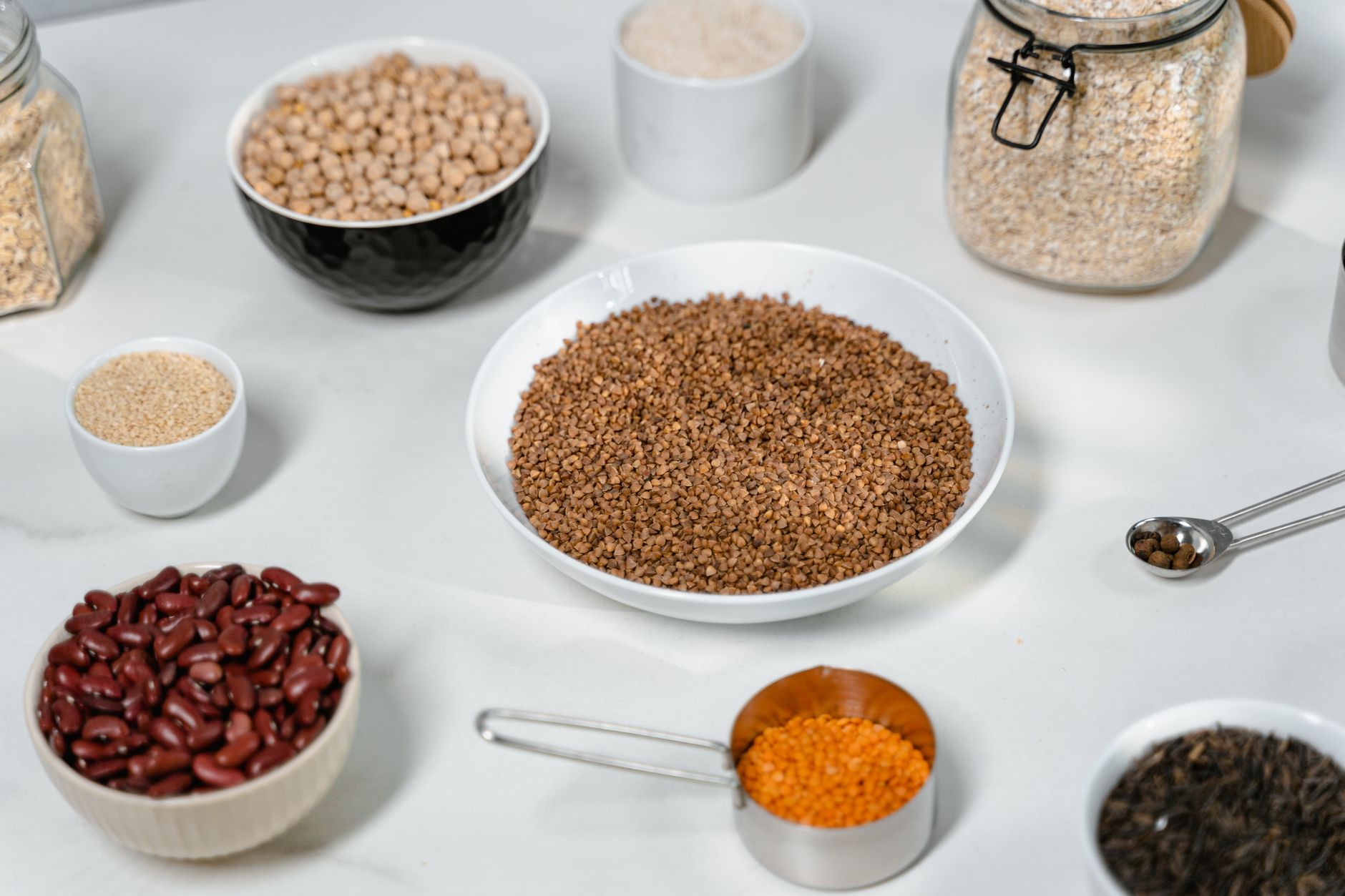
Let’s be real: busy moms don’t have time to cook from scratch every night. Meal prepping is your secret weapon for staying on track with your celiac-safe diet without sacrificing flavor or nutrition. Here’s how to plan, prep, and store meals so you can spend less time in the kitchen and more time with your family.
**Why Meal Prep Works:** Meal prepping helps you avoid last-minute takeout or convenience foods that might contain gluten. It also ensures you’re eating balanced meals that meet your nutritional needs, especially important if you’re pregnant or managing a hectic schedule.
**Step-by-Step Meal Prep Guide:**
1. Plan Your Meals
Start by choosing 3–4 dinners and 2–3 lunches for the week. Stick to simple, one-pot meals that reheat well. For example:
2. Shop and Prep Ahead
Buy all your ingredients for the week and prep them in advance. Wash and chop veggies, cook grains, and portion out proteins. Store them in airtight containers in the fridge or freezer.
3. Cook in Batches
Cook large batches of grains (quinoa, rice, lentils) and proteins (chicken, turkey, fish) to use in multiple meals. For example, cook a big pot of quinoa and use it in salads, bowls, and stuffing.
4. Store Properly
Use glass or BPA-free plastic containers to store meals. Label everything with the date and contents. Most cooked meals keep well in the fridge for 3–4 days or can be frozen for up to 3 months.
5. Reheat Safely
Use a microwave-safe dish and cover your meal with a damp paper towel to prevent drying out. Stir well before eating.
**Meal Prep Schedule Example:**
**Pro Tip:** Use freezer-safe containers for soups, stews, and casseroles. Freezing meals is a great way to have backups for busy nights.
--- ## **Celiac Safe Diet Meal Plan 7 Day: Nutrition Facts and Calorie Count**Understanding the nutrition facts and calorie counts of your meals is crucial, especially if you’re pregnant or trying to manage your weight. A balanced celiac-safe diet should include a mix of proteins, healthy fats, complex carbs, and plenty of fiber-rich foods. Here’s a breakdown of what to aim for and how to calculate your daily needs.
**Nutritional Requirements for Pregnant Women with Celiac:**
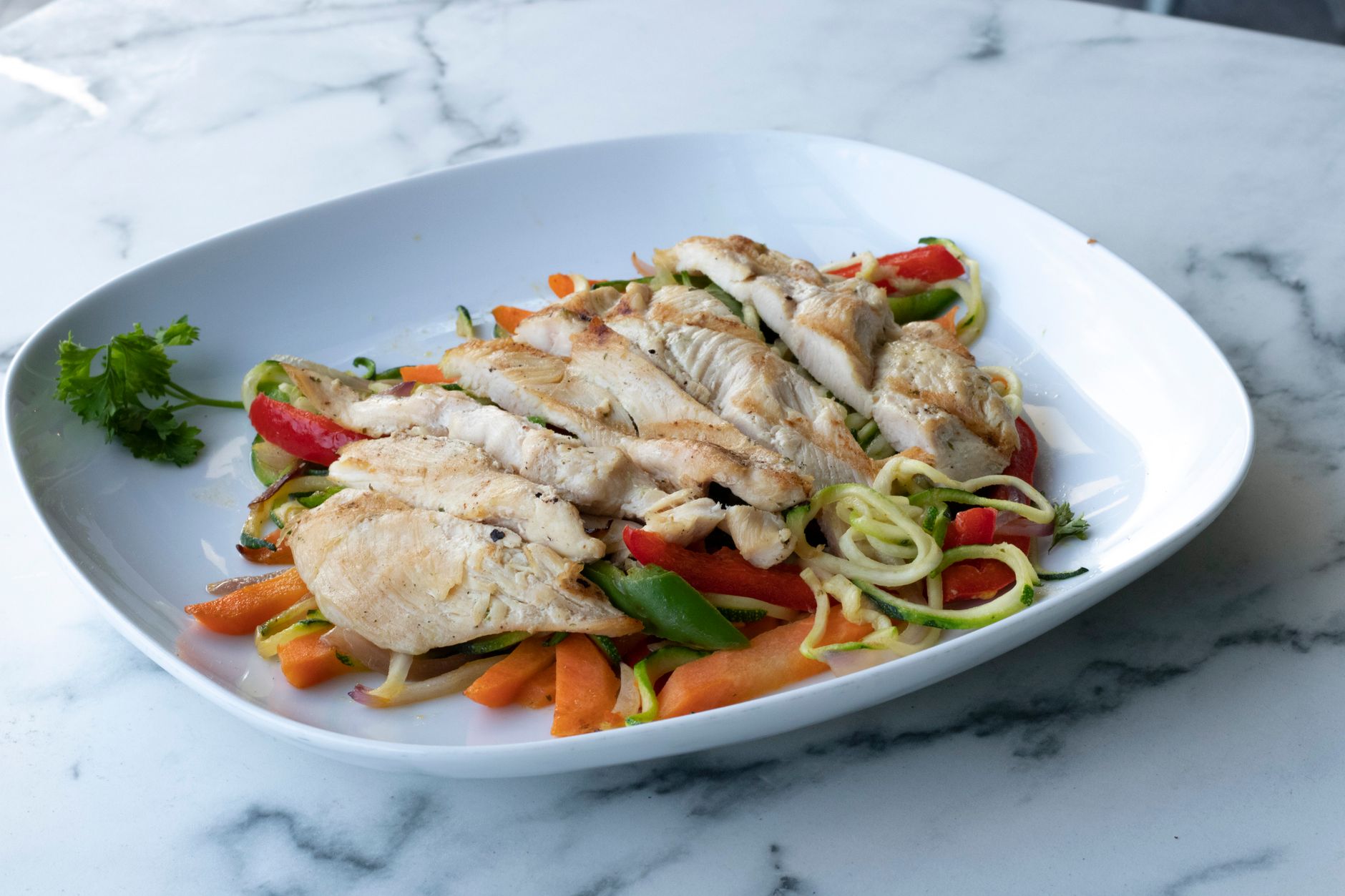
**Sample Daily Calorie Breakdown (2,500 kcal):**
**Calorie Counting Tips:**
If you’re new to the celiac-safe diet, the thought of planning meals can feel daunting. The good news is that naturally gluten-free foods are often healthier and more nutrient-dense than their gluten-containing counterparts. Here’s how to ease into the diet with simple, beginner-friendly meals.
**First Steps:**
**Beginner-Friendly Meal Plan:**
Day 1
Day 2
**Pro Tip:** If you’re unsure about a recipe, start with a simple one-pot meal or sheet-pan dinner. These are easy to customize and hard to mess up.
--- ## **Celiac Safe Diet Meal Plan 7 Day with Low FODMAP**If you’re managing celiac disease alongside **IBS or SIBO**, a low-FODMAP diet may be part of your plan. FODMAPs (fermentable oligosaccharides, disaccharides, monosaccharides, and polyols) are short-chain carbs that can trigger digestive symptoms in sensitive individuals. Here’s how to adapt your celiac-safe meal plan to be low-FODMAP while still meeting your nutritional needs.
**Key Differences:**
**Low-FODMAP Gluten-Free Foods:**
**Sample Low-FODMAP Meal Plan:**
Day 1
Day 2
**Pro Tip:** If you’re reintroducing high-FODMAP foods later, do so one at a time and monitor your symptoms. Keep a food diary to track triggers.
--- ## **Celiac Safe Diet Meal Plan 7 Day for Weight Loss**Losing weight on a celiac-safe diet is totally possible—if you focus on whole, nutrient-dense foods and manage portion sizes. Many gluten-free processed foods are high in sugar and unhealthy fats, so avoid those and stick to real, unprocessed foods. Here’s how to structure your meals for sustainable weight loss while staying gluten-free.
**Weight Loss Tips:**
**Sample Weight Loss Meal Plan (1,500–1,800 kcal/day):**
Day 1
Day 2
**Pro Tip:** If you’re struggling to lose weight, consider tracking your meals for a few weeks to identify areas where you might be overeating. Also, ensure you’re getting enough protein to preserve muscle.
--- ## **Celiac Safe Diet Meal Plan 7 Day for High Protein**If you’re looking to increase your protein intake—whether for muscle recovery, pregnancy, or general health—a celiac-safe diet can easily accommodate high-protein meals. The key is to include lean meats, fish, eggs, legumes, and gluten-free protein sources like quinoa and nuts.
**High-Protein Foods for Celiac:**
**Sample High-Protein Meal Plan:**
Day 1
Day 2
**Pro Tip:** If you’re struggling to hit your protein goals, consider adding a gluten-free protein powder to smoothies or oatmeal. Look for one with minimal ingredients and no added sugars.
--- ## **Celiac Safe Diet Meal Plan 7 Day for Iron Deficiency**Iron deficiency is common in women with celiac disease due to malabsorption. To combat this, focus on iron-rich foods and pair them with vitamin C to enhance absorption. Here’s how to structure your meals to boost your iron levels safely.
**Iron-Rich Foods for Celiac:**
**Vitamin C Boosters (to enhance iron absorption):**
**Sample Iron-Boosting Meal Plan:**
Day 1
Day 2
**Pro Tip:** If your iron levels are critically low, your doctor may recommend an iron supplement. Take it with vitamin C (like orange juice) and avoid calcium-rich foods or coffee/tea around the same time, as they can inhibit absorption.
--- ## **Celiac Safe Diet Meal Plan 7 Day for Pregnancy Vitamins**Pregn


