or many women, the first 24–48 hours after eliminating gluten bring a sense of relief that’s almost palpable. If you’ve been experiencing symptoms like bloating, diarrhea, or abdominal pain, these often subside quickly. But the benefits extend far beyond digestion. Here’s what you might notice within the first week:
- Digestive relief: Gas, bloating, and irregular bowel movements typically improve within days as your gut heals.
- More stable energy: Many women report waking up without that mid-morning crash, thanks to better nutrient absorption.
- Clearer skin: If gluten was contributing to eczema, acne, or rosacea, your complexion may brighten up.
- Reduced brain fog: Some women describe feeling more mentally sharp, as gluten can exacerbate neurological symptoms.
- Improved mood: The gut-brain connection is real—less inflammation often means less anxiety or depression.
However, the timeline can vary. Some women feel dramatic improvements in a few days; others take weeks, especially if they’ve had long-term damage to their intestinal lining. If you’re pregnant, the healing process is even more critical, as your body is already working overtime to support your baby’s growth. An anti-inflammatory diet, which naturally overlaps with gluten-free eating, can further support your recovery by reducing overall gut inflammation.
But here’s a crucial caveat: the first few days might also bring temporary side effects as your body adjusts. Think of it like detox—your system is clearing out gluten and its byproducts, which can sometimes cause headaches, fatigue, or even constipation. This is normal, but if symptoms persist beyond a few weeks, it’s worth checking in with your provider to ensure you’re not missing other dietary triggers.
---
How long does it take for celiac disease symptoms to improve on a gluten-free diet?
The answer depends on how long you’ve had celiac disease and how severely it was affecting you. For those newly diagnosed, here’s a general timeline:
For pregnant women, the timeline is especially important. If you were diagnosed early in pregnancy, your baby may benefit from reduced risks of complications like preeclampsia or gestational diabetes, which are linked to chronic inflammation. However, if you’ve had undiagnosed celiac disease for years, the healing process might take longer, and you may need additional support to replenish nutrient stores.
Pro tip: Keep a symptom journal for the first few weeks. Note when you eat gluten-free and how you feel. This can help you track progress and identify any lingering issues. If you’re still experiencing symptoms after a few weeks, consider whether you’re accidentally consuming gluten or if another condition (like IBS or SIBO) is also playing a role.
---
Are there any hidden sources of gluten that can ruin a celiac-safe diet for pregnant women?
One of the biggest challenges of a celiac-safe diet is avoiding hidden gluten. Even small amounts can trigger symptoms or slow down your healing process. For pregnant women, this is especially tricky because you’re already more sensitive to food intolerances. Here are the sneakiest culprits:
- Processed foods: Sauces, soups, and broths often contain gluten as a thickener. Always check labels for ingredients like malt, modified food starch, or hydrolyzed wheat protein.
- Medications and supplements: Some cold medicines, vitamins, and even prenatal supplements contain gluten. Opt for certified gluten-free brands and check with your pharmacist.
- Cross-contamination: Even if a product is gluten-free, it might be processed in a facility that also handles wheat. Look for “certified gluten-free” labels and avoid shared kitchen tools unless they’re dedicated to gluten-free cooking.
- Spices and seasonings: Some blends contain wheat flour as a filler. Stick to plain spices or certified gluten-free mixes.
- Liquor and beer: Many alcoholic beverages contain gluten, including some gluten-free beers. Stick to distilled spirits or certified gluten-free options.
Pregnant women are also more vulnerable to foodborne illnesses, so it’s extra important to ensure your gluten-free foods are fresh and properly stored. If you’re dining out, don’t hesitate to ask about preparation methods—many restaurants are now gluten-aware but may not always disclose cross-contamination risks.
For a deeper dive into label reading, check out our guide on how to read food labels for hidden gluten. It’s a game-changer for avoiding accidental triggers.
---
What are the most common side effects of a sudden switch to a gluten-free diet during pregnancy?
While a gluten-free diet is life-changing for many, the transition can sometimes bring unexpected side effects—especially when you’re pregnant. Here’s what to watch for:
- Headaches: Gluten withdrawal can cause temporary migraines as your body adjusts. Staying hydrated and eating small, frequent meals can help.
- Constipation: Gluten-free diets often lack fiber, which can slow digestion. Focus on fruits, vegetables, and gluten-free whole grains like quinoa and buckwheat.
- Fatigue or brain fog: This might seem counterintuitive, but your body is working hard to heal. Ensure you’re getting enough iron, B vitamins, and folate.
- Nutrient deficiencies: Without gluten-containing foods, you might miss out on key nutrients like fiber, iron, and B vitamins. A prenatal vitamin and a balanced diet can help.
- Mood swings: Hormonal changes during pregnancy can amplify emotional sensitivity, and gluten withdrawal might also play a role.
If you’re experiencing persistent side effects, it’s worth checking in with your healthcare provider. They may recommend additional testing or adjustments to your diet. For example, if you’re feeling unusually fatigued, they might check your iron levels or prescribe a supplement.
---
Can a celiac-safe diet improve fertility and pregnancy outcomes for women with undiagnosed celiac disease?
If you’ve been trying to conceive for a while without success, undiagnosed celiac disease might be part of the puzzle. Research shows that women with celiac disease are more likely to experience infertility, miscarriages, or complications like preeclampsia. Here’s how a gluten-free diet can help:
- Reduced inflammation: Chronic inflammation from celiac disease can interfere with ovulation and implantation. Cutting gluten may improve fertility by calming the immune response.
- Better nutrient absorption: Malabsorption of folate, iron, and vitamin D is common in celiac disease. Addressing these deficiencies can support a healthy pregnancy.
- Lower risk of complications: Studies suggest that women with celiac disease who adhere to a gluten-free diet have lower rates of preeclampsia, gestational diabetes, and preterm birth.
- Improved thyroid function: Celiac disease is often linked to autoimmune thyroid conditions like Hashimoto’s, which can affect fertility. A gluten-free diet may help regulate thyroid hormones.
One study published in the Journal of Clinical Endocrinology & Metabolism found that women with celiac disease who went gluten-free had a 50% higher chance of conceiving within a year compared to those who didn’t. While more research is needed, the evidence suggests that healing your gut could be a game-changer for your fertility journey.
If you’re trying to conceive and suspect celiac disease, it’s worth getting tested—even if you don’t have obvious symptoms. Early intervention can make a world of difference.
---
How does a gluten-free diet affect nutrient absorption in pregnant women compared to non-celiac diets?
One of the biggest concerns about a gluten-free diet is nutrient deficiencies, especially during pregnancy when your body has increased demands. Gluten-containing foods like whole wheat and barley are often fortified with key nutrients, and eliminating them can leave gaps if not managed carefully. Here’s how a gluten-free diet compares:
For pregnant women, the key is to work with your healthcare provider to monitor your nutrient levels. A simple blood test can check for deficiencies in iron, folate, vitamin D, and other essentials. If you’re found to be low, your provider may recommend supplements or adjustments to your diet.
It’s also worth noting that some gluten-free products are heavily processed and lack the same nutritional benefits as whole foods. Focus on whole, minimally processed gluten-free options whenever possible. If you’re unsure where to start, consider working with a dietitian who specializes in celiac disease to create a personalized plan.
---
What are the best gluten-free alternatives to wheat-based foods for a balanced pregnancy diet?
Just because you can’t eat wheat doesn’t mean you have to sacrifice flavor or nutrition. There are plenty of delicious and nutrient-dense gluten-free alternatives that can keep your pregnancy diet balanced and satisfying. Here are some of the best options:
- Grains:
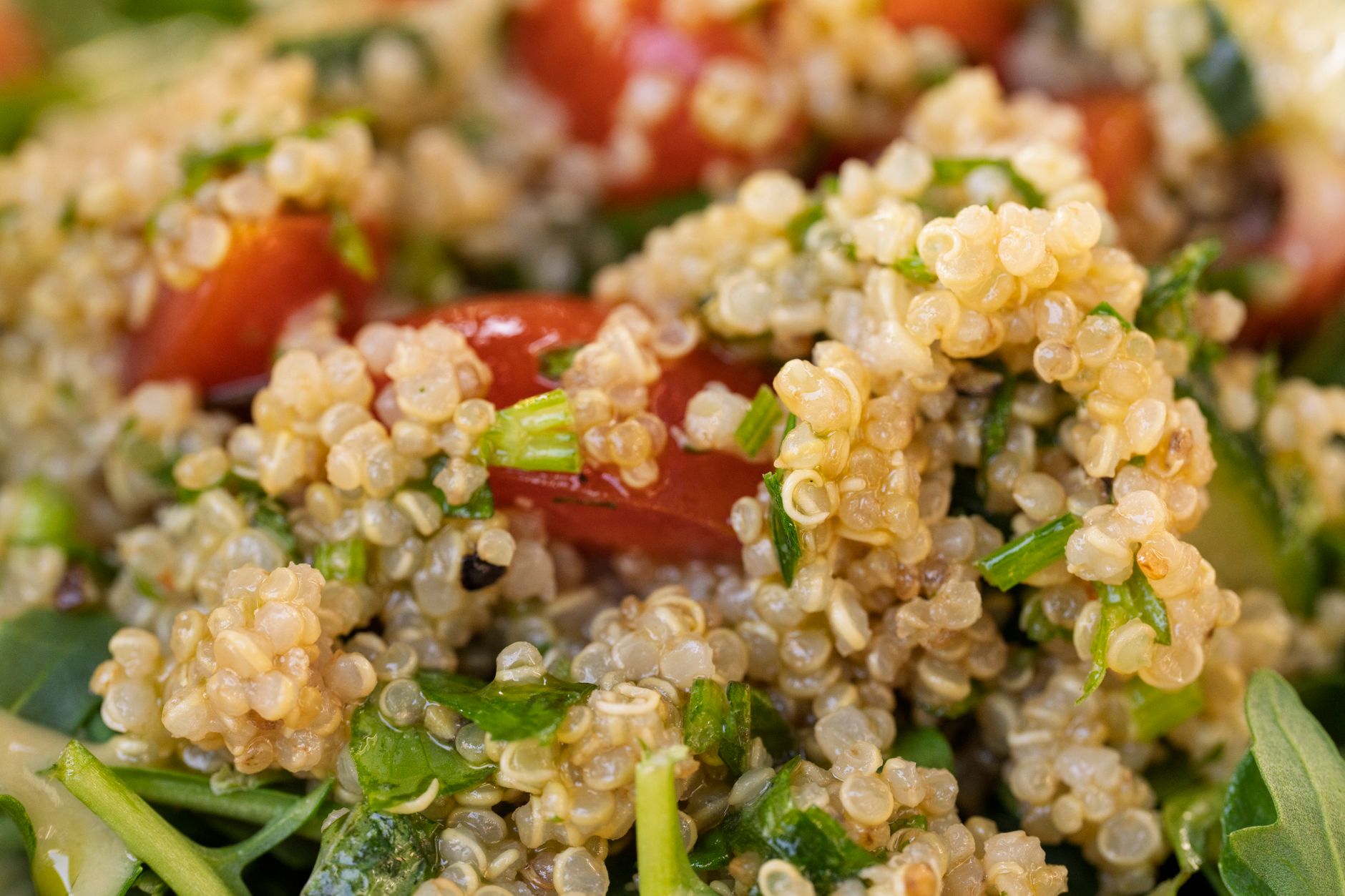
- Quinoa: A complete protein with iron, magnesium, and fiber.
- Buckwheat: Rich in antioxidants and B vitamins.
- Certified gluten-free oats: A great source of fiber and folate.
- Rice (brown, basmati, or jasmine): Provides energy and some B vitamins.
- Proteins:
- Legumes (lentils, chickpeas, black beans): High in fiber, iron, and plant-based protein.
- Tofu and tempeh: Great sources of protein and calcium.
- Lean meats, fish, and poultry: Ensure they’re fresh and properly cooked.
- Dairy (if tolerated):
- Milk, yogurt, and cheese: Fortified with calcium and vitamin D.
- Fruits and Vegetables:
- Leafy greens (spinach, kale): Rich in iron and folate.
- Berries: Packed with antioxidants and fiber.
- Sweet potatoes: Provide vitamin A and fiber.
For snacks, look for certified gluten-free options like:
- Popcorn (plain, air-popped)
- Fresh fruit (apples, bananas, berries)
- Nuts and seeds (almonds, chia seeds, pumpkin seeds)
- Gluten-free crackers or rice cakes
- Hummus with veggie sticks
If you’re craving something indulgent, many gluten-free bakeries offer delicious treats like muffins, cookies, and bread. Just be sure to check for cross-contamination warnings.
For a quick reference, here’s a simple gluten-free meal plan for breastfeeding mothers to get you started. It includes balanced meals and snacks to keep you and your baby nourished.
---
How can you safely transition to a celiac-safe diet without risking nutrient deficiencies in early pregnancy?
Transitioning to a gluten-free diet in early pregnancy requires careful planning to avoid nutrient deficiencies while still enjoying a varied and satisfying diet. Here’s how to do it safely:
- Start with a prenatal vitamin: Ensure your vitamin includes folate, iron, and vitamin D to cover any gaps from eliminating gluten-containing foods.
- Focus on nutrient-dense foods: Prioritize whole foods like vegetables, fruits, lean proteins, and gluten-free whole grains.
- Check labels carefully: Even “healthy” foods like granola or energy bars can contain hidden gluten. Always look for certified gluten-free labels.
- Consider a multivitamin: If you’re concerned about missing out on key nutrients, a gluten-free multivitamin can help fill the gaps.
- Monitor your nutrient levels: Schedule regular blood tests to check for deficiencies in iron, folate, vitamin D, and other essentials.
- Work with a dietitian: A dietitian who specializes in celiac disease can help you create a personalized meal plan that meets your unique needs.
One of the biggest mistakes women make is assuming all gluten-free foods are healthy. Processed gluten-free products can be high in sugar, salt, and unhealthy fats. Stick to whole, minimally processed foods whenever possible.
If you’re feeling overwhelmed, remember that progress > perfection. Start small—maybe swap out one gluten-containing food for a gluten-free alternative each week. Over time, you’ll build confidence and find foods you love that work for you and your baby.
---
Best gluten-free snacks for pregnant women with celiac disease
When you’re pregnant and managing celiac disease, having quick and easy snacks on hand is a game-changer. Here are some of the best gluten-free snack options to keep you satisfied and energized:
- Fresh fruit: Apples, bananas, berries, and oranges are naturally gluten-free and packed with vitamins.
- Nuts and seeds: Almonds, walnuts, pumpkin seeds, and sunflower seeds provide healthy fats and protein.
- Cheese and crackers: Pair gluten-free cheese with rice crackers or gluten-free pretzels for a satisfying snack.
- Hummus and veggies: Carrots, cucumbers, and bell peppers with gluten-free hummus make a crunchy and nutritious option.
- Gluten-free granola: Look for certified gluten-free granola made with oats, nuts, and seeds.
- Yogurt and granola: Choose plain, unsweetened yogurt and top with gluten-free granola and fruit.
- Hard-boiled eggs: A quick and protein-rich snack that’s easy to prepare in advance.
- Popcorn: Air-popped popcorn is a great gluten-free snack if you avoid flavored seasonings.
For a more detailed list, check out our best gluten-free snacks for pregnant women guide. It includes more ideas and tips for keeping snacks exciting and nutritious.
---
Does a gluten-free diet reduce pregnancy complications like preeclampsia?
Emerging research suggests that a gluten-free diet may help reduce the risk of pregnancy complications like preeclampsia, gestational diabetes, and preterm birth—especially for women with undiagnosed celiac disease. Here’s how:
- Reduced inflammation: Celiac disease is linked to chronic inflammation, which can contribute to preeclampsia. Cutting gluten may help lower inflammation and improve outcomes.
- Better blood pressure control: Some studies indicate that women with celiac disease who adhere to a gluten-free diet have lower blood pressure, which may reduce the risk of preeclampsia.
- Improved insulin sensitivity: Gluten-free diets can help regulate blood sugar levels, which may lower the risk of gestational diabetes.
- Enhanced nutrient absorption: Properly managing celiac disease ensures that you’re absorbing essential nutrients like folate and iron, which are critical for a healthy pregnancy.
While more research is needed, the evidence so far is promising. If you’re at high risk for pregnancy complications or have a history of celiac disease, discussing a gluten-free diet with your healthcare provider may be worth considering.
---
How to read food labels for hidden gluten during pregnancy with celiac disease
Reading food labels can feel like a full-time job when you’re managing celiac disease during pregnancy. But it’s one of the most important skills you’ll develop to stay safe and healthy. Here’s how to decode labels like a pro:
- Look for certified gluten-free labels: Products labeled “certified gluten-free” have been tested and confirmed to contain less than 20 parts per million (ppm) of gluten.
- Watch for hidden ingredients: Gluten can hide in sauces, broths, and even some spices. Ingredients to watch for include:
- Malt
- Modified food starch
- Hydrolyzed wheat protein
- Barley malt
- Dextrin (unless specified as corn or potato dextrin)
- Check for cross-contamination warnings: Even if a product is gluten-free, it might be processed in a facility that also handles wheat. Look for phrases like “may contain wheat” or “processed in a facility with wheat.”
- Prioritize whole foods: Fresh fruits, vegetables, lean proteins, and gluten-free whole grains are the safest bets. They don’t require labels to be safe.
- Use apps and resources: Apps like Gluten Free Registry or About Gluten-Free Living can help you identify safe brands and products.
If you’re ever unsure, don’t hesitate to reach out to the manufacturer or ask your healthcare provider for guidance. It’s always better to be safe than sorry.
---
Can celiac disease cause miscarriage if left untreated during pregnancy?
Celiac disease is not a direct cause of miscarriage, but untreated celiac disease can contribute to conditions that increase the risk. Here’s how:
- Nutrient deficiencies: Malabsorption of folate, iron, and vitamin D can disrupt early pregnancy development and increase the risk of miscarriage.
- Chronic inflammation: Untreated celiac disease leads to ongoing gut inflammation, which may affect implantation or early fetal development.
- Autoimmune overlap: Celiac disease is often linked to other autoimmune conditions like thyroiditis, which can also impact fertility and pregnancy outcomes.
Research from the Journal of Reproductive Medicine suggests that women with celiac disease who adhere to a gluten-free diet have lower rates of miscarriage compared to those who don’t. If you’ve had recurrent miscarriages or unexplained fertility issues, celiac disease should be on your testing radar.
If you’re pregnant and newly diagnosed, starting a gluten-free diet as soon as possible can help improve your chances of a healthy pregnancy. Work closely with your healthcare provider to monitor your nutrient levels and adjust your diet as needed.
---
Gluten-free meal plan for celiac mothers during breastfeeding
Breastfeeding mothers with celiac disease need a diet that supports both their health and their milk supply. Here’s a simple gluten-free meal plan to keep you nourished and energized:
This meal plan is designed to be flexible—swap in your favorite gluten-free foods and adjust portions based on your hunger and energy levels. For more ideas, check out our gluten-free meal plan for breastfeeding mothers guide.
---
What supplements do pregnant women with celiac disease need on a gluten-free diet?
While a gluten-free diet can be highly nutritious, some women may need additional support to avoid deficiencies. Here are the key supplements to discuss with your healthcare provider:
Always consult your healthcare provider before starting any new supplement, especially during pregnancy. They can help you determine which supplements are necessary based on your diet and blood test results.
---
Myth vs. Fact: Gluten-Free Diet During Pregnancy
There’s a lot of misinformation out there about gluten-free diets during pregnancy. Let’s set the record straight:
Myth: “A gluten-free diet is automatically healthier for everyone.”
Fact: While gluten-free diets are essential for people with celiac disease, they’re not inherently healthier for everyone. Many processed gluten-free products are high in sugar, salt, and unhealthy fats. The key is focusing on whole, nutrient-dense foods.
Myth: “If I’m not celiac, I don’t need to worry about gluten.”
Fact: Some women experience non-celiac gluten sensitivity, which can cause symptoms like bloating, fatigue, or brain fog. If you suspect gluten is affecting you, it’s worth testing a gluten-free diet under medical supervision.
Myth: “Gluten-free oats are always safe for celiac disease.”
Fact: Many oats are contaminated with gluten during processing. Always choose certified gluten-free oats to avoid cross-contamination.
Myth: “A gluten-free diet will automatically improve my pregnancy symptoms.”
Fact: While gluten-free diets can help some women, others may need to address other dietary triggers or nutrient deficiencies. Work with your healthcare provider to identify the root cause of your symptoms.
---
Key Takeaways
- Starting a gluten-free diet can bring immediate relief from symptoms




