

Quick take: Your breakfast sets the tone for your heart’s health all day. Focus on whole grains, lean proteins, healthy fats, and low-sodium options to keep your cholesterol in check, blood pressure stable, and arteries clear. Skip the processed cereals, sugary pastries, and salty meats—opt instead for oatmeal with berries, avocado toast on whole-grain bread, or a smoothie packed with spinach, flaxseed, and Greek yogurt. Small changes add up: swapping one high-sodium breakfast for a heart-smart one can reduce your daily sodium intake by 300–500mg.Cardiac Heart Healthy Diet Breakfast Ideas: The Complete 2026 Guide
There’s nothing worse than the 6:30 a.m. scramble—your coffee’s cold, your kids are in a food fight, and you’re staring at a freezer full of frozen waffles, knowing they’re basically heart-healthy *opposites*. You’ve heard that breakfast matters for your heart, but what *actually* counts? The cereal aisle is a minefield of "low-fat" labels that hide sugar bombs, and your usual eggs-and-bacon routine feels like a betrayal after that last doctor’s visit. You’re not alone. Many women skip breakfast altogether, thinking it’s the "safe" choice, or default to the same old habits—only to realize later that their morning "meal" is quietly sabotaging their long-term heart health.
Here’s the truth: breakfast *is* your heart’s first line of defense. The foods you choose—or skip—can influence your cholesterol levels, blood pressure, and inflammation for hours. The good news? You don’t need to give up flavor or convenience. With a few smart swaps, you can turn your morning into a powerhouse for your cardiovascular system—without feeling like you’re eating a science experiment.
This guide covers everything you need to know: from low-sodium breakfast recipes to vegetarian options, quick meals for busy mornings, and a full week’s meal plan. We’ll break down the science behind heart-healthy nutrients, debunk myths, and give you practical, doable ideas to try today. No more guessing. No more excuses. Just real, actionable steps to start your day right—for your heart *and* your sanity.
--- ## **Low-Sodium Breakfast Recipes for Heart Health: How to Cut the Salt Without Losing Flavor**You’ve probably heard that reducing sodium is key for heart health, especially if you have high blood pressure or are at risk for heart disease. But let’s be real: breakfast is often one of the saltiest meals of the day. A single bagel with cream cheese can pack 600mg of sodium—nearly a third of the American Heart Association’s recommended daily limit. The problem? Many heart-healthy foods *seem* innocent but are secretly sodium traps.
**The fix?** Start by reading labels. Sodium lurks in: - Processed breakfast meats (sausage, bacon, ham) - Canned beans (unless labeled "no salt added") - Flavored yogurts and granolas - Store-bought breads and muffins
**What to do instead:** - **Swap:** Store-bought sausage links for homemade turkey sausage (use low-sodium broth). - **Boost flavor:** Use herbs (basil, oregano), citrus zest, or garlic powder instead of salt. - **Prep ahead:** Make a big batch of low-sodium scrambled eggs or overnight oats on Sunday to grab during the week.
**Pro tip:** If you love savory breakfasts, try a **smoked salmon and cream cheese wrap** on whole-grain tortilla. Use *fresh* cream cheese (lower sodium than processed) and top with capers, cucumber, and dill for a bright, salty-free kick.
--- ## **Heart-Healthy Breakfast Ideas with Whole Grains: Why Fiber Matters**Whole grains aren’t just a buzzword—they’re a heart’s best friend. Studies show that women who eat whole grains regularly have a 20–30% lower risk of heart disease compared to those who stick to refined grains like white bread or pasta. Why? Whole grains are packed with fiber, which helps lower LDL ("bad") cholesterol and keeps blood sugar stable. Plus, they’re rich in magnesium and B vitamins, which support healthy blood pressure and energy levels.
**The catch?** Not all whole grains are created equal. Quinoa, steel-cut oats, and farro are top-tier, while "whole wheat" bread can sometimes be a letdown if it’s just white bread with a little bran sprinkled on top. Always check the ingredients list for "100% whole grain" and avoid anything with added sugars.
**Best whole-grain breakfast ideas:** - **Overnight oats:** Mix ½ cup rolled oats, 1 cup unsweetened almond milk, 1 tbsp chia seeds, and a dash of cinnamon. Top with sliced almonds and blueberries in the morning. - **Buckwheat pancakes:** Blend buckwheat flour with egg, banana, and cinnamon for fluffy, high-fiber pancakes. Serve with a dollop of Greek yogurt. - **Farro breakfast bowl:** Cook farro overnight, then top with roasted veggies, avocado, and a sprinkle of pumpkin seeds.
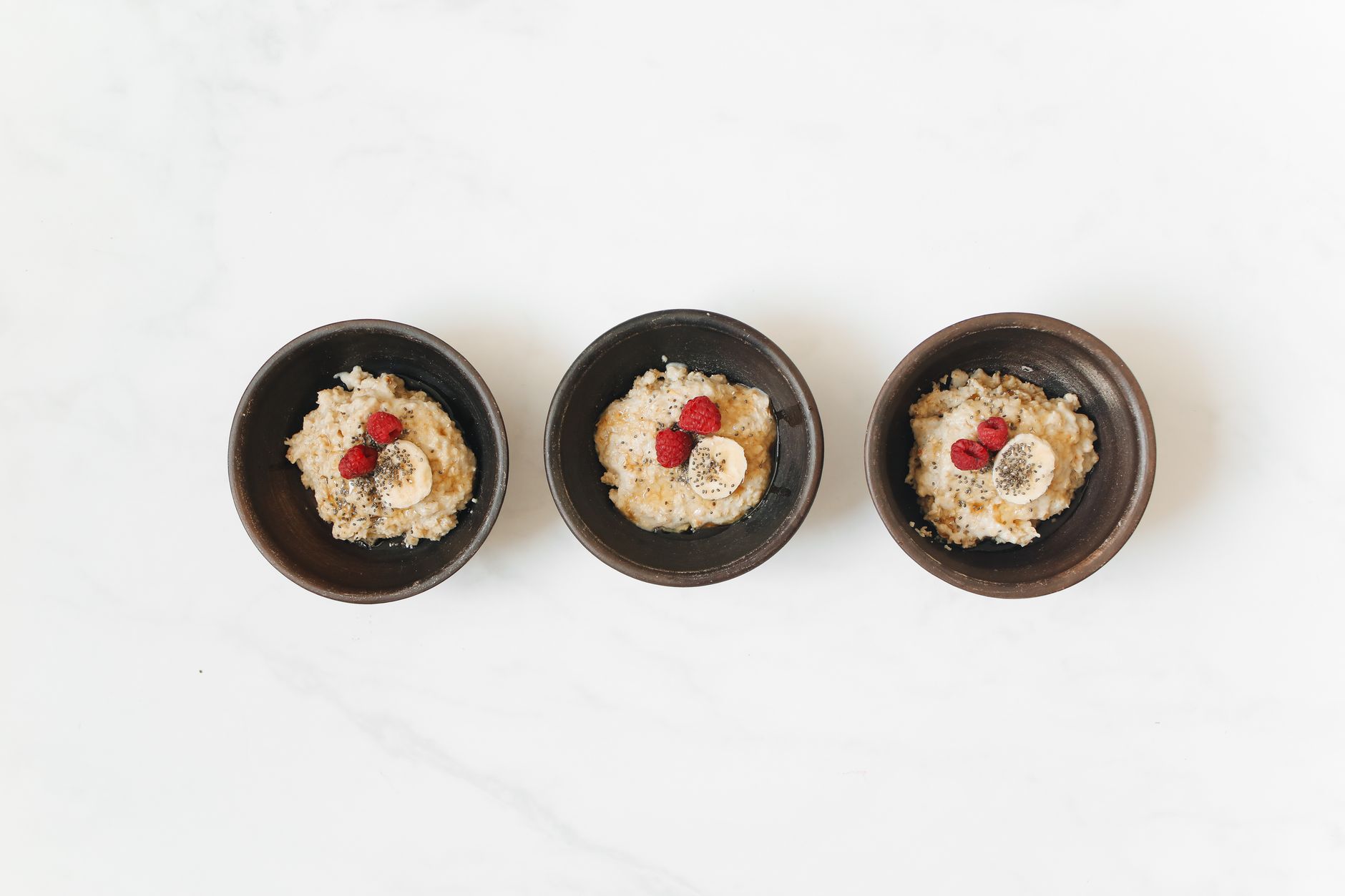
**Why this works:** Fiber slows digestion, keeping you full longer and preventing blood sugar spikes. Plus, whole grains are naturally low in sodium, making them a double win for heart health.
--- ## **Best Breakfast Foods for Reducing Cholesterol: The Science Behind the Bites**If your cholesterol numbers have you worried, your breakfast choices can make a real difference. The goal? Lower LDL cholesterol (the "bad" kind) while keeping HDL ("good" cholesterol) high. The American Heart Association recommends focusing on foods rich in: - **Soluble fiber** (oats, beans, apples) - **Healthy fats** (avocados, nuts, olive oil) - **Plant sterols** (found in fortified foods like orange juice or margarine) - **Omega-3s** (flaxseeds, chia seeds, fatty fish)
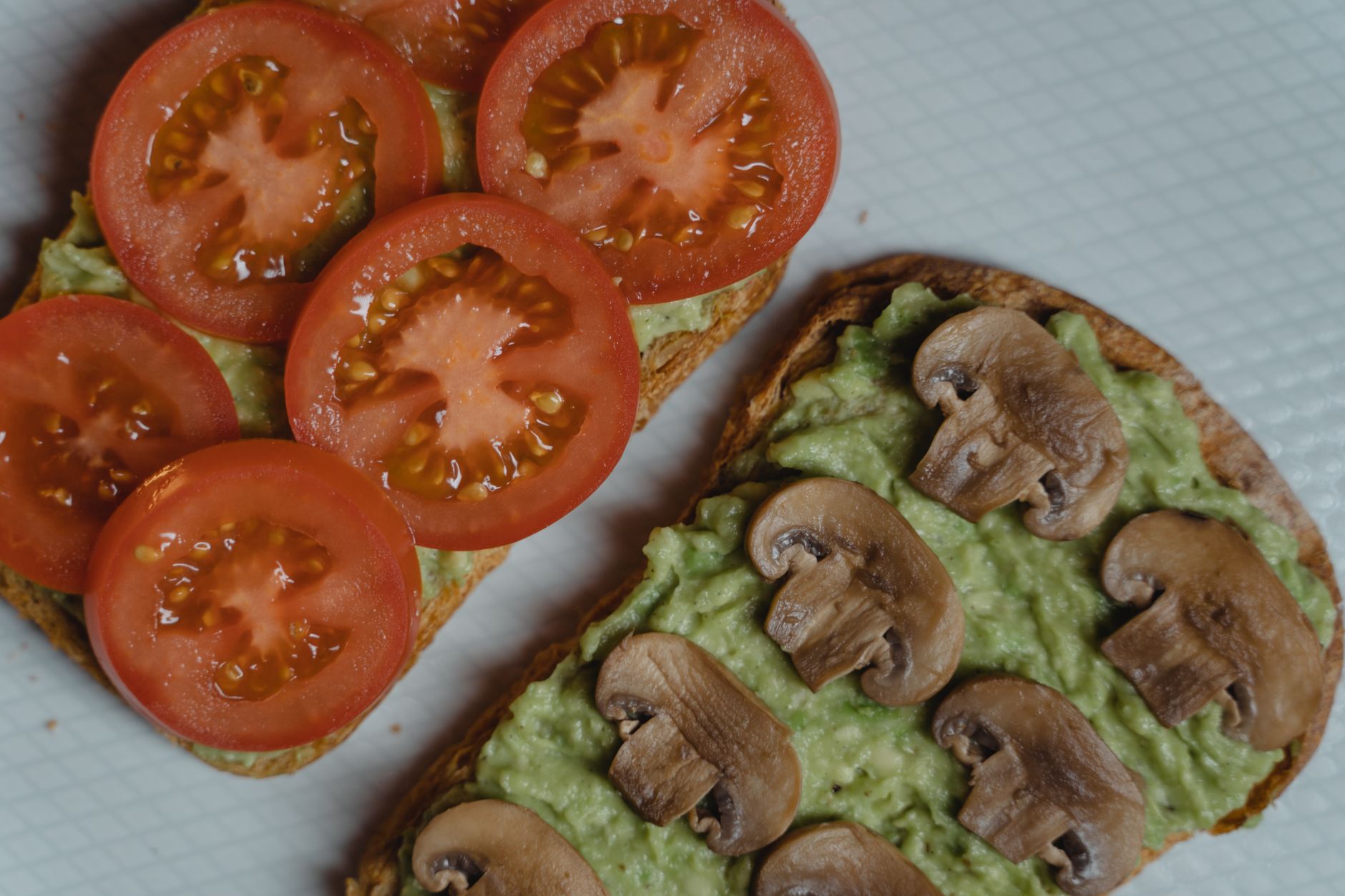
**What to eat:** - **Oatmeal with apples and walnuts:** The soluble fiber in oats binds to cholesterol in your digestive tract, helping your body excrete it. Add sliced apples for extra fiber and walnuts for healthy fats. - **Greek yogurt parfait:** Layer non-fat Greek yogurt with berries and a sprinkle of flaxseeds. The probiotics in yogurt support gut health, which is linked to lower cholesterol. - **Avocado toast with smoked salmon:** Avocados are loaded with monounsaturated fats, which help replace saturated fats in your diet. Smoked salmon adds omega-3s.
**What to avoid:** - Fried foods (like breakfast sausages or hash browns) - Processed cereals with trans fats - Butter-heavy pastries
**Pro tip:** If you love eggs, opt for **egg whites** or **poached eggs** instead of fried. Egg yolks contain cholesterol, but the saturated fat in butter or oil used for frying is what really spikes your LDL.
--- ## **Gluten-Free Heart-Healthy Breakfast Options: What to Eat (and Avoid)**If you’re gluten-free—whether by choice or necessity—you might worry that heart-healthy breakfasts are off-limits. Not true! Many gluten-free grains are actually *better* for your heart than refined wheat. The key is choosing the right ones and avoiding gluten-free processed foods, which can be just as unhealthy as their gluten-filled counterparts.
**Heart-smart gluten-free grains:** - **Quinoa:** A complete protein with fiber and magnesium. - **Buckwheat:** High in rutin, a flavonoid that supports heart health. - **Amaranth:** Rich in antioxidants and healthy fats. - **Certified gluten-free oats:** Avoid cross-contamination with wheat.
**Gluten-free breakfast ideas:** - **Quinoa breakfast bowl:** Cook quinoa overnight, then top with roasted sweet potatoes, almond butter, and cinnamon. - **Buckwheat pancakes:** Blend buckwheat flour with banana and egg for a naturally sweet, high-fiber pancake. - **Chia pudding:** Mix chia seeds with coconut milk and a touch of vanilla. Top with fresh fruit.
**What to watch for:** - Gluten-free granola bars (often loaded with sugar) - Processed gluten-free breads (check for added sugars and hydrogenated oils) - Flavored rice cakes (can be high in sodium)
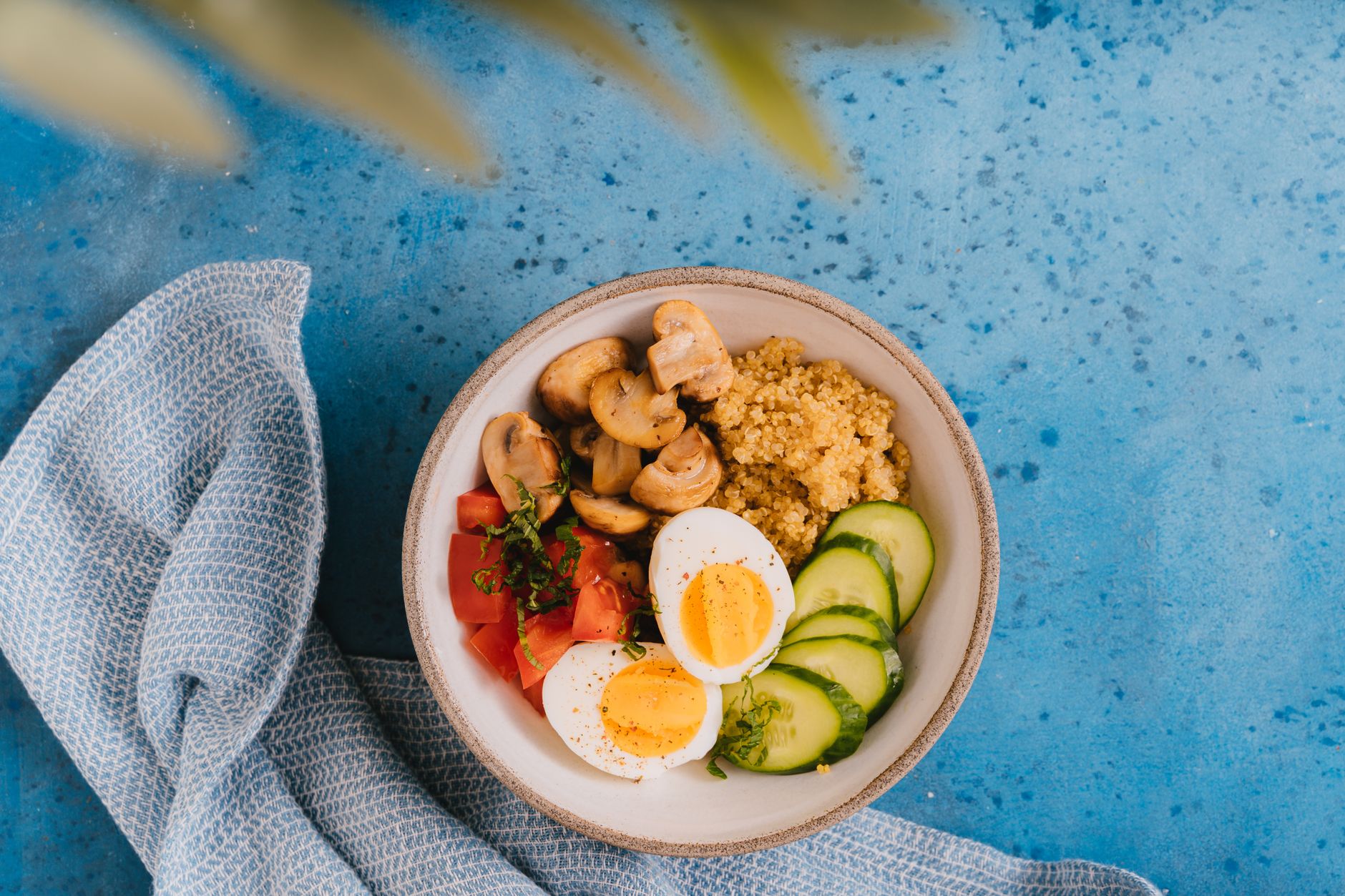
We’ve all been there: the alarm goes off, and suddenly it’s 7:45 a.m., you’re still in your pajamas, and your coffee is cold. The idea of whipping up a heart-healthy breakfast in under 10 minutes can feel impossible. But it’s not. With a little prep, you can turn even the craziest mornings into heart-smart ones.
**5-minute breakfast ideas:** - **Greek yogurt with nuts and honey:** Grab a container of plain Greek yogurt, top with a handful of almonds or walnuts, and drizzle with honey. No prep needed—just grab and go. - **Hard-boiled eggs and fruit:** Prep a batch of hard-boiled eggs on Sunday. Pair with an apple or banana for a protein-packed, fiber-rich bite. - **Smoothie:** Blend frozen berries, spinach, a scoop of protein powder, and unsweetened almond milk. Drink on the go. - **Whole-grain toast with avocado:** Toast a slice of whole-grain bread, mash half an avocado on top, and sprinkle with sea salt and pepper. - **Cottage cheese with pineapple:** Cottage cheese is high in protein and low in fat. Top with fresh pineapple for a sweet, satisfying bite.
**Pro tip:** Use the **two-bowl method** for overnight oats. Mix your dry ingredients in one bowl and your wet ingredients in another. In the morning, just dump them together and let it sit for 5 minutes while you get ready.
--- ## **High-Fiber Breakfast Ideas for Heart Disease Prevention: The Power of Plant-Based Meals**Fiber is one of the most underrated nutrients for heart health. It helps lower cholesterol, stabilize blood sugar, and keeps your digestive system running smoothly. The American Heart Association recommends aiming for **25–30 grams of fiber per day**, but most women only get about 15 grams. Breakfast is the perfect place to close that gap.
**High-fiber breakfast ideas:** - **Beet and carrot smoothie:** Blend steamed beets, carrots, Greek yogurt, and flaxseeds. Beets are rich in nitrates, which help relax blood vessels. - **Black bean toast:** Mash black beans and spread on whole-grain toast. Top with avocado and salsa. - **Chickpea flour pancakes:** Chickpea flour is high in fiber and protein. Mix with egg, turmeric, and cumin for a savory pancake. - **Flaxseed and oatmeal:** Stir 1 tbsp ground flaxseeds into your oatmeal. Flaxseeds are packed with omega-3s and fiber.
**Why this matters:** A high-fiber breakfast can reduce your risk of heart disease by up to 30%, according to research published in the *Journal of the American Heart Association*. Plus, fiber helps you feel full longer, so you’re less likely to reach for a mid-morning snack that’s bad for your heart.
--- ## **Vegetarian Heart-Healthy Breakfast Recipes: Plant-Powered Protection**Vegetarian diets are naturally heart-healthy when planned well, thanks to their emphasis on fruits, vegetables, whole grains, and legumes. But even vegetarian breakfasts can miss the mark if they rely too heavily on processed foods or refined carbs. The key is balancing protein, fiber, and healthy fats.
**Vegetarian breakfast ideas:** - **Tofu scramble:** Sauté crumbled tofu with turmeric, black salt (for an eggy flavor), and spinach. Serve with whole-grain toast. - **Chickpea flour omelet:** Chickpea flour is a great egg substitute. Whisk with turmeric, cumin, and veggies, then cook like an omelet. - **Peanut butter and banana wrap:** Spread natural peanut butter on a whole-grain tortilla, add banana slices, and roll up. - **Lentil and vegetable breakfast burrito:** Cook lentils with diced tomatoes and spinach, then wrap in a whole-grain tortilla with avocado.
**Pro tip:** If you miss dairy, swap Greek yogurt for **coconut yogurt** (unsweetened) or **cashew cheese** for a plant-based, heart-healthy alternative.
--- ## **Heart-Healthy Breakfast Meal Plan for a Week: A Day-by-Day Guide**Ready to put it all together? Here’s a **7-day meal plan** designed to keep your heart happy, your taste buds satisfied, and your mornings manageable. Each day includes a balanced breakfast with whole grains, lean protein, healthy fats, and plenty of fiber. You can mix and match based on your preferences!
| Day | Breakfast | Key Heart-Healthy Nutrients |
|---|---|---|
| Monday | Steel-cut oats with almond butter, chia seeds, and blueberries | Soluble fiber, healthy fats, antioxidants |
| Tuesday | Avocado toast on whole-grain bread with smoked salmon and capers | Monounsaturated fats, omega-3s, potassium |
| Wednesday | Greek yogurt parfait with walnuts, flaxseeds, and raspberries | Probiotics, omega-3s, fiber |
| Thursday | Buckwheat pancakes with fresh strawberries and almond butter | Magnesium, fiber, healthy fats |
| Friday | Black bean and avocado toast with salsa and lime | Fiber, potassium, healthy fats |
| Saturday | Quinoa breakfast bowl with roasted sweet potatoes, almonds, and cinnamon | Complete protein, antioxidants, fiber |
| Sunday | Spinach, flaxseed, and banana smoothie with a side of whole-grain toast | Omega-3s, potassium, fiber |
**Pro tip:** Prep ingredients the night before to save time. Chop veggies, portion nuts, and cook grains in advance. For example, cook a big batch of quinoa or farro on Sunday to use throughout the week.
--- ## **Low-Fat Breakfast Options for Heart Health: What to Choose (and What to Skip)**Not all fats are created equal. While your heart *needs* healthy fats (like those in avocados and nuts), saturated and trans fats can clog your arteries and raise LDL cholesterol. If you’re watching your fat intake—or just want to keep things light—here’s how to choose wisely.
**Low-fat but heart-healthy options:** - **Poached eggs on whole-grain toast:** Egg whites are fat-free, and poaching instead of frying keeps the fat content low. - **Cottage cheese with pineapple and walnuts:** Cottage cheese is high in protein and low in fat. Add a small handful of walnuts for healthy fats. - **Smoothie with Greek yogurt, berries, and flaxseeds:** Greek yogurt is lower in fat than regular yogurt, and flaxseeds add healthy omega-3s without much saturated fat. - **Whole-grain toast with hummus and cucumber:** Hummus is made from chickpeas, which are low in fat and high in fiber.
**What to skip:** - Fried eggs or bacon - Butter-heavy pastries (croissants, muffins) - Creamy sauces (like cheese sauce on breakfast potatoes)
--- ## **How to Reduce Sodium in Breakfast: Swaps That Actually Work**Sodium is sneaky. It’s not just in the salt shaker—it’s in your breakfast meats, your flavored yogurts, and even your bread. The American Heart Association recommends limiting sodium to **less than 1,500mg per day**, but the average American gets **3,400mg**—and breakfast is often the biggest culprit.
**Easy swaps to cut sodium:** - **Instead of:** Processed breakfast meats (sausage, bacon, ham) - **Try:** Turkey or chicken sausage (low-sodium), or scrambled tofu with turmeric. - **Instead of:** Flavored yogurt - **Try:** Plain Greek yogurt with fresh fruit and a drizzle of honey. - **Instead of:** Store-bought granola - **Try:** Homemade granola with oats, nuts, and cinnamon (no added salt). - **Instead of:** Salted nuts - **Try:** Unsalted nuts or seeds (almonds, walnuts, chia seeds).
**Pro tip:** If you love savory breakfasts, use **herbs and spices** like garlic powder, onion powder, paprika, or smoked paprika to add flavor without salt. A little **lemon juice** or **apple cider vinegar** can also brighten up dishes naturally.
--- ## **Heart-Healthy Breakfast for High Blood Pressure: The DASH Diet Approach**If you’re managing high blood pressure, the **DASH diet** (Dietary Approaches to Stop Hypertension) is your best friend. The DASH diet emphasizes fruits, vegetables, whole grains, lean proteins, and low-fat dairy—all while cutting back on sodium, saturated fats, and added sugars. Here’s how to apply it to breakfast.
**DASH-approved breakfast ideas:** - **Oatmeal with cinnamon and apple slices:** Oats are high in fiber, and cinnamon may help lower blood pressure. - **Greek yogurt with berries and a sprinkle of pumpkin seeds:** Greek yogurt is low-fat and high in protein; pumpkin seeds are rich in magnesium, which supports healthy blood pressure. - **Whole-grain toast with almond butter and banana:** Almond butter provides healthy fats, and bananas are high in potassium, which helps balance sodium. - **Poached eggs on spinach and whole-grain toast:** Spinach is rich in nitrates, which help relax blood vessels.
**What to avoid:** - Processed cereals (even "low-fat" ones with added sugar) - Full-fat dairy (like whole milk or high-fat cheese) - Smoked or cured meats (bacon, sausage, ham)
--- ## **How Does Breakfast Affect Heart Health? The Science Behind Your Morning Meal**You might think breakfast is just a way to wake up your brain, but it’s actually a **critical window** for setting the tone for your heart’s health all day. Here’s what science says:
- **Blood sugar control:** A high-fiber, low-glycemic breakfast (like oatmeal or chia pudding) helps prevent blood sugar spikes, which are linked to inflammation and heart disease.
- **Cholesterol management:** Foods rich in soluble fiber (oats, beans, apples) help lower LDL cholesterol by binding to it in your digestive tract.
- **Blood pressure regulation:** Potassium-rich foods (bananas, spinach, avocados) help balance sodium, reducing blood pressure.
- **Inflammation:** Omega-3s (found in flaxseeds, walnuts, and fatty fish) reduce inflammation, a key driver of heart disease.
- **Weight management:** A balanced breakfast keeps you full longer, reducing cravings for unhealthy snacks later in the day.
**The bottom line:** Skipping breakfast or eating a high-sugar, high-sodium version can set you up for poor heart health decisions later. Even if you’re not hungry first thing, a small, nutrient-dense meal (like a smoothie or Greek yogurt) can make a difference.
--- ## **Nutrient-Dense Breakfast for Heart Health: What Your Plate Should Look Like**Not all breakfasts are created equal. A nutrient-dense breakfast is packed with vitamins, minerals, fiber, and healthy fats—without excess calories, sugar, or sodium. Here’s what to aim for:
- **Fiber:** At least 5 grams per meal (aim for 10+ grams total). Sources: oats, beans, berries, whole grains.
- **Healthy fats:** 1–2 servings of nuts, seeds, avocado, or olive oil.
- Lean protein: 10–20 grams from eggs, Greek yogurt, tofu, or lean meats.
- **Vitamins and minerals:** Focus on potassium (bananas, spinach), magnesium (nuts, seeds), and folate (leafy greens, beans).
- **Antioxidants:** Berries, dark chocolate (85%+ cocoa), and green tea.
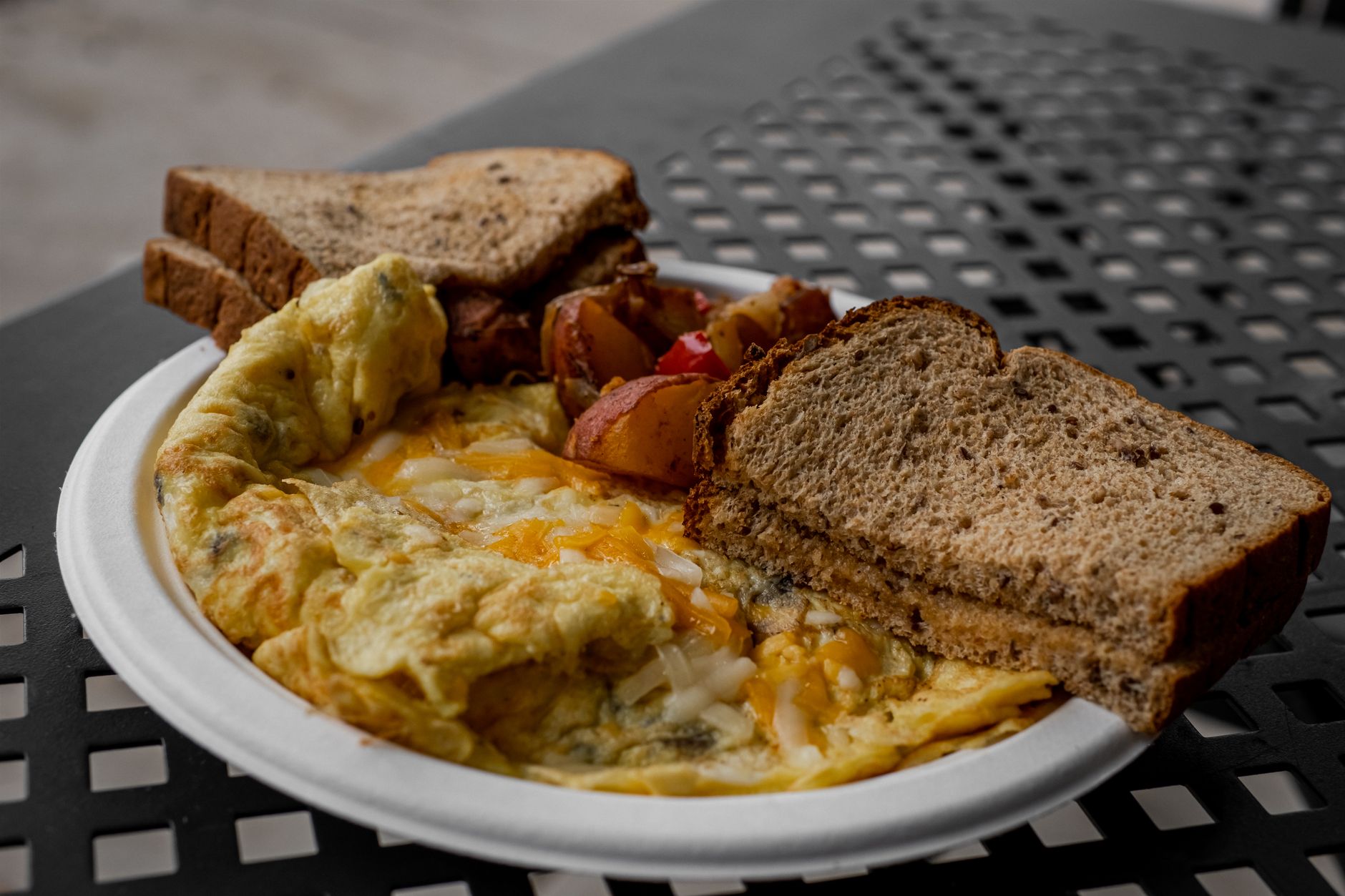
Even the best intentions can go off track. Here are the most common heart-healthy breakfast mistakes—and how to fix them:
-
Mistake: Relying on processed cereals
Many "low-fat" cereals are loaded with sugar and refined carbs. Instead, opt for **100% whole-grain cereals** (like oatmeal or muesli) or make your own granola with oats, nuts, and honey.
-
Mistake: Skipping protein
Without protein, you’ll crash and crave snacks later. Add **Greek yogurt, eggs, or nuts** to every meal.
-
Mistake: Overdoing it on sugar
Fruit juice, flavored yogurts, and granola bars can pack 20+ grams of sugar. Stick to **whole fruits** and unsweetened options.
-
Mistake: Ignoring portion sizes
A cup of oats is great, but two cups with extra honey and nuts can add unnecessary calories. Use measuring cups or a food scale to stay on track.
-
Mistake: Not prepping ahead
If you’re always rushing, you’re more likely to grab a pastry. **Prep overnight oats, hard-boiled eggs, or smoothie packs** the night before.
Let’s clear up some common myths about heart-healthy breakfasts:
Myth: Eggs are bad for your heart because they’re high in cholesterol.
Fact: While eggs do contain cholesterol, the saturated fat in your diet has a bigger impact on your LDL levels. Opt for **egg whites or poached eggs** to keep saturated fat low, and pair them with healthy fats like avocado or nuts.
Myth: You need to eat breakfast every day to protect your heart.
Fact: If you’re not hungry, it’s okay to skip breakfast—especially if you’re going to eat a healthy lunch. However, if you do eat, make it **nutrient-dense** to avoid blood sugar spikes.
Myth: All fats are bad for your heart.
Fact: Saturated and trans fats are the villains, but **monounsaturated and polyunsaturated fats** (found in avocados, nuts, and olive oil) are heart-protective. Aim for **20–35% of your daily calories from healthy fats**.
--- ## **Key Takeaways: Your Heart-Healthy Breakfast Checklist**Here’s what to remember for a heart-smart morning:
- **Prioritize fiber:** Aim for at least 5 grams per meal from whole grains, fruits, or vegetables.
- **Choose healthy fats:** Include nuts, seeds, avocado, or olive oil in every meal.
- **Watch your sodium:** Avoid processed meats, flavored yogurts, and salty snacks.
- **Balance your plate:** Include protein, fiber, and healthy fats to stay full and energized.
- **Prep ahead:** Spend 10 minutes on Sunday prepping ingredients for quick breakfasts during the week.
- **Listen to your body:** If you’re not hungry, it’s okay to skip breakfast—just make sure your lunch is balanced.
What are the best breakfast foods for heart health?
The best breakfast foods for heart health are those high in fiber, lean protein, and healthy fats. Think **oatmeal with berries and nuts, Greek yogurt with flaxseeds, avocado toast on whole-grain bread, or a smoothie with spinach, banana, and Greek yogurt**. These options help lower cholesterol, stabilize blood sugar, and keep you full longer.
How can I reduce sodium in my breakfast?
Start by reading labels and avoiding processed foods like breakfast meats, flavored yogurts, and store-bought granola. Instead, use **herbs, spices, lemon juice, or fresh herbs** to add flavor. Opt for **plain Greek yogurt, homemade oatmeal, and fresh fruit** to keep sodium low.
What is a heart-healthy breakfast smoothie?
A heart-healthy smoothie should include **leafy greens (spinach or kale), a source of fiber (flaxseeds or chia seeds), protein (Greek yogurt or silken tofu), and healthy fats (avocado or nuts)**. Try this recipe: blend 1 cup spinach, ½ banana, 1 tbsp flaxseeds, ½ cup Greek yogurt, and ½ cup unsweetened almond milk.
Do whole grains help heart health?
Yes! Whole grains like oats, quinoa, and farro are rich in **fiber, magnesium, and B vitamins**, all of which support heart health. They help lower LDL cholesterol, stabilize blood sugar, and reduce inflammation. Aim for **at least 3 servings of whole grains per day** for maximum benefits.
Can a vegetarian breakfast be heart-healthy?
Absolutely. A vegetarian breakfast can be heart-healthy if it includes **plant-based proteins (beans, lentils, tofu), whole grains, nuts, seeds, and plenty of fruits and vegetables**. For example, a **black bean and avocado wrap** or **tofu scramble with spinach and whole-grain toast** are both excellent choices.
How many calories should a heart-healthy breakfast have?
The ideal calorie count for breakfast depends on your activity level and goals, but most women do well with **300–500 calories** for a balanced meal. Focus on **nutrient density** rather than calorie count—prioritize protein, fiber, and healthy fats to keep you satisfied.
--- ## **When to See a Doctor or Specialist**While diet is a powerful tool for heart health, some symptoms or conditions require medical attention. **See your doctor if you experience:**
- Chest pain, pressure, or discomfort (especially if it spreads to your arm, jaw, or back).
- Shortness of breath with little exertion.
- Irregular heartbeat or palpitations.
- Persistent high blood pressure (consistently above 140/90 mmHg).
- Family history of early heart disease (heart attack or stroke before age 55).
- High cholesterol (LDL above 190 mg/dL or HDL below 50 mg/dL for women).
If you have concerns about your heart health, your primary care doctor or a **cardiologist** can help you create a personalized plan. For dietary guidance, a **registered dietitian** specializing in heart health can provide tailored advice.
--- ## **References**- The American Heart Association. (2023). *Diet and Lifestyle Recommendations for Heart Health*. www.heart.org
- Journal of the American Heart Association. (2022). *High-Fiber Diets and Cardiovascular Risk*. www.ahajournals.org
- National Institutes of Health. (2023). *DASH Diet for Lowering Blood Pressure*. www.nhlbi.nih.gov
- Harvard T.H. Chan School of Public Health. (2023). *The Role of Fiber in Heart Health*. www.hsph.harvard.edu
- Mayo Clinic. (2023). *Heart-Healthy Diet: 8 Steps to Prevent Heart Disease*. www.mayoclinic.org


