Your cancer-prevention grocery list should be dominated by these nutrient powerhouses. We've organized them by food group with their key protective compounds and how to maximize their benefits:
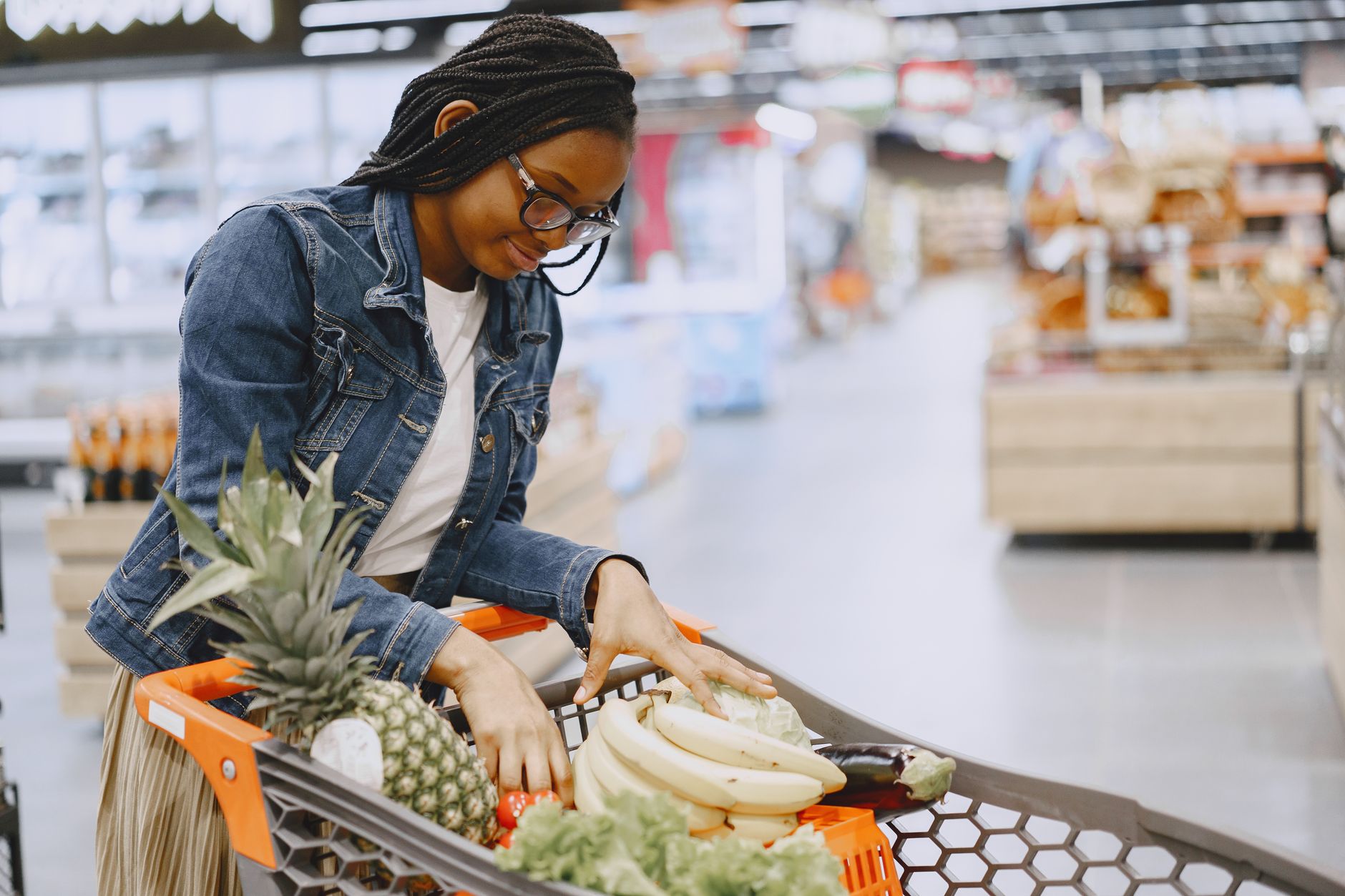
Pro tip: Pair these foods with Blue Zones-inspired staples like turmeric, ginger, and fermented foods to amplify their protective effects. Many women tell us they start by adding just one new item to their cart each week — like swapping white rice for quinoa or adding a handful of walnuts to their morning oatmeal.
Now that you know what to buy, how do you actually turn these foods into meals? Here's a simple framework:
- Build your plate with vegetables — Aim for half your plate to be colorful non-starchy veggies. Try roasting Brussels sprouts with garlic, blending kale into smoothies, or adding spinach to scrambled eggs.
- Add protective proteins — Choose fatty fish 2-3x/week, legumes 2-3x/week, and nuts/seeds daily. For example, swap chicken for lentils in your favorite curry recipe, or add walnuts to salads.
- Choose whole grains wisely — Opt for oats, quinoa, or brown rice instead of white bread/pasta. Try overnight oats with berries, or quinoa bowls with roasted veggies.
- Include healthy fats — Drizzle olive oil on veggies, add avocado to sandwiches, or use nuts as a crunchy topping.
- Make snacks protective — Keep cut veggies with hummus, berries with nuts, or Greek yogurt with flaxseeds ready.
For a sample 7-day meal plan using this list, see our Blue Zones diet guide which follows similar principles. Many women find it helpful to prep vegetables in advance — chop a rainbow of peppers, wash greens, and portion nuts — so healthy meals are always within reach.
Are there specific organic vs non-organic foods that help prevent cancer?
This is where the organic debate gets nuanced. While organic foods generally have lower pesticide residues, the cancer-prevention benefits come more from the food's natural compounds than from organic certification. However, there are smart ways to prioritize:
Myth: You must buy everything organic to prevent cancer.
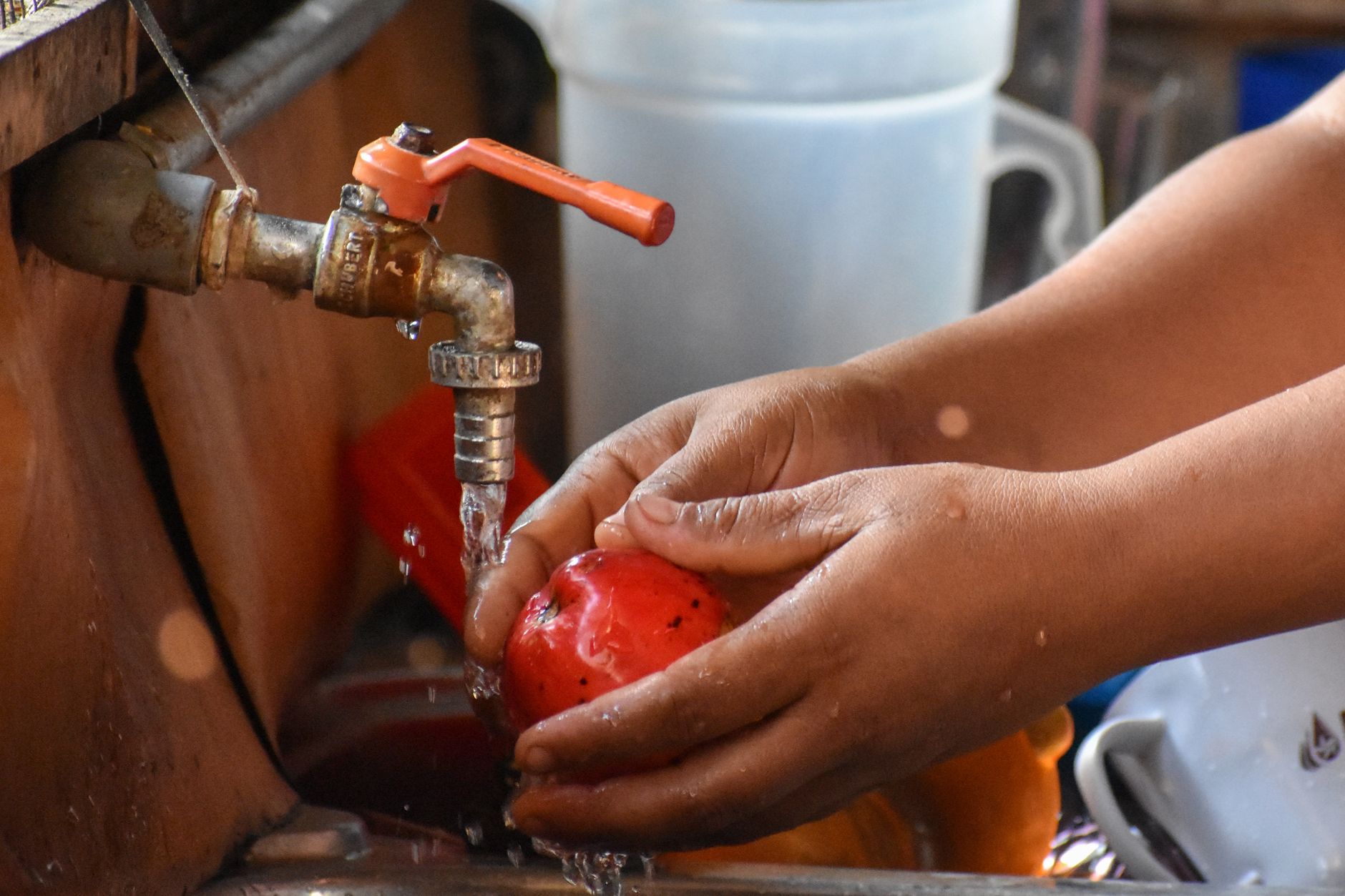
Fact: Focus on the "dirty dozen" for organic — strawberries, spinach, kale, nectarines, apples, grapes, peaches, cherries, pears, tomatoes, celery, and potatoes. For other produce, conventional is fine as long as you wash thoroughly.
The Environmental Working Group's Shopper's Guide updates this list annually. For example, one reader shared how she switched to organic kale after learning it often tests high for pesticides — then noticed her smoothies tasted fresher and her energy levels improved.
Budget tip: Buy conventional versions of the "clean 15" (avocados, pineapple, onions, cabbage) and organic only for the most contaminated foods. Frozen organic berries are often the best value for antioxidants.
While food should be your first source of nutrients, some supplements can help fill gaps. The most evidence-backed options are:
Pro tip: Always consult your healthcare provider before starting supplements, especially if you're pregnant, have a chronic condition, or take medications. For example, one reader discovered her vitamin D was too high after combining supplements with fortified foods — her provider helped her adjust the dose.
How to shop for cancer-preventing foods on a budget in 2026?
Budget-friendly cancer prevention is absolutely possible. Here's how to maximize your dollar:
- Buy frozen or canned when fresh isn't available — Frozen berries and canned tomatoes (no salt added) retain nutrients and are often cheaper.
- Choose seasonal produce — Apples, cabbage, and carrots are typically cheaper in fall/winter; summer brings peaches, tomatoes, and zucchini.
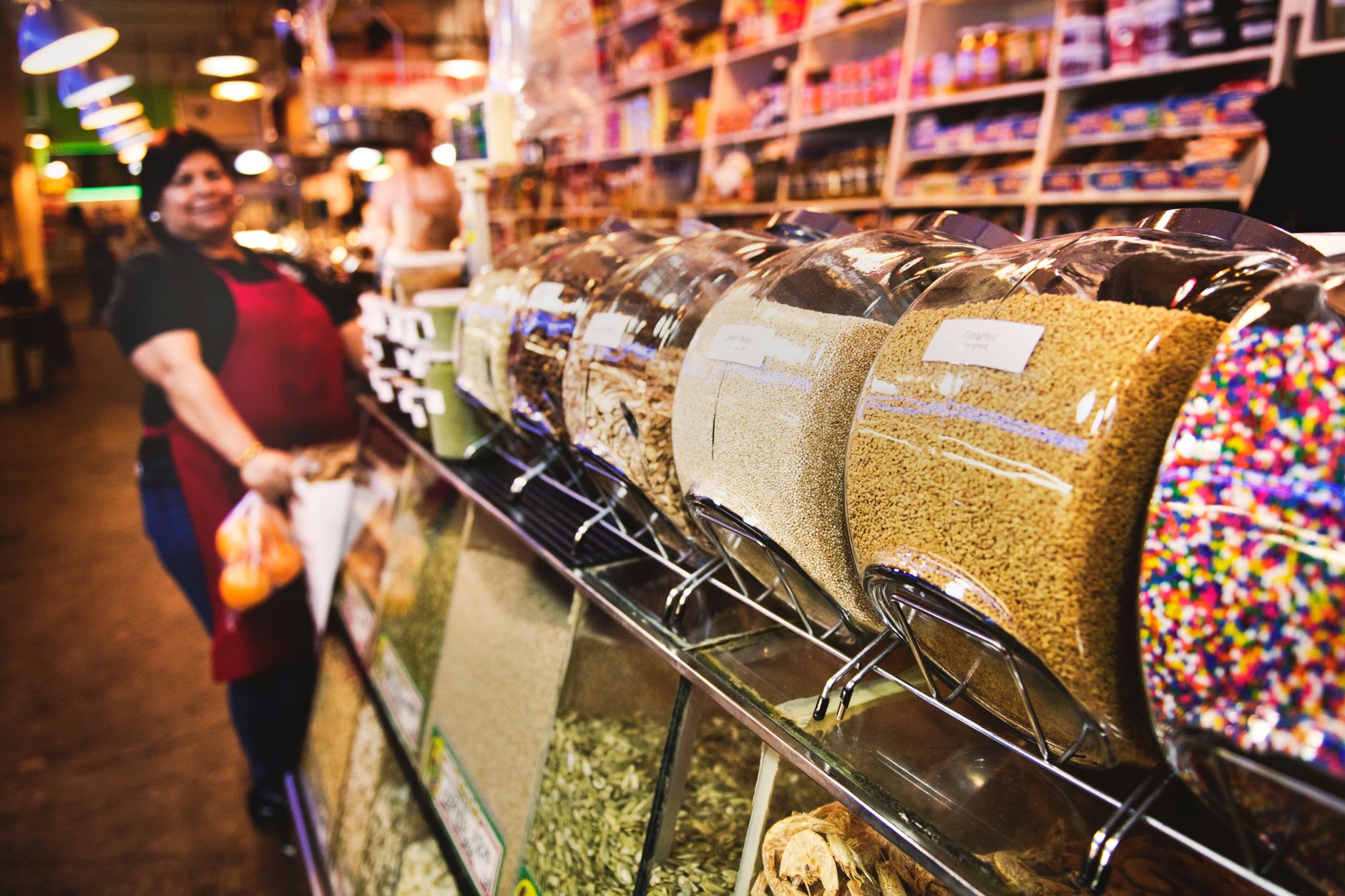
- Buy in bulk and freeze — Purchase dried lentils, chickpeas, and quinoa in bulk; freeze herbs and nuts to maintain freshness.
| Shop store brands | — Generic olive oil, canned beans, and frozen veggies often match name brands.- Cook at home — Pre-cut veggies and pre-made meals cost significantly more than whole ingredients.
- Use leftovers creatively — Roast a big batch of Brussels sprouts and use them in salads, soups, and stir-fries.
For a budget-friendly grocery list, focus on these affordable staples:
- Oats (cheapest fiber source)
- Canned beans (lentils, chickpeas, black beans)
- Frozen mixed vegetables
- Bananas and apples (cheap fruit options)
- Brown rice or quinoa (buy in bulk)
- Eggs (excellent protein source)
- Frozen berries (nutrient-dense and affordable)
- Carrots and onions (versatile and cheap)
Many women we've spoken with start with the "5-a-day" rule — aiming for five servings of vegetables and fruits daily — then gradually add more protective foods like cruciferous veggies and berries. One reader shared how she saved $50/month by buying store-brand canned tomatoes and making her own marinara sauce.
What are the worst foods to avoid when following a cancer prevention diet?
While we focus on what to add, it's equally important to minimize these cancer-promoting foods:
Even small swaps make a difference. One reader mentioned how she eliminated soda by gradually reducing the sweetness — first adding half water to her soda, then switching to sparkling water with a splash of juice. Over time, her cravings disappeared.
How to read nutrition labels to identify cancer-preventing ingredients?
When you're scanning labels, look for these protective features:
- High fiber content — Aim for at least 3g fiber per serving. Whole grains, beans, and vegetables should be first ingredients.
- Low sugar content — Less than 5g per serving for most foods; less than 1g for savory items.
- Healthy fats — Look for monounsaturated and polyunsaturated fats (olive oil, nuts, avocados) listed first in the ingredients.
- No added sugars — Avoid ingredients like high-fructose corn syrup, dextrose, maltose.
- Minimal additives — Look for foods with 5 or fewer ingredients; avoid artificial colors, flavors, and preservatives.
- Protective ingredients — Watch for whole foods like turmeric, garlic, ginger, or cruciferous vegetables listed early in the ingredients.
For example, when choosing canned beans, pick varieties with "no salt added" and check for added sugars in sauces or dressings. One reader shared how she learned to read labels by starting with her favorite processed foods — like yogurt — and finding lower-sugar versions.
Pro tip: The ADHD diet guide has similar label-reading strategies that work for cancer prevention too, since both diets prioritize whole foods and minimize additives.
What are the best seasonal produce options for a cancer-preventing grocery list?
Seasonal produce is fresher, cheaper, and often more nutrient-dense. Here's what to prioritize each season:
Many women find that seasonal eating reduces food waste and makes meal planning easier. For example, one reader shared how she created a "fall cancer-prevention bowl" using seasonal ingredients — roasted Brussels sprouts, sweet potatoes, apples, and walnuts — that became a family favorite.
Meal prepping makes cancer-prevention eating sustainable. Here's a simple approach:
- Wash and chop vegetables — Cut carrots, bell peppers, and broccoli into serving-sized portions and store in airtight containers.
- Cook grains in bulk — Make a big batch of quinoa or brown rice; it freezes well for up to 3 months.
- Roast vegetables — Toss Brussels sprouts, sweet potatoes, and cauliflower with olive oil and roast at 400°F for 25-30 minutes.
- Prepare protein — Cook a big batch of lentils or chickpeas; bake chicken or fish in advance.
- Make healthy snacks — Portion nuts, cut fruit, and prepare hummus or guacamole for quick grab-and-go options.
- Freeze extras — Soups, stews, and cooked grains freeze well for up to 3 months.
For a sample meal prep plan:
- Sunday: Wash/chop veggies, cook grains, roast vegetables
- Monday: Prepare protein (lentils, chicken, or fish)
- Tuesday: Make soups or stews with prepped ingredients
- Wednesday: Portion snacks and prepare dressings
Many women find that dedicating just 2 hours on Sunday makes the rest of the week much easier. One reader mentioned how she started with just prepping vegetables and soon expanded to include proteins and grains — making healthy eating feel effortless.
Are there specific brands of nuts and seeds that help prevent cancer?
While all nuts and seeds offer protective benefits, some varieties stand out for their nutrient density:
When choosing brands, look for organic options when possible, especially for walnuts and almonds which are often on the "dirty dozen" list. Many women we've spoken with find that buying in bulk from stores like Costco or bulk bins saves money while maintaining quality.
How to incorporate fermented foods into a cancer-preventing diet with a grocery list?
Fermented foods support gut health, which is increasingly linked to cancer prevention. Here are the best options:
- Sauerkraut — Look for unpasteurized versions with live cultures
- Kimchi — Choose low-sodium versions for heart health
- Kefir — A fermented milk drink rich in probiotics
- Miso — Use in soups or marinades (fermented soybean paste)
- Kombucha — Choose low-sugar varieties with live cultures
- Yogurt — Look for unsweetened, live-culture options
Pro tip: Start with just 1-2 tablespoons daily and gradually increase. One reader mentioned how she began with a small bowl of sauerkraut daily, then expanded to include yogurt and miso soup — noticing improved digestion and more energy.
For a fermented foods meal plan:
- Add sauerkraut to sandwiches or salads
- Use kimchi as a condiment for grilled fish or chicken
- Stir miso paste into soups or dressings
- Sip kefir or kombucha as a probiotic drink
- Top yogurt with nuts and berries for a probiotic snack
Plant-based proteins are excellent for cancer prevention, offering fiber, antioxidants, and phytonutrients. Here are the best options:
- Lentils — High in fiber and folate; great in soups and stews
- Chickpeas — Rich in protein and antioxidants; perfect for hummus or roasted snacks
- Black beans — High in fiber; excellent in tacos or salads
- Tofu and tempeh — Fermented soy products with cancer-protective compounds
- Quinoa — Complete protein with all essential amino acids
- Nuts and seeds — Walnuts, almonds, chia, and flaxseeds offer healthy fats and protein
For a vegan cancer-prevention grocery list, focus on these staples:
- Dried beans and lentils (buy in bulk)
- Canned chickpeas and black beans (no salt added)
- Tofu and tempeh
- Quinoa and brown rice
- Nuts and seeds (walnuts, almonds, chia)
- Whole grain bread and pasta
- Leafy greens and cruciferous vegetables
Many women find that transitioning to plant-based proteins is easier with meal templates. For example, one reader shared how she created a "lentil-lover's week" — using lentils in soups, salads, and even as a meat substitute in curries.
How to shop for cancer-preventing foods at Costco or bulk stores in 2026?
Bulk stores can be fantastic for cancer-prevention shopping — but require some strategy to avoid waste and spoilage:
- Buy only what you'll use — Many bulk foods spoil quickly, so portion carefully. For example, buy 1-2 pounds of nuts rather than a 5-pound bag.
- Choose high-quality brands — Look for organic or non-GMO options when available. For example, choose organic quinoa or non-GMO soy products.
- Store properly — Use airtight containers for nuts, seeds, and grains to maintain freshness. Freeze herbs and nuts to extend shelf life.
- Check for discounts — Many bulk stores offer discounts for larger quantities, but only buy what you'll actually eat.
- Focus on staples — Stock up on oats, quinoa, lentils, and frozen berries which have long shelf lives.
- Compare prices — Bulk prices aren't always cheaper; calculate cost per ounce to find the best value.
For a Costco cancer-prevention shopping list, prioritize these items:
- Organic oats (for breakfast and baking)
- Brown rice or quinoa (whole grains)
- Dried lentils and chickpeas (plant-based proteins)
- Frozen mixed berries (antioxidant-rich)
- Extra virgin olive oil (healthy fats)
- Walnuts and almonds (healthy fats and protein)
- Spinach and kale (leafy greens)
- Garlic and onions (cancer-protective compounds)
Many women find that bulk stores help them save money on staples while still maintaining a protective diet. One reader mentioned how she bought a 10-pound bag of oats at Costco and used it for overnight oats, baking, and even homemade granola — stretching her budget while eating more fiber.
How to use a cancer prevention grocery list to support overall maternal and fetal health during pregnancy?
Pregnancy is a critical time to focus on cancer-prevention foods, as maternal diet can influence fetal development and long-term health. Here's how to adapt your list:
- Prioritize folate-rich foods — Spinach, lentils, and fortified grains help prevent neural tube defects.
- Increase omega-3s — Fatty fish (salmon), flaxseeds, and walnuts support brain development.
- Choose iron-rich foods — Lean meats, lentils, and spinach help prevent anemia.
- Stay hydrated — Water, herbal teas, and water-rich fruits like cucumbers and watermelon support amniotic fluid production.
- Avoid high-mercury fish — Stick to salmon, sardines, and trout; limit tuna.
- Increase calcium and vitamin D — Fortified plant milks, leafy greens, and fatty fish support bone health.
For a pregnancy cancer-prevention grocery list, add these items:
- Prenatal vitamins (with folic acid and DHA)
- Leafy greens (spinach, kale)
- Lentils and chickpeas
- Fatty fish (salmon, sardines)
- Fortified plant milks
- Whole grains (oats, quinoa)
- Berries (blueberries, strawberries)
- Sweet potatoes (beta-carotene)
Many expecting mothers find that focusing on cancer-prevention foods during pregnancy makes them feel more energetic and helps prevent gestational diabetes. One reader shared how she started eating more berries and leafy greens — noticing improved energy and fewer cravings for sugary snacks.
Always consult your healthcare provider before making significant dietary changes during pregnancy, especially if you have specific health concerns or dietary restrictions.
Myth vs. Fact: Cancer Prevention Diet
Myth: You need to eat organic food to prevent cancer.
Fact: While organic foods reduce pesticide exposure, the cancer-prevention benefits come primarily from eating whole, nutrient-dense foods. Washing conventional produce thoroughly and focusing on the "dirty dozen" for organic choices is often sufficient.
Myth: A cancer-prevention diet requires expensive specialty foods.
Fact: Many protective foods are affordable staples like beans, lentils, oats, and frozen vegetables. Seasonal produce and bulk buying can make healthy eating budget-friendly.
Myth: You need to eliminate all animal products to prevent cancer.
Fact: While plant-based diets show protective benefits




