ot all breakfasts are created equal when it comes to cancer prevention. The key lies in five nutrients that science has linked to lower cancer risk when consumed regularly. Here’s what to prioritize—and where to find them:
Pro tip: Pair these nutrients with healthy fats (like avocado or nuts) to boost absorption. For example, adding walnuts to your oatmeal not only boosts omega-3s but also makes the meal more satisfying—helping you avoid the mid-morning sugar crash that can lead to poorer food choices later.
If you’re new to this, start small. Swap your white toast for whole-grain, or add a handful of spinach to your smoothie. “I didn’t think I liked greens,” says Priya, a 42-year-old entrepreneur. “But blending kale into my morning smoothie with banana and almond butter? Game-changer.”
---
Best cancer-fighting foods to eat for breakfast every day
You don’t need a gourmet kitchen to pack in cancer-preventing power. Here are the top foods to make regular breakfast staples:
- Berries: Blueberries, strawberries, and raspberries are loaded with anthocyanins, antioxidants that may protect against breast and prostate cancer. Even the Acne Clear Skin Diet highlights berries for their anti-inflammatory benefits—so they’re a win for multiple health goals.
- Cruciferous vegetables: Broccoli, Brussels sprouts, and cabbage contain sulforaphane, a compound that may help detoxify carcinogens. Try roasting Brussels sprouts and topping them with a fried egg for a protein-packed start.
- Whole grains: Oats, quinoa, and brown rice provide fiber and magnesium, which may reduce inflammation. A bowl of overnight oats with chia seeds and almond butter is a simple, no-cook option.
- Healthy fats: Avocado, nuts, and seeds (like flaxseeds and walnuts) support cell repair and reduce inflammation. Sprinkle hemp seeds on your yogurt or blend avocado into a smoothie.
- Fermented foods: Sauerkraut, kimchi, and kefir support gut health, which is increasingly linked to cancer prevention. Add a spoonful of kefir to your smoothie or enjoy sauerkraut on whole-grain toast.
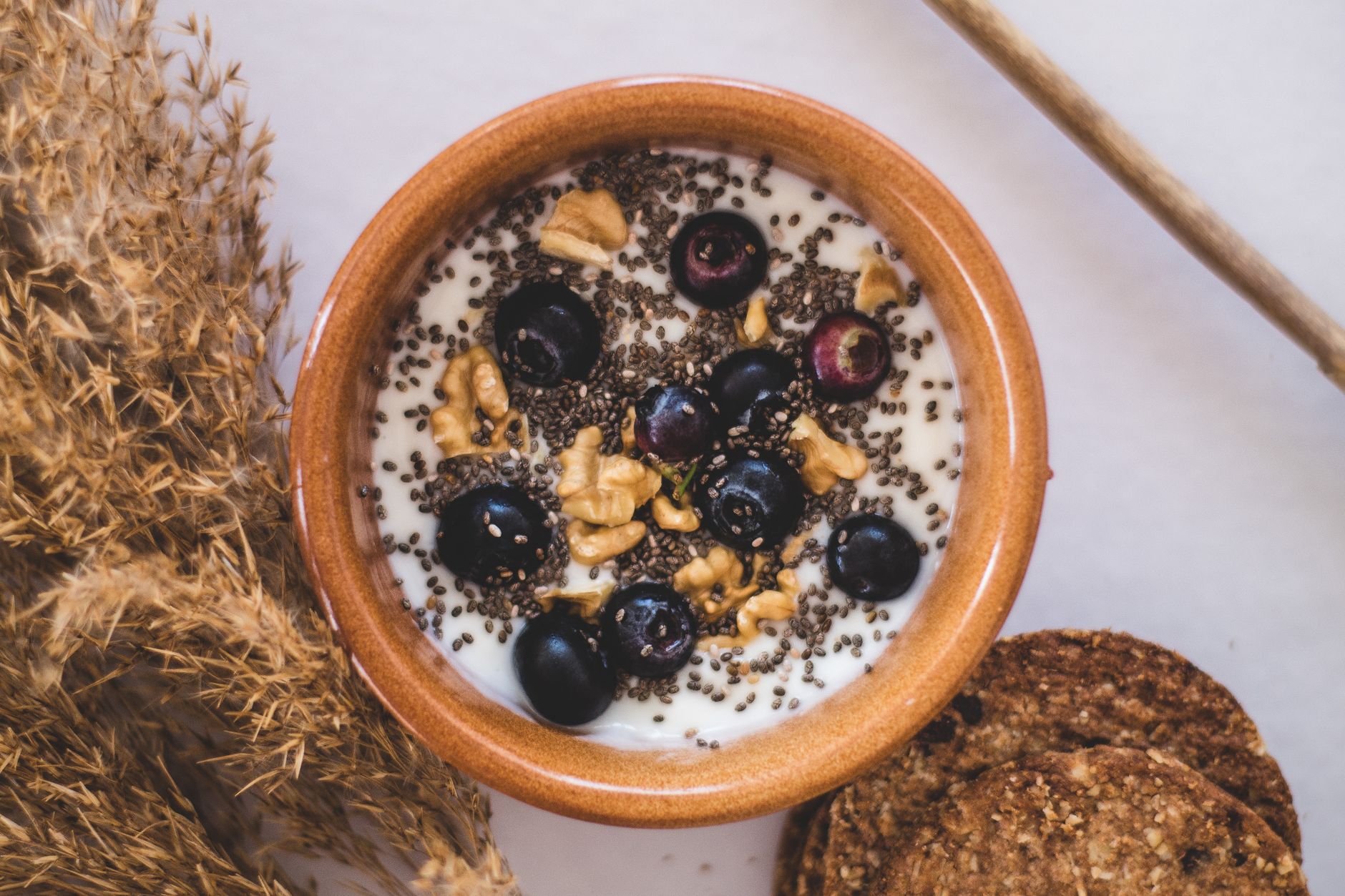
Many readers tell us they struggle with variety. “I get bored easily,” admits Lisa, a 34-year-old teacher. “But I’ve found that rotating between berries, spinach, and different seeds keeps it interesting.” Try this rotation:
- Monday: Blueberries + spinach + flaxseeds
- Tuesday: Raspberries + kale + chia seeds
- Wednesday: Blackberries + arugula + walnuts
---
How to meal prep cancer-prevention breakfasts for the week
Weekends are the perfect time to prep breakfasts that fight cancer all week long. Here’s how to do it without spending hours in the kitchen:
Step 1: Plan your week
Pick 3–4 recipes to rotate. For example:
- Overnight oats with berries and nuts
- Chia pudding with spinach and hemp seeds
- Veggie-packed omelets (cook a batch of egg muffins)
- Smoothie packs (pre-portioned greens, berries, and seeds)
Step 2: Grocery shop smart
Buy in bulk when possible, and focus on frozen or fresh produce that’s in season. Frozen berries, for example, retain their antioxidants and last longer than fresh. Stock up on:
- Whole grains (oats, quinoa, brown rice)
- Cruciferous veggies (broccoli, Brussels sprouts, cabbage)
- Berries (fresh or frozen)
- Nuts and seeds (chia, flax, hemp, walnuts)
- Fermented foods (kefir, sauerkraut, kimchi)
Step 3: Prep ingredients
Wash and chop veggies, portion out nuts and seeds, and pre-cook grains (like quinoa or oats). Store in airtight containers in the fridge for up to 5 days or freeze for longer storage.
Step 4: Assemble on Sunday
Combine prepped ingredients into containers or bags. For example:
- Overnight oats: Combine oats, chia seeds, almond milk, and a handful of berries in a jar.
- Smoothie packs: Freeze berries, spinach, and flaxseeds in ziplock bags.
- Egg muffins: Whisk eggs with diced veggies, pour into a muffin tin, and bake.
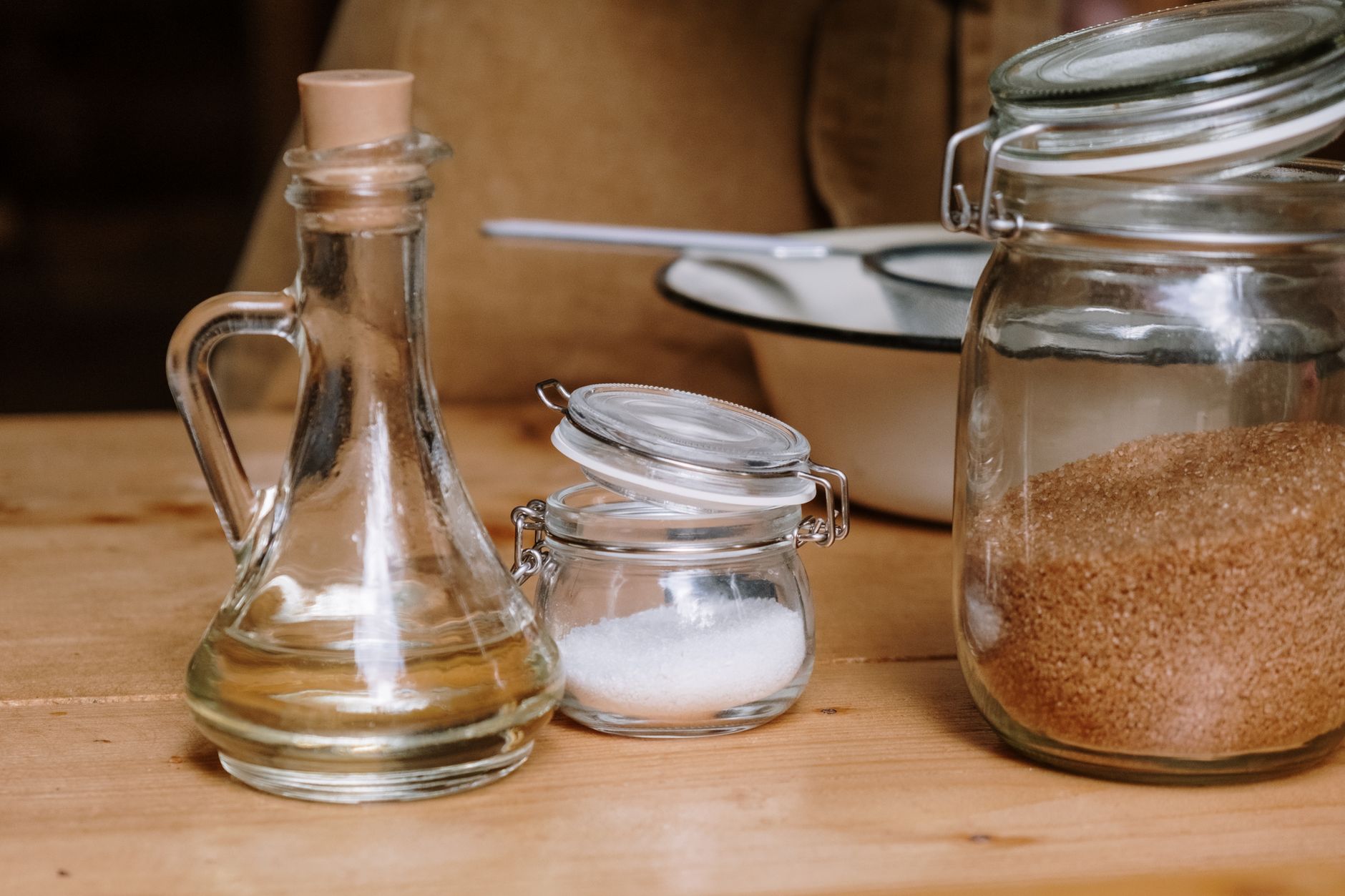
Pro tip: Use clear containers so you can see what’s inside. “I hate guessing what’s in my fridge,” says Emma, a 36-year-old nurse. “Labeling everything saves me time and stress.”
---
Superfood breakfast combos proven to reduce cancer risk
Some food pairings are especially powerful when it comes to cancer prevention. These combos leverage the synergy of nutrients to maximize benefits:
- Berries + Nuts: The antioxidants in berries work with the healthy fats in nuts to reduce inflammation. Try a handful of almonds with a bowl of strawberries.
- Cruciferous Veggies + Healthy Fats: Roasted Brussels sprouts with avocado or a spinach salad with walnuts boost the absorption of cancer-fighting compounds.
- Whole Grains + Seeds: Oats with chia seeds provide fiber and omega-3s, which work together to support gut health. Add cinnamon for extra anti-inflammatory benefits.
- Fermented Foods + Greens: Kefir with spinach or sauerkraut on whole-grain toast supports gut bacteria, which is linked to lower cancer risk.
- Fatty Fish + Berries: If you include fish in your diet, pair it with berries for a breakfast that’s rich in omega-3s and antioxidants. Try smoked salmon with a berry compote.
One reader, Maria, was skeptical about smoothies until she tried this combo: “I blend frozen blueberries, spinach, flaxseeds, and almond milk. It tastes like dessert, but it’s packed with nutrients that actually fight cancer. Now I look forward to my morning smoothie!”
---
Vegan and vegetarian cancer-prevention breakfast ideas
Plant-based diets are naturally rich in cancer-preventing nutrients like fiber, antioxidants, and phytochemicals. Here are some delicious, research-backed ideas:
- Tofu Scramble: Sauté tofu with turmeric, spinach, and mushrooms. Top with avocado for healthy fats.
- Chia Pudding: Mix chia seeds with coconut milk, vanilla, and a touch of maple syrup. Top with berries and walnuts.
- Lentil Soup: Start your day with a warm bowl of lentil soup with kale and carrots. Add a side of whole-grain toast.
- Avocado Toast: Mash avocado on whole-grain toast and top with cherry tomatoes, microgreens, and a sprinkle of hemp seeds.
- Smoothie Bowl: Blend frozen mango, spinach, and flaxseeds. Top with granola, coconut flakes, and kiwi.
For those following a Autoimmune Protocol (AIP) diet, focus on bone broth (if tolerated), coconut milk, and nutrient-dense veggies like zucchini and sweet potatoes. For example, a zucchini and coconut milk “frittata” with turmeric and black pepper is a great option.
If you’re transitioning to plant-based, start by swapping one meal a day. “I replaced my eggs with tofu scramble first,” says Priya. “It was easier than I thought, and now I feel like I have more energy.”
---
Breakfast foods to avoid if you're trying to prevent cancer
Not all breakfast foods are equal when it comes to cancer risk. Some common choices are linked to higher inflammation, oxidative stress, or exposure to carcinogens. Here’s what to limit or avoid:
- Processed Sugars: High-fructose corn syrup, white sugar, and artificial sweeteners can spike blood sugar and promote inflammation. Skip sugary cereals, flavored yogurts, and pastries.
- Refined Carbohydrates: White bread, white rice, and pastries are stripped of fiber and nutrients, which may increase cancer risk. Opt for whole grains instead.
- Trans Fats: Found in margarine, fried foods, and many packaged baked goods, trans fats increase inflammation and are linked to higher cancer risk. Check labels for “partially hydrogenated oils.”
- Processed Meats: Sausages, bacon, and deli meats contain nitrates and preservatives that may increase cancer risk. Choose fresh, unprocessed meats like turkey or chicken.
- Artificial Additives: Dyes, flavors, and preservatives in many packaged foods may contribute to inflammation. Stick to whole, unprocessed ingredients.
- Conventional Dairy: Some studies link conventional dairy to higher estrogen levels, which may increase breast cancer risk. Opt for organic or plant-based alternatives like almond milk or coconut yogurt.
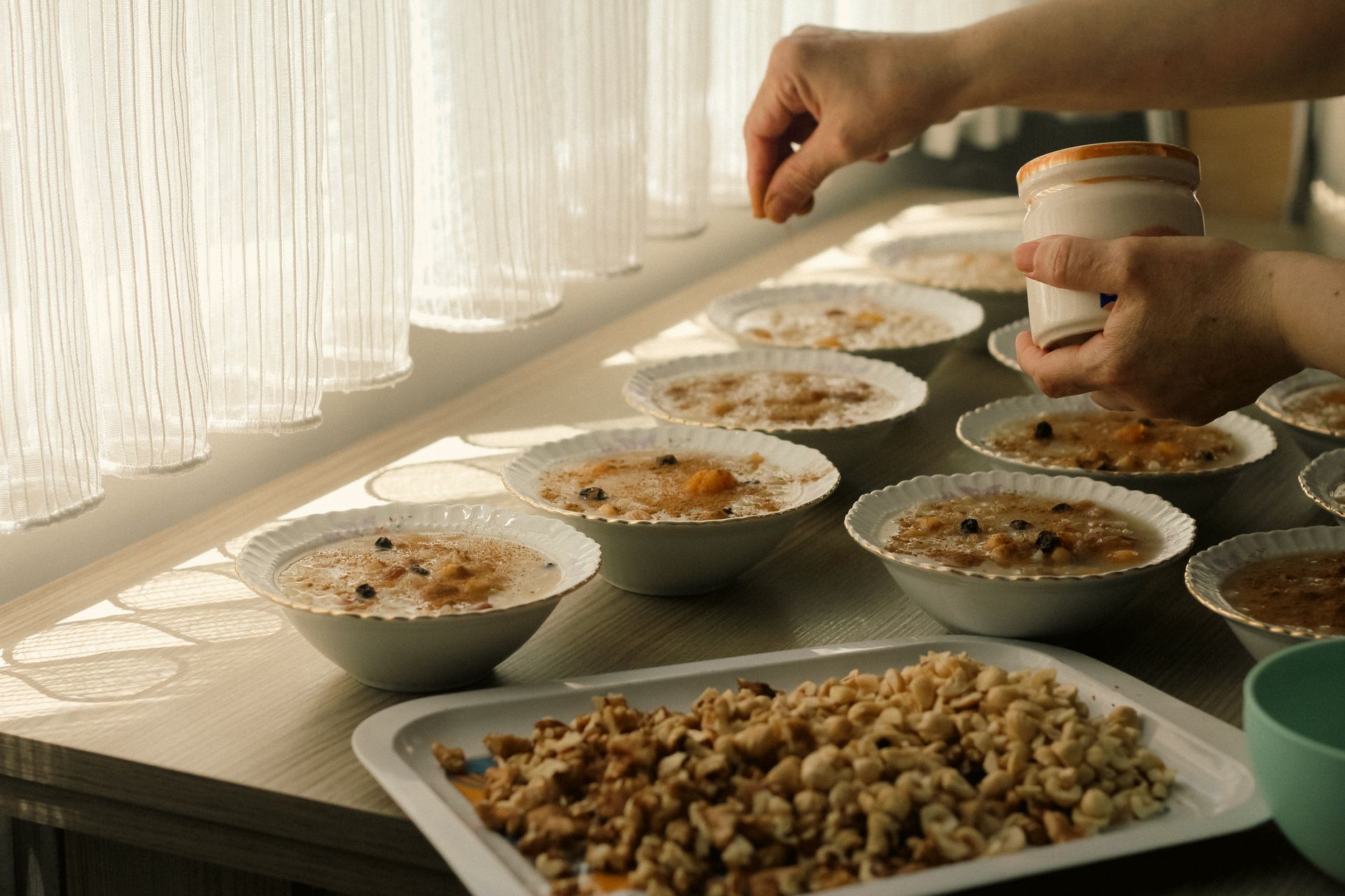
If you’re craving something sweet, try natural alternatives like mashed banana or a drizzle of honey. “I used to think I needed cereal with marshmallows,” says Sarah. “Now I make overnight oats with cinnamon and a little maple syrup—it’s just as satisfying, but way healthier.”
---
Cancer-prevention breakfast recipes with anti-inflammatory ingredients
Here are three easy, science-backed recipes to get you started:
1. Berry Chia Pudding
Ingredients: 3 tbsp chia seeds, 1 cup coconut milk, 1 tsp vanilla, ½ cup mixed berries, 1 tbsp walnuts, 1 tsp honey (optional)
Instructions: Mix chia seeds, coconut milk, and vanilla in a jar. Refrigerate overnight. Top with berries, walnuts, and honey before serving.
2. Spinach and Feta Omelet
Ingredients: 2 eggs, ½ cup spinach, 2 tbsp feta cheese, 1 tbsp olive oil, 1 tbsp walnuts
Instructions: Sauté spinach in olive oil. Whisk eggs, pour into a pan, and add spinach and feta. Cook until set. Top with walnuts.
3. Overnight Oats with Walnuts and Berries
Ingredients: ½ cup oats, ½ cup almond milk, 1 tbsp chia seeds, ½ cup mixed berries, 1 tbsp walnuts, 1 tsp cinnamon
Instructions: Combine oats, almond milk, chia seeds, and cinnamon in a jar. Refrigerate overnight. Top with berries and walnuts before serving.
For more meal ideas, check out our Atkins Diet Breakfast Guide for low-carb options or our Autism Diet Breakfast Ideas for nutrient-dense, anti-inflammatory meals.
---
How to balance a cancer-prevention diet with breakfast on a budget
Eating for cancer prevention doesn’t have to break the bank. Here are some budget-friendly tips:
- Buy in bulk: Oats, chia seeds, and nuts are cheaper when bought in larger quantities. Store them in airtight containers.
- Use frozen berries: They’re often cheaper than fresh and retain their antioxidants.
- Cook grains in batches: Quinoa, brown rice, and oats can be prepped for the week and stored in the fridge.
- Choose seasonal produce: Seasonal fruits and veggies are usually cheaper and more flavorful.
- Opt for store brands: Many store-brand canned beans, lentils, and broths are just as nutritious as name brands.
- Repurpose leftovers: Use veggie scraps to make broth for smoothies or soups.
For example, a budget-friendly breakfast could be:
- Oats (cheap and filling)
- Frozen berries (affordable and nutrient-dense)
- Peanut butter (a budget-friendly source of healthy fats)
- Cinnamon (anti-inflammatory and inexpensive)
“I used to think healthy eating was expensive,” says Priya. “But now I save money by buying in bulk and focusing on whole foods. It’s all about planning and being creative.”
---
Cancer-prevention breakfast ideas for busy moms and new parents
Moms and new parents often juggle sleep deprivation, errands, and feeding a family—making breakfast a challenge. Here are some quick, cancer-preventing ideas that fit into a hectic schedule:
- Smoothie packs: Pre-portion frozen berries, spinach, and flaxseeds in ziplock bags. Blend with milk or water in the morning.
- Overnight oats: Mix oats, chia seeds, and almond milk the night before. Add berries in the morning.
- Egg muffins: Whisk eggs with diced veggies and cheese. Pour into a muffin tin and bake. Store in the fridge for up to 5 days.
- Whole-grain toast with avocado: Toast whole-grain bread and top with mashed avocado, cherry tomatoes, and hemp seeds.
- Greek yogurt with nuts and seeds: Layer Greek yogurt with walnuts, chia seeds, and a drizzle of honey.
For new parents, multitasking is key. “I make smoothies while my son eats his breakfast,” says Lisa. “I blend everything the night before and just add milk in the morning.”
If you’re short on time, even a handful of nuts and a piece of fruit can count as a cancer-preventing breakfast. “It’s about consistency,” says Priya. “Even small choices add up over time.”
---
The top 10 breakfast foods that help prevent breast cancer
Breast cancer is one of the most common cancers in women, and diet plays a significant role in prevention. Here are the top 10 breakfast foods linked to lower breast cancer risk:
- Berries: Rich in anthocyanins, which may reduce estrogen levels and lower breast cancer risk.
- Cruciferous vegetables: Broccoli and Brussels sprouts contain sulforaphane, which may help detoxify carcinogens.
- Whole grains: Fiber in oats and quinoa may reduce estrogen levels, lowering breast cancer risk.
- Fatty fish: Salmon and sardines provide omega-3s, which may reduce inflammation and lower breast cancer risk.
- Nuts and seeds: Walnuts and flaxseeds contain lignans and omega-3s, which may protect against breast cancer.
- Green tea: Rich in EGCG, a compound that may inhibit tumor growth. Sip a cup in the morning.
- Turmeric: Contains curcumin, which has anti-inflammatory and antioxidant properties. Add to smoothies or oatmeal.
- Fermented foods: Sauerkraut and kefir support gut health, which is linked to lower breast cancer risk.
- Leafy greens: Spinach and kale are rich in folate, which may reduce breast cancer risk.
- Tomatoes: Contain lycopene, an antioxidant linked to lower breast cancer risk. Add to omelets or smoothies.
If you have a family history of breast cancer, consider adding these foods to your routine. “I started eating more berries and fatty fish after my aunt’s diagnosis,” says Sarah. “It’s not a cure, but it’s one more thing I can do for my health.”
---
How does a high-fiber breakfast reduce colon cancer risk?
Colon cancer is the third most common cancer in women, and diet—especially fiber intake—plays a critical role in prevention. Here’s how a high-fiber breakfast helps:
- Slows digestion: Fiber increases the time food spends in the colon, reducing exposure to potential carcinogens.
- Supports gut health: Fiber feeds beneficial gut bacteria, which produce short-chain fatty acids (SCFAs) that may reduce colon cancer risk.
- Reduces inflammation: Whole grains and legumes in high-fiber breakfasts may lower chronic inflammation, a risk factor for colon cancer.
- Lowers insulin levels: High-fiber foods help stabilize blood sugar, reducing insulin spikes linked to cancer growth.
Studies show that women who consume at least 25g of fiber daily have a lower risk of colon cancer. Aim for:
- ½ cup cooked lentils (8g fiber)
- 1 cup cooked oats (4g fiber)
- 1 medium apple with skin (4g fiber)
- 1 cup cooked quinoa (5g fiber)
For example, a breakfast of oatmeal with chia seeds, berries, and almonds provides about 12g of fiber—nearly half your daily goal.
---
Are there any breakfast smoothie recipes that lower ovarian cancer risk?
Ovarian cancer is often called the “silent killer” because symptoms are hard to detect early. While no food can prevent cancer, certain nutrients may reduce risk. Here are two smoothie recipes linked to lower ovarian cancer risk:
1. Green Detox Smoothie
Ingredients: 1 cup spinach, 1 banana, 1 tbsp flaxseeds, 1 cup almond milk, ½ cup frozen mango, 1 tsp turmeric
Why it helps: Spinach provides folate, which may reduce ovarian cancer risk. Flaxseeds contain lignans, which may have protective effects. Turmeric’s anti-inflammatory properties support overall health.
2. Berry Omega-3 Smoothie
Ingredients: ½ cup blueberries, ½ cup raspberries, 1 tbsp chia seeds, 1 cup coconut water, 1 tbsp walnuts
Why it helps: Berries are rich in antioxidants that may reduce oxidative stress. Chia seeds provide omega-3s, which have anti-inflammatory benefits. Walnuts add more healthy fats.
Research from the NHS suggests that diets rich in fruits, vegetables, and whole grains may lower ovarian cancer risk by up to 20%. Adding these smoothies to your routine is an easy way to boost nutrient intake.
---
Can eating berries for breakfast help prevent prostate cancer?
Prostate cancer is the most common cancer in men, but diet—especially fruit intake—can play a role in prevention. Berries, in particular, are linked to lower prostate cancer risk due to their high antioxidant content. Here’s how they work:
- Anthocyanins: Found in blueberries and blackberries, these compounds may reduce inflammation and slow tumor growth.
- Ellagic acid: In raspberries and strawberries, this compound may inhibit the growth of prostate cancer cells.
- Vitamin C: Helps neutralize free radicals that damage DNA, reducing cancer risk.
A study in the Journal of Agricultural and Food Chemistry found that men who consumed berries regularly had a 20% lower risk of advanced prostate cancer. Try these breakfast ideas:
- Blueberry chia pudding
- Strawberry and spinach smoothie
- Raspberry and walnut oatmeal
If you’re sharing meals with a partner or family, berries are a great way to make cancer-preventing breakfasts family-friendly. “My husband loves my smoothies,” says Priya. “He didn’t even notice the spinach at first!”
---
What’s the best way to incorporate cruciferous vegetables into breakfast?
Cruciferous vegetables like broccoli, Brussels sprouts, and cabbage are powerhouses for cancer prevention, but many women avoid them at breakfast because they’re not used to eating them raw or cooked. Here are some easy ways to include them:
- Blend into smoothies: Add a handful of spinach or kale to your morning smoothie. You won’t taste it, but you’ll get the benefits.
- Roast and top oatmeal: Toss Brussels sprouts with olive oil, salt, and pepper. Roast at 400°F for 20 minutes, then top your oatmeal.
- Make veggie-packed omelets: Sauté chopped broccoli or cabbage in a pan, then mix into scrambled eggs.
- Add to overnight oats: Finely grate cauliflower or cabbage and mix into your overnight oats. It adds fiber and nutrients without changing the texture much.
- Juice or ferment: If you’re not a fan of raw veggies, try fermented sauerkraut or a small amount of veggie juice (like beet or carrot juice) mixed into your smoothie.
Pro tip: If you’re new to cruciferous veggies, start with milder options like cabbage or kale. “I hated Brussels sprouts until I roasted them with balsamic glaze,” says Sarah. “Now I eat them at least twice a week.”
---
How does a Mediterranean-style breakfast support cancer prevention?
The Mediterranean diet is consistently ranked as one of the healthiest diets for cancer prevention. Here’s how to adapt it to breakfast:
- Healthy fats: Include olive oil, nuts, and seeds. Drizzle olive oil over whole-grain toast or sprinkle nuts on yogurt.
- Whole grains: Opt for whole-grain bread, oats, or quinoa. They provide fiber and B vitamins.
- Fruits and vegetables: Start your day with a bowl of seasonal fruit or a veggie-packed omelet.
- Legumes: Add lentils or chickpeas to your breakfast smoothie or oatmeal.
- Herbs and spices: Use turmeric, garlic, and oregano for anti-inflammatory benefits.
- Fermented foods: Include kefir, yogurt, or sauerkraut for gut health.
Example Mediterranean breakfast:
- Whole-grain toast with olive oil and cherry tomatoes
- Greek yogurt with walnuts, honey, and a sprinkle of cinnamon
- Spinach and feta omelet with a side of olives
Research from the American Journal of Clinical Nutrition shows that women who follow a Mediterranean diet have a 20–30% lower risk of breast cancer. “I swapped my sugary cereal for a Mediterranean-style breakfast, and I feel so much more energized,” says Priya.
---
Which breakfast cereals are cancer-preventive and which should be avoided?
Not all cereals are created equal when it comes to cancer prevention. Here’s how to choose wisely:
- Avoid these (highly processed, low-nutrient):
- Frosted flakes
- Cinnamon Toast Crunch
- Lucky Charms
- Fruit Loops
- Cocoa Puffs
These cereals are often high in sugar, refined carbs, and artificial additives, which may increase inflammation and cancer risk.
- Choose these (whole-grain, high-fiber, low-sugar):
- Oatmeal (plain or steel-cut)
- Bran flakes (look for no added sugar)
- Granola (homemade or low-sugar brands)
- Muesli (with nuts and seeds)
- Shredded wheat (100% whole grain)
These cereals provide fiber, antioxidants, and healthy fats.
If you’re craving sweetness, add natural toppings like berries, nuts, or a drizzle of honey instead of relying on sugary cereals. “I used to eat cereal every morning,” says Lisa. “Now I make overnight oats with cinnamon and a little maple syrup—it’s just as satisfying, but way healthier.”
---
How to make a cancer-preventing breakfast with ingredients from the produce section
Your local produce section is a goldmine for cancer-preventing breakfasts. Here’s how to turn fresh ingredients into a nutrient-packed meal:
- Berries + Leafy Greens: Blend spinach, kale, or arugula with berries, almond milk, and chia seeds for a green smoothie.




