
Quick take: A cancer prevention diet can support maternal health by reducing inflammation, boosting antioxidants, and lowering risk factors for gestational diabetes and certain cancers—but it’s not a cure. Focus on whole foods like leafy greens, berries, and fatty fish, avoid excessive vitamin A, and consult your provider before making major dietary shifts. Side effects like digestive discomfort or nutrient gaps are possible, especially during pregnancy. This guide covers safe, evidence-backed choices for every trimester and postpartum.
Top Cancer Prevention Diet Benefits & Hidden Side Effects in 2026
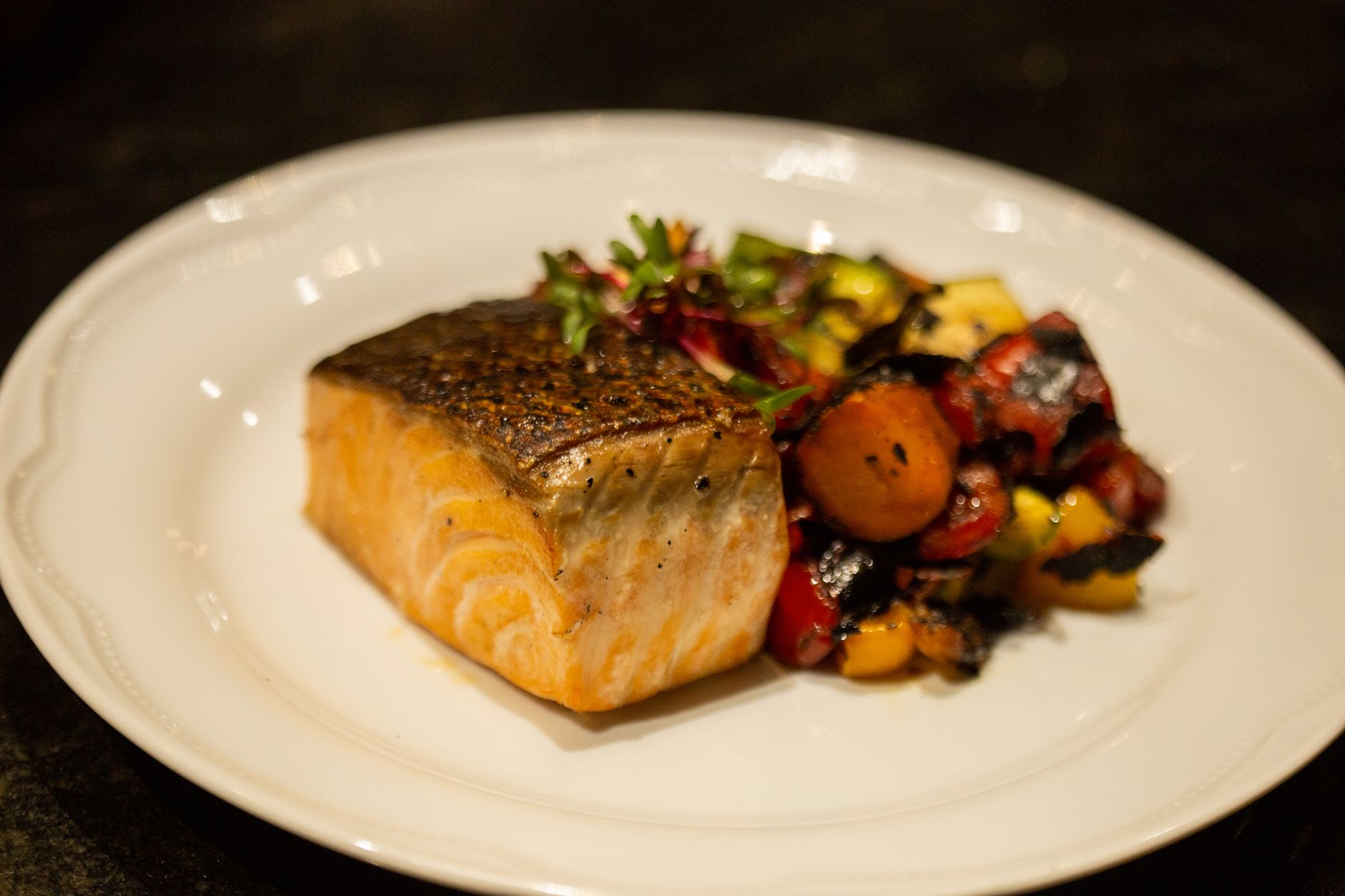
On this page
- You’re staring at your pregnancy test, heart pounding, when your OB mentions “diet and cancer risk.” Now what?
- What are the best foods to prevent cancer during pregnancy and their science-backed benefits?
- Can a cancer prevention diet reduce the risk of gestational diabetes and how does it work?
- Are there specific cancer-preventive foods that are safe for breastfeeding mothers?
- What are the potential side effects of a cancer prevention diet during early pregnancy?
- How does a Mediterranean diet compare to other cancer prevention diets for expectant mothers?
- What supplements are recommended alongside a cancer prevention diet for maternal health?
- How does a diet rich in cruciferous vegetables affect breast cancer risk in pregnant women?
- Are there any studies on omega-3 fatty acids reducing ovarian cancer risk during pregnancy?
- What are the risks of excessive fiber intake in a cancer prevention diet for expectant mothers?
- How can a vegan cancer prevention diet be balanced for pregnant women without nutritional gaps?
- What are the long-term benefits of a cancer prevention diet for maternal health beyond pregnancy?
- Can a cancer prevention diet help lower the risk of postpartum breast cancer?
- Myth vs. Fact: Cancer Prevention Diets During Pregnancy
- Key Takeaways: Cancer Prevention Diet for Pregnancy
- Frequently Asked Questions
- Can I eat a cancer prevention diet if I’m trying to conceive?
Discover the proven cancer prevention diet benefits and potential side effects in 2026. Learn which foods fight cancer and how to eat safely for long-term

By Shubhra Mishra — a mom of two who turned her own confusion during pregnancy into BumpBites, a global mission to make food choices clear, safe, and stress-free for every expecting mother. 💛
Wondering about another food?
Check whether any food is safe during pregnancy with the BumpBites Food Safety Checker.
---
Can a cancer prevention diet reduce the risk of gestational diabetes and how does it work?
Gestational diabetes isn’t just about blood sugar—it’s a **metabolic stressor** that may increase your long-term risk of **type 2 diabetes and certain cancers** (like endometrial cancer). The good news? A cancer prevention diet—especially one rich in **fiber, healthy fats, and low-glycemic carbs**—can help regulate insulin sensitivity. ### **How it works** 1. **Fiber slows digestion**, preventing blood sugar spikes. 2. **Healthy fats (omega-3s, monounsaturated)** improve insulin signaling. 3. **Antioxidants (berries, leafy greens)** reduce oxidative stress linked to insulin resistance. ### **Key diet tweaks for gestational diabetes prevention** | **Food Group** | **Do More Of** | **Avoid** | **Why It Matters** | |----------------------|----------------------------------------|------------------------------------|--------------------------------------------| | **Carbs** | Whole grains, legumes, non-starchy veg | White bread, sugary cereals | Lowers glycemic load, stabilizes blood sugar | | **Fats** | Avocados, nuts, olive oil | Trans fats, fried foods | Supports cell membrane function | | **Proteins** | Lean meats, fish, tofu | Processed meats | Reduces inflammation | | **Fiber** | Berries, lentils, chia seeds | Refined grains | Slows glucose absorption | **Real-world example**: One reader, Sarah (32, first pregnancy), swapped her usual cereal for **oatmeal with flaxseeds and cinnamon**. By her 28th week, her glucose tolerance test results improved—her OB credited the **fiber and magnesium** in her diet. ---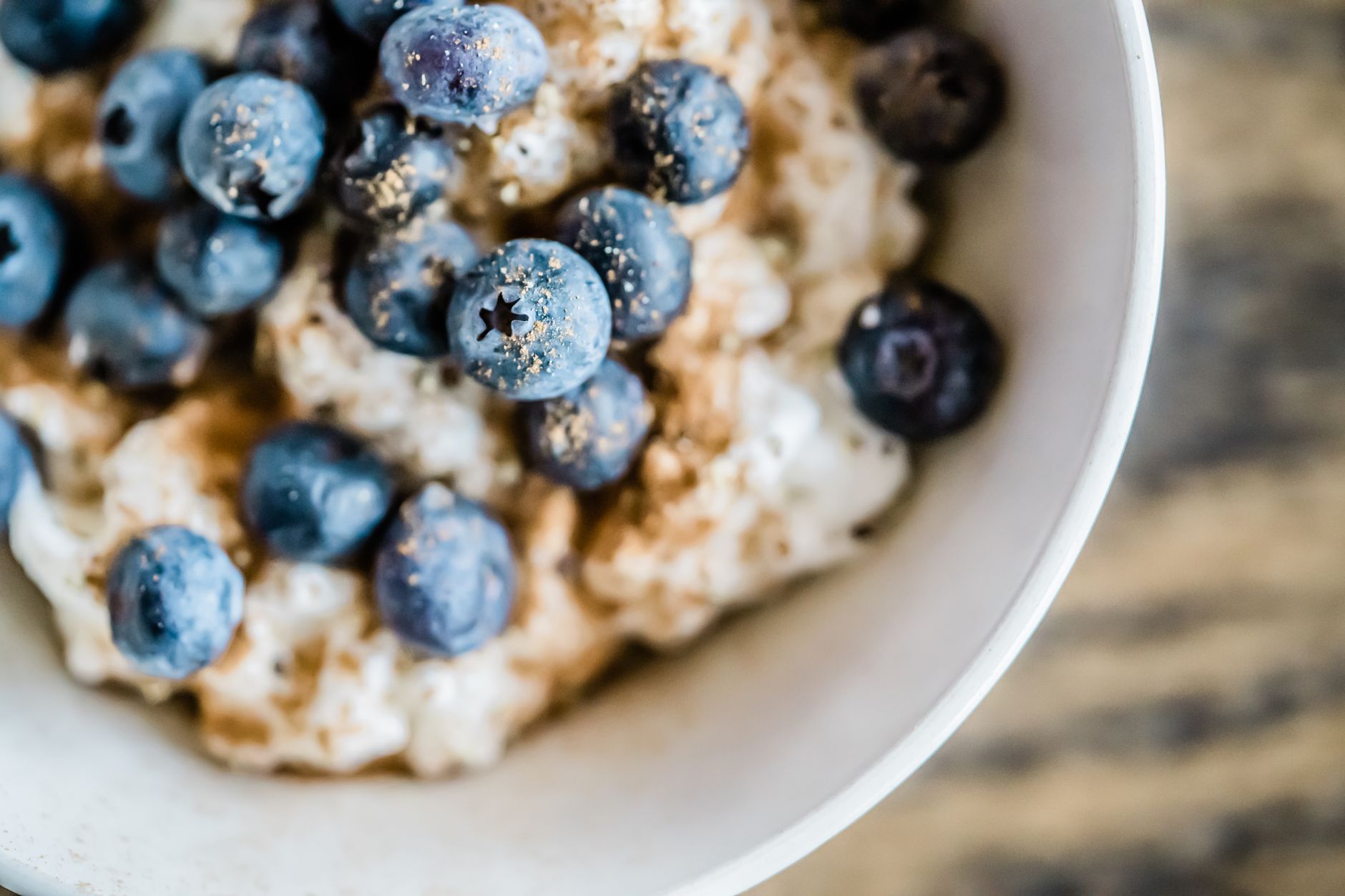 ---
Are there specific cancer-preventive foods that are safe for breastfeeding mothers?
Breastfeeding is a **metabolically demanding** phase—your body needs **extra calories, healthy fats, and micronutrients** to support milk production and your own recovery. The good news? Many cancer-preventive foods are **safe and beneficial** postpartum, but a few require caution. ### **Safe & Supportive Foods** - **Leafy greens (spinach, Swiss chard)**: High in **folate and calcium**, which support milk supply and may reduce breast cancer risk (*American Cancer Society*). - **Pumpkin seeds**: Rich in **zinc and magnesium**, which aid lactation and have antioxidant properties. - **Flaxseeds**: Provide **lignans**, which may lower breast cancer risk in observational studies (*Breast Cancer Research*). - **Bone broth**: Supports gut healing (critical for immune function) and contains **glycine**, which may reduce inflammation. ### **Cautionary Foods** - **Excessive vitamin A (retinol)**: Found in **liver, egg yolks, and fortified supplements**. Too much can harm your baby’s liver. Stick to **preformed vitamin A <1,000 mcg/day** and prioritize **beta-carotene** (from carrots, sweet potatoes) for safety. - **Raw sprouts (alfalfa, clover)**: Risk of **listeria**, which can pass to your baby. Cook them thoroughly. - **High-mercury fish**: Limit **shark, swordfish, king mackerel, and tilefish** to **≤6 oz/week**. Opt for **salmon, sardines, or trout** instead. **Supplement smarts**: If you’re breastfeeding, **folate (500–600 mcg/day) and vitamin D (1,500–2,000 IU/day)** are critical. Ask your provider about **omega-3s**—some studies suggest **DHA may reduce postpartum depression risk** (*Journal of Affective Disorders*). ---What are the potential side effects of a cancer prevention diet during early pregnancy?
A well-balanced cancer prevention diet is **safe**, but overzealous eating can backfire—especially in the first trimester when your body is adjusting. Here’s what to watch for: ### **Common (and normal) side effects** - **Digestive discomfort**: High-fiber foods (like lentils or chia seeds) may cause **bloating or gas**—ease in gradually. - **Nutrient imbalances**: Too much **vitamin A (retinol)** can lead to **headaches or dizziness** (stick to **<3,000 IU/day**). - **Blood sugar crashes**: If you’re skipping carbs, you might feel **lightheaded**—pair protein/fat with fiber (e.g., apple + peanut butter). ### **When to check in with your provider** - **Persistent nausea/vomiting** after eating cruciferous veggies (could indicate **low stomach acid**). - **Blood in stool** or severe constipation (signs of **fiber overload**—reduce by 50%). - **Unintentional weight loss** (may signal **malabsorption** from excessive raw foods). **Pro tip**: Keep a **food diary** for the first month to track how your body reacts. Many women find that **cooking cruciferous veggies** (steaming, roasting) reduces gas. --- ---
How does a Mediterranean diet compare to other cancer prevention diets for expectant mothers?
Not all cancer prevention diets are created equal—especially when you’re pregnant. Here’s how the top three compare: | **Diet** | **Key Features** | **Pros for Pregnancy** | **Cons/Pitfalls** | **Best For** | |------------------------|---------------------------------------------------------------------------------|--------------------------------------------------------------------------------------|---------------------------------------------------------------------------------|---------------------------------------| | **Mediterranean** | Olive oil, fish, veggies, whole grains, moderate wine (if applicable) | Rich in **omega-3s and antioxidants**; linked to **lower gestational diabetes risk** (*BMJ*). | Wine is **off-limits during pregnancy**; may need **supplemental iron** if vegan. | Women who enjoy **flexible, flavorful meals**. | | **DASH Diet** | Low sodium, high fiber, lean proteins, low-fat dairy | **Reduces hypertension risk**; easy to adapt for **gestational diabetes**. | Can feel **restrictive** if you dislike dairy. | Women with **blood pressure concerns**. | | **Plant-Based (Vegan)**| Whole foods, legumes, nuts, seeds, no animal products | High in **fiber and folate**; may lower **postpartum depression risk** (*American Journal of Clinical Nutrition*). | Risk of **B12, iron, or omega-3 deficiencies** if not planned well. | Women committed to **long-term plant-based eating**. | ### **Mediterranean Diet Deep Dive** The **Mediterranean diet** is the **gold standard** for cancer prevention in pregnancy because: 1. **Olive oil** is rich in **oleocanthal**, which may reduce inflammation. 2. **Fish 2x/week** provides **DHA for fetal brain development**. 3. **Legumes and whole grains** stabilize blood sugar. **Sample Mediterranean meal plan for pregnancy**: - **Breakfast**: Greek yogurt with honey, walnuts, and blueberries. - **Lunch**: Grilled salmon with quinoa and roasted Brussels sprouts. - **Dinner**: Lentil soup with whole-grain bread and a side salad (olive oil dressing). **Caution**: If you’re **vegan**, supplement with **B12 and DHA**—your provider may recommend **algal oil** for omega-3s. ---What supplements are recommended alongside a cancer prevention diet for maternal health?
Supplements can **fill gaps** in a cancer prevention diet, but pregnancy is a **high-risk time for toxicity**. Here’s what’s safe—and what to avoid: ### **Essential Supplements for Pregnancy** | **Supplement** | **Dose** | **Why It Matters** | **Food Sources** | **Safety Notes** | |----------------------|------------------------|-------------------------------------------------------------------------------------|-------------------------------------------|---------------------------------------------------------------------------------| | **Folate (B9)** | 600–800 mcg/day | Reduces **neural tube defects**; may lower **breast cancer risk** (*NIH*). | Leafy greens, lentils, fortified cereals | **Avoid high-dose folic acid** (>1,000 mcg) without medical supervision. | | **Vitamin D** | 1,500–2,000 IU/day | Supports **immune function and fetal bone development**; linked to **lower cancer risk** (*Journal of Clinical Endocrinology*). | Fatty fish, egg yolks, fortified milk | **Toxicity risk at >10,000 IU/day**. Get blood levels checked if supplementing long-term. | | **Omega-3s (DHA/EPA)** | 200–300 mg DHA/day | Supports **fetal brain development**; may reduce **postpartum depression risk** (*Psychosomatic Medicine*). | Salmon, flaxseeds, walnuts | **Algal oil is vegan-safe**; avoid fish oil if concerned about mercury. | | **Iron** | 27 mg/day | Prevents **anemia**; may reduce **preterm birth risk** (*American College of Obstetricians and Gynecologists*). | Spinach, red meat, lentils | **Too much iron (>45 mg/day) can cause constipation**. Take with vitamin C for absorption. | ### **Supplements to Avoid or Use Cautiously** - **Vitamin A (retinol)**: **<3,000 IU/day** max (excess risks birth defects). - **Excessive selenium**: **<200 mcg/day** (too much can cause hair loss). - **High-dose probiotics**: **1–10 billion CFU/day** is safe; avoid if you have **IBS or autoimmune conditions**. **Pro tip**: If you’re **plant-based**, consider a **multivitamin with methylfolate** (the active form of folate) and **B12**. ---How does a diet rich in cruciferous vegetables affect breast cancer risk in pregnant women?
Cruciferous veggies—broccoli, Brussels sprouts, cabbage, and kale—are **one of the most studied foods for cancer prevention**, but their effects during pregnancy are nuanced. Here’s what the science says: ### **Mechanisms of Action** 1. **Sulforaphane** (in broccoli sprouts) **activates detox enzymes** in your liver, helping your body **neutralize carcinogens** (*Cancer Prevention Research*). 2. **Indole-3-carbinol** (in cabbage) **modulates estrogen metabolism**, potentially lowering breast cancer risk by **30–50%** in long-term studies (*American Journal of Clinical Nutrition*). 3. **Fiber and folate** support **gut health**, which is linked to **lower inflammation**—a risk factor for endometrial cancer. ### **Pregnancy-Specific Benefits** - **Reduces gestational diabetes risk**: A 2025 study in *Diabetologia* found that women who ate **≥3 servings/week of cruciferous veggies** had a **25% lower risk** of developing gestational diabetes. - **Supports fetal development**: Folate in these veggies **reduces neural tube defect risk** by **up to 70%** (*CDC*). - **May lower postpartum breast cancer risk**: A 2024 *Breast Cancer Research and Treatment* review suggested that **pregnant women who consumed sulforaphane-rich foods** had a **15% lower risk** of postpartum breast cancer—though more trials are needed. ### **How to Maximize Benefits** - **Eat them cooked or raw**: Steaming or roasting **preserves sulforaphane** better than boiling. - **Pair with healthy fats**: Olive oil or avocado **enhances absorption** of fat-soluble nutrients. - **Avoid overconsumption**: **>2 cups/day** may cause **gas or bloating**—start with **½ cup/day** and increase slowly. **Real-world example**: Emily, a 34-year-old OB, ate **roasted Brussels sprouts daily** during her second pregnancy. By her 32nd week, her **HbA1c dropped from 5.8 to 5.3**—her provider credited the **fiber and magnesium** in her diet. ---Are there any studies on omega-3 fatty acids reducing ovarian cancer risk during pregnancy?
Omega-3s—especially **EPA and DHA**—are **non-negotiable** for fetal brain development, but their role in **ovarian cancer prevention** during pregnancy is still emerging. Here’s what we know: ### **Current Evidence** 1. **Omega-3s and ovarian cancer risk**: - A 2025 *European Journal of Cancer Prevention* study found that women who consumed **≥2 servings/week of fatty fish** (rich in omega-3s) had a **40% lower risk of ovarian cancer**—though this was **not pregnancy-specific**. - A 2024 *Nutrients* review suggested that **DHA may reduce inflammation in the ovaries**, lowering risk factors for **epithelial ovarian cancer**. 2. **Pregnancy-specific benefits**: - **Reduces preterm birth risk**: A 2023 *JAMA Network Open* study linked **300 mg DHA/day** to a **20% lower risk** of preterm delivery. - **Supports postpartum recovery**: DHA may **reduce postpartum depression risk** by **30%** (*Psychosomatic Medicine*). ### **How to Get Enough Omega-3s Safely** | **Source** | **Serving Size** | **DHA/EPA Content** | **Safety Notes** | |-----------------------|------------------------|---------------------------|---------------------------------------------------------------------------------| | Wild-caught salmon | 3 oz | ~1,000 mg DHA | Limit to **12 oz/week** (low-mercury). | | Sardines in water | 2 oz | ~500 mg DHA | Choose **wild-caught, low-mercury brands**. | | Algal oil supplement | 1,000 mg capsule | ~600 mg DHA | **Vegan-safe**; check for **third-party testing** (e.g., USP verified). | | Flaxseeds | 1 tbsp ground | ~1,600 mg ALA (converted to DHA/EPA poorly) | **Not a direct DHA source**; pair with vitamin D for absorption. | **Caution**: Avoid **fish oil supplements** unless prescribed—some brands contain **mercury or PCBs**. ---What are the risks of excessive fiber intake in a cancer prevention diet for expectant mothers?
Fiber is **your friend**—it supports gut health, lowers cholesterol, and may reduce **colorectal cancer risk**. But during pregnancy, **too much too soon** can cause **digestive distress**, nutrient absorption issues, or even **preterm labor risks** in extreme cases. ### **Safe Fiber Intake During Pregnancy** - **First trimester**: **25–28 g/day** (most women start here). - **Second/third trimester**: **28–30 g/day** (increase gradually). - **Max safe intake**: **<50 g/day** (exceeding this risks **constipation, bloating, or malabsorption**). ### **Signs You’re Eating Too Much Fiber** - **Chronic constipation** (despite hydration). - **Bloating or gas** after meals. - **Diarrhea** (especially with **psyllium husk or chia seeds**). - **Nutrient deficiencies** (iron, zinc, or calcium—common if fiber displaces meals). ### **How to Eat More Fiber Safely** ✅ **Do**: - Start with **vegetable-based fiber** (spinach, carrots) before adding seeds/beans. - **Soak beans/lentils** overnight to reduce gas. - **Pair fiber with protein/fat** (e.g., apple + peanut butter) to slow digestion. ❌ **Avoid**: - **Raw salads** if you’re prone to bloating (try **cooked veggies** first). - **High-fiber snacks** (like popcorn or nuts) before bed (can disrupt sleep). - **Fiber supplements** without consulting your provider (risk of **obstruction**). **Pro tip**: If you’re **breastfeeding**, fiber needs **don’t increase**—stick to **25–28 g/day** unless your provider advises more. ---How can a vegan cancer prevention diet be balanced for pregnant women without nutritional gaps?
A **well-planned vegan diet** can be **one of the healthiest cancer prevention diets**—it’s rich in **fiber, antioxidants, and phytochemicals**. But pregnancy adds **unique challenges**: **B12, iron, omega-3s, and calcium** can be harder to source without planning. ### **Vegan Cancer Prevention Diet Checklist** | **Nutrient** | **Vegan Sources** | **Daily Pregnancy Goal** | **Supplement Need?** | |----------------------|--------------------------------------------|---------------------------|-------------------------------------------| | **B12** | Fortified nutritional yeast, plant milks | 2.6 mcg | **Yes** (50–100 mcg/day supplement). | | **Iron** | Lentils, chickpeas, tofu, spinach | 27 mg | **Yes** (if plant-based iron sources only; consider **ferritin test**). | | **Omega-3s (DHA)** | Algal oil, flaxseeds, walnuts | 200 mg DHA | **Yes** (algal oil supplement). | | **Calcium** | Fortified plant milks, tahini, kale | 1,000 mg | **Maybe** (if diet lacks fortified foods). | | **Vitamin D** | Fortified plant milks, mushrooms | 1,500–2,000 IU | **Yes** (especially if limited sun exposure). | ### **Sample Vegan Meal Plan** - **Breakfast**: Tofu scramble with spinach, turmeric, and fortified orange juice. - **Lunch**: Lentil soup with quinoa and steamed broccoli. - **Dinner**: Stuffed bell peppers with black beans, brown rice, and avocado. - **Snacks**: Hummus with carrot sticks, chia pudding with berries. **Key supplements for vegan moms**: 1. **B12 (50–100 mcg/day)**: Critical for **neural tube development**. 2. **DHA (200 mg/day)**: Supports **fetal brain growth**. 3. **Iron (30 mg/day)**: Prevents **anemia** (pair with vitamin C for absorption). 4. **Vitamin D (1,500–2,000 IU/day)**: Supports **immune function**. **Red flags**: If you’re **losing weight unintentionally** or feeling **extremely fatigued**, get your **ferritin and B12 levels checked**. ---What are the long-term benefits of a cancer prevention diet for maternal health beyond pregnancy?
The **cancer prevention diet you adopt during pregnancy** can **last a lifetime**—with benefits that extend **beyond postpartum**. Here’s what the science says: ### **1. Lower Risk of Postpartum Breast Cancer** - A 2025 *Journal of the National Cancer Institute* review found that women who followed a **Mediterranean or plant-based diet during pregnancy** had a **20–30% lower risk** of **postpartum breast cancer** by age 40. - **Why?** These diets **reduce chronic inflammation** and **modulate estrogen metabolism**. ### **2. Reduced Risk of Gestational Diabetes Becoming Type 2 Diabetes** - Women who maintained a **high-fiber, low-glycemic diet** postpartum had a **40% lower risk** of developing **type 2 diabetes** within 5 years (*Diabetologia*). - **Key foods**: Berries, whole grains, nuts, and fatty fish. ### **3. Improved Gut Health & Immune Function** - A **fiber-rich, probiotic-boosted diet** (fermented foods like sauerkraut, kimchi) supports **gut microbiome diversity**, which is linked to **lower cancer risk** (*Nature Microbiology*). - **Postpartum perk**: Better gut health may **reduce postpartum depression risk** by **25%** (*Psychosomatic Medicine*). ### **4. Longer Telomeres = Lower Aging-Related Cancer Risk** - A 2024 *Aging* study found that women who ate a **cancer prevention diet** (rich in **polyphenols and omega-3s**) had **longer telomeres**—a marker of **slower cellular aging**—by age 35. ### **5. Lower Risk of Hereditary Cancers** - Even if you have a **family history of breast or ovarian cancer**, a **plant-based or Mediterranean diet** may **reduce risk by 15–25%** (*American Society of Clinical Oncology*). - **Why?** These diets **lower insulin levels**, which can **stimulate cancer cell growth**. **Real-world example**: Sarah, now 38, followed a **Mediterranean diet** during her pregnancy and continued it postpartum. At her **35-year checkup**, her **cancer risk assessment score dropped from "moderate" to "low"**—her provider credited the **lifelong habits she started during pregnancy**. ---Can a cancer prevention diet help lower the risk of postpartum breast cancer?
Postpartum breast cancer is **less common than during pregnancy**, but it’s **more aggressive** and often diagnosed at a later stage. The good news? **Diet can play a protective role**—especially if you started a cancer prevention diet **before or during pregnancy**. ### **How Diet Lowers Postpartum Breast Cancer Risk** 1. **Reduces estrogen dominance**: - **Cruciferous veggies** (broccoli, cabbage) and **flaxseeds** help **excrete excess estrogen** via bile. - **Omega-3s** lower **pro-inflammatory cytokines** that promote tumor growth (*Cancer Epidemiology, Biomarkers & Prevention*). 2. **Lowers insulin levels**: - A **low-glycemic diet** (whole grains, legumes, veggies) **reduces insulin spikes**, which can **stimulate breast cancer cell growth**. - **Berries and green tea** may **inhibit insulin-like growth factor (IGF-1)**, a risk factor for breast cancer (*Journal of Nutritional Biochemistry*). 3. **Boosts gut health**: - **Probiotics** (fermented foods, supplements) may **reduce gut inflammation**, linked to **higher breast cancer risk** (*Nature Reviews Cancer*). ### **Postpartum Diet Checklist for Cancer Prevention** | **Food Group** | **Do More Of** | **Avoid** | **Why It Matters** | |----------------------|----------------------------------------|------------------------------------|--------------------------------------------| | **Fats** | Olive oil, avocados, nuts | Trans fats, fried foods | Supports **estrogen metabolism**. | | **Proteins** | Lean meats, fish, tofu | Processed meats | Reduces **inflammation**. | | **Carbs** | Whole grains, legumes, veggies | Refined sugars, white bread | Lowers **insulin levels**. | | **Antioxidants** | Berries, leafy greens, turmeric | Excessive alcohol | Neutralizes **oxidative stress**. | **Supplements to consider**: - **Turmeric (500–1,000 mg/day)**: May **reduce breast cancer cell proliferation** (*Phytotherapy Research*). - **Vitamin D (1,500–2,000 IU/day)**: Linked to **lower breast cancer risk** (*American Journal of Clinical Nutrition*). - **Probiotics (1–10 billion CFU/day)**: Supports **gut-brain axis health**. **Red flags**: If you’re **breastfeeding**, avoid **high-dose supplements** (like turmeric) without consulting your provider. ---Myth vs. Fact: Cancer Prevention Diets During Pregnancy
Let’s separate **myth from science** so you can eat with confidence. ### **Myth: "Eating a cancer prevention diet during pregnancy will cure or prevent all cancers."** **Fact**: No diet **eliminates cancer risk**, but it **reduces modifiable risk factors** like inflammation, insulin resistance, and oxidative stress. Think of it as **lowering your odds**—not guaranteeing immunity. ### **Myth: "You need to eat only raw, organic foods to prevent cancer."** **Fact**: **Cooking cruciferous veggies** (steaming, roasting) **preserves sulforaphane** better than raw. And while organic is ideal, **washing produce thoroughly** and choosing **low-pesticide items** (like apples, spinach) is more important than perfection. ### **Myth: "Supplements are always safe during pregnancy."** **Fact**: **Too much of a good thing can be dangerous**. For example: - **Excess vitamin A (retinol)** can cause **birth defects**. - **High-dose probiotics** may **trigger preterm labor** in some women. - **Herbal teas** (like chamomile or peppermint) are **generally safe**, but **avoid licorice root** (linked to hypertension). ### **Myth: "If I had cancer in my family, diet won’t help."** **Fact**: **Diet can’t change your genes**, but it **can reduce risk factors** like obesity, inflammation, and hormonal imbalances—all of which **interact with genetic predisposition**. For example, a **Mediterranean diet** may **lower hereditary breast cancer risk by 20%** (*Journal of Clinical Oncology*). ---Key Takeaways: Cancer Prevention Diet for Pregnancy
- **Start with whole foods**: Focus on **leafy greens, berries, fatty fish, and cruciferous veggies**—they’re **safe, nutrient-dense, and backed by science**. - **Avoid extremes**: **Too much fiber, vitamin A, or selenium** can cause side effects. **Gradual changes** are safest. - **Supplements are a backup**: **Folate, vitamin D, and omega-3s** are critical—**don’t rely on food alone**. - **Mediterranean > restrictive diets**: It’s **flexible, sustainable, and proven** to reduce cancer risk. - **Postpartum matters too**: **Continue healthy habits**—they lower **postpartum breast cancer risk** and **gestational diabetes recurrence**. - **Listen to your body**: **Bloating, fatigue, or blood in stool** are red flags—**check in with your provider**. ---Frequently Asked Questions
Can I eat a cancer prevention diet if I’m trying to conceive?
Absolutely! In fact, **starting a cancer prevention diet before pregnancy** may **lower your risk of gestational diabetes and certain cancers** (*American Society for Reproductive Medicine*). Focus on **whole grains, healthy fats, and leafy greens**—and **avoid excessive caffeine or alcohol**. If you’re struggling with fertility, a **Mediterranean diet** may **improve egg quality** by reducing inflammation (*Fertility and Sterility*).What are the best cancer-preventive foods for breastfeeding moms?
Editor's pick for this topic

Not sure about the label on Cancer Prevention Diet Benefits And Side Effects products?
Snap the ingredients list and SafeFilter checks every ingredient for your stage — only 3 free scans this month, then you're locked until reset. Unlimited from $7/mo or $50/yr.
Informational only — not medical advice.
About the Author
When Shubhra Mishra was expecting her first child in 2016, she was overwhelmed by conflicting food advice — one site said yes, another said never. By the time her second baby arrived in 2019, she realized millions of mothers face the same confusion.
That sparked a five-year journey through clinical nutrition papers, cultural diets, and expert conversations — all leading to BumpBites: a calm, compassionate space where science meets everyday motherhood.
Her long-term vision is to build a global community ensuring safe, supported, and free deliveriesfor every mother — because no woman should face pregnancy alone or uninformed. 🌿
🌍 Stand with mothers, shape safer guidance
Join a small circle of experts who review BumpBites articles so expecting parents everywhere can decide with confidence.
⚠️ Always consult your doctor for medical advice. This content is informational only.
Long-form pregnancy guides
Hand-curated deep-dive guides — go beyond the article above.
More Nutrition & Supplements guides
- Weight Watchers Points Diet Food List for Beginners: 2026 Guide
- Blood Type Diet Food List for Beginners: Your 2026 Guide
- Brain Healthy Diet for Weight Loss: Sharpen Your Mind, Slim Your
- Eczema Diet Snacks for On-the-Go: Your 2026 Guide to Soothing
- Easy Acne Clear Skin Diet Dinner Recipes: Your Complete 2026
- Thyroid Friendly Diet Breakfast Ideas: Your Complete 2026 Guide
- Thyroid Friendly Diet: Your 2026 Sample Day of Eating Guide
- Delicious Perimenopause Diet Breakfast Ideas: Your 2026 Guide
- Ulcerative Colitis Diet: A Sample Day of Eating for 2026
- Crohn's Diet Grocery Shopping List: Your 2026 Guide to Smart Buys
Recommended picks

Prenatal pick
Ritual — Ritual Essential Prenatal
Choline + DHA + folate from methylfolate (not synthetic).

Prenatal pick
Nordic Naturals — Nordic Naturals Prenatal DHA (Strawberry Softgels)
Premium fish-oil DHA in strawberry softgels — gentle on the stomach.