Discover calcium rich foods for pregnancy to support fetal development, including dairy and leafy greens, for a healthy pregnancy journey
By Shubhra Mishra — a mom of two who turned her own confusion during pregnancy into BumpBites, a global mission to make food choices clear, safe, and stress-free for every expecting mother. 💛
Check whether any food is safe during pregnancy with the BumpBites Food Safety Checker.
Quick take: Aim for 1,000 mg of calcium each day during pregnancy—most can come from foods like dairy, fortified plant milks, leafy greens, and tofu. Choose a mix that fits your diet, budget, and trimester, and talk to your provider before adding supplements.
It’s 2 a.m., you’re curled up in bed, and a sudden craving for cheese has you wondering if that late‑night snack will help your baby’s bones. You’re not alone. Many expectant parents scroll through endless lists, trying to separate myth from science while keeping a grocery budget in mind.
Good news: calcium is one of the easiest nutrients to meet when you know which foods to reach for and how to pair them for maximum absorption. In this guide we’ll walk through the exact amount you need each trimester, the top calcium‑rich options for every diet style, budget‑friendly tricks, and the signs that you might need a little extra help.
We’ll also answer the most common follow‑up questions—like whether fruit can supply enough calcium, how calcium works with vitamin D, and what to do if you’re a teen mom. By the end, you’ll have a practical, evidence‑backed roadmap to keep both your skeleton and your baby’s developing bones strong.
Best calcium rich foods for pregnant women
When it comes to building a solid calcium foundation, whole foods are the gold standard. Below is a curated list that balances calcium density, bioavailability, and everyday convenience. All values are approximate and refer to a typical serving size.
Food
Serving size
Calcium (mg)
Key nutrients
Low‑fat milk
1 cup (240 ml)
300
Vitamin D, protein
Greek yogurt (plain)
1 cup
250
Probiotics, protein
Cheddar cheese
1 oz (28 g)
200
Vitamin K2, protein
Fortified soy milk
1 cup
300
Vitamin D, B12
Tofu (calcium‑set)
½ cup
350
Iron, magnesium
Cooked collard greens
½ cup
140
Vitamin K, fiber
Sardines (canned in bone‑oil)
3 oz
325
Omega‑3, vitamin D
Almonds
¼ cup
95
Vitamin E, healthy fats
Fortified orange juice
1 cup
300
Vitamin C
These foods cover a range of tastes and textures—creamy dairy, crunchy nuts, leafy greens, and even a splash of fortified juice. Mixing them across meals helps you reach the 1,000 mg goal without feeling like you’re forced to eat a single “super‑food” every day.
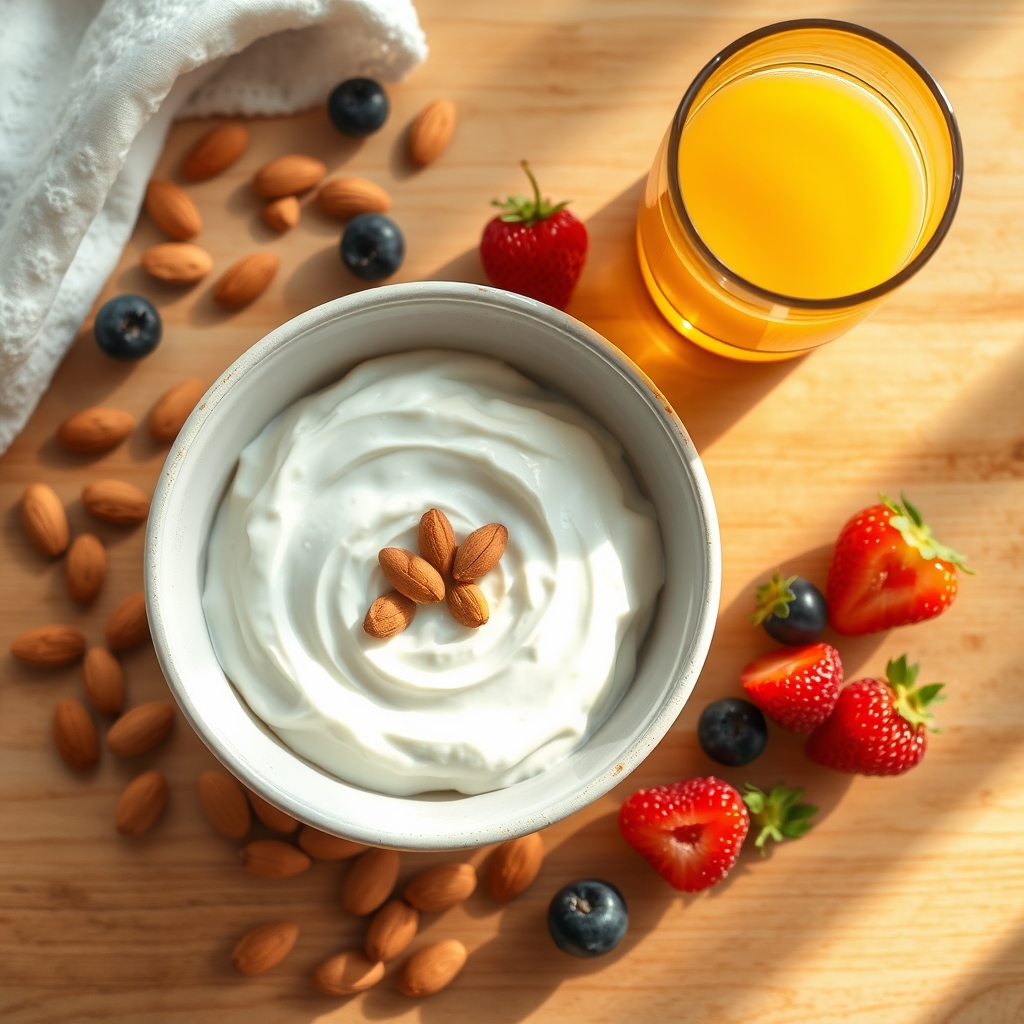
For a quick breakfast, try a bowl of Greek yogurt topped with sliced almonds and a drizzle of fortified orange juice. At lunch, pair a tofu stir‑fry with collard greens, and for dinner, a serving of sardines alongside a side salad. Snacks can be as simple as a cheese stick or a glass of soy milk.
Start the day with a calcium‑packed breakfast that also delivers protein and vitamin C.
Why calcium matters for you and baby
Calcium supports your own bone health, which can be taxed as the fetus builds its skeletal system. The baby’s bone mineralization peaks in the third trimester, drawing calcium from the mother’s stores. If you fall short, your body may leach calcium from your own bones, increasing your risk for later osteoporosis.
Beyond bones, calcium aids muscle contraction, nerve signaling, and blood clotting—processes that keep you and your baby thriving day after day.
Because calcium is also involved in hormone signaling, adequate intake may lower the risk of pregnancy‑related hypertension, a point highlighted in recent ACOG reviews on maternal nutrition.
How much calcium do I need during pregnancy?
The American College of Obstetricians and Gynecologists (ACOG) recommends 1,000 mg of calcium daily for pregnant adults. This amount stays consistent across all three trimesters, because the baby’s demand for calcium remains high throughout pregnancy.
Teen mothers (ages 13‑19) have slightly higher needs, as per the National Institutes of Health (NIH) Dietary Guidelines: 1,300 mg per day. The extra 300 mg supports the rapid bone growth that occurs during adolescence.
Below is a trimester‑by‑trimester snapshot of how calcium is used:
First trimester: Early fetal bone formation; maternal stores are still sufficient.
Second trimester: Accelerated skeletal growth; calcium from diet becomes critical.
Third trimester: Calcium accretion peaks; the baby may obtain up to 30 mg per kilogram of body weight each day.
Most pregnant people can meet the recommendation through food alone. The CDC notes that supplementation is only advised when dietary intake consistently falls below 800 mg per day, or when a medical condition (e.g., malabsorption) exists.
It’s also worth noting that calcium needs do not rise dramatically after the first 20 weeks, so establishing good habits early helps you avoid a late‑pregnancy scramble.
How to track your intake
Use a simple food diary or a free nutrition app. Log each calcium‑containing item and its serving size. When you hit 800 mg before dinner, you’re likely on track for the daily goal.
If you’re a teen mother, aim for a slightly higher target and discuss calcium‑rich snack ideas with your prenatal provider to ensure you’re not missing any key nutrients.
Calcium rich foods for pregnancy vegetarian
Vegetarian diets can easily supply calcium, especially when they include fortified products and calcium‑set tofu. Below are vegetarian‑friendly options, grouped by source.
Dairy‑based: Low‑fat milk, yogurt, cheese—excellent sources if you consume animal‑derived dairy.
Fortified plant milks: Soy, almond, oat, and rice milks often contain 300 mg per cup when fortified with calcium and vitamin D.
Tofu: Choose “calcium‑set” tofu, which contains about 350 mg per half‑cup.
Legumes & nuts: White beans, chickpeas, and almonds provide modest calcium plus iron and magnesium.
Leafy greens: Kale, bok choy, and collard greens are calcium‑dense, though oxalates in spinach can limit absorption.
Combine a fortified soy latte with a kale salad topped with almonds for a calcium boost that also supplies vitamin D and iron.
Vegetarian meal example
Breakfast: 1 cup fortified soy milk (300 mg) + whole‑grain toast with almond butter (70 mg). Lunch: Tofu scramble (350 mg) with sautéed kale (140 mg). Snack: A handful of almonds (95 mg). Dinner: Lentil stew with a side of collard greens (140 mg). Total ≈ 1,095 mg.
Adding a squeeze of lemon to the kale improves iron absorption, while the calcium from the tofu remains readily available.
Calcium rich foods for pregnancy dairy‑free
For those avoiding dairy, fortified plant milks and juices become central. Look for labels that list “≥ 300 mg calcium per serving” and also include vitamin D, which improves absorption.
Other dairy‑free options include:
Calcium‑set tofu
White beans and chickpeas
Almonds and sesame seeds (tahini)
Fortified cereals (check for added calcium)
Low‑oxalate greens like bok choy and broccoli
One easy dairy‑free snack is a smoothie made with fortified oat milk, a spoonful of tahini, frozen berries, and a dash of cinnamon. It delivers roughly 350 mg calcium plus healthy fats.
Low‑oxalate tip
Oxalates—found in high amounts in spinach and rhubarb—can bind calcium and reduce its absorption. Pairing oxalate‑rich foods with vitamin C (e.g., a squeeze of lemon) can help, but focusing on low‑oxalate greens is a safer route for pregnant women.
When you choose low‑oxalate greens, you also get more vitamin K, a nutrient that supports bone mineralization and works synergistically with calcium.
Can I get enough calcium from fruits during pregnancy?
Most fruits are modest calcium sources. A cup of fortified orange juice is an exception, providing about 300 mg. Other fruits—kiwi, figs, and oranges—contribute 20‑40 mg per serving, which is helpful but insufficient as primary sources.
That said, fruit shines in two ways: it supplies vitamin C, which enhances iron absorption, and it offers natural sweetness that can replace sugary snacks. Pair fruit with a calcium‑rich dip (e.g., yogurt or almond butter) to boost overall intake.
Fruit‑focused snack idea
Slice an orange and dip the wedges in a small cup of Greek yogurt. The combo adds roughly 350 mg calcium (300 mg from yogurt, 50 mg from orange) while keeping the snack low‑calorie.
For a tropical twist, try mango chunks with a side of fortified soy yogurt—both provide a pleasant calcium lift and a dose of vitamin A.
Calcium rich foods for pregnancy third trimester
The third trimester is when the baby’s skeletal development accelerates, so it’s wise to prioritize calcium‑dense meals.
Breakfast: Fortified soy or cow’s milk (300 mg) + whole‑grain cereal fortified with calcium (150 mg).
Lunch: Salmon or sardines (325 mg) with a side of steamed broccoli (60 mg).
Dinner: Calcium‑set tofu stir‑fry (350 mg) with bok choy (100 mg).
Snack: Cheese stick (200 mg) or a handful of almonds (95 mg).
These meals collectively exceed 1,200 mg, giving a comfortable buffer for any absorption variability.
Because the baby’s calcium demand peaks, many clinicians recommend a slightly higher dietary buffer (≈ 1,200 mg) in the final weeks to accommodate any missed doses.
Why vitamin D matters now
Vitamin D facilitates calcium uptake in the intestines. The Endocrine Society suggests pregnant women get 600–800 IU of vitamin D daily, either from sunlight, fortified foods, or a supplement if needed. Pair calcium‑rich foods with a source of vitamin D—such as fortified milk or fatty fish—to maximize bone benefits.
Calcium rich foods for pregnancy and bone health
Bone health isn’t just about calcium; magnesium, vitamin K2, and phosphorus play supporting roles. Including a variety of foods ensures a balanced mineral profile.
Magnesium: Pumpkin seeds, black beans, and whole grains.
Vitamin K2: Fermented cheeses and natto (if you tolerate fermented soy).
Phosphorus: Dairy, fish, nuts, and legumes.
For a bone‑boosting dinner, serve grilled salmon (calcium + vitamin D + phosphorus) on a bed of sautéed kale (calcium + vitamin K) with a side of quinoa (magnesium + phosphorus). This combo hits multiple bone‑building nutrients without extra effort.
Calcium‑iron interaction
Calcium can inhibit iron absorption if taken together in large amounts. To avoid this, space calcium‑rich meals and iron‑rich meals at least two hours apart. For example, enjoy a calcium‑rich breakfast of fortified milk, then have an iron‑rich lunch featuring lentils or lean meat.
Women with iron‑deficiency anemia often find that separating these nutrients improves their lab values, a strategy endorsed by the NHS nutrition guidelines.
Calcium rich foods for pregnancy low budget
Eating well on a budget is possible with smart choices. Here are cost‑effective calcium sources and tips to stretch them:
Buy in bulk: Large bags of plain yogurt, bulk tofu, and canned sardines are cheaper per serving.
Seasonal greens: Collard greens and kale are often on sale at farmers’ markets.
Fortified staples: Look for store‑brand fortified orange juice or soy milk; they’re usually priced like regular juice.
DIY fortification: Add a calcium powder (food‑grade) to smoothies if approved by your provider.
Use beans and lentils: A can of white beans provides about 70 mg calcium and is inexpensive.
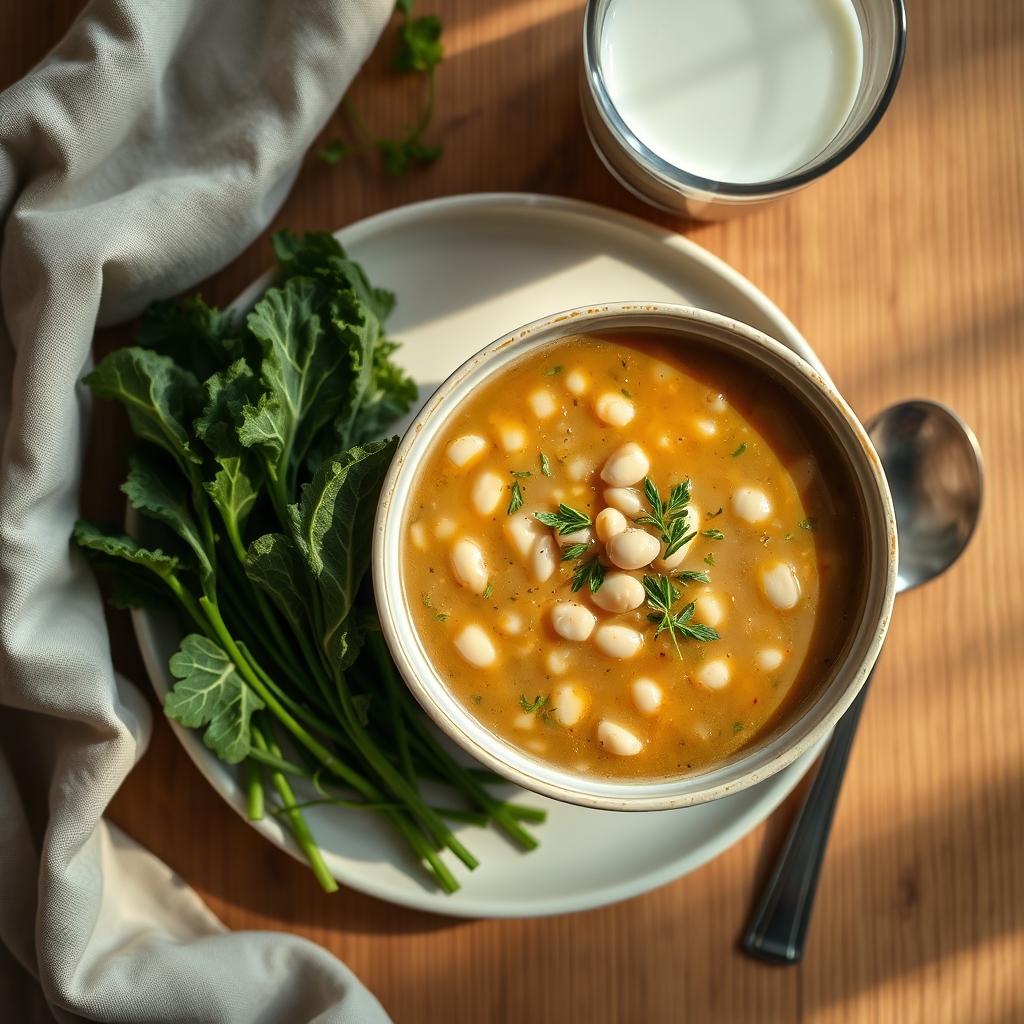
Sample budget meal: A bowl of white‑bean soup (70 mg) with a side of sautéed collard greens (140 mg) and a glass of low‑cost fortified soy milk (300 mg). Total ≈ 510 mg; add a small cheese slice (200 mg) to hit the target.
Budget‑friendly calcium combo: beans, greens, and fortified soy milk.
Calcium deficiency symptoms in pregnancy
If you’re not getting enough calcium, you might notice:
Muscle cramps or tingling in the hands and feet
Dental problems, such as brittle teeth
Weak or brittle nails
Increased risk of high blood pressure (pre‑eclampsia)
These signs can overlap with normal pregnancy discomforts, so it’s important to discuss persistent symptoms with your provider.
Calcium supplement vs food during pregnancy
Supplements are safe when used as directed, but food remains the preferred source for several reasons:
Bioavailability: Calcium from dairy and fortified foods is typically absorbed at a rate of 30‑40 %, versus 20‑25 % from many supplements.
Nutrient synergy: Foods provide vitamin D, protein, and other minerals that aid absorption.
Less risk of over‑consumption: Excess calcium from supplements can cause constipation, kidney stones, or interfere with iron absorption.
If you’re unable to meet the 1,000 mg target through diet—perhaps due to lactose intolerance, veganism, or severe nausea—your provider may recommend a calcium citrate supplement, which is easier on the stomach than calcium carbonate.
How to take a supplement safely
Take calcium tablets with a meal that contains some fat (to aid vitamin D absorption) and space them at least two hours away from iron supplements or high‑fiber meals, which can hinder uptake.
Many clinicians also suggest splitting the dose (e.g., 500 mg twice a day) because the intestine can only absorb about 500 mg at a time.
Calcium rich snacks for pregnant cravings
Cravings are real, and you can satisfy them while boosting calcium. Here are five snack ideas that are quick, portable, and pregnancy‑approved:
Cheese & apple slices: 1 oz cheddar (200 mg) + 1 medium apple (10 mg).
Yogurt parfait: ½ cup Greek yogurt (125 mg) layered with berries and a sprinkle of chia seeds.
Tofu bites: Marinated tofu cubes baked until crisp (150 mg per ½ cup).
Fortified cereal bar: Look for bars fortified with at least 100 mg calcium per serving.
These snacks fit into a daily routine and can be adjusted for caloric needs—most stay under 150 calories per serving, making them friendly for weight‑management goals.
Calcium rich meals for morning sickness
Nausea can make it hard to consume dairy, but you can still meet calcium needs with gentle, bland foods.
Warm fortified oatmeal: Cook oats with fortified soy milk (300 mg) and top with a drizzle of honey.
Plain scrambled eggs with cheese: Small amount of cheese adds calcium without heavy flavors.
Banana‑smoothie: Blend a banana, a cup of fortified almond milk, and a spoonful of calcium‑set tofu for a creamy, soothing drink.
Keep meals small, frequent, and cool if hot foods trigger nausea. The key is consistency—regularly sipping calcium‑fortified drinks can add up quickly.
Daily calcium intake recommended for pregnant teens
Teen mothers have higher calcium requirements—1,300 mg per day—because their own bones are still growing. Strategies include:
Two servings of fortified milk or soy milk (600 mg).
One serving of calcium‑set tofu (350 mg).
One snack of almonds or cheese (150 mg).
Incorporate leafy greens at dinner (100 mg).
Combining these in a balanced way helps meet the target without excessive calories. Encourage teen mothers to keep a simple food log and discuss any cravings or aversions with their prenatal care team.
How to combine calcium with vitamin D in pregnancy
Vitamin D boosts calcium absorption by stimulating intestinal calcium transport proteins. Aim for 600–800 IU of vitamin D daily, per the Institute of Medicine (IOM). Good sources include:
Fortified milks (often contain 100 IU per cup)
Fatty fish like salmon or sardines (≈ 200 IU per 3 oz)
Egg yolks (≈ 40 IU per yolk)
Sunlight exposure: 10‑15 minutes of midday sun on arms/legs, 2‑3 times per week, depending on skin tone.
When you eat a calcium‑rich meal, pair it with a vitamin D source. For example, a breakfast of fortified cereal (calcium) with a glass of orange juice fortified with vitamin D creates a synergistic combo.
Sample day combining both
Breakfast: Fortified soy milk (300 mg calcium, 100 IU vitamin D) + whole‑grain cereal. Lunch: Sardine salad (325 mg calcium, 200 IU vitamin D) on a bed of kale. Snack: Greek yogurt (250 mg calcium, 80 IU vitamin D) with a drizzle of honey. Dinner: Tofu stir‑fry (350 mg calcium) with a side of roasted sweet potatoes (vitamin D from fortified butter). Total calcium ≈ 1,225 mg; vitamin D ≈ 580 IU.
Even on cloudy days, fortified foods can reliably meet vitamin D needs, which in turn supports calcium utilization.
From our medical team: Calcium needs are consistent across trimesters, but the way you meet them can shift as your appetite changes. Focus on a variety of foods, keep vitamin D on your plate, and only consider supplements if you consistently fall short of 800 mg from diet alone. If you have a medical condition that affects absorption—such as celiac disease or inflammatory bowel disease—talk to your provider about tailored dosing.
Calcium and gestational diabetes: why it matters
Gestational diabetes (GDM) can affect mineral metabolism, and some studies suggest that adequate calcium intake may improve glucose control. The ACOG practice bulletin on GDM notes that a balanced diet rich in calcium‑containing foods can support overall metabolic health, though calcium is not a direct treatment.
For women diagnosed with GDM, incorporating low‑glycemic calcium sources—such as fortified plant milks, tofu, and non‑starchy vegetables—helps maintain steady blood sugar while still meeting bone‑building needs.
Pairing calcium‑rich foods with protein and healthy fats (e.g., a tofu scramble with avocado) can blunt post‑meal glucose spikes, a strategy endorsed by the NHS Diabetes in Pregnancy guidelines.
Calcium considerations for postpartum recovery and breastfeeding
After delivery, your body works to replenish its own calcium stores, especially if you’re breastfeeding. The National Health Service (NHS) recommends that lactating mothers continue consuming at least 1,000 mg of calcium daily to support milk production and protect maternal bone density.
Good postpartum sources include the same foods highlighted for pregnancy, plus a few added conveniences: calcium‑fortified oatmeal packets, pre‑made smoothies with fortified milk, and snack‑size cheese portions that are easy to grab during nighttime feeds.
Because breastfeeding can increase calcium loss through milk, some clinicians suggest a modest supplement (often calcium citrate 500 mg) if dietary intake falls short, but only after a thorough dietary assessment.
Myth vs. fact
Myth: You need to drink a gallon of milk every day to get enough calcium.
Fact: One cup of fortified milk provides about 300 mg, and the daily recommendation is 1,000 mg. A balanced diet with several calcium‑rich foods meets the goal without excessive dairy.
Myth: Calcium supplements are harmless and can replace food.
Fact: Over‑reliance on supplements can cause constipation and interfere with iron absorption. Food offers additional nutrients that aid calcium uptake.
Myth: Fruit alone can give you all the calcium you need.
Fact: Most fruits are low in calcium; fortified juices are an exception, but pairing fruit with dairy or fortified alternatives is best.
Key takeaways
Aim for 1,000 mg of calcium daily (1,300 mg for teens) throughout pregnancy.
Combine calcium‑rich foods with vitamin D sources for optimal absorption.
Vegetarians and dairy‑free eaters can meet needs with fortified plant milks, tofu, beans, and low‑oxalate greens.
Budget‑friendly options include fortified soy milk, canned sardines, white beans, and bulk almonds.
Space calcium and iron meals at least two hours apart to avoid absorption clashes.
Watch for muscle cramps, dental changes, or persistent fatigue—these may signal calcium deficiency.
If you have gestational diabetes, choose low‑glycemic calcium foods to help stabilize blood sugar.
Continue calcium intake postpartum, especially while breastfeeding, to protect maternal bone health.
Frequently asked questions
What are the top calcium sources for pregnant women?
Low‑fat milk, fortified soy or almond milk, Greek yogurt, cheddar cheese, calcium‑set tofu, canned sardines, and collard greens are among the highest‑calcium foods, each offering 200‑350 mg per serving.
How much calcium should a pregnant woman consume daily?
Most pregnant adults need 1,000 mg per day; teen mothers need 1,300 mg. This amount can be reached through a combination of dairy, fortified plant milks, leafy greens, legumes, nuts, and occasional fish.
Is it safe to drink milk every day during pregnancy?
Yes—milk is a safe, nutrient‑dense source of calcium and vitamin D. If you’re lactose intolerant, choose lactose‑free or fortified plant milks to avoid discomfort.
Can calcium deficiency affect baby’s development?
Insufficient calcium can lead to reduced bone mineralization in the fetus and may increase the mother’s risk for hypertension and future osteoporosis. Adequate intake supports healthy skeletal growth for both.
Are there calcium‑rich foods that are also low in calories for pregnancy?
Yes—options like low‑fat yogurt, fortified soy milk, tofu, and leafy greens provide high calcium with relatively few calories, making them suitable for weight‑management plans.
Do calcium supplements cause constipation in pregnant women?
Calcium carbonate supplements can lead to constipation in some individuals. Calcium citrate, taken with plenty of water and fiber‑rich foods, tends to be gentler on the digestive system.
Can I meet my calcium needs with plant‑based milks alone?
Yes—if you choose fortified plant milks that provide at least 300 mg calcium per cup and also contain vitamin D, you can meet most of your daily requirement by drinking 3–4 cups spread throughout the day.
How does calcium intake affect pre‑eclampsia risk?
Research cited by the WHO indicates that adequate calcium (≥ 1,000 mg daily) may reduce the risk of pre‑eclampsia, especially in women with low dietary calcium. Discuss your personal risk factors with your provider.
When to call your doctor
If you experience persistent muscle cramps, tingling sensations, unusually high blood pressure, or dental issues, contact your obstetric provider promptly. These could signal calcium deficiency or other pregnancy‑related concerns. This article provides general information and is not a substitute for personalized medical advice.
References
American College of Obstetricians and Gynecologists (ACOG). “Nutrition During Pregnancy.” 2023 clinical guidance.
National Institutes of Health (NIH). “Dietary Reference Intakes for Calcium.” 2022.
World Health Organization (WHO). “Vitamin D supplementation in pregnancy.” 2021.
U.S. Department of Agriculture (USDA) FoodData Central. Nutrient composition database, 2023.
National Health Service (NHS). “Calcium and pregnancy.” Updated 2022.
Centers for Disease Control and Prevention (CDC). “Pregnancy Nutrition.” 2023.
Institute of Medicine (IOM). “Dietary Reference Intakes for Vitamin D.” 2020.
British Dietetic Association (BDA). “Calcium intake for vegetarians and vegans.” 2022.
American College of Obstetricians and Gynecologists (ACOG). “Gestational Diabetes Mellitus.” Practice bulletin, 2022.
National Health Service (NHS). “Nutrition after birth: calcium for breastfeeding mothers.” 2023.
Not sure about the label on Calcium Rich Foods For Pregnancy products?
Snap the ingredients list and SafeFilter checks every ingredient for your stage — only 3 free scans this month, then you're locked until reset. Unlimited from $7/mo or lock $50/yr through Aug 31 (7 days left).
When Shubhra Mishra was expecting her first child in 2016, she was overwhelmed by conflicting food advice — one site said yes, another said never. By the time her second baby arrived in 2019, she realized millions of mothers face the same confusion.
That sparked a five-year journey through clinical nutrition papers, cultural diets, and expert conversations — all leading to BumpBites: a calm, compassionate space where science meets everyday motherhood.
Her long-term vision is to build a global community ensuring safe, supported, and free deliveriesfor every mother — because no woman should face pregnancy alone or uninformed. 🌿
🌍 Stand with mothers, shape safer guidance
Join a small circle of experts who review BumpBites articles so expecting parents everywhere can decide with confidence.