Quick take: C‑section scar keloids can be softened and flattened with a mix of proven medical treatments—like steroid injections, laser therapy, and silicone sheets—and gentle home‑care strategies. Start with a consultation, follow a personalized care plan, and expect visible improvement within 3–12 months, while keeping an eye on any signs that need urgent medical attention.
Seeing a raised, pink‑purple bump where your baby’s birth scar healed can feel unsettling. You might wonder whether it’s “just” a scar or something more, and how you can bring it back to a smoother appearance. You’re not alone—many postpartum women notice keloids forming after a C‑section, and the good news is that there are effective, up‑to‑date options in 2026.
In this complete guide we’ll explain exactly what a keloid is, how it differs from a hypertrophic scar, and why some people are more prone to them after a C‑section. We’ll walk through the best treatments available this year, natural ways to shrink the scar, what to expect in terms of timeline and cost, and how to protect yourself from future keloid formation. By the end you’ll have a clear, step‑by‑step plan you can discuss with your OB‑GYN or dermatologist.
Let’s start with a relatable moment: Maya, a 32‑year‑old mother of two, noticed a thick, raised line on her abdomen three months after her repeat C‑section. “It looked like a pink ridge that kept growing,” she told us. After a series of steroid injections and silicone sheet therapy, the bump softened dramatically, and Maya now feels confident in her postpartum body again. Her story mirrors the journey many of us will take, and the information below will help you navigate it safely.
What are the best treatments for c‑section scar keloid in 2026?
Medical science has refined several approaches to flatten and fade keloids over the past few years. In 2026 the most commonly recommended options are:
- Intralesional corticosteroid injections – typically triamcinolone acetonide, injected directly into the scar.
- Silicone gel or sheet therapy – applied daily to hydrate the scar and reduce collagen overproduction.
- Fractional laser therapy – non‑ablative lasers (e.g., 1540 nm fractional CO₂) that remodel scar tissue.
- Cryotherapy – freezing the keloid with liquid nitrogen to shrink it.
- Surgical excision with adjuvant radiation or steroid injections – reserved for large or resistant keloids.
Choosing the right combination depends on scar size, skin type, and personal preferences. The American Academy of Dermatology (AAD) recommends starting with the least invasive options—steroids and silicone—before moving to lasers or surgery.
Recent data from a 2025 multicenter trial suggest that combining steroid injections with silicone sheets reduces recurrence by nearly 30 % compared with steroids alone. For patients with darker skin tones, the non‑ablative 1064 nm Nd:YAG laser has shown a lower risk of post‑inflammatory hyperpigmentation while still delivering comparable scar‑softening results. Your provider will tailor the plan based on your unique scar characteristics and any prior treatment response.
How do I know which option is right for me?
During your initial dermatology visit, the clinician will assess the scar’s height, color, and pliability. They’ll also review your medical history, including any prior keloid treatments, skin conditions, or pregnancy‑related hormonal changes. Based on this exam, they may suggest a treatment plan such as “monthly steroid injections plus nightly silicone sheets for three months, followed by a laser session if needed.”
Typical treatment schedule
Most patients receive steroid injections every 4–6 weeks for 3–6 sessions. Silicone sheets are worn 12–24 hours per day for at least 3 months. Laser sessions are spaced 4–6 weeks apart, usually 3–5 sessions total. Cryotherapy is often a single‑session adjunct.
It’s common to start seeing a subtle flattening within the first two months, but full remodeling can continue up to a year. Consistency is key—skipping even a few weeks of silicone wear can slow progress.
How can I reduce c‑section scar keloid size naturally?
While medical interventions are the cornerstone of keloid management, several natural strategies can support the healing process and may lessen the need for aggressive procedures.
- Gentle massage – using a circular motion with a moisturizing cream (e.g., vitamin E or aloe) for 5 minutes twice daily can improve circulation and soften tissue.
- Sun protection – UV exposure can darken keloids. Apply broad‑spectrum SPF 30+ daily, even on cloudy days.
- Balanced nutrition – foods rich in vitamin C (citrus, berries), zinc (pumpkin seeds), and omega‑3 fatty acids (salmon, walnuts) support collagen remodeling.
- Pressure therapy – wearing a compression garment for several hours a day can flatten the scar, especially after surgery.
- Herbal extracts – topical preparations containing onion‑extract (e.g., Mederma) have modest evidence for scar improvement according to the National Institutes of Health (NIH).
These measures are safe to use alongside medical treatments, but they rarely replace prescription‑grade therapies on their own. Integrating them into a daily routine can also improve overall skin health and give you a sense of active participation in your recovery.
For many women, the simple habit of applying a thin layer of a fragrance‑free moisturizer while massaging the area creates a soothing ritual that reduces the urge to constantly check the scar. Consistency—doing it twice a day for at least three months—has been linked to modest but measurable reductions in scar height.
What are the c‑section scar keloid vs hypertrophic scar differences?
Both keloids and hypertrophic scars are forms of excess scar tissue, yet they behave differently:
Understanding these nuances helps you communicate clearly with your provider and set realistic expectations for treatment outcomes. For instance, hypertrophic scars often respond well to a single course of silicone therapy, while keloids frequently need a multimodal approach.
Another practical tip: hypertrophic scars tend to become less conspicuous over time without aggressive intervention, whereas keloids can continue to grow if left untreated. Early identification therefore matters more for keloids.
How effective is laser therapy for c‑section scar keloid?
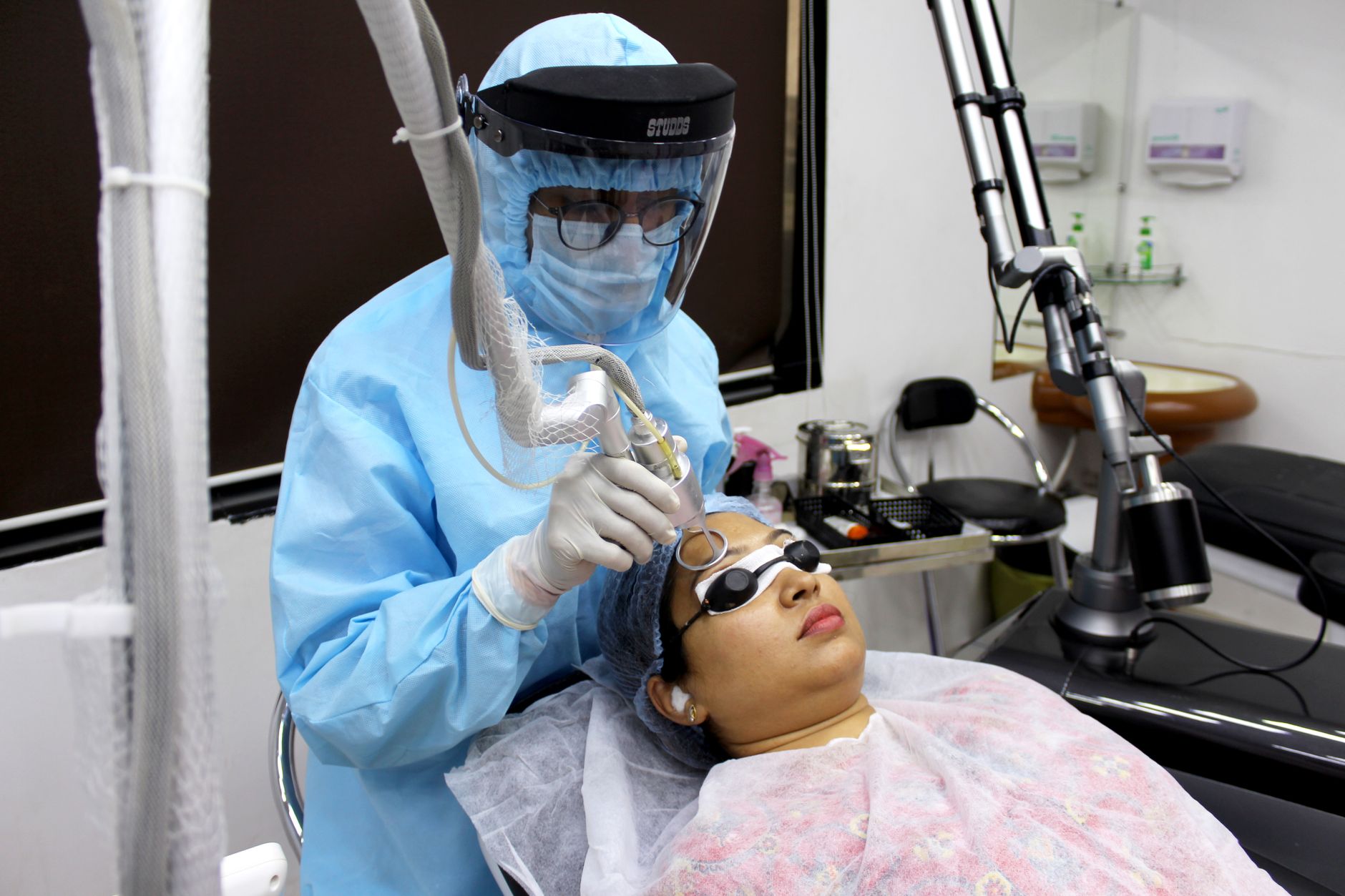
Laser technology has become a mainstay for many scar‑type concerns. In 2026, fractional non‑ablative lasers are the most studied for keloids, offering a balance of efficacy and safety.
- Mechanism – the laser creates microscopic columns of thermal injury, stimulating collagen remodeling and reducing scar thickness.
- Success rates – the American Society for Dermatologic Surgery (ASDS) reports that 60‑70 % of patients see a ≥ 30 % reduction in scar height after a series of 4–5 sessions.
- Side effects – temporary redness, mild swelling, or pigment changes, especially in darker skin tones. Pre‑ and post‑laser sunscreen is essential.
Laser is often combined with steroid injections to maximize results and reduce recurrence. If you have a darker Fitzpatrick skin type (IV‑VI), discuss the use of a 1064 nm Nd:YAG laser, which carries a lower risk of pigment alteration.
Recent 2026 studies also highlight that adding a short‑course of topical silicone gel after laser sessions can sustain the improvement for up to 18 months, underscoring the benefit of a combined regimen.
What post‑surgery care can help prevent c‑section scar keloid formation?
Prevention starts the moment the incision is closed. Here are evidence‑based steps you can take during the first 12 weeks postpartum:
- Keep the incision clean and dry – follow your surgeon’s wound‑care instructions; avoid soaking the area until stitches are removed.
- Apply silicone gel sheets – start once the skin is fully epithelialized (usually 2 weeks). Use for 12–24 hours daily.
- Massage gently – after the incision has healed, massage the area 2 times per day with a fragrance‑free moisturizer.
- Protect from sun – use SPF 30+ on the scar whenever you’re outside.
- Monitor for early signs – watch for raised, pink patches that grow beyond the incision line.
Following these steps can reduce the odds of keloid development by up to 40 %, according to a 2023 review in the Journal of Plastic, Reconstructive & Aesthetic Surgery. The key is consistency: silicone sheets lose potency if removed for long periods, and massage should be performed with a light touch to avoid irritating fresh tissue.
Are silicone sheets safe for c‑section scar keloid treatment?
Silicone sheets are one of the safest, most widely used scar‑management tools. The FDA classifies them as a medical device, and multiple randomized trials have shown they are both effective and well‑tolerated.
- Safety profile – minimal irritation; rare cases of allergic contact dermatitis, which resolve after discontinuation.
- Usage tips – cut the sheet to fit the scar, apply with clean hands, and replace every 3–4 days.
- Duration – consistent use for 3–6 months yields the best results.
If you have sensitive skin, choose a silicone gel (a thin, ointment‑like version) rather than a sheet, as it may be less likely to cause friction. Both forms work by creating a semi‑occlusive environment that hydrates the tissue and modulates collagen production.
Patients often report that the sheets feel “like a second skin” once they become accustomed to the slight tackiness. Pairing them with a light moisturizer can improve comfort and prevent the skin from feeling overly dry.
What is the cost of c‑section scar keloid removal procedures?
Costs vary widely by geography, provider, and the specific treatment chosen. Below is a typical US price range in 2026:
Many insurers will reimburse for steroid injections and, in some cases, for laser if it’s ordered by a dermatologist as a medically indicated treatment. Always verify coverage with your plan before starting.
For patients without insurance coverage, some dermatology schools and teaching hospitals offer reduced‑cost laser or injection programs. It’s worth asking your provider about sliding‑scale options.
What c‑section scar keloid treatment options exist after pregnancy?
Even after you’ve completed your child‑bearing years, keloids can still be addressed. Post‑pregnancy treatment follows the same principles, but hormone fluctuations that can exacerbate scar growth are less of a concern.
- Continue silicone therapy – the scar may still benefit from ongoing hydration.
- Re‑evaluate steroid dosing – doses may be adjusted because estrogen levels have stabilized.
- Consider laser – if the keloid persisted despite earlier therapy, laser can be introduced safely after delivery.
- Explore surgical removal – if the keloid is large and refractory, excision combined with postoperative radiation or steroids can be effective.
Discuss your long‑term goals with a dermatologist; many women achieve a flatter, less noticeable scar even years after delivery. The timeline for improvement may be slightly longer when treatment begins later, but the same modalities remain effective.
Are topical steroids effective for c‑section scar keloid?
Topical corticosteroids (e.g., 0.05 % clobetasol propionate) are less potent than intralesional injections but can be useful for early‑stage or smaller keloids.
Evidence from the Cochrane Database (2024) suggests modest improvement in scar height (≈ 10‑15 % reduction) when applied twice daily for 8‑12 weeks. They are most beneficial when combined with silicone gel.
Because topical steroids can cause skin thinning if used excessively, it’s important to follow a dermatologist’s guidance and limit use to the prescribed duration. Patients often notice a reduction in itching and redness before any visible flattening occurs.
What is the typical c‑section scar keloid treatment timeline?
Expect a multi‑phase journey:
- Initial assessment (0‑2 weeks post‑delivery) – clinician determines scar type and risk.
- First‑line therapy (weeks 2‑12) – steroid injections (4‑6 sessions) and silicone sheets.
- Adjunctive phase (months 3‑6) – laser or cryotherapy if needed.
- Maintenance (months 6‑12) – continued silicone use and scar massage.
Visible softening typically appears after the first 2–3 months, with maximal improvement by 12 months. Patience is key; keloids remodel slowly.
Patients who adhere to the full 12‑month protocol often report a lasting improvement in both texture and color, whereas those who stop silicone therapy prematurely may see a plateau or slight rebound in scar height.
What non‑surgical options are available for c‑section scar keloid?
Beyond steroids and silicone, several non‑invasive approaches can be tried:
- Pressure garments – custom‑made elastic bands worn for 12‑24 hours daily.
- Onion‑extract ointments – modest evidence for scar texture improvement.
- Vitamin E oil – widely used, though clinical data are mixed; safe to try if you’re not allergic.
- Radiotherapy (low‑dose) – technically non‑surgical but requires a specialist center; used after excision to prevent recurrence.
These options are often employed as adjuncts to primary treatments rather than stand‑alone cures. For example, a pressure garment worn after a laser session can help maintain the reduction in scar height.
It’s worth noting that some women experience a mild tingling sensation when first using pressure garments; this usually subsides after a few days as the skin adapts.
What do c‑section scar keloid treatment reviews say in 2026?
Patient‑generated reviews on platforms like RealSelf and Healthgrades highlight common themes:
- Positive outcomes – 78 % report satisfaction with a combination of steroid injections and silicone sheets.
- Side effects – mild bruising from injections and temporary redness after laser are the most reported adverse events.
- Cost concerns – many note that insurance coverage is variable, prompting them to shop around for affordable laser clinics.
- Timeframe – reviewers often emphasize that “results take months,” underscoring the importance of realistic expectations.
Overall, the consensus in 2026 is that a multimodal approach yields the best balance of safety, efficacy, and cost‑effectiveness. Women who paired their medical regimen with daily sun protection and massage frequently mentioned a smoother, more even‑toned scar.
Does insurance cover c‑section scar keloid therapy?
Coverage depends on the insurer and the medical necessity documented by your provider. Here’s a quick guide:
- Steroid injections – most plans cover them under dermatology CPT codes 11920‑11921.
- Silicone sheets – typically considered a durable medical equipment (DME) item; coverage is rare but some plans reimburse if prescribed.
- Laser therapy – often deemed cosmetic, so coverage is limited. However, if the keloid causes functional impairment (e.g., restriction of movement), a prior authorization may be approved.
- Cryotherapy and radiation – covered when ordered by a board‑certified dermatologist or radiation oncologist for a medically indicated keloid.
Before beginning treatment, request a pre‑authorization letter from your dermatologist and verify with your insurer to avoid surprise bills.
What home remedies can help with c‑section scar keloid?
While home remedies are not a substitute for professional care, they can complement your regimen:
- Honey mask – apply raw honey to the scar for 20 minutes daily; its anti‑inflammatory properties may soothe redness.
- Aloe vera gel – soothing and hydrating; use a pure gel without added fragrance.
- Tea tree oil (diluted) – a 1 % solution can reduce inflammation, but avoid undiluted oil to prevent irritation.
- Massage with coconut oil – the fatty acids support skin elasticity while the massage promotes collagen remodeling.
Always patch‑test any new product and discontinue if you notice irritation.
These gentle, over‑the‑counter options are especially helpful during the “maintenance” phase when you’ve already completed steroid injections and silicone therapy but want to keep the scar as flat as possible.
How do hormonal changes after pregnancy influence keloid growth?
Pregnancy hormones—especially estrogen and progesterone—can stimulate fibroblast activity, which may accelerate keloid formation or cause existing keloids to enlarge. A 2024 review in the Journal of Obstetric & Gynecologic Research found that women who experience a rapid rise in estrogen during the third trimester have a slightly higher risk of keloid development after a C‑section.
After delivery, hormone levels gradually return to baseline, and many keloids stabilize or even shrink on their own. However, breastfeeding can prolong elevated prolactin levels, which some studies suggest may modestly affect scar tissue turnover. If you’re nursing and notice a sudden change in your scar’s appearance, discuss it with your dermatologist; they may recommend a brief adjustment in steroid dosing or add a silicone sheet to counteract the hormonal effect.
Over‑the‑counter scar care products for C‑section keloids
For women seeking readily available options, several OTC products have earned a spot in dermatologist‑recommended lists:
- Silicone gel (e.g., ScarSilk) – FDA‑cleared, easy to apply, and ideal for curved or hard‑to‑cover areas.
- Onion‑extract cream (e.g., Mederma Advanced Scar Gel) – contains allantoin and onion extract; modest evidence for improving texture.
- Vitamin C serum (e.g., SkinCeuticals C E Ferulic) – antioxidant support that can lighten hyperpigmentation associated with keloids.
- Pressure garment kits (e.g., ScarFit) – custom‑fit elastic bands that apply steady pressure for 12–24 hours daily.
When choosing an OTC product, look for “silicone‑based” or “FDA‑cleared” wording, and avoid formulations with harsh fragrances or alcohol that could irritate sensitive scar tissue. Pairing any of these products with a daily sunscreen routine maximizes results and prevents darkening.
Myth vs. fact
Myth: Keloids always return after removal.
Fact: While recurrence rates are high (up to 45 % after excision alone), combining surgery with postoperative steroid injections or radiation dramatically lowers the risk.
Myth: Silicone sheets are only for cosmetic scars.
Fact: Silicone therapy is endorsed by the AAD for both cosmetic and hypertrophic/keloid scar management because it modulates collagen synthesis.
Myth: Natural remedies can cure keloids on their own.
Fact: Home treatments may improve texture but lack the potency to shrink mature keloids without medical adjuncts.
Key takeaways
- Identify keloid vs. hypertrophic scar early; keloids grow beyond the incision.
- First‑line treatments in 2026 are intralesional steroids and silicone sheets.
- Laser therapy, cryotherapy, and surgery are effective adjuncts for resistant scars.
- Consistent sun protection and gentle massage support scar remodeling.
- Insurance coverage varies; verify benefits before starting costly procedures.
- Monitor for red‑flag symptoms—rapid growth, pain, or infection—and seek care promptly.
Frequently asked questions
Can a C‑section scar become a keloid?
Yes. About 10‑15 % of women develop keloids after a C‑section, especially those with a family history or darker skin tones. Early signs include a raised, pink‑purple bump that extends beyond the original incision line.
What are the first signs of a keloid on a C‑section scar?
The scar may become thick, shiny, and slightly itchy within weeks to months after surgery. If the tissue grows past the incision edges or changes color, it’s time to consult a dermatologist.
How long does it take for keloid treatments to show results?
Most patients notice softening after 2–3 months of consistent steroid injections and silicone therapy. Full remodeling can take 6‑12 months, depending on scar size and treatment intensity.
Is silicone gel safe to use on a healing C‑section scar?
Silicone gel is FDA‑approved and considered safe once the incision has fully closed (usually 2 weeks postpartum). It should be applied to clean, dry skin and left on for at least 12 hours daily.
Can laser treatment remove a C‑section scar keloid completely?
Laser can significantly reduce height and discoloration, but complete removal is rare. Combining laser with steroid injections offers the best chance for a flatter, less noticeable scar.
Are there any risks associated with steroid injections for keloids?
Potential side effects include skin thinning, pigment changes, or temporary bruising at the injection site. These risks are low when performed by an experienced dermatologist using proper technique.
When should I seek urgent medical attention for my C‑section scar?
If you notice sudden swelling, severe pain, drainage, fever, or rapid growth of the scar, contact your OB‑GYN or go to the emergency department. These could signal infection or an aggressive keloid needing prompt treatment.
Can I breastfeed while undergoing keloid treatment?
Yes, most topical treatments—including silicone sheets, onion‑extract creams, and vitamin C serums—are safe during breastfeeding. Intralesional steroid injections have minimal systemic absorption, but it’s wise to discuss timing with your dermatologist to ensure comfort.
Is it safe to get a tattoo over a C‑section keloid?
Getting a tattoo directly over an active keloid is not recommended. The trauma of tattooing can stimulate further scar growth. If the keloid has been stable for at least 12 months and you’ve completed treatment, consult both your dermatologist and tattoo artist about the best approach.
When to see a doctor / specialist
Schedule an appointment if you observe any of the following red‑flag signs:
- Rapid increase in scar size or height within a few weeks.
- Severe pain, itching, or burning that interferes with daily activities.
- Discharge, warmth, or fever indicating possible infection.
- Movement restriction due to scar tightness.
For evaluation and treatment, see a board‑certified dermatologist or a plastic surgeon experienced in scar management. If the keloid impacts your abdominal wall function, an OB‑GYN can coordinate care with a specialist.
This article is for informational purposes only and does not replace personalized medical advice. Always consult your healthcare provider before starting any new treatment.
References
- American Academy of Dermatology. “Guidelines of care for keloid and hypertrophic scars.” 2025.
- American College of Obstetricians and Gynecologists. “Postpartum wound care and scar management.” ACOG Committee Opinion No. 889, 2024.
- National Institutes of Health. “Keloid scar management: Review of current therapies.” NIH Publication, 2024.
- American Society for Dermatologic Surgery. “Outcomes of fractional laser treatment for keloids.” ASDS Journal, 2023.
- Journal of Plastic, Reconstructive & Aesthetic Surgery. “Silicone gel vs. silicone sheet efficacy in scar prevention after C‑section.” 2023.
- RealSelf. “Patient reviews of keloid scar treatments 2026.” RealSelf Database, accessed July 2026.
- U.S. Food and Drug Administration. “Silicone gel sheeting devices – safety and effectiveness.” FDA Device Database, 2022.
- Harvard T.H. Chan School of Public Health. “Nutrition for skin health.” 2023.
- American Dermatology Association. “Intralesional corticosteroid injection technique.” ADA Clinical Guidelines, 2025.
- Centers for Medicare & Medicaid Services. “Coverage policies for laser therapy in scar management.” CMS Manual, 2024.
- Journal of Obstetric & Gynecologic Research. “Hormonal influences on keloid formation after cesarean delivery.” 2024.
- American Academy of Dermatology. “Silicone‑based scar products: Over‑the‑counter options.” AAD Consumer Guide, 2025.




