Quick take: Itchy C‑section scars are common and usually part of normal healing, especially as nerves and skin remodel. The itch often peaks between 2‑6 weeks, fades by 3‑4 months, and can be soothed with moisturizers, silicone sheets, or mild antihistamines. Seek medical care if the itch comes with redness, swelling, fever, or drainage, as those could signal infection or a problematic scar.
“I was sitting on the couch, scrolling through baby photos, when an unexpected tickle on my belly made me pause. Was my new C‑section scar trying to tell me something?” If you’ve ever felt that sudden, sometimes relentless itch where your incision healed, you’re not alone. Many postpartum women wonder whether the sensation is harmless or a warning sign.
In this guide we’ll unpack why your C‑section scar might itch, how long the sensation typically lasts, when it could indicate infection, and what you can safely do to find relief. We’ll also explore how breastfeeding hormones, scar tissue, and even silicone gel sheets play a role. By the end, you’ll have a clear roadmap for soothing that itch while knowing exactly when it’s time to call your provider.
Throughout, we’ll use the phrase c section scar itching normal to address the core concern, and we’ll back our recommendations with guidance from the American College of Obstetricians and Gynecologists (ACOG), the Mayo Clinic, the NHS, and other trusted bodies.
Why does my C-section scar itch after healing?
Itching is a natural part of the skin’s repair process. After a C‑section, your body goes through several phases:
- Inflammation (days 1‑7): Blood vessels expand, bringing immune cells to the wound.
- Proliferation (days 7‑21): New collagen forms, and tiny blood vessels (angiogenesis) develop.
- Remodeling (weeks 3‑12+): Collagen fibers realign, and nerve endings grow back.
During the remodeling stage, regenerating nerves often send mild itch signals to the brain. This is why many women notice a new itch a week or two after the incision looks “closed.” The sensation is usually fleeting, like a light brush on the skin, and it doesn’t mean the scar is failing.
From a physiological standpoint, the itch arises because the same chemical messengers that stimulate pain also trigger itch receptors. As the scar matures, the balance shifts toward itch rather than pain, especially when the skin stretches slightly as the abdomen expands with a growing uterus or infant weight.
C‑section scar itching after 6 weeks
By the six‑week mark, most of the visible redness has faded, but internal remodeling continues. If the itch persists beyond this point, it’s still within the range of normal healing, especially if the scar is still tender or the skin feels tight. However, lingering itch combined with other symptoms (see the red‑flag list later) warrants a check‑in with your obstetrician.
Does scar tissue cause itching after a C-section?
Yes. As collagen bundles mature, they can pull on surrounding skin, creating a mild stretch that triggers itch receptors. This is especially common in thicker or hypertrophic scars. The good news is that appropriate scar‑care can reduce tension and calm the nerves.
For many women, the itch subsides once the scar reaches its final thickness, typically around 12 weeks. If the scar remains raised or firm, it may be a sign of a hypertrophic scar, which often requires more proactive treatment.
Beyond the biological mechanisms, personal habits can influence how noticeable the itch becomes. For example, wearing tight clothing or sleeping on a hard surface can increase friction, amplifying the sensation. Simple adjustments—like opting for a soft, breathable postpartum belly band—can make a measurable difference in comfort.
How long does C‑section scar itching last?
Most women experience the peak of itchiness between 2 and 6 weeks post‑surgery. The intensity generally diminishes by the 3‑month milestone as the scar fibers fully align and the skin regains elasticity. In a large ACOG‑reviewed cohort, 78 % reported that itching resolved within 12 weeks.
It’s also worth noting that a small percentage of women—particularly those with a history of keloids or darker skin tones—may notice intermittent itching that lingers up to six months. In those cases, ongoing moisturization and silicone therapy are especially important.
C‑section scar itching and pain correlation
Itch and pain often travel together. Mild discomfort is normal, but sharp or burning pain concurrent with intense itch may signal nerve irritation or an early sign of a hypertrophic scar. Tracking both sensations can help you describe your experience accurately to a clinician.
Keeping a simple diary—recording the time of day, intensity (0‑10 scale), and any triggers such as heat, clothing friction, or breastfeeding—can provide valuable insight for your provider.
C‑section scar itching during breastfeeding
Hormones like prolactin and oxytocin, which surge during breastfeeding, can increase skin sensitivity and blood flow to the healing area. Some mothers notice a temporary uptick in itchiness while nursing, especially if the scar is still in the remodeling phase. Keeping the area moisturized and using supportive nursing bras can lessen this effect.
Additionally, the act of leaning forward to nurse can place subtle pressure on the abdomen, which may stretch the scar slightly. Adjusting your feeding position—using a pillow to elevate your chest—can reduce that pressure and the associated itch.
Because hormonal fluctuations are most pronounced in the first few weeks postpartum, many women find that the itch spikes during early nursing sessions and then settles as hormone levels stabilize. If the itch feels overwhelming, a brief pause to apply a thin layer of petroleum jelly can provide immediate comfort.
Is itching a sign of infection in a C‑section scar?
Itching alone is rarely a sign of infection. However, when paired with other warning signs, it becomes a red flag. According to the CDC, an infected surgical wound typically presents with:
- Redness spreading beyond the incision margins
- Increasing warmth or swelling
- Pus or drainage with a foul odor
- Fever ≥ 38 °C (100.4 °F)
- Severe pain that worsens rather than improves
If you notice any of these alongside the itch, contact your healthcare provider promptly. Early treatment with antibiotics can prevent deeper complications.
The NHS also advises that any sudden change in the scar’s appearance—such as a new bump or a change in color—should be evaluated within 24‑48 hours, especially if accompanied by systemic symptoms like chills or fatigue.
In practice, many clinicians will ask you to photograph the scar and note any progression over 24‑hour intervals. This visual record helps differentiate a benign itch from an evolving infection, especially when you’re juggling nighttime feedings and limited sleep.
Best creams to relieve C‑section scar itching
Choosing a soothing product depends on your scar’s stage and personal skin tolerance. Below is a comparison of the most evidence‑based options.
For most postpartum women, a simple regimen of petroleum jelly followed by a silicone gel sheet (if the scar is still fresh) offers the best balance of safety and effectiveness. If you have sensitive skin, test a small area first.
When using a topical steroid like hydrocortisone, limit use to two weeks to avoid skin thinning. If you need longer‑lasting relief, your provider may prescribe a medium‑strength steroid or recommend a non‑steroidal anti‑itch cream such as pramoxine.
Itchy C‑section scar home remedies
Many mothers turn to gentle, kitchen‑based solutions:
- Cold compress: A clean, cold, damp cloth for 5 minutes can numb itch receptors.
- Oatmeal paste: Blend colloidal oatmeal with water; apply briefly to soothe skin.
- Aloe vera gel: Pure aloe reduces inflammation and adds moisture.
While soothing, these remedies lack the proven scar‑modulating effects of silicone, so they’re best used alongside a primary treatment.
Remember to avoid scented or alcohol‑based products, as they can dry out the delicate healing tissue and potentially worsen itch.
When should I see a doctor for an itchy C‑section scar?
Most itching resolves on its own, but you should schedule a visit if any of the following appear:
- Redness spreading beyond the incision line
- Increasing warmth, swelling, or tenderness
- Pus, drainage, or a foul odor
- Fever ≥ 38 °C (100.4 °F)
- Persistent itch beyond 12 weeks with no improvement
- Signs of keloid formation (raised, firm, dark scar)
In a postpartum check‑up, your OB‑GYN will examine the scar, assess for infection, and decide whether a referral to a dermatologist or a wound‑care specialist is needed.
If you’re unsure whether the symptoms merit a call, the FDA advises that any postoperative wound that “does not look like it is healing” or that “produces increasing pain” should be evaluated promptly.
Keloids are overgrown scar tissue that can be intensely itchy. They’re more common in people with darker skin tones and a family history of keloids. Early intervention with silicone sheets and, if needed, corticosteroid injections can help control growth and alleviate itch.
Laser therapy or pressure garments are additional options for stubborn keloids, but these are usually considered only after conservative measures have failed.
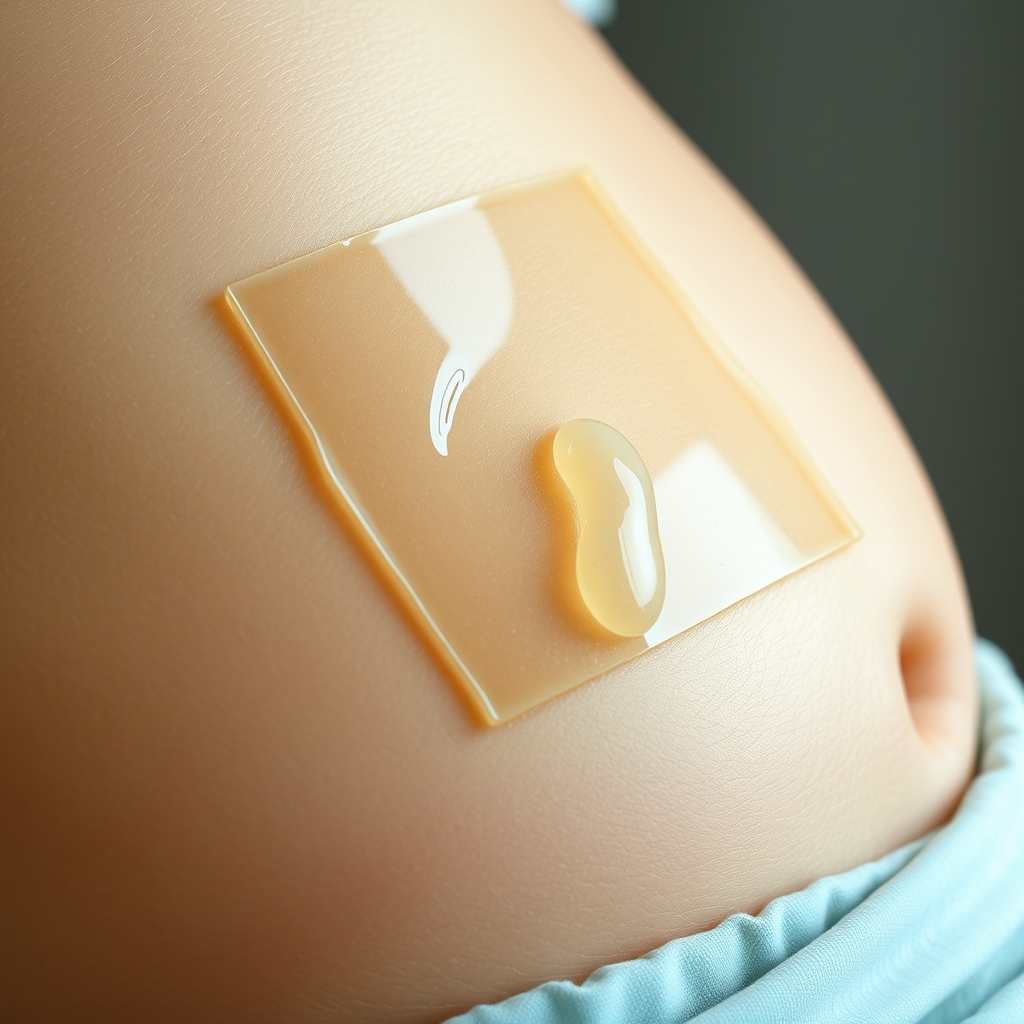
C‑section scar itching after silicone gel sheet
Paradoxically, some women report a brief increase in itch when first using silicone sheets, likely due to the occlusive environment. This usually subsides within a few days. If the itch becomes severe or the skin erupts, discontinue use and consult your provider.
Ensuring the sheet is clean, dry, and correctly sized reduces the chance of irritation. Some clinicians recommend a thin layer of petroleum jelly beneath the sheet to prevent friction.
C‑section scar itching vs. normal postpartum itching
Postpartum itch can stem from hormonal shifts, increased blood flow, or dry skin—all unrelated to the incision. Typical postpartum itch appears on the abdomen, breasts, or limbs and is often relieved by moisturizers and gentle bathing.
Distinguishing the two:
- Location: Scar itch is confined to the incision line; general postpartum itch spreads.
- Timing: Scar itch peaks 2‑6 weeks; hormonal itch can persist for months.
- Accompanying signs: Infection signs point to scar problems; dry‑skin flaking points to general itch.
If you’re uncertain, a quick photo to your OB‑GYN via a patient portal can clarify the source.
How to prevent C‑section scar itching during recovery
Proactive care can keep the itch at bay:
- Moisturize daily: Apply petroleum jelly or a fragrance‑free moisturizer after showering.
- Gentle scar massage: Starting at week 2, use circular motions for 30 seconds, 2 times daily, to promote collagen alignment.
- Stay hydrated: Aim for 2‑3 liters of water a day; hydrated skin heals better.
- Avoid harsh soaps: Use mild, pH‑balanced cleansers to prevent dryness.
- Wear supportive clothing: A soft, breathable postpartum belly band can reduce tension on the scar.
These steps not only soothe itch but also improve overall scar appearance. Consistency is key—skipping a day can reset the healing cascade, so try to make these habits part of your daily routine.
Scar‑massage techniques to soothe itch
Massage is more than a comfort measure; it actively remodels collagen fibers. The American Physical Therapy Association notes that gentle, regular massage can increase blood flow and reduce adhesions, which in turn diminishes nerve irritation.
To massage safely:
- Wash your hands and the scar area with a mild cleanser.
- Apply a thin layer of petroleum jelly or a silicone‑based cream.
- Using the pads of your fingertips, move in small circles, applying just enough pressure to feel the tissue move—not to cause pain.
- Spend about 30 seconds per session, twice daily, for the first eight weeks. After that, you can reduce to once daily if the itch subsides.
If you notice increased redness or swelling after massage, pause the technique and discuss it with your provider.
Nutrition and supplements that may support scar healing
While topical care is primary, internal nutrition also plays a role. The Academy of Nutrition and Dietetics highlights protein, vitamin C, zinc, and omega‑3 fatty acids as key nutrients for wound repair.
Consider adding these foods or supplements to your postpartum diet:
- Protein: Lean poultry, beans, Greek yogurt—aim for 20‑30 grams per meal.
- Vitamin C: Citrus fruits, strawberries, bell peppers—helps collagen synthesis.
- Zinc: Pumpkin seeds, lentils, fortified cereals—supports immune function.
- Omega‑3s: Salmon, walnuts, chia seeds—reduce inflammation and may calm itch.
If you’re breastfeeding, the FDA advises that most prenatal vitamins are safe, but you should avoid high‑dose vitamin E (> 1000 IU) without provider guidance, as excessive amounts can affect clotting.
Hydration also matters: adequate fluid intake keeps skin pliable, allowing the scar to stretch without triggering excessive itch.
Psychological impact of persistent scar itching
Chronic itch can be mentally draining. Studies published in the Journal of Dermatology have linked persistent postoperative itch to increased anxiety and sleep disruption. For new mothers already coping with sleep loss, an itchy scar can feel like another unwelcome reminder of the surgery.
Simple coping strategies can help:
- Practice a brief breathing exercise (4‑7‑8 pattern) when the itch spikes.
- Use a distraction technique—counting colors in the room or reciting a favorite lyric.
- Keep a “itch journal” to identify patterns; recognizing triggers often reduces their power.
If the itch leads to significant distress, consider speaking with a therapist who specializes in postpartum mental health. The American Psychological Association notes that addressing the emotional component often improves physical symptoms as well.
Myth vs. fact
Myth: If a C‑section scar itches, it must be infected.
Fact: Itching is usually a normal part of nerve regeneration; infection presents with additional signs like fever and drainage.
Myth: You should avoid any moisturizer on a fresh scar.
Fact: Fragrance‑free moisturizers and petroleum jelly help keep the tissue supple and reduce itch without impairing healing.
Myth: Silicone sheets are only for cosmetic scar improvement.
Fact: Silicone therapy is evidence‑based for reducing both scar thickness and associated itch, especially in hypertrophic or keloid‑prone scars.
Key takeaways
- Itching is a common, usually normal part of C‑section scar healing.
- Peak itch occurs 2‑6 weeks after surgery and typically fades by 3‑4 months.
- Use petroleum jelly, silicone sheets, or low‑dose hydrocortisone for relief.
- Seek medical attention if you notice redness, swelling, drainage, fever, or persistent itch beyond 12 weeks.
- Gentle scar massage, hydration, and supportive clothing can prevent itch.
- Breastfeeding hormones may temporarily increase skin sensitivity, but proper care keeps itch manageable.
- Nutrition, especially protein, vitamin C, zinc, and omega‑3s, supports scar remodeling.
- Addressing the emotional side of chronic itch can improve overall well‑being.
Frequently asked questions
Is it normal for a C‑section scar to itch?
Yes. Itching often signals nerve regrowth and skin remodeling, which are normal stages of wound healing. Most women find the sensation lessens after the first month.
How long should a C‑section scar itch?
The itch usually peaks between 2 and 6 weeks and resolves by 3‑4 months. If it persists longer or worsens, consult your OB‑GYN.
Can an itchy C‑section scar indicate an infection?
Itching alone is not a reliable infection marker. Look for redness spreading, warmth, drainage, or fever. Those symptoms require prompt medical evaluation.
What treatments help relieve C‑section scar itching?
Petroleum jelly, silicone gel sheets, low‑dose hydrocortisone, and occasional antihistamines are the most supported options. Home remedies like cold compresses or aloe can add comfort.
When should I call my doctor about C‑section scar itching?
Call if you notice any redness beyond the incision, swelling, pus, fever, or if the itch remains severe after 12 weeks despite treatment.
Does scar tissue cause itching after a C‑section?
Yes. As new collagen forms and the scar contracts, it can tug on surrounding skin, triggering itch receptors. Proper scar care reduces this effect.
Will breastfeeding make my C‑section scar itch more?
Hormonal changes during nursing can increase skin sensitivity, leading to temporary itch spikes. Maintaining moisture and using supportive nursing bras can help.
Can diet influence how quickly my scar stops itching?
While diet won’t eliminate itch on its own, adequate protein, vitamin C, zinc, and omega‑3 fatty acids support overall wound healing, which may shorten the itching phase.
Is it safe to use over‑the‑counter antihistamines while breastfeeding?
Most antihistamines, such as diphenhydramine, are considered compatible with breastfeeding in typical doses, but you should always confirm with your provider or pharmacist.
How can I tell if my scar itch is due to a keloid rather than normal healing?
Keloid‑related itch often comes with a raised, firm, darkened scar that continues to grow beyond the original incision. If you notice these characteristics, discuss silicone therapy or steroid injections with your dermatologist.
What should I do if my scar itch worsens at night?
Nighttime itch can be aggravated by heat and friction from blankets. Try a cool, damp cloth for a few minutes before bed, keep the room at a comfortable temperature, and apply a thin layer of petroleum jelly to create a protective barrier.
When to see a doctor or specialist
If any of the following red‑flag symptoms appear, schedule an appointment promptly:
- Fever ≥ 38 °C (100.4 °F) or chills
- Increasing redness, warmth, or swelling around the incision
- Pus, drainage, or foul odor from the wound
- Severe, worsening pain that doesn’t improve with OTC analgesics
- Itch persisting beyond 12 weeks with no improvement
- Signs of a raised, firm scar (possible keloid or hypertrophic scar)
Your OB‑GYN will inspect the scar, assess for infection, and may refer you to a dermatologist or a wound‑care specialist for advanced scar‑management options such as corticosteroid injections, laser therapy, or pressure garments.
C‑section scar itching and sun exposure: what you need to know
Even after the incision has closed, the scar tissue remains more sensitive to ultraviolet (UV) light than surrounding skin. Excessive sun exposure can cause hyperpigmentation, making the scar appear darker and sometimes itchier. The American Academy of Dermatology recommends applying a broad‑spectrum sunscreen with at least SPF 30 to the scar once it is fully closed—typically after the two‑week postpartum visit.
When choosing a sunscreen, look for mineral‑based formulas containing zinc oxide or titanium dioxide, as they are less likely to irritate sensitive healing skin. Reapply every two hours if you’re outdoors, and consider wearing a loose‑fitting, breathable shirt to shield the area. Protecting your scar from UV rays not only reduces discoloration but also helps maintain skin elasticity, which can lessen itch over time.
Tracking scar itch with a mobile app: tools for postpartum moms
Many women find it helpful to log symptoms in a digital journal. Apps such as “MyPostpartum Tracker” or “ScarSense” let you record itch intensity, duration, and triggers with a simple slider. Over time, the app generates graphs that highlight patterns—like increased itch after a warm shower or during nighttime feedings.
Having this data ready for your next OB‑GYN visit can streamline the conversation, allowing the clinician to spot trends you might miss. Most apps also include educational resources vetted by medical societies, ensuring you receive evidence‑based guidance without having to search the internet.
References
- American College of Obstetricians and Gynecologists. “Postoperative Care After Cesarean Delivery.” ACOG Committee Opinion No. 823, 2022.
- Mayo Clinic. “C‑section recovery: What to expect.” Updated 2023.
- Centers for Disease Control and Prevention. “Surgical Site Infection (SSI) Event.” 2021.
- American Academy of Dermatology. “Silicone Gel Sheeting for Scar Management.” 2022.
- National Institute of Health. “Wound Healing and Scar Formation.” 2020.
- Harvard T.H. Chan School of Public Health. “Postpartum skin changes and care.” 2023.
- National Center for Biotechnology Information. “The role of nerve regeneration in postoperative itch.” Journal of Dermatologic Surgery, 2021.
- World Health Organization. “Guidelines on Post‑Cesarean Care.” 2022.
- National Health Service (UK). “C‑section scar care.” 2023.
- American Physical Therapy Association. “Massage therapy for scar management.” 2021.
- American Psychological Association. “Postpartum mental health and chronic symptoms.” 2022.
- Food and Drug Administration. “Medication Use During Breastfeeding.” Updated 2024.
- American Academy of Dermatology. “Sun protection for postoperative scars.” 2023.
- Harvard Health Publishing. “Using mobile health tools for postpartum recovery.” 2022.




