Quick take: A c‑section scar bulge repair is a safe, outpatient procedure that usually heals in 6‑8 weeks. Non‑surgical options like silicone sheets and massage can help early on, but surgery offers the most reliable flattening. Costs in 2026 average $4,500‑$7,500 in the U.S., and many plans cover part of it. Breastfeeding is not a barrier, yet you’ll need a short pause from heavy lifting. If you notice redness, fever, or increasing pain, call your provider right away.
Seeing a small “bump” along your cesarean incision can feel unsettling, especially when you’re already juggling newborn feeds and sleepless nights. You’re not alone—many new mothers notice a raised area that looks like a tiny hernia or a thickened scar. This guide walks you through everything you need to know about c‑section scar bulge repair: what it is, how it’s diagnosed, non‑surgical and surgical options, recovery timelines, costs, and safety while breastfeeding. By the end, you’ll have a clear roadmap and know exactly what questions to ask your surgeon.
We’ll start with a quick definition, then dive into symptoms, treatment choices, and the step‑by‑step surgical repair. Along the way you’ll find practical tips—like the best silicone sheets, massage techniques, and ways to protect the scar before your next pregnancy. Let’s turn that “bulge” into a thing of the past.
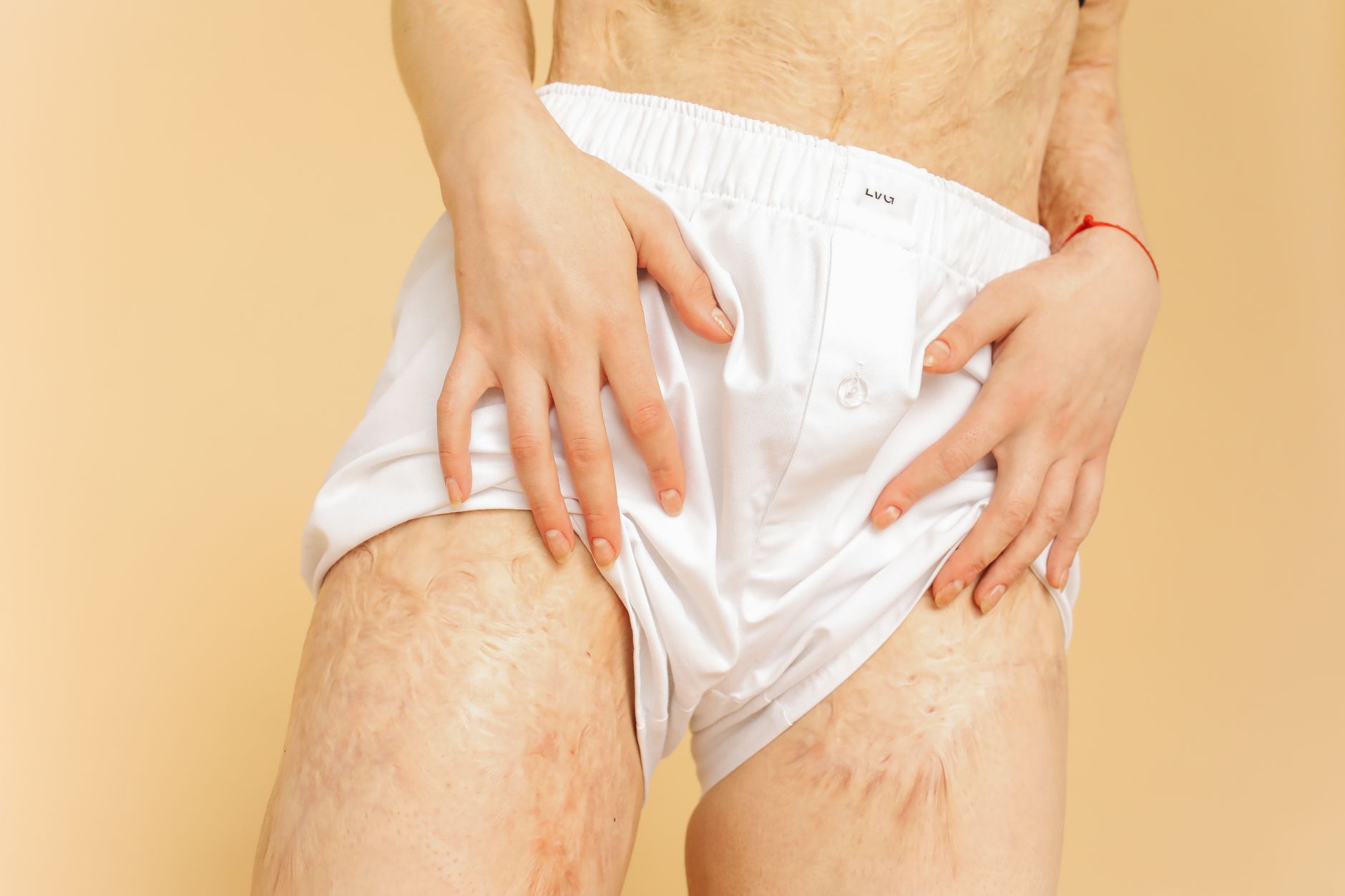
How long does it take for a c section scar bulge to heal after repair?
Most women report that the initial swelling subsides within the first two weeks, but full tissue remodeling can stretch to 6‑8 weeks. Your surgeon will likely schedule a follow‑up at two weeks to check the incision, then another at six weeks to assess the final contour. Healing follows a predictable cascade: inflammation, proliferation, and remodeling. By staying within the recommended activity limits, you support each phase and reduce the chance of a recurrent bulge.
During the remodeling phase, collagen fibers realign and become stronger. Nutrition, sleep quality, and gentle movement all influence how quickly this process completes. If you notice any setbacks—such as persistent tightness or a sudden return of the bulge—contact your surgeon promptly so they can evaluate whether additional support, like a compression garment, is needed.
What happens during the first week?
- Days 1‑3: The incision is closed with dissolvable sutures or skin glue. You’ll keep the area covered with a sterile dressing.
- Days 4‑7: Gentle walking is encouraged to promote circulation. Swelling may feel “tight,” but pain should be manageable with acetaminophen.
When can you expect the bulge to flatten?
By week three, the tissue begins to adhere to the abdominal wall, reducing the visible protrusion. Most patients notice a smoother line by week four, though the final result—especially if you’re using silicone sheets—often isn’t visible until week eight.
Factors that influence healing time
Age, nutrition, smoking status, and whether you have diabetes can all extend recovery. A well‑balanced diet rich in protein, vitamin C, and zinc (think lean poultry, citrus, and pumpkin seeds) supports collagen synthesis and speeds up scar remodeling.
When to call your provider
If you develop increasing redness, drainage, fever over 100.4 °F (38 °C), or severe pain that isn’t controlled with over‑the‑counter medication, contact your OB‑GYN or surgeon immediately.
What are the best non‑surgical treatments for c section scar bulge?
Before opting for surgery, many clinicians recommend a trial of conservative measures. These approaches aim to soften the scar tissue, improve elasticity, and reduce the bulge’s prominence. Non‑surgical care also gives your body a chance to heal naturally, which can be especially comforting for breastfeeding mothers who prefer to avoid anesthesia when possible.
Results vary, but most women see a modest improvement—often enough to postpone surgery for several months. Consistency is key; applying the recommended regimen daily for at least three months yields the most reliable outcomes.
Silicone sheets and gels
Silicone is the gold‑standard for scar management. A thin silicone sheet applied for 12‑14 hours daily can flatten a bulge by up to 30 % over three months. Look for medical‑grade products that are hypoallergenic and breathable. The best silicone sheets for c section scar bulge in 2026, according to the American Society for Dermatologic Surgery, are those with a tensile strength of at least 0.5 MPa and a silicone layer thickness of 0.5 mm.
Massage techniques
Gentle massage encourages collagen realignment. Use a circular motion with light pressure, moving from the center of the scar outward for 5‑10 minutes, twice daily. A common protocol is the “3‑30‑30” method: 3 seconds of pressure, 30 seconds of circular motion, and 30 seconds of gentle stretching.
Compression garments
Custom‑fit abdominal binders provide consistent pressure, which can limit the bulge’s expansion. Wear for 4‑6 hours each day, preferably after showering when the skin is warm and more pliable.
Topical vitamin E and onion‑extract creams
Evidence is mixed. While some small studies show modest improvement in scar color, the impact on bulge size is minimal. If you choose to use these products, apply them after cleansing and before silicone sheets.
When to consider surgery
If the bulge persists after 3‑4 months of diligent non‑surgical care, or if it interferes with daily activities, a surgical c‑section scar bulge repair may be the most effective solution. Discuss your progress with your provider; they can help you decide when the benefits of surgery outweigh the remaining non‑surgical gains.

c section scar bulge repair cost in 2026 usa
Financial considerations are a real part of deciding on surgery. In 2026, the average out‑of‑pocket cost for a c‑section scar bulge repair in the United States ranges from $4,500 to $7,500, depending on geography, surgeon experience, and facility fees.
Understanding the cost drivers helps you anticipate insurance questions and avoid surprise bills. Many surgeons offer a detailed estimate during the pre‑operative visit, and some clinics have financial counselors who can walk you through payment plans or assistance programs.
Breakdown of typical charges
Insurance coverage
Most private insurers treat scar bulge repair as a “medically necessary” procedure when the bulge causes pain, functional limitation, or is diagnosed as an incisional hernia. In those cases, they cover 70‑90 % of the cost after deductible. Medicare and many Medicaid plans also provide partial coverage when the bulge is classified as a hernia.
What to ask your provider
- Is the procedure coded as “repair of incisional hernia” or “scar revision”? This affects reimbursement.
- Will my plan require a prior authorization?
- Are there any in‑network facilities that could lower the out‑of‑pocket expense?
Is a c section scar bulge repair safe during breastfeeding?
Yes, the procedure is generally safe for lactating mothers. The surgery uses local anesthesia with or without short‑acting sedation, which does not pass into breast milk in amounts that affect the infant.
Studies from the American College of Obstetricians and Gynecologists (ACOG) confirm that the pharmacokinetics of commonly used agents—such as lidocaine and short‑acting opioids—remain well below infant‑exposure thresholds. This means you can focus on recovery without worrying about compromising your baby’s nutrition.
Medication considerations
Post‑op pain control often involves acetaminophen or ibuprofen—both are compatible with breastfeeding. If a stronger analgesic is needed, your surgeon will choose a medication with a well‑established safety profile, such as short‑acting tramadol, which is considered compatible in limited doses.
Timing of the surgery
Many surgeons recommend waiting until after the first 6‑8 weeks of exclusive breastfeeding if possible, simply to reduce any stress on your body. However, if the bulge is painful or interferes with daily function, an earlier repair is still permissible.
Impact on milk supply
The incision is low on the abdomen and does not affect the milk‑producing glands. You may notice a temporary dip in supply if you experience significant post‑op stress, but this usually resolves within a few days of returning to your normal feeding routine.
Practical tips for nursing after surgery
- Use a supportive nursing pillow to keep your abdomen relaxed while feeding.
- Stay hydrated and maintain a calorie‑dense diet to support both healing and milk production.
- If you experience a sore nipple, consider a lactation consultant; the surgery itself won’t cause nipple issues.
What are the risks and complications of c section scar bulge surgery?
All surgeries carry some risk, but the complication rate for c‑section scar bulge repair is low—around 3‑5 % in major academic centers. Understanding these risks helps you weigh the benefits against potential downsides, and it equips you to recognize warning signs early.
Most complications are minor and resolve with simple interventions, but staying vigilant and following post‑operative instructions can dramatically lower the chance of a serious event.
Common complications
- Infection: Occurs in 1‑2 % of cases. Signs include redness, warmth, drainage, or fever.
- Seroma: Fluid collection under the skin; often resolves with needle aspiration.
- Recurrence: The bulge can re‑appear in 5‑10 % of patients, especially if postoperative activity restrictions aren’t followed.
- Hematoma: Bleeding under the incision; may need drainage.
- Nerve irritation: Temporary numbness or tingling around the scar.
Rare but serious risks
These include deep incisional hernia, abdominal organ injury, and adverse reactions to anesthesia. They are exceptionally uncommon (<0.5 %).
Minimizing risk
Choose a board‑certified plastic or general surgeon with specific experience in incisional hernia repair. Follow pre‑operative instructions—stop smoking at least two weeks before surgery, control blood sugar if diabetic, and attend any pre‑op nutrition counseling.
When to seek urgent care
Red‑flag symptoms include increasing abdominal pain, spreading redness, foul‑smelling drainage, high fever, or sudden swelling that feels hard and tender. These may indicate infection or a developing hernia and warrant immediate evaluation.
Prevention starts the moment you step into the delivery room. While you can’t control the need for a cesarean, you can influence how your scar heals.
Many of the strategies below are supported by the National Health Service (NHS) and ACOG guidelines, so you can feel confident that they’re evidence‑based.
Intra‑operative techniques
Surgeons who close the fascia with a continuous “mass closure” technique and place a slowly absorbable suture (e.g., polydioxanone) have lower bulge rates. Ask your OB‑GYN about their closure method if you’re planning a future C‑section.
Post‑operative care
- Keep the incision clean and dry for the first 48 hours.
- Wear a supportive abdominal binder for 4‑6 weeks.
- Begin gentle walking on day 1 to improve circulation.
- Start scar massage after the sutures dissolve (usually 2 weeks).
Nutrition and lifestyle
Protein ≥ 1.2 g/kg body weight, vitamin C ≥ 90 mg, and zinc ≥ 8 mg daily support collagen remodeling. Avoid smoking, limit caffeine, and stay hydrated.
Exercise strategy
Resume core‑strengthening exercises only after week 6, and start with low‑impact moves (pelvic tilts, diaphragmatic breathing). Progress to planks and abdominal bracing only after your surgeon clears you.
c section scar bulge repair vs. scar revision outcomes
While both procedures address the appearance of a cesarean scar, they differ in goals and techniques.
Choosing the right option depends on whether your primary concern is aesthetic, functional, or both. Understanding the distinctions helps you set realistic expectations and discuss the most appropriate plan with your surgeon.
Scar revision
Focuses on reducing discoloration, thickness, and irregularities. It often involves excising the old scar and re‑closing the skin with fine sutures. Results are primarily cosmetic, and the procedure does not address underlying tissue protrusion.
Scar bulge repair
Targets the underlying fascial defect that creates the bulge. The surgeon reinforces the abdominal wall with sutures or a mesh, then may also revise the skin to improve aesthetics. This dual approach resolves both functional and cosmetic concerns.
Outcome comparison table
Choosing the right option
If your main concern is a visible ridge without pain, scar revision may suffice. If you feel a firmness, experience discomfort, or notice that the bulge expands when you cough, a scar bulge repair is the more appropriate choice.
c section scar bulge symptoms and diagnosis
Recognizing the signs early can help you decide whether non‑surgical care is enough or if surgery is needed.
Many women mistake a normal postoperative scar swelling for a bulge. The distinction often lies in how the area reacts to strain and whether pain is present.
Typical symptoms
- Localized swelling that feels firm to the touch.
- Bulge that becomes more noticeable when you strain, cough, or lift.
- Occasional tenderness or a “tight” sensation.
- Discoloration or raised scar tissue (hyperpigmentation).
When to suspect a hernia
A true incisional hernia often protrudes further and may be reducible (you can push it back in). It can also cause a dragging pain that worsens with activity. Differentiating a bulge from a hernia is essential because hernias typically require surgical repair.
Diagnostic steps
- Physical exam: Your provider will palpate the area while you perform a Valsalva maneuver (holding breath and bearing down).
- Ultrasound: Non‑invasive, inexpensive, and reliable for distinguishing tissue thickness from a hernia sac.
- CT scan (if needed): Provides detailed imaging, especially if the bulge is large or if you’re planning surgery.
Self‑assessment checklist
- Is the bump visible at rest? Yes/No.
- Does it enlarge when you cough? Yes/No.
- Is there any pain, burning, or radiating sensation? Yes/No.
- Has the size changed over the past month? Yes/No.
Next steps after diagnosis
If imaging confirms a simple scar bulge without herniation, you can start with silicone sheets and massage. If a hernia is present, discuss surgical repair options with a general surgeon.
What to expect during the surgical repair procedure
Knowing what happens in the operating room eases anxiety and helps you prepare mentally and physically. The procedure typically lasts 45‑90 minutes and is performed under regional or short‑acting general anesthesia.
After anesthesia, the surgeon makes a small incision over the existing scar, carefully dissects down to the fascia, and repairs the defect with sutures or a lightweight mesh. The skin is then closed with either dissolvable sutures or skin glue, and a sterile dressing is applied.
Most surgeons use a peri‑operative antibiotic prophylaxis protocol recommended by the American College of Surgeons, which reduces infection risk to under 2 %.
Post‑operative monitoring
After surgery, you’ll spend 30‑60 minutes in a recovery area where vital signs are checked. Nurses will assess pain control, incision appearance, and urinary output before you’re cleared to go home.
Typical discharge instructions
- Keep the incision dry for 48 hours; then gently clean with mild soap.
- Take acetaminophen or ibuprofen as directed for pain.
- Wear the prescribed compression garment for the first 4‑6 weeks.
- Avoid heavy lifting (>10 lb) and strenuous core exercises for at least two weeks.
Choosing the right surgeon for c section scar bulge repair
Success hinges on the experience of the surgeon and the quality of the facility. Look for board certification in either plastic surgery or general surgery, and verify that the surgeon has performed a minimum of 30 incisional hernia or scar bulge repairs in the past year.
Ask for before‑and‑after photos of previous patients (with consent) to gauge aesthetic outcomes. A surgeon who offers a pre‑operative consultation, explains the procedure in plain language, and addresses your breastfeeding concerns demonstrates a patient‑centered approach.
Questions to ask during the consultation
- What closure technique will you use, and will a mesh be involved?
- How many scar bulge repairs have you performed in the last 12 months?
- What is your protocol for post‑operative pain management for breastfeeding mothers?
- Can you provide a written estimate that includes potential additional costs?
Myth vs. fact
Below are common misconceptions that often cause anxiety.
Myth: All bulges after a C‑section are hernias.
Fact: Many are merely scar tissue expansions, which behave differently and may not need surgery.
Myth: You must wait a year before fixing a scar bulge.
Fact: Most surgeons are comfortable repairing the bulge once the skin has healed (around 6‑8 weeks), especially if it causes pain.
Myth: Breastfeeding will worsen scar healing.
Fact: Hormonal changes from lactation actually promote collagen turnover, and surgery is safe while nursing.
Key takeaways
- C‑section scar bulge repair typically heals in 6‑8 weeks with a low complication rate.
- Non‑surgical options—silicone sheets, massage, and compression—can improve mild bulges before surgery.
- Average 2026 U.S. cost is $4,500‑$7,500; many insurers cover it when deemed medically necessary.
- Breastfeeding does not contraindicate surgery, but coordinate timing with your provider.
- Preventive measures include proper fascial closure, scar massage, and a supportive binder.
- Seek urgent care for signs of infection, worsening pain, or sudden swelling.
Frequently asked questions
Can a c section scar bulge be fixed without surgery?
Yes. Silicone sheets, dedicated massage, and compression garments can reduce the bulge’s size by up to 30 % over three months. If the bulge remains prominent or painful after 4‑6 months, surgery offers a more definitive solution.
How long does a c section scar bulge stay after delivery?
Most bulges appear within the first 2‑3 weeks postpartum and persist until the scar fully matures, which can take up to a year. Early intervention with non‑surgical methods can shorten this timeline.
What causes a bulge in a c-section scar?
The bulge often results from weakened fascial closure, excess scar tissue, or a small incisional hernia. Factors like obesity, multiple cesareans, and smoking increase the risk.
Is it safe to get a c section scar bulge repair while breastfeeding?
Yes. The anesthesia and postoperative medications commonly used are compatible with lactation. Discuss any concerns with your surgeon and pediatrician to ensure optimal feeding continuity.
Will the scar bulge repair affect future pregnancies?
When performed correctly, the repair actually strengthens the abdominal wall, lowering the chance of a repeat hernia in subsequent pregnancies. Your surgeon will advise on optimal timing for any future deliveries.
What are the signs of infection after c section scar bulge surgery?
Watch for increasing redness, warmth, swelling, foul‑smelling drainage, or fever over 100.4 °F (38 °C). If any of these appear, contact your provider promptly for evaluation.
How soon can I resume exercise after scar bulge repair?
Light walking is encouraged the day after surgery. Core‑strengthening activities should be delayed until at least six weeks, and only after your surgeon confirms that the repair is stable. Gradual progression—starting with pelvic tilts and diaphragmatic breathing—helps protect the repaired fascia.
Will insurance always cover scar bulge repair?
Coverage depends on whether the procedure is deemed medically necessary. If the bulge causes pain, functional limitation, or is classified as an incisional hernia, most private plans and Medicare will cover a significant portion. Always verify with your insurer and obtain prior authorization when required.
When to see a doctor / specialist
If you notice any of the following, schedule an appointment with your OB‑GYN or a general surgeon experienced in incisional hernia repair:
- Rapidly enlarging bulge or new pain that worsens with activity.
- Redness, warmth, or drainage from the incision site.
- Fever of 100.4 °F (38 °C) or higher.
- Difficulty breathing or severe abdominal cramping.
- Persistent bulge beyond 6‑8 weeks despite conservative measures.
This article is for informational purposes only and does not replace personalized medical advice. Always consult your healthcare provider before starting any treatment.
References
- American Society for Dermatologic Surgery. “Silicone Gel Sheeting for Scar Management.” 2025 clinical guideline.
- American College of Obstetricians and Gynecologists. “Cesarean Delivery and Incisional Hernia Prevention.” Practice Bulletin No. 254, 2024.
- American College of Surgeons. “Incisional Hernia Repair: Consensus Guidelines.” 2023.
- National Institutes of Health. “Breastfeeding and Medication Safety.” 2025 update.
- U.S. Centers for Medicare & Medicaid Services. “Coverage Determinations for Incisional Hernia Repair.” 2026.
- Harvard T.H. Chan School of Public Health. “Nutrition for Wound Healing.” 2024.
- Food and Drug Administration. “Guidance for Medical Device Use in Post‑Surgical Scar Management.” 2025.
- World Health Organization. “Guidelines on Post‑Cesarean Care.” 2024.
- American College of Surgeons. “Peri‑operative Antibiotic Prophylaxis for Clean Procedures.” 2022.
- National Health Service (NHS). “Post‑operative Care After Caesarean Section.” 2023.




