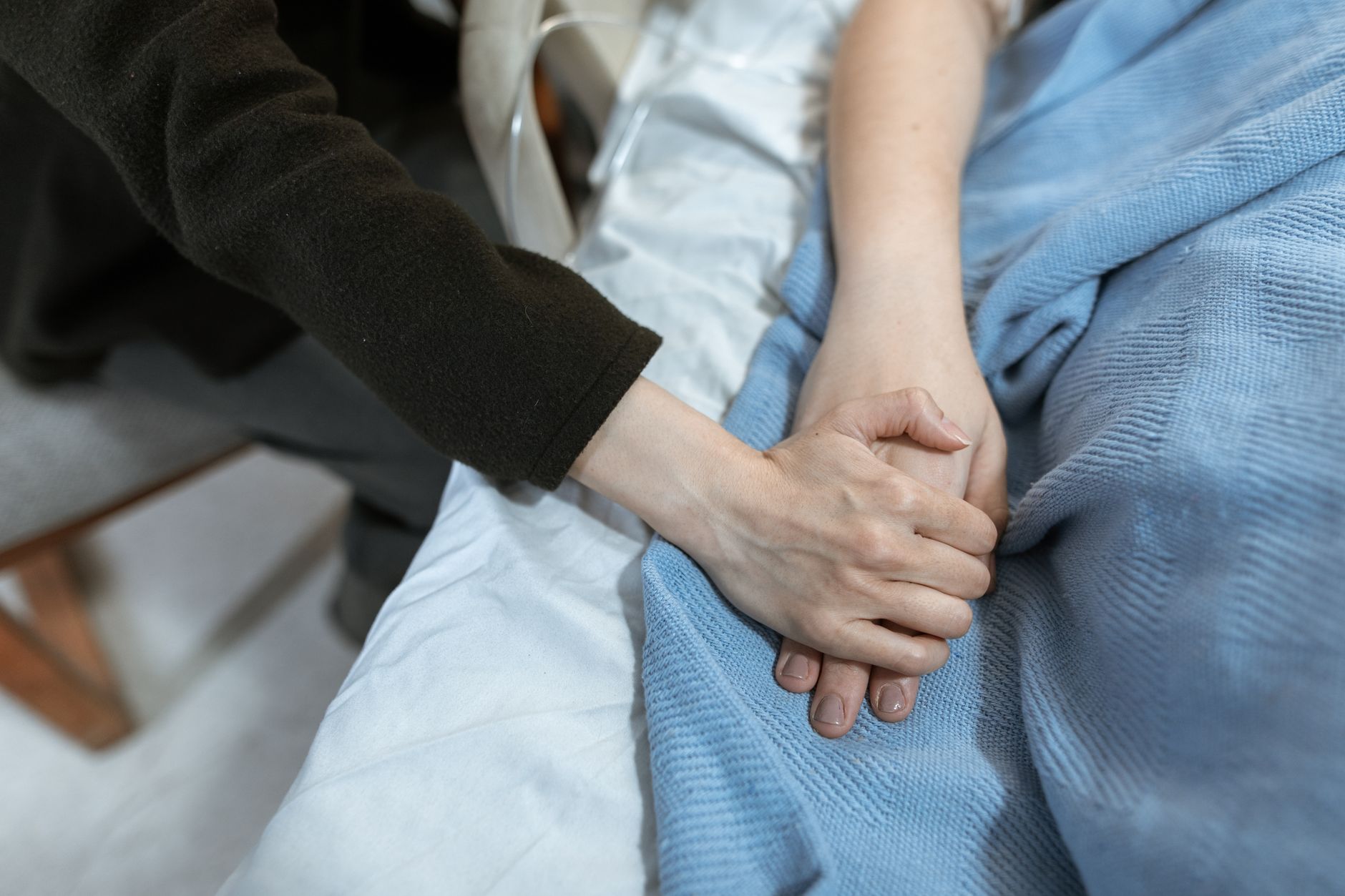
Discover the essential C-section hospital bag items you need, from comfort and medical supplies to recovery aids, plus expert tips to speed healing after surgery for a smoother stay.
By Shubhra Mishra — a mom of two who turned her own confusion during pregnancy into BumpBites, a global mission to make food choices clear, safe, and stress-free for every expecting mother. 💛
Check whether any food is safe during pregnancy with the BumpBites Food Safety Checker.
Quick take: Pack a focused C‑section hospital bag with comfort‑first items for you, your baby, and your support person, then follow a step‑by‑step recovery plan that eases pain, protects the incision, and supports breastfeeding and emotional health. Your stay will usually be 2–4 days, so bring enough essentials to feel settled without over‑packing.
It’s 2 a.m., you’ve just learned you’ll need a C‑section, and the thought of a hospital stay is already swirling in your mind. You’re wondering what you actually need to bring, how long you’ll be there, and what the first weeks at home will look like. You’re not alone—many moms feel the same mix of excitement and anxiety the moment a surgical birth is scheduled.
🔢 Calculate it for your situation: Use our Hospital Bag Checklist for a personalized result in seconds.
In this guide we’ll walk you through a complete C‑section hospital bag checklist, highlight special items that can make your recovery smoother, and give you practical tips for managing pain, caring for your incision, and supporting breastfeeding. We’ll also cover emotional wellbeing, what to expect after discharge, and the warning signs that mean you should call your provider right away.
By the end of this article you’ll have a printable packing plan, a clear timeline for hospital stay and home recovery, and a set of everyday strategies that let you focus on healing rather than worrying.
What to pack in your C‑section hospital bag – essentials for mom
Even though many hospitals provide basic necessities (gown, blankets, and a hospital‑issued pillow), having your own comfort items can dramatically improve how rested you feel after surgery. Below is a detailed list, grouped by category, that you can copy into a spreadsheet or print out.
Clothing and footwear
Loose‑fit nightgowns or pajamas: Choose front‑opening or button‑down styles so you can avoid bending over a tight waistline.
Front‑zip or maternity leggings: Easy to slip on and off; cotton blends keep you cool.
Comfortable socks or slippers: Non‑slip soles are helpful on hospital floors, and a pair of cozy socks can keep you warm after anesthesia.
Breastfeeding‑friendly bras: A soft, wide‑band sports bra or nursing bra without underwire.
Extra underwear: Pack at least three pairs of breathable cotton briefs.
Toiletries and personal care
Gentle facial cleanser, moisturizer, and lip balm (the hospital air can be dry).
Travel‑size shampoo, conditioner, and body wash.
Toothbrush, toothpaste, and floss.
Hair ties or a soft headband to keep hair out of your face.
Dry shampoo or a small bottle of baby‑safe body wipes for quick freshening between showers.
Post‑operative comfort items
Heat pack or reusable gel pack: Place on your abdomen for soothing warmth (check with staff first).
Cold compress: Helpful for swelling in the first 24 hours.
Compression socks (especially if you have a history of clotting concerns).
Disposable or reusable breast pads to manage leakage.
Eye mask and earplugs for better sleep when the ward gets noisy.
Entertainment and technology
Phone and charger (a short, corded charger works best with hospital outlets).
Tablet or e‑reader loaded with books, podcasts, or streaming shows.
Headphones—preferably Bluetooth‑free to avoid interference with medical equipment.
Documentation and paperwork
Photo ID and insurance card.
Birth plan (if you have one) and any hospital pre‑admission forms.
List of medications you’re currently taking, including prenatal vitamins.
Contact numbers for your support person and pediatrician.
If you want a quick way to visualise how many items you’ll need, try our Hospital Bag Checklist. It lets you tick off each category and automatically creates a printable PDF you can bring to the hospital.
Pack comfort items you love, not just the hospital‑provided basics.
Beyond the basics, consider a few extra touches that can make a big difference. A small, scented candle (if your hospital allows it) or a calming essential‑oil roll‑on can help you feel more relaxed while you’re lying in bed. A favorite snack that’s easy to eat—like a granola bar or a piece of fruit—can keep your energy up during those early morning visits from the nurse.
Special items for baby and partner
While
the focus is often on the mother’s recovery, having the right supplies for your newborn and support person can reduce stress for everyone. Below are the items most families find indispensable.
For baby
Going‑home outfit: Choose a soft onesie with a front snap, a hat, and a swaddle blanket.
Diapers and wipes: Most hospitals provide a few, but having a small pack of your preferred brand helps you transition home smoothly.
Newborn‑size pacifier: Some babies self‑soothe better with a familiar pacifier from home.
Infant car seat: Must be installed before leaving the hospital; many parents bring the carrier they plan to use daily.
For partner or support person
Change of clothes and comfortable shoes (they’ll be on their feet for a while).
Snacks and water bottle—hospital cafeterias can have limited hours.
Phone charger and a small pillow for extra rest.
Entertainment (book, tablet) to keep them occupied while you’re recovering.
Having these items on hand means you won’t need to make extra trips to the pharmacy or rely on hospital supplies that might not match your preferences.
Understanding the C‑section recovery timeline
A C‑section is major abdominal surgery, so the body needs time to heal. Most hospitals keep you for 2–4 days, depending on how smoothly the operation went, your pain control, and whether there are any complications. Below is a typical day‑by‑day breakdown.
Day
What to Expect
Key Focus
Day 0 (Surgery)
Wake after anesthesia, incision covered, baby in your arms.
Pain management, skin‑to‑skin contact.
Day 1
First ambulation—usually within 12 hours. IV fluids may still be running.
While the first 24 hours feel the most intense, most pain peaks between 24‑48 hours post‑surgery. By the time you’re ready to go home, you should be able to sit up, use the bathroom with minimal assistance, and have a pain level that is manageable with oral medication.
Every mother’s recovery is unique. Factors that can extend a hospital stay include infection, excessive bleeding, or difficulty with pain control. Your care team will discuss any deviations from the typical timeline before you leave.
Lean on your support person for emotional and physical help during the first days.
In addition to the day‑by‑day schedule, keep an eye on your vitals—especially temperature and heart rate. A low‑grade fever is common after surgery, but a persistent temperature above 100.4 °F (38 °C) warrants a quick check with the nursing staff. Likewise, if you notice a sudden increase in vaginal bleeding (soaking a pad in under an hour), let your provider know immediately.
Managing pain and discomfort after a C‑section
Effective pain control is essential—not just for your comfort, but also for early mobility, which reduces clotting risk and speeds healing. Here are evidence‑based strategies you can discuss with your anesthesiologist and nursing team.
Medication basics
Scheduled acetaminophen (Tylenol): Often the backbone of pain regimens, taken every 6 hours.
Non‑steroidal anti‑inflammatory drugs (NSAIDs) such as ibuprofen: Reduce inflammation and work well alongside acetaminophen, unless you have contraindications.
Opioids (e.g., oxycodone): Prescribed for breakthrough pain; use the lowest effective dose for the shortest time.
Local anesthetic wound infusion (if offered): Some hospitals place a catheter that continuously delivers medication to the incision site.
Ask your provider about a “pain‑stacking” plan that combines non‑opioid meds first, reserving opioids for moments when the pain spikes—like after moving or during coughing.
Non‑pharmacologic comfort measures
Gentle abdominal breathing exercises—inhale through the nose, exhale slowly through the mouth—to relax the abdominal muscles.
Gradual ambulation—start with short hallway walks, using a walker if needed.
Ice packs (wrapped in a cloth) applied for 15‑minute intervals can reduce swelling in the first 24 hours.
Keeping the incision clean and dry (see next section) prevents irritation that can worsen pain.
It’s normal to feel a “tight” sensation in the abdomen as the muscles heal. If pain becomes sharp, radiates to the shoulder, or is accompanied by fever, alert your nurse immediately as these can signal complications.
Caring for your incision and preventing infection
Your incision is a wound that needs the same care as any surgical site. Follow these steps to promote healing and avoid infection, which occurs in roughly 5‑10 % of C‑sections according to ACOG.
Daily cleaning routine
Wash your hands thoroughly before touching the incision.
Gently cleanse the area with mild soap and water; avoid scrubbing.
Pat the skin dry with a clean towel—do not rub.
Apply any prescribed antibiotic ointment if your surgeon ordered it.
Cover with a sterile dressing only if your provider recommends it; many hospitals now leave the incision uncovered to allow airflow.
Signs of infection to watch for
Increasing redness, swelling, or warmth around the incision.
Foul‑smelling discharge or pus.
Fever ≥ 100.4 °F (38 °C) that persists beyond the first 24 hours.
Severe pain that doesn’t improve with medication.
If you notice any of these symptoms, call your obstetrician or go to the nearest emergency department. Early treatment with antibiotics can prevent a serious infection from developing.
Breastfeeding and lactation support after a C‑section
Many new parents worry that a surgical birth will make breastfeeding harder. The good news is that skin‑to‑skin contact right after delivery, even after a C‑section, boosts milk production and helps the baby latch.
First‑hour skin‑to‑skin
Ask the operating team if you can have your baby placed on your chest as soon as possible, even while you’re still under light sedation. This early contact stabilises the baby’s temperature, heart rate, and breathing, and stimulates oxytocin release, which promotes uterine contraction and milk let‑down.
Positioning tips
Football hold: Wrap the baby’s body around your forearm, with the head at your elbow—this keeps the incision clear.
Side‑lying: Lie on your left side with a pillow between your knees; the baby can rest on your abdomen without pressure on the incision.
Use a nursing pillow or rolled towel to support the baby’s back.
Lactation resources
Most hospitals have lactation consultants who can visit your room. Schedule a visit within the first 24 hours if possible, and ask for a written plan that includes feeding frequency, pumping tips, and signs that you’re producing enough milk.
Emotional and mental health during recovery
The hormonal shift after birth, combined with the physical stress of surgery, can trigger a range of emotions—from joy to anxiety. According to the CDC, about 10‑15 % of new mothers experience postpartum depression, and C‑section delivery can be an additional risk factor.
Normalize your feelings
It’s common to feel “let down” if you had hoped for a vaginal birth, or to experience disappointment if the C‑section was unplanned. Acknowledge these emotions without judgment; they are valid and often temporary.
Practical coping strategies
Schedule brief, daily “check‑in” moments with your partner to share how you’re feeling.
Keep a short journal of gratitude—note moments like your baby’s first smile or the warmth of a supportive hand.
Use mindfulness apps or guided breathing exercises (the “4‑7‑8” technique is simple and effective).
Stay connected with a support network—online groups, friends who have had C‑sections, or postpartum doulas.
If low mood persists beyond two weeks, or you notice intrusive thoughts, reach out to your provider. Early intervention with counseling or medication, if needed, can prevent more severe postpartum mood disorders.
Nutrition and hydration for optimal healing
Your body’s demand for protein, iron, and fluids spikes after a C‑section. Adequate nutrition supports tissue repair, maintains energy, and helps prevent constipation—a common postoperative issue.
Protein‑rich foods
Aim for 70–100 g of protein daily, divided across meals. Good sources include Greek yogurt, eggs, lean poultry, tofu, and beans. A study from the American College of Obstetricians and Gynecologists (ACOG) notes that higher protein intake is linked to faster wound healing and reduced infection risk.
Iron and vitamin C
Blood loss during surgery can lower iron stores. Include iron‑rich foods (spinach, lentils, fortified cereals) and pair them with vitamin C‑rich fruit (orange, kiwi) to improve absorption. If your provider recommends an iron supplement, take it with food to lessen stomach upset.
Staying hydrated
Drinking 2.5–3 L of water daily helps maintain skin turgor and keeps stools soft. A bottle of water by your bedside makes it easy to sip between nursing sessions. Avoid excessive caffeine, as it can increase heart rate and interfere with sleep.
Snack ideas for the hospital stay
Whole‑grain crackers with hummus.
Fresh fruit slices (apple, banana) with a handful of nuts.
Protein bars that are low in added sugars.
Plain yogurt with berries—provides protein, calcium, and probiotics.
These snacks are easy to eat while you’re seated in a chair, and they keep your energy stable for the long hours of recovery.
Physical therapy and safe exercises after a C‑section
Gentle movement is a cornerstone of recovery. It improves circulation, reduces the risk of blood clots, and encourages the abdominal muscles to regain strength without over‑straining the incision.
Early ambulation
Most surgeons encourage you to sit up and dangle your legs within 12 hours after surgery. Walking a few steps to the bathroom, even with assistance, signals to your body that it’s safe to start moving again. The National Institute for Health and Care Excellence (NICE) recommends at least three short walks per day during the hospital stay.
Pelvic floor exercises
Kegels can be done while lying down, sitting, or standing. Gently contract the muscles you would use to stop the flow of urine, hold for three seconds, then release. Perform 10 repetitions, three times a day. These exercises aid bladder control and support the uterus as it shrinks back to pre‑pregnancy size.
Post‑discharge core strengthening
After your first follow‑up (usually 2 weeks postpartum), you can begin low‑impact core work such as diaphragmatic breathing, heel slides, and modified side‑lying leg lifts. Avoid traditional crunches or sit‑ups for at least six weeks, as they place too much pressure on the incision scar.
Always check with your obstetrician before starting a new exercise routine, especially if you experienced a complicated C‑section (e.g., adhesions or a prolonged surgery).
Preparing your home for a smooth transition
Before you leave the hospital, setting up a recovery‑friendly environment at home can make the first weeks less stressful. Think of your home as a temporary “post‑op suite” where comfort and safety are priorities.
Bedroom layout
Place a nightstand within arm’s reach of your bed for water, medications, and your phone.
Set up a sturdy chair or recliner for breastfeeding sessions—having a dedicated spot reduces the need to shuffle around.
Keep a small basket of essential items (hand sanitizer, wound dressing supplies, a copy of your discharge instructions) nearby.
Kitchen convenience
Prepare a few freezer‑ready meals (soups, stews, or casseroles) that can be reheated in 10 minutes. This reduces the temptation to order takeout, which may be higher in sodium and lower in protein.
Safety measures
If you live in a multi‑level home, arrange a temporary bedroom on the ground floor to avoid stairs while you’re still limited in mobility. Keep pathways clear of cords, toys, or loose rugs that could cause trips.
Having these preparations in place lets you focus on healing rather than juggling household chores.
From our medical team: Your C‑section recovery will be smoother if you prioritize rest, keep the incision clean, and ask for help with breastfeeding early. Don’t hesitate to let the nursing staff know when you need a pain medication adjustment or an extra pillow—your comfort is a key part of healing.
🔢 Ready to crunch your numbers? Use our Hospital Bag Checklist for a personalized result in seconds.
Myth vs. fact
Myth: You must stay in the hospital for at least a week after a C‑section. Fact: Most uncomplicated C‑sections require a 2‑ to 4‑day stay, as recommended by ACOG and the NHS. Length of stay is individualized based on pain control, mobility, and any complications.
Myth: You can’t bathe for weeks after surgery. Fact: A gentle shower is safe 24 hours after a C‑section, once the incision is covered and the dressing is dry. Full baths are usually allowed after 2 weeks, but always follow your surgeon’s instructions.
Myth: Breastfeeding isn’t possible after a C‑section. Fact: Skin‑to‑skin contact and early lactation support work just as well after a C‑section; many mothers successfully breastfeed without difficulty.
Key takeaways
Pack loose, front‑opening clothing, comfortable socks, and a few personal care items to feel at home in the hospital.
Bring baby basics (going‑home outfit, diapers, car seat) and snacks for your support person.
Expect a 2‑4 day stay; use a day‑by‑day timeline to track pain control, walking, and feeding milestones.
Combine scheduled acetaminophen and ibuprofen for pain; keep opioids for breakthrough discomfort only.
Clean the incision gently with mild soap, watch for redness or fever, and contact your provider if any signs of infection appear.
Start skin‑to‑skin contact early, use the football hold or side‑lying position, and request lactation support within the first 24 hours.
Pay attention to your emotional wellbeing; reach out for help if you feel persistent sadness or anxiety.
Eat protein‑rich meals, stay hydrated, and keep easy‑to‑eat snacks handy to support healing.
Begin gentle walking and pelvic‑floor exercises right away, and follow a graduated core‑strength plan after your 2‑week follow‑up.
Set up a recovery‑friendly space at home—nightstand, comfy chair, and pre‑made meals—to reduce strain in the first weeks.
Frequently asked questions
What are the most essential items to pack in a C‑section hospital bag?
The core items are loose‑fit nightgowns, front‑zip leggings, comfortable socks, a supportive nursing bra, toiletries, a phone charger, and a small comfort pillow; add baby’s going‑home outfit and a car seat, plus snacks for your partner.
How long do you stay in the hospital after a C‑section?
Most uncomplicated C‑sections result in a 2‑ to 4‑day stay; the exact length depends on pain control, ability to ambulate, and any post‑operative complications.
What are the best tips for recovering from a C‑section?
Prioritize early gentle walking, schedule pain medication, keep the incision clean, use supportive pillows, and start breastfeeding with help from a lactation consultant. Hydration, protein‑rich meals, and rest are also key.
Can I take a bath after a C‑section?
A quick shower is safe after the first 24 hours once the incision dressing is dry; full immersion baths are usually permitted after about two weeks, but follow your surgeon’s specific guidance.
How do I care for my incision site after a C‑section?
Wash your hands, gently clean the area with mild soap and water, pat dry, and apply any prescribed ointment. Watch for redness, swelling, foul discharge, or fever, and call your provider if any occur.
What are the signs of infection after a C‑section?
Redness, warmth, swelling, pus, a fever of 100.4 °F (38 °C) or higher, and increasing pain are warning signs. Prompt medical attention can prevent serious complications.
When can I start driving after a C‑section?
Most surgeons recommend waiting at least 2 weeks and ensuring you can comfortably operate the pedals without pain or limited range of motion. Always get clearance from your obstetrician before getting behind the wheel.
How can I manage constipation after surgery?
Increase fiber intake with fruits, vegetables, and whole grains, drink plenty of water, and keep moving with short walks. If needed, a stool softener prescribed by your provider can help, but avoid over‑the‑counter laxatives without medical advice.
When to call your doctor
If you notice any of the following, contact your obstetrician or go to the nearest emergency department right away: fever ≥ 100.4 °F (38 °C), increasing redness, swelling, or pus at the incision, severe abdominal pain that doesn’t improve with medication, sudden shortness of breath, or heavy vaginal bleeding (soaking a pad in under an hour). This article provides general information and is not a substitute for personalized medical advice.
References
American College of Obstetricians and Gynecologists (ACOG). “Practice Bulletin No. 176: Cesarean Birth.” 2022.
National Health Service (NHS). “Cesarean section – what to expect.” Updated 2023.
Centers for Disease Control and Prevention (CDC). “Post‑Cesarean Infection Prevention.” 2021.
World Health Organization (WHO). “Post‑natal care for mothers and newborns.” 2022.
Mayo Clinic. “C‑section recovery: What to expect.” 2023.
U.S. Department of Health & Human Services, Office on Women’s Health. “Post‑partum depression.” 2022.
Royal College of Obstetricians and Gynaecologists (RCOG). “Guidelines on breastfeeding after C‑section.” 2021.
National Institute for Health and Care Excellence (NICE). “Guidance on postoperative pain management.” 2022.
American College of Obstetricians and Gynecologists (ACOG). “Nutrition during postpartum recovery.” 2021.
National Institute for Health and Care Excellence (NICE). “Early mobilization after abdominal surgery.” 2020.
American College of Obstetricians and Gynecologists (ACOG). “Physical activity after cesarean delivery.” 2022.
Not sure about the label on C Section Hospital Bag Special Items Checklist Recovery Tips products?
Snap the ingredients list and SafeFilter checks every ingredient for your stage — only 3 free scans this month, then you're locked until reset. Unlimited from $7/mo or $50/yr.
When Shubhra Mishra was expecting her first child in 2016, she was overwhelmed by conflicting food advice — one site said yes, another said never. By the time her second baby arrived in 2019, she realized millions of mothers face the same confusion.
That sparked a five-year journey through clinical nutrition papers, cultural diets, and expert conversations — all leading to BumpBites: a calm, compassionate space where science meets everyday motherhood.
Her long-term vision is to build a global community ensuring safe, supported, and free deliveriesfor every mother — because no woman should face pregnancy alone or uninformed. 🌿
🌍 Stand with mothers, shape safer guidance
Join a small circle of experts who review BumpBites articles so expecting parents everywhere can decide with confidence.