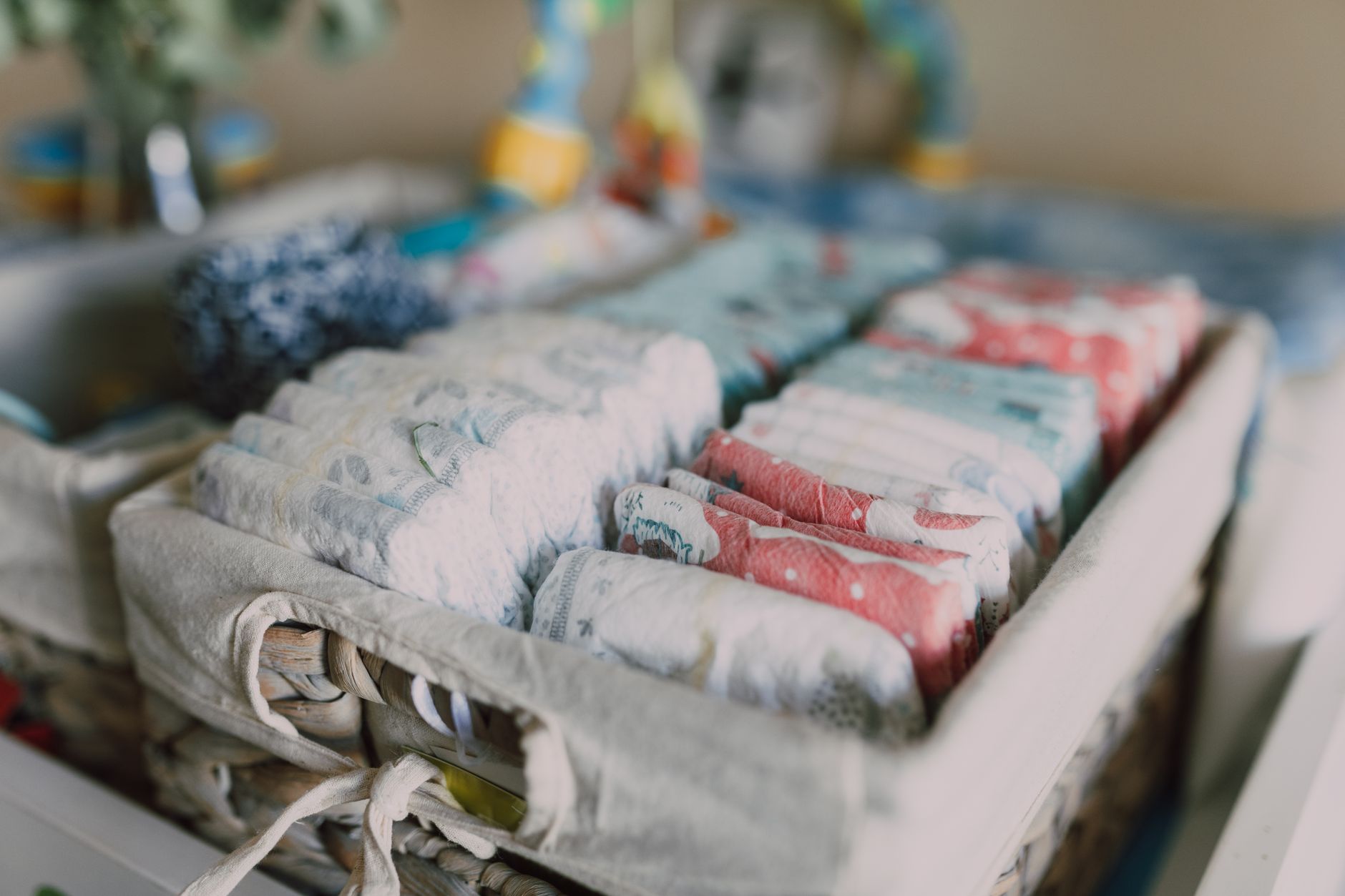
Diapers cost about $1,500‑$2,000 from birth to potty training. Our diaper budget planner shows monthly expenses, brand options, and simple ways to cut costs.
By Shubhra Mishra — a mom of two who turned her own confusion during pregnancy into BumpBites, a global mission to make food choices clear, safe, and stress-free for every expecting mother. 💛
Check whether any food is safe during pregnancy with the BumpBites Food Safety Checker.
Quick take: A typical baby uses about 2,500–3,000 disposable diapers before potty training, costing roughly $1,200–$1,500 in the United States. If you choose cloth, the upfront expense is higher, but the lifetime cost can drop to $800–$1,000 when you factor in reusable options and bulk savings.
It’s 2 a.m., you’re scrolling through diaper ads while a tiny hand grasps your finger, and a sudden wave of “How much is this going to cost?” hits you. You’re not alone—most new parents scramble to fit diaper dollars into a budget that already includes formula, prenatal vitamins, and a growing list of baby gear. The good news is that diaper expenses are predictable, and with a little planning you can keep them from derailing your finances.
🔢 Calculate it for your situation: Use our Diaper Size Calculator for a personalized result in seconds.
In this guide we’ll break down exactly how many diapers your baby will need each month, compare disposable and cloth options, and walk you through a step‑by‑step diaper budget planner you can customize in Excel or Google Sheets. We’ll also share money‑saving tips, hidden costs you might have missed, and how to adjust the numbers if you’re caring for twins or a larger family.
How many diapers does a baby use each month?
Babies grow quickly, and diaper sizes change roughly every two to three months. Below is a month‑by‑month estimate based on average diaper usage patterns from newborn (size NB) to size 5, the typical size at potty training.
Age (months)
Typical diaper size
Diapers per day
Diapers per month
0–1
Newborn (NB)
10–12
300–360
1–3
Size 1
10–12
300–360
3–6
Size 2
9–10
270–300
6–9
Size 3
8–9
240–270
9–12
Size 4
7–8
210–240
12–18
Size 4–5
6–7
180–210
18–24
Size 5
5–6
150–180
These numbers assume an average baby who isn’t prone to heavy diaper rash or frequent leaks. If your little one tends to go longer between diaper changes, you might use the lower end of the range; if they’re a “wet‑diaper” champion, the higher end is more realistic.
Several factors can shift the count. Breast‑fed infants often have more frequent bowel movements, which can increase diaper changes in the first weeks. Premature babies may require a smaller size for longer, extending the newborn‑size phase. And as babies start solid foods, stool consistency changes, sometimes prompting a switch to a more absorbent diaper earlier.
To get a personalized estimate, start with your baby’s birth weight and current diaper size and plug those numbers into the Diaper Size Calculator. The tool will tell you the exact size you’ll need next month, helping you avoid over‑buying or running out.
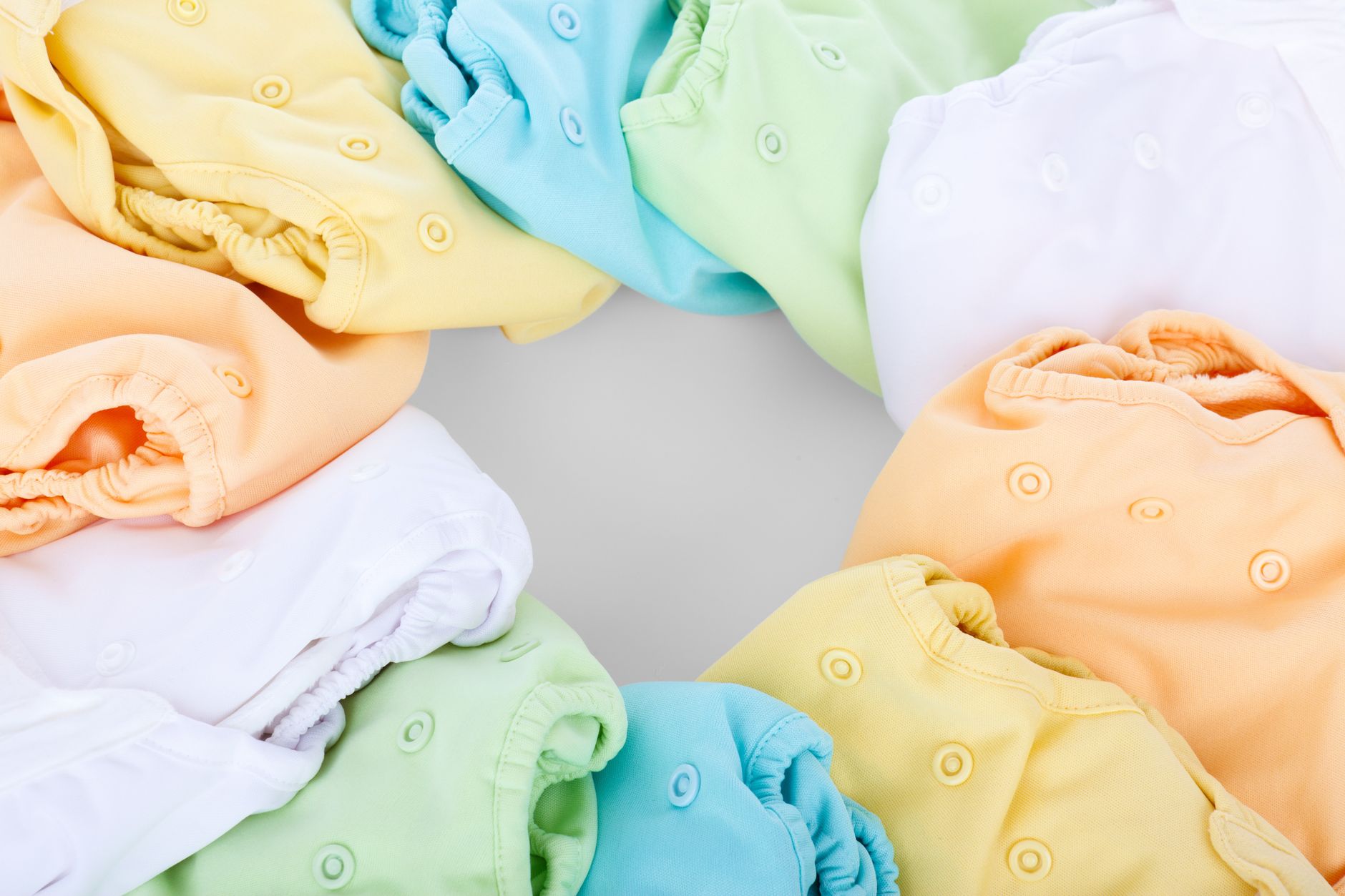
Newborn diapers are the smallest and most frequently changed, which is why they make up a large portion of early diaper costs.
Disposable vs cloth: cost comparison
When
you hear “diapers,” the first question is usually “should I buy disposable or cloth?” Both have pros and cons, and the right choice depends on your budget, lifestyle, and environmental preferences.
Category
Disposable diapers
Cloth diapers
Up‑front cost
$0–$30 for a starter pack (often a promotional bundle)
$250–$400 for a complete kit (about 30–40 reusable diapers)
Average cost per diaper
$0.20–$0.30 (based on $0.25 average)
$0.03–$0.07 (including wash, detergent, and electricity)
Total cost birth‑to‑potty (≈2,500 diapers)
$500–$750 (plus wipes and rash cream)
$800–$1,200 (includes initial kit, wash supplies, and occasional disposables)
Hidden expenses
Disposal fees (municipal landfill fees $0.01–$0.02 per diaper in some regions)
Water and energy for washing, detergent, and occasional leak‑proof inserts
Environmental impact
Approx. 4,500 kg of waste per child (according to EPA)
Reduced landfill waste; however, detergent chemicals matter
According to the American Academy of Pediatrics (AAP) and the UK National Health Service (NHS), the health outcomes for babies using either system are essentially identical when proper hygiene is maintained. The biggest financial difference revolves around how many times you’ll need to replace cloth diapers (usually every 2–3 years) versus the cumulative purchase price of disposables.
Safety standards also matter. Both disposable and cloth diapers must meet strict absorbency and leak‑prevention criteria set by the Consumer Product Safety Commission (CPSC) in the U.S. and the European Committee for Standardization (CEN) in the UK. If you opt for cloth, look for products that are free of harmful dyes and have been tested for skin‑friendly materials, as recommended by the AAP.
If you’re budget‑tight, disposables often feel cheaper because you can buy them in bulk and spread the cost over many months. But if you plan to reuse the same set of cloth diapers for multiple children, the per‑child cost drops dramatically after the first purchase.
Step‑by‑step guide to creating a diaper budget planner
Putting numbers on paper (or a spreadsheet) turns vague worries into concrete action. Below is a simple workflow you can follow in Excel, Google Sheets, or any budgeting app.
Set your time frame. Most families budget from birth through the week before potty training, typically 24 months.
Gather usage data. Use the table above to estimate monthly diaper counts based on your baby’s age. Add a 10% buffer for growth spikes.
Choose your diaper type. Decide whether you’ll use disposable, cloth, or a hybrid approach. Note the per‑diaper cost (see the comparison table).
Enter fixed expenses. Include wipes ($0.03 per wipe, ~60 wipes per day), diaper rash cream ($0.02 per application), and any disposal fees.
Calculate monthly totals. Multiply diapers per month by per‑diaper cost, then add the fixed expenses. Use the =SUM() function to roll these into a running total.
Plan for bulk purchases. Add a row for “bulk discount” where you apply a 5–10% reduction if you buy a 120‑count pack.
Set a budget ceiling. Compare the projected total with the amount you’re comfortable spending. If it exceeds your ceiling, revisit step 3 (switching to a hybrid model) or step 6 (seek coupons).
Review monthly. At the end of each month, enter the actual amount spent. Highlight any variance > 10% and adjust the next month’s estimate accordingly.
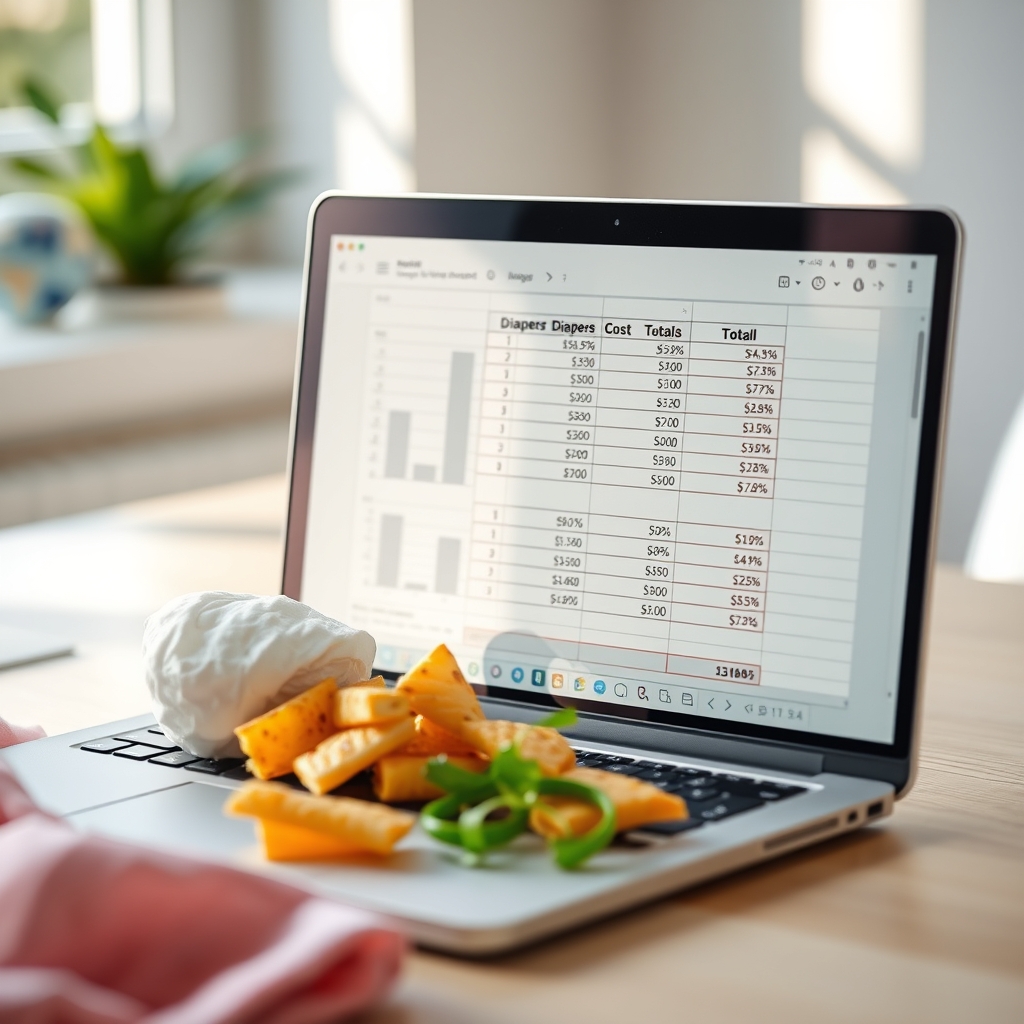
For a ready‑made template, download the free “Diaper Budget Planner” spreadsheet from our resources page. It’s pre‑populated with the usage tables, cost assumptions, and a built‑in chart that visualizes your spending over time.
Advanced users can add conditional formatting to flag months where costs creep above a set threshold, or link the sheet to a budgeting app like Mint or YNAB for automatic expense syncing. Sharing the file with your partner ensures you’re both on the same page—and reduces the likelihood of surprise diaper bills.
Our downloadable spreadsheet helps you track diaper costs month by month, so you can spot trends before they become problems.
Total estimated cost from birth to potty training
Putting the pieces together, here’s a typical cost breakdown for a single baby using disposable diapers, based on U.S. average prices (2024 data from the Consumer Product Safety Commission and retail surveys).
Disposable diapers: 2,500 diapers × $0.25 = $625.
Wipes: 60 wipes × 365 days × 2 years × $0.03 ≈ $1,314.
Rash cream: 2 tubes per year × $4 × 2 years = $16.
Adding those together gives a **total of roughly $1,980** for the first two years. If you factor in occasional savings from coupons (average 15% off bulk packs) and a modest bulk purchase of wipes, you might shave $150–$250 off the total, landing near **$1,750**.
Washing supplies (detergent, liner, occasional leak‑proof inserts): $150 per year ≈ $300 for two years.
Wipes (still needed for convenience): same as disposable users, $1,314.
Rash cream: $16.
That totals **about $1,980** as well, but remember the cloth kit can be reused for a second child, dropping the per‑child cost dramatically. If you have twins, the cloth set doubles the initial outlay but still saves on wipes and reduces the per‑baby diaper count, resulting in a total of roughly **$2,800** versus **$3,600** for disposables.
Regional price differences matter, too. In areas with high sales tax, the disposable total can climb an extra $200. Some states also allow a modest tax deduction for child‑care related expenses, including diaper purchases, so check with your tax professional.
Money‑saving strategies and hidden expenses
Even if you’re set on disposables, there are ways to keep the price per diaper below the $0.25 average.
Buy in bulk. Warehouse clubs (Costco, Sam’s Club) often sell 300‑count packs for $45–$55, which translates to $0.15 per diaper.
Use coupons and store loyalty programs. Many diaper brands release weekly coupons worth $0.05–$0.08 per diaper. Stack the coupon with a bulk discount for maximum savings.
Consider generic brands. Store brands meet the same safety standards and can be up to 30% cheaper than name‑brand equivalents.
Switch to hybrid models. Use cloth diapers at night (when leaks are less frequent) and disposables during the day. This cuts the total diaper count by 30–40%.
Reuse wipes. Soft cotton washcloths can replace disposable wipes for routine cleaning, saving $0.03 per wipe. Keep a small supply of disposable wipes for diaper rash or outings.
Hidden costs often slip under the radar:
Diaper disposal fees. Some municipalities levy a small landfill fee per bag or per diaper. Check your local waste‑management website.
Energy and water. Washing cloth diapers uses roughly 30 gal of water per load and 0.5 kWh of electricity. Factor in these utility costs if you’re budgeting tightly.
Travel and parking. If you regularly purchase diapers at a big‑box store, consider the fuel cost of the trip. A quick calculation can reveal that a 20‑mile round trip at $0.12 per mile adds $2.40 per shopping day.
Subscription services. Some online retailers offer diaper subscriptions with free shipping and scheduled deliveries. While convenient, compare the per‑diaper price to bulk‑store rates to avoid overpaying.
Resale marketplaces like Facebook Marketplace or local “mom groups” often have gently‑used cloth diaper kits at a fraction of the retail price. Just be sure the items are still in good condition and have been thoroughly cleaned before reuse.
Choosing the right diaper size and fit
Proper fit isn’t just a comfort issue—it can affect how many diapers you actually go through. A diaper that’s too tight may leak, prompting extra changes; a diaper that’s too loose can cause friction‑related rashes. The AAP advises checking the diaper’s snugness around the waist and legs at each diaper change.
Here’s a quick checklist: the diaper should sit comfortably around the belly button without digging in, and the leg cuffs should form a gentle “U” shape without leaving red marks. If you see red lines after a change, move up a size. Most brands label sizes by weight ranges (e.g., “Size 2: 11–14 lb”), but babies grow at different rates, so use the fit test rather than the weight alone.
Transitioning between sizes typically happens every 2–3 months, but you may need to switch sooner if your baby has a growth spurt. Keep a small “next‑size” stash on hand; it’s cheaper to buy a few extra packs early than to run out and scramble for emergency purchases.
Check for a snug, comfortable fit at each change to avoid leaks and skin irritation.
Environmental impact and sustainable diapering
Disposable diapers are a major contributor to landfill waste. The EPA estimates that a single child generates roughly 4,500 kg of diaper waste over a lifetime—a number that adds up quickly on a national scale. Biodegradable disposables claim to break down faster, but many still contain plastic components that linger for decades.
Life‑cycle analyses from the European Environment Agency suggest that a mixed approach—using cloth diapers for nighttime and biodegradable disposables for daytime—can cut overall waste by up to 30% while keeping the carbon footprint comparable to a fully disposable regimen. If you choose cloth, look for products made from organic cotton or bamboo, which have lower pesticide footprints according to the WHO.
From a policy standpoint, several municipalities in the U.S. (e.g., San Francisco) have introduced diaper recycling programs that turn used diapers into bio‑fuel or compost. While still limited in availability, these programs illustrate how a shift in waste‑management infrastructure could make disposable diapering more sustainable.
For families wanting to reduce their environmental impact without switching entirely to cloth, consider adding a “green” line of wipes—those made from biodegradable fibers and packaged in recyclable containers. Small changes add up, and the AAP encourages parents to weigh both health and ecological factors when making diaper decisions.
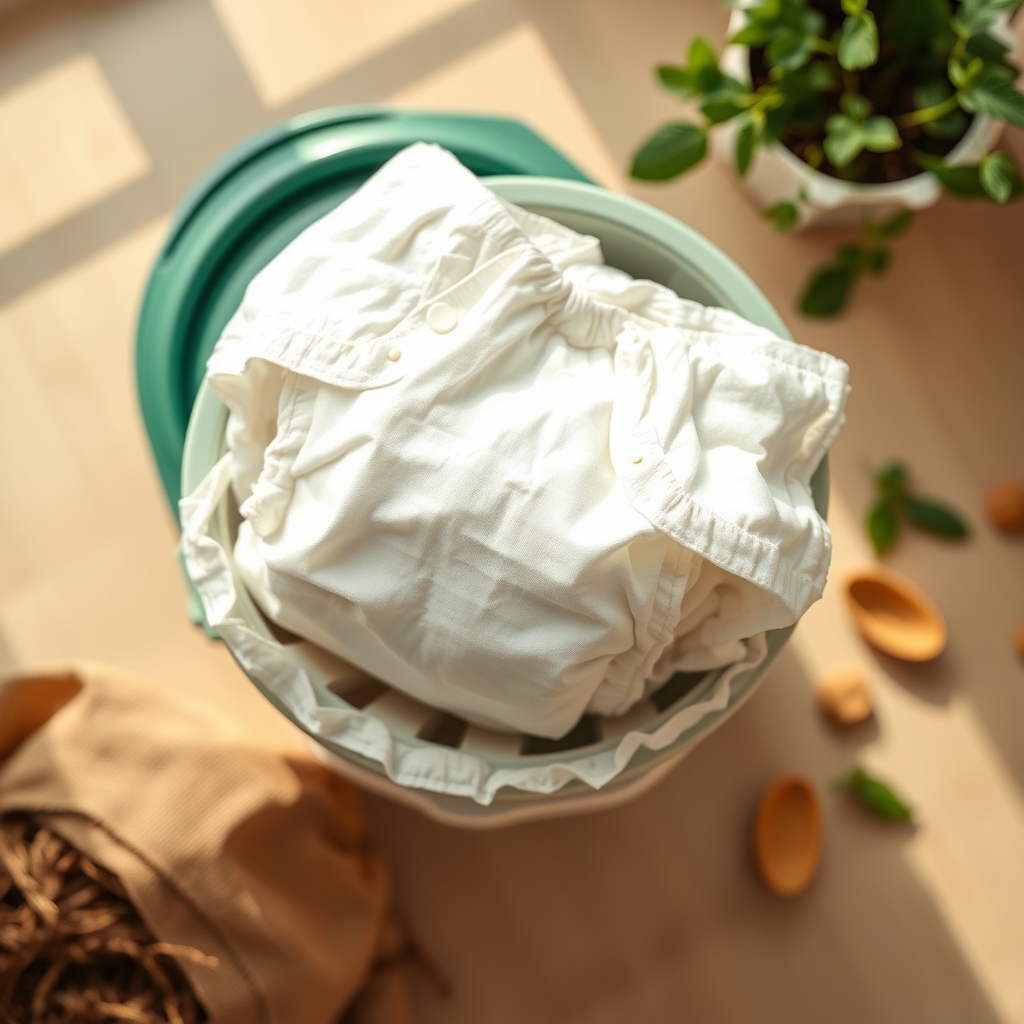
Biodegradable disposables can lessen landfill burden, especially when paired with local composting programs.
Organizing diaper supplies for stress‑free changes
Even the best‑planned budget can feel overwhelming if the supplies are scattered. A dedicated diaper caddy or rolling cart keeps everything you need—diapers, wipes, cream, and a spare set of clothes—within arm’s reach. For night‑time changes, keep a “pouch” on the bedside table with a few diapers, wipes, and a small tube of cream; this prevents late‑night trips to the nursery and reduces sleep disruption.
Labeling bins for each diaper size helps you stay organized as your baby grows. Many parents find that a clear, stackable container for used diapers, paired with a lined trash bag, makes disposal quick and odor‑free. If you’re using cloth, a separate laundry basket with a waterproof liner keeps wet diapers from spilling onto other items.
Finally, make a quick “what‑to‑ask” note for your pediatrician visits. Include questions about diaper rash prevention, any skin sensitivities, and whether the clinic has recommendations for local diaper recycling programs. Having these questions ready ensures you get the most out of each appointment.
Organized supplies make diaper changes quicker and keep you from missing items in the middle of the night.
Adjusting the budget for twins or multiple babies
When you have more than one little one, the diaper count doesn’t simply double. Babies often share a similar schedule, and you can stagger purchases to avoid running out of any one size.
Start by estimating total monthly diapers for each child using the table above, then add a 10% safety margin for overlapping growth spurts. For twins, the combined monthly diaper use might look like this:
Age (months)
Diapers per baby per day
Total for twins per day
Total per month (30 days)
0–1
10
20
600
3–6
9
18
540
9–12
7
14
420
12–18
6
12
360
Because you’re buying in larger quantities, you can negotiate better bulk discounts or split a 600‑count pack between the two of you. Many families report saving up to 25% on the per‑diaper price when buying “twin packs” directly from manufacturers.
Don’t forget the extra wipes and rash cream—those scale linearly with each baby. Some parents find that buying a single large container of fragrance‑free wipes and dividing it into two reusable zip‑top bags helps keep inventory organized and reduces waste.
Twins can share bulk diaper purchases, but you’ll still need to track each child’s size changes separately.
Doctor’s note
From our medical team: Diaper changes are a prime opportunity to check your baby’s skin health. If you notice persistent redness, a rash that doesn’t improve with barrier creams, or any signs of infection, pause the budget planning and consult your pediatrician. Proper hygiene—whether you choose cloth or disposable—prevents diaper dermatitis and keeps your baby comfortable, which in turn can reduce the number of diapers you need each day.
🔢 Ready to crunch your numbers? Use our Diaper Size Calculator for a personalized result in seconds.
Myth vs. fact
Myth: Cloth diapers are always cheaper than disposables.
Fact: Cloth diapers require a higher upfront investment and ongoing washing costs. For a single child, disposables are often less expensive in the first two years, but cloth becomes more economical if you reuse the kit for multiple children.
Myth: You need to change a diaper every hour to stay on budget.
Fact: Changing frequency should be driven by your baby’s comfort and skin health, not cost. Over‑changing can waste diapers, but under‑changing can lead to rashes that may require medical treatment, ultimately increasing expenses.
Key takeaways
Expect to use roughly 2,500–3,000 disposable diapers before potty training, costing $1,200–$1,500 on average.
Cloth diapers have higher upfront costs but can lower per‑baby expenses when reused for subsequent children.
Use a spreadsheet or budgeting app to track monthly diaper counts, cost per diaper, and related supplies.
Bulk buying, coupons, and generic brands can shave 10–30% off your total diaper bill.
Don’t forget hidden costs—wipes, rash cream, water/electricity for cloth, and municipal disposal fees.
For twins, double the diaper count but leverage bulk discounts to keep the per‑diaper price lower.
Check fit at each change; a well‑fitted diaper reduces leaks and skin irritation.
Consider hybrid or biodegradable options to lessen environmental impact while staying within budget.
Frequently asked questions
How much do diapers cost on average from birth to potty training?
On average, families spend about $1,200–$1,500 on disposable diapers from birth until the child is ready to transition to underwear, based on an average use of 2,500 diapers at $0.25 each.
What is the best way to budget for diaper expenses?
The most effective method is to create a monthly diaper budget spreadsheet that incorporates estimated diaper counts, per‑diaper cost, wipes, rash cream, and any disposal fees, then compare actual spending each month to adjust the forecast.
Are cloth diapers cheaper than disposable over time?
For a single baby, disposables are generally less expensive in the first two years. Cloth diapers become cheaper when the same set is used for multiple children, because the initial kit cost is spread across more years.
How many diapers does a baby use each month?
Newborns use about 300–360 diapers per month, while toddlers (12–24 months) use roughly 150–180 per month. The exact number depends on the baby’s size, feeding schedule, and how often they wet their diaper.
Can I track diaper costs with a spreadsheet?
Yes—by listing each month’s diaper count, price per diaper, and auxiliary supplies (wipes, creams), a simple spreadsheet can automatically calculate totals and highlight any month where spending exceeds your budgeted amount.
What are the hidden costs associated with diapering?
Beyond the diapers themselves, families should budget for wipes, rash cream, occasional disposal fees, water and electricity for washing cloth diapers, and travel costs to purchase bulk packs.
Can biodegradable disposable diapers reduce my environmental footprint?
Biodegradable disposables contain fewer plastic components and can break down faster in industrial composting facilities. While they still cost more than standard disposables, pairing them with a local compost program can lower landfill waste, according to EPA guidance.
How do I know when it’s time to switch to the next diaper size?
Look for signs of a snug but comfortable fit: the diaper should sit around the belly button without digging in, and the leg cuffs should form a gentle “U” without leaving red lines. If you notice leaks or red marks, move up a size, even if the baby’s weight is still within the previous range.
When to call your doctor
If you notice any of the following, contact your pediatrician or midwife promptly: persistent diaper rash lasting more than 48 hours, blisters or open sores, fever, unusual foul odor, or signs of a urinary tract infection (e.g., cloudy urine, fussiness during urination). This article provides general information only and is not a substitute for personalized medical advice.
References
American Academy of Pediatrics (AAP). “Diapering and Skin Care.” 2023 clinical guidance.
National Health Service (NHS) UK. “Cloth vs. Disposable Diapers.” Updated 2024.
U.S. Consumer Product Safety Commission. “Diaper Waste Statistics.” 2024.
Not sure about the label on Diaper Budget Planner Cost From Birth To Potty Training products?
Snap the ingredients list and SafeFilter checks every ingredient for your stage — only 3 free scans this month, then you're locked until reset. Unlimited from $7/mo or $50/yr.
When Shubhra Mishra was expecting her first child in 2016, she was overwhelmed by conflicting food advice — one site said yes, another said never. By the time her second baby arrived in 2019, she realized millions of mothers face the same confusion.
That sparked a five-year journey through clinical nutrition papers, cultural diets, and expert conversations — all leading to BumpBites: a calm, compassionate space where science meets everyday motherhood.
Her long-term vision is to build a global community ensuring safe, supported, and free deliveriesfor every mother — because no woman should face pregnancy alone or uninformed. 🌿
🌍 Stand with mothers, shape safer guidance
Join a small circle of experts who review BumpBites articles so expecting parents everywhere can decide with confidence.