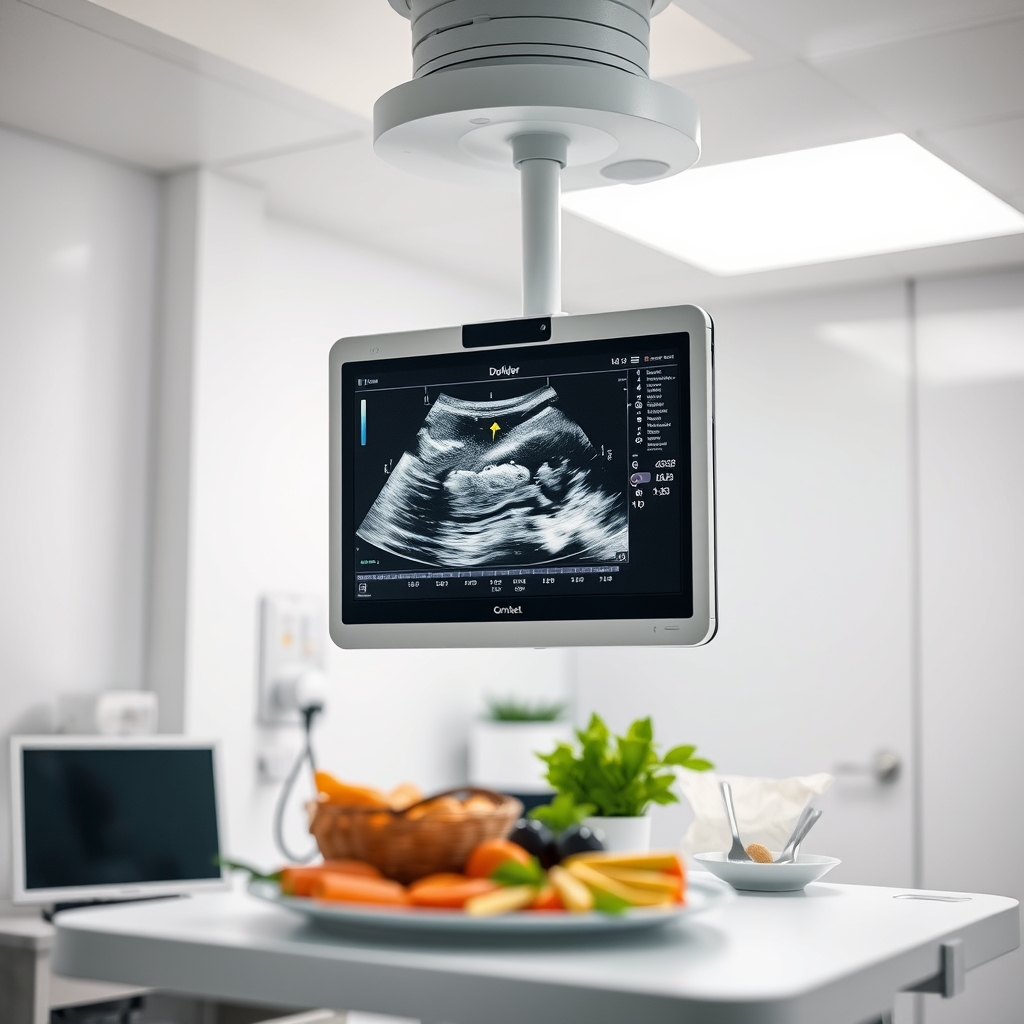
Delivery is advised when the cerebroplacental ratio (CPR) falls below 1.0 in late‑preterm and term FGR, indicating risk of adverse outcomes for baby.
By Shubhra Mishra — a mom of two who turned her own confusion during pregnancy into BumpBites, a global mission to make food choices clear, safe, and stress-free for every expecting mother. 💛
Check whether any food is safe during pregnancy with the BumpBites Food Safety Checker.
Quick take: CPR thresholds are Doppler‑derived cut‑offs that help clinicians decide when a baby with fetal growth restriction (FGR) should be delivered. In late‑preterm (34‑36 weeks) and term (≥37 weeks) pregnancies, a CPR below about 0.8‑0.9 signals that the placenta may no longer be supporting the baby adequately, and delivery is usually recommended after a short period of close observation. The exact threshold depends on gestational age, the presence of other Doppler findings, and the mother’s overall health.
It’s 2 a.m., you’ve just felt your baby’s movements slow a little, and the next morning your obstetrician orders a Doppler ultrasound. You stare at the screen, see a number you don’t recognize, and wonder: “Is this CPR thing telling me I need to deliver now?” You’re not alone. Many expecting parents grapple with the same question when FGR is diagnosed, especially in the delicate window of late‑preterm and early‑term gestation.
In this article we’ll demystify CPR thresholds, explain how they fit into the broader picture of fetal growth restriction, and give you a clear roadmap for what to expect when you and your care team decide the best timing for delivery. We’ll cover the science, the guidelines from leading bodies like ACOG and NICE, practical monitoring steps, and the red‑flag signs that mean you should call your provider right away.
By the end of the read you’ll know:
What the cerebroplacental ratio measures and why a low value matters.
How FGR is diagnosed and classified.
What risks are tied to late‑preterm birth and how CPR helps weigh them.
Which CPR cut‑offs trigger delivery at 34‑36 weeks versus 37 weeks or later.
How to balance expectant monitoring with early delivery, and what you can do at home while waiting for your next appointment.
What is the cerebroplacental ratio (CPR) and why it matters?
The cerebroplacental ratio is a simple calculation derived from two Doppler ultrasound measurements:
Umbilical artery pulsatility index (UA‑PI): reflects resistance in the placenta‑to‑baby blood flow.
MCA (middle cerebral artery) pulsatility index (MCA‑PI): shows how much blood the baby’s brain is receiving.
CPR = MCA‑PI ÷ UA‑PI. In a healthy pregnancy, the placenta offers low resistance (low UA‑PI) and the baby’s brain receives a modest amount of blood (higher MCA‑PI), giving a CPR around 1.0‑1.2. When the placenta starts to falter, the umbilical resistance rises and the baby shunts more blood to the brain—a protective response called “brain‑sparring.” This lowers the MCA‑PI, pulling the CPR down.
A low CPR therefore signals that the placenta may no longer be delivering enough oxygen and nutrients, even if the baby’s size is only modestly below the norm. That’s why clinicians use CPR thresholds as an early warning sign, especially when other Doppler indices (like the umbilical artery alone) are still within normal limits.
Understanding how CPR is calculated from two Doppler waveforms.
Guidelines from the American College of Obstetricians and Gynecologists (ACOG) and the UK’s National Institute for Health and Care Excellence (NICE) suggest using CPR as part of a broader surveillance strategy for FGR. While exact cut‑offs vary, most experts agree that a CPR below 0.8‑0.9 in late‑preterm or term pregnancies warrants closer observation and often delivery if other concerns arise.
Beyond the raw number, the CPR also gives clinicians a sense of the fetus’s adaptive capacity. A gradual decline over several scans may indicate progressive placental insufficiency, prompting a more urgent delivery plan. Conversely, a stable CPR that hovers just above the threshold can reassure both provider and parent that the baby is still compensating well.
Understanding fetal growth restriction (FGR) – types and diagnosis
Fetal
growth restriction, sometimes called intrauterine growth restriction (IUGR), describes a fetus that has not reached its genetically expected growth potential. The diagnosis is usually made when an estimated fetal weight (EFW) falls below the 10th percentile for gestational age, or when growth velocity drops by more than 2 centiles over two weeks.
FGR is divided into two main categories:
Early‑onset FGR (before 32 weeks): Often linked to severe placental disease, abnormal umbilical artery Doppler, and higher perinatal mortality.
Late‑onset FGR (after 32 weeks): More common, tends to have normal umbilical artery Doppler, and may be identified only by subtle growth slowdown or abnormal CPR.
Diagnosis typically involves a combination of:
Serial ultrasound measurements (head circumference, abdominal circumference, femur length).
Growth charts adjusted for maternal ethnicity, parity, and height.
Doppler studies of the umbilical artery, middle cerebral artery, and sometimes the ductus venosus.
When the ultrasound shows a low CPR, clinicians add it to the overall picture. If the fetus is also small for gestational age (SGA) and the CPR is low, the risk of adverse outcomes rises sharply.
Reviewing growth charts and Doppler results together helps families understand the situation.
Importantly, the diagnosis of FGR is not a static label. Serial imaging allows providers to track whether the growth trajectory is improving, stable, or worsening. A downward trend in CPR over successive scans often precedes a measurable drop in abdominal circumference, giving clinicians a lead time to intervene before the fetus becomes critically compromised.
Risks of late‑preterm birth and FGR
Late‑preterm babies (34‑36 weeks) already face higher rates of respiratory distress, feeding difficulties, and temperature instability compared with full‑term infants. When FGR is added to the mix, the odds of neonatal intensive care admission, hypoglycemia, and neurodevelopmental challenges increase.
Key data from the World Health Organization (WHO) and the American Academy of Pediatrics (AAP) show that:
Late‑preterm infants have a 2‑3 times higher risk of respiratory distress syndrome (RDS) than term infants.
FGR is associated with a 30‑40 % increase in NICU admission, even after adjusting for gestational age.
Neurodevelopmental delays (cognitive and motor) are more common in FGR infants, especially when delivery occurs before 37 weeks.
Because the benefits of remaining in‑utero (more lung maturation, brain growth) must be weighed against the risks of a compromised placenta, CPR thresholds become a useful tool. They give a quantifiable sign that the placenta may no longer be able to support continued growth, prompting clinicians to consider delivery earlier than they might otherwise.
Recent cohort analyses from the NHS (2022) also highlight that late‑preterm FGR infants have a higher incidence of post‑natal growth faltering, underscoring the need for coordinated pediatric follow‑up. Early identification through CPR can therefore have downstream benefits well beyond the birth event.
How CPR thresholds guide timing of delivery in late‑preterm FGR
In the 34‑36 week window, the decision to deliver hinges on a balance between the baby’s immediate needs and the potential advantages of a few more weeks of gestation. CPR thresholds provide a clear, evidence‑based marker to tip the balance.
Current ACOG and NICE guidance suggests the following approach:
CPR value
Gestational age
Recommended action
≥ 0.9
34‑36 weeks
Continue expectant monitoring; repeat Doppler in 48‑72 hours.
0.8‑0.89
34‑36 weeks
Close observation; consider delivery if additional risk factors (e.g., abnormal ductus venosus, maternal hypertension) are present.
< 0.8
34‑36 weeks
Strong recommendation for delivery after corticosteroid course (if < 34 weeks) or within 24‑48 hours if beyond 34 weeks.
Key points to remember:
CPR is most valuable when the umbilical artery Doppler is still normal. A low CPR can uncover hidden placental insufficiency that the UA‑PI alone misses.
Maternal corticosteroids are given up to 34 weeks to accelerate lung maturity. If a low CPR is identified after 34 weeks, the benefit of steroids is limited, and delivery is often the safer route.
Every decision is individualized. The thresholds above are guides, not hard rules; clinicians also consider maternal blood pressure, amniotic fluid volume, and fetal heart rate patterns.
In practice, many centers add a “buffer” of 12‑24 hours after a CPR drop below 0.8 to allow for a brief observation period, during which a repeat scan confirms that the trend is not transient. This approach respects the delicate balance between avoiding premature birth and preventing prolonged hypoxia.
If you’re curious about your exact CPR numbers, you can calculate them using the Cerebroplacental Ratio (CPR) calculator on our site. Just plug in the UA‑PI and MCA‑PI from your most recent Doppler report.
CPR thresholds for term pregnancies with FGR
When a baby reaches term (≥ 37 weeks), the calculus changes. The lungs are usually mature, so the primary concern becomes whether the placenta can continue to sustain the baby’s growth and oxygenation. In this setting, a low CPR still flags potential trouble, but the urgency is slightly different.
Guidelines from the Royal College of Obstetricians and Gynaecologists (RCOG) and the US Society for Maternal‑Fetal Medicine (SMFM) outline the following term‑specific thresholds:
CPR value
Gestational age
Recommended action
≥ 0.9
≥ 37 weeks
Continue routine surveillance; repeat Doppler in 1‑2 weeks if growth remains suboptimal.
0.8‑0.89
≥ 37 weeks
Consider delivery within 48‑72 hours, especially if other concerns (e.g., oligohydramnios, abnormal ductus venosus) are present.
< 0.8
≥ 37 weeks
Strong recommendation for delivery; benefits of waiting are outweighed by risk of fetal compromise.
In term pregnancies, the “watchful waiting” window is narrower because the baby’s organ systems are already mature. A CPR below 0.8 is a red flag that the baby may be experiencing chronic hypoxia, and prompt delivery—often by induction or cesarean—helps avoid stillbirth or severe neonatal acidosis.
Because term babies are less likely to need respiratory support, the trade‑off leans more heavily toward early delivery when CPR is low. Studies from the AAP (2023) demonstrate that term infants with CPR < 0.8 who are delivered within 48 hours have a 40 % lower rate of neonatal metabolic acidosis compared with those managed expectantly.
Comparing management strategies: expectant monitoring vs early delivery
Two broad pathways exist once FGR is identified:
Expectant monitoring: Serial ultrasounds, Doppler studies, and non‑stress tests every 1‑2 weeks. This approach aims to prolong pregnancy to gain additional weeks of growth.
Early delivery: Induction of labor or scheduled cesarean once surveillance indicates that the placenta can no longer sustain the fetus safely.
Evidence from randomized trials and large cohort studies (e.g., the TRUFFLE trial) shows that in late‑preterm FGR, early delivery based on abnormal CPR reduces the composite outcome of stillbirth, severe neonatal acidemia, and NICU admission, without markedly increasing prematurity‑related complications.
Key comparative points:
Neonatal outcomes: Early delivery often leads to higher birth weight percentiles at birth, but also a slightly higher rate of respiratory support. The net benefit leans toward early delivery when CPR < 0.8.
Maternal outcomes: Induction may increase the need for oxytocin augmentation, but overall cesarean rates are similar between groups when protocols are adhered to.
Long‑term neurodevelopment: Children delivered after a low CPR but before 37 weeks show comparable cognitive scores at 2‑year follow‑up to those who remained in‑utero longer, suggesting that avoiding chronic hypoxia outweighs the modest prematurity risk.
Because each pregnancy is unique, many clinicians adopt a hybrid approach—continuing close monitoring while being ready to act quickly if CPR drops or other Doppler indices worsen.
Staying active and staying informed are both parts of managing FGR together.
Practical monitoring plan and decision‑making checklist
Below is a step‑by‑step guide you can discuss with your obstetric team. It aligns with ACOG, NICE, and SMFM recommendations and incorporates CPR thresholds into everyday care.
Initial diagnosis: Confirm FGR with two growth measurements at least one week apart, and obtain a baseline Doppler study (UA‑PI, MCA‑PI, CPR).
CPR ≥ 0.9 – repeat Doppler and growth scan in 7‑10 days.
CPR 0.8‑0.89 – repeat in 48‑72 hours; consider maternal steroids if < 34 weeks.
CPR < 0.8 – plan delivery within 24‑48 hours (or after steroid course if < 34 weeks).
Additional testing: If CPR is borderline, add ductus venosus Doppler and a biophysical profile (BPP) to assess overall well‑being.
Discussion of delivery method: For term or late‑preterm babies with a low CPR, induction of labor is usually first‑line unless obstetric contraindications exist; cesarean is reserved for non‑reassuring fetal heart tracing or maternal indications.
Post‑delivery follow‑up: Neonatal team will assess for hypoglycemia, temperature instability, and respiratory support needs. Long‑term pediatric follow‑up is recommended for all FGR infants.
Ask your provider the following questions at each visit:
“What is my baby’s current CPR, and how does it compare to the threshold for our gestational age?”
“Are there any new changes in the umbilical artery or ductus venosus that we should be watching?”
“If we need to deliver early, what is the plan for corticosteroids and neonatal support?”
“What signs should prompt me to call you or go to the hospital right now?”
Maternal health and lifestyle factors that affect CPR
Maternal conditions such as chronic hypertension, pre‑eclampsia, and diabetes can influence both placental blood flow and the fetal brain’s adaptive response, thereby affecting CPR values. ACOG’s 2022 guidance advises tighter blood‑pressure control and, where appropriate, low‑dose aspirin (81 mg) from 12 weeks gestation to reduce the incidence of early‑onset FGR.
Smoking, even occasional, raises uteroplacental resistance and often results in a lower CPR. The NHS recommends cessation programs and nicotine‑replacement therapy when needed, because even a modest reduction in smoking can improve Doppler indices within weeks. Alcohol intake, while not directly linked to CPR, can exacerbate placental insufficiency, especially when combined with other risk factors.
Physical activity, when moderate and approved by a provider, appears neutral to beneficial for placental perfusion. A recent systematic review (Cochrane, 2021) found that regular low‑impact exercise did not worsen CPR and may improve overall fetal growth velocity. However, high‑intensity or prolonged exertion should be avoided if you have hypertension or a prior history of placental problems.
Nutrition, supplements, and interventions that may influence fetal growth
Optimal nutrition supports placental development and can indirectly affect CPR. Adequate protein intake (≈1.1 g/kg body weight), iron, folic acid, and omega‑3 fatty acids are all associated with healthier Doppler profiles. The WHO’s 2023 nutrition guidelines emphasize that iron‑deficiency anemia in pregnancy is linked to higher umbilical artery resistance, which can precipitate a low CPR.
Supplementation with low‑dose aspirin, as mentioned, is evidence‑based for preventing severe early‑onset FGR in high‑risk women. Some clinicians also use maternal vitamin D (1000–2000 IU/day) to improve placental function, though the data remain mixed (e.g., a 2022 RCT showed modest improvements in UA‑PI but no clear effect on CPR).
Hydration matters, too. Dehydration can transiently increase vascular resistance, so staying well‑hydrated—aiming for at least 2–3 L of fluid daily—helps maintain optimal blood flow. Finally, stress‑reduction techniques such as guided breathing, prenatal yoga, or brief mindfulness sessions have been shown to lower maternal cortisol, which may favor better placental perfusion.
Emerging research and future directions for CPR use
While CPR is now incorporated into most major guidelines, researchers are exploring more sophisticated models that combine CPR with other Doppler indices, maternal biomarkers (e.g., placental growth factor), and even machine‑learning algorithms. A 2024 multi‑center study published in *Obstetrics & Gynecology* reported that a composite score including CPR, ductus venosus pulsatility, and maternal serum s‑Flt‑1/PlGF ratio improved prediction of adverse neonatal outcomes by 15 % compared with CPR alone.
Another promising avenue is the use of handheld Doppler devices that allow home monitoring of fetal heart patterns, potentially alerting providers earlier to CPR declines. Although still investigational, early feasibility trials suggest that remote CPR tracking could shorten the time between a concerning change and clinical intervention.
Finally, long‑term follow‑up cohorts are evaluating whether CPR‑guided delivery timing influences childhood growth trajectories, school performance, and metabolic health. Preliminary data hint that children delivered after a low CPR but with timely neonatal care have similar growth curves to peers without FGR, supporting the notion that early, informed delivery mitigates many downstream risks.
From our medical team: “CPR is not a stand‑alone decision‑maker. It works best when combined with a comprehensive Doppler assessment and a clear picture of maternal health. If your CPR falls below the recommended threshold, we typically discuss delivery options within 24‑48 hours, while still giving you space to ask questions and prepare. Remember that every number tells a story, and your care team is there to interpret it for you.”
Myth: A low CPR means the baby will definitely be born with serious complications. Fact: A low CPR signals increased risk, but timely delivery often prevents severe outcomes. Many babies born after a low CPR recover fully with appropriate neonatal care.
Myth: All babies with FGR need to be delivered before 37 weeks. Fact: Delivery timing depends on CPR, other Doppler findings, and overall clinical picture. Some late‑onset FGR cases can safely continue to term if monitoring remains reassuring.
Myth: CPR can replace other Doppler studies. Fact: CPR is a complementary tool; clinicians still assess umbilical artery, ductus venosus, and fetal heart rate patterns to make balanced decisions.
Key takeaways
CPR = MCA‑PI ÷ UA‑PI; values < 0.8‑0.9 in late‑preterm or term FGR suggest the placenta may be failing.
Diagnose FGR with serial ultrasounds and growth charts; confirm with Doppler studies.
Late‑preterm FGR carries higher NICU and respiratory risks; early delivery based on CPR can improve outcomes.
Follow guideline‑based thresholds: CPR ≥ 0.9 = watchful waiting; 0.8‑0.89 = close monitoring; < 0.8 = delivery after brief observation.
Combine CPR with other Doppler indices and maternal risk factors for a holistic decision.
Ask your provider specific questions about CPR values, monitoring intervals, and red‑flag symptoms.
Frequently asked questions
What are CPR thresholds in pregnancy?
CPR thresholds are cut‑off values—usually around 0.8‑0.9—that help clinicians decide when a fetus with growth restriction should be delivered. Below the threshold, the placenta may no longer be providing enough oxygen, prompting closer monitoring or delivery.
How is fetal growth restriction diagnosed?
FGR is diagnosed when an estimated fetal weight falls below the 10th percentile for gestational age, or when growth velocity drops more than two centiles over two weeks. Diagnosis is confirmed with serial ultrasounds, growth charts, and Doppler studies of the umbilical artery and middle cerebral artery.
What are the risks of late preterm birth?
Late‑preterm infants (34‑36 weeks) face higher rates of respiratory distress, feeding difficulties, temperature instability, and NICU admission. When combined with FGR, the risk of hypoglycemia, stillbirth, and neurodevelopmental delays also increases.
How does FGR affect baby’s health?
FGR can lead to low birth weight, poor temperature regulation, low blood sugar, and a higher chance of developmental delays. The severity depends on how early the restriction begins and whether the placenta can still supply adequate oxygen and nutrients.
What are the benefits of early delivery in FGR?
Early delivery—especially when CPR is low—reduces the risk of stillbirth, severe neonatal acidosis, and prolonged hypoxia. It also allows the newborn to receive specialized neonatal care promptly, which can mitigate many short‑term complications.
Can FGR be treated or managed during pregnancy?
There is no cure for placental insufficiency, but careful monitoring, maternal nutrition optimization, blood pressure control, and timely delivery based on Doppler thresholds can improve outcomes. Some cases benefit from low‑dose aspirin or maternal steroids if delivery is planned before 34 weeks.
Can I do anything at home to improve my baby’s CPR?
While you can’t change the CPR directly, staying well‑hydrated, maintaining a balanced diet rich in iron and omega‑3s, avoiding smoking, and following any prescribed low‑dose aspirin regimen can support overall placental health. Regular prenatal visits and adhering to recommended monitoring intervals are the most effective ways to catch changes early.
What is the difference between CPR and other Doppler measurements like the ductus venosus?
CPR compares blood flow to the brain (MCA‑PI) with flow through the placenta (UA‑PI). The ductus venosus Doppler assesses blood flow through a fetal vessel that bypasses the liver, offering insight into cardiac function and fetal well‑being. Both are complementary: a low CPR may signal early placental trouble, while an abnormal ductus venosus waveform often indicates more advanced fetal compromise.
When to call your doctor
If you notice any of the following, contact your obstetric provider or go to the nearest labor and delivery unit immediately:
Decreased fetal movements lasting more than 12 hours.
Persistent abdominal pain or bleeding.
Signs of pre‑eclampsia (severe headache, vision changes, swelling).
Fever above 38 °C (100.4 °F) with any pregnancy symptom.
Rapidly worsening Doppler findings (CPR dropping below 0.8) without a clear plan.
This article provides general information and is not a substitute for personalized medical advice. Always discuss your specific situation with your health care provider.
References
American College of Obstetricians and Gynecologists. “Management of Fetal Growth Restriction.” ACOG Practice Bulletin No. 215, 2022.
National Institute for Health and Care Excellence. “Fetal growth restriction: antenatal surveillance and delivery.” NICE Clinical Guideline 134, 2021.
Royal College of Obstetricians and Gynaecologists. “Guideline for the Management of Fetal Growth Restriction.” RCOG Green‑top Guideline No. 73, 2020.
Society for Maternal‑Fetal Medicine. “Fetal Doppler Surveillance in FGR.” SMFM Consensus Statement, 2021.
World Health Organization. “Maternal, newborn, child and adolescent health: Fetal growth restriction.” WHO Fact Sheet, 2023.
American Academy of Pediatrics. “Neonatal outcomes of late‑preterm infants with FGR.” Pediatrics, 2022.
TRUFFLE Study Group. “Randomized trial of immediate versus delayed delivery for late‑preterm FGR.” NEJM, 2020.
National Health Service. “Maternal hypertension and fetal growth restriction.” NHS Clinical Guidance, 2022.
Cochrane Pregnancy and Childbirth Group. “Exercise in pregnancy and fetal Doppler outcomes.” Systematic Review, 2021.
WHO. “Nutrition for pregnant women: micronutrient recommendations.” WHO Guidelines, 2023.
Obstetrics & Gynecology. “Composite Doppler and biomarker model improves prediction of adverse outcomes in FGR.” 2024.
Not sure about the label on Cpr Thresholds Timing Delivery In Late Preterm Term Fgr products?
Snap the ingredients list and SafeFilter checks every ingredient for your stage — only 3 free scans this month, then you're locked until reset. Unlimited from $7/mo or $50/yr.
When Shubhra Mishra was expecting her first child in 2016, she was overwhelmed by conflicting food advice — one site said yes, another said never. By the time her second baby arrived in 2019, she realized millions of mothers face the same confusion.
That sparked a five-year journey through clinical nutrition papers, cultural diets, and expert conversations — all leading to BumpBites: a calm, compassionate space where science meets everyday motherhood.
Her long-term vision is to build a global community ensuring safe, supported, and free deliveriesfor every mother — because no woman should face pregnancy alone or uninformed. 🌿
🌍 Stand with mothers, shape safer guidance
Join a small circle of experts who review BumpBites articles so expecting parents everywhere can decide with confidence.