

Quick take: A brain-healthy diet for pregnancy is all about prioritizing nutrient-dense foods that support fetal brain development—think fatty fish, leafy greens, eggs, and lean proteins—while avoiding processed sugars and unhealthy fats. This sample day of eating balances omega-3s, iron, choline, and folate, with meal prep tips to keep you on track even when morning sickness or fatigue strike. Key: Hydration and gut health matter just as much as the foods you eat.Brain Healthy Diet Sample Day of Eating: The Complete 2026 Guide
It was 3:17 a.m. when you woke up, your hands shaking as you fumbled for the flashlight. The pregnancy test had been positive for three days, but now the reality of what came next—nourishing a growing brain, your baby’s brain—felt overwhelming. You scrolled through endless lists of "brain foods," but nothing felt practical. "How do I actually eat this way?" you wondered. "What if I forget? What if I can’t stand the taste of salmon again?"
You’re not alone. Many women start pregnancy with big questions about diet, especially when it comes to brain development. The good news? A brain-healthy diet doesn’t have to be complicated. It’s about making smart, sustainable choices that align with your body’s changing needs—every trimester, every craving, every busy morning. This guide breaks down a full day of eating, packed with foods proven to support fetal brain growth, postpartum cognitive function, and even your own mental clarity. We’ll also address common pitfalls, meal prep hacks, and how to adjust for conditions like gestational diabetes.
Before we dive in, let’s clarify: this is an informational guide only. Always consult your healthcare provider before making major dietary changes, especially during pregnancy. If you experience severe nausea, food aversions, or symptoms of deficiency (like extreme fatigue or dizziness), reach out to your OB/GYN or a registered dietitian specializing in prenatal nutrition.
--- ## **What foods should I eat for brain development during pregnancy?** Your baby’s brain is developing at an astonishing rate—by the third trimester, it’s already forming 250,000 neurons per minute. To fuel this growth, your diet should focus on three key pillars: macronutrients (protein, healthy fats, and complex carbs), micronutrients (folate, choline, iron, zinc, and iodine), and anti-inflammatory foods that protect your own cognitive function. Here’s what to prioritize: ### **Macronutrients for Brain Growth** - **Healthy fats (especially omega-3s):** The brain is 60% fat, and DHA (a type of omega-3) is critical for neural connections. Sources include fatty fish (salmon, sardines), chia seeds, and walnuts. - **Protein:** Supports cell repair and neurotransmitter production. Opt for lean proteins like eggs, chicken, lentils, and Greek yogurt. - **Complex carbs:** Provide steady energy for your body and brain. Think whole grains (quinoa, oats), sweet potatoes, and brown rice. ### **Micronutrients That Matter** | Nutrient | Why It’s Critical | Best Food Sources | |-----------|-------------------|-------------------| | **Folate** | Prevents neural tube defects; supports DNA synthesis | Spinach, lentils, avocados, fortified cereals | | **Choline** | Essential for brain cell membranes and memory | Eggs, liver, soybeans, Brussels sprouts | | **Iron** | Prevents anemia and supports oxygen transport | Lean beef, pumpkin seeds, lentils, fortified oatmeal | | **Zinc** | Aids in brain development and immune function | Oysters, chickpeas, cashews, beef | | **Iodine** | Supports thyroid function, which regulates metabolism and brain growth | Iodized salt, dairy, seaweed (in moderation) |One reader described her struggle: "I tried to eat salmon every day, but the texture made me gag. What if I’m missing out?" The answer? Variety matters. If fatty fish isn’t your thing, try DHA-fortified eggs or algae supplements (always check with your provider first).
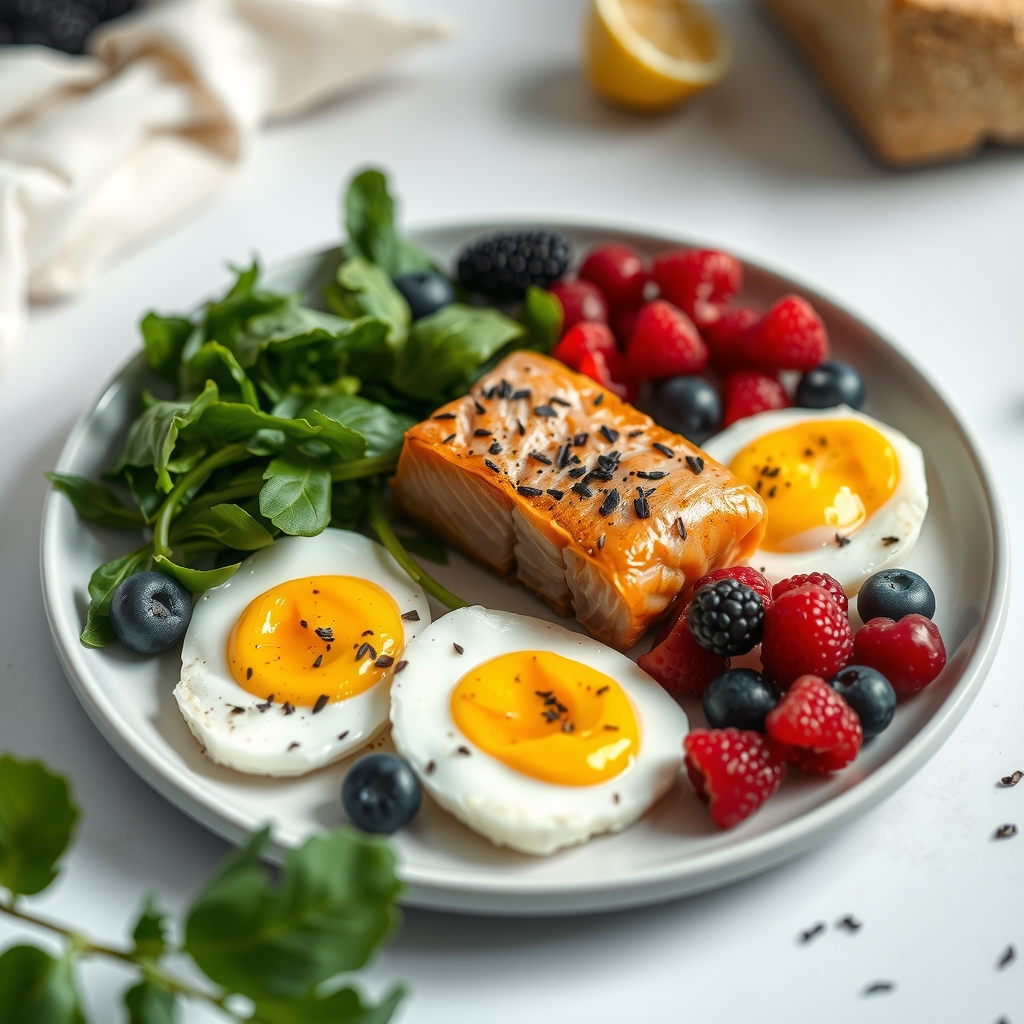
One mom shared: "I felt so tired in my second trimester, and my doctor said it might be low iron. I started adding pumpkin seeds to my salads and noticed my energy return within a week!"
--- ## **Are there any foods to avoid for optimal fetal brain development?** While focusing on nutrient-dense foods is key, some foods can hinder brain development or pose risks during pregnancy. Avoid or limit: - **High-mercury fish:** Shark, swordfish, king mackerel, and tilefish (stick to 2–3 servings of low-mercury fish per week, like salmon or sardines). - **Excessive caffeine:** More than 200 mg/day (about 1–2 cups of coffee) may affect fetal dopamine levels. Opt for herbal teas like chamomile or peppermint. - **Processed sugars and refined carbs:** These spike blood sugar, creating inflammation that can impact brain health. Swap white bread for whole grains and limit sweets. - **Unpasteurized foods:** Avoid raw sprouts, undercooked eggs, and soft cheeses (like brie or feta) to prevent listeria. - **Alcohol:** Even small amounts can disrupt neural pathways. The safest choice is zero alcohol during pregnancy.For cravings, try brain-friendly swaps: - Craving chips? Try roasted seaweed snacks or kale chips (blend kale, olive oil, and a pinch of salt; bake at 375°F for 10 mins). - Want something sweet? Dark chocolate (70%+ cocoa) with almond butter provides magnesium and healthy fats.
--- ## **What’s the best timing for brain-boosting snacks during pregnancy?** Snacking isn’t just about hunger—it’s about consistent nutrient delivery to support your baby’s brain growth. Here’s how to time snacks for maximum benefit: ### **Morning (Post-Nausea):** - **Goal:** Replenish glycogen and stabilize blood sugar. - **Ideas:** Hard-boiled eggs with whole-grain toast, smoothie with spinach, flaxseed, and banana. ### **Mid-Morning (Energy Dip):** - **Goal:** Avoid the 10 a.m. crash with protein and fiber. - **Ideas:** Greek yogurt with walnuts, hummus with veggies, or a handful of trail mix (nuts + dried fruit). ### **Afternoon (Focus Slump):** - **Goal:** Support dopamine production for mental clarity. - **Ideas:** Cottage cheese with pineapple, a small handful of almonds, or a rice cake with avocado. ### **Evening (Before Bed):** - **Goal:** Slow-digesting protein for overnight repair. - **Ideas:** Warm milk with turmeric and cinnamon, a small bowl of lentil soup, or a slice of turkey on whole-grain crackers.Pro tip: Keep snacks portable and prepped. Wash and chop veggies on Sunday, portion nuts into small bags, and freeze smoothie packs (frozen berries + spinach + banana) for quick blending.
--- ## **How does a brain healthy diet impact postpartum cognitive function?** The postpartum period is when many women experience "brain fog"—difficulty concentrating, memory lapses, and fatigue. While this is often blamed on sleep deprivation, nutrition plays a huge role. A brain-healthy diet can: - **Reduce inflammation** (linked to postpartum depression). - **Stabilize blood sugar** (preventing mood swings). - **Support neurotransmitter production** (like serotonin and dopamine). ### **Postpartum Brain-Boosting Foods** | Food Group | Examples | Why It Helps | |------------------|-----------------------------------|---------------------------------------| | **Fatty fish** | Salmon, sardines | DHA supports neural repair. | | **Leafy greens** | Spinach, kale | Folate and magnesium combat fatigue. | | **Berries** | Blueberries, raspberries | Antioxidants protect brain cells. | | **Nuts/seeds** | Walnuts, chia, flaxseeds | Omega-3s and vitamin E for cognition. | | **Probiotics** | Yogurt, kefir, sauerkraut | Gut-brain axis health. |One new mom wrote: "I felt like I had cotton in my brain for weeks after giving birth. My midwife suggested adding more fatty fish and dark leafy greens, and within two weeks, my focus improved dramatically."
--- ## **Can a brain healthy diet help reduce pregnancy-related brain fog?** Yes—but it’s not just about what you eat; it’s about consistency and timing. Brain fog in pregnancy is often caused by: - **Hormonal fluctuations** (progesterone slows neurotransmitters). - **Nutrient deficiencies** (low iron, B vitamins, or omega-3s). - **Dehydration** (even mild dehydration reduces cognitive function). ### **Quick Fixes for Brain Fog** 1. **Hydrate aggressively:** Aim for 2.5–3L of water daily. Add electrolytes (like coconut water) if you’re nauseous. 2. **Prioritize breakfast:** Skipping meals worsens fog. Try a smoothie with spinach, banana, and chia seeds. 3. **Snack smart:** Pair protein + healthy fats (e.g., apple slices with peanut butter) to stabilize blood sugar. 4. **Move your body:** Even a 10-minute walk boosts circulation and oxygen to the brain.If brain fog persists beyond the first trimester or is accompanied by severe fatigue, depression, or anxiety, talk to your provider about perinatal mood disorders. You’re not alone—many women experience this, and support is available.
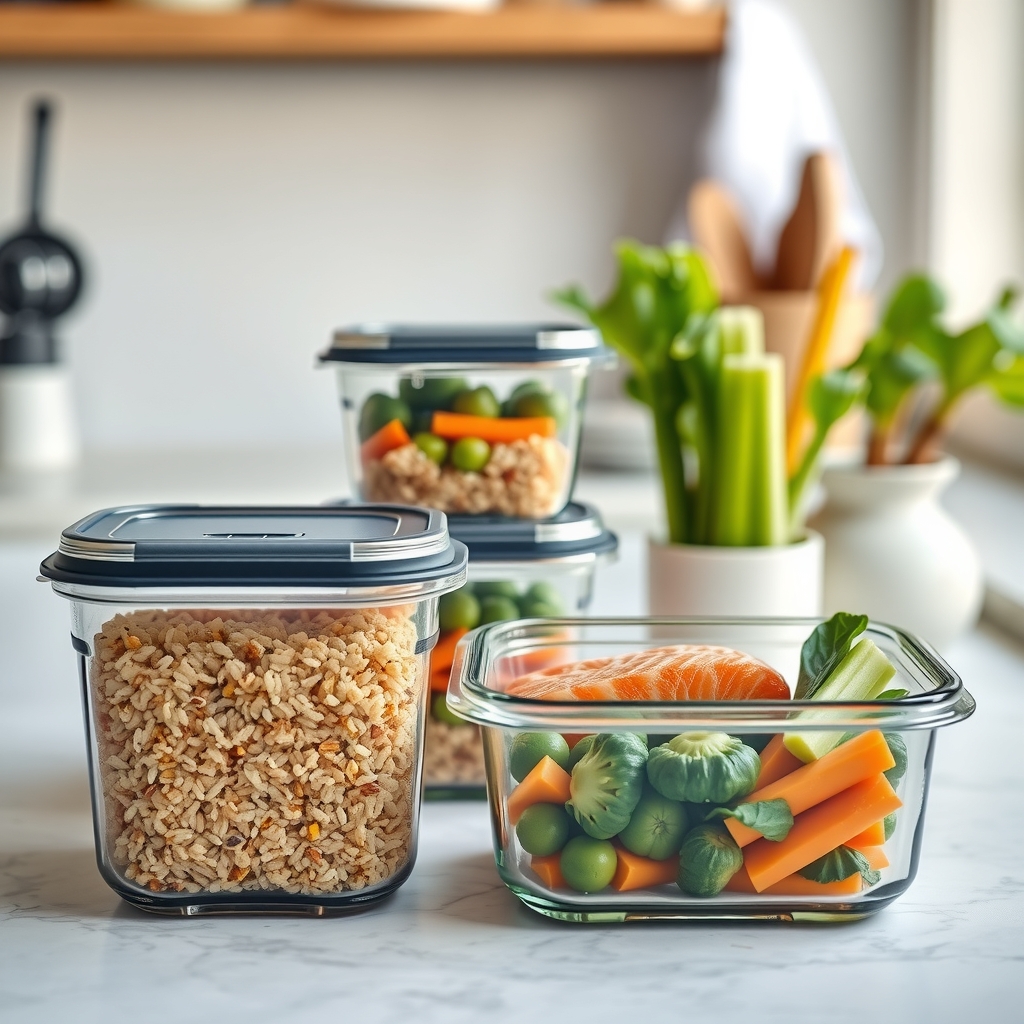
--- ## **What are the best brain healthy meal prep ideas for busy moms?** Meal prep is your secret weapon for staying on track. Here’s how to plan ahead: ### **1. Batch Cook Proteins** - **Make a big pot of lentils or chickpeas** (use for salads, soups, or wraps all week). - **Grill a tray of chicken or salmon** (slice and store for sandwiches or bowls). ### **2. Prep Veggies for the Week** - Wash and chop bell peppers, cucumbers, and carrots. Store in airtight containers with damp paper towels to keep crisp. - Roast a big batch of Brussels sprouts or sweet potatoes (they reheat beautifully). ### **3. Freeze Smoothie Packs** - Portion frozen berries, spinach, and banana into bags. Add to a blender with almond milk and chia seeds in the morning. ### **4. Make "Brain Booster" Snack Boxes** - Combine nuts, seeds, and dried fruit in small containers. Add a dark chocolate square for a sweet treat. ### **5. Use Leftovers Creatively** - Turn last night’s roasted veggies into a frittata the next day. - Mix leftover quinoa with black beans and salsa for a quick lunch.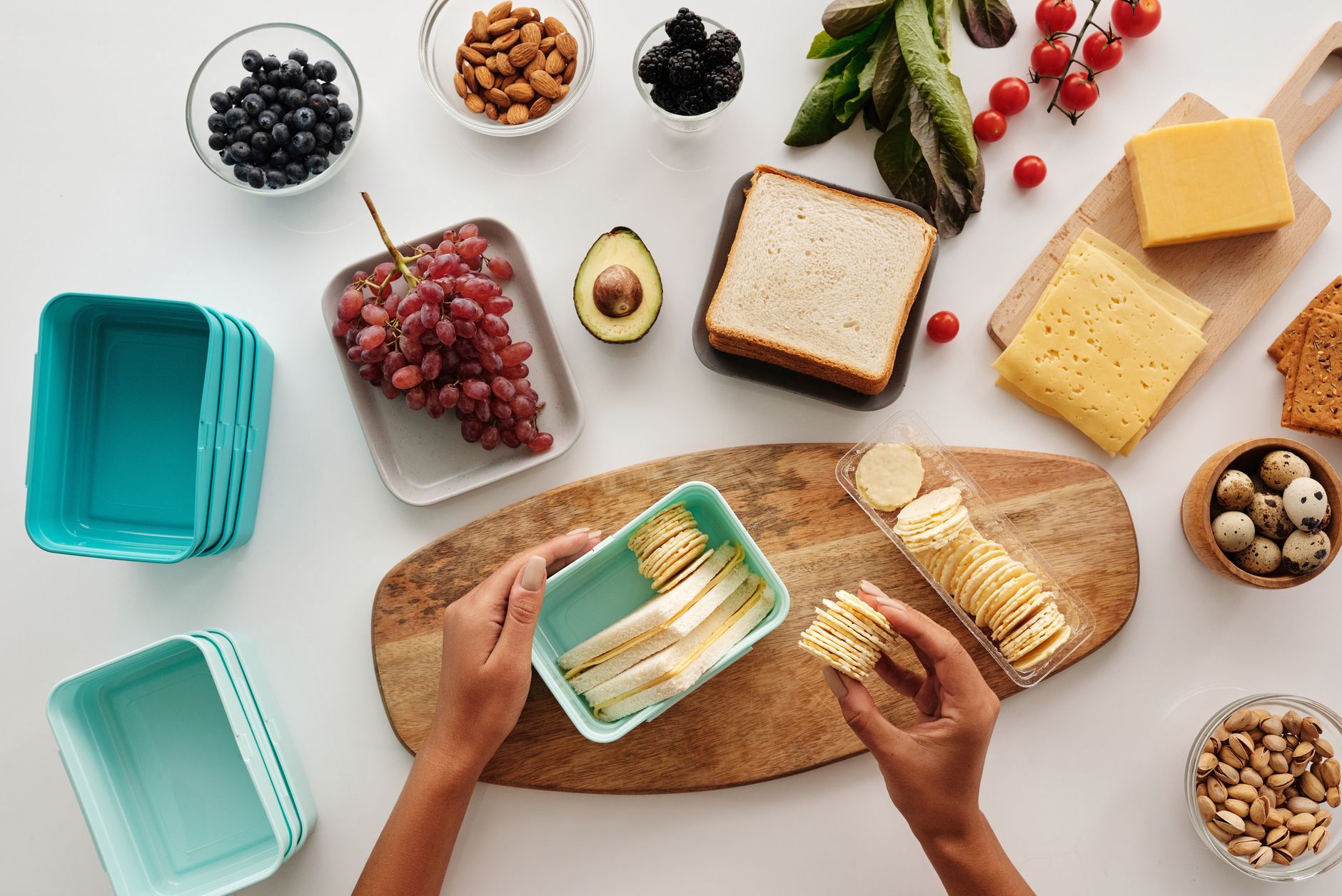
That said, diet is just one piece of the puzzle. Genetics, environment, and postnatal nutrition all play roles. But you’re setting your baby up for success by prioritizing brain-boosting foods.
--- ## **Sample grocery list for a week-long brain healthy diet for moms** Here’s a one-week grocery list to cover the meal plan above, with vegan/vegetarian swaps noted: ### **Proteins** - Wild-caught salmon (or sardines) - Chicken breast - Eggs (pasture-raised preferred) - Greek yogurt (or coconut yogurt) - Cottage cheese - Lentils or chickpeas - Pumpkin seeds - Almonds and walnuts ### **Vegetables** - Spinach (fresh or frozen) - Brussels sprouts - Bell peppers - Carrots - Sweet potatoes - Avocados - Cucumber - Kale ### **Fruits** - Blueberries - Strawberries - Bananas - Apples - Peaches ### **Grains & Carbs** - Quinoa - Whole-grain bread - Oats - Brown rice - Whole-grain crackers ### **Fats & Oils** - Extra virgin olive oil - Tahini - Chia seeds - Flaxseeds - Almond butter ### **Dairy & Alternatives** - Milk (or fortified almond/coconut milk) - Cheese (optional, if tolerated) ### **Pantry Staples** - Honey or maple syrup - Cinnamon - Turmeric - Lemon juice - Olive oil ### **Vegan/Vegetarian Swaps** - Replace salmon with **DHA-fortified tofu or tempeh**. - Replace chicken with **lentils or tempeh**. - Replace dairy with **nutritional yeast or fortified plant-based yogurt**. --- ## **How to adjust a brain healthy diet for gestational diabetes in pregnancy** If you’re diagnosed with gestational diabetes, your brain-healthy diet will need slight adjustments to focus on blood sugar control while still delivering nutrients for your baby’s brain. Key changes: 1. **Prioritize low-glycemic carbs:** Swap white rice for quinoa, whole-wheat pasta for chickpea pasta, and opt for sweet potatoes over white potatoes. 2. **Space meals evenly:** Eat every 3–4 hours to prevent spikes. Aim for 45–60g carbs per meal. 3. **Pair carbs with protein/fat:** Example: Apple slices with almond butter instead of apple juice. 4. **Monitor portion sizes:** Use your hand as a guide (palm = protein, fist = carbs, thumb = fat). 5. **Test snacks:** Choose snacks with 5g or less net carbs, like: - 1 oz cheese + 5 almonds - ½ cup berries + 1 tbsp peanut butter - Celery sticks with hummusFor meal ideas, check out our diabetic diet sample day of eating guide, which aligns with these principles.
--- ## **What are the signs of a deficient brain healthy diet during pregnancy?** If your diet is lacking key nutrients, you (or your baby) might experience: - **Fatigue or dizziness** (low iron or B12). - **Mood swings or anxiety** (low magnesium, omega-3s, or vitamin D). - **Poor memory or brain fog** (low choline or folate). - **Cravings for non-food items** (pica, often linked to iron deficiency). - **Slow wound healing or frequent infections** (low zinc or vitamin C).If you notice these signs, talk to your provider. They may recommend a prenatal vitamin with higher doses of iron, folate, or DHA, or a blood test to check for deficiencies.
--- ## **Myth vs. Fact: Brain Healthy Diet During Pregnancy** ### **Myth: "Eating for two means doubling my portions."** **Fact:** You only need an extra **300–500 calories per day** in the second trimester and **450–500 calories** in the third. Focus on nutrient density, not just calories. ### **Myth: "Supplements are enough—I don’t need to eat brain foods."** **Fact:** While supplements help, whole foods provide a better balance of nutrients. For example, salmon delivers DHA plus vitamin D, while spinach provides folate and iron. ### **Myth: "Cravings don’t matter—I should ignore them."** **Fact:** Cravings often signal a nutrient deficiency. If you crave chocolate, you might need magnesium or iron. If you want salt, you may need electrolytes. Listen to your body—but balance cravings with brain-healthy swaps. ### **Myth: "Any fish is fine as long as it’s low-mercury."** **Fact:** Even low-mercury fish should be limited to 2–3 servings per week. Mercury can still accumulate over time. Opt for smaller, shorter-lived fish like sardines or anchovies. --- ## **Key Takeaways** - A brain-healthy diet for pregnancy focuses on **omega-3s (DHA/EPA), iron, folate, choline, and zinc**—all critical for fetal brain development. - **Sample meals** should include fatty fish, leafy greens, eggs, nuts, and whole grains, with snacks timed for energy stability. - **Meal prep** is your best friend—batch-cook proteins, prep veggies, and freeze smoothie packs to stay consistent. - **Adjust for gestational diabetes** by balancing carbs with protein/fat and monitoring portions. - **Listen to your body**—cravings and fatigue can signal nutrient needs, but always check with your provider if symptoms persist. - **Postpartum brain fog** can improve with continued brain-healthy eating, hydration, and gentle movement. --- ## **Frequently Asked Questions** ### **How can I ensure my baby’s brain development is optimal through diet?** Focus on DHA-rich foods (salmon, algae oil), folate (leafy greens, lentils), choline (eggs, soybeans), and iron (beef, pumpkin seeds). Pair these with vitamin C (citrus fruits, bell peppers) to boost absorption. If you’re unsure about your intake, ask your provider about a blood test for deficiencies. ### **Are there specific supplements that complement a brain healthy diet during pregnancy?** Yes, but only after consulting your provider. Common recommendations include: - **DHA supplements** (if you don’t eat fish regularly). - **Prenatal vitamins** (with at least 400 mcg folate and 27 mg iron). - **Vitamin D** (if you’re deficient or have limited sun exposure). - **Magnesium** (for muscle and nerve function). ### **Can a brain healthy diet reduce the risk of postpartum depression?** Emerging research suggests yes. Foods rich in omega-3s, probiotics, and antioxidants (like fatty fish, yogurt, and berries) may lower inflammation and support serotonin production, reducing depression risk. Pair this with sleep, social support, and movement for best results. ### **What are the best brain healthy snacks for pregnancy cravings?** - **Sweet cravings:** Dark chocolate (70%+) with almond butter. - **Salty cravings:** Roasted seaweed snacks or pumpkin seeds. - **Crunchy cravings:** Baked kale chips or whole-grain crackers with hummus. - **Savory cravings:** Cottage cheese with cinnamon and walnuts. ### **How does hydration affect brain health during pregnancy?** Dehydration can worsen brain fog, fatigue, and even constipation. Aim for **2.5–3L of water daily**, and add electrolytes (like coconut water or a pinch of Himalayan salt) if you’re nauseous. Herbal teas (ginger, peppermint) can also help with hydration and nausea. ### **Is it safe to follow a vegan brain healthy diet during pregnancy?** Yes, but it requires careful planning. Focus on: - **Protein:** Lentils, tofu, tempeh, quinoa. - **Omega-3s:** Algae oil, flaxseeds, walnuts. - **Iron:** Spinach, chickpeas, fortified cereals (pair with vitamin C for absorption). - **B12:** Nutritional yeast or fortified plant milks. Work with a dietitian to ensure you’re meeting all nutrient needs. --- ## **When to see a doctor or specialist** While most dietary adjustments can be managed with guidance from your OB/GYN, seek medical attention if you experience: - **Severe fatigue or dizziness** (possible anemia or low blood sugar). - **Unintentional weight loss** (could indicate malabsorption). - **Persistent nausea or food aversions** (may need a low-iron or low-fat diet). - **Signs of deficiency** (e.g., hair loss, brittle nails, or mouth sores). - **Gestational diabetes symptoms** (excessive thirst, frequent urination, or unexplained fatigue). If you’re concerned about your baby’s brain development, ask your provider about: - **Ultrasound screening** for neural tube defects. - **Blood tests** for folate, iron, or DHA levels. - **Referral to a maternal-fetal medicine specialist** if you have high-risk factors. --- ## **References** 1. American Pregnancy Association. (2023). *Nutrition During Pregnancy*. [https://americanpregnancy.org](https://americanpregnancy.org) 2. National Institutes of Health. (2022). *Omega-3 Fatty Acids and Brain Development*. [https://ods.od.nih.gov](https://ods.od.nih.gov) 3. Academy of Nutrition and Dietetics. (2023). *Prenatal Nutrition Guidelines*. [https://eatright.org](https://eatright.org) 4. Mayo Clinic. (2023). *Gestational Diabetes Diet*. [https://www.mayoclinic.org](https://www.mayoclinic.org) 5. Harvard T.H. Chan School of Public Health. (2022). *Folate and Brain Development*. [https://www.hsph.harvard.edu](https://www.hsph.harvard.edu) 6. Centers for Disease Control and Prevention. (2023). *Mercury and Fish*. [https://www.cdc.gov](https://www.cdc.gov) 7. The Menopause Society (NAMS). (2023). *Postpartum Nutrition for Cognitive Health*. [https://www.menopause.org](https://www.menopause.org) 8. World Health Organization. (2023). *Dietary Guidelines for Pregnant Women*. [https://www.who.int](https://www.who.int)

