

Quick take: A brain-healthy grocery list for pregnancy should prioritize foods rich in omega-3s, choline, antioxidants, and folate—like fatty fish, eggs, leafy greens, and berries. Stock up on nutrient-dense staples (such as walnuts, lentils, and Greek yogurt) and avoid processed foods or excessive caffeine. For a quick start, grab salmon, spinach, blueberries, and chia seeds—they’re among the top 10 brain-boosting foods for pregnancy. Always check labels for contaminants like mercury or added sugars, and opt for organic when possible for pesticides.Brain Healthy Diet Grocery Shopping List: The Complete 2026 Guide
You’re scrolling through your phone at 2 AM, heart pounding as you realize you’ve got your next grocery trip this weekend—and you need to feed *two* brains. Your own, which is already running on caffeine and exhaustion, and your baby’s, which is developing faster than you can say “trimester.” You open a random Pinterest board, but the grocery lists look like they were designed by someone who doesn’t know the difference between a can of beans and a can of regret. What’s actually going to help? What’s safe? What’s even worth buying?
This is the moment so many moms-to-be find themselves in. The good news? You’re not alone. And the even better news? There’s a science-backed, practical way to shop for foods that support your brain—and your baby’s—without turning your cart into a science experiment. We’ve broken down the complete 2026 brain-healthy grocery list, including trimester-specific tips, budget-friendly swaps, and even how to navigate organic vs. conventional choices. Think of this as your cheat sheet for grocery shopping when you’re too tired to think straight.
This article covers everything from the top 15 brain foods to buy for pregnancy to how to meal prep on a tight schedule, how to avoid common mistakes, and even how to incorporate brain foods if you’re managing ADHD or gestational diabetes. We’ll also tackle the myths (like “all organic is best” or “you need to eat fish every day”) and give you a sample 7-day grocery list with meal ideas tailored to each trimester. Let’s get started.
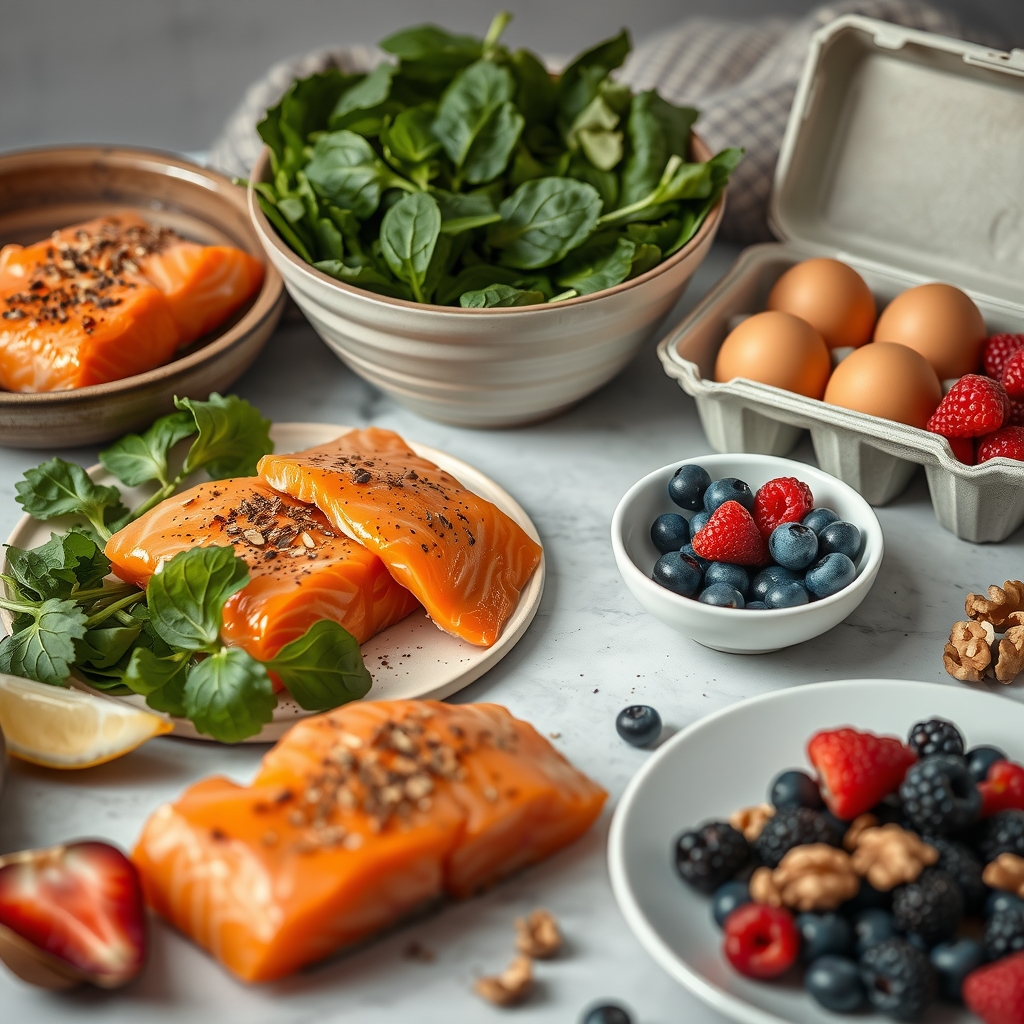
--- ## The Top 10 Brain Foods to Buy for Pregnancy in 2026: Expert-Approved ChoicesYou’ve heard it before: “Eat your greens.” But when it comes to brain health during pregnancy, you need more than just spinach. The top 10 brain foods for pregnancy are packed with nutrients like omega-3 fatty acids, choline, folate, and antioxidants—all critical for your cognitive function and your baby’s developing nervous system. Here’s what to prioritize:
- Fatty fish (salmon, sardines, trout) – Rich in DHA, a type of omega-3 that supports brain development. Aim for 2–3 servings per week, but avoid high-mercury fish like swordfish or king mackerel.
- Leafy greens (spinach, kale, Swiss chard) – High in folate, iron, and vitamins A and K, which are essential for neural tube development and preventing anemia.
- Eggs – One of the best sources of choline, a nutrient linked to improved memory and reduced risk of neural tube defects.
- Berries (blueberries, strawberries, raspberries) – Packed with antioxidants like vitamin C and polyphenols, which protect brain cells from oxidative stress.
- Walnuts and almonds – Contain healthy fats and magnesium, which support brain function and may reduce pregnancy-related anxiety.
- Greek yogurt or kefir – Probiotics and protein help maintain gut-brain health, while calcium supports both your bones and your baby’s skeletal development.
- Lentils and chickpeas – High in iron and folate, which combat fatigue and support cognitive function.
- Sweet potatoes – Rich in beta-carotene, which converts to vitamin A, crucial for brain development and vision.
- Chia seeds and flaxseeds – Another excellent source of omega-3s, fiber, and magnesium, which can help regulate mood swings.
- Dark chocolate (70% cocoa or higher) – Contains flavonoids that improve blood flow to the brain and may reduce stress.
Pro tip: If you’re not a fan of fish, consider plant-based omega-3 sources like flaxseeds or algae-based supplements (always check with your provider first). And if you’re managing gestational diabetes, opt for lean proteins and complex carbs to keep blood sugar stable.
--- ---
## How to Meal Prep a Brain-Healthy Diet for Moms-to-Be on a Tight Schedule
Let’s be honest: meal prepping when you’re pregnant is like trying to organize a baby shower while holding a toddler on your hip. But it’s possible. The key is to focus on batch cooking nutrient-dense meals and grab-and-go options that still deliver brain benefits. Here’s how:
1. Start with the “Big 3”: Stock up on frozen or pre-washed leafy greens, canned salmon (in water), and pre-cooked lentils. These are your lifesavers for quick salads, wraps, or stir-fries.
2. Prep protein in advance: Hard-boil a batch of eggs for the week, or make a big pot of chickpea or black bean stew that you can reheat and pair with whole-grain toast. If you’re craving something warm, Blue Zone-inspired meals like lentil soup or quinoa bowls are both brain-healthy and easy to reheat.
3. Use the “5-minute rule”: Keep a stash of pre-cut veggies, pre-washed greens, and pre-cooked grains (like brown rice or farro) in your fridge. Pair them with a protein source (like canned tuna or pre-cooked chicken strips) for a 5-minute meal.
4. Freeze breakfast: Make a big batch of overnight oats with chia seeds, Greek yogurt, and berries. Portion them into containers and freeze. In the morning, just pop one in the fridge to thaw while you drink your coffee.
5. Snack smart: Keep a bowl of mixed nuts, a tub of hummus with veggie sticks, and a stash of dark chocolate squares within reach. These are low-effort, high-reward brain foods.
Real mom moment: “I used to think meal prepping meant spending hours in the kitchen, but once I started keeping frozen salmon and pre-washed greens on hand, I could throw together a brain-boosting lunch in under 10 minutes—even on days when I could barely stand up. My OB even complimented how well I was eating!” — Sarah, 32, first-time mom
Pro tip: If you’re managing ADHD symptoms during pregnancy, try the “two-bowl rule”: keep one bowl of prepped veggies and one bowl of prepped protein in your fridge. When you’re overwhelmed, you can grab and go without decision fatigue.
--- ## Vegan Brain Healthy Pregnancy Grocery List: Plant-Based EssentialsNot all moms-to-be are meat-eaters—and that’s totally okay. A well-planned vegan diet can be just as brain-healthy (or healthier!) for pregnancy, as long as you focus on the right nutrients. The key is to replace animal-based sources of B12, iron, omega-3s, and choline with plant-based alternatives. Here’s what to stock up on:
- Algae-based supplements – The only reliable vegan source of DHA. Look for a supplement like Schizochytrium algae oil.
- Tofu, tempeh, and edamame – High in protein and choline, especially if you opt for organic or sprouted varieties.
- Chia seeds and flaxseeds – Your go-to for omega-3s. Sprinkle them on smoothies, yogurt, or oatmeal.
- Lentils, chickpeas, and black beans – Packed with folate and iron. Try them in curries, soups, or even as a taco filling.
- Fortified plant milks – Choose varieties fortified with B12, calcium, and vitamin D.
- Nuts and seeds – Walnuts, almonds, and pumpkin seeds are rich in healthy fats and magnesium.
- Leafy greens and broccoli – High in folate and vitamin K. Aim for at least 2 cups a day.
- Whole grains – Quinoa, brown rice, and whole-wheat pasta provide fiber and B vitamins.
- Fortified nutritional yeast – A great source of B12 and protein. Sprinkle it on popcorn or pasta dishes.
- Dark leafy greens – Spinach, kale, and Swiss chard are rich in iron and folate.
Pro tip: Pair iron-rich foods (like lentils) with vitamin C (like bell peppers or citrus) to boost absorption. And if you’re worried about B12 deficiency, consider a supplement—it’s the only way to guarantee adequate intake.
--- ## Brain Foods for Postpartum Recovery: What to Buy After ChildbirthThe first few weeks after childbirth are a whirlwind of sleep deprivation, hormonal shifts, and emotional rollercoasters. Your brain—and your body—need extra support to recover. Here’s what to prioritize on your postpartum grocery list:
- Probiotic-rich foods – Sauerkraut, kimchi, kefir, and Greek yogurt support gut health, which is linked to mood regulation and energy levels.
- Complex carbs – Oats, sweet potatoes, and whole-grain bread help stabilize blood sugar and prevent crashes.
- Lean proteins – Chicken, turkey, eggs, and tofu provide the building blocks for tissue repair and hormone production.
- Hydrating foods – Watermelon, cucumbers, and coconut water help replenish fluids lost during labor.
- Magnesium-rich foods – Dark chocolate, pumpkin seeds, and spinach may help with muscle recovery and stress relief.
- Iron-rich foods – Beef liver (if you’re not squeamish), lentils, and spinach help replenish iron lost during childbirth.
- Healthy fats – Avocados, nuts, and olive oil support brain fog recovery and hormone balance.
- Adaptogenic herbs – Ashwagandha or holy basil (in tea form) may help manage stress and fatigue.
Real mom moment: “After my C-section, I felt like my brain was foggy and slow. My postpartum doula swore by bone broth and chia pudding, and honestly? It made a world of difference. I started feeling more like myself within a week.” — Priya, 28, postpartum mom
Pro tip: If you’re breastfeeding, omega-3s are even more critical. Add a high-quality DHA supplement to your routine (always check with your provider first). And if you’re managing postpartum depression, consider pairing brain foods with anti-inflammatory foods like turmeric, ginger, and leafy greens.
--- ## Affordable Brain Healthy Diet Grocery List: Budget-Friendly Options for Expectant MothersLet’s talk money. Pregnancy can be expensive, and brain-healthy foods often come with a price tag. But you don’t need to break the bank to eat well. Here’s how to shop smart on a budget:
- Buy frozen or canned – Frozen berries, spinach, and salmon are just as nutritious as fresh and often cheaper. Canned tuna or sardines are great for omega-3s without the cost of fresh fish.
- Opt for store brands – Many generic brands of Greek yogurt, nuts, and seeds are just as good as name brands.
- Cook in bulk – Make big batches of lentil soup, chili, or grain bowls and freeze portions for later. This cuts down on both cost and time.
- Choose seasonal produce – Apples, carrots, and sweet potatoes are cheaper in season and often more nutrient-dense.
- Shop sales and use coupons – Apps like Too Good To Go or store loyalty programs can help you save on brain-healthy staples.
- Buy in bulk – Nuts, seeds, and grains are cheaper when purchased in larger quantities.
- Grow your own – If you have a balcony or backyard, herbs like basil and mint are easy to grow and add flavor to meals without cost.
- Prioritize whole foods over supplements – While supplements can help fill gaps, whole foods are always the best source of nutrients.
Pro tip: If you’re managing gestational diabetes, focus on non-starchy veggies, lean proteins, and healthy fats. These keep blood sugar stable without breaking the bank. For example, a big bag of frozen broccoli and a carton of eggs will feed you for weeks!
--- ## Brain Healthy Diet Grocery List for Gestational Diabetes: Safe and Effective ChoicesIf you’ve been diagnosed with gestational diabetes, your grocery list needs to focus on blood sugar control while still delivering brain-boosting nutrients. The key is to balance carbs with fiber and protein to slow digestion and prevent spikes. Here’s what to prioritize:
- Non-starchy veggies – Spinach, zucchini, bell peppers, and broccoli are low in carbs and high in fiber.
- Lean proteins – Chicken breast, turkey, eggs, and tofu help stabilize blood sugar.
- Healthy fats – Avocados, nuts, seeds, and olive oil slow digestion and keep you full.
- Complex carbs – Quinoa, brown rice, and whole-wheat pasta have a lower glycemic index than white bread or pasta.
- Berries – Strawberries, blueberries, and raspberries are low in sugar but high in fiber and antioxidants.
- Cinnamon – Some studies suggest it may help lower blood sugar. Sprinkle it on oatmeal or yogurt.
- Apple cider vinegar – A tablespoon in water before meals may help improve insulin sensitivity.
- Avoid – Sugary drinks, white bread, processed snacks, and high-glycemic fruits like mangoes or pineapple.
Pro tip: If you’re craving something sweet, pair fruit with protein or fat. For example, a small apple with a handful of almonds or a few squares of dark chocolate will satisfy your craving without spiking your blood sugar.
Real mom moment: “I was diagnosed with gestational diabetes at 28 weeks, and I was terrified. But my dietitian taught me to focus on veggie-heavy meals with protein, and I started feeling so much better. I even lost some of the weight I gained during pregnancy!” — Mia, 30, gestational diabetes survivor
--- ## How to Shop for Brain Foods During Pregnancy: Tips to Avoid Common MistakesShopping for brain foods can feel like a minefield if you don’t know what to look for. Here are the most common mistakes and how to avoid them:
- Assuming organic is always best – While organic can reduce pesticide exposure, it’s not always necessary. Focus on the Dirty Dozen (like leafy greens and berries) for organic, and conventional for others like bananas or onions.
- Overdoing it on supplements – Too many supplements can be overwhelming and potentially harmful. Stick to folate, iron, and DHA unless your provider recommends otherwise.
- Skipping the labels – Always check for added sugars, hydrogenated oils, and artificial additives. Opt for foods with minimal ingredients.
- Not balancing omega-3s with omega-6s – Too many omega-6s (found in vegetable oils) can promote inflammation. Balance them with omega-3s from fish or flaxseeds.
- Ignoring portion sizes – Even healthy foods can be overconsumed. Stick to recommended serving sizes to avoid excess calories.
- Not planning ahead – Last-minute grocery trips often lead to unhealthy impulse buys. Plan meals for the week and stick to your list.
- Assuming all fish is safe – Avoid high-mercury fish like swordfish, shark, and king mackerel. Stick to salmon, sardines, and trout.
Pro tip: If you’re managing food sensitivities or allergies, keep an allergy-friendly grocery list on hand. For example, if you’re avoiding dairy, swap Greek yogurt for coconut yogurt or almond milk.
--- ## Brain Healthy Diet Grocery List for ADHD in Pregnancy: Focus-Boosting FoodsIf you’re pregnant and managing ADHD, your brain might feel like it’s running on low battery. The good news? Certain foods can help improve focus, reduce impulsivity, and stabilize mood. Here’s what to prioritize:
- Protein-rich foods – Eggs, chicken, turkey, and tofu help maintain steady blood sugar and provide the building blocks for neurotransmitters.
- Complex carbs – Oats, quinoa, and whole-grain bread provide slow-release energy to keep your brain fueled.
- Healthy fats – Avocados, nuts, seeds, and olive oil support brain function and reduce inflammation.
- Iron-rich foods – Spinach, lentils, and red meat help combat fatigue and improve cognitive function.
- Omega-3s – Fatty fish, flaxseeds, and walnuts support brain health and may reduce ADHD symptoms.
- Probiotics – Greek yogurt, kefir, and sauerkraut support gut-brain health, which is linked to mood and focus.
- Avoid – Sugary snacks, processed foods, and caffeine (which can worsen anxiety).
Pro tip: If you’re struggling with decision fatigue, try the ADHD-friendly grocery list approach: keep a few go-to brain foods on hand (like pre-cut veggies, nuts, and hummus) so you don’t have to think too hard about meals.
--- ## Sample 7-Day Brain Healthy Diet Grocery List with Meal IdeasHere’s a sample 7-day grocery list with meal ideas tailored to each trimester. Adjust portions based on your needs and cravings!
### **Grocery List (Prioritize Organic for the Dirty Dozen)**- Fatty fish: Salmon fillets (2–3 servings)
- Leafy greens: Spinach, kale, or Swiss chard (5–7 cups)
- Eggs (1 dozen)
- Berries: Blueberries, strawberries (2 cups)
- Walnuts and almonds (1–2 cups)
- Greek yogurt (plain, unsweetened)
- Lentils or chickpeas (2 cans or 1 lb dry)
- Sweet potatoes (3–4 medium)
- Chia seeds or flaxseeds (1 cup)
- Dark chocolate (70% cocoa, 1 bar)
- Whole grains: Quinoa, brown rice, or whole-wheat bread
- Probiotics: Sauerkraut or kefir
- Herbs: Basil, mint, or cilantro
- Cinnamon and turmeric
- Coconut water or herbal tea
You’ve probably heard the debate: Should you buy organic? The answer depends on your budget, values, and the specific foods you’re buying. Here’s a comparison table to help you decide:
| Food Category | Organic Benefits | Conventional Benefits | Cost Difference | Nutrient Difference | Best Choice For |
|---|---|---|---|---|---|
| Leafy greens (spinach, kale) | Lower pesticide residue | More affordable | ~50% more expensive | Minimal nutrient difference | Pregnant women concerned about pesticides |
| Berries (blueberries, strawberries) | No synthetic pesticides | Cheaper, wider variety | ~40% more expensive | Slightly higher antioxidants in some studies | Families prioritizing pesticide avoidance |
| Fatty fish (salmon, sardines) | Lower risk of contaminants (PCBs) | More widely available | ~30% more expensive | Potentially lower mercury in wild-caught organic | Women concerned about mercury exposure |
| Eggs | Higher omega-3s, no antibiotics | Cheaper, easier to find | ~20% more expensive | Organic eggs may have slightly more nutrients | Families avoiding antibiotics |
| Nuts and seeds | No synthetic fungicides | More affordable | ~25% more expensive | Minimal difference | Budget-conscious shoppers |
| Whole grains (quinoa, brown rice) | No GMOs (if labeled) | Cheaper, more options | ~15% more expensive | Minimal difference | Families avoiding GMOs |
Pro tip: If you’re on a budget, focus your organic spending on the Dirty Dozen (leafy greens, berries, fish) and buy conventional for other items like bananas or onions.
--- ## How to Read Nutrition Labels for Brain-Healthy FoodsNot all nutrition labels are created equal. Here’s how to decode them to pick the best brain foods:
- Check the ingredient list first – If the first few ingredients are sugars, refined oils, or artificial additives, put it back.
- Look for whole, recognizable foods – Ingredients like salmon, spinach, eggs, and nuts are ideal.
- Compare serving sizes – A “serving” of nuts might be ¼ cup, but the package has 4 servings. That means you’re getting 1 cup of nuts per bag!
- Watch for added sugars – Even in “healthy” foods like yogurt or granola, added sugars can spike blood sugar.
- Prioritize omega-3s – Look for DHA and EPA in fish or algae supplements.
- Avoid hydrogenated oils – These promote inflammation and harm brain health.
- Check for folate (not folic acid) – Folate is the natural form found in foods, while folic acid is synthetic.
- Look for added probiotics – If you’re buying yogurt or kefir, check for live cultures.
Pro tip: If you’re managing gestational diabetes, look for foods with a low glycemic index (GI)—these help stabilize blood sugar. The GI is often listed on the label or can be found online.
--- ## Myths vs. Facts About Brain Foods for PregnancyThere are a lot of misconceptions about brain foods during pregnancy. Let’s debunk the biggest ones:
Myth: “You need to eat fish every single day.” Fact: The American College of Obstetricians and Gynecologists (ACOG) recommends 2–3 servings of fatty fish per week. Too much can lead to excess mercury exposure. If you don’t like fish, opt for algae-based DHA supplements. Myth: “Organic foods are always better and safer.” Fact: While organic reduces pesticide exposure, conventional foods are safe if washed properly. Focus on organic for the Dirty Dozen and conventional for others. Myth: “You can’t eat dairy if you’re pregnant.” Fact: Dairy is rich in calcium and vitamin D, which support both your bones and your baby’s development. If you’re lactose intolerant, opt for lactose-free or plant-based alternatives fortified with calcium. Myth: “Supplements are always necessary.” Fact: While supplements can help fill gaps, whole foods are always the best source of nutrients. Focus on a balanced diet first, then consider supplements if needed. Myth: “You should avoid all nuts because of allergies.” Fact: Nuts are packed with healthy fats and magnesium, which support brain health. If you’re concerned about allergies, introduce them one at a time and monitor for reactions. --- ## Key Takeaways: Your Brain-Healthy Grocery Shopping ChecklistHere’s a quick recap of the most important takeaways for your brain-healthy grocery list:
- Prioritize omega-3s – Fatty fish, chia seeds, and walnuts are your best friends.
- Load up on choline – Eggs, tofu, and lentils help your baby’s brain develop.
- Antioxidants are a must – Berries, dark chocolate, and leafy greens protect brain cells.
- Folate and iron are non-negotiable – Spinach, lentils, and beef liver help prevent deficiencies.
- Hydration matters – Water, coconut water, and herbal teas keep your brain (and baby’s) functioning optimally.
- Organic isn’t always necessary – Focus on the Dirty Dozen and save money elsewhere.
- Meal prep saves time and stress – Batch cook grains, proteins, and veggies for easy assembly.
- Listen to your body – Cravings often signal nutrient needs. If you’re craving chocolate, you might need magnesium!


