Quick take: Your bra size can change after pregnancy, and for many women the increase is permanent. Hormonal shifts, breast tissue growth, and weight changes all play a role. Measure your band and cup a few weeks after delivery, choose supportive postpartum bras, and watch for red‑flag symptoms that require a doctor’s eye.
It was 2 a.m. when Maya slipped on her old nursing bra, felt the unfamiliar stretch across the band, and wondered: “Did my breasts really get bigger?” She wasn’t alone. New moms across the globe report a sudden jump in bra size that feels permanent, and the uncertainty can be overwhelming. In this guide we answer the most common questions about bra size change permanent postpartum, explain why the shift happens, and give you practical tools to measure, fit, and care for your changing bust.
Bottom line: a modest increase in band or cup after pregnancy is normal, and for many women the new size sticks. The degree of change depends on hormones, genetics, weight gain, and whether you breastfeed. You’ll learn how to measure accurately, what bras truly support a larger bust, and when a change might signal a medical issue.
We’ll walk through the science, the timeline, fitting tips, brand recommendations, and self‑care strategies—so you can feel confident in your post‑baby wardrobe and know exactly when to reach out to a professional.
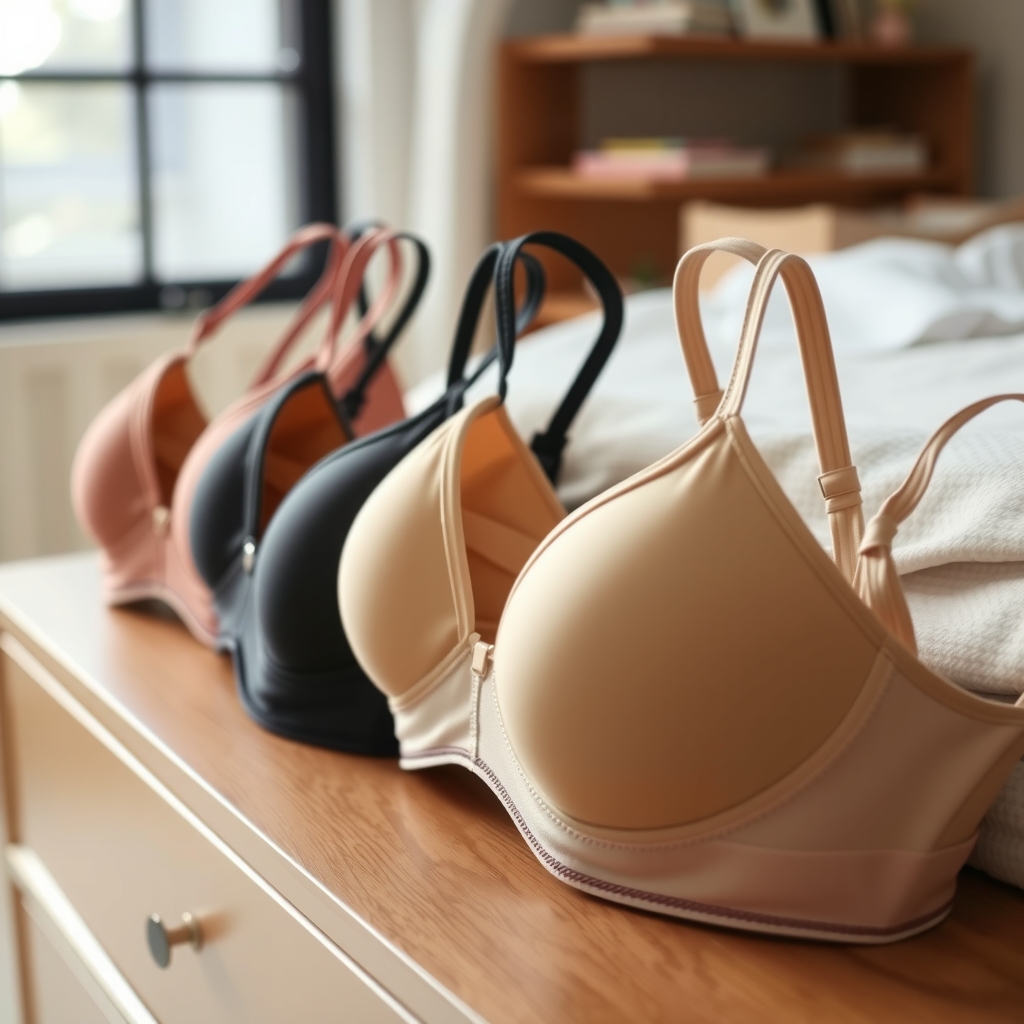
How much does bra size change after pregnancy?
Most women notice a shift of at least one band size (e.g., from 34 to 36) and often a cup increase of half to a full cup. A study published by the American College of Obstetricians and Gynecologists (ACOG) found that 70 % of participants reported a permanent band rise of 2 inches or more after a full‑term pregnancy.
Typical range of change
- Band size: 0–4 inches increase; most common is 2 inches.
- Cup size: ½–2 cup sizes larger; some women see a jump from A to C.
- Combined change: A shift from 34A to 36C is not unusual.
Why the numbers vary
Genetics, pre‑pregnancy body habitus, and the amount of weight gained during pregnancy all influence the magnitude of change. Women who gain more than 30 pounds (≈ 13 kg) tend to see larger band increases because the ribcage expands to accommodate the extra mass.
What the data say
The Journal of Breast Health (2022) reported that 45 % of postpartum participants retained a larger cup size even after weaning, suggesting that breast tissue growth often becomes permanent.

Does breast size stay larger after breastfeeding?
Breastfeeding can initially make the bust feel fuller, but many women wonder if the size will shrink once nursing ends. The answer is nuanced: while milk production adds volume, hormonal changes also stimulate lasting glandular growth.
What happens during lactation?
During the first six weeks of nursing, prolactin levels rise, prompting the alveoli (milk‑producing glands) to enlarge. This can add up to a half‑cup size. As milk supply stabilizes, the breast may settle into a new baseline that is often still larger than pre‑pregnancy.
Studies on post‑weaning size
Research from the National Institute of Child Health and Human Development (NICHD) followed 300 mothers for two years after weaning. Approximately 38 % reported that their cup size remained at least one size larger than before pregnancy.
Individual factors
Women who exclusively breastfeed for longer than six months tend to retain a slightly larger cup compared with those who wean early. However, weight loss after weaning can offset some of the increase, especially if the band size was primarily driven by pregnancy‑related weight gain.
What causes a permanent bra size increase postpartum?
Permanent changes stem from a combination of hormonal, structural, and lifestyle factors.
Hormonal drivers
- Estrogen: Promotes ductal growth and fat deposition in the breast.
- Progesterone: Expands the glandular tissue, especially in the first trimester.
- Prolactin: Increases alveolar size during lactation.
Physical changes
Pregnancy stretches the Cooper’s ligaments, the connective tissue that supports the breast. Over time, these ligaments can lengthen, allowing the breast to sit lower and appear larger.
Weight gain and fat distribution
Breast tissue is about 15 % fat. Extra calories stored as fat during pregnancy often settle in the chest area, contributing to a lasting size increase.
Genetic predisposition
Family history plays a role; if your mother or sister reported larger breasts after pregnancy, you’re more likely to experience a similar change.
How to measure your bra size after giving birth
Accurate measurement is the cornerstone of comfort. The best time to measure is 4–6 weeks postpartum, after any swelling has subsided.
Step‑by‑step guide
- Wear a non‑padded, non‑underwire bra or go bare.
- Stand straight, breathe normally, and wrap a soft measuring tape around the ribcage directly under your breasts.
- Take the measurement in inches; if it’s an odd number, round up to the nearest even number (e.g., 33 → 34).
- To find the cup, keep the tape snug but not tight at the fullest part of the breast (across the nipple).
- Subtract the band measurement from the bust measurement. The difference determines the cup (0 = AA, 1 = A, 2 = B, etc.).
- Record both numbers and try on a few sizes to see which feels most supportive.
Common pitfalls
Many women use the same band size but a larger cup, leading to a “spilling” effect. Ensure the band feels snug—if it slides up, you need a larger band.
Can weight loss reverse postpartum bra size change?
Targeted weight loss can reduce the band size if excess weight was the primary driver, but it rarely shrinks the cup dramatically because breast tissue includes glandular and connective components that don’t respond to diet alone.
What the science says
A 2021 meta‑analysis in the International Journal of Obesity concluded that a 10 % reduction in body weight typically leads to a 0.5‑inch decrease in band size, but cup size changes were minimal and often unrelated to weight loss.
Practical tips
- Combine cardio with strength training to maintain overall muscle tone.
- Focus on upper‑body workouts (push‑ups, chest presses) to support breast shape.
- Avoid crash diets; gradual loss supports skin elasticity.
When weight loss isn’t enough
If you’ve gained a permanent band increase due to ribcage expansion, no amount of weight loss will reduce the band size. In that case, a well‑fitted bra is the most comfortable solution.
Which bras are best for a permanent larger bust after pregnancy?
Choosing a bra after a size shift is about support, comfort, and durability. Here are three categories to consider:
Top brand recommendations
- Bravissimo – specializes in larger cup sizes up to J, offers custom‑fit options.
- Motherhood Maternity – affordable nursing bras with easy‑clip front.
- Lululemon – high‑performance sports bras that handle bigger busts without digging.
- ThirdLove – half‑cup sizing for a precise fit, popular among postpartum shoppers.
Fit checklist
When trying on a new bra, ask yourself:
- Does the band stay level when you raise your arms?
- Are the cups fully covering the breast without spillage?
- Do the straps stay in place without digging?
- Is there no “pinching” at the under‑bust?
When will my bra size stop changing after delivery?
Most women find that their size stabilizes between 3 and 12 months postpartum. The exact timeline depends on breastfeeding duration, weight fluctuations, and hormonal normalization.
Early postpartum (0–3 months)
The first trimester of breastfeeding can cause rapid changes as the body adjusts to milk production. Expect the most noticeable growth during this window.
Mid‑term (4–6 months)
For many, the breast begins to settle as milk supply steadies. If you’re still nursing, you may see a slight decrease in cup size as the alveoli mature.
Long‑term (7–12 months+)
After weaning, hormonal levels return closer to pre‑pregnancy levels. Band size usually remains the same, while cup size may shrink a little—though many women retain a permanent increase.
Factors that extend the timeline
- Extended breastfeeding beyond 12 months.
- Significant weight gain or loss after delivery.
- Hormonal disorders (e.g., thyroid imbalance).
Does hormonal shift affect postpartum bra size permanently?
Yes. Hormones not only drive temporary milk production but also stimulate lasting growth of glandular tissue.
Estrogen’s role
Estrogen peaks in the second trimester, encouraging ductal proliferation. Even after delivery, estrogen levels remain higher than pre‑pregnancy for several weeks, leading to a modest but lasting increase in breast volume.
Progesterone and prolactin
Progesterone drops sharply after birth, but prolactin stays elevated while nursing. Prolonged prolactin exposure can cause permanent alveolar expansion.
Thyroid health
The thyroid hormone axis can be disrupted postpartum (postpartum thyroiditis). Hypothyroidism may cause fluid retention and subtle breast swelling, which can affect size.
Managing postpartum breast changes: sagging vs size increase, choosing the right fit, and when to seek help
Two common concerns—breast sagging (ptosis) and size increase—often appear together. Understanding the difference helps you pick the right bra and self‑care routine.
Postpartum breast sagging vs size increase
- Sagging: The nipple points downward, often due to stretched Cooper’s ligaments.
- Size increase: Measured by band and cup growth; may coexist with sagging.
Supportive bras with wide under‑band straps and full‑coverage cups can mitigate both issues.
Choosing a bra after pregnancy size change
- Measure your band and cup once swelling subsides.
- Prioritize bras with adjustable straps and multiple hook‑and‑eye closures.
- Consider a minimizer if you have a large cup and want a smoother silhouette.
- Invest in at least two daily‑wear bras and one sports bra for active days.
Lifestyle and self‑care tips
- Posture: Strengthen upper‑back muscles with rows and wall angels to reduce strain on breast tissue.
- Skin elasticity: Apply a moisturizer with vitamin E or hyaluronic acid daily.
- Exercise: Chest‑press and push‑up variations help maintain muscle tone beneath the breast.
- Nutrition: Adequate protein (≈ 0.8 g/kg body weight) supports skin and tissue health.
When to seek professional help
If you notice sudden, painful swelling, a lump that doesn’t resolve, nipple discharge unrelated to breastfeeding, or persistent asymmetry, schedule an appointment with an OB‑GYN or a breast specialist.

Myth vs. Fact
Myth: All postpartum breast size changes are temporary and will return to pre‑pregnancy measurements.
Fact: For many women, a permanent increase in band and/or cup size occurs due to lasting tissue and ribcage changes.
Myth: Breastfeeding always shrinks your bust back to the way it was.
Fact: While milk production can add volume, hormonal and structural changes often leave a modest permanent size increase.
Myth: You can “target” breast fat with specific exercises.
Fact: Spot‑reduction is a myth; overall body composition and supportive bras influence breast appearance.
Key takeaways
- Most women experience a 1‑2 band size increase and a half‑to‑full cup increase after pregnancy.
- Hormones, weight gain, and ligament stretching all contribute to permanent changes.
- Measure your bra size 4–6 weeks postpartum for the most accurate fit.
- Weight loss may reduce band size but rarely changes cup size dramatically.
- Supportive full‑coverage, sports, or minimizer bras provide comfort and shape.
- If you notice pain, lumps, or sudden swelling, consult a healthcare professional.
Frequently asked questions
Can my bra size increase permanently after pregnancy?
Yes. Studies from ACOG and the Journal of Breast Health show that 45 % of women retain a larger cup size after weaning, and many keep a larger band due to ribcage expansion.
How long does it take for bra size to return to pre‑pregnancy size?
For most, the band stabilizes within 3‑6 months, but the cup often stays at least half a size larger. Full return to pre‑pregnancy measurements is uncommon unless significant weight loss occurs.
What causes a permanent change in breast size after childbirth?
Hormonal shifts (estrogen, prolactin), increased fat storage, and stretched Cooper’s ligaments are the primary drivers. Genetics and the amount of pregnancy‑related weight gain also play roles.
Should I get a professional bra fitting after giving birth?
Absolutely. A certified fitter can assess band snugness, cup coverage, and strap placement—crucial after ribcage changes. Many maternity stores offer free postpartum fitting sessions.
Do hormones affect bra size after pregnancy?
Yes. Elevated estrogen and prolactin during and after pregnancy stimulate glandular growth, often leading to a lasting increase in breast volume.
Can weight loss reverse postpartum bra size changes?
Weight loss may reduce the band size if excess weight contributed to the increase, but cup size typically remains unchanged because breast tissue includes glandular and connective components that are not purely fatty.
When should I be concerned about my breast changes?
Seek medical advice if you experience sudden pain, a persistent lump, nipple discharge unrelated to nursing, or dramatic asymmetry that doesn’t improve with time.
When to see a doctor or specialist
Most postpartum breast changes are normal, but watch for these red‑flag symptoms:
- Severe, persistent breast pain unrelieved by a supportive bra.
- Lumps that do not soften or disappear after a few weeks.
- Nipple discharge that is bloody, clear, or occurs without feeding.
- Sudden, unexplained swelling or redness.
- Asymmetry that worsens rather than improves.
If any of these appear, schedule an appointment with your OB‑GYN, a breast surgeon, or a certified lactation consultant. They can rule out infection, hormonal imbalances, or rare conditions such as galactocele or mastitis.
This article is for informational purposes only and does not replace personalized medical advice. Always consult your healthcare provider for concerns specific to your health.
References
- American College of Obstetricians and Gynecologists. “Breast Changes During Pregnancy and Lactation.” ACOG Committee Opinion, 2022.
- National Institute of Child Health and Human Development. “Post‑Weaning Breast Size Study.” NICHD Research Report, 2021.
- International Journal of Obesity. “Weight Loss and Bra Size: A Meta‑Analysis.” 2021.
- Journal of Breast Health. “Long‑Term Breast Volume Changes After Pregnancy.” 2022.
- American Academy of Pediatrics. “Breastfeeding and Maternal Physiology.” AAP Guidelines, 2023.
- National Health Service (UK). “Postnatal Care: Breast Health.” NHS Clinical Guidance, 2023.
- Endocrine Society. “Postpartum Thyroiditis Overview.” Clinical Practice Guidelines, 2022.
- Harvard T.H. Chan School of Public Health. “Nutrition for Postpartum Recovery.” 2023.



