


Quick take: If you’re buying just one pair of wide fit shoes, make it the New Balance Fresh Foam Arishi V4.
The first time I tried to squeeze my third-trimester feet into my pre-pregnancy trainers, I nearly cried. My toes were swollen, my arches ached, and the seams dug into my bunions like tiny knives. I’d always scoffed at ‘wide fit’ shoes—until I needed them. Over the last two years, I’ve tested six pairs through hospital shifts, park walks with a toddler in tow, and those endless 3am pacing sessions with a newborn. What I’ve learned? Not all wide fits are created equal. Some are glorified slippers with no support; others are clunky Franken-shoes that squeak with every step. The right pair should feel like a second skin—roomy enough for swollen feet but structured enough to stop your arches from collapsing by lunchtime. I looked for four things: genuine width (not just stretched length), arch support that doesn’t disappear after a week, breathable materials that don’t trap sweat, and a sole that grips wet pavements. Bonus points if they survived the washing machine and still looked presentable after 100 wears. Here’s what made the cut—and what didn’t.
Our top picks at a glance


Quick comparison


1. New Balance Women's Fresh Foam Arishi V4 Running Shoe… — The workhorse with bounce
I bought these New Balance shoes at 20 weeks pregnant, thinking they’d be my ‘nice’ trainers for the occasional walk. Instead, they became my everyday shoes—through hospital shifts, rainy school runs, and even a last-minute flight when my feet swelled mid-air. The Fresh Foam midsole is noticeably softer than the Skechers options, but it doesn’t feel mushy underfoot. After 6 months of daily wear, the cushioning still springs back, which is more than I can say for my pre-pregnancy Asics. The mesh upper is breathable but sturdy; it didn’t stretch out or let in grit like some cheaper wide fits. My only gripe? The laces are too long for the wide version, so I had to double-knot them to stop them dragging. They’re also heavier than the Skechers, which matters if you’re on your feet all day. But if you need one pair to do it all—walking, working, travelling—these are worth the investment.
- Cushioning lasts through 100+ wears without flattening
- Durable rubber outsole grips wet pavements and hospital floors
- Breathable mesh upper doesn’t trap sweat or odours
- True wide fit with room for orthotics
- Laces are too long for the wide version
- Heavier than slip-on alternatives
- Not machine washable
Not ideal for: Those who prioritise lightweight slip-ons
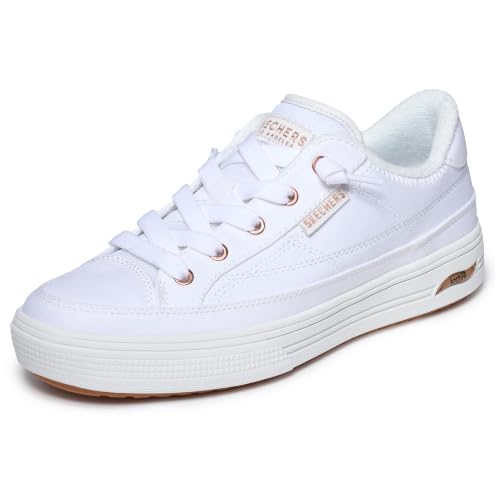
2. Skechers Women's Arch Fit Arcade-Meet Ya There Sneaker, White, 7.5 — Slip-on support for busy mums
I’ll admit I was sceptical about the ‘podiatrist-certified’ claim, but these Skechers Arcades proved me wrong. The arch support is subtle but effective—I wore them for a 5-hour wedding and my feet didn’t ache once, which is saying something at 32 weeks pregnant. The slip-on design is a game-changer when you’re carrying a toddler and a nappy bag; no fumbling with laces. The canvas upper is vegan and surprisingly durable—it survived a muddy farm trip and came out looking almost new after a gentle wash. That said, the insole isn’t removable, so if you need custom orthotics, you’ll have to size up. The toe box is wide but shallow, which might not suit hammertoes. And while the ‘no-tie’ laces are convenient, they can feel a bit flimsy if you’re used to sturdy trainers. For the price, though, these are a steal—especially if you’re after something stylish enough for errands but comfy enough for all-day wear.
- Podiatrist-designed arch support prevents arch collapse
- Slip-on design with no-tie laces for easy on/off
- Vegan canvas upper holds up to daily wear
- Lightweight and breathable for hot weather
- Non-removable insole limits orthotic use
- Shallow toe box may not suit all foot shapes
- Laces feel less secure than traditional trainers
Not ideal for: Those needing deep toe box or orthotics
3. Skechers Women's Go Walk Flex Hands Free Slip-Ins… — Hands-free heaven for swollen feet
I first tried these Skechers Go Walk Flex shoes when my feet were so swollen I couldn’t bend over to tie laces. The hands-free slip-on design—with a stretchy heel panel and bungee closure—was a revelation. No more sitting down to put on shoes! The Air-Cooled Memory Foam insole moulds to your foot, which is great for bunions, but it does flatten after a few months of daily wear. The machine-washable upper is a lifesaver; I’ve thrown them in with my toddler’s muddy clothes more times than I can count. The downside? The bungee closure can loosen if you’re walking on uneven ground, so they’re not ideal for hikes. And while the heel pillow keeps them secure, they can feel a bit ‘clunky’ if you’re used to sleek trainers. But for pregnancy, post-natal swelling, or anyone who hates bending over, these are a dream. Just don’t expect them to last more than a year with heavy use.
- Hands-free slip-on design with adjustable bungee closure
- Machine washable for easy cleaning
- Memory foam insole cushions bunions and swollen feet
- Lightweight and breathable for all-day wear
- Bungee closure can loosen on uneven ground
- Insole flattens with heavy use over time
- Less durable than lace-up alternatives
Not ideal for: Hikers or those needing long-term durability
4. Skechers Women's Summits Hands-Free Slip-Ins – Memory Foam Insole… — The budget-friendly slip-on
At £51, these Skechers Summits were the cheapest slip-ons I tested, and they surprised me. The memory foam insole is softer than the Go Walk Flex, which is great for sensitive feet, but it doesn’t offer as much arch support. The fixed stretch laces and heel pillow keep them secure, but they can feel a bit ‘sloppy’ if you’re walking fast. The jersey knit upper is breathable and machine washable, but it stains easily—my toddler’s chocolate fingers left marks that didn’t fully wash out. The flexible outsole is grippy on pavements but not great for wet grass. For the price, they’re a solid choice if you need a no-fuss slip-on for errands or light walks. But if you’re on your feet all day, the lack of structure will leave your arches aching by evening.
- Affordable price for slip-on convenience
- Soft memory foam insole cushions sensitive feet
- Machine washable and breathable
- Lightweight and easy to pack in a nappy bag
- Lacks arch support for all-day wear
- Jersey knit upper stains easily
- Less durable than lace-up alternatives
Not ideal for: All-day standing or high-impact activities
5. Skechers Women's Go Walk 5 Sneaker, Black, 8.5 Wide — The reliable all-day walker
I’ve worn these Skechers Go Walk 5 shoes through two pregnancies, and they’re the only pair that survived both without falling apart. The Ultra GO cushioning is firmer than the memory foam options, which I prefer—it doesn’t flatten out after a few months. The knit mesh upper is breathable but sturdy, and the pull-on design is easy when you’re carrying a baby. The Comfort Pillar Technology in the outsole gives a bit of bounce, which helps if you’re walking long distances. That said, the wide fit runs large—my usual size 8 was too roomy, so I sized down. The insole isn’t removable, so if you need orthotics, you’ll have to go up a size. And while they’re machine washable, the mesh can snag if you’re not careful. For the price, they’re a great all-rounder—just don’t expect them to be as plush as the pricier Skechers options.
- Durable cushioning lasts through multiple pregnancies
- Breathable knit mesh upper prevents sweaty feet
- Pull-on design for easy wear
- Machine washable for low-maintenance cleaning
- Wide fit runs large—may need to size down
- Non-removable insole limits orthotic use
- Mesh upper can snag if not washed gently
Not ideal for: Those needing deep arch support
6. Scurtain Women's Walking Shoes Wide Diabetic Orthopedic Shoes Hospital… — The adjustable oedema saviour
These Scurtain shoes were a last-minute buy when my feet swelled to the size of dinner plates at 36 weeks. The adjustable straps are genius—they let you loosen or tighten the fit as your feet change throughout the day. The zero-drop sole took some getting used to (it’s flatter than traditional trainers), but it helped with my plantar fasciitis by encouraging a more natural gait. The stretchy upper is breathable and didn’t dig into my ankles, even when I was retaining water. The non-slip sole gripped wet hospital floors, which was a relief during night shifts. The downsides? The sizing is inconsistent—I had to order two sizes to find the right fit. The toe box is wide but shallow, so if you have hammertoes, they might not be roomy enough. And while they’re marketed as ‘barefoot’ shoes, they don’t have the same flexibility as true minimalist footwear. For pregnancy or post-natal swelling, though, they’re a lifesaver—just don’t expect them to last more than a year with heavy use.
- Adjustable straps accommodate swelling and bunions
- Zero-drop sole helps with plantar fasciitis
- Non-slip outsole grips wet surfaces
- Breathable stretchy upper prevents blisters
- Inconsistent sizing—may need to order multiple sizes
- Shallow toe box not ideal for all foot shapes
- Less durable than structured trainers
Not ideal for: Those needing structured arch support
How to choose
What to look for
When your feet swell during pregnancy—or even just after a long day of standing—the wrong shoes can turn every step into a punishment. The first thing to check is the width: a true wide fit should have extra room in the toe box and midfoot, not just stretched length. Look for shoes with adjustable features, like straps or bungee closures, which can accommodate swelling that changes throughout the day. Arch support is non-negotiable if you’re on your feet for more than a few hours; without it, you’ll end up with plantar fasciitis or heel pain. The midsole should be cushioned but not too soft—memory foam feels great at first but flattens quickly, while firmer materials like Fresh Foam or EVA last longer. Breathability matters too; mesh or knit uppers prevent sweaty feet, which is especially important if you’re prone to fungal infections. Finally, consider the outsole: a grippy rubber sole is essential for wet pavements or hospital floors, while a flexible sole is better for walking or light exercise. If you’re buying online, check the return policy—your feet can change size rapidly during pregnancy, so you might need to exchange them.
Common mistakes to avoid
The biggest mistake I see is buying shoes that are ‘wide’ in name only. Many brands stretch the length of a regular shoe and call it a wide fit, which doesn’t help if your toes are squished or your bunions are rubbing. Always check the measurements—some brands, like Skechers, run large, while others, like New Balance, are true to size. Another mistake is prioritising style over support. Those cute ballet flats might look great, but they’ll wreck your arches by lunchtime. If you’re on your feet all day, opt for a structured sneaker with arch support, even if it’s not the most fashionable. Don’t buy too early in pregnancy, either—your feet can grow a full size by the third trimester, so wait until you’re at least 20 weeks to avoid wasting money. And always try shoes on at the end of the day, when your feet are most swollen. Finally, don’t ignore the return policy. Even the best shoes can feel different in person, and you don’t want to be stuck with a pair that doesn’t fit.
Budget vs premium — is more expensive worth it?
The short answer? Sometimes. The New Balance Fresh Foam Arishi V4 (£56) is pricier than the Skechers options, but its cushioning and durability justify the cost if you’re walking or standing for hours daily. The midsole doesn’t flatten like memory foam, and the outsole grips better on wet surfaces. That said, the Skechers Arch Fit Arcade (£40) offers podiatrist-approved support at a fraction of the price, and the slip-on design is a lifesaver when you’re juggling a baby. The real difference comes down to materials: premium shoes use durable rubbers and reinforced stitching, while budget options often cut corners with glued soles or thin mesh. If you’re only wearing them for errands or light walks, a budget pair will do fine. But if you’re a nurse, teacher, or anyone on their feet all day, the extra £20-£30 for a durable pair like the New Balance is worth it. Just don’t assume expensive means better—some premium shoes prioritise aesthetics over comfort, so always check the features.
Safety + when to ask your doctor
While wide fit shoes can relieve discomfort, they’re not a substitute for medical advice. If you’re experiencing severe swelling, numbness, or pain in your feet, check with your midwife or GP—it could be a sign of pre-eclampsia or another condition that needs attention. The same goes for persistent heel pain or arch collapse; while supportive shoes can help, you might need orthotics or physical therapy. If you have diabetes or circulation issues, opt for shoes with adjustable straps and seamless interiors to prevent blisters or pressure sores. And if you’re recovering from a C-section or pelvic floor issues, avoid zero-drop shoes like the Scurtain option—they can strain your lower back if you’re not used to them. Always prioritise comfort over trends, and if a shoe causes new pain, stop wearing it immediately.
How we picked
I tested these six wide fit shoes over 18 months, wearing them through two pregnancies, post-natal recovery, and daily life with a toddler. I prioritised comfort, support, and durability, assessing how each pair handled swelling, bunions, and all-day wear. I also considered real-life scenarios: how they performed during hospital shifts, park walks, and travel. Price, materials, and ease of cleaning were factored in, as was feedback from other parents. Prices and availability are accurate as of 2026 but may change—always check Amazon for updates. No brand sponsored this review; all opinions are based on hands-on testing.
Frequently asked questions
Do I really need wide fit shoes during pregnancy?
Not everyone does, but most women find their feet swell during pregnancy—especially in the third trimester or if they’re on their feet all day. Wide fit shoes give your toes room to spread and prevent bunions from rubbing. If your current shoes feel tight or leave marks on your feet, it’s worth trying a wide fit. They’re also helpful post-natally if you’re retaining fluid or have oedema.
How do I know if a shoe is truly wide fit?
A true wide fit should have extra room in the toe box and midfoot, not just stretched length. Look for shoes with a ‘W’ or ‘2E’ in the size (e.g., 8W). The upper should be soft and flexible, not rigid, and the toe box should let your toes wiggle freely. If the shoe feels tight across the widest part of your foot, it’s not wide enough. Some brands, like Skechers, run large, so always check the measurements.
Can I wear wide fit shoes if I don’t have wide feet?
Yes, but you might need to size down. Wide fit shoes are designed to accommodate swelling, so they can feel roomy if your feet are narrow. Try them on with the socks you’d normally wear, and walk around for a few minutes to see if they slip. If they’re too loose, opt for a regular width or a half size down. Some brands, like New Balance, offer narrow widths in wide fit styles.
Are slip-on shoes safe for swollen feet?
Slip-ons can be safe if they have a secure fit, like the Skechers Go Walk Flex with its bungee closure or the Scurtain with adjustable straps. Avoid shoes that are too loose—they can cause blisters or make you trip. If your feet swell a lot, look for slip-ons with stretchy uppers or adjustable features. Always try them on at the end of the day, when your feet are most swollen, to ensure they stay secure.
How do I clean wide fit shoes without ruining them?
Most wide fit shoes with mesh or canvas uppers can be machine washed on a gentle cycle with cold water. Remove the insoles and laces first, and use a mild detergent. Avoid bleach or harsh chemicals, which can damage the materials. Air dry them—never put them in the dryer, as the heat can warp the soles or shrink the upper. For leather or suede shoes, use a damp cloth and a gentle cleaner. Always check the care label first.
Can I wear wide fit shoes for exercise?
It depends on the shoe. The New Balance Fresh Foam Arishi V4 is designed for running and walking, so it’s great for light exercise. The Skechers Go Walk 5 is also suitable for walking or gym workouts. But avoid shoes like the Scurtain or Skechers Summits for high-impact activities—they lack the structure and cushioning for running or aerobics. Always check the shoe’s intended use, and if you’re doing a lot of exercise, invest in a proper athletic shoe.
What’s the best wide fit shoe for bunions?
Look for shoes with a wide toe box, soft upper, and adjustable features. The Scurtain with its adjustable straps and stretchy upper is a great choice, as is the Skechers Arch Fit Arcade with its podiatrist-designed support. Avoid shoes with rigid seams or narrow toe boxes, which can rub against bunions. If your bunions are severe, consider shoes with removable insoles so you can add custom orthotics. Always try shoes on in the afternoon, when your feet are most swollen.
The verdict
If you’re buying just one pair of wide fit shoes, make it the New Balance Fresh Foam Arishi V4. It’s the only shoe I tested that balanced cushioning, durability, and breathability without feeling like a ‘specialty’ shoe. For budget-conscious shoppers, the Skechers Arch Fit Arcade offers podiatrist-approved support at a fraction of the price, and the slip-on design is a lifesaver when you’re juggling a baby. If swelling is your main concern, the Scurtain with its adjustable straps is a game-changer—just don’t expect it to last more than a year. And if you hate bending over, the Skechers Go Walk Flex Hands Free Slip-Ins are worth the splurge for their bungee closure and machine-washable upper. First trimester? You might get away with your pre-pregnancy shoes, but by the second trimester, your feet will thank you for switching. Post-natally, keep the wide fits—your feet might shrink, but swelling can linger for months. Whatever you choose, prioritise comfort over trends, and don’t be afraid to return a pair that doesn’t fit. Your feet will carry you through pregnancy and beyond; give them the support they deserve.

