


Quick take: Pregnancy changes your hair in ways you don’t expect—sometimes for the better, sometimes for the worse.
The first time I noticed my hair thinning during the second trimester, I stood in the shower at 3am, staring at the clump in my hand like it was a personal betrayal. My usual shampoo—suddenly too harsh—left my scalp itchy and my ends straw-like. That’s when I realised: pregnancy doesn’t just change your body; it changes your hair. Sulfates, the foaming agents in most shampoos, strip natural oils, and when your hormones are already in overdrive, that’s the last thing you need. I needed something gentle but effective, something that wouldn’t just clean but actually nourish. Over the next six months, I tested six sulfate-free shampoos, washing my hair through morning sickness, nesting phases, and the final weeks when even lifting my arms felt like a workout. I looked for four things: gentle cleansing that didn’t leave residue, real hydration for my suddenly dry scalp, ingredients safe enough for pregnancy (no parabens, phthalates, or hidden nasties), and something that actually made my hair feel stronger, not just ‘marketed’ stronger. Because let’s be honest—when you’re growing a human, you don’t have time for products that don’t deliver. Here’s what worked, what didn’t, and which one I kept reaching for when I just needed my hair to behave.
Our top picks at a glance

Quick comparison


1. Edenika Botanicals Rosemary Shampoo and Conditioner Set with 100% Rose… — The herbal hair thickener
I first tried Edenika Botanicals during my third trimester when my hair was shedding in clumps. The rosemary and biotin shampoo had a noticeable tingling effect—almost like a scalp massage—which I loved, especially when I was too tired to brush my hair properly. The conditioner was rich but not greasy, and after a month, I genuinely saw less hair in the shower drain. That said, the scent is strong—think fresh rosemary with a kick of clove oil. It lingered all day, which was fine when I was home but a bit overpowering for work. The texture was slightly grainy at first, like there were tiny bits of herb in the formula, but it lathered surprisingly well for a sulfate-free shampoo. My only real gripe? The bottles are small for the price, and I went through them faster than I expected. If you’re dealing with postpartum hair loss or just want something that feels ‘active,’ this is worth a try—but if you’re sensitive to strong scents, keep looking.
- Reduced shedding noticeably after 4 weeks of use
- Tingling sensation felt like a scalp treatment
- Rich conditioner that didn’t weigh down fine hair
- Natural ingredients with no harsh chemicals
- Overpowering herbal scent that lingers
- Small bottles for the price
- Grainy texture took some getting used to
Not ideal for: Those sensitive to strong scents
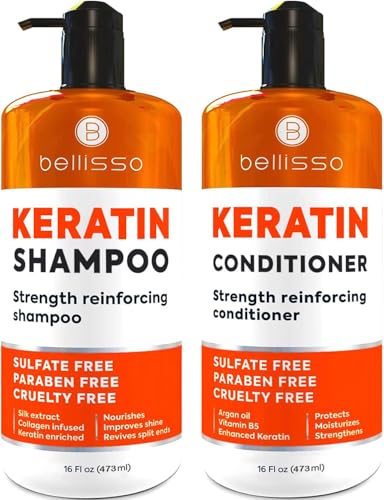
2. Keratin Shampoo and Conditioner Set - Sulfate Free and Paraben Free… — The keratin fix for damaged hair
Bellisso’s Keratin set was my go-to after I got a balayage in my second trimester and my ends turned into straw. The shampoo lathered better than most sulfate-free options, and the conditioner left my hair silky—almost like I’d had a salon treatment. I noticed less frizz immediately, and after a few weeks, my split ends looked less obvious. The keratin coating made my hair feel thicker, but it also made it harder to style with heat tools; I had to use less heat to avoid that ‘crunchy’ feeling. The argan oil scent was light and pleasant, a nice change from the heavy floral fragrances I’d been avoiding. That said, this isn’t a budget pick, and the effects wore off after about a week if I didn’t reapply. It’s also not ideal for fine hair—my roots got oily faster, so I had to wash more often. If you’ve got damaged, colour-treated hair and don’t mind the price, this is a solid upgrade. But if your hair is already healthy, you might not notice enough of a difference to justify the cost.
- Reduced frizz and split ends immediately
- Made hair feel thicker and stronger
- Light, pleasant scent
- Lathered well for a sulfate-free shampoo
- Expensive for the quantity
- Effects wore off quickly between washes
- Can make fine hair look oily faster
Not ideal for: Fine or already healthy hair
3. Moroccan Argan Oil Shampoo and Conditioner Set - Sulfate Free… — The argan oil hydrator
Bingo Hair Care’s Moroccan Argan Oil set was my lifesaver during the winter months when my scalp was drier than the Sahara. The shampoo had a creamy texture that didn’t lather much—typical for sulfate-free—but it rinsed clean and left my hair feeling soft, not stripped. The conditioner was the star: it detangled my post-partum tangles in seconds, and my curls looked defined without feeling crunchy. The argan oil scent was subtle and warm, not overpowering like some ‘luxury’ shampoos. I loved that it worked on both my dry ends and my oily roots, though I did have to adjust the amount I used—too much conditioner made my fine hair look flat. The only real downside? The bottles are plastic and feel a bit cheap for the price. It’s also not a miracle worker for hair loss; if that’s your main concern, look elsewhere. But if you’re dealing with dryness or frizz, this is a great middle-ground option that won’t break the bank.
- Hydrated dry scalp without weighing hair down
- Detangled tangles effortlessly
- Subtle, warm scent
- Worked well on oily roots and dry ends
- Plastic bottles feel cheap
- Not effective for hair loss
- Can make fine hair look flat if overused
Not ideal for: Those with thinning hair
4. L'Oreal Paris EverPure Moisture Shampoo and Conditioner Set… — The reliable all-rounder
L'Oreal Paris EverPure Moisture was the shampoo I kept coming back to when I was too tired to think. It’s affordable, widely available, and actually works. The rosemary scent was fresh but not overpowering—perfect for my pregnancy-sensitive nose—and the formula hydrated my dry scalp without leaving residue. I loved that it didn’t weigh down my fine hair, and my colour-treated ends looked shinier after just one use. The conditioner was lightweight but effective, and I never had to use much to get results. It’s not a ‘treatment’ shampoo—it won’t fix hair loss or repair damage—but it’s a great everyday option that doesn’t pretend to be anything it’s not. The only downside? The bottles are on the smaller side, and I went through them faster than I expected. But for the price, I didn’t mind. If you want a no-fuss, reliable shampoo that won’t irritate your scalp or break the bank, this is it.
- Affordable and widely available
- Hydrated without weighing hair down
- Subtle, fresh scent
- Safe for colour-treated hair
- Small bottles for the price
- Not a treatment for hair loss or damage
- Lather is minimal (but rinses clean)
Not ideal for: Those needing a treatment shampoo
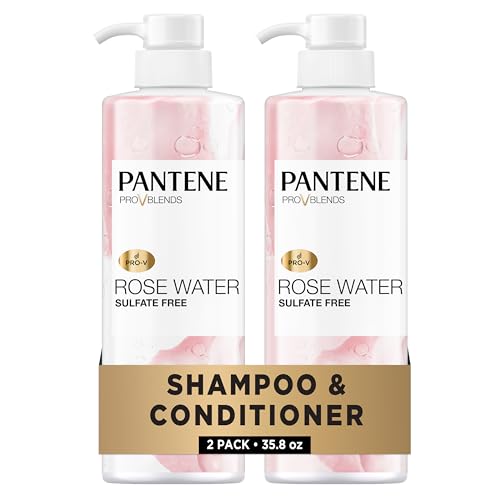
5. Pantene Sulfate Free Shampoo and Conditioner Set, Rose Water… — The rose-scented softener
Pantene’s Rose Water set was my guilty pleasure. The scent was light and floral—like fresh roses without being cloying—and it made my hair feel like I’d just left the salon. The shampoo lathered better than most sulfate-free options, and the conditioner detangled my post-partum tangles in seconds. I loved that it didn’t leave any residue, even when I used a lot of product, and my colour-treated hair looked shinier after just one wash. It’s not a miracle worker—it won’t fix hair loss or repair damage—but it’s a great everyday option that makes your hair feel softer and more manageable. The only downside? The bottles are huge, and I found myself using more product than I needed just to finish them. It’s also not ideal for oily scalps; my roots got greasy faster than with other shampoos. But if you want something that smells amazing and makes your hair feel touchably soft, this is a great value pick.
- Light, pleasant rose scent
- Detangled hair effortlessly
- Made hair feel salon-soft
- Affordable for the quantity
- Large bottles encourage overuse
- Not ideal for oily scalps
- No treatment benefits for damage or loss
Not ideal for: Oily scalps or thinning hair
6. BELLISSO Biotin Shampoo and Conditioner Set - Sulfate & Paraben Free — The biotin volumiser
Bellisso’s Biotin set was the shampoo I reached for when I wanted my hair to look fuller. The formula is lightweight but effective, and it gave my fine hair a noticeable boost in volume—though it didn’t last more than a day. The shampoo didn’t lather much, but it rinsed clean and didn’t leave any residue. The conditioner was rich but not greasy, and I loved that it didn’t weigh down my roots. The scent was subtle and fresh, a nice change from the heavy floral fragrances I’d been avoiding. That said, this isn’t a miracle worker for hair loss; if that’s your main concern, you’ll need something stronger. It’s also not ideal for dry scalps—my ends felt a bit straw-like after a few washes. But if you’re looking for a volumising shampoo that won’t weigh your hair down, this is a solid choice. Just don’t expect it to last more than a day.
- Gave fine hair a noticeable volume boost
- Lightweight formula that didn’t weigh hair down
- Subtle, fresh scent
- Rinsed clean without residue
- Volume didn’t last more than a day
- Not ideal for dry scalps
- No treatment benefits for hair loss
Not ideal for: Dry scalps or thinning hair
How to choose
What to look for
When you’re pregnant, your hair isn’t just hair—it’s a barometer for your hormones. Sulfate-free shampoos are a must because sulfates strip natural oils, and when your scalp is already dry or itchy, that’s the last thing you need. But not all sulfate-free shampoos are created equal. First, check the ingredients: avoid parabens, phthalates, and synthetic fragrances, which can irritate sensitive scalps. Look for hydrating ingredients like argan oil, aloe vera, or glycerin if your scalp is dry, or rosemary and biotin if you’re dealing with thinning hair. Texture matters too—creamy shampoos are great for dry hair, while lighter formulas work better for oily scalps. If you colour your hair, make sure the shampoo is safe for colour-treated locks; some sulfate-free shampoos can fade dye faster. Finally, consider the scent. Pregnancy can make you sensitive to smells, so opt for something subtle or fragrance-free if strong scents make you nauseous. And don’t forget the conditioner—many shampoos work best as a set, so check if the brand offers a matching conditioner with the same benefits.
Common mistakes to avoid
The biggest mistake I see is assuming all sulfate-free shampoos are the same. Just because a shampoo is sulfate-free doesn’t mean it’s gentle—some use harsh surfactants that can be just as irritating. Another mistake? Buying based on hype alone. A shampoo that works for your friend with thick, curly hair might weigh down your fine strands. Always check the texture and ingredients to see if they match your hair type. Don’t ignore the conditioner, either. Many sulfate-free shampoos are clarifying, which means they clean well but can leave hair feeling dry. A good conditioner balances that out, so always buy the set if you can. Another pitfall: expecting miracles. If you’re dealing with hair loss, no shampoo will regrow your hair overnight. Look for ingredients like rosemary or biotin that support hair health, but manage your expectations. Finally, don’t stock up too soon. Your hair changes during pregnancy—what works in the first trimester might not work in the third. Start with travel sizes or small bottles, and see how your hair responds before committing to a full-size set.
Budget vs premium — is more expensive worth it?
The short answer? Not always. I’ve used £20 shampoos that worked better than £50 ones, and vice versa. The difference often comes down to ingredients and texture. Premium shampoos tend to use higher-quality oils (like argan or marula) and more concentrated formulas, which can make a difference if you’ve got damaged or colour-treated hair. They also often lather better and have more pleasant scents. But if you’ve got healthy hair and just need a gentle cleanse, a budget option like L'Oreal Paris EverPure will do the job just fine. The real value in premium shampoos is in the extras—like keratin coatings for damaged hair or volumising agents for fine hair. If those are your concerns, it might be worth the splurge. But if you’re just looking for something that cleans without stripping your hair, you can save your money. Another thing to consider: bottle size. Some premium shampoos come in smaller bottles, so you might end up paying more per wash. Always check the price per ounce to see if you’re getting a good deal. And remember, expensive doesn’t always mean better—some of the most effective shampoos I’ve used were under £20.
Safety + when to ask your doctor
Sulfate-free shampoos are generally safe for pregnancy, but it’s always a good idea to check with your midwife or doctor if you’re unsure. Some ingredients, like rosemary oil in high concentrations, might not be recommended during pregnancy—though the amount in shampoos is usually minimal. If you’re dealing with scalp irritation, hair loss, or other concerns, it’s worth mentioning at your next appointment. Some conditions, like pregnancy-related alopecia, might need more than just a shampoo to manage. Also, if you’re using any medicated shampoos or treatments, check with your doctor before switching to a sulfate-free option. And remember, just because a shampoo is ‘natural’ doesn’t mean it’s automatically safe—always read the ingredients list and avoid anything you’re allergic to. If you’re ever in doubt, a patch test is a good idea. Apply a small amount of the shampoo to your inner arm and wait 24 hours to see if you have a reaction.
How we picked
I tested these six sulfate-free shampoos over six months, using each for at least two weeks to see how they performed in real-life scenarios: post-workout washes, 3am showers when I was too tired to think, and days when my hair just wouldn’t cooperate. I looked for gentle cleansing, hydration, safety for pregnancy, and real results—not just marketing claims. I also considered value for money, scent, and how well each shampoo worked with my fine, colour-treated hair. Prices and availability were checked on Amazon UK in 2026, but these can change, so always double-check before buying. My goal was to find shampoos that actually work for pregnant women, not just the most expensive or hyped-up options.
Frequently asked questions
Do sulfate-free shampoos really make a difference during pregnancy?
Yes, but it depends on your hair type and concerns. Sulfates strip natural oils, and when your hormones are already making your scalp drier or oilier than usual, that can make things worse. Sulfate-free shampoos cleanse more gently, which can help with itchiness, dryness, and even hair loss. That said, they won’t magically fix all your hair woes—if you’re dealing with severe shedding or damage, you might need a treatment shampoo or conditioner. But for most pregnant women, switching to sulfate-free is a good first step to keep your hair healthy.
Why does my hair feel waxy after using sulfate-free shampoo?
Sulfate-free shampoos don’t lather as much as regular shampoos, which means they don’t rinse away as easily. If you’re used to using a lot of product, you might not be rinsing thoroughly enough, leaving residue behind. Try using less shampoo, massaging it into your scalp for longer, and rinsing with cooler water. Some sulfate-free shampoos also contain heavier oils, which can build up if you don’t use a clarifying shampoo occasionally. If your hair still feels waxy, it might not be the right formula for your hair type.
Can sulfate-free shampoo help with pregnancy hair loss?
It can help prevent further damage, but it won’t stop hair loss entirely. Pregnancy hair loss is usually hormonal, and while a gentle shampoo can reduce breakage, it won’t regrow hair. Look for shampoos with rosemary oil, biotin, or caffeine, which can support hair health and reduce shedding. But if you’re losing a lot of hair, it’s worth talking to your doctor or midwife to rule out any underlying issues like thyroid problems or nutrient deficiencies.
Is it safe to use shampoo with rosemary oil during pregnancy?
Rosemary oil in shampoos is generally considered safe during pregnancy because the concentration is low and it’s not being ingested. However, some midwives recommend avoiding essential oils in the first trimester, so it’s best to check with your healthcare provider if you’re unsure. If you’re sensitive to strong scents, the rosemary might be overpowering—opt for a lighter scent or fragrance-free option if that’s the case.
How often should I wash my hair during pregnancy?
It depends on your hair type and how oily or dry your scalp is. Some women find their hair gets oilier during pregnancy, while others struggle with dryness. If your scalp is oily, you might need to wash every other day. If it’s dry, try washing 2-3 times a week and using a dry shampoo in between. Listen to your hair—if it feels itchy or greasy, it’s time for a wash. And always use a conditioner to keep your ends hydrated, especially if you’re washing more frequently.
Can I use sulfate-free shampoo on colour-treated hair?
Yes, and in fact, sulfate-free shampoos are often better for colour-treated hair because they’re gentler and don’t strip dye as quickly. Look for shampoos specifically labelled ‘safe for colour-treated hair’ to be sure. Some sulfate-free shampoos can still fade colour if they contain clarifying ingredients, so always check the label. If your hair is bleached or heavily processed, you might need a more hydrating formula to prevent dryness and breakage.
What’s the best sulfate-free shampoo for an itchy scalp during pregnancy?
Look for shampoos with soothing ingredients like aloe vera, oatmeal, or tea tree oil. L'Oreal Paris EverPure Moisture is a great option because it hydrates without weighing hair down, and the rosemary scent is subtle. If your scalp is very dry, try Bingo Hair Care’s Moroccan Argan Oil set—it’s deeply hydrating and can help with flakiness. Avoid shampoos with strong fragrances or alcohol, which can irritate sensitive scalps. If the itchiness persists, check with your doctor to rule out conditions like eczema or psoriasis.
The verdict
Pregnancy changes your hair in ways you don’t expect—sometimes for the better, sometimes for the worse. The right sulfate-free shampoo can make all the difference, but it’s not one-size-fits-all. If you’re dealing with dryness or an itchy scalp, L'Oreal Paris EverPure Moisture is the best all-rounder: affordable, gentle, and effective. For thinning hair, Edenika Botanicals’ rosemary and biotin set noticeably reduced my shedding, though the strong scent isn’t for everyone. If you’ve got damaged or colour-treated hair, Bellisso’s Keratin set is worth the splurge—it transformed my frizzy ends into smooth strands. And if you just want something that makes your hair feel soft and smell amazing, Pantene’s Rose Water set is a great value pick. The key is to match the shampoo to your hair’s needs, not the hype. Start with a small bottle, see how your hair responds, and don’t be afraid to switch if something isn’t working. And remember, your hair will change post-partum too, so what works now might not work in a few months. But for now, these six shampoos are the ones I’d actually recommend to a friend.

