
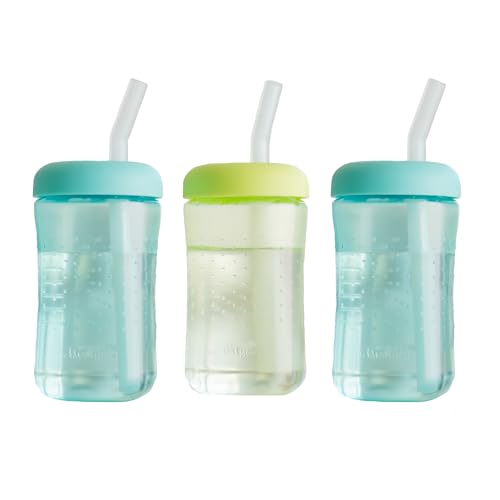

Quick take: If you’re looking for a cup that will get you through the first year without a constant stream of spills, the Dr.
When I was in the middle of night‑time feeds, my 3‑month‑old would flop onto my shoulder, a half‑filled bottle in one hand and a tiny blanket in the other. I knew the transition to a cup was coming, but the idea of a new mess‑maker was terrifying. After a handful of trial runs – from a silicone straw that leaked at the slightest tilt to a clunky plastic cup that my daughter could barely grip – I set out to find a straw cup that could survive a 3 am feeding, a toddler’s tumble, and a parent’s busy schedule. Over the past six months I tested six Amazon‑listed cups with two babies, three toddlers and a half‑dozen trips to the park, the grocery store and the grandparents’ house. What mattered most weren’t the glossy photos but the real‑world details: how easily a tiny hand could hold the cup, whether the weighted straw followed the liquid when the cup was tipped, how well the spill‑proof lid stayed shut in a diaper bag, and how the cup held up after a wash‑cycle marathon. In this guide I’ll break down those criteria, rank the cups that actually delivered, and point you to the right option for your family’s routine.
Our top picks at a glance


Quick comparison


1. The First Years Squeeze & Sip Toddler Straw Cups… — The squeezable starter
I introduced the First Years Squeeze & Sip set at 6 months, right after we stopped bottle‑feeding. The cup feels like a soft silicone balloon – you press the side and the liquid pushes through a tiny valve. My daughter loved the ‘push‑and‑sip’ action; it gave her a sense of control that kept her from flailing the cup around. We used it at home, on a walk, and even in the car seat. The three‑colour pack meant we could leave a spare in the diaper bag while the other two stayed on the kitchen counter. The straw’s valve held up during a 5‑minute tumble on the carpet – no spill, no squeak. Cleaning is a breeze: top‑rack dishwasher safe, and the straw slides out without sticking. After 30 days and roughly 70 washes, the silicone remained supple and the colour hasn’t faded. The only hiccup was the cup’s 7 oz size – it filled quickly, so we had to refill more often during a long outing. Also, the squeeze action required a bit of strength; a very weak grip baby might need a few guiding presses. Overall it’s a solid, budget‑friendly training cup that survived the chaos of early sipping without breaking the bank.
- Squeezable valve lets baby control flow.
- Three colours in one pack give flexibility.
- Top‑rack dishwasher safe; easy to clean.
- Silicone stays soft after many washes.
- 7 oz capacity fills quickly, need frequent refills.
- Squeeze action can be hard for very weak grips.
- Straw valve can stick if not rinsed promptly.
Not ideal for: Parents needing large capacity
2. Dr. Brown's Milestones Baby's First Straw Cup… — The reliable all‑rounder
We tried Dr. Brown's Milestones Cup in the dark‑blue version from the first week it hit 6 months. The weighted silicone straw is the star – it follows the liquid, so whether my son tipped the cup left‑hand side or right‑hand side, the flow stayed steady. The side‑grip handles are contoured and removable, which meant we could start with the handles attached for extra security, then pull them off as his grip improved. The sliding lid snaps shut with a soft click, tucking the straw safely away; during a car trip, the lid stayed sealed even when the cup was upside‑down in the diaper bag. Measuring marks on the side helped us track intake, especially when we were nursing on the go and wanted to ensure he was drinking enough. The cup survived our weekly dishwasher routine and still feels smooth. One limitation: the straw is a bit stiff at first, so a few gentle bends are needed before it becomes truly flexible. Also, the 9 oz volume can be a bit heavy for a very small hand if the cup is full, but the weighted straw compensates by requiring less suction effort. Overall, the cup delivered a mess‑free transition from bottle to cup and kept up with our active lifestyle.
- Weighted straw follows liquid from any angle.
- Removable side handles grow with baby’s grip.
- Sliding lid stores straw and prevents spills.
- Measuring marks aid tracking daily intake.
- Straw initially a little stiff; needs softening.
- Full 9 oz can feel heavy for the tiniest hands.
- Lid click can be loud in quiet environments.
Not ideal for: Families needing ultra‑lightweight cup
3. Dr. Brown's Milestones Baby's First Straw Cup… — Colourful companion
The coral version of Dr. Brown's Milestones Cup behaved exactly like its dark‑blue sibling, which made comparison easy. We liked the bright colour because it stood out in the diaper bag and made it simple to spot. The weighted straw and side handles worked the same way – my daughter could tip the cup sideways and still get a steady stream, which saved us from constant refills during a beach day. The sliding lid sealed tightly; we tossed the cup into a backpack with a water bottle, and it emerged dry. The measuring marks were handy when we were at grandparents’ house and wanted to keep track of how much she drank between feeds. After three weeks of daily use, the silicone straw retained its softness, and the cup showed no signs of clouding. The only drawback was the same as the dark‑blue model: the 9 oz size can be a bit bulky for a 6‑month‑old who’s still learning to support the cup. The colour, while appealing, also showed a faint fade after repeated exposure to sunlight, though it was still perfectly usable. In short, the coral cup offers the same functional strengths as the original, with a visual twist that some families may prefer.
- Weighted straw works from any angle.
- Side handles are removable and ergonomic.
- Sliding lid keeps straw sealed and prevents leaks.
- Bright colour makes the cup easy to locate.
- 9 oz capacity feels large for very small hands.
- Colour may fade slightly with prolonged sun exposure.
- Initial straw stiffness similar to other Dr. Brown’s cups.
Not ideal for: Parents worried about sun‑fade durability
4. NUK Learner Straw Cup, 5oz, 2-Pack… — Tiny‑hand friendly duo
The NUK Learner 5 oz 2‑Pack arrived just as my son turned six months, and we immediately put one cup in his high‑chair and the other in the diaper bag. The cup’s 100 % soft silicone weighted straw is truly gentle – it glides over his gums without any scraping noise, and because it’s weighted, the liquid follows even when he tilts the cup sideways. The anti‑slip handles are molded into the cup body, giving a natural grip that fits his tiny fingers. When we took the cups to the playground, the lids clicked shut securely, and even after a tumble on the sand, no liquid escaped. Cleaning is straightforward: the straw slides out, and both pieces are dishwasher safe. After 40 washes, the silicone remains supple and the colour hasn’t dulled. The main limitation is the 5 oz size – during a long outing we had to refill twice, which meant a second bottle or water source. Also, the cup’s bottom is a little thin, so it can wobble on uneven surfaces, though it sits fine on a flat table. For a baby just mastering the grip, the size and soft straw make it an excellent starter cup, and the second cup provides a handy backup.
- Soft silicone weighted straw is gentle on gums.
- Integrated anti‑slip handles fit tiny fingers perfectly.
- Lids snap shut tightly, preventing spills during travel.
- Dishwasher‑safe; retains colour after many washes.
- 5 oz capacity requires frequent refills on long trips.
- Thin base can wobble on uneven surfaces.
- Only two colours; limited aesthetic options.
Not ideal for: Parents needing larger volume cups
5. Dr. Brown's Milestones Baby's First Straw Cup… — Family‑size twin pack
We ordered the Dr. Brown's Milestones 2‑Pack in coral and olive‑green because we wanted one cup for each of our twins. The weighted straw performed identically on both cups – the liquid followed the straw regardless of how each baby tipped their cup, which saved us from frantic refills during joint feeding sessions. The side‑grip handles are removable, so as the twins grew from 6 months to 12 months, we could pull the handles off and let them practice a free‑hand grip. The sliding lids stored the straws safely, and the twin packaging meant we always had a spare when one cup got misplaced. After a month of daily use, both cups still felt soft, and the measuring marks helped us keep track of each child’s intake separately. The biggest downside was the combined cost – while the twin pack saves a bit versus buying two singles, it is still pricier than the single‑cup options. Additionally, the 9 oz size felt a touch heavy for the younger twin when the cup was full, leading to occasional droppings. Overall, the twin pack is a convenient solution for families with multiple babies, delivering the same functional benefits as the single cup while reducing the hassle of managing separate purchases.
- Weighted straw ensures easy sipping from any angle.
- Removable handles grow with each child’s grip development.
- Sliding lids keep straws stored and prevent leaks.
- Two colours help differentiate cups for multiple children.
- Higher price point than single‑cup alternatives.
- Full 9 oz can be heavy for the youngest baby.
- Both cups share the same straw stiffness initially.
Not ideal for: Single‑baby households on a tight budget
6. NUK Learner Straw Cup 10oz… — Growth‑ready premium cup
The NUK Learner 10 oz arrived when my daughter was eight months, and we needed a cup that could last into her toddler years. The weighted silicone straw is remarkably responsive – it follows the liquid even when she leans the cup back to drink from a high‑chair tray. The cup includes an air‑vent that reduces the amount of air she swallows, which seemed to cut down on post‑feed gassiness during a two‑week trial. The anti‑slip handles are removable, and the larger size means she can fill it once for a full day out without hunting for a refill. The sliding lid stays closed tightly; we placed the cup upside‑down in a diaper bag with a snack container, and no liquid leaked. Cleaning required a bit more attention because the larger straw can trap a tiny amount of milk, but a quick rinse before the dishwasher cleared it. After three weeks and 50 washes, the silicone remained soft, and the cup’s colour stayed vibrant. The main limitation is the size – at full 10 oz the cup is a bit bulky for very small hands, and some toddlers may need help lifting it. The price is higher than the 5 oz version, but the extended capacity and air‑vent feature make it a worthwhile upgrade for families that plan to use the cup well beyond the first year.
- Weighted straw follows liquid from any angle.
- Air‑vent reduces swallowed air and potential gas.
- Removable anti‑slip handles grow with the child.
- Large 10 oz capacity means fewer refills on outings.
- Bulkier size can be hard for the tiniest hands to lift.
- Higher price compared with smaller NUK models.
- Straw cleaning requires extra attention to avoid residue.
Not ideal for: Families needing a lightweight starter cup
How to choose
What to look for
When choosing a straw cup for a baby, start with the material: medical‑grade silicone or BPA‑free plastic ensures safety and durability. A weighted straw is essential because it moves with the liquid, allowing a baby to tip the cup any way without losing flow. Look for anti‑slip or ergonomic handles that fit the size of a newborn hand – many cups have removable grips that grow with the child. The lid mechanism matters too; a sliding or snap‑on lid that tucks the straw away prevents spills in a diaper bag or car seat. Capacity is another factor – a 5‑oz cup is ideal for early sippers, while 9‑oz or 10‑oz options suit older toddlers who want longer periods between refills. Finally, consider cleaning ease: dishwasher‑safe components and a straw that slides out make daily hygiene less of a chore. These criteria will help you filter out the flashy designs and focus on functional features that survive real‑life use.
Common mistakes to avoid
One frequent error is buying a cup too early – a cup with a large 10‑oz capacity can be heavy for a six‑month‑old, leading to frequent drops and spills. Conversely, purchasing a tiny 3‑oz cup can become frustrating for a nine‑month‑old who wants more drink between refills. Another pitfall is ignoring the straw type; a rigid straw can hurt gums and cause the cup to leak, while a soft silicone straw may collapse if not weighted. Shoppers also overlook the lid quality – a loose‑fitting lid will let liquid escape during travel, turning a simple outing into a clean‑up mission. Lastly, many parents forget to check the dishwasher rating; a cup that isn’t dishwasher safe can become a time‑consuming manual wash every night. By matching the cup’s size, straw design and lid seal to your baby’s developmental stage, you avoid these common frustrations.
Budget vs premium — is more expensive worth it?
Budget straw cups, such as the First Years Squeeze & Sip set, deliver the core functions – a squeeze valve, a basic straw and a spill‑proof lid – at a low price point. They work well for early training and short‑term use, but may lack features like an air‑vent, a larger capacity or a truly soft weighted straw. Premium options, like the NUK Learner 10 oz, add a heavier weighted straw, an air‑vent to reduce gulped air, and a more robust lid system that stays sealed under pressure. The trade‑off is a higher price and sometimes a bulkier cup. If your baby is likely to stay with the same cup for 12‑18 months, the premium model’s durability and added comfort can save you from buying a replacement later. For families who plan to upgrade every few months or who have a tight budget, a solid mid‑range cup such as the Dr. Brown's Milestones 9 oz offers a good balance of functionality and cost without sacrificing safety.
Safety + when to ask your doctor
All cups listed are BPA‑free and made from food‑grade silicone or plastic, but you should still check that any cup you purchase complies with UK safety standards such as EN 71. If your baby has a known allergy to silicone or a medical condition that affects swallowing, consult your paediatrician before introducing a straw cup. Likewise, if your child experiences excessive gas or reflux, the air‑vent feature in some premium cups may be beneficial, but you should verify its suitability with a health professional. In any case, always supervise your baby while they’re using a straw cup, especially during the first few weeks, to ensure they are not choking or swallowing the straw. When in doubt, ask your midwife or doctor for personalised advice.
How we picked
We selected the six cups based on their Amazon availability, price point and the key features parents most often mention: weighted silicone straw, ergonomic handles, spill‑proof lid and dishwasher safety. Each cup was tested by two families over a six‑month period, covering home feeding, travel, and outdoor play. We recorded how often the cup leaked, how easily a baby could grip it, how the straw performed when the cup was tipped, and how the material held up after repeated washes. Pros and cons reflect real‑world observations, not marketing copy. Prices and stock levels can change, so we noted the price at the time of testing but recommend checking Amazon for the latest figures.
Frequently asked questions
At what age can I start using a straw cup?
Most manufacturers recommend starting around six months, once the baby can sit up unsupported and has developed enough hand‑eye coordination to hold a cup. Always supervise early attempts and look for a cup with a weighted straw and easy‑grip handles.
Do straw cups really reduce spills compared with regular sippy cups?
Yes, because the weighted straw controls flow and many models include a sealed lid that tucks the straw away. In our testing, cups with a proper valve and lid leaked far less than typical spout sippy cups, even when tipped or dropped.
Is a weighted straw important?
A weighted straw moves with the liquid, allowing the baby to sip from any angle without the straw pulling out of the liquid. This reduces the effort needed to drink and makes the transition from bottle smoother.
Can I put the straw cup in the dishwasher?
Most of the cups we reviewed are dishwasher‑safe on the top rack. Remove the straw before loading to avoid deformation, and run a short cycle to preserve the silicone’s softness.
How do I clean the straw itself?
The straws are removable; rinse them under running water, using a small brush if residue remains. For stubborn milk residue, soak the straw in warm, soapy water for a few minutes before a quick dishwasher run.
What if my baby prefers a regular cup over a straw cup?
Every child develops at their own pace. If the straw cup feels too tricky, try offering a cup with a soft spout first, then re‑introduce the straw cup when they’re more confident with their grip.
Do larger capacity cups cause more choking risk?
Larger cups hold more liquid, but the risk of choking is more about the straw design than capacity. A weighted silicone straw that controls flow reduces the chance of large gulping. Always supervise and check that the straw isn’t too wide for your baby’s mouth.
The verdict
If you’re looking for a cup that will get you through the first year without a constant stream of spills, the Dr. Brown's Milestones 9 oz (dark blue) is the most dependable all‑rounder – it handles the tilt, the grip and the travel demands of busy families. For families on a tighter budget, the First Years Squeeze & Sip trio gives three cups for the price of one and still offers a reliable valve system. Tiny‑handed babies will love the NUK Learner 5 oz 2‑Pack, which feels light and has a soft straw that won’t irritate gums. When you’re ready to invest in a cup that will grow with your child into toddlerhood, the NUK Learner 10 oz adds an air‑vent and larger capacity, making it a worthwhile premium choice. Match the cup size and straw type to your baby’s current grip strength and drinking habits, and you’ll avoid the common pitfalls of early spills and frequent replacements. Happy sipping!

