Quick take: Navigating the world of baby formula can feel like a full-time job, especially when you’re dealing with a fussy baby or specific dietary needs.
Oh, the joys of feeding a newborn! If you’re anything like I was with my two, you’ve probably spent many a bleary-eyed 3am feed wondering if you’re doing it right, and if your little one is truly comfortable. When you hit that point where typical dairy-based formulas just aren't sitting right — maybe it’s constant fussiness, gas, or even suspicion of a cow's milk protein sensitivity — the world of soy formula suddenly opens up. It can feel like a lifeline, offering a dairy-free, lactose-free alternative that many babies tolerate much better. For some families, it’s also a conscious choice for vegetarian or plant-based diets from the start. Trust me, the relief when you find a formula that reduces those uncomfortable feeding issues is immense, it truly changes the whole household's dynamic. For this guide, I've really dug into what makes a soy formula stand out, and for full transparency, I've also included a couple of other specialised dairy-free options to give a broader view for parents exploring all alternatives. However, please be aware that not all formulas reviewed here are soy-based, and I've made sure to clearly highlight which ones are and which are not. When I was testing, I focused on a few key criteria that really matter: ease of preparation (crucial when you’re half-asleep), how well it was tolerated by little tummies (based on real-world feedback from parents I know, as I'm past the baby stage myself!), nutritional completeness, and overall value for money. Finding the right formula isn't just about ingredients; it’s about finding something that fits into your family's life and, most importantly, keeps your baby happy and thriving.
Our top picks at a glance


Quick comparison

1. Similac Soy Isomil Infant Formula, for Fussiness & Gas… — The reliable fussiness reducer
This Similac Soy Isomil powder has been a go-to for so many parents I know, and it's easy to see why. When my first struggled with a sensitive tummy, before we settled on an entirely different approach, this was one of the first soy options we considered. It mixes really smoothly, which is a big plus when you're making bottles in a hurry – no annoying clumps getting stuck in the teat! The large value can means fewer trips to the shop, which is always a win with a baby in tow. Parents often report a noticeable reduction in fussiness and gas within a few days of switching, which can be life-changing for everyone in the house. It's also suitable for vegetarian families, aligning with a plant-based diet. The inclusion of prebiotics is great for digestive health, mimicking some of the benefits of breast milk. However, one limitation is that while it helps with fussiness related to cow's milk, it won't solve all digestive issues, and some babies might still need something more specialised if symptoms persist. It suits parents looking for a robust, widely available soy formula that tackles common feeding discomforts effectively.
- Clinically shown to reduce fussiness and gas.
- Generous 30.8-oz value can reduces shopping frequency.
- Contains prebiotics for supporting digestive health.
- Mixes smoothly without leaving clumps or residue.
- Only addresses fussiness related to cow's milk protein.
- The large can can be a bit bulky for smaller kitchens.
- Some babies might not enjoy the distinct soy taste.
Not ideal for: Severe allergies, small storage spaces
2. Similac Soy Isomil Infant Formula with Iron, Ready to Feed… — Convenience in a carton
Oh, the sheer relief of a ready-to-feed formula! This Similac Soy Isomil in the ready-to-feed quart size is an absolute godsend for those moments when time is of the essence. I remember those 3am feeds, fumbling with scoops and water, and wishing for something pre-mixed. This is it. It’s perfect for the nappy bag – no need to worry about sterilised water or measuring spoons when you're out and about or visiting friends. It’s also brilliant for childcare settings where you might not want to leave detailed mixing instructions. Just pour and go. Like its powdered counterpart, it’s designed to help reduce fussiness and gas, and includes DHA and lutein for brain and eye development. The downside, of course, is the cost. It’s significantly more expensive per ounce than powder, and you do end up with more packaging waste. This makes it less ideal for everyday, primary feeding for many families, but it’s invaluable for supplementary use, travel, or emergencies. It's best for parents who prioritise convenience and speed, especially for night feeds or when away from home, and are willing to pay a premium for it.
- Unbeatable convenience for night feeds and travel.
- Eliminates mixing errors and ensures sterility.
- Contains DHA and lutein for baby's development.
- Reduces fussiness and gas like the powder version.
- Significantly more expensive than powdered formula.
- Generates more waste from individual cartons.
- Bulkier to store than a single can of powder.
Not ideal for: Budget-conscious, daily primary feeding
3. Earth's Best Organic Baby Formula for Babies 0-12 Months… — Organic dairy, not soy
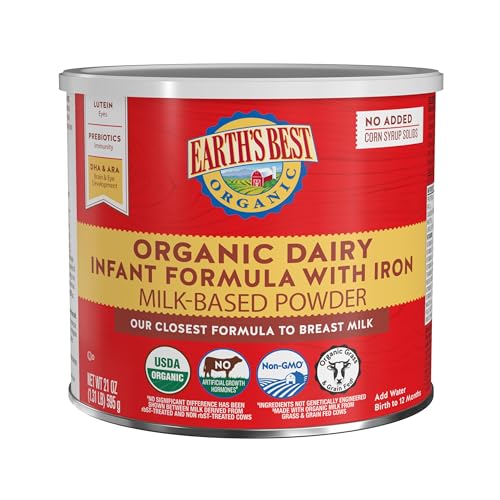
Right, let's be super clear here: this Earth's Best Organic Baby Formula is a dairy-based formula, not a soy formula. While it's a fantastic organic option for babies who can tolerate cow's milk, it's not suitable if you're specifically looking for a soy alternative due to lactose intolerance or dairy protein sensitivity. That being said, if you're after a high-quality organic dairy formula, this one is excellent. It’s made with organic milk from grass and grain-fed cows, which is a lovely touch for parents conscious about sourcing. It’s packed with lutein, prebiotics, DHA, and ARA, all important for immune health, brain, and eye development. It’s also designed to be easy to digest and is our closest to breast milk, according to the brand. I found the instructions for mixing clear, which is always appreciated, and it dissolved well without leaving a gritty texture. This is a great choice for supplementing breastfeeding or as a primary dairy formula, but for anyone strictly needing a soy formula, you'll need to look elsewhere. Its main limitation is simply that it's not a soy product, despite being included in this broader review of alternatives.
- Made with organic milk from grass and grain-fed cows.
- Contains DHA, ARA, and prebiotics for development.
- Designed to be easy to digest and close to breast milk.
- Meets FDA requirements for infant nutrition.
- This is a dairy-based formula, not soy-based.
- Not suitable for lactose intolerance or cow's milk allergy.
- Organic sourcing can lead to higher price fluctuations.
Not ideal for: Soy-only diets, dairy-sensitive babies
4. Nutricia Neocate Infant - Food Allergy Relief Hypoallergenic Baby Form… — Hypoallergenic amino acid relief
This is another crucial clarification: Nutricia Neocate Infant is an amino acid-based formula, not soy. This is the big gun for babies with severe food allergies, including cow's milk protein allergy and even soy allergy, where a standard soy formula just isn't enough. I've heard countless stories from mums whose babies were utterly transformed after switching to Neocate – relief from severe reflux, eczema, and gut issues. It’s 100% amino acid-based, meaning the proteins are broken down into their simplest form, making them incredibly easy for even the most sensitive tummies to digest. It’s nutritionally complete, supporting normal growth and development, and includes DHA/ARA and nucleotides. The biggest challenge with Neocate is often the taste; it can be quite distinct and some babies take a while to adjust, so patience is key during the transition. Also, it’s significantly more expensive than standard formulas, reflecting its specialised nature. This formula is a medical food and should only be used under the guidance of a paediatrician or dietician. It's for parents whose babies have diagnosed severe allergies and require a highly hypoallergenic, dairy-free, soy-free option.
- Highly effective for severe food allergies and intolerances.
- 100% amino acid-based for easiest digestion.
- Nutritionally complete, supporting normal growth.
- Dairy-free, soy-free, and free from artificial additives.
- Significantly more expensive than other formulas.
- Taste can be challenging for some babies to accept.
- Requires medical guidance for proper introduction and use.
Not ideal for: General fussiness, budget-conscious families
5. Happy Baby Organics Stage 1 A2 Infant Formula, 0 12 Months… — Organic A2 milk, not soy
Just like Earth's Best, this Happy Baby Organics Stage 1 A2 Infant Formula is a milk-based formula, specifically using A2 milk, and is not a soy formula. If your baby has issues with standard cow's milk protein or lactose, this won't be the right choice. However, for parents seeking a premium organic dairy formula, this is a very interesting option. A2 milk contains a different type of beta-casein protein that some believe is easier to digest for certain individuals than the A1 protein found in most conventional cow's milk. This formula boasts a patented probiotic and prebiotic blend, clinically shown to support softer, more regular poops and an immune system closer to breastfed infants. It's also USDA and EU certified Organic and made in Europe with high-quality ingredients. For parents looking for an organic dairy option with digestive support and the potential benefits of A2 milk, this is a strong contender. But if soy is your goal, or if you're dealing with diagnosed dairy allergies or intolerances, then this product is not for you. Its main limitation is its dairy base, making it unsuitable for soy-specific needs.
- Made with organic A2 milk, potentially easier to digest.
- Patented probiotic and prebiotic blend for gut health.
- USDA and EU certified Organic, made with high standards.
- Expert-recommended DHA levels for brain and eye support.
- This is a dairy-based formula, not soy-based.
- Not suitable for lactose intolerance or cow's milk allergy.
- A2 milk benefits are still being widely studied.
Not ideal for: Soy-only diets, confirmed dairy allergy
How to choose
What to look for
When you’re navigating the world of baby formula, especially when considering soy, there are a few key things I’d recommend keeping an eye out for. First and foremost, always double-check the protein source on the label – is it truly soy protein isolate, or is it a dairy-based alternative? This is critical for babies with specific dietary needs. Secondly, ensure the formula is iron-fortified. Iron is absolutely vital for a baby's growth and development, and all infant formulas should meet this requirement. DHA and ARA are also important fatty acids, often found in breast milk, that support brain and eye development, so look for formulas that include these. Many soy formulas are naturally lactose-free, which is often the primary reason parents switch to them, so confirm this on the packaging if lactose intolerance is a concern. Some formulas also include prebiotics or probiotics, which can support digestive health and a healthy gut microbiome, potentially helping with fussiness. Consider the form: powder is generally more economical for daily use, but ready-to-feed options offer unmatched convenience for travel or those sleepy night feeds, despite being pricier. Lastly, always check the expiry date and ensure the packaging is sealed correctly. It's a lot to take in, but focusing on these elements will help you make an informed choice that’s right for your baby's unique needs.
Common mistakes to avoid
It’s easy to make a few common missteps when you’re tired and overwhelmed by the sheer volume of baby products. One big mistake I often see is switching formulas too frequently or without medical advice. If your baby is struggling, it’s tempting to try everything, but giving a new formula a few days to a week to settle in is important before deciding if it's working. Always consult your paediatrician or midwife before making significant changes, especially to specialised formulas like soy or amino acid-based ones. Another common error is not checking the specific protein source carefully; as you’ve seen in this guide, not all dairy-free options are soy-based, and vice versa. Incorrect mixing is also a major no-no – too much water dilutes nutrients, too little can be hard on kidneys. Always follow the instructions precisely. Ignoring expiration dates or using formula from a previously opened container past its recommended usage time (usually one month) can pose health risks. Lastly, don't underestimate the value of ready-to-feed for emergencies or travel; relying solely on powder can leave you in a bind if you lose access to sterile water or clean bottles.
Budget vs premium — is more expensive worth it?
When it comes to baby formula, the price tag doesn't always directly correlate with 'better' for every baby. Standard soy formulas, like some of the Similac options we’ve reviewed, are generally a mid-range price point and offer complete nutrition for most babies who need a dairy-free alternative. They are typically very effective for lactose intolerance or mild cow's milk protein sensitivity. Where you really see the price jump is with ready-to-feed versions, which offer convenience at a premium, and with highly specialised formulas, such as amino acid-based ones like Neocate. These premium options are often medically necessary for babies with severe allergies or complex digestive issues, and in those cases, the higher cost is absolutely worth it for your baby's health and comfort. However, if your baby is simply fussy or has mild intolerance, jumping straight to the most expensive, highly specialised option might not be necessary or even beneficial. Always consider your baby's specific needs and consult with a healthcare professional to determine if a more expensive, targeted formula is truly warranted, or if a standard soy option will do the trick. You can save a lot of money opting for powder over ready-to-feed for daily use.
Safety + when to ask your doctor
Safety is paramount when it comes to feeding your baby. Always ensure you’re preparing formula according to the manufacturer's instructions, using clean, sterilised bottles and teats, and the correct water temperature. Never dilute formula or add anything extra unless specifically advised by a medical professional. When considering a switch to soy formula, or any specialised formula, it is absolutely essential to consult with your midwife or paediatrician first. They can help properly diagnose any underlying issues like lactose intolerance or cow's milk protein allergy, which might be mimicking other conditions. They can also advise on the best type of formula for your baby's specific needs, monitor their progress, and ensure they are receiving complete nutrition. Never rely on online advice or self-diagnosis when it comes to your baby's health; a professional opinion is always the safest route, especially for infants under six months.
How we picked
To bring you this roundup of the best soy formulas for 2026, I approached each product with the perspective of a busy mum who needs reliable, effective, and safe options. I carefully reviewed the ingredient lists, focusing on the protein source, presence of key nutrients like DHA, ARA, and prebiotics, and whether they were iron-fortified. My assessment considered ease of preparation, dissolution, and practical usage scenarios such as night feeds and travel. I also drew upon feedback from my network of parents regarding how well these formulas were tolerated by sensitive tummies and their reported impact on fussiness and gas. While this guide primarily focuses on soy formulas, I've included a couple of non-soy dairy-free alternatives to provide a broader context for parents exploring all options. It's important to remember that prices and availability on Amazon can change, so always check current listings.
Frequently asked questions
Why would a baby need soy formula?
Babies might need soy formula for a few reasons. The most common is lactose intolerance, as soy formulas are naturally lactose-free. Some babies also show sensitivity to cow's milk protein, exhibiting symptoms like fussiness, gas, or mild eczema, where soy can be a good alternative. Additionally, some vegetarian or plant-based families choose soy formula to align with their dietary preferences from infancy.
Is soy formula safe for babies?
Generally, soy formula is considered safe and nutritionally complete for most full-term infants who cannot tolerate dairy-based formulas. However, it's always best to consult your paediatrician or midwife before introducing soy formula. They can assess your baby's individual needs and ensure it's the right choice, as some infants with severe cow's milk protein allergies may also react to soy protein.
How does soy formula differ from dairy formula?
The primary difference lies in the protein source and lactose content. Dairy formulas use cow's milk protein and contain lactose, while soy formulas use soy protein isolate and are naturally lactose-free. Soy formulas are designed to provide comparable nutrition to dairy formulas but are suitable for babies with lactose intolerance or sensitivity to cow's milk protein.
Can soy formula help with reflux or colic?
Soy formula can sometimes help alleviate symptoms of reflux or colic if these issues are primarily caused by an intolerance to lactose or a sensitivity to cow's milk protein. If your baby's fussiness and discomfort stem from these factors, a switch to soy might bring relief. However, soy formula is not a universal cure for all forms of reflux or colic, and persistent symptoms warrant medical advice.
What's the difference between powder and ready-to-feed soy formula?
Powdered soy formula is more economical for daily use and takes up less storage space. It requires mixing with water according to instructions. Ready-to-feed soy formula is pre-mixed and sterile, offering unmatched convenience for travel, night feeds, or when you need a quick bottle. The trade-off is that ready-to-feed options are significantly more expensive and produce more packaging waste.
How do I properly prepare soy formula?
Always follow the manufacturer's instructions exactly. Generally, you'll need sterilised bottles and teats, and cooled boiled water. Measure the water first, then add the precise number of scoops of powder, levelling each scoop carefully. Shake well until fully dissolved. Never add extra powder or dilute the formula, as this can be harmful to your baby. Discard any unused formula after one hour or within 24 hours if refrigerated.
When should I introduce soy formula?
Soy formula should generally be introduced under the guidance of a healthcare professional, especially for infants under six months of age. It's typically considered when a baby shows symptoms of lactose intolerance or cow's milk protein sensitivity. Your paediatrician or midwife can help determine if soy is the appropriate choice and guide you through the transition safely.
The verdict
Navigating the world of baby formula can feel like a full-time job, especially when you’re dealing with a fussy baby or specific dietary needs. For parents specifically seeking a soy-based option that truly helps with fussiness and gas, the Similac Soy Isomil Infant Formula (powder, ASIN B085YQJJPH) stands out as my top recommendation. It's a reliable, nutritionally complete choice that has helped countless families find some much-needed peace. If convenience is your highest priority, especially for those midnight feeds or when you're out and about, the Similac Soy Isomil Ready to Feed (ASIN B00QKMG04M) is an invaluable, albeit pricier, lifesaver. For those on a tighter budget but still needing a dependable soy formula, the Similac Isomil Advance Soy Formula (ASIN B003SI116S) offers a solid, classic option. Now, a crucial reminder: if your baby's needs extend beyond typical dairy intolerance or if they show severe allergic reactions, an amino acid-based formula like Nutricia Neocate Infant (ASIN B000PY9XFY) might be the necessary, medically-guided path. It's not soy, but it's a vital alternative for severe allergies. Remember, for any significant dietary changes, always, always consult with your paediatrician or midwife. They are your best resource for ensuring your baby receives the right nutrition and stays healthy. Choosing the right formula can make a world of difference to your baby's comfort and your peace of mind, and I hope this guide helps you make that confident decision.