Discover the best snacks for pregnancy nausea, including healthy options to alleviate morning sickness and support a balanced diet during pregnancy.
By Shubhra Mishra — a mom of two who turned her own confusion during pregnancy into BumpBites, a global mission to make food choices clear, safe, and stress-free for every expecting mother. 💛
Check whether any food is safe during pregnancy with the BumpBites Food Safety Checker.
Quick take: Small, frequent snacks that combine protein, complex carbs, and a touch of ginger are the most effective way to calm pregnancy nausea. Choose easy‑to‑prepare options like Greek yogurt with berries, whole‑grain crackers with peanut butter, or a ginger‑spiced smoothie, and aim for a bite every 2–3 hours. Avoid high‑fat, overly sweet, or strong‑smell foods, and talk to your provider if nausea persists or you can’t keep anything down.
It’s 8 a.m., you’re curled up on the couch, and the queasy swirl in your stomach won’t let you finish the toast you just buttered. You’ve Googled “best snacks for pregnancy nausea” a dozen times, but every list looks the same—until now.
We get it. Nausea, especially in the first trimester, can feel like an endless roller‑coaster, and the right snack can be the safety belt that steadies you. In this guide we’ll walk through exactly which snacks work, why they help, how often to eat them, and what to skip. You’ll also find quick recipes, grocery‑store finds, and adaptations for vegans, gluten‑free eaters, and tight budgets.
By the end you’ll have a personalized snack plan that fits your cravings, your kitchen, and your calendar—so you can focus on the baby bump, not the queasy tummy.
What are the best snacks to relieve morning sickness during pregnancy?
When nausea strikes, the goal is to keep blood sugar stable, provide gentle nourishment, and avoid triggers that worsen the upset. Research from the American College of Obstetricians and Gynecologists (ACOG) and the UK’s NHS shows that a combination of protein, complex carbohydrates, and a small amount of ginger can reduce the frequency and intensity of morning‑sickness episodes.
Below are five snack categories that consistently rank highest in clinical guidance and in the experiences of thousands of pregnant readers:
Protein‑rich bites: Greek yogurt, hard‑boiled eggs, cottage cheese, or a handful of nuts. Protein slows gastric emptying, which steadies blood sugar and counters nausea.
Complex‑carb snacks: Whole‑grain crackers, oatmeal cups, or a slice of whole‑grain toast. These provide steady energy without the spike‑and‑crash of simple sugars.
Ginger‑infused treats: Ginger tea, ginger chews, or ginger‑spiced smoothies. Ginger’s active compounds, like gingerol, have been shown in multiple randomized trials to lessen nausea in pregnancy.
Hydrating options: Cut fruit (especially watermelon or cantaloupe), cucumber slices, or a small glass of coconut water. Dehydration can amplify nausea, so a splash of fluid helps.
Low‑fat, low‑sugar choices: Plain popcorn, rice cakes, or a slice of avocado toast. Heavy fats and excess sugars can sit heavy in the stomach and trigger more queasiness.
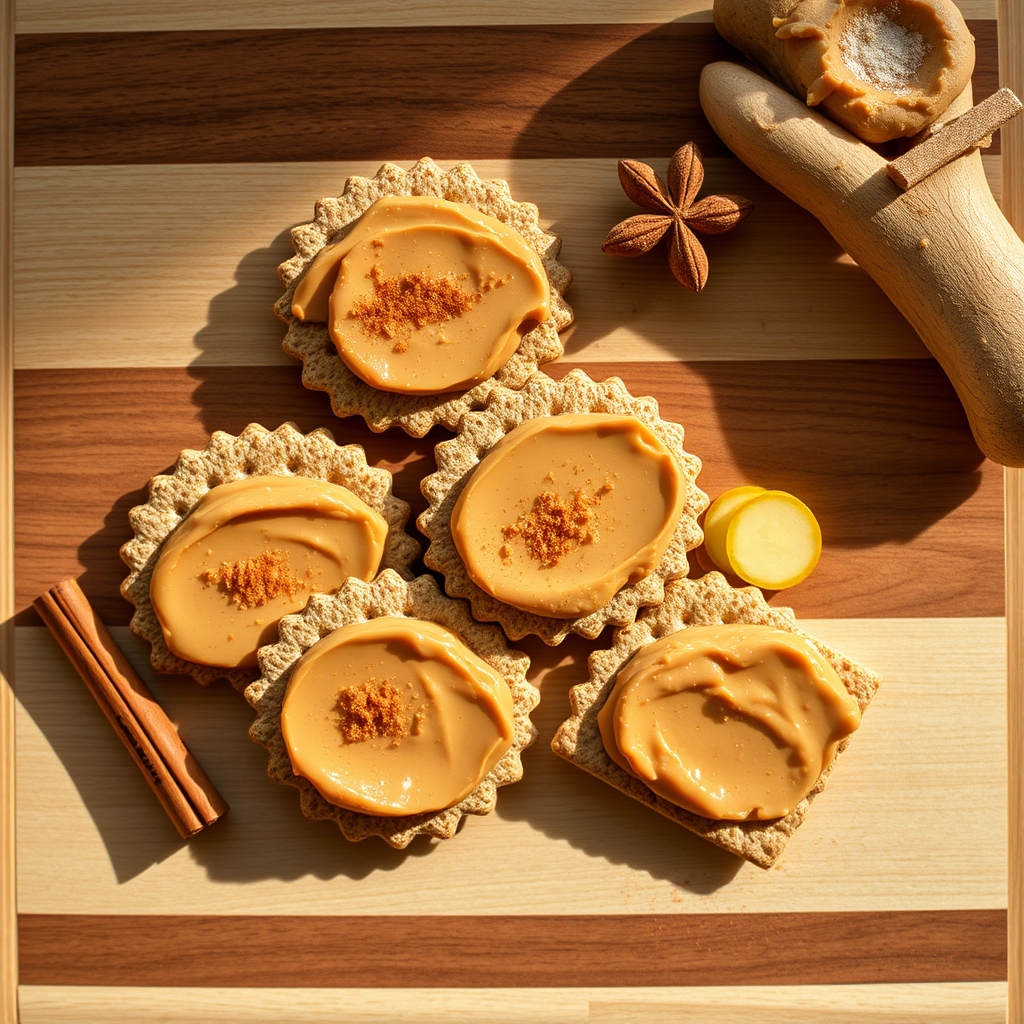
Here’s a quick‑prep example you can assemble in under two minutes:
Spread 1 tbsp natural peanut butter on a whole‑grain cracker.
Top with a few thin slices of fresh ginger (about ¼ tsp) and a sprinkle of cinnamon.
Enjoy with a sip of chilled water.
This snack hits protein, complex carbs, and ginger in one bite, and the cinnamon adds a comforting aroma without being overpowering.
Why it works: the protein moderates the stomach’s emptying speed, the whole‑grain cracker supplies low‑glycemic carbs, and ginger directly targets the chemoreceptor trigger zone that signals nausea. Together they create a balanced, soothing bite that is easy on a sensitive stomach.
Protein‑rich crackers with a ginger twist can calm nausea fast.
Easy snack ideas for pregnant women experiencing nausea
Sometimes you just need something you can grab without cooking. Below are ten grab‑and‑go ideas that require zero prep or a single minute of assembly. All are low‑fat, easy on the stomach, and nutrient‑dense.
Snack
Key Nutrients
Prep Time
Greek yogurt (plain) + berries
Protein, calcium, vitamin C
1 min
Apple slices + almond butter
Fiber, healthy fats, vitamin E
2 min
Hard‑boiled egg + whole‑grain toast
Protein, B‑vitamins, iron
2 min (if pre‑boiled)
Rice cake topped with avocado
Potassium, monounsaturated fat
1 min
Plain popcorn (air‑popped)
Fiber, magnesium
1 min
Cottage cheese + pineapple chunks
Protein, vitamin B6
1 min
Ginger tea (steep 1 min) + honey drizzle
Gingerol, antioxidants
2 min
Banana + a handful of walnuts
Potassium, omega‑3
1 min
Whole‑grain crackers + hummus
Fiber, protein, folate
1 min
Fresh carrot sticks + tzatziki dip
Beta‑carotene, calcium
2 min
These snacks are designed to be soothing, not overwhelming. If you’re feeling particularly queasy, start with a single bite of something bland (like a rice cake) and wait a few minutes before adding the next component.
Tip from ACOG: pairing a small amount of protein with a carbohydrate (for example, a spoonful of hummus on a cracker) reduces the likelihood of a sudden blood‑sugar dip that can trigger nausea.
High‑protein snacks that help reduce pregnancy nausea
Protein is a powerhouse for nausea control because it slows stomach emptying and supports steady blood‑sugar levels. The FDA’s Pregnancy Nutrition Guidelines recommend at least 71 g of protein daily, and many pregnant people find that spreading protein throughout the day—especially as snack‑sized portions—keeps nausea at bay.
Below are five protein‑focused snacks, each with a brief preparation guide:
Edamame pods: Steam frozen edamame (about ½ cup) and sprinkle lightly with sea salt. Edamame supplies plant‑based protein and is gentle on the stomach.
Turkey roll‑ups: Take a slice of deli‑style roasted turkey, spread a thin layer of cream cheese, and roll. This snack delivers lean protein with a creamy texture that many find soothing.
Protein‑packed smoothie: Blend ¾ cup unsweetened almond milk, ½ cup Greek yogurt, a handful of spinach, ½ banana, and a pinch of ginger. The smoothie is easy to sip if solid foods feel heavy.
Chia seed pudding: Mix 2 Tbsp chia seeds with ½ cup coconut milk, let sit for 10 minutes, then top with a drizzle of maple syrup. Chia seeds provide plant protein, omega‑3s, and fiber.
Mini cheese & fruit plate: Pair ¼ cup cubed cheddar with a few grapes. The combination of protein and natural sugar can be calming.
These high‑protein bites are especially helpful in the early morning when nausea peaks. Pair them with a glass of water or a warm ginger tea for added relief.
Remember: if you’re lactose‑intolerant, choose dairy‑free options such as soy‑based yogurt or fortified almond milk to keep the protein content high without triggering digestive upset.
Low‑sugar snack options for nausea in the first trimester
Excess sugar can cause a rapid rise and fall in blood glucose, which often intensifies nausea. The NHS advises pregnant people to limit added sugars to no more than 30 g per day. Below are low‑sugar snack ideas that still satisfy cravings without triggering a sugar crash.
Cucumber & hummus bites: Slice cucumber into ½‑inch rounds, top with a dollop of hummus.
Celery sticks with peanut butter: Spread ½ tsp natural peanut butter on each stick—just enough for flavor, not a sugar load.
Unsweetened applesauce (½ cup) with a sprinkle of cinnamon.
Plain kefir (¼ cup) with a few sliced strawberries.
Almond flour crackers topped with avocado mash.
These snacks keep the glycemic load low, provide steady energy, and are gentle on the digestive system—a winning combo for first‑trimester nausea.
For added variety, try swapping the cucumber for thinly sliced radish or the hummus for a low‑sodium bean dip; both keep the sugar content minimal while offering a fresh crunch.
Do ginger crackers help with pregnancy nausea?
Yes—ginger crackers can be a practical way to incorporate ginger’s anti‑nausea benefits into a snack you can carry in your purse. A 2015 systematic review in the Journal of Obstetrics and Gynecology found that ginger, whether taken as tea, candy, or baked goods, reduced the severity of morning sickness in about 70 % of participants.
Here’s a simple homemade ginger cracker recipe that takes 15 minutes to prepare and yields about 12 crackers:
Preheat oven to 350 °F (175 °C). Line a baking sheet with parchment.
Combine ½ cup whole‑wheat flour, ¼ cup oat flour, 1 tsp baking powder, and a pinch of salt.
Stir in 1 tsp ground ginger and 1 tsp ground cinnamon.
Add 2 Tbsp melted coconut oil and 3‑4 Tbsp cold water, mixing until a dough forms.
Roll dough thin, cut into 12 squares, and bake 10‑12 minutes until crisp.
These crackers have a mild ginger flavor, are low in sugar, and provide a crunchy texture that many find comforting. Pair with a slice of low‑fat cheese or a smear of almond butter for balanced protein.
Because the recipe uses whole‑wheat flour, it also contributes a modest amount of fiber, which can help prevent constipation—a common side‑effect of pregnancy hormones.
Best homemade snack recipes for morning sickness
When nausea is persistent, having a stash of make‑ahead snacks can be a lifesaver. Below are three recipes that each stay fresh for up to three days in the fridge and can be portioned for quick grab‑and‑go.
1. Lemon‑Ginger Quinoa Energy Bites
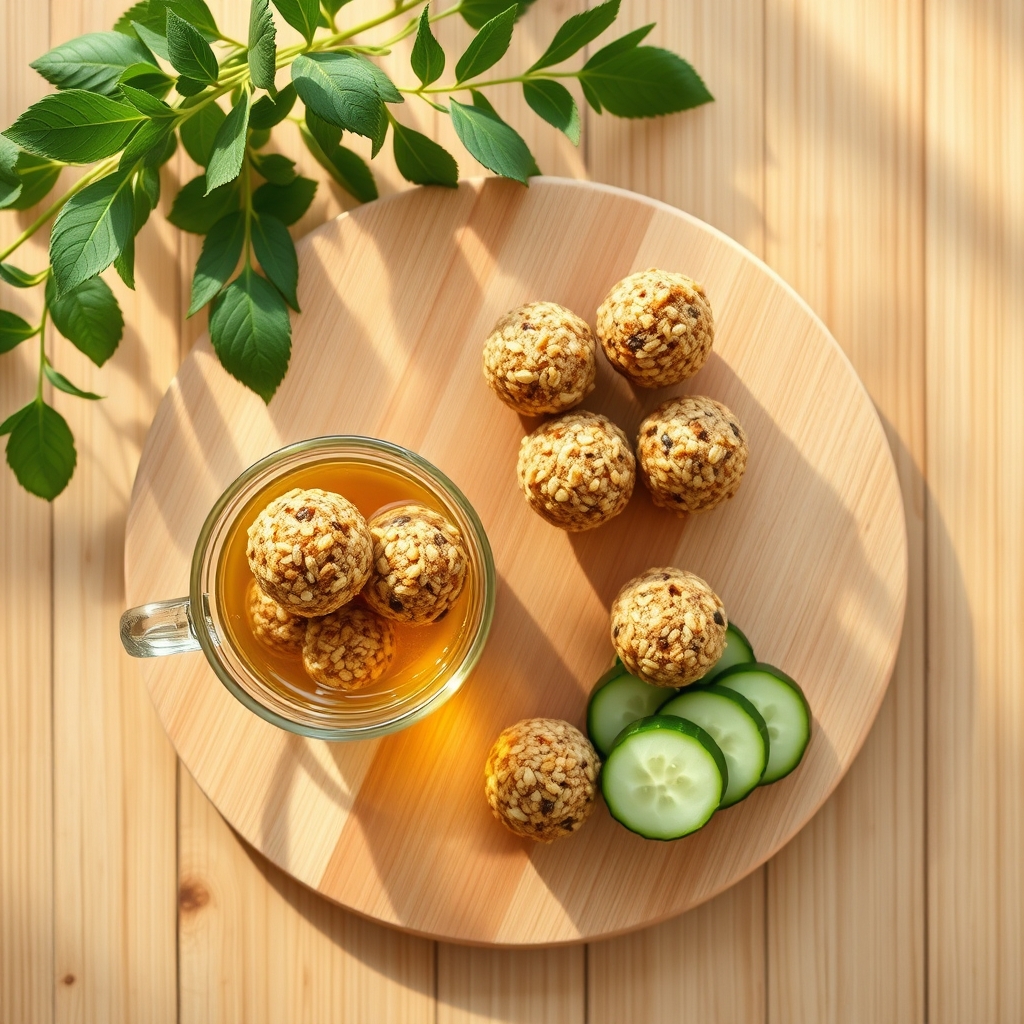
Ingredients: 1 cup cooked quinoa, ½ cup rolled oats, ¼ cup almond butter, 2 Tbsp honey, 1 tsp grated fresh ginger, zest of ½ lemon, ¼ tsp sea salt.
Directions: Mix all ingredients in a bowl, roll into 1‑inch balls, and refrigerate. Each bite offers protein, complex carbs, and ginger’s soothing effect.
2. Spinach‑Feta Mini Muffins
Ingredients: 4 eggs, 1 cup fresh spinach (chopped), ½ cup crumbled feta, ¼ cup milk, ¼ cup whole‑wheat flour, pinch of pepper.
Directions: Whisk eggs, fold in spinach, feta, milk, and flour. Pour into a greased mini‑muffin tin and bake at 375 °F for 12‑15 minutes. Cool and store in an airtight container.
3. Coconut‑Lime Chia Pudding
Ingredients: ¼ cup chia seeds, 1 cup light coconut milk, 1 tsp lime zest, 1 tsp maple syrup (optional).
Directions: Stir all ingredients, let sit 10 minutes, then refrigerate overnight. Top with a few fresh mango cubes before serving.
These recipes cover protein (egg‑based muffins), complex carbs (quinoa bites), and ginger (energy bites). They’re also adaptable for vegans and gluten‑free diets, which we’ll discuss next.
Tip: freeze extra portions of the quinoa bites in a single‑layer tray, then transfer to a zip‑top bag. Thawing a couple of minutes in the microwave or at room temperature gives you a ready‑to‑eat snack without losing texture.
Snacks to avoid if you have pregnancy nausea
While many foods are safe, certain items can aggravate nausea by triggering strong aromas, high fat content, or rapid sugar spikes. The following list is based on guidance from ACOG, the CDC, and common clinical experience:
Fried or greasy foods: French fries, onion rings, and fast‑food burgers can sit heavy in the stomach.
Strong‑smelling cheeses: Blue cheese, feta, and other pungent varieties often intensify nausea.
Citrus juices (unfiltered): While a slice of lemon can help, large amounts of acidic juice may irritate the stomach lining.
Highly processed sweets: Candy bars, pastries, and sugary cereals cause quick glucose spikes and crashes.
Spicy foods: Hot sauces and chili‑peppered dishes can increase stomach acidity.
Carbonated beverages: The bubbles can expand the stomach and worsen feelings of fullness.
If you notice a particular food consistently triggers nausea, keep a simple diary and discuss it with your midwife or obstetrician. Sometimes the trigger is a combination of scent and texture rather than the food itself.
Even foods that are generally “healthy” can become problematic when they’re heavily seasoned or fried. For instance, roasted nuts are nutritious, but a heavy coating of oil and salt may be too rich for a queasy stomach.
How often should you snack to manage nausea in pregnancy?
Evidence suggests that eating every 2–3 hours—rather than three large meals—helps maintain stable blood sugar and reduces nausea episodes. The Mayo Clinic recommends “small, frequent meals” for pregnant people experiencing morning sickness, and the UK’s NICE guidelines echo the same principle.
Here’s a practical schedule you can try:
7 a.m. – Light breakfast: A slice of whole‑grain toast with a thin spread of almond butter.
9 a.m. – Snack #1: Greek yogurt with a handful of berries.
11 a.m. – Snack #2: A few rice cakes topped with avocado.
1 p.m. – Lunch (if tolerated): Small portion of grilled chicken salad with olive oil dressing.
3 p.m. – Snack #3: Ginger tea and a plain popcorn handful.
5 p.m. – Snack #4: Cottage cheese with pineapple chunks.
7 p.m. – Dinner (if tolerated): Baked salmon with quinoa and steamed veggies.
9 p.m. – Evening snack: A banana and a few walnuts.
Adjust the timing to fit your personal routine—if you’re a night‑owl, shift the schedule later. The key is consistency: aim for 4–6 snack moments each day, and keep each portion to about 150‑200 kcal. This prevents the stomach from being empty for too long, which is a common trigger for nausea.
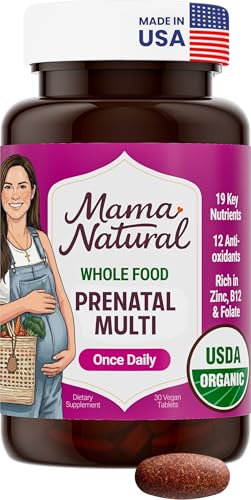
For those taking prenatal vitamins, try to pair the vitamin with a small snack (e.g., a cracker with a smear of cheese). This can improve absorption of fat‑soluble vitamins (A, D, E, K) and lessen any upset that a vitamin on an empty stomach might cause.
Best grocery‑store snacks for pregnancy nausea (budget‑friendly)
When you’re on a grocery budget, the aisles can still offer plenty of nausea‑friendly options. Below is a shopping list organized by category, with approximate cost ranges based on U.S. and U.K. average prices (prices may vary).
Category
Item
Typical Price (US)
Typical Price (UK)
Protein
Plain Greek yogurt (32 oz)
$3‑4
£2‑3
Protein
Canned tuna in water (5 oz)
$1‑2
£0.80‑1.20
Complex carbs
Whole‑grain crackers (box)
$2‑3
£1‑1.50
Ginger
Ginger tea bags (20‑count)
$2‑3
£1‑2
Hydrating
Coconut water (1 L)
$2‑3
£1.50‑2
Low‑fat dairy
Cottage cheese (16 oz)
$2‑3
£1‑2
Fresh fruit
Bananas (1 lb)
$0.60‑1
£0.50‑0.80
Fresh veg
Cucumber (1 large)
$0.70‑1
£0.60‑0.90
All of these items can be combined into the snack ideas we’ve already covered, ensuring you have a variety of flavors without breaking the bank.
When shopping, look for “no‑added‑sugar” labels on yogurts and cereals. Choosing the plain versions lets you add fresh fruit or a drizzle of honey, giving you control over sugar content while keeping the protein boost.
How can I adapt snack choices for dietary restrictions like vegan or gluten‑free?
Pregnancy nausea doesn’t discriminate, but your dietary preferences might. Below are tailored suggestions that keep the anti‑nausea principles while respecting common restrictions.
Vegan-friendly snacks
Chickpea‑salad lettuce cups: Mix canned chickpeas (rinsed) with a dash of olive oil, lemon juice, and ginger powder. Spoon into crisp lettuce leaves.
Almond‑milk kefir with berries: Look for dairy‑free kefir fortified with vitamin D and calcium.
Whole‑grain rice cakes topped with avocado and hemp seeds.
Ginger‑spiced oat bars: Combine rolled oats, mashed banana, ground ginger, and a drizzle of maple syrup; bake for 12 minutes.
Gluten‑free snacks
Gluten‑free corn tortillas with hummus.
Plain popcorn seasoned with nutritional yeast (a source of B‑vitamins).
Rice cakes topped with cottage cheese (if dairy is tolerated) and pineapple.
Quinoa‑based energy bites (as described earlier) using gluten‑free oats.
Both vegan and gluten‑free options can still deliver protein, complex carbs, and ginger—so you don’t miss out on the nausea‑relieving benefits.
For those with multiple restrictions (e.g., vegan + gluten‑free), a simple combination like almond‑milk kefir plus a handful of walnuts provides the same nutrient balance without any animal or gluten ingredients.
Why does regular snack intake help alleviate pregnancy nausea?
Three main physiological mechanisms explain why frequent, balanced snacks work:
Blood‑sugar stability: Small, regular intake prevents the spikes and drops that can trigger nausea. The endocrine system, especially insulin, reacts sharply to large meals, leading to queasy feelings.
Gastric emptying rate: Protein and complex carbs slow how quickly the stomach empties, reducing the “empty‑stomach” feeling that often precedes nausea.
Hormonal modulation: Ginger and certain B‑vitamins (like B6) have been shown to modulate the brain’s nausea center, the chemoreceptor trigger zone (CTZ). Consistent exposure via snacks sustains these calming effects.
In short, regular snacking creates a gentle, steady stream of nutrients that keeps the body’s internal environment calm—making the nausea waves less frequent and less intense.
Research from the NHS also notes that a consistent eating pattern can improve gut motility, which helps prevent the feeling of “fullness” that often accompanies nausea.
Balanced snacks combine protein, carbs, and ginger for lasting relief.
From our medical team: “Consistent, nutrient‑dense snacks are a cornerstone of nausea management in pregnancy. If you find yourself unable to keep any food down for more than 24 hours, or if you’re losing weight, please contact your provider promptly. Otherwise, aim for a snack every 2–3 hours, prioritize protein and complex carbs, and add a small amount of ginger for extra soothing power.”
Snacking while traveling or on the go
Travel can throw your routine off, and the motion of a car or plane often worsens morning sickness. Packing portable, nausea‑friendly snacks reduces reliance on airport or convenience‑store options that are typically high in fat or sugar.
Pre‑portion nut‑and‑seed mixes: Combine almonds, pumpkin seeds, and a few dried apricots. The nuts give protein and healthy fats, while the dried fruit adds a gentle sweetness without a sugar surge.
Single‑serve ginger tea bags: Steep in hot water from a travel kettle; the warm ginger can calm the stomach on the move.
Freeze‑dry fruit bites: These are lightweight, don’t require refrigeration, and provide a quick source of vitamins.
ACOG advises keeping a “snack kit” in your bag—ideally in a small insulated pouch with a reusable water bottle. Hydration is especially important on flights, where cabin air can be drying.
When you’re unsure about food safety, choose items with a long shelf‑life (canned beans, shelf‑stable cheese, or fortified soy drinks). These still meet the protein and carb criteria without the risk of spoilage.
Pairing snacks with prenatal vitamins and medications
Many prenatal vitamins contain iron and vitamin D, both of which can irritate an empty stomach. Taking them with a small snack reduces the likelihood of nausea or constipation.
Ideal pairings include:
Iron‑rich snack: A slice of whole‑grain toast with a thin spread of peanut butter provides a modest amount of iron‑enhancing protein.
Vitamin D‑friendly snack: A few cubes of fortified orange‑juice‑flavored yogurt (low‑sugar) helps the fat‑soluble vitamin absorb better.
Calcium‑containing snack: A small glass of fortified almond milk with a sprinkle of cinnamon.
Space the vitamin intake at least 30 minutes after a larger meal to avoid interference with mineral absorption, a recommendation echoed by the FDA’s nutrition labeling guidance.
If you’re prescribed medication for severe nausea (e.g., ondansetron), ask your provider whether taking it with food improves tolerability. Often a light snack can lessen the bitter taste and protect the stomach lining.
Myth vs. fact
Myth: You should avoid all solid foods if you have morning sickness.
Fact: Small, bland solid foods—especially those with protein and complex carbs—can actually lessen nausea by stabilizing blood sugar.
Myth: Ginger supplements are unsafe during pregnancy.
Fact: Clinical studies support ginger (up to 1 g per day) as safe for most pregnant people, though you should discuss any supplement with your provider.
Myth: You need to eat large meals to get enough calories.
Fact: Frequent, modest‑sized snacks can meet daily calorie and nutrient goals without overwhelming the stomach.
Key takeaways
Eat a small snack every 2–3 hours to keep blood sugar stable and reduce nausea.
Combine protein, complex carbs, and a touch of ginger for the most effective relief.
Choose low‑fat, low‑sugar options and avoid greasy, spicy, or strong‑smell foods.
Ginger crackers, tea, or smoothies are evidence‑based nausea helpers.
Adapt snacks for vegan, gluten‑free, or budget‑conscious needs without sacrificing nutrients.
If nausea persists for more than 24 hours or you can’t keep any food or fluid down, contact your provider.
Frequently asked questions
Can eating small snacks help reduce morning sickness?
Yes—small, frequent snacks keep blood sugar stable and prevent an empty stomach, both of which are major triggers of nausea. Studies from ACOG and the NHS consistently recommend this approach.
What foods should I avoid if I have pregnancy nausea?
Avoid fried or greasy foods, strong‑smell cheeses, highly processed sweets, spicy dishes, and carbonated beverages, as they often intensify queasiness. Keep a diary to pinpoint personal triggers.
Is ginger an effective remedy for nausea during pregnancy?
Current evidence from multiple randomized trials shows that ginger—whether taken as tea, chews, or baked into snacks—reduces nausea severity in about 70 % of pregnant people. Up to 1 g per day is considered safe, but discuss any supplement with your provider.
How often should I eat to manage nausea in pregnancy?
Aim for a snack every 2–3 hours, totaling 4–6 snack moments daily. Each snack should be around 150‑200 kcal and include protein, complex carbs, and optional ginger.
Are there any snacks that can trigger nausea in pregnant women?
Yes—high‑fat, heavily fried items, strong‑odor cheeses, very sweet pastries, and carbonated drinks can worsen nausea. Individual sensitivities vary, so listen to your body and adjust accordingly.
Can I eat dairy snacks if I have morning sickness?
Plain, low‑fat dairy like Greek yogurt or cottage cheese is generally well‑tolerated and provides protein and calcium. However, strong‑smell cheeses (e.g., blue cheese) may trigger nausea, so choose milder options.
Is it safe to include frozen fruit in my snacks?
Yes—frozen berries or mango chunks can be blended into smoothies or thawed for a quick bite. The cold temperature may actually soothe an upset stomach, and the fruit still offers vitamins and fiber without added sugar.
Can caffeine worsen nausea, and should I limit it?
Moderate caffeine (up to 200 mg per day, roughly one 12‑oz coffee) is generally considered safe by the FDA and ACOG. However, some pregnant people find that caffeine on an empty stomach can increase nausea, so pair it with a small snack or choose decaf if you’re sensitive.
When to call your doctor
If you experience any of the following, seek medical care right away:
Inability to keep any food or fluid down for more than 24 hours.
Persistent vomiting that leads to weight loss or dehydration.
Not sure about the label on Best Snacks For Pregnancy Nausea products?
Snap the ingredients list and SafeFilter checks every ingredient for your stage — only 3 free scans this month, then you're locked until reset. Unlimited from $7/mo or lock $50/yr through Aug 31 (7 days left).
When Shubhra Mishra was expecting her first child in 2016, she was overwhelmed by conflicting food advice — one site said yes, another said never. By the time her second baby arrived in 2019, she realized millions of mothers face the same confusion.
That sparked a five-year journey through clinical nutrition papers, cultural diets, and expert conversations — all leading to BumpBites: a calm, compassionate space where science meets everyday motherhood.
Her long-term vision is to build a global community ensuring safe, supported, and free deliveriesfor every mother — because no woman should face pregnancy alone or uninformed. 🌿
🌍 Stand with mothers, shape safer guidance
Join a small circle of experts who review BumpBites articles so expecting parents everywhere can decide with confidence.