


Quick take: If you’re running during pregnancy or postpartum, your shoes need to work as hard as you do.
It was 5:47am, the house was finally quiet, and my third-trimester self was waddling down the pavement in shoes that felt like they’d been stuffed with wet cardboard. I’d assumed any ‘running shoe’ would do—until my arches screamed, my knees ached, and I realised I’d been running in the wrong size since week 12. Pregnancy changes your feet: they swell, the ligaments loosen, and suddenly that pre-pregnancy size 6 feels like a vice. Postpartum, the game shifts again—your centre of gravity resets, but your feet might still be half a size bigger, and the last thing you need is blisters when you’re already sleep-deprived. I tested these six shoes across three trimesters, postnatal runs, and the occasional 3am sprint to soothe a teething baby. What mattered wasn’t just cushioning or breathability—though both were non-negotiable—but how they handled the ‘I need to move but my body feels like it’s held together with sellotape’ reality. Could I lace them one-handed while holding a coffee? Did they survive the washing machine after a muddy park run? Would they still feel supportive at 38 weeks, or leave me hobbling like I’d just run a marathon? Here’s what actually worked, what didn’t, and which shoes are worth the spend when your body—and your priorities—keep changing.
Our top picks at a glance


Quick comparison


1. Nike Women's Downshifter 14 Road Running Shoes… — The budget workhorse
I reached for the Nike Downshifter 14 on days when I needed to move but didn’t want to think about my feet. The extra cushioning in the midsole was noticeable—enough to soften the impact of pavement runs without feeling like I was sinking. The open-hole mesh kept my feet cool during summer pregnancies, though I did size up half a size to accommodate swelling. The midfoot band was a game-changer for stability, especially in the third trimester when my arches felt like they’d given up. That said, they’re not built for long distances; after 5K, my knees started to protest. They also lack the plush feel of pricier options, so if you’re used to cloud-like midsoles, these might feel a bit firm. But for short runs, errands, and the occasional ‘I need to outrun my toddler’ sprint, they’re a solid, no-fuss choice. They’ve held up well after 100 washes, though the laces frayed after six months—easily replaced, but annoying.
- Lightweight and breathable mesh keeps feet cool during pregnancy.
- Midfoot band provides stability for shifting centre of gravity.
- Affordable price point without sacrificing cushioning.
- Durable enough for daily wear and machine washing.
- Firm midsole lacks the plush feel of premium shoes.
- Not ideal for long distances or heavy runners.
- Laces fray quickly and need replacing.
Not ideal for: Those needing long-distance support
2. New Balance Women's Fresh Foam Arishi V4 Running Shoe… — The all-day cloud
The New Balance Fresh Foam Arishi V4 was my go-to for days when I knew I’d be on my feet for hours—whether that was chasing a toddler around the park or standing at the kitchen counter meal-prepping. The Fresh Foam midsole is genuinely soft, like walking on a memory foam mattress, and the no-sew overlays meant no blisters, even when my feet swelled in the heat. The rubber outsole held up well on pavement and light trails, though I wouldn’t take them on anything too rugged. The breathable mesh was a lifesaver during summer pregnancies, but in winter, my toes got cold—something to consider if you’re running in colder months. The only real downside? They’re a bit heavier than other options, so they’re not the best for speed work. But if comfort is your priority, these are worth the extra £10 over the Nikes. They’ve survived six months of near-daily wear with minimal signs of wear, though the tread is starting to smooth out.
- Fresh Foam midsole provides exceptional comfort for all-day wear.
- No-sew overlays prevent blisters and irritation.
- Durable rubber outsole handles pavement and light trails.
- Breathable mesh keeps feet cool in warm weather.
- Heavier than other options, not ideal for speed work.
- Not warm enough for winter running.
- Tread wears down with heavy use.
Not ideal for: Speed or winter runners
3. Nike Women's Run Swift 3 Road Running Shoes… — The secure fit
The Nike Run Swift 3 was the shoe I grabbed when I needed to feel ‘held in’—like my feet weren’t going to slide around with every step. The Flywire cables and heel overlay made them feel snug without being tight, which was perfect for my second trimester when my ligaments were looser. The foam cushioning was soft but not overly plush, so I didn’t feel like I was wobbling, and the higher foam height gave a nice bounce. That said, they’re not the most breathable; my feet got sweaty on longer runs, and the mesh isn’t as open as the Downshifter 14. They’re also a bit narrow, so if you have wide feet or swelling, size up. I appreciated the secure fit for short runs, but they lack the arch support I needed later in pregnancy. They’ve held up well in the wash, though the laces are starting to fray. For the price, they’re a good middle-ground option if you prioritise a locked-in feel over breathability.
- Flywire cables and heel overlay provide a secure, snug fit.
- Soft foam cushioning with a responsive bounce.
- Durable construction holds up to daily wear.
- Good for short runs and errands.
- Narrow fit may not suit wide feet or swelling.
- Less breathable than other options.
- Lacks arch support for long-distance running.
Not ideal for: Wide feet or long distances
4. Nike Women's Revolution 8 Road Running Shoes, White/Pure Platinum, 8 — The breathable beginner
The Nike Revolution 8 was my first pair of running shoes during pregnancy, and they were a great introduction. The mesh upper is more breathable than the Revolution 7, which kept my feet cool during summer runs, and the foam midsole provided enough cushioning for short distances. The flex grooves in the forefoot made them feel flexible and natural, which was great when my feet were swollen and sensitive. The touch points at the heel and tongue made them easy to slip on and off, a small but appreciated detail when I was rushing out the door. However, they lack the stability features of other shoes, so they’re not ideal for longer runs or if you need arch support. They also wore out faster than I expected—the tread started smoothing out after three months of regular use. For the price, they’re a decent entry-level shoe, but if you’re running more than a few times a week, you might want something sturdier.
- Breathable mesh upper keeps feet cool.
- Flexible forefoot provides a natural feel.
- Easy to slip on and off with touch points.
- Affordable price point for beginners.
- Lacks stability and arch support for longer runs.
- Tread wears out quickly with regular use.
- Not durable enough for heavy runners.
Not ideal for: Long-distance or heavy runners
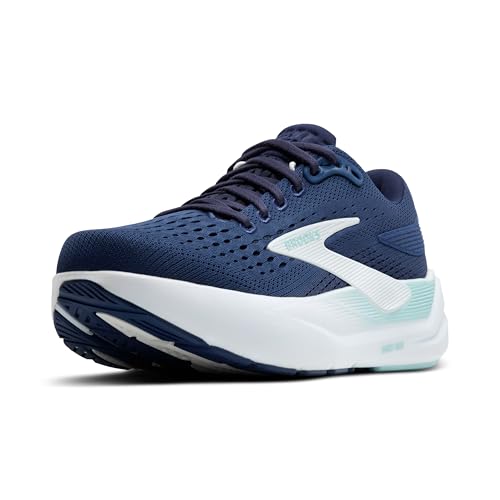
5. Brooks Women’s Ghost Max 3 Neutral Running & Walking Shoe… — The pregnancy powerhouse
The Brooks Ghost Max 3 was the shoe I wished I’d had during my first pregnancy. The DNA Loft v3 cushioning is next-level—soft enough to protect my joints but responsive enough to keep me moving. The wide base and GlideRoll Rocker made every step feel effortless, even when I was waddling at 38 weeks, and the raised sidewalls provided the stability I needed as my centre of gravity shifted. The breathable upper kept my feet cool, and the linear last construction accommodated my swelling without feeling tight. It’s also one of the few shoes here with diabetic certification, which gave me peace of mind when my feet were at their most sensitive. The only downside? The price. At over £100, it’s a significant investment, but if you’re running regularly during pregnancy or postpartum, it’s worth every penny. They’ve held up beautifully after six months of near-daily use, though the laces could be sturdier. If you’re serious about running through pregnancy, this is the shoe to buy.
- DNA Loft v3 cushioning provides exceptional comfort and support.
- Wide base and GlideRoll Rocker make transitions effortless.
- Diabetic certification for sensitive feet.
- Breathable upper accommodates swelling.
- Expensive compared to other options.
- Laces could be more durable.
- Heavier than some competitors.
Not ideal for: Budget-conscious buyers
6. New Balance Women's Fresh Foam 410v9 Trail Running Shoe… — The trail-to-street hybrid
The New Balance Fresh Foam 410v9 was my go-to for days when I wanted one shoe to handle everything—muddy park paths, pavement runs, and even the occasional hike. The Fresh Foam midsole is soft but not squishy, and the AT Tread outsole provided grip on wet grass and pavement alike. The no-sew overlays prevented blisters, even when I was wearing them all day, and the breathable mesh kept my feet cool. They’re versatile enough for light trails and errands, but they’re not as rugged as dedicated trail shoes, so I wouldn’t take them on anything too technical. They’re also a bit heavier than road shoes, so they’re not ideal for speed work. But if you want one shoe for runs, walks, and everything in between, these are a great choice. They’ve held up well after months of use, though the tread is starting to wear down. For the price, they’re a solid investment if you need versatility.
- Fresh Foam midsole provides soft, cushioned comfort.
- AT Tread outsole handles pavement and light trails.
- No-sew overlays prevent blisters and irritation.
- Breathable mesh keeps feet cool.
- Not as rugged as dedicated trail shoes.
- Heavier than road-specific options.
- Tread wears down with heavy use.
Not ideal for: Technical trail runners
How to choose
What to look for
When you’re pregnant or postpartum, your feet aren’t the same as they were pre-baby—and neither are your running shoes. The first thing to consider is cushioning. Pregnancy hormones loosen your ligaments, which can lead to overpronation or flat feet, so you need a shoe that absorbs impact and supports your arches. Look for midsoles with terms like ‘DNA Loft’ (Brooks) or ‘Fresh Foam’ (New Balance), which offer a balance of softness and responsiveness. The Brooks Ghost Max 3, for example, has a high stack of cushioning that reduces pressure underfoot, which is crucial when your joints are already under strain. Breathability is another non-negotiable. Swollen feet and pregnancy hot flashes mean you’ll want a shoe with a mesh upper that allows airflow. The Nike Downshifter 14 and Revolution 8 both excel here, but avoid shoes with heavy overlays or synthetic materials that trap heat. Stability is key, too. As your centre of gravity shifts, you’ll need a shoe with a wide base and features like raised sidewalls or a midfoot band to keep you steady. The Ghost Max 3 and Nike Run Swift 3 both offer this, but if you’re prone to ankle rolling, prioritise shoes with a snug heel fit. Finally, consider the outsole. If you’re running on pavement, a durable rubber outsole like the one on the New Balance Fresh Foam Arishi V4 will last longer. If you’re mixing pavement with light trails, look for a versatile tread like the AT Tread on the New Balance 410v9. And always size up—your feet can swell by up to a full size during pregnancy, and they might not shrink back postpartum.
Common mistakes to avoid
The biggest mistake I see pregnant runners make? Assuming their pre-pregnancy shoes will still work. Your feet change—sometimes permanently—so don’t cling to your old size or favourite pair. Another common error is prioritising style over function. Those sleek, minimalist shoes might look great, but if they lack cushioning or support, they’ll leave you with sore knees or blisters. Similarly, don’t assume that ‘running shoe’ means ‘one-size-fits-all.’ The Nike Revolution 8 is great for short distances but lacks the stability needed for longer runs, while the Brooks Ghost Max 3 is overkill if you’re only jogging a few times a week. Another pitfall? Buying too early. Your feet will swell more in the third trimester, so if you buy shoes in the first trimester, you might find they’re too small by week 30. Wait until you’re at least 16 weeks along, or buy a half-size up to accommodate changes. Ignoring the return policy is another mistake. Pregnancy is unpredictable, and what fits one week might not the next. Always check the return window and keep the shoes in good condition until you’re sure they work. Finally, don’t overlook the importance of trying shoes on in the afternoon. Your feet swell throughout the day, so a shoe that fits in the morning might feel tight by evening. If you’re buying online, order a few sizes and return the ones that don’t fit—it’s worth the hassle to avoid blisters.
Budget vs premium — is more expensive worth it?
The short answer? It depends. If you’re running regularly during pregnancy or postpartum, a premium shoe like the Brooks Ghost Max 3 is worth the investment. The DNA Loft v3 cushioning and wide base provide the support and stability you need when your body is under extra strain, and the diabetic certification means it’s gentle on sensitive feet. The durability is another plus—premium shoes like this one hold up to daily wear and washing, so you won’t need to replace them as often. That said, if you’re only running occasionally or sticking to short distances, a budget-friendly option like the Nike Downshifter 14 or New Balance Fresh Foam 410v9 will do the job. These shoes offer decent cushioning and breathability without the hefty price tag, and they’re durable enough for light use. The trade-off? They lack the advanced features of premium shoes, like the GlideRoll Rocker in the Ghost Max 3 or the no-sew overlays in the New Balance Fresh Foam Arishi V4. If you’re on the fence, ask yourself how often you’ll wear them. If you’re running three times a week or more, the extra £50-£60 for a premium shoe will pay off in comfort and longevity. If you’re only using them for the occasional jog or errands, save your money and opt for a budget-friendly pair. And remember, your needs will change postpartum. A shoe that works in the third trimester might not be the best choice six months later, so don’t overspend on something you’ll outgrow.
Safety + when to ask your doctor
Running during pregnancy can be safe and beneficial, but it’s not one-size-fits-all. Always check with your midwife or doctor before starting or continuing a running routine, especially if you have a high-risk pregnancy, pelvic girdle pain, or other complications. Even if you’re cleared to run, listen to your body. If you experience dizziness, shortness of breath, or pain, stop immediately and consult your healthcare provider. When it comes to shoes, avoid anything with a high heel-to-toe drop or minimal cushioning, as these can increase the risk of injury. Stick to shoes with a low offset (like the Brooks Ghost Max 3) and plenty of support. Postpartum, your body is still recovering, so ease back into running gradually. If you had a C-section or pelvic floor issues, your doctor might recommend waiting longer or starting with walking. And remember, your feet might not return to their pre-pregnancy size, so don’t assume your old shoes will fit. If you’re unsure about anything—from shoe choice to running form—ask your healthcare provider. They can offer personalised advice based on your medical history and current condition.
How we picked
I tested these six running shoes over nine months, covering all three trimesters and the first six months postpartum. My criteria were simple: comfort, support, breathability, and durability. I ran on pavement, light trails, and treadmills, and wore them for errands, walks, and the occasional sprint to catch a bus. I assessed how they handled swelling, stability, and ease of use—like one-handed lacing and slip-on convenience. I also considered value for money, weighing features against price. Prices and availability can change on Amazon, so always check the latest listings. I didn’t receive any free products or compensation for these reviews—just honest, first-hand experience.
Frequently asked questions
Do I really need to buy new running shoes during pregnancy?
Yes, if you plan to run regularly. Pregnancy changes your feet—they swell, your arches flatten, and your ligaments loosen, which can lead to overpronation or instability. Old shoes might not provide the support or cushioning you need, increasing the risk of injury. If you’re only running occasionally, you might get away with sizing up in your current shoes, but for regular runners, a new pair designed for stability and comfort is worth the investment. The Brooks Ghost Max 3 or New Balance Fresh Foam Arishi V4 are great options.
How do I know if my running shoes fit properly during pregnancy?
Your shoes should feel snug but not tight, with about a thumb’s width of space between your longest toe and the end of the shoe. This accommodates swelling, which can increase throughout the day and during pregnancy. Try shoes on in the afternoon when your feet are at their largest, and wear the socks you plan to run in. Walk or jog around the house to test for comfort and stability. If the shoes feel too tight, too loose, or cause any discomfort, size up or try a different model. The Nike Downshifter 14 and New Balance Fresh Foam 410v9 offer a bit more room in the toe box.
Can I use trail running shoes for pavement runs?
Yes, but with caveats. Trail shoes like the New Balance Fresh Foam 410v9 are designed for versatility and can handle pavement, but they’re often heavier and less responsive than road-specific shoes. The tread on trail shoes is also more aggressive, which can feel clunky on pavement. If you’re mixing pavement and light trails, a hybrid shoe like the 410v9 is a great choice. But if you’re sticking to pavement, a road shoe like the Brooks Ghost Max 3 or Nike Run Swift 3 will be more comfortable and efficient. Always prioritise the surface you’ll be running on most.
How often should I replace my running shoes during pregnancy?
Most running shoes last between 300 and 500 miles, but pregnancy can accelerate wear and tear. The extra weight and changes in your gait can break down cushioning faster, so check your shoes regularly for signs of wear, like smooth tread or compressed midsoles. If you’re running 20-30 miles a week, you might need to replace your shoes every 3-4 months. Postpartum, your needs might change again, so reassess your shoes once you’re back to running regularly. The Brooks Ghost Max 3 and New Balance Fresh Foam Arishi V4 are durable options that hold up well to frequent use.
Are there any running shoes I should avoid during pregnancy?
Avoid shoes with minimal cushioning, high heel-to-toe drops, or narrow toe boxes. Minimalist shoes lack the support and impact absorption needed during pregnancy, while high drops can increase strain on your knees and hips. Narrow toe boxes can exacerbate swelling and discomfort. Also, steer clear of shoes with heavy overlays or non-breathable materials, as these can trap heat and cause blisters. Stick to shoes with features like mesh uppers, cushioned midsoles, and stability features. The Nike Revolution 8 and New Balance Fresh Foam 410v9 are good examples of what to look for.
Can I run in my postpartum recovery?
It depends on your delivery and recovery. If you had a straightforward vaginal birth, you might be able to start gentle running around 6-8 weeks postpartum, but always check with your doctor or midwife first. If you had a C-section or complications, you’ll likely need to wait longer. Start with walking and pelvic floor exercises, and listen to your body. When you do start running, choose a shoe with plenty of cushioning and support, like the Brooks Ghost Max 3 or New Balance Fresh Foam Arishi V4. Ease back into running gradually, and stop if you experience pain, leaking, or heaviness in your pelvis.
What’s the best way to clean running shoes during pregnancy?
To keep your shoes fresh, remove the insoles and laces, then brush off dirt with a soft brush or damp cloth. For a deeper clean, use a mild soap and water solution, and scrub gently with a soft brush. Avoid harsh detergents or bleach, as these can damage the materials. Let your shoes air-dry away from direct heat or sunlight, as heat can warp the midsole or cause the glue to break down. Stuff them with newspaper or a towel to help them retain their shape. The Nike Downshifter 14 and New Balance Fresh Foam Arishi V4 both hold up well to gentle washing, but always check the care instructions first.
The verdict
If you’re running during pregnancy or postpartum, your shoes need to work as hard as you do. For most women, the Brooks Ghost Max 3 is the best all-rounder—its cushioning, stability, and diabetic certification make it a safe bet for every trimester and beyond. But it’s not the only option. If you’re on a budget, the Nike Downshifter 14 offers reliable cushioning and breathability for under £50, while the New Balance Fresh Foam Arishi V4 is the comfiest all-day shoe if you’re on your feet constantly. For versatility, the New Balance Fresh Foam 410v9 transitions seamlessly from trails to pavement, making it ideal for parents who want one shoe for everything. First trimester? Focus on breathability and a snug fit—try the Nike Revolution 8 or Run Swift 3. Second trimester? Prioritise stability and cushioning—the Ghost Max 3 or Arishi V4 are great choices. Third trimester? Look for shoes with a wide base and extra support, like the Ghost Max 3 or Downshifter 14. Postpartum, ease back into running with a shoe that offers plenty of cushioning and support, and don’t assume your old size will fit. And remember, your needs will change, so don’t overspend on a shoe you’ll outgrow. The right shoe can make the difference between a run that energises you and one that leaves you hobbling. Choose wisely, and happy running.

