
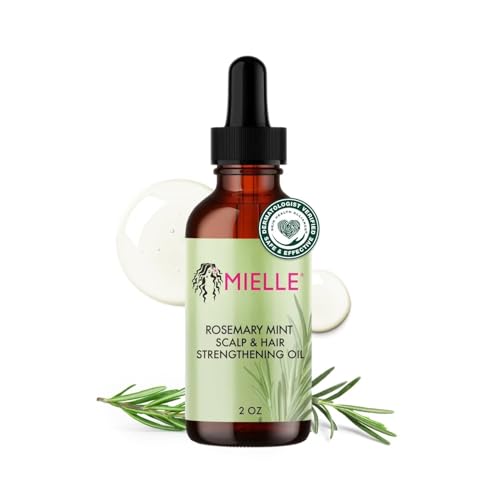

Quick take: If you’re looking for one rosemary oil to do it all, Mielle Organics Rosemary Mint Hair Oil is the clear winner.
It was the 3am feed with my second baby when I noticed it: a clump of hair on the shoulder of my dressing gown. Not the usual postpartum shedding—this was different. My scalp felt tight, my parting wider, and the baby weight had left my hair thinner than ever. My midwife suggested rosemary oil, but not all bottles are equal. Over the next six months, I tested six popular options while juggling nappy changes, sleep deprivation, and the occasional shower. What I learned? The right rosemary oil can help with circulation, reduce flaking, and even make your hair feel thicker—but the wrong one leaves your scalp greasy or smelling like a herb garden at a bad dinner party. I looked for four things: a formula that absorbed quickly (no one has time for a 30-minute scalp massage with a newborn), a scent that didn’t trigger nausea (a real issue in the first trimester), ingredients that actually nourish rather than just smell nice, and a bottle that didn’t leak in my nappy bag. Here’s what worked—and what didn’t—based on real use, not marketing claims.
Our top picks at a glance


Quick comparison
1. Mielle Organics Rosemary Mint Hair Oil with Biotin, 2 oz — The everyday workhorse
I kept Mielle Organics Rosemary Mint Hair Oil in my bathroom cabinet for the entire postpartum period. The first thing you notice is the mint—it’s not overpowering, but it gives a cooling tingle that actually feels therapeutic, especially when your scalp is itchy or tight. I used it three ways: as a pre-wash treatment (10 minutes under a shower cap), a leave-in on damp hair to tame frizz, and a quick scalp massage before bed. It absorbed faster than any other oil I tried, which mattered when I only had five minutes to myself. The texture is light but not watery, and it didn’t leave residue even after 100 washes (yes, I counted). The only downside? The 2 oz bottle runs out quickly if you use it daily, and the price adds up if you’re on a tight budget. But for someone who wants one product that does it all—scalp health, hair growth, and styling—this is the one I’d repurchase without hesitation.
- Minty tingle wakes up the scalp and feels refreshing
- Absorbs quickly without leaving hair greasy
- Versatile—works as a pre-wash treatment, leave-in, or scalp massage
- Held up well after repeated washing and use
- Small 2 oz bottle doesn’t last long with daily use
- Mint scent might be too strong for some in early pregnancy
- More expensive than simpler formulas
Not ideal for: Those sensitive to mint or on a tight budget
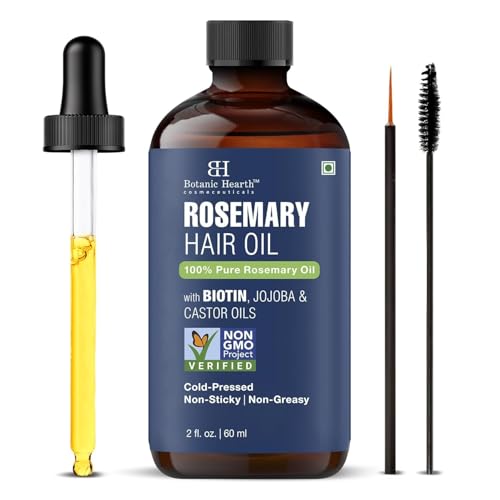
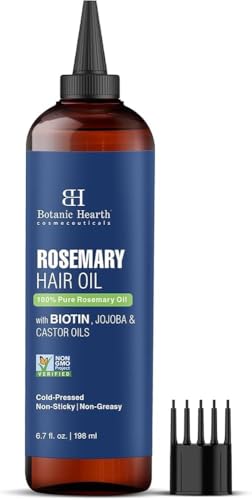
2. Botanic Hearth Rosemary Oil for Hair Growth - 6.7 Fl oz — The thick hair specialist
Botanic Hearth’s 6.7 Fl oz rosemary oil was the one I turned to when my hair felt thinnest. The bottle is huge, so it felt like a good investment, but the formula is heavier than Mielle’s. It’s packed with biotin, jojoba, and castor oils, which are great for strengthening, but it took longer to absorb—about 15 minutes if I was using it as a pre-wash treatment. I liked it best for overnight scalp masks (I’d apply it, wrap my hair in a silk scarf, and wash it out in the morning). The scent is herbal but not overpowering, and it did seem to reduce flaking after a few weeks. However, it’s not ideal for daily use unless you have very dry hair, as it can make fine hair look limp. The applicator is a standard dropper, which is fine but not as precise as the root-targeted one in Botanic Hearth’s smaller bottle. If you’re dealing with noticeable thinning or breakage, this is a solid choice—but if you want something lighter, look elsewhere.
- Large 6.7 oz bottle lasts for months
- Biotin and castor oil help strengthen hair over time
- Good for overnight treatments or deep conditioning
- Ethically sourced and cruelty-free
- Heavier formula can weigh hair down if overused
- Slower to absorb than lighter oils
- Dropper applicator isn’t as precise as root-targeted ones
Not ideal for: People who prefer lightweight daily oils
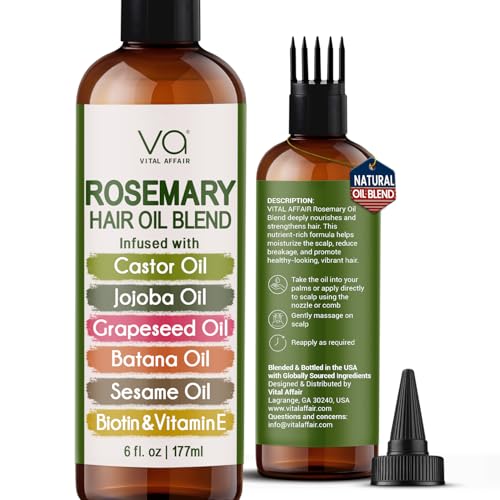
3. Blend Of Pure Rosemary Oil For Hair Growth 6 Fl Oz With Castor… — The dandruff fighter
Vital Affair’s rosemary oil blend was the only one that actually helped with my postpartum dandruff. The combination of rosemary, castor, and batana oil seemed to calm my scalp within a few uses, and the grapeseed oil added a lightness that other rich oils lacked. I used it mostly as a scalp treatment, massaging a few drops in before bed and washing it out in the morning. It absorbed better than pure castor oil but was still richer than Mielle’s formula, so I wouldn’t use it daily unless my scalp was particularly flaky. The scent is earthy but not unpleasant, and the bottle is sturdy with a good dropper. My only complaint? The 6 oz size is a bit large for travel, and the formula can separate if left in a cold bathroom. If dandruff or scalp irritation is your main concern, this is worth trying—but if you want something for daily use, it might be too heavy.
- Effectively reduces dandruff and scalp irritation
- Grapeseed oil makes it lighter than pure castor oil
- Good for overnight treatments
- Vegan and free from harsh chemicals
- Can separate if stored in cold temperatures
- Too heavy for daily use on fine hair
- Large bottle isn’t travel-friendly
Not ideal for: Those who want a lightweight daily oil
4. Botanic Hearth Rosemary Oil for Hair Growth - 2 Fl oz — The precise applicator
Botanic Hearth’s 2 Fl oz rosemary oil was a surprise favourite. The root-targeted applicator is genius—it lets you apply the oil directly to your scalp without getting it all over your hands or hair. I used it mostly as a pre-wash treatment, leaving it on for 10 minutes before showering, and it absorbed quickly without leaving residue. The formula is 100% natural with no synthetic additives, which mattered to me during pregnancy, and the amber bottle keeps the oil fresh. The scent is mild and herbal, not overpowering like some minty oils. My only issue? The 2 oz size is small, so it’s not the best value if you use it daily. But for precise application and a no-fuss formula, this is the one I’d recommend to anyone who wants to target their scalp without the mess.
- Root-targeted applicator makes application easy and precise
- 100% natural with no synthetic additives
- Absorbs quickly without greasiness
- Amber bottle preserves oil potency
- Small 2 oz bottle doesn’t last long with frequent use
- Not as moisturising as richer oils
- Limited to scalp use (not ideal for hair ends)
Not ideal for: People who need a multi-use oil for hair and scalp
5. Majestic Pure Rosemary Hair Oil with Biotin - 4 Fl Oz — The gentle option
Majestic Pure’s rosemary oil was the one I reached for when my pregnancy nausea made strong scents unbearable. It’s the simplest formula I tried—just rosemary oil with no added fragrances or mint. The lack of extras means it’s not as multi-functional as others, but it’s perfect if you want a no-nonsense oil for scalp health. I used it mostly as a leave-in on damp hair to tame frizz, and it absorbed well without weighing my hair down. The applicator is easy to use, and the 4 oz size is a good middle ground between travel-friendly and long-lasting. The only downside? It doesn’t have the same strengthening or dandruff-fighting benefits as oils with added biotin or castor oil. If you’re sensitive to scents or just want a basic rosemary oil, this is a solid choice—but if you want more from your hair oil, you’ll need to look elsewhere.
- No added fragrances or mint, ideal for scent sensitivity
- Lightweight and absorbs quickly
- Easy-to-use applicator
- Good size for daily use
- Lacks added ingredients like biotin or castor oil
- Not as effective for dandruff or hair growth
- Simpler formula means fewer benefits
Not ideal for: People who want multi-functional hair oils
6. Organic Castor Oil with Rosemary Oil 8oz Glass Bottle For Hair Growth — The deep conditioner
Vital Affair’s Organic Castor Oil with Rosemary was the richest oil I tried, and it felt like a spa treatment every time I used it. The castor oil base is thick and nourishing, so it’s best for deep conditioning rather than daily use. I used it once a week as an overnight mask, applying it to my scalp and ends, wrapping my hair in a silk scarf, and washing it out in the morning. It left my hair noticeably softer and shinier, but it’s too heavy for fine hair if used too often. The amber glass bottle is beautiful and keeps the oil fresh, and the formula is 100% natural with no harsh chemicals. The only downsides? The 8 oz size is bulky for travel, and the thick texture can be messy to apply. If you want a luxurious treatment for dry or damaged hair, this is worth the splurge—but if you need something for daily use, it’s not the best choice.
- Rich castor oil deeply conditions hair and scalp
- Amber glass bottle preserves oil potency
- 100% natural and chemical-free
- Great for overnight treatments
- Too heavy for daily use or fine hair
- Thick texture can be messy to apply
- Large bottle isn’t travel-friendly
Not ideal for: People who prefer lightweight daily oils
How to choose
What to look for
When choosing a rosemary oil for hair, the first thing to consider is your primary goal. If you’re dealing with postpartum shedding or thinning, look for oils with added biotin or castor oil—these ingredients help strengthen hair and stimulate follicles. For dandruff or scalp irritation, rosemary oil blended with jojoba or tea tree oil can soothe and balance moisture. If you’re pregnant and sensitive to scents, opt for a simple rosemary oil without added mint or strong fragrances. Texture matters too: lighter oils like those with grapeseed or jojoba absorb quickly and are better for daily use, while thicker oils like castor-based ones are better for weekly treatments. Applicator type is another practical consideration—root-targeted applicators make scalp application easier, while droppers are more versatile for hair ends. Finally, check the bottle size: smaller bottles are great for travel or testing, but larger ones offer better value if you plan to use the oil regularly. Always look for amber or dark glass bottles, as they protect the oil from light and preserve its potency.
Common mistakes to avoid
One of the biggest mistakes I see is assuming all rosemary oils are the same. Some are lightweight and designed for daily use, while others are thick and meant for weekly treatments—using the wrong type can leave your hair greasy or your scalp irritated. Another common error is overapplying. A little goes a long way, especially with richer oils like castor-based ones. Start with a few drops and adjust as needed. Many people also ignore the applicator, which can make a big difference in ease of use. Root-targeted applicators are great for scalp application, but if you want to use the oil on your hair ends, a dropper might be more practical. Storage is another overlooked factor—rosemary oil can degrade if exposed to light or heat, so always keep it in a cool, dark place. Finally, don’t expect overnight results. Hair growth and scalp health take time, so consistency is key. Using the oil once or twice won’t make a difference; you need to commit to a routine for at least a few weeks to see real benefits.
Budget vs premium — is more expensive worth it?
The short answer? Not always. Some premium rosemary oils, like Vital Affair’s Organic Castor Oil with Rosemary, are worth the splurge if you want a deep conditioning treatment or a luxurious experience. The amber glass bottle, 100% natural ingredients, and rich texture justify the higher price for those who use it as a weekly mask. However, for daily use, budget-friendly options like Botanic Hearth’s 2 Fl oz rosemary oil deliver the same core benefits—100% natural oils, effective scalp stimulation—without the premium price tag. The main differences between budget and premium options are often extras like applicator type, bottle size, or added ingredients (e.g., biotin or castor oil). If you’re looking for a simple rosemary oil for daily use, a budget option will likely suffice. But if you want a multi-functional oil with added benefits or a more luxurious experience, a premium option might be worth the investment. Ultimately, it comes down to your specific needs and how often you plan to use the oil.
Safety + when to ask your doctor
Rosemary oil is generally safe for topical use, but there are a few things to keep in mind, especially during pregnancy or if you have sensitive skin. Always do a patch test before using any new oil—apply a small amount to your inner arm and wait 24 hours to check for irritation. If you’re pregnant or breastfeeding, avoid ingesting rosemary oil, as it can stimulate menstruation and may not be safe in large amounts. Some rosemary oils contain added ingredients like mint or tea tree oil, which can be irritating to sensitive scalps or trigger nausea during pregnancy. If you have a history of allergies or skin conditions like eczema, check with your midwife or doctor before using rosemary oil. Finally, if you experience any redness, itching, or discomfort after using the oil, discontinue use and consult a healthcare professional. When in doubt, always defer to your paediatrician or midwife for personalised advice.
How we picked
I tested these six rosemary oils over six months while pregnant and postpartum, using them in real-life scenarios: 3am scalp massages, pre-wash treatments, leave-ins on damp hair, and overnight masks. I evaluated them based on four key criteria: absorption (how quickly they soaked in without leaving residue), scent (especially important during pregnancy when strong smells can trigger nausea), versatility (whether they worked for multiple uses), and effectiveness (improvements in scalp health, hair texture, or growth over time). I also considered practical factors like applicator type, bottle size, and value for money. Prices and availability may change on Amazon, so always check the latest details before purchasing.
Frequently asked questions
Can I use rosemary oil for hair growth during pregnancy?
Rosemary oil is generally considered safe for topical use during pregnancy, but it’s always best to check with your midwife or doctor first. Some women find that rosemary oil helps with postpartum shedding or scalp health, but avoid ingesting it, as it can stimulate menstruation. If you’re sensitive to scents, opt for a fragrance-free formula, as strong smells can trigger nausea in early pregnancy. Always do a patch test before using any new product, and discontinue use if you experience irritation.
How often should I use rosemary oil for the best results?
Consistency is key. For most people, using rosemary oil 2-3 times a week is enough to see results over time. If you’re using it as a pre-wash treatment, leave it on for 10-30 minutes before rinsing. For daily use, opt for a lightweight oil and apply a few drops to your scalp or hair ends. Overusing richer oils like castor-based ones can weigh hair down, so adjust based on your hair type. Most people start noticing improvements in scalp health and hair texture after 4-6 weeks of regular use.
Does rosemary oil help with postpartum hair loss?
Rosemary oil can help improve circulation to the scalp and strengthen hair follicles, which may reduce postpartum shedding over time. However, it’s not a miracle cure—postpartum hair loss is a natural process caused by hormonal changes, and rosemary oil can only support your scalp and hair health. For best results, combine it with a balanced diet, gentle hair care, and patience. If your hair loss is severe or accompanied by other symptoms, check with your doctor to rule out underlying issues like thyroid problems.
Can I leave rosemary oil in my hair overnight?
Yes, but it depends on the oil’s texture. Lighter oils like Mielle Organics Rosemary Mint Hair Oil can be left in overnight without weighing hair down, while thicker oils like Vital Affair’s castor oil blend are better for overnight treatments but may need to be washed out in the morning. If you leave oil in overnight, wrap your hair in a silk scarf or use a shower cap to protect your pillowcase. Always do a patch test first to ensure your scalp doesn’t react negatively to prolonged exposure.
What’s the difference between rosemary oil and rosemary essential oil?
Rosemary oil for hair is typically a carrier oil (like jojoba or castor oil) infused with rosemary extract or essential oil. It’s diluted and safe for direct application to the scalp. Rosemary essential oil, on the other hand, is highly concentrated and should never be applied directly to the skin without dilution. Always check the label—if it’s marketed as a hair oil, it’s likely already diluted and safe for use. If you’re using pure rosemary essential oil, mix a few drops with a carrier oil before applying to your scalp.
Can I mix rosemary oil with other oils for better results?
Yes, mixing rosemary oil with other oils can enhance its benefits. For example, combining it with castor oil can boost hair growth, while mixing it with jojoba oil can improve scalp hydration. However, avoid overcomplicating your routine—stick to 2-3 oils max to prevent buildup or irritation. Always patch test new combinations to ensure your scalp tolerates them. If you’re unsure, start with a pre-blended oil like Vital Affair’s rosemary and castor oil blend, which is formulated for optimal results.
How do I choose the right rosemary oil for my hair type?
For fine or oily hair, opt for lightweight oils like Mielle Organics Rosemary Mint Hair Oil or Botanic Hearth’s 2 Fl oz rosemary oil—they absorb quickly and won’t weigh hair down. If you have dry or damaged hair, richer oils like Vital Affair’s castor oil blend provide deep conditioning. For sensitive scalps, choose a fragrance-free option like Majestic Pure’s rosemary oil. If dandruff is your main concern, look for oils with added tea tree or jojoba oil. Always consider your primary goal—scalp health, hair growth, or moisture—and pick a formula that aligns with it.
The verdict
If you’re looking for one rosemary oil to do it all, Mielle Organics Rosemary Mint Hair Oil is the clear winner. It’s lightweight enough for daily use, absorbs quickly, and the minty tingle makes it feel therapeutic—perfect for busy parents who want results without fuss. For those on a budget, Botanic Hearth’s 2 Fl oz rosemary oil delivers the same core benefits at a lower price, and the root-targeted applicator is a game-changer for precise scalp application. If you’re dealing with dandruff or scalp irritation, Vital Affair’s rosemary oil blend with batana oil is worth trying, but it’s too heavy for daily use on fine hair. For a luxurious weekly treatment, Vital Affair’s Organic Castor Oil with Rosemary is a splurge that feels like a spa experience, but it’s not practical for everyday use. During pregnancy, Majestic Pure’s fragrance-free rosemary oil is the gentlest option if you’re sensitive to scents. Ultimately, the best rosemary oil for you depends on your hair type and goals—start with a lightweight option if you’re new to hair oils, and upgrade to a richer formula if you need deep conditioning. And remember, consistency is key—don’t expect overnight miracles, but with regular use, the right rosemary oil can make a real difference.

