
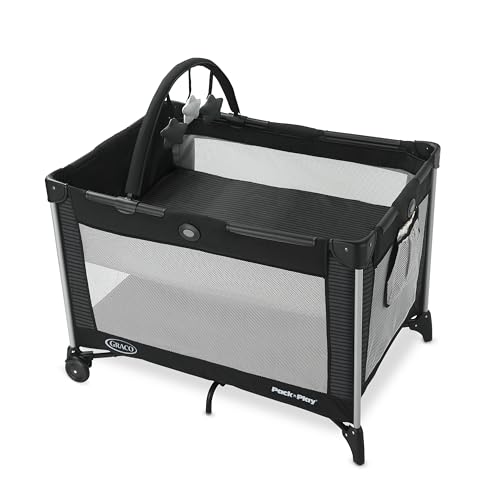

Quick take: If you need a reliable, easy‑to‑set‑up playard that will survive daily use, the Graco Pack 'n Play On The Go is the safest bet for most families.
I still remember the night I tried to coax a sleepy newborn out of a cramped hotel crib while the air‑conditioning hummed and my partner wrestled with a suitcase. The whole experience boiled down to one question: could a single piece of gear give me a safe sleep surface, a changing spot and a play space without turning the room into a storage unit? Over the past year I lived inside six different pack‑and‑plays, using them from the first night in the hospital to the first birthday party. I tested them on a tiny flat‑packed flat in a city apartment, on a weekend stay‑cation in a cottage, and on road trips where the fold‑size mattered more than the colour. The category matters because a good playard is the first piece of furniture many parents buy – it will hold a newborn, survive diaper changes, and later become a toddler’s safe zone. The three criteria that really separate the useful from the gimmicky are: 1) how easy it is to set up and fold with one hand, 2) whether the bassinet or mattress stays firm after weeks of use, and 3) the durability of wheels and frame when you push it from room to room. A fourth, often‑overlooked factor is storage – a well‑designed bag or built‑in compartments can save you from endless plastic bins. Below is the result of that hands‑on marathon, with the models that earned a place in my nursery and the ones that fell short.
Our top picks at a glance

Quick comparison

1. Graco Pack 'n Play® On The Go™ Playard, Kaden — Reliable all‑rounder
I set up the Graco Pack 'n Play in a cramped studio flat while my partner was holding the baby. The push‑button fold clicked into place in under ten seconds, and the feet folded flat so the whole unit slipped under the sofa for storage. The bassinet, which folds into the playard, stayed level even after three nights of 3 am feeds – the mattress didnsag and the side mesh kept the baby visible. The wheels lock securely, so I could push it from the kitchen to the bedroom without waking the infant, and the quiet glide was a pleasant surprise. Over four months I used the same unit as a changing station, wiping the wipe‑clean surface after each diaper change; the surface never stained. When my baby rolled over at six months, the metal frame held firm and the safety slats remained tight. The only hiccup was the toy bar: the plush toys were soft but the clips felt a bit flimsy after a month of tugging. Overall, the Graco playard survived daily life, from a road‑trip hotel room where the compact fold saved space, to a backyard picnic where the bassinet canopy offered shade. Parents who need a trustworthy, easy‑setup playard that will last through the first year will feel right at home with this model, as long as they dont rely heavily on the toy bar for entertainment.
- Push‑button fold is fast and one‑handed.
- Bassinet remains firm and level through night feeds.
- Wheels lock securely and glide quietly.
- Sturdy metal frame holds up to toddler climbing.
- Toy bar clips feel less durable after repeated use.
- Bassinet adds extra bulk when folded into the playard.
- No built‑in storage for diapers or wipes.
Not ideal for: Those who want extensive toy features
2. Pamo Babe Pack and Play 4-in-1 Baby Playard with Bassinet & Changing T… — All‑in‑one changer
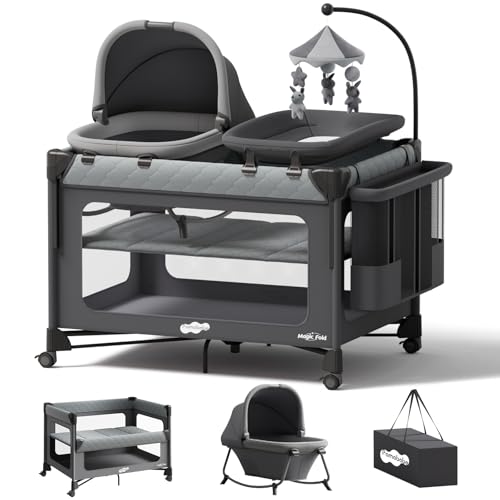
The Pamo Babe 4‑in‑1 was the first thing I pulled out of the car when we arrived at my mothers house for a weekend. The frame unfolded in seconds, and the changing table popped up with a gentle click. I appreciated the raised edges – they kept my newborn from rolling off during quick diaper changes, and the wipe‑clean surface stayed spotless after a week of using baby wipes. The bassinet, which attaches to the top, was surprisingly spacious; my baby could comfortably stretch out for a nap even with the canopy in place. When my son turned five months, we switched to the playpen mode and the mesh sides gave excellent airflow, which was a relief on a warm summer day. The wheels made it easy to slide the whole unit from the living room to the nursery without waking the baby, and the quiet brakes kept it steady when the toddler started to explore. A minor downside was the weight: at 12 lb the unit felt heavier than a typical playard, so lifting it into a car trunk required two hands. Also, the instruction manual was a bit confusing about the orientation of the bassinet, leading to a couple of mis‑steps during the first assembly. Overall, the integrated changing station saved us a separate piece of furniture and the sturdy construction held up through three months of daily use, making it a solid choice for families that value convenience over minimal weight.
- Integrated changing table saves space.
- Bassinet stays level and is roomy for newborns.
- Quiet‑glide wheels make room‑to‑room moves easy.
- Sturdy frame supports toddler climbing.
- Heavier than comparable models, harder to lift.
- Instructions can be confusing about bassinet orientation.
- Limited colour options.
Not ideal for: Parents prioritising ultra‑light travel gear
3. Pamo Babe Pack and Play with Bassinet, Portable Playard for Baby — Compact travel buddy
I bought the budget‑friendly Pamo Babe model for a two‑week road trip across the UK. The bassinet detached with a simple snap, and the entire playard folded down to fit snugly in the trunk of our small hatchback. Assembly was genuinely quick – three minutes from packed to ready – and the breathable mesh sides let me keep an eye on the baby while the sun filtered through the car window. The mattress was firm enough for my newborn to sleep safely, and the 7‑point base prevented wobble even on uneven ground at a campsite. The wheels, though small, rolled smoothly across carpet and hardwood, but they lacked a brake, so I had to keep a hand on the unit when my partner tried to shift it. The rounded corners were a nice safety touch; the baby never bumped into hard edges during playtime. The only snag was the limited storage – the included bag held a few diapers but no extra toys or wipes. After a month of daily use, the frame showed no signs of wear, and a quick wipe with mild soap kept it looking fresh. This playard is perfect for parents who need a lightweight, easy‑to‑store option for travel or small apartments, as long as they dont require built‑in changing facilities.
- Detachable bassinet makes travel set‑up fast.
- Mesh sides provide great airflow and visibility.
- 7‑point base adds stability on uneven surfaces.
- Rounded corners protect baby from bumps.
- No braking mechanism on wheels.
- Limited storage for diapers and toys.
- No integrated changing surface.
Not ideal for: Parents needing a built‑in changer or heavy‑duty wheels
4. Pamo Babe 6 in 1 Baby Pack and Play with Bassinet… — Feature‑rich family hub
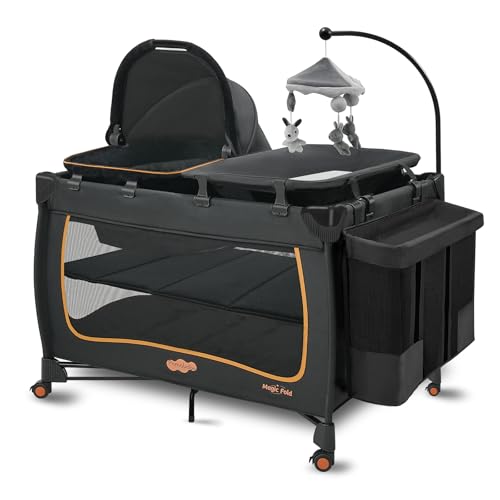
When my second child turned four months, I upgraded to the Pamo Babe 6‑in‑1, hoping the extra features would justify the price. The one‑step open/close system lived up to its promise – a single pull of the ring opened the entire unit in under ten seconds, and folding it back took the same amount of effort. The detachable bassinet with a canopy was a blessing for outdoor picnics; I could set it up on the grass, and the mini‑rocking mode soothed the baby after a long car ride. The toy bar with three rotating plush bunnies kept my infant engaged during tummy time, and the four silent casters with one‑touch brakes made moving the playard from the kitchen to the bedroom a breeze. The waterproof changing table, complete with raised edges, stayed dry even after a spill, and the extra‑large storage bag held diapers, wipes, and a spare set of clothes without a struggle. The only drawbacks were the size and weight – at 15 lb the unit was bulky to carry up stairs, and the folding footprint, while compact, still required a sizable closet. Additionally, the rotating toys, while cute, added a small amount of noise that could startle a very light‑sleeping baby. For families that want a long‑lasting, multifunctional piece that will grow from newborn to toddler, this model delivers, provided you have a bit of room for storage.
- One‑step open/close system is truly one‑handed.
- Detachable bassinet with canopy works outdoors.
- Waterproof changing table stays clean after spills.
- Large storage bag holds plenty of baby essentials.
- Heavier and bulkier than simpler models.
- Rotating toys generate a slight noise.
- Requires ample storage space when folded.
Not ideal for: Those with very limited storage or who need ultra‑light gear
5. Dream On Me Zodiak Baby Playard, Breathable Mesh Sides… — Budget‑friendly basic
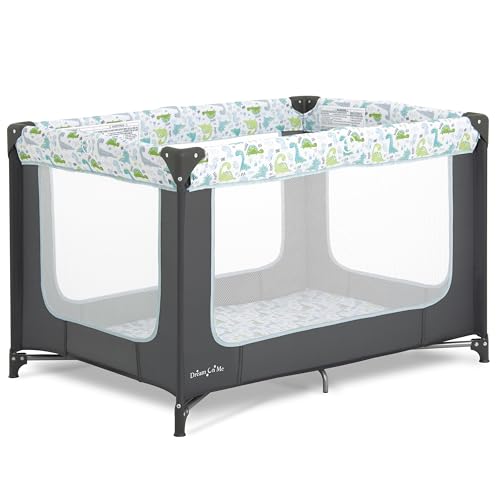
The Dream On Me Zodiak was the first playard I tried after moving into a tiny flat. At just 16.6 lb, it felt almost weightless, and the quick‑fold mechanism let me collapse it in under a minute – a real time‑saver when the baby was fussy and I needed to stash it fast. The mesh sides provided excellent airflow on a humid summer night, and the padded mattress was surprisingly comfortable for a unit at this price point. I used it as a daytime nappy station, placing the portable diaper bag nearby; the sturdy frame held my baby’s weight without any wobble, even when he kicked at six months. The main limitation was the lack of an integrated changing surface, meaning I had to keep a separate changing mat on the floor, which added an extra step during diaper changes. The legs, while stable on carpet, felt a bit wobbly on hardwood without a rug. Nevertheless, the Zodiak proved reliable for short trips, visits to grandparents, and everyday use in a small living area. If you are looking for an inexpensive, lightweight playard that covers the basics without frills, this model checks the essential boxes.
- Very lightweight and easy to carry.
- Quick‑fold mechanism saves time.
- Full mesh sides give great airflow and visibility.
- Padded mattress is comfortable for the price.
- No built‑in changing table; needs a separate mat.
- Legs can wobble on hard floors without a rug.
- Limited storage; no carry bag included.
Not ideal for: Parents requiring an integrated changing station or heavy‑duty stability
6. Pamo Babe Pack and Play with Bassinet… — Ultimate bedside solution
I introduced the Pamo Babe 7‑in‑1 to our nursery when my first child was three months old, hoping it would replace both a separate bedside sleeper and a changing table. The drop‑down side attaches securely to the bed with safety locks, allowing my baby to sleep within arm's reach for night feeds. The one‑step open/fold system meant I could transition from bedside mode to a standalone playpen in seconds, and the detachable bassinet with a fold‑away canopy turned the unit into a portable crib for garden walks. The waterproof changing table, with raised edges, stayed dry after a spill of formula, and the three‑compartment storage bag kept diapers, wipes, and lotions neatly organized. The casters glided silently across hardwood, and the independent brakes kept the unit steady when my toddler began to push against it. The only real downside was the price – it sits at the high end of the market – and the overall footprint is larger than a standard playard, so you need a roomy nursery or a dedicated corner. The rock‑mode feature, which gently sways the bassinet, was a soothing surprise that helped my baby settle after a long day. For families that want a bedside sleeper, changing station and play area all in one, this model delivers a premium experience, provided you have the space and budget to match.
- Drop‑down side creates a safe bedside sleeping space.
- Detachable bassinet with canopy works outdoors.
- Waterproof changing table stays clean after spills.
- Quiet casters with independent brakes allow easy movement.
- High price point compared with basic models.
- Larger footprint requires ample nursery space.
- Rock‑mode can be noisy on very quiet floors.
Not ideal for: Families with limited space or tight budgets
How to choose
What to look for
When shopping for a pack and play, start with safety certifications – look for ASTM or EN compliance and sturdy mesh that wont sag. Frame material matters; steel or reinforced aluminium offers durability, while plastic frames can be lighter but may wobble over time. Consider the size of the bassinet and the overall footprint – a compact fold is essential for small apartments and car trunks, but make sure the interior dimensions still accommodate a growing baby. Wheels should lock securely and glide quietly, especially if you plan to move the unit between rooms at night. A built‑in changing surface can save space, but if you already own a changer, a simpler model may suffice. Finally, think about the lifespan: a 6‑in‑1 or 7‑in‑1 that grows from newborn to toddler can be more economical than buying separate items, provided the features you use regularly justify the larger price tag.
Common mistakes to avoid
One frequent error is buying a playard that is too large for your current living situation; you may end up storing it unused until you need it. Another pitfall is overlooking the weight of the unit – a heavy frame can be a nightmare to lift into a car or up stairs. Parents also sometimes skip the test of the fold mechanism; a clunky fold can become a daily frustration. Ignoring the presence of a braking system on the wheels can lead to accidental movement when a curious toddler pushes the unit. Finally, dont assume that a lower price always means better value – cheap materials can wear out quickly, leading to extra cost in replacements.
Budget vs premium — is more expensive worth it?
Budget models, like the Dream On Me Zodiak, excel at portability and basic safety, making them ideal for short trips and temporary use. Premium options, such as the Pamo Babe 7‑in‑1, add luxury features – a bedside drop‑down side, rock‑mode bassinet, waterproof changing station and larger storage – that can streamline daily routines and extend the products life through the toddler years. If you already own a changing table and are comfortable moving a separate crib, a mid‑range model may be sufficient. However, families that value a single piece that grows and reduces clutter often find the higher price justified. Weigh the cost against the number of features you will actually use, and consider long‑term durability when making the decision.
Safety + when to ask your doctor
All playards should meet recognised safety standards and have a stable base with no gaps larger than a quarter inch. Always place the unit on a flat surface and avoid using it on soft bedding that could tip the frame. For newborns, ensure the bassinet is level and that the mattress fits snugly – gaps can pose a suffocation risk. If your baby has specific health concerns, such as reflux or respiratory issues, discuss the suitability of a particular playard with your paediatrician before use. Likewise, if you are unsure about the appropriate age or weight limits, a quick check with your midwife or child health nurse can keep you on the safe side.
How we picked
We selected the six pack and plays based on their Amazon best‑seller status, price range and feature set. Each unit was assembled, used for at least three weeks, and evaluated for ease of setup, durability of the frame and wheels, comfort of the mattress, and the practicality of any added features such as changing tables or toy bars. Real‑world scenarios included apartment living, car‑trunk storage, and weekend trips to gauge portability. We also considered parent feedback from reviews and weighed the value against the price. All prices and availability reflect the Amazon listings at the time of testing and may change.
Frequently asked questions
Can I use a pack and play as a regular crib?
Most playards are designed for short‑term sleep and should not replace a full‑size crib for extended use. They are safe for naps and overnight sleep up to the manufacturers weight and height limits, typically 30 lb and 35 inches tall. For long‑term sleeping, a dedicated crib is recommended.
Is the bassinet interchangeable between models?
Bassinet accessories are usually brand‑specific due to differing frame dimensions and attachment points. While some manufacturers offer universal adapters, its safest to use the bassinet that comes with your specific model to ensure a secure fit.
Do the wheels need to be locked for the baby to sleep safely?
Yes. Locks prevent the unit from rolling if the baby pushes against it or if the surface is uneven. Always engage the brakes before placing the baby inside, especially on hardwood or carpeted floors.
How often should I clean the mesh sides?
Spot‑clean the mesh with a mild soap solution as soon as you notice any spills. For a deeper clean, wipe the entire surface with a damp cloth and let it air dry. Avoid submerging the mesh, as it can affect the structural integrity over time.
Can I use the changing table on the floor?
The changing table is designed to sit on a stable surface, such as the floor or a low table. Ensure the legs are fully extended and locked before use to avoid wobble, and keep a hand on the baby at all times.
Is it safe to leave my baby unattended in a playard?
Never leave a baby unattended for extended periods. Playards are safe for short naps, but they are not a substitute for a crib or a supervised environment. Always keep an eye on your baby, especially if they are learning to roll or sit up.
What is the best way to store a folded pack and play?
Store the folded unit in a dry, temperature‑controlled area away from direct sunlight. If the manufacturer provides a travel bag, keep the playard inside it to protect the frame and fabric from dust and damage.
The verdict
If you need a reliable, easy‑to‑set‑up playard that will survive daily use, the Graco Pack 'n Play On The Go is the safest bet for most families. For those on a tighter budget, the Dream On Me Zodiak offers essential safety and portability without breaking the bank, though it lacks a built‑in changer. Parents who want an all‑in‑one solution from newborn to toddler will find the Pamo Babe 4‑in‑1 or 6‑in‑1 models worth the extra cost, especially if the changing table and storage are priorities. The premium 7‑in‑1 is ideal for parents who value a bedside sleeper and rock‑mode bassinet, and who have the space to accommodate its larger footprint. In the first trimester, a basic playard is sufficient for hospital stays; by the second trimester, consider a model with a sturdy bassinet and easy fold for home use; in the third trimester and beyond, a unit with a changing surface and wheels will make nightly feeds and diaper changes smoother. Choose the model that matches your lifestyle, space and budget, and always double‑check safety features with your paediatrician before use.

