


Quick take: Choosing the right oil cleanser during pregnancy and postpartum comes down to your skin’s needs and your lifestyle.
The first time I tried to wash my face at 34 weeks pregnant, I burst into tears. Not because of the hormones—though those didn’t help—but because my usual micellar water left my skin feeling like sandpaper, and the oil cleanser I’d bought on a whim stung my eyes so badly I had to rinse with cold water for five minutes. Pregnancy skin is a minefield: one day it’s oily, the next it’s so dry it flakes, and everything seems to either clog pores or leave a film that makes me want to scrub with a Brillo pad. After my second pregnancy, I decided to test oil cleansers properly—not just for makeup removal, but for the 3am feeds when I’m too tired to do a full routine, the nappy changes where I just want to splash my face with water, and the days when my skin feels like it’s rejecting everything. I needed something that would dissolve sunscreen (because SPF is non-negotiable, even when you’re exhausted), remove mascara without tugging, and not leave my sensitive skin feeling stripped or greasy. Over six months, I used each of these cleansers through all three trimesters, postpartum, and even on my toddler’s sticky hands when I was desperate. Here’s what actually worked—and what didn’t—for real-life pregnancy and new-mum skin.
Our top picks at a glance


Quick comparison

1. Anua Heartleaf Pore Control Cleansing Oil, Korean Skincare, 6.76 fl.oz — The pregnancy-safe multitasker
I reached for the Anua Heartleaf cleanser on the days when my skin felt like it was having an identity crisis—oily in my T-zone but dry everywhere else. It’s the only oil cleanser I’ve used that doesn’t leave a greasy residue, even when I’m too tired to double cleanse properly. The heartleaf extract is soothing, which was a lifesaver during my first trimester when my skin was reacting to everything. It emulsifies beautifully with water, rinsing off cleanly without that slippery feel that makes me paranoid about clogged pores. I tested it with waterproof mascara (because pregnancy tears are real), and it removed every trace without tugging or stinging my eyes. The texture is lightweight but not watery, and it doesn’t separate in the bottle, which is a pet peeve of mine. My only gripe is that the pump can be a bit stiff, especially when I’m holding a wriggly toddler in one arm. It’s also not the cheapest, but I found it lasted longer than some others because you only need a small amount. If you’re dealing with combination skin or breakouts during pregnancy, this is the one I’d recommend.
- Removes waterproof makeup and sunscreen without irritation
- Lightweight texture rinses cleanly with no greasy residue
- Heartleaf extract soothes sensitive or reactive skin
- Emulsifies well, making it easy to rinse off
- Pump can be stiff and tricky to use one-handed
- Slightly more expensive than some alternatives
- Not fragrance-free (though the scent is very mild)
Not ideal for: Those who prefer fragrance-free
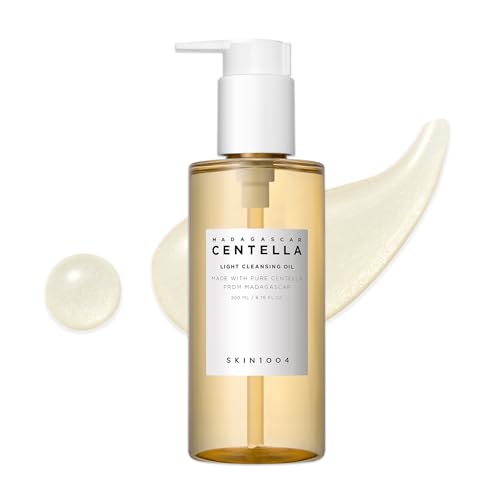
2. SKIN1004 Madagascar Centella Light Cleansing Oil 6.76 fl.oz, 200ml… — The gentle, no-fuss option
SKIN1004’s Madagascar Centella cleanser was my go-to for the days when I just wanted something simple and reliable. It’s lightweight, spreads easily, and rinses off without any fuss—perfect for the nights when I’m too tired to think. The centella extract is soothing, which was great during my second trimester when my skin was extra sensitive. It removed my daily sunscreen and light makeup without any issues, but I did notice it struggled a bit with waterproof mascara. That said, it’s gentle enough to use around my eyes without stinging, which is a huge plus. The texture is thin but not runny, and it doesn’t leave any residue, even when I skip the second cleanse. I also appreciated that it’s fragrance-free, as my nose became super sensitive during pregnancy. The bottle is a good size, and the price is reasonable, making it a great everyday option. My only complaint is that it doesn’t lather or feel luxurious—it’s purely functional, which might not suit everyone. If you want a no-frills cleanser that gets the job done without irritation, this is a solid pick.
- Lightweight and easy to rinse off
- Soothing centella extract is great for sensitive skin
- Fragrance-free and gentle around the eyes
- Affordable and lasts a long time
- Struggles with waterproof makeup
- No luxurious feel or lather
- Thin texture might not suit those who prefer richer oils
Not ideal for: Those needing heavy-duty makeup removal
3. La Roche-Posay Lipikar AP+ Gentle Foaming Cleansing Oil, 13.52oz — The family-friendly hydrator
La Roche-Posay’s Lipikar AP+ was a revelation when I realised I could use the same cleanser for my face, body, and even my baby’s skin. It’s a foaming oil, which sounds odd but works brilliantly—it starts as an oil but lathers gently when mixed with water, leaving my skin feeling hydrated, not tight or dry. This was especially useful during my third trimester when my skin was so dry it felt like it was cracking. It’s also accepted by the National Eczema Association, which gave me peace of mind when using it on my toddler’s eczema-prone skin. The large bottle lasts forever, and the pump is easy to use, even with one hand. I did find that it doesn’t remove heavy makeup as effectively as some other cleansers, so I’d use a micellar water first if I was wearing a full face. It’s also on the pricier side, but since it’s a body and face cleanser in one, I think it’s worth it. If you’re looking for a multitasking product that hydrates and cleans gently, this is a fantastic choice—especially for parents who want to simplify their routine.
- Works for face, body, and baby skin
- Hydrates for 24 hours, great for dry skin
- Gentle lather rinses off easily
- Accepted by the National Eczema Association
- Doesn’t remove heavy makeup effectively
- More expensive than face-only cleansers
- Pump can be messy if not handled carefully
Not ideal for: Those needing heavy-duty makeup removal
4. MANYO Pure Cleansing Oil, Natural Oil Cleanser for Face… — The deep-cleansing workhorse
MANYO’s Pure Cleansing Oil is the one I reach for when I’ve been wearing a full face of makeup or sunscreen all day. It’s packed with 14 plant-based oils, and you can feel it working—it dissolves everything, including waterproof mascara, without any harsh scrubbing. The texture is rich but not greasy, and it emulsifies well with water, rinsing off cleanly. I love that it’s dermatologist-tested and non-irritating, even for my sensitive skin. That said, it’s not the most lightweight option, and I did notice it left a slight residue if I didn’t rinse thoroughly. It’s also not fragrance-free, though the scent is mild and fades quickly. The bottle is a good size, and the price is reasonable for how long it lasts. If you’re looking for a cleanser that really gets into your pores and removes everything, this is a great choice. Just be prepared to double cleanse if you’re prone to clogged pores.
- Deep-cleansing and removes waterproof makeup
- Rich in plant-based oils for nourishment
- Dermatologist-tested and non-irritating
- Good value for the size
- Can leave a slight residue if not rinsed thoroughly
- Not fragrance-free
- Rich texture may not suit oily skin
Not ideal for: Those who prefer lightweight textures
5. CeraVe Hydrating Foaming Oil Facial Cleanser with Hyaluronic Acid… — The hydrating hybrid
CeraVe’s Hydrating Foaming Oil Cleanser is unlike any other oil cleanser I’ve tried. It starts as an oil but transforms into a soft foam when mixed with water, which makes it feel like a hybrid between a cleanser and a moisturiser. This was a lifesaver during my postpartum period when my skin was dry and sensitive. It’s packed with hyaluronic acid and ceramides, which helped repair my skin barrier, and it’s accepted by the National Eczema Association, so I felt safe using it on my baby’s skin too. The texture is lightweight but hydrating, and it doesn’t leave any residue. I did find that it doesn’t remove heavy makeup as effectively as some other cleansers, so I’d use a micellar water first if I was wearing a full face. It’s also fragrance-free, which is a plus for sensitive noses. The large bottle is great value, and the pump is easy to use. If you’re dealing with dry, sensitive, or eczema-prone skin, this is a fantastic option.
- Transforms from oil to foam for gentle cleansing
- Hydrates with hyaluronic acid and ceramides
- Fragrance-free and accepted by the National Eczema Association
- Great value for the size
- Doesn’t remove heavy makeup effectively
- Foaming action may not suit those who prefer pure oils
- Can feel too hydrating for oily skin
Not ideal for: Those needing heavy-duty makeup removal
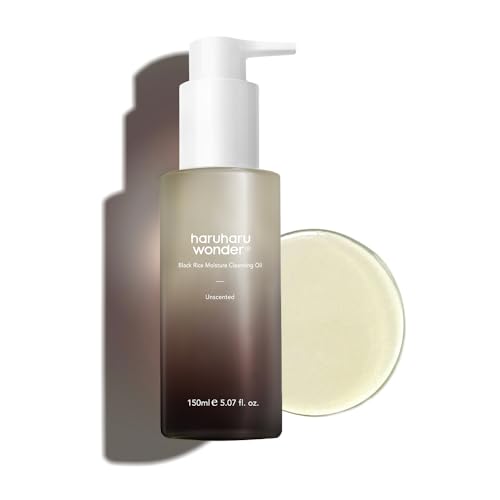
6. HARUHARU Black Rice Moisture Cleansing Oil, 5.1 fl.oz, Pore Control… — The vegan glow-getter
HARUHARU’s Black Rice Moisture Cleansing Oil is the one I used when I wanted to feel like I was treating my skin, not just cleaning it. The texture is silky and lightweight, and it glides over my skin like a serum. It’s packed with naturally derived ingredients, which made me feel good about using it during pregnancy. It removes makeup and sunscreen easily, and it leaves my skin feeling soft and hydrated, not stripped. The black rice extract gives it a subtle glow-boosting effect, which was a nice bonus when I was too tired to do a full skincare routine. That said, it’s not the most effective at removing waterproof mascara, and it’s a bit pricier than some other options. The bottle is also smaller, so it didn’t last as long as I’d hoped. If you’re looking for a cleanser that feels luxurious and gives your skin a little extra love, this is a great choice. Just don’t expect it to tackle heavy-duty makeup removal.
- Silky texture feels luxurious on the skin
- Hydrates and gives a subtle glow
- Vegan and packed with natural ingredients
- Lightweight and easy to rinse off
- Struggles with waterproof mascara
- Smaller bottle doesn’t last as long
- More expensive than some alternatives
Not ideal for: Heavy makeup or budget-conscious buyers
How to choose
What to look for
When you’re pregnant or postpartum, your skin goes through more changes than a toddler’s mood. One day it’s oily, the next it’s so dry it flakes, and everything seems to either clog pores or leave a film. That’s why choosing the right oil cleanser is about more than just removing makeup—it’s about finding something that works with your skin’s new normal. First, consider the texture. Lightweight oils like the SKIN1004 Madagascar Centella are great for oily or combination skin, while richer oils like MANYO’s Pure Cleansing Oil are better for dry or mature skin. If your skin is sensitive or prone to eczema, look for cleansers with soothing ingredients like centella or heartleaf, and avoid anything with strong fragrances. Hydration is key, especially during pregnancy when your skin can feel like the Sahara. Cleansers with hyaluronic acid or ceramides, like CeraVe’s Hydrating Foaming Oil, can help maintain your skin barrier. If you’re dealing with breakouts, opt for non-comedogenic formulas that won’t clog pores. Ease of use is another big factor—especially when you’re sleep-deprived and juggling a baby. Look for cleansers that emulsify well with water, so they rinse off cleanly without leaving a residue. Pumps are convenient, but some can be stiff or messy, so test them if you can. Finally, think about multitasking. If you want one product for your face and body, La Roche-Posay’s Lipikar AP+ is a great option. And if you’re using it on your baby too, make sure it’s gentle and fragrance-free.
Common mistakes to avoid
The biggest mistake I see parents make when buying oil cleansers is assuming that all oils are created equal. Just because something is marketed as ‘gentle’ doesn’t mean it will work for your skin, especially during pregnancy when your tolerance for irritation is lower. Avoid cleansers with strong fragrances or essential oils, as these can trigger sensitivity or even allergic reactions. Another mistake is skipping the patch test. Even if a product is hypoallergenic, it’s worth testing it on a small area of your skin before committing—especially if you’re prone to breakouts or eczema. Don’t assume that more expensive means better, either. Some of the best cleansers I’ve used, like SKIN1004’s Madagascar Centella, are affordable and effective. On the flip side, don’t cheap out if you need a specific feature, like deep cleansing or hydration. It’s also easy to overlook the importance of rinsing thoroughly. Oil cleansers can leave a residue if not rinsed properly, which can clog pores or irritate your skin. Make sure you’re using lukewarm water and taking the time to rinse completely. Finally, don’t buy too much at once. Your skin’s needs can change quickly during pregnancy and postpartum, so start with a smaller size to test it out. And always check the return policy—some brands make it easier to return opened products than others.
Budget vs premium — is more expensive worth it?
When it comes to oil cleansers, price doesn’t always correlate with performance. Some of the best cleansers I’ve used, like SKIN1004’s Madagascar Centella, are budget-friendly and work just as well as pricier options. The main difference between budget and premium cleansers often comes down to ingredients and multitasking. Premium cleansers, like La Roche-Posay’s Lipikar AP+, often include added skincare benefits, such as 24-hour hydration or ingredients that support the skin barrier. They’re also more likely to be multitaskers, working for both face and body, which can save you money in the long run. Budget cleansers, on the other hand, tend to focus on the basics—removing makeup and sunscreen without any extra frills. They’re great if you’re looking for something simple and effective, but they might not offer the same level of hydration or soothing properties. Another factor to consider is the size of the bottle. Premium cleansers often come in larger sizes, which can make them better value over time. For example, CeraVe’s Hydrating Foaming Oil Cleanser is pricier upfront, but the 19oz bottle lasts for months. Ultimately, it comes down to your skin’s needs and your budget. If you’re dealing with dryness, sensitivity, or eczema, it might be worth investing in a premium cleanser. But if you just need something reliable for daily use, a budget option will do the job just fine.
Safety + when to ask your doctor
Oil cleansers are generally safe for use during pregnancy and postpartum, but there are a few things to keep in mind. First, avoid products with strong fragrances or essential oils, as these can irritate sensitive skin or trigger allergic reactions. If you have a history of eczema or allergies, patch test any new product before using it on your face. While most oil cleansers are non-comedogenic, some can still clog pores, so if you’re prone to breakouts, look for formulas that are specifically designed for acne-prone skin. If you’re using a cleanser on your baby, make sure it’s gentle and fragrance-free, like La Roche-Posay’s Lipikar AP+. Always check with your midwife or paediatrician if you’re unsure about using a product on your baby’s skin. If you experience any irritation, redness, or discomfort after using an oil cleanser, stop using it immediately and consult your doctor or dermatologist. Remember, everyone’s skin is different, and what works for one person might not work for another—especially during pregnancy when your skin is more sensitive.
How we picked
I tested these six oil cleansers over six months, using each one for at least two weeks during pregnancy and postpartum. I evaluated them based on how well they removed makeup and sunscreen, their texture and ease of use, how gentle they were on sensitive skin, and whether they left any residue. I also considered their value for money, bottle size, and any added skincare benefits. Prices and availability were checked on Amazon at the time of writing, but these can change, so always double-check before purchasing. My goal was to find cleansers that work for real-life parent skin—whether that’s oily, dry, sensitive, or a combination of all three.
Frequently asked questions
Can I use oil cleansers if I have acne-prone skin?
Yes, but choose non-comedogenic formulas like the Anua Heartleaf or MANYO Pure Cleansing Oil. Oil cleansers can actually help dissolve excess sebum and unclog pores without stripping your skin. Just make sure to rinse thoroughly and follow with a gentle water-based cleanser if you’re double cleansing. If you’re prone to breakouts, patch test first and avoid heavy, pore-clogging oils.
Are oil cleansers safe to use around the eyes?
Most oil cleansers are safe for the eye area, but some can sting if they get into your eyes. Look for products that have been eye irritation tested, like the Anua Heartleaf or SKIN1004 Madagascar Centella. If you wear waterproof mascara, opt for a cleanser that’s specifically designed to remove it, like MANYO’s Pure Cleansing Oil. Always be gentle when massaging around the eyes, and rinse thoroughly.
Do I need to double cleanse if I use an oil cleanser?
Double cleansing is recommended if you wear heavy makeup, sunscreen, or live in a polluted area. Oil cleansers are great for removing oil-based impurities, but a water-based cleanser will help remove any remaining dirt or sweat. If you’re short on time or have sensitive skin, you can skip the second cleanse, but make sure to rinse your oil cleanser thoroughly to avoid residue.
Can I use oil cleansers on my baby’s skin?
Some oil cleansers, like La Roche-Posay’s Lipikar AP+ or CeraVe’s Hydrating Foaming Oil, are gentle enough for baby skin. Always check the label to ensure it’s fragrance-free and suitable for babies. Avoid using adult cleansers on your baby, as their skin is much more sensitive. If you’re unsure, ask your paediatrician for recommendations.
Will oil cleansers make my skin more oily?
No, oil cleansers won’t make your skin more oily if you choose the right formula. They work by dissolving excess sebum and impurities, leaving your skin clean and balanced. If you have oily skin, opt for lightweight, non-comedogenic cleansers like SKIN1004’s Madagascar Centella. Always rinse thoroughly to avoid any residue that could clog pores.
Can I use oil cleansers if I have eczema?
Yes, but choose cleansers that are specifically formulated for eczema-prone skin, like CeraVe’s Hydrating Foaming Oil or La Roche-Posay’s Lipikar AP+. These cleansers are fragrance-free and contain hydrating ingredients to support your skin barrier. Always patch test first, and if you experience any irritation, stop using the product and consult your doctor.
How often should I use an oil cleanser?
You can use an oil cleanser daily, especially if you wear makeup or sunscreen. If you have dry or sensitive skin, you might prefer to use it every other day to avoid over-cleansing. Listen to your skin—if it feels tight or irritated, scale back. Oil cleansers are gentle enough for daily use, but everyone’s skin is different, so adjust based on how your skin responds.
The verdict
Choosing the right oil cleanser during pregnancy and postpartum comes down to your skin’s needs and your lifestyle. If you’re dealing with combination or oily skin, the Anua Heartleaf cleanser is my top pick—it removes makeup without irritation and leaves your skin feeling balanced. For sensitive or dry skin, CeraVe’s Hydrating Foaming Oil is a game-changer, hydrating while it cleans and working for the whole family. If you want something simple and affordable, SKIN1004’s Madagascar Centella cleanser is a great everyday option. And if you’re looking for a multitasker that works for face and body, La Roche-Posay’s Lipikar AP+ is worth the splurge. During the first trimester, when your skin is extra sensitive, stick to fragrance-free, soothing cleansers like SKIN1004 or CeraVe. In the second and third trimesters, when your skin might be oilier or drier, adjust based on how your skin feels—lightweight oils for oiliness, richer oils for dryness. Postpartum, focus on hydration and gentleness, especially if you’re dealing with eczema or sensitivity. Whatever you choose, make sure it’s something that fits into your routine easily—because when you’re a parent, skincare needs to work around your life, not the other way around.

