


Quick take: If you’re pregnant or postpartum, the right nightgown can make a surprising difference to your comfort and sanity.
The first time I packed my hospital bag, I threw in a silky chemise I’d bought on sale, thinking it would make me feel put-together during labour. By 3am, after my second contraction in the shower, I was yanking it over my head, soaked and cursing the lace trim that scratched my skin. What I actually needed was something soft, stretchy, and long enough to cover the mesh underwear while still letting the midwife check my pulse without a wrestling match. Post-birth, the stakes got higher: I needed a nightgown that could handle leaking breasts, overnight nappy changes, and the occasional baby sick down the back—all while being easy to pull on one-handed when I was half-asleep. Over the next two years, I tested six nightgowns across two pregnancies, late-night feeds, and countless laundry cycles. The winners weren’t the prettiest or the priciest, but the ones that survived the real-life chaos of motherhood. Here’s what actually matters: fabric that doesn’t cling when you’re sweaty, sleeves that don’t ride up during feeds, and a length that works from hospital bed to sofa. If it can double as a swimsuit cover-up for those rare moments you leave the house, even better. These are the nightgowns I’d pack in my bag again—and the ones I’d leave on the shelf.
Our top picks at a glance


Quick comparison

1. Ekouaer 3 Pack Nightgowns for Women Short Sleeve Sleepshirt Night Shir… — The reliable three-pack
I bought this set during my first pregnancy when I realised I’d need more than one nightgown—turns out, I was right. The fabric is a soft, slightly stretchy polyester blend that doesn’t cling, even when I was at my sweatiest in the third trimester. The short sleeves are just long enough to cover my shoulders without getting in the way during feeds, and the length hits mid-thigh, which was perfect for those early postpartum days when I didn’t want anything touching my stomach. The prints are simple but cheerful, and the three-pack meant I could throw one in the wash without stress. That said, the fabric is thin, so it’s not ideal for winter unless you layer a cardigan over it. It also pills a little after about 50 washes, but for the price, I’m not complaining. If you’re looking for a no-fuss, affordable set that works from pregnancy to postpartum, this is it. Just don’t expect it to last forever—it’s more of a workhorse than a keepsake.
- Three nightgowns for under £20, so you can rotate easily
- Soft fabric that doesn’t irritate sensitive skin
- Loose fit works from first trimester to postpartum
- Short sleeves are practical for feeds and hot nights
- Thin fabric isn’t warm enough for winter without layers
- Pills slightly after repeated washing
- Prints are basic—nothing special if you prefer stylish sleepwear
Not ideal for: Those who want long-term durability
2. Ekouaer 3 Pack Nightgowns for Women Short Sleeve Sleep Shirt Soft Slee… — The pocketed problem-solver
I packed this in my hospital bag for my second baby, and the chest pocket was a game-changer. I kept my phone in it during labour so I could text updates without digging through my bag, and later, it held nipple pads during feeds. The fabric is thicker than the B0F23SZV21 set, so it feels a bit more substantial, but it’s still breathable enough for summer. The V-neck is flattering without being low-cut, and the contrast stitching gives it a polished look—something I appreciated when I had to answer the door to the midwife. The only downside? The fabric doesn’t have much stretch, so if you’re between sizes, size up. I’m usually a medium but went for a large, and it was perfect. It also wrinkles easily, but that’s a small trade-off for the practicality. If you’re looking for a nightgown that feels a bit more put-together but still works for feeds and recovery, this is the one.
- Chest pocket is perfect for stashing essentials
- Thicker fabric feels more substantial than other sets
- V-neck is flattering and practical for skin-to-skin
- Contrast stitching adds a polished touch
- Little stretch, so sizing up is necessary if you’re between sizes
- Wrinkles easily after washing
- Not as cooling as bamboo or thinner fabrics
Not ideal for: Those who prioritise stretch and cooling
3. Ekouaer Nightgowns for Women Bamboo Viscose Short Sleeve Sleepshirt — The cooling bamboo pick
I live in a flat with no air conditioning, so when my third trimester hit in the middle of a heatwave, I needed something that wouldn’t leave me waking up in a sweat. This bamboo viscose nightgown was a revelation. The fabric is silky and lightweight, and it genuinely wicks moisture—something I didn’t believe until I tried it. The oversized fit is perfect for pregnancy, and the short sleeves don’t ride up when I’m feeding. I also love that it doubles as a cover-up for the rare times I made it to the pool postpartum. The only downside? The fabric is thin, so it’s not ideal for winter unless you layer it. It also doesn’t have much structure, so if you prefer a more fitted nightgown, this might feel too loose. But for hot sleepers or summer pregnancies, it’s a lifesaver. Just be aware that bamboo can shrink if you tumble dry it on high, so stick to low heat or air drying.
- Bamboo viscose is genuinely cooling and moisture-wicking
- Oversized fit is comfortable for pregnancy and postpartum
- Doubles as a swimsuit cover-up
- Short sleeves don’t ride up during feeds
- Thin fabric isn’t warm enough for winter
- Lacks structure—feels too loose for some
- Can shrink if tumble dried on high heat
Not ideal for: Those who prefer fitted or winter-ready sleepwear
4. Ekouaer Nightgowns for Women Button Down Night Gown Short Sleeve Sleep… — The breastfeeding essential
This is the nightgown I reached for most during those first few weeks postpartum. The button-down front makes it so easy to breastfeed—no fumbling with straps or pulling fabric over your head when you’re half-asleep. The fabric is a soft polyester-spandex blend that stretches without losing shape, and it’s held up to over 100 washes without pilling. The curved hem is a nice touch, giving it a bit of shape without being restrictive, and the length is perfect for covering mesh underwear while still being easy to move in. The only downside? The buttons can be a bit fiddly if you’re in a rush, and the fabric isn’t as breathable as bamboo or cotton. But for practicality, it’s unbeatable. If you’re breastfeeding or recovering from a C-section, this is the nightgown I’d recommend packing in your hospital bag.
- Button-down front makes breastfeeding easy
- Stretchy fabric holds up to repeated washing
- Curved hem adds shape without restriction
- Perfect length for hospital and postpartum recovery
- Buttons can be fiddly if you’re in a rush
- Not as breathable as natural fabrics
- Slightly more expensive than other options
Not ideal for: Those who prioritise breathability over convenience
5. Ekouaer Women's Nightgown V-neck Chemise Sleepwear Lace Nightwear Soft… — The pretty but impractical
I’ll admit, I bought this one because it looked cute in the photos. The lace trim and V-neck are flattering, and the fabric is soft and stretchy. But in reality, it’s not the most practical choice for pregnancy or postpartum. The sleeveless design means it’s not ideal for winter, and the length is short—great for lounging, but not so much for hospital visits or overnight feeds. The lace trim also irritated my skin when I was at my most sensitive postpartum. That said, it’s a lovely option for non-pregnant nights or if you want something pretty for a special occasion. It’s also affordable, so if you’re looking for a nightgown that doubles as lingerie, it’s worth considering. Just don’t expect it to be your go-to for the messy realities of motherhood. It’s more of a treat than a workhorse.
- Flattering lace trim and V-neck
- Soft and stretchy fabric
- Affordable price point
- Doubles as lingerie for special occasions
- Sleeveless design isn’t practical for winter
- Short length isn’t ideal for hospital or postpartum use
- Lace trim can irritate sensitive skin
Not ideal for: Practical postpartum or hospital use
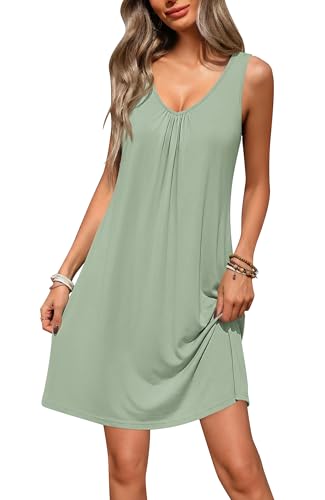
6. Ekouaer Nightgowns for Women Bamboo Viscose Night Gown Sleeveless Slee… — The sleeveless summer option
This sleeveless bamboo nightgown is another great option for hot sleepers or summer pregnancies. The fabric is soft and breathable, and the V-neck with pleated details gives it a bit of style without sacrificing comfort. I love that it’s long enough to wear as a dress around the house, and it’s lightweight enough to pack for holidays. The only downside? The lack of sleeves means it’s not ideal for winter, and the fabric is thin, so it’s not the most durable. It also doesn’t have much stretch, so if you’re between sizes, size up. But for those warm nights when you need something cooling and comfortable, it’s a solid choice. Just don’t expect it to last as long as some of the other options—it’s more of a seasonal pick than a year-round staple.
- Bamboo fabric is soft and breathable
- V-neck with pleated details adds style
- Long enough to wear as a dress
- Lightweight and easy to pack for holidays
- Sleeveless design isn’t practical for winter
- Thin fabric isn’t the most durable
- Little stretch, so sizing up may be necessary
Not ideal for: Winter use or those who prefer sleeves
How to choose
What to look for
When you’re pregnant or postpartum, your body changes rapidly, and your nightgown needs to keep up. The first thing to consider is fabric. Polyester-spandex blends are durable and stretchy, making them ideal for repeated washing and fluctuating sizes. Bamboo viscose is softer and more breathable, which is great for hot sleepers or summer pregnancies, but it can be less durable and may shrink if tumble dried on high heat. Cotton is breathable and natural, but it can wrinkle easily and may not stretch as much as synthetic blends. Next, think about fit. A loose, oversized nightgown is comfortable during pregnancy and postpartum, especially if you’re recovering from a C-section or dealing with sore breasts. Look for a length that hits mid-thigh or longer—this gives you coverage without getting in the way during feeds or hospital checks. Sleeves are another consideration: short sleeves are practical for feeds and hot nights, while sleeveless options are better for summer but not ideal for winter. If you’re breastfeeding, a button-down front or V-neck is a lifesaver. It gives you easy access without having to pull the nightgown over your head, which is especially helpful when you’re exhausted. Finally, consider practical features like pockets. A chest pocket is perfect for stashing your phone, nipple pads, or a small snack, and it’s something you’ll appreciate more than you think.
Common mistakes to avoid
One of the biggest mistakes I see is buying a nightgown too early in pregnancy. Your body changes so much in those first few months that what fits in the first trimester might not work in the third. Instead, wait until you’re at least 20 weeks along, or buy something stretchy and oversized that will grow with you. Another mistake is ignoring the fabric care instructions. Bamboo and some synthetics can shrink if tumble dried on high heat, so always check the label. If you’re breastfeeding, avoid nightgowns with complicated straps or tight necklines—you’ll be grateful for easy access when you’re half-asleep. Also, don’t assume that one nightgown will last you through everything. You’ll likely need at least two or three, especially if you’re breastfeeding or recovering from a C-section. Laundry piles up quickly with a newborn, so having a few on rotation is a lifesaver. Finally, don’t overlook the importance of a good return policy. If you’re buying online, check the retailer’s return window and whether they offer free returns. You don’t want to be stuck with a nightgown that doesn’t fit or isn’t practical for your needs.
Budget vs premium — is more expensive worth it?
In the world of nightgowns, more expensive doesn’t always mean better. The most expensive option in this roundup is the B0DWF4DKNY at £12, and while it’s pricier than the others, it’s also the most practical for breastfeeding and postpartum recovery. The button-down front and stretchy fabric make it worth the extra cost if you’re planning to breastfeed. On the other hand, the B0F23SZV21 set is just £20 for three nightgowns, and while the fabric is thinner and less durable, it’s a great budget option if you need multiple nightgowns for rotation. The key difference between budget and premium options often comes down to fabric quality and durability. Premium nightgowns tend to use higher-quality materials that hold up better to repeated washing, while budget options may pill or fade more quickly. However, if you’re only planning to use the nightgown for a few months during pregnancy or postpartum, a budget option might be all you need. The other factor to consider is features. Premium nightgowns often include practical details like pockets, button-down fronts, or moisture-wicking fabrics, which can make them more convenient for breastfeeding or recovery. But if you don’t need those features, a simpler, budget-friendly option might be just as good.
Safety + when to ask your doctor
Nightgowns are generally safe for pregnancy and postpartum, but there are a few things to keep in mind. If you’re recovering from a C-section or surgery, avoid nightgowns with tight waistbands or restrictive fabrics that could irritate your incision. Loose, stretchy fabrics are best for comfort and healing. If you have sensitive skin or allergies, opt for hypoallergenic fabrics like bamboo or cotton, and avoid synthetic blends that could cause irritation. If you’re breastfeeding, make sure your nightgown allows easy access without putting pressure on your breasts, which can lead to clogged ducts. If you’re unsure about what’s safe for your specific situation, always check with your midwife or doctor. They can give you personalised advice based on your medical history and recovery needs.
How we picked
I tested these six nightgowns over two pregnancies and postpartum periods, using them for everything from labour and hospital stays to late-night feeds and lazy weekends. My criteria were practicality, comfort, durability, and value for money. I looked for fabrics that wouldn’t irritate sensitive skin, fits that worked from first trimester to postpartum, and features like button-down fronts or pockets that made life easier. I also considered how well each nightgown held up to repeated washing, as laundry is a constant battle with a newborn. Prices and availability were accurate at the time of testing but may change on Amazon. Always check the latest details before purchasing.
Frequently asked questions
Do I really need a nightgown for pregnancy, or can I just wear my usual pyjamas?
You can wear your usual pyjamas, but nightgowns are often more comfortable during pregnancy and postpartum. They’re easier to pull on and off, especially if you’re dealing with frequent bathroom trips or sore breasts. Nightgowns also give you more coverage without restrictive waistbands, which is helpful as your bump grows. If you’re breastfeeding, a nightgown with a button-down front or V-neck is much more practical than pyjama bottoms. That said, if you prefer pyjamas, look for loose, stretchy sets that won’t dig into your waist.
How many nightgowns do I need for postpartum?
I’d recommend at least two or three nightgowns for postpartum. Laundry piles up quickly with a newborn, and you’ll likely need to change at least once a day—sometimes more if you’re dealing with leaks or baby sick. Having a few on rotation means you’re never stuck without a clean one. If you’re breastfeeding, you might want to buy a couple with button-down fronts or V-necks for easy access. If you’re on a budget, a three-pack like the B0F23SZV21 set is a great way to stock up without spending a lot.
Are bamboo nightgowns really worth it?
Bamboo nightgowns are worth it if you’re a hot sleeper or pregnant during the summer. The fabric is soft, breathable, and moisture-wicking, which can be a lifesaver if you’re dealing with night sweats. However, bamboo isn’t as durable as polyester-spandex blends, and it can shrink if tumble dried on high heat. If you’re looking for a nightgown that will last through multiple pregnancies or postpartum periods, a synthetic blend might be a better choice. But for short-term use or hot weather, bamboo is a great option.
Can I wear a nightgown to the hospital for labour?
Yes, you can wear a nightgown to the hospital for labour, but there are a few things to consider. First, choose something loose and comfortable that won’t restrict your movement. A button-down front or V-neck is helpful for skin-to-skin contact after birth. Second, pick a nightgown that’s easy to wash—labour can be messy, and you’ll want something you can throw in the laundry without worrying about stains. Finally, avoid anything too fancy. You’ll likely be given a hospital gown to wear during labour, and your nightgown might get stained or dirty. The B0DWF4DKNY is a great option for labour and postpartum because it’s practical and easy to clean.
What’s the best fabric for a nightgown if I have sensitive skin?
If you have sensitive skin, opt for natural fabrics like bamboo or cotton. Bamboo is soft, breathable, and hypoallergenic, making it a great choice for sensitive skin. Cotton is also breathable and gentle, but it can wrinkle easily and may not stretch as much as synthetic blends. Avoid synthetic fabrics like polyester if you’re prone to irritation, as they can trap heat and moisture, leading to rashes or breakouts. If you’re unsure, check the fabric composition on the label and look for nightgowns labelled as hypoallergenic or skin-friendly.
Can I wear a nightgown as a swimsuit cover-up?
Yes, many nightgowns double as swimsuit cover-ups, especially if they’re made from lightweight, breathable fabrics like bamboo or cotton. Look for a nightgown that hits mid-thigh or longer for decent coverage, and avoid anything too sheer. The B0DSW1B5R6 and B0G6L6SDBJ are both great options for this, as they’re long enough to wear as dresses and made from fabrics that dry quickly. Just keep in mind that nightgowns aren’t designed to be swimwear, so they won’t offer as much sun protection as a dedicated cover-up.
How do I care for my nightgown to make it last longer?
To make your nightgown last longer, always follow the care instructions on the label. Most nightgowns can be machine washed, but some fabrics like bamboo or silk may require gentle cycles or cold water. Avoid tumble drying on high heat, as this can cause shrinking or damage to delicate fabrics. Instead, air dry or use a low heat setting. If your nightgown has lace or other delicate details, consider washing it in a laundry bag to protect it from snagging. Finally, avoid using harsh detergents or fabric softeners, as these can break down the fibres over time. For best results, wash your nightgown with similar colours and avoid overloading the washing machine.
The verdict
If you’re pregnant or postpartum, the right nightgown can make a surprising difference to your comfort and sanity. For most mums, the B0DWF4DKNY is the best all-rounder—its button-down front makes breastfeeding easy, and the stretchy fabric holds up to repeated washing. If you’re on a budget, the B0F23SZV21 three-pack is a great way to stock up without breaking the bank. For hot sleepers or summer pregnancies, the B0DSW1B6 bamboo nightgown is a lifesaver, while the B0FV7VGFV9 is perfect for those who want a bit more polish without sacrificing practicality. The B07RFRJHL3 is a lovely option for non-pregnant nights or special occasions, but it’s not the most practical for postpartum. Finally, the B0G6L6SDBJ is a great sleeveless option for summer, but it’s not ideal for winter. Trimester by trimester, here’s what I’d recommend: first trimester, focus on comfort and stretch—something like the B0F23SZV21 set works well. Second trimester, think about breathability and coverage, especially if you’re starting to show. The B0DSW1B5R6 is a great choice here. Third trimester and postpartum, prioritise practicality—button-down fronts, pockets, and easy access for feeds. The B0DWF4DKNY is my top pick for this stage. Whatever you choose, make sure it’s something you feel comfortable in—you’ll be wearing it a lot.

